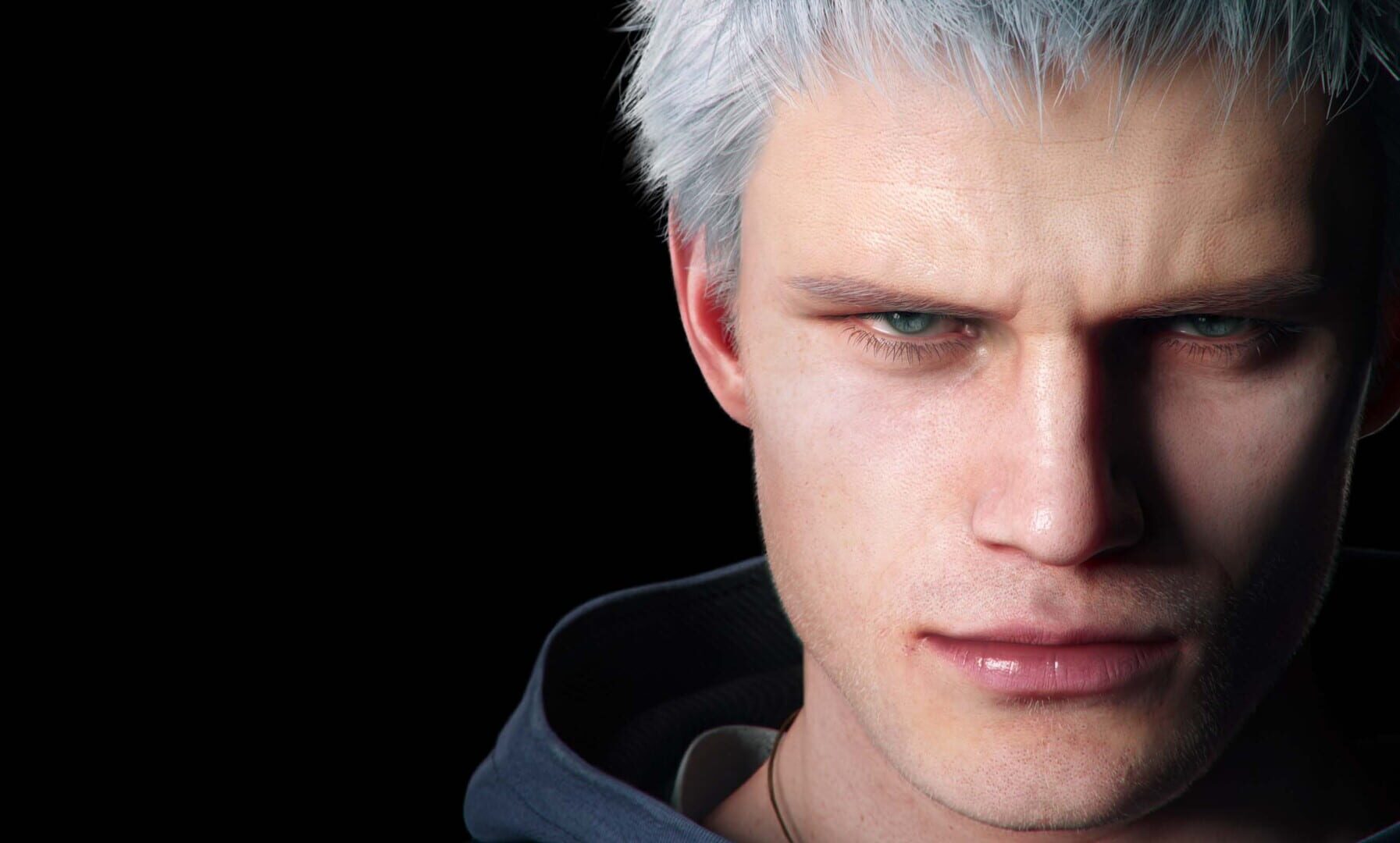

Devil May Cry is the franchise that turned hack-and-slash into performance art. Born from a Resident Evil experiment that grew too wild for its parent series, it handed players a white-haired half-demon named Dante and dared them to fight beautifully. Every enemy encounter doubles as a grading system: land a relentless, stylish combo and the meter climbs from Deadly to Devil Trigger. That loop, the pursuit of a higher style rank, is the core of the addiction. But the series is also about lineage, grief, and the weight of a father who was both god and monster. Sparda cast a shadow over every sequel, and the interplay between Dante's cocky swagger and his brother Vergil's cold obsession with power gives the franchise its emotional spine. The Netflix anime, the novels, and a generation of stylish-action imitators all pull from the same well: supernatural cool, kinetic violence, and the feeling that you are never quite good enough, so you keep playing.
Essential Devil May Cry
The core games, ranked by the faithful
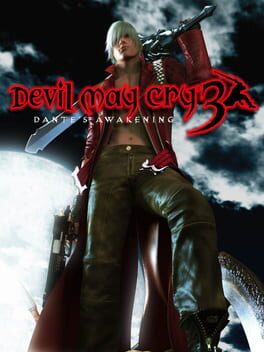
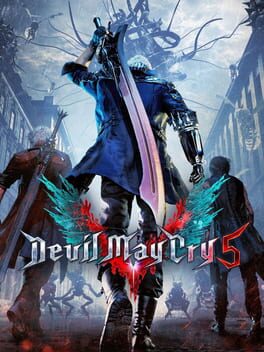
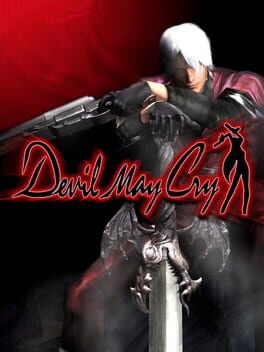
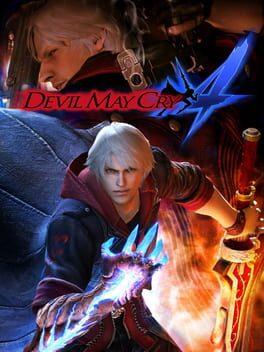
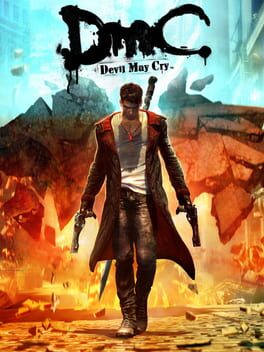
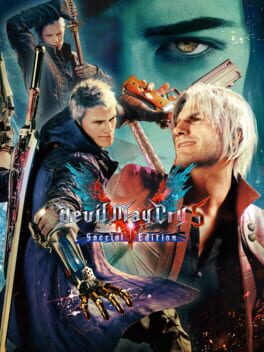
The DMC Screen Universe
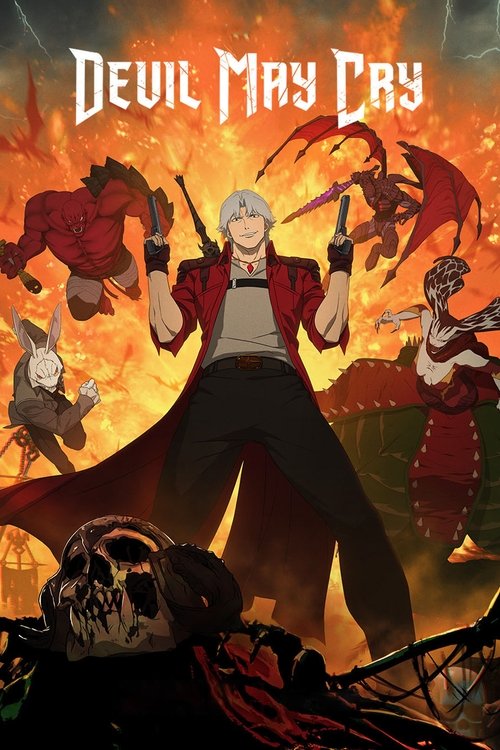
The anime and Netflix adaptation that expand Dante's world
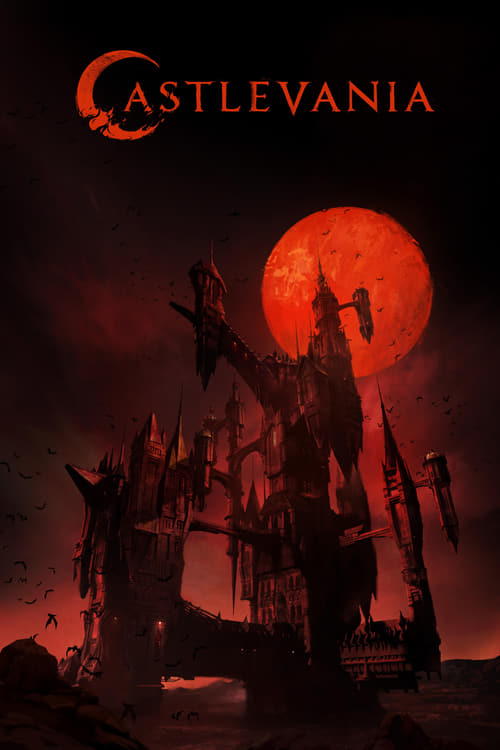
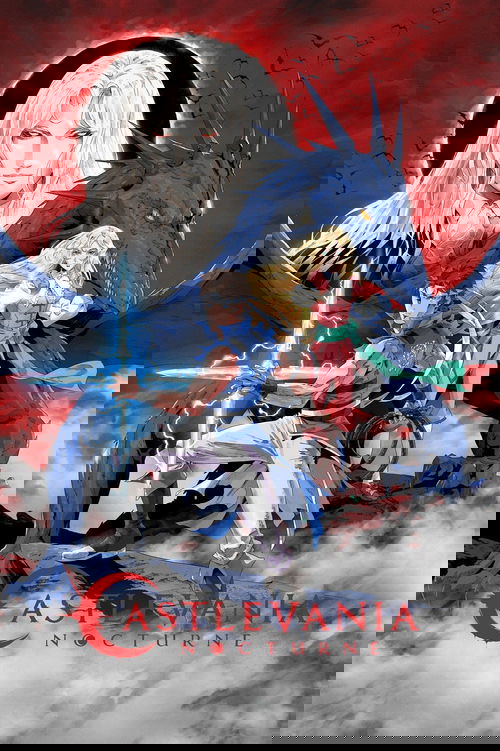
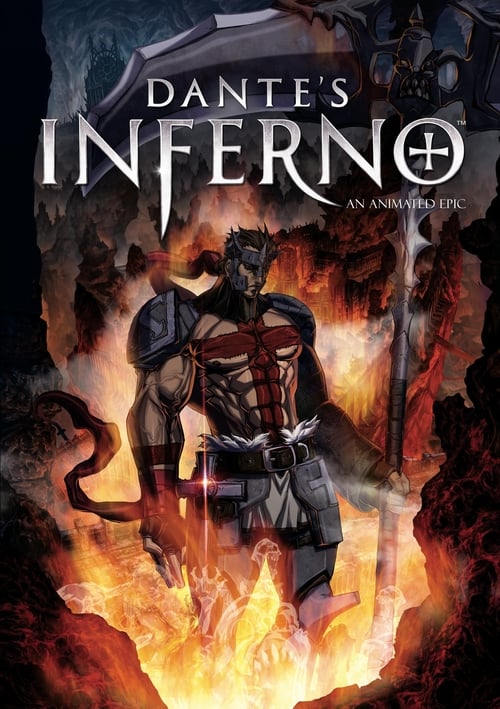
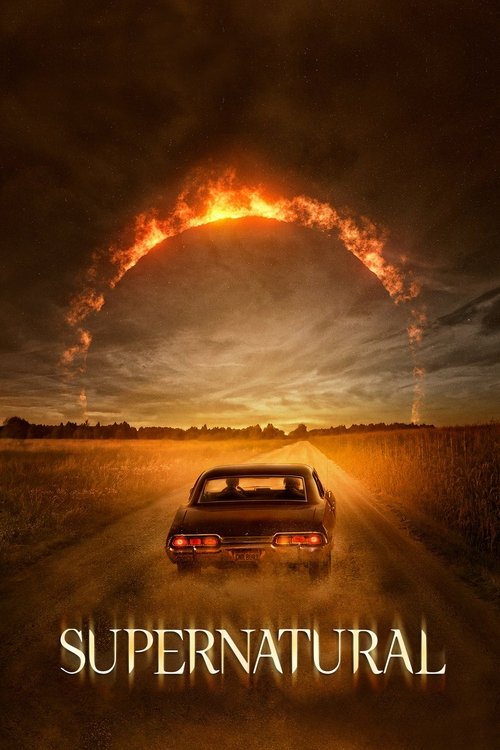
Stylish Action: The Genre Dante Defined
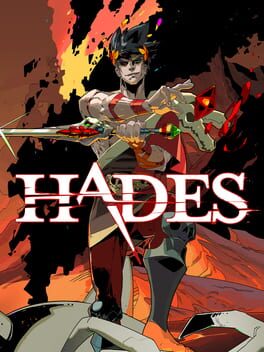
Games that chase the same style-rank high
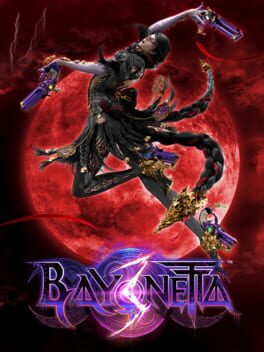
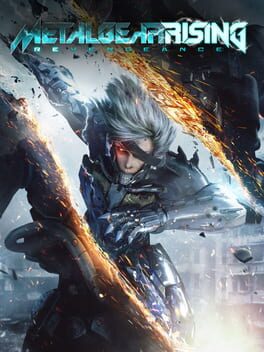

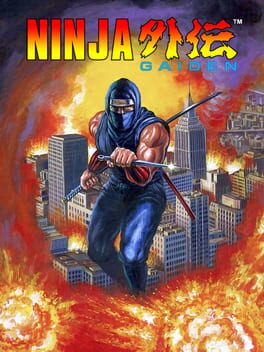
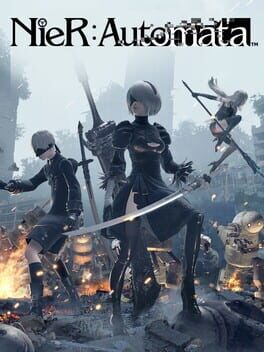
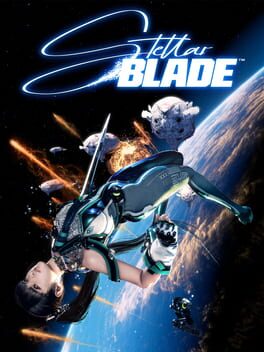
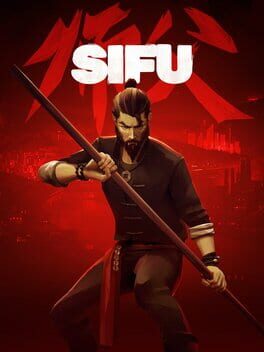
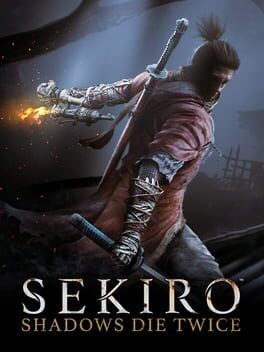
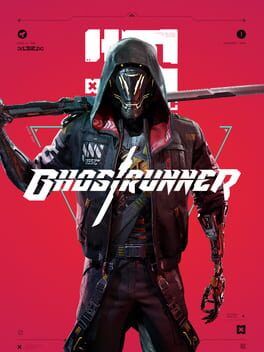
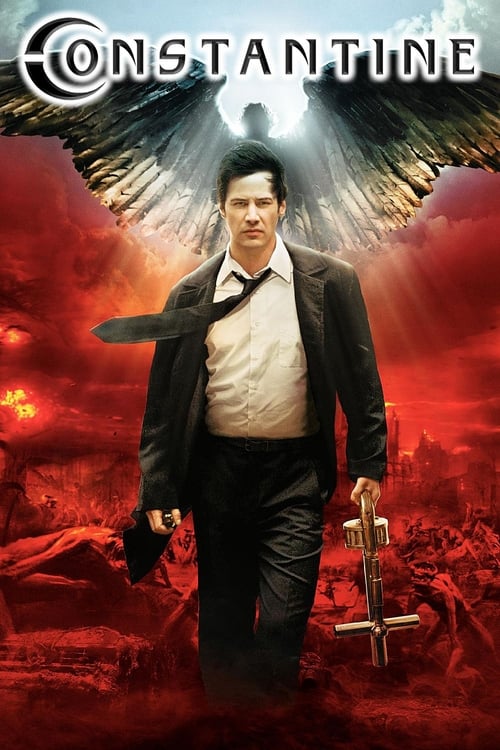
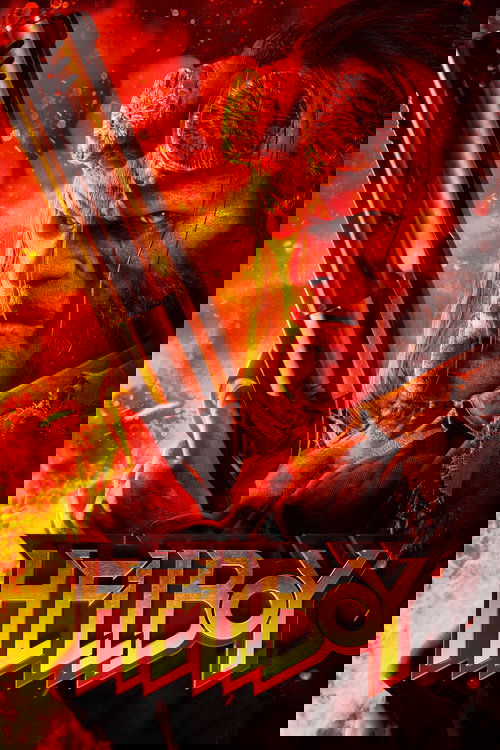
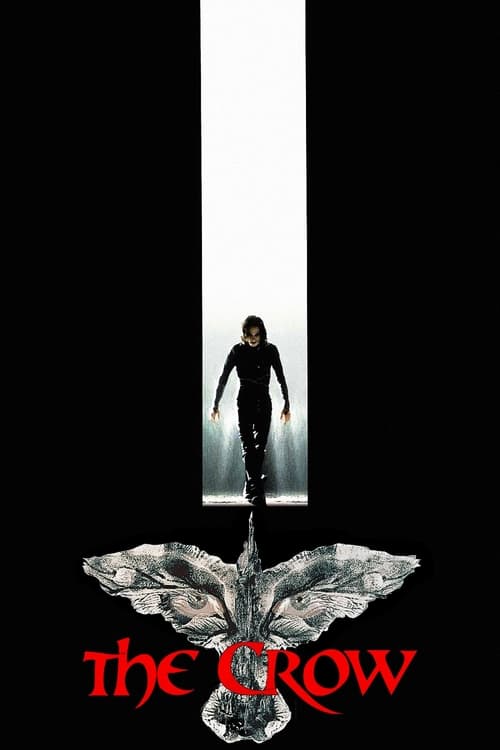
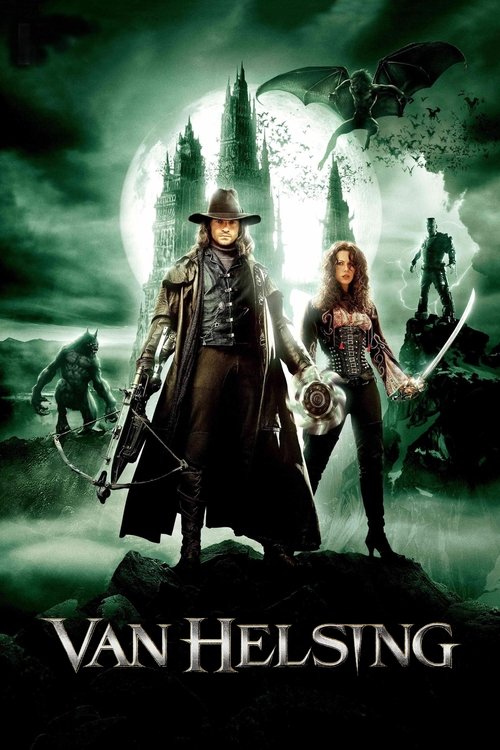
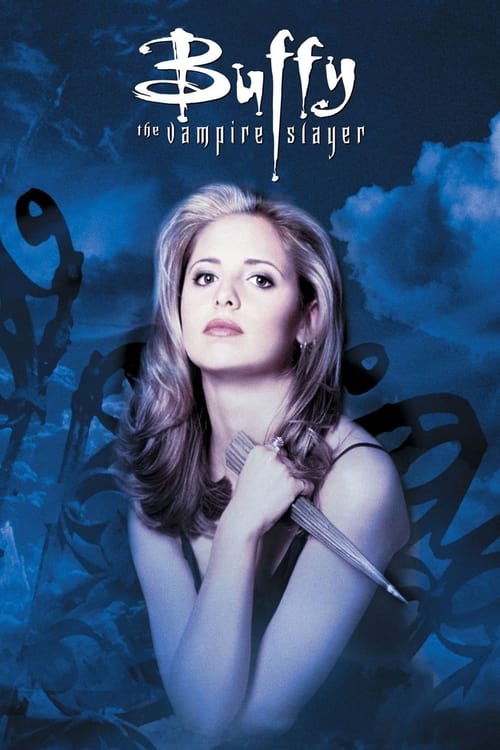
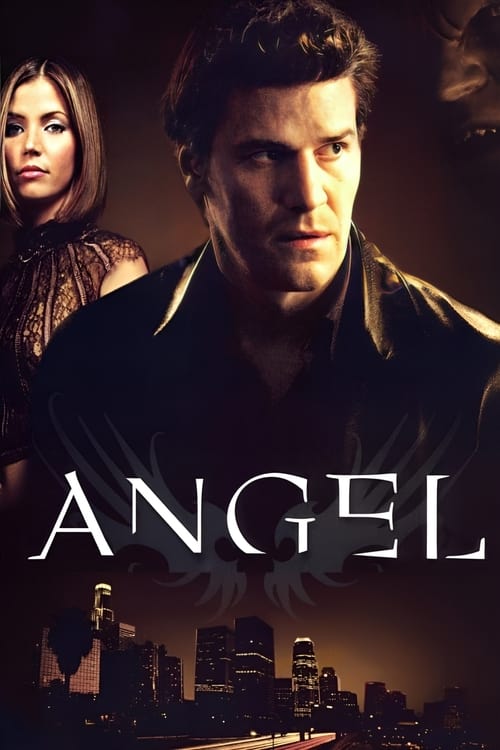
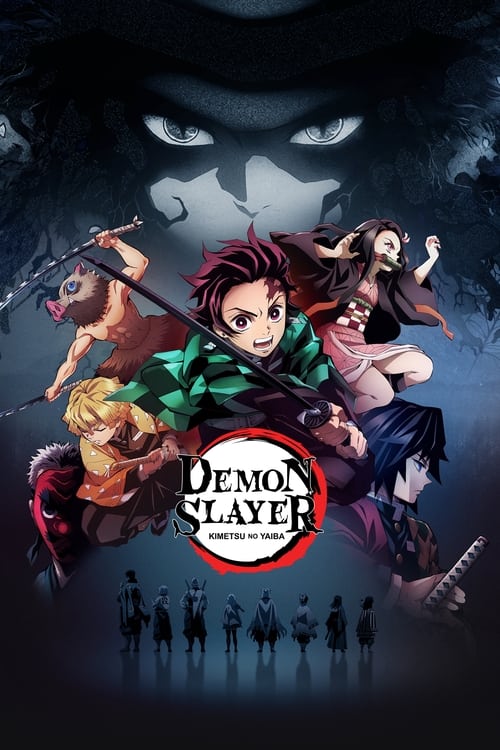
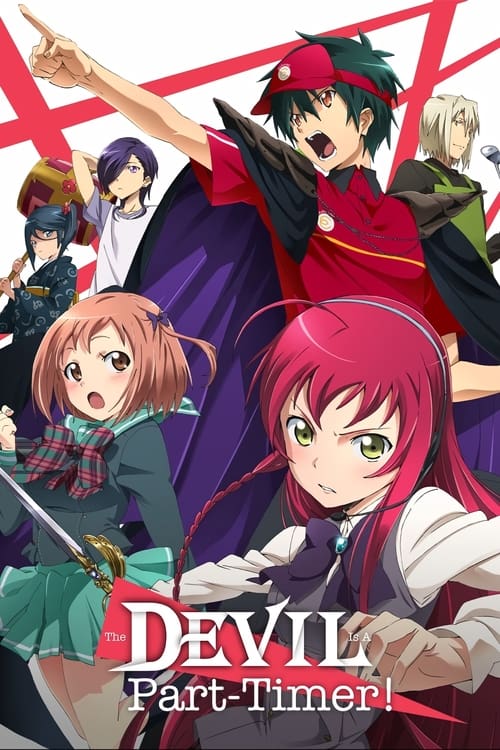
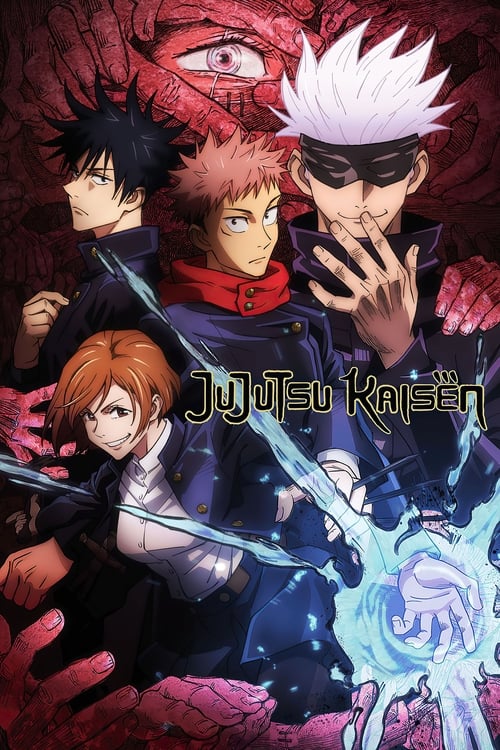
Demon Hunters on Screen
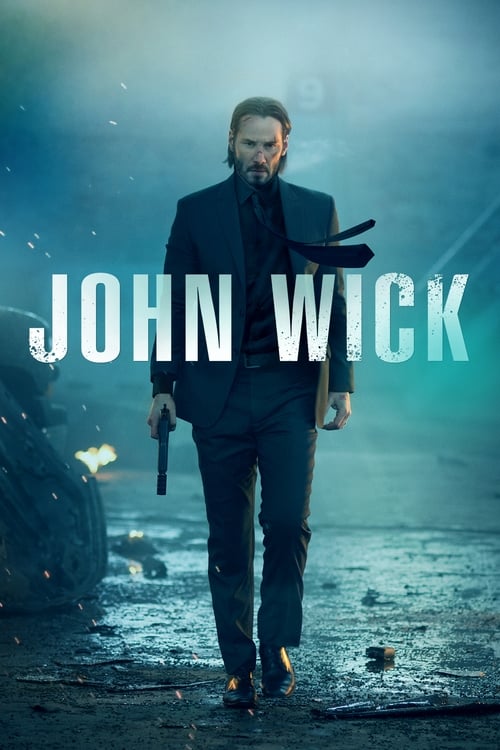
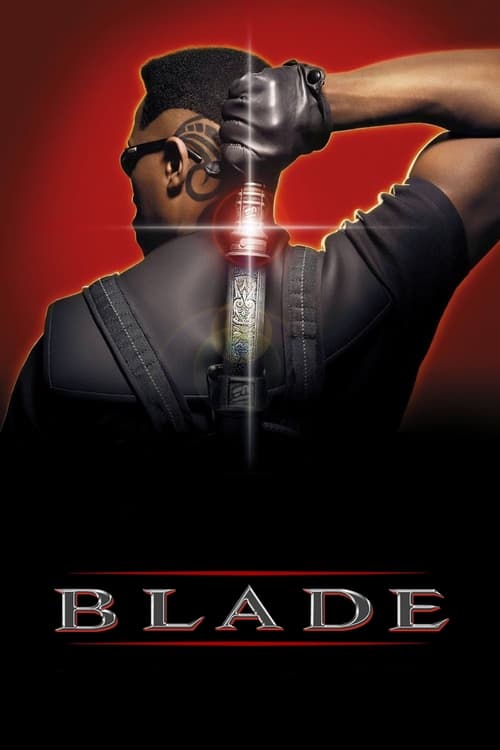
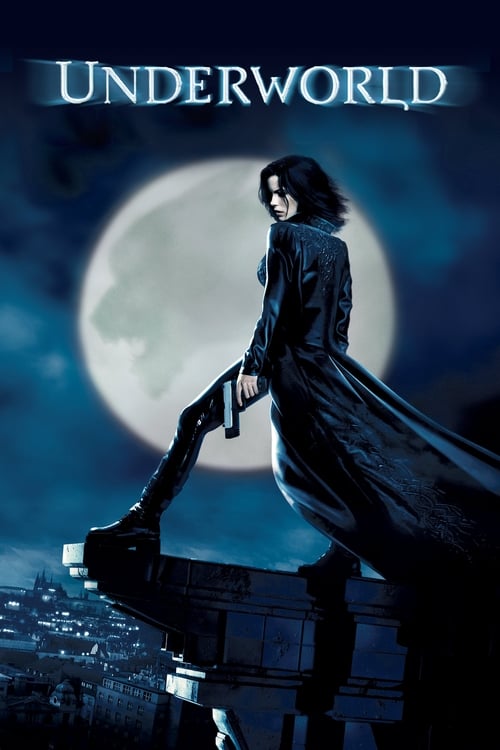
Films and series built on the same supernatural-action DNA

Novels and Comics in the Shadows
Prose and panels that explore the same dark-fantasy space


Devil May Cry 3 Is the Best Action Game Ever Made
Every franchise has a peak, and DMC3 is one of those rare cases where everyone agrees. The combat system, with its selectable fighting styles and absurd weapon variety, hit a ceiling of expression that sequels have spent two decades trying to match. More importantly, it gave the series its defining relationship: Dante versus Vergil, not as villain versus hero, but as two sides of the same grief processed differently. Vergil chose power over feeling; Dante chose humanity. That tension makes every encounter between them feel operatic.
Bayonetta Is the Legitimate Heir
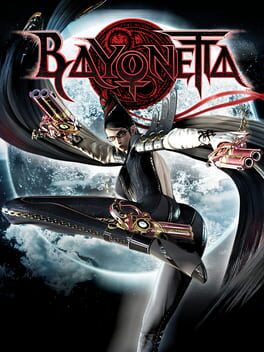
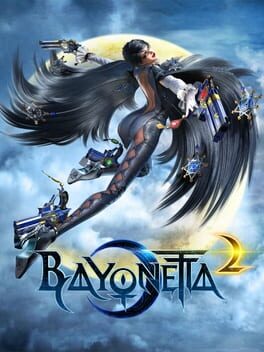
Hideki Kamiya directed the original Devil May Cry and then left Capcom to make Bayonetta. The lineage is not accidental: Bayonetta shares DMC's style-ranking obsession, its absurdist swagger, and its commitment to the idea that fighting should feel like dancing. But Bayonetta pushes harder on spectacle and self-parody. If DMC is a rock album, Bayonetta is a disco LP recorded at eleven. Both are essential.
The Netflix Series Nailed the Tone
The 2007 anime series (later on Netflix) did something difficult: it captured Dante between jobs, in the mundane downtime of demon-hunting, and made that interesting. Where the games are relentless escalation, the show is episodic pulp, each case a short story. The tone is correct, the incidental demon designs are inventive, and the series proves the franchise has legs beyond combat mechanics. It is the DMC equivalent of a short story collection from a novelist known for doorstoppers.
Nero Is the Better Protagonist (and That Is Okay to Say)
DMC4 introduced Nero as a reluctant placeholder for Dante and accidentally created a more emotionally grounded character. Where Dante is comfort food, Nero has stakes: a girl he loves, a heritage he cannot understand, and a Devil Bringer arm that marks him as other. DMC5 deepened that with the Breaker system and resolved his arc in a way that felt genuinely earned. The franchise works best when it has both: Dante as spectacle, Nero as heart.
The Devil May Cry Timeline
- 2001The franchise begins Devil May Cry
- 2003The divisive sequel Devil May Cry
- 2005The peak: Dante vs Vergil origin story Devil May Cry 3: Dante's Awakening
- 2007Animated series premieres
- 2008Nero introduced, Dante returns Devil May Cry 4
- 2013Ninja Theory reboot in a parallel universe DmC: Devil May Cry
- 2019The numbered sequel fans waited 11 years for Devil May Cry 5
- 2021Vergil playable in next-gen upgrade Devil May Cry 5: Special Edition
More stylish demon hunting and the infernal
For Fans of Bayonetta
Explore the For Fans of Bayonetta guide →Jackpot.Dante, Devil May Cry 3