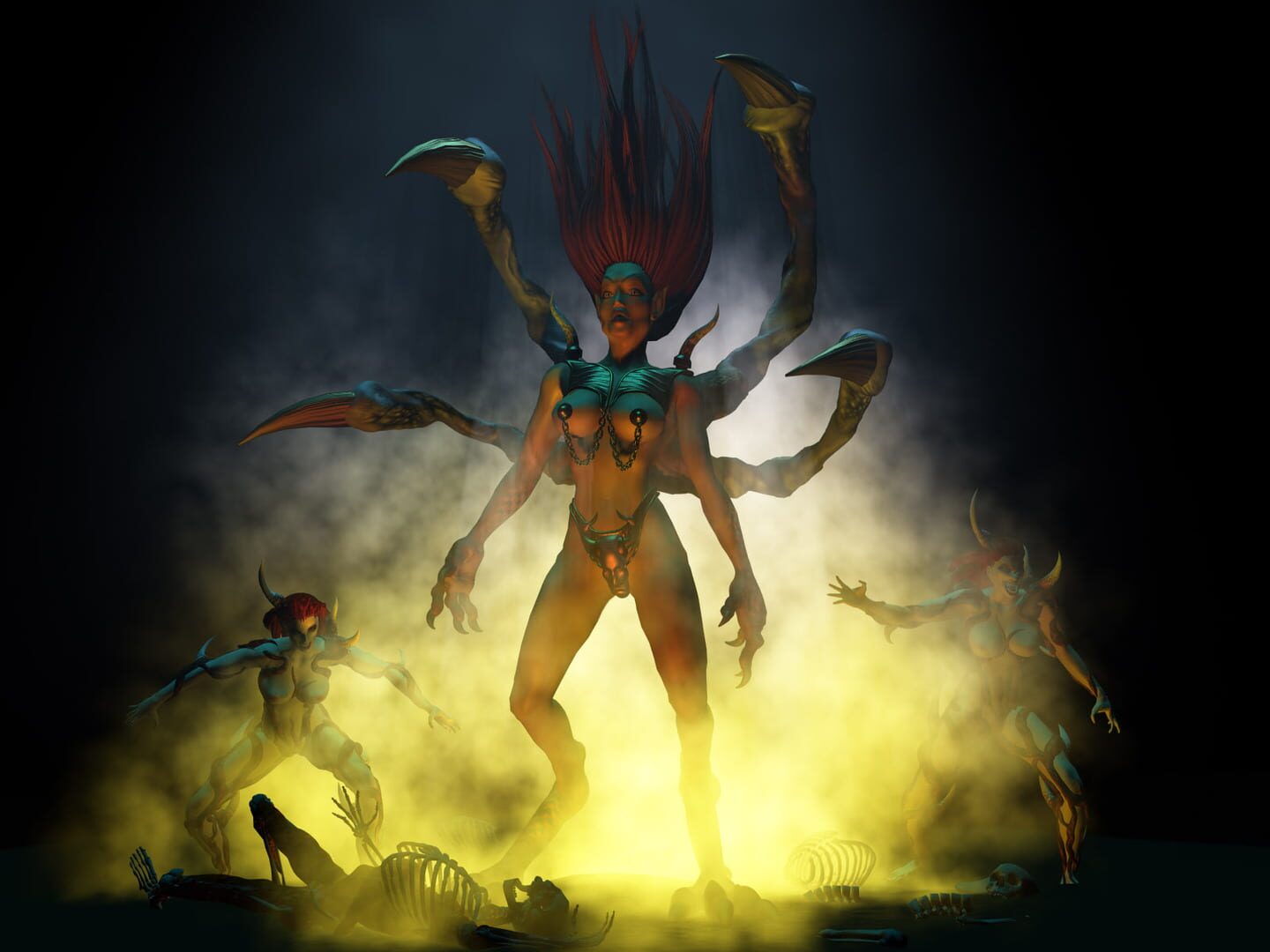

Diablo is a franchise built on a single irresistible proposition: go deeper, get stronger, go deeper again. Since 1996, Blizzard's series has defined the action-RPG genre by fusing gothic horror atmosphere with an almost chemical reward loop of loot and escalating power. The world of Sanctuary sits at the crossroads of Heaven and Hell, and the story it tells is one of corrupted angels, ancient evils, and mortals stubborn enough to fight both. What makes Diablo resonate across three decades is not just the clicking or the numbers rising, but a distinct mood: the creak of a dungeon door, rain on cobblestones, and the distant sound of something enormous stirring below.
Essential Diablo
The core series and its essential expansions
The Dark Action-RPG Bloodline
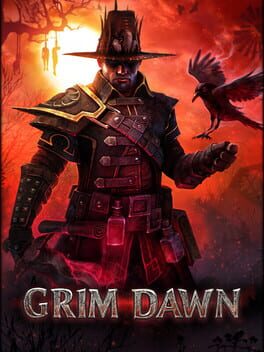
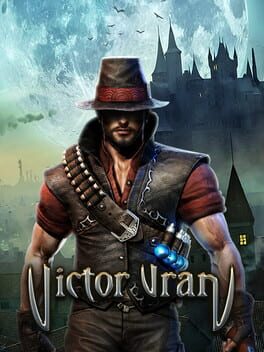
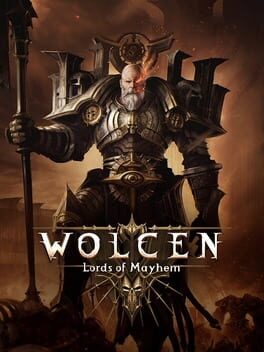
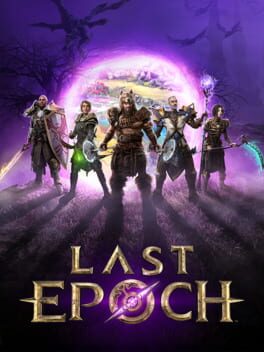
Games that share Diablo's loot-driven dungeon soul
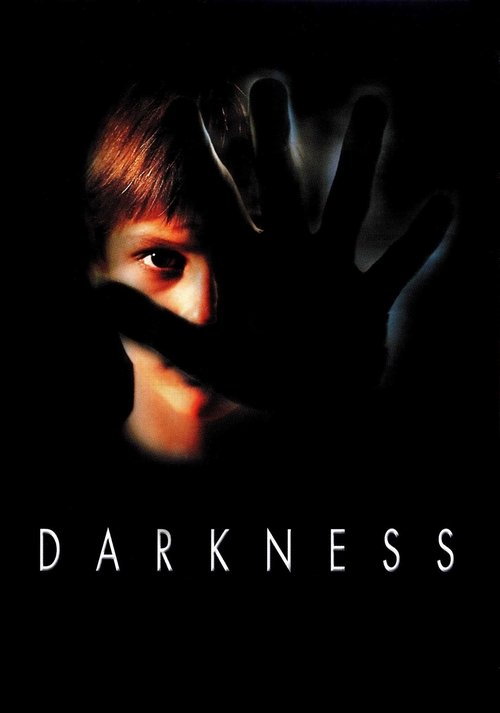
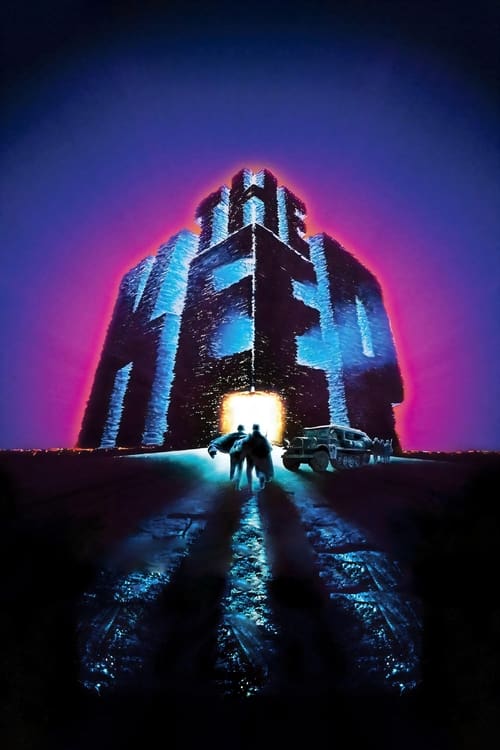
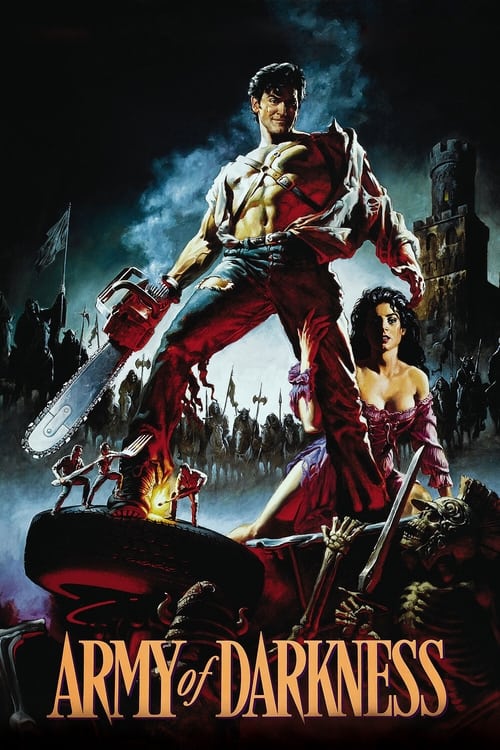
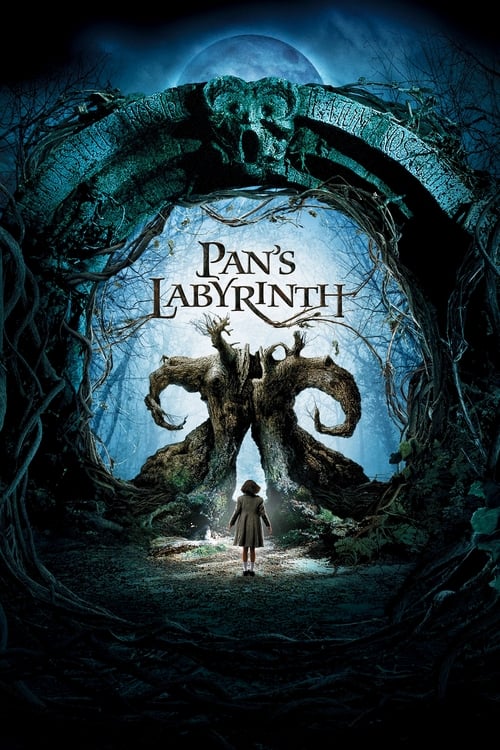
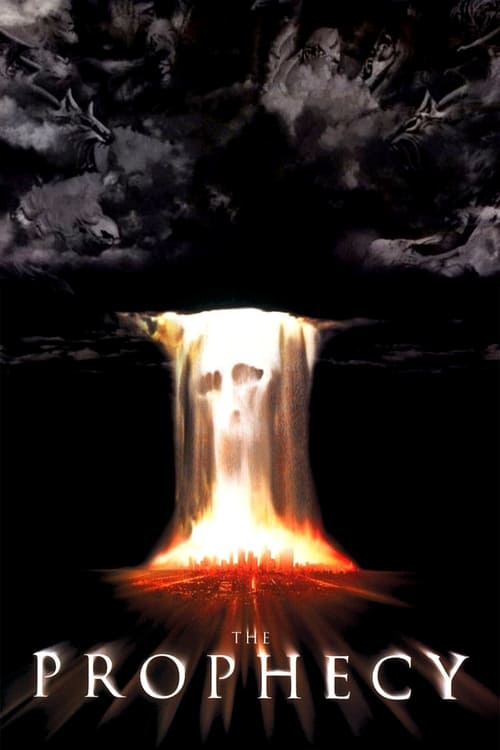
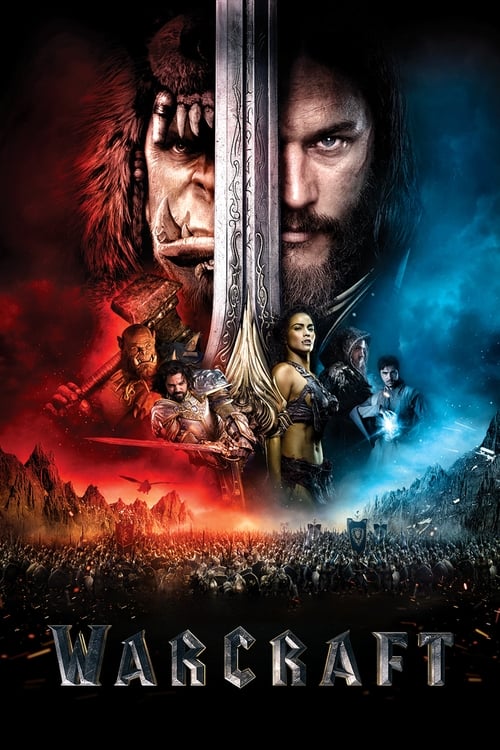
Gothic Horror and Demonic Cinema
Films with the same dark fantasy dread and demon-haunted atmosphere


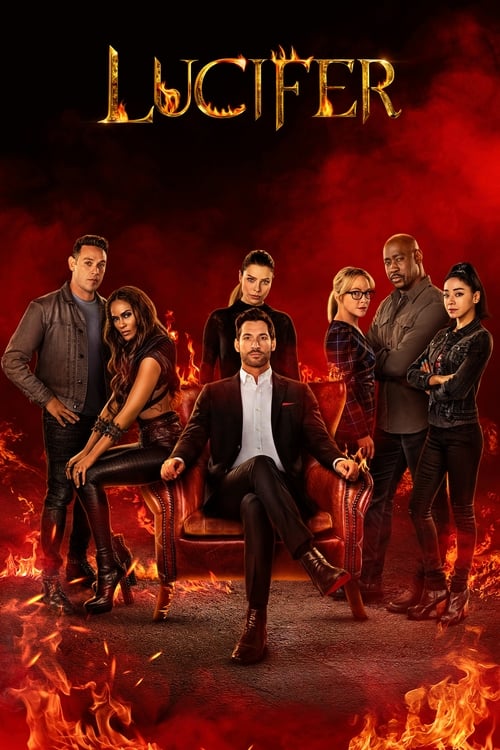
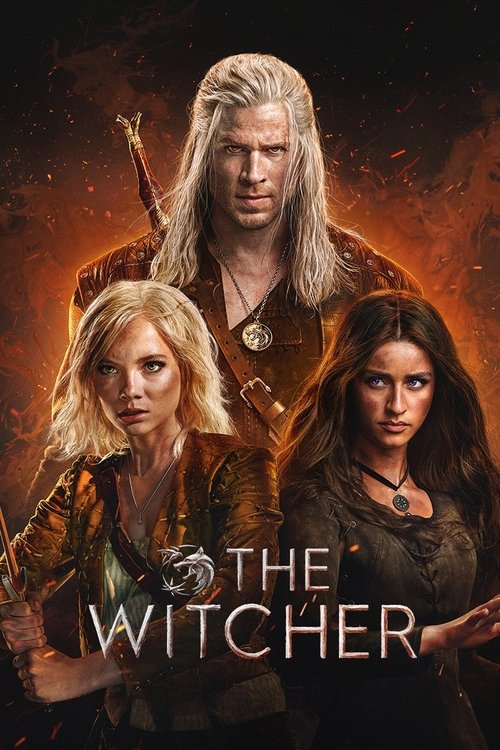
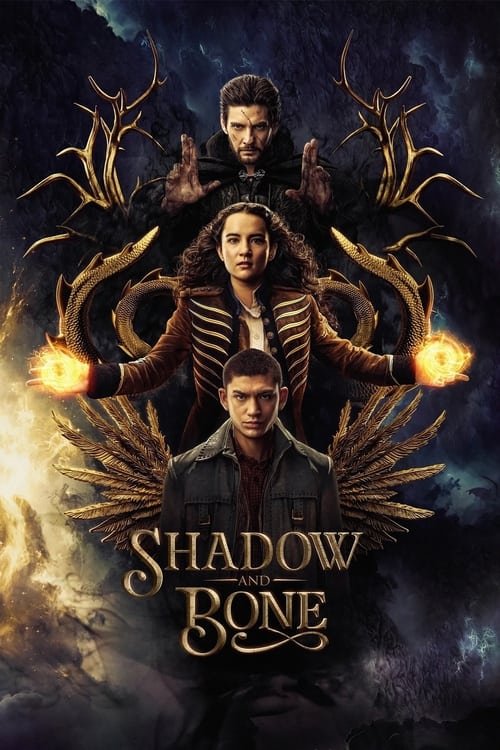
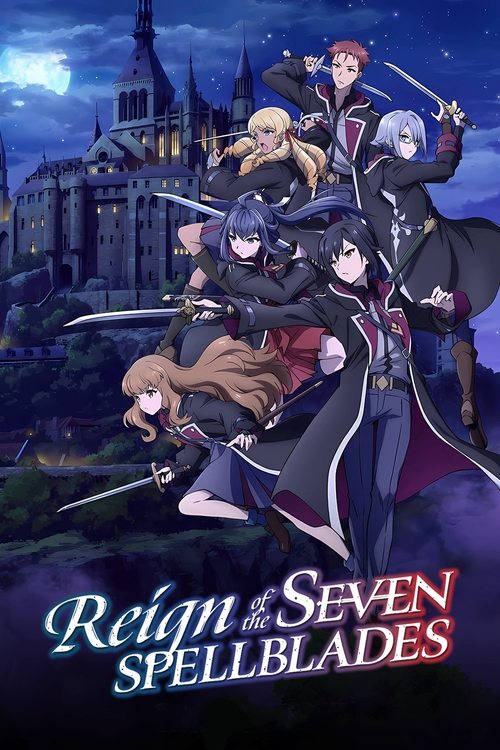
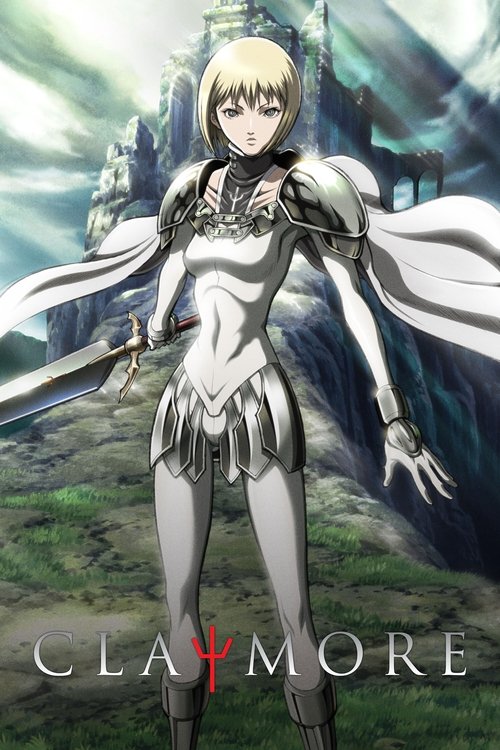
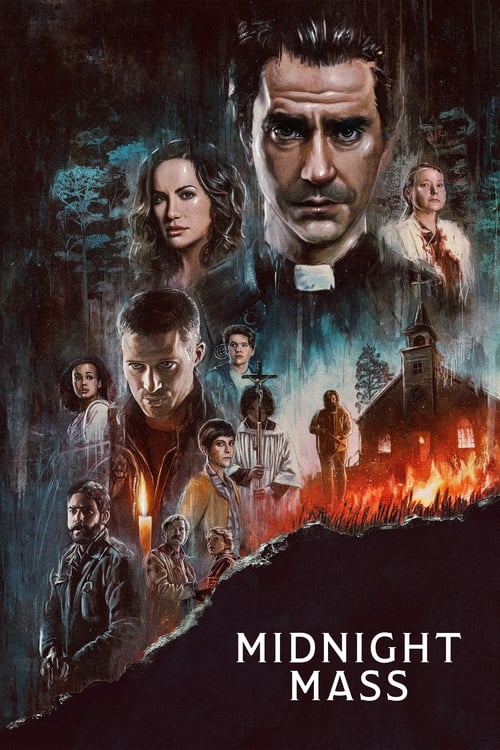
Series for the Demon Hunter in You
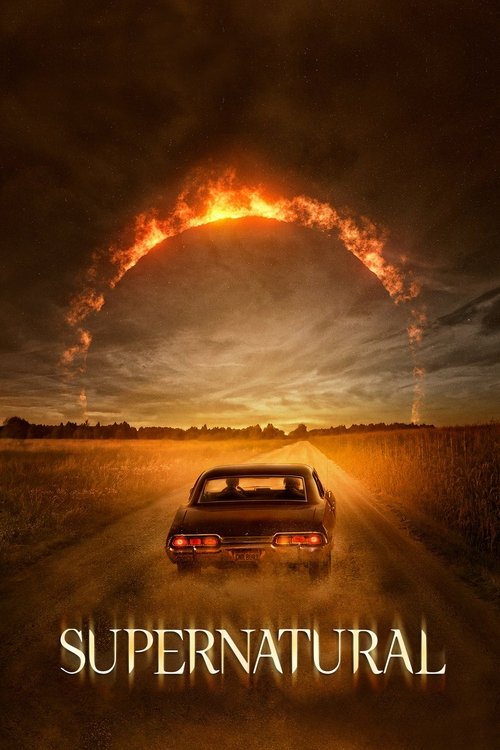
TV and animation with the same gothic, supernatural warfare energy

Dark Fantasy and Horror Novels
Books that descend into the same shadow-haunted territory


The Dungeon Is the Point
Every Diablo sequel has updated the formula, but the dungeon remains the irreplaceable core. Not as a backdrop, but as an active antagonist: the architecture itself disorients, the darkness limits your view, and every doorway is a potential ambush. Path of Exile understood this and built its entire economy around it. The best dungeon-crawlers in any medium preserve that feeling of spatial dread combined with irresistible forward pull.
Castlevania Got There First in Animation
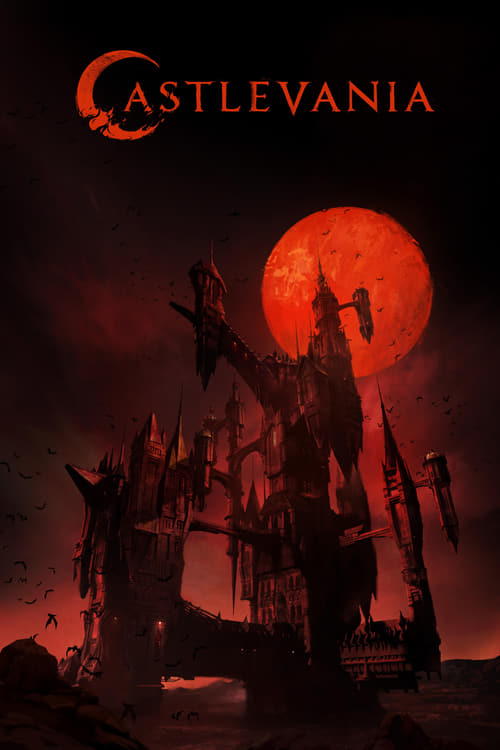
When Netflix's Castlevania arrived in 2017 it proved that gothic dungeon fantasy could work in animation at a prestige level. The show draws from the same well as Diablo: corrupt nobility, demonic invasions, lone warriors with specialized builds. Season 1 and 2 especially capture the weight and brutality that Diablo's cinematics aim for, and the fight choreography has a satisfying crunch that any Barbarian or Paladin player will recognize.
Joe Abercrombie Writes Diablo in Prose
Joe Abercrombie's First Law trilogy operates on the same moral palette as Diablo: heroism is complicated, corruption is banal, and the forces of darkness are sometimes indistinguishable from the forces supposedly fighting them. His characters earn their power through suffering rather than chosen-one prophecy. Readers who love the nihilistic tinge of Diablo's lore and the sense that Sanctuary's heroes are always one mistake from becoming something monstrous will feel at home in the Union.
Constantine Is the Nearest Thing to a Diablo Film
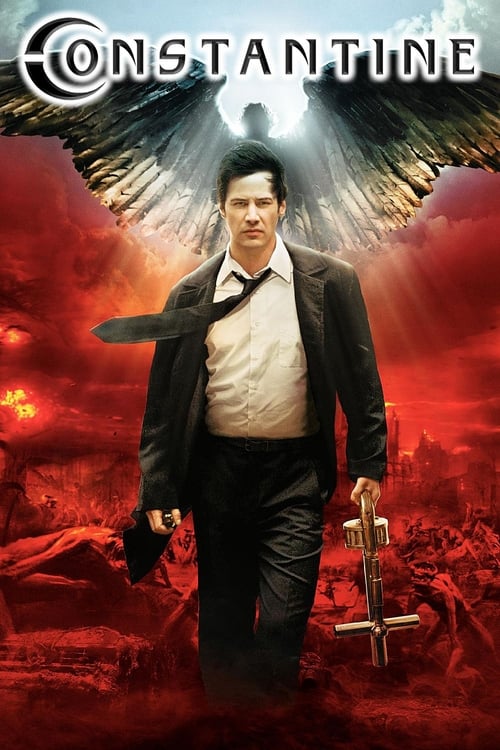
No film has directly adapted Diablo, but Constantine comes closest in spirit. Keanu Reeves plays a half-damned exorcist navigating the cold war between Heaven and Hell in a bureaucratic Los Angeles underworld, which is functionally the same political landscape Diablo's Archangel Tyrael and the Burning Hells occupy. The film's matter-of-fact treatment of demons as organizational threats, and its lore-dense mythology, gives it the same energy as cracking open the Diablo Lore books.
Descent into Darkness: Diablo Through the Years
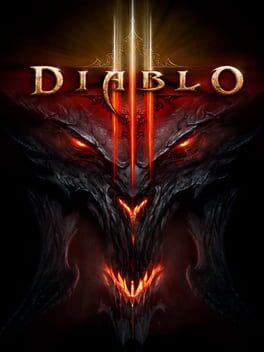
- 1996The original Diablo launches on PC, defining the loot-driven action-RPG genre and establishing Tristram as one of gaming's great gothic settings. Diablo
- 2000Diablo II expands the world across five acts and multiple continents of hell, perfecting the itemization system that competitors still measure themselves against. Diablo II
- 2001Lord of Destruction adds the Druid and Assassin classes and Harrogath, cementing D2 as the high-water mark of the genre for many fans. Diablo II: Lord of Destruction
- 2003Richard A. Knaak's The Kingdom of Shadow novel expands Diablo's lore into book form, one of several tie-in novels in the franchise.
- 2012Diablo III launches to record sales, divides the community over its real-money auction house, then wins them back with the Reaper of Souls overhaul. Diablo III
- 2013Path of Exile releases out of beta and begins its long campaign to become the genre's deepest and most uncompromising alternative. Path of Exile
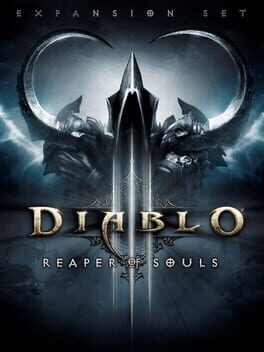
- 2014Reaper of Souls restores the gothic tone, adds the Crusader class, and introduces the Adventure Mode that becomes the template for end-game design. Diablo III: Reaper of Souls
- 2017Netflix's Castlevania proves that gothic demon-hunting animation can be prestige television, opening a lane that Diablo's own animated adaptation will eventually occupy. Castlevania
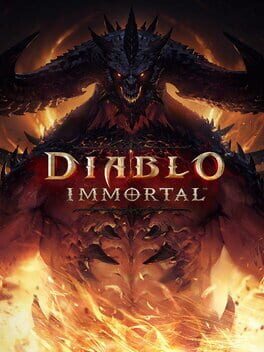
- 2022Diablo Immortal launches on mobile and PC, controversial for its monetization but genuinely expanding the franchise's lore. Diablo Immortal
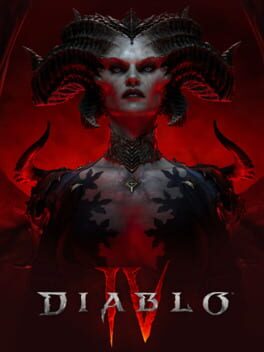
- 2023Diablo IV launches as the most ambitious entry yet, returning to the open-world gothic darkness of the original while adding seasonal live-service content. Diablo IV
More hellfire, loot, and dark fantasy
Dark Fantasy
Explore the Dark Fantasy guide →Not all treasure hunters seek gold. Some descend because the dark is honest, and the monsters at least tell you plainly what they are.CrossBinge