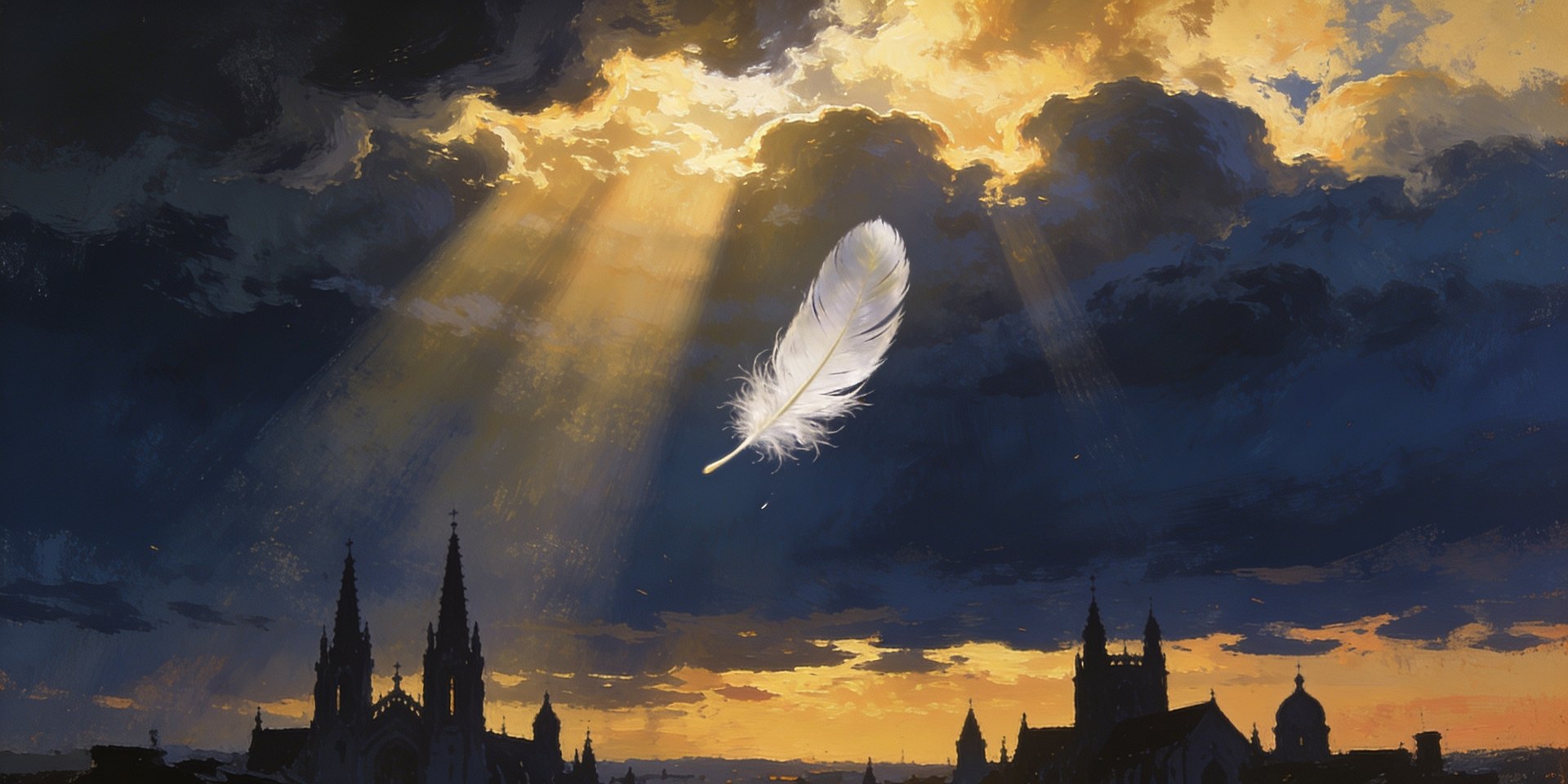

Angels are the oldest science fiction. Wings, fire, impossible tasks, a chain of command stretching to the throne of the universe: the seraph is already a creature of another world, obeying laws we cannot read, carrying messages we are not sure we have the equipment to receive. Every era translates them differently, and that is the pleasure of the genre.
The great angel stories divide into two camps. One is about grace: an emissary who shows up in a suffering life, says something quietly true, and leaves before the credits roll. The other is about bureaucracy and power: what happens when the celestial order goes wrong, when angels disagree with God, when heaven turns out to have factions, politics, and war. Both camps live in this guide, and they are rarely as separate as they look.
Essential angel stories
The canon, across every medium

The film that set the template for 80 years
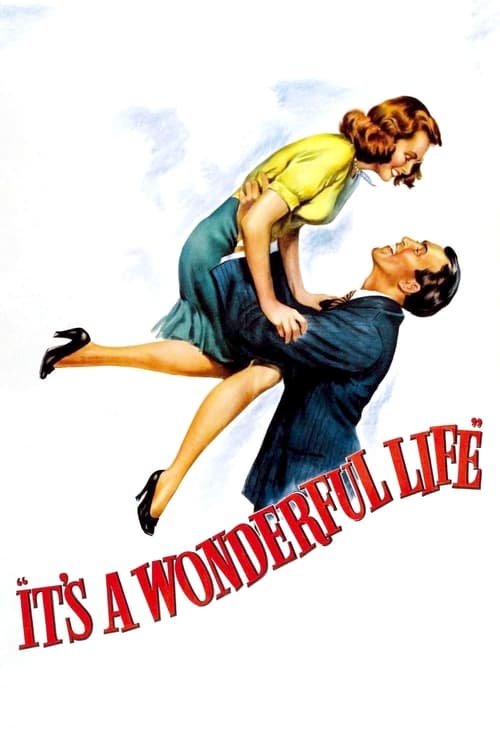
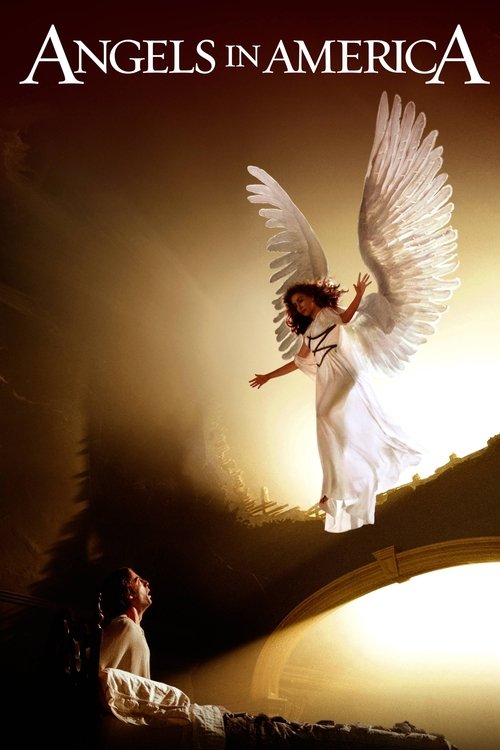
Frank Capra's It's a Wonderful Life is the reason half the angel stories told in English share the same structure: a life in crisis, an otherworldly guide, a revelation, a return. Clarence Odbody (Henry Travers) is deliberately small, a third-class angel who still needs to earn his wings, and the film's emotional power comes from pairing the smallest possible celestial being with the largest possible human question. What the film understands that its imitators often don't is that the angel's real function is not to solve anything. He holds a mirror. George Bailey does his own saving. That distinction is the difference between a grace story and a patronizing one.
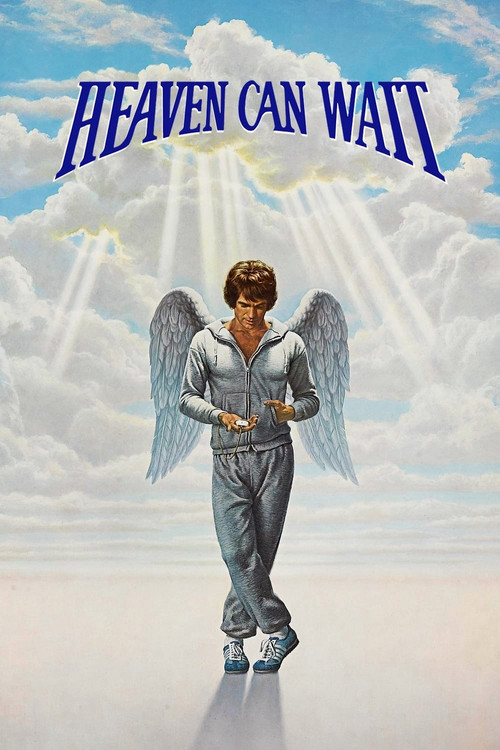
When heaven sends a messenger
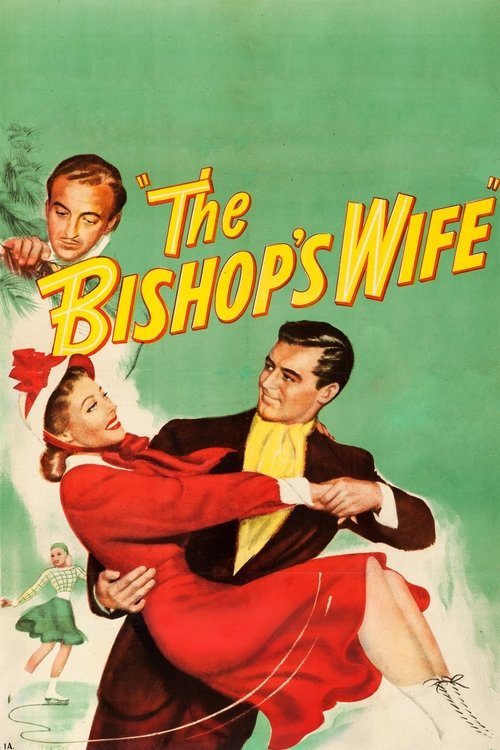
The grace tradition: films where angels intervene in human lives
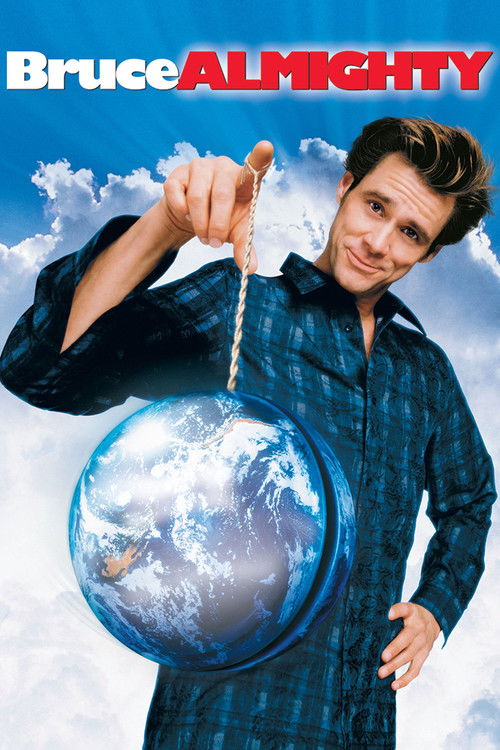
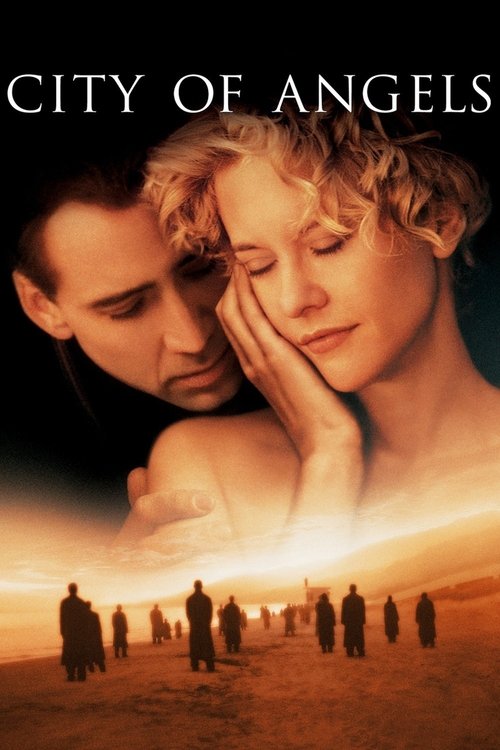
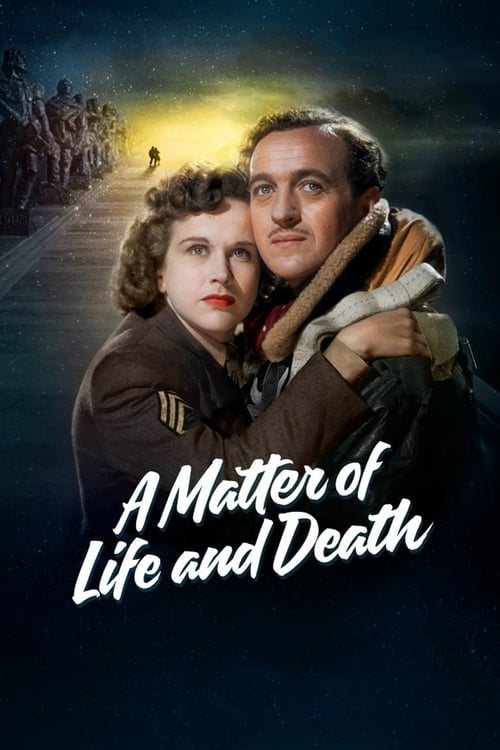
The European counterpoint
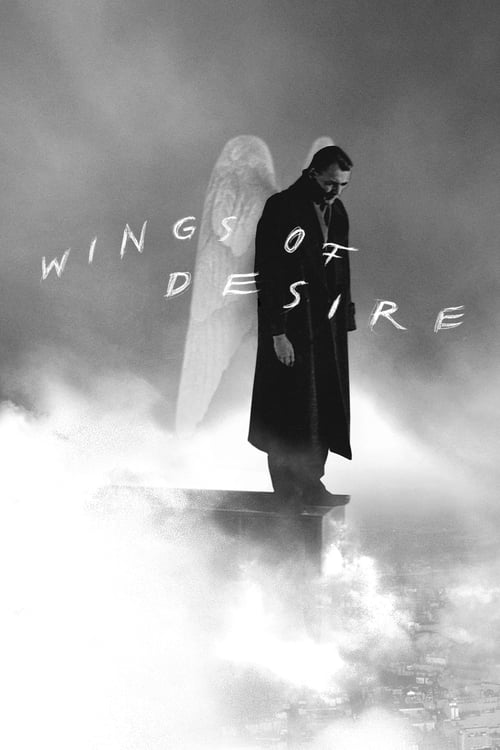
Wim Wenders' Wings of Desire (1987) is the most serious angel film ever made, and it does not share the Hollywood tradition's consolations. His angels are watchers, not interveners. They move through a divided Berlin in black-and-white, cataloguing the inner lives of strangers, unable to touch, taste or be touched. The film asks what an immortal being would give up its divinity for: not eternal life, not power, but coffee and colour and the weight of a body in love. It is a meditation on embodiment, not rescue, and it remains the film that serious directors reach for when they want to prove that angel stories do not have to be comfort food.
Dangerous celestials
Films where angels carry fire, not comfort
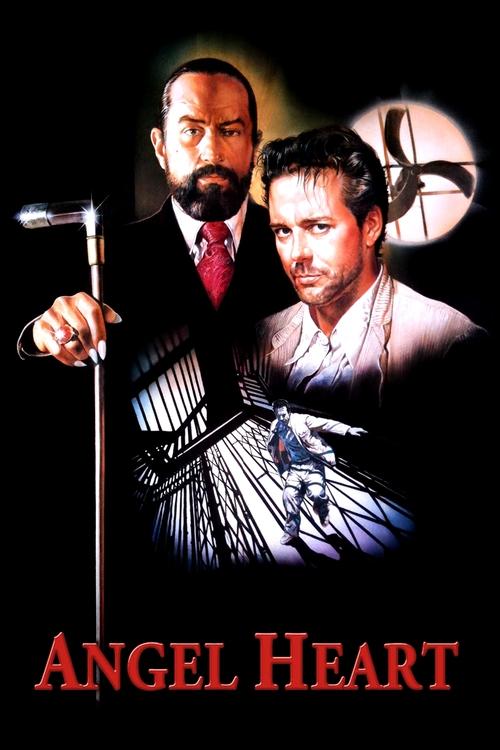
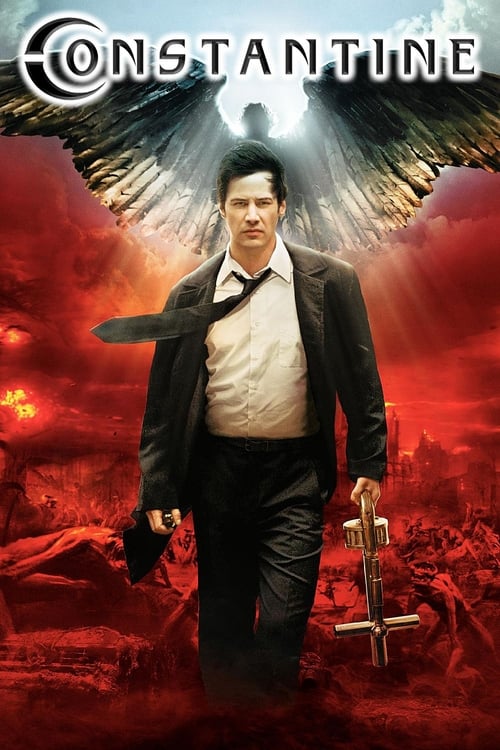
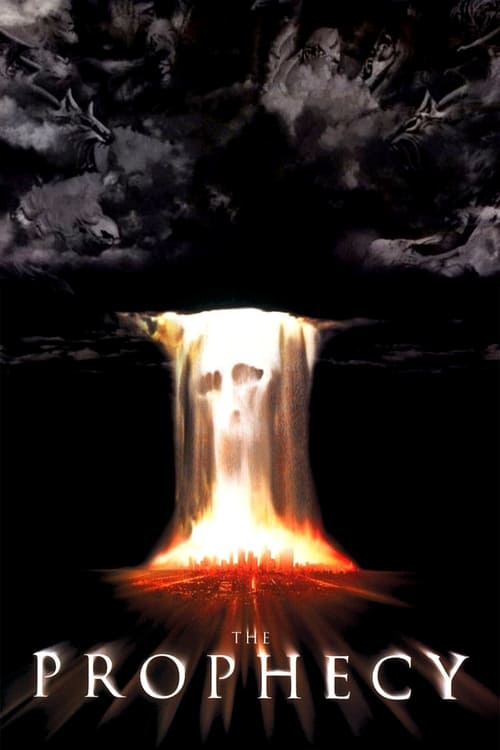
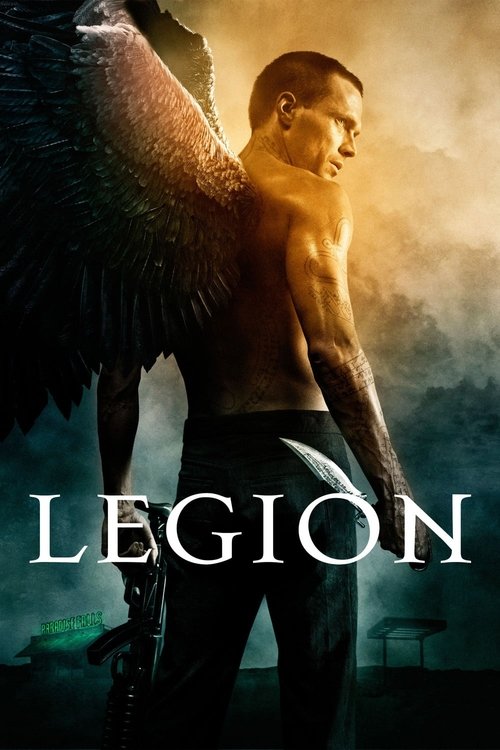
Good Omens got the theology right by accident
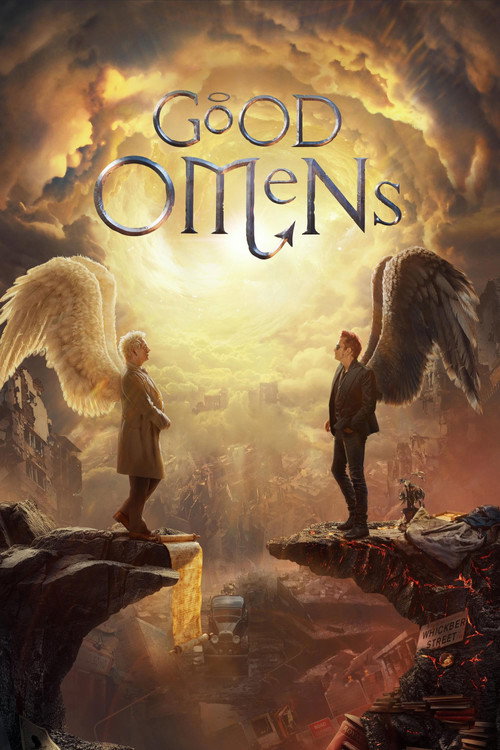
Terry Pratchett and Neil Gaiman's Good Omens is funnier than it looks like it has any right to be, and that is because the comedy is theologically honest. Aziraphale and Crowley are not parodies of angels and demons: they are what angels and demons might genuinely become after spending six thousand years on Earth, growing fond of bookshops and good wine. The joke is not that heaven and hell are absurd. The joke is that they are recognizable: bureaucratic, territorial, more interested in winning than in the thing they're supposedly fighting over. The Amazon adaptation found the right register, gentle and sharp at once, and Michael Sheen and David Tennant are perfectly cast. The second season was more uncertain, but the first remains the best television comedy ever made about the Antichrist.
Heaven has a PR problem
The television stories that complicated the divine order
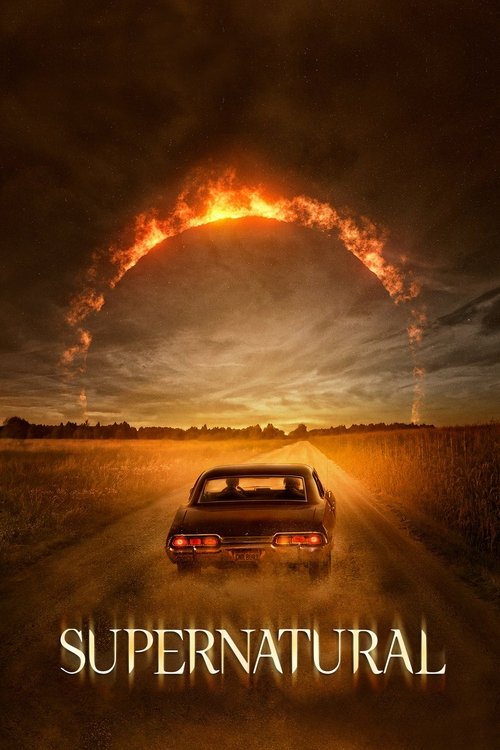
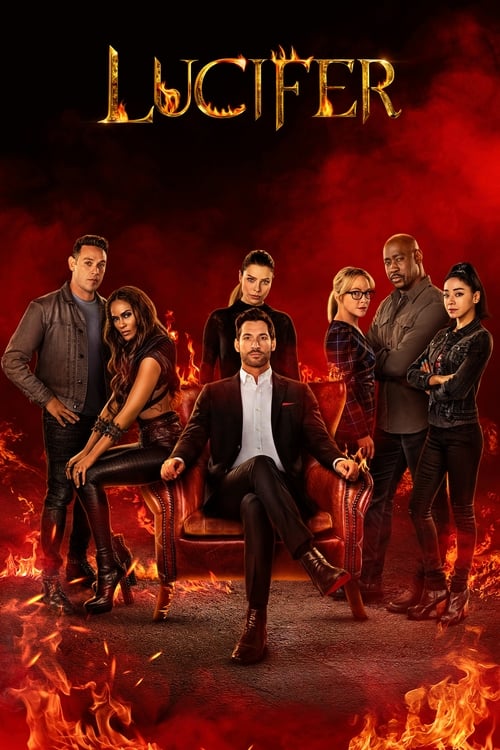
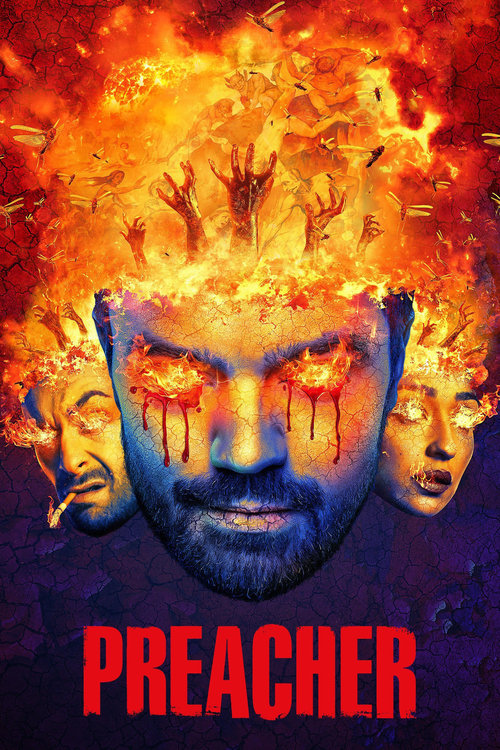
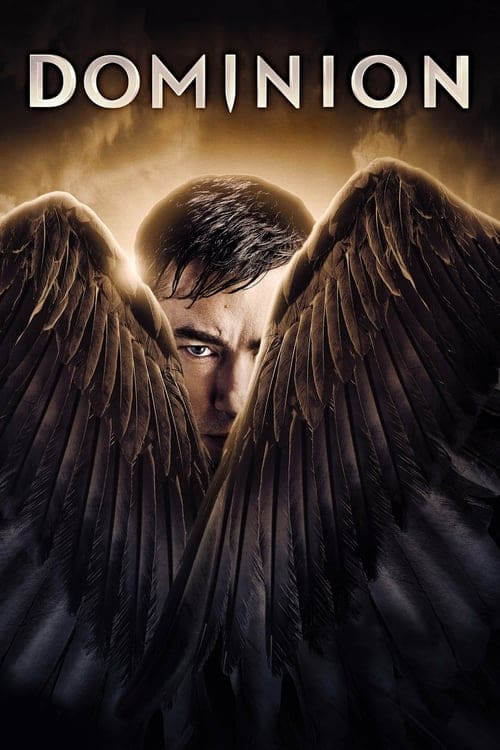
The small-screen tradition that played it straight
Before the angel story became ironic and complicated, American network television offered it sincerely, and it worked. Highway to Heaven (1984) ran for five seasons with Michael Landon as a probationary angel completing earthly assignments. Touched by an Angel (1994) drew tens of millions of viewers every week with its belief that angelic contact was available to ordinary people in ordinary trouble. Joan of Arcadia (2003) brought God directly into a teenage girl's life via strangers on the bus, avoiding every expected cliche about what divine contact looks like. These shows are unfashionable now but they remain a distinct and serious tradition, one that treated the audience's capacity for belief as something to respect rather than dismantle.

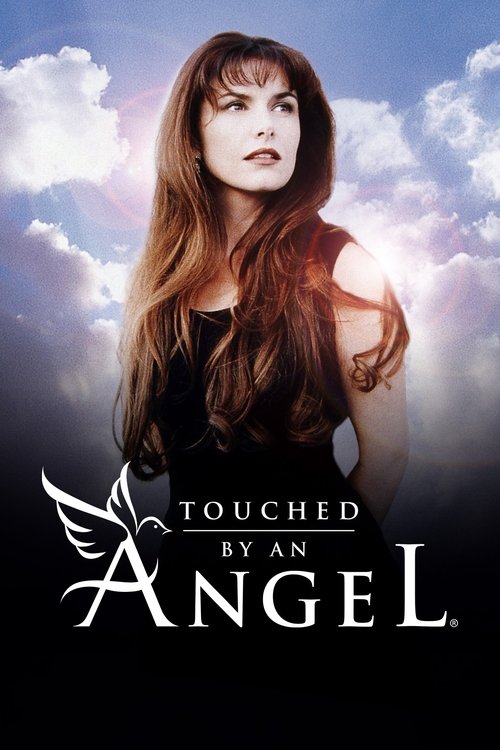

The grace tradition on television
Shows that played the angelic encounter as genuine
Games reimagined heaven as a war
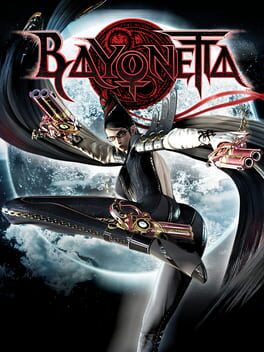
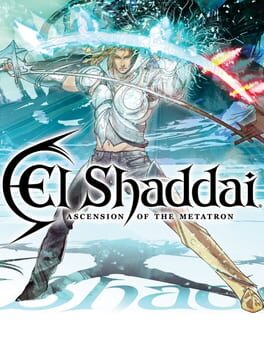
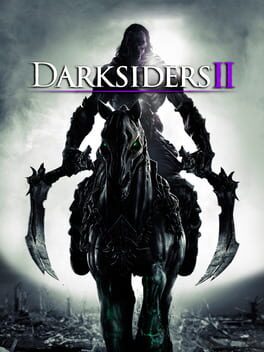
Where film and television tend to locate angels in the margins of human experience, dispatched to observe or help, games put you inside the celestial conflict. Bayonetta made the angels of Paradiso the villains of its own baroque action system, creatures of rigid golden law against which a rogue witch with guns on her heels is the only sane response. Darksiders cast you as War, one of the four horsemen, caught between Heaven and Hell in a game that understood both factions as imperial powers rather than moral absolutes. El Shaddai: Ascension of the Metatron was the strangest entry: a luminous action-platformer drawn from the apocryphal Book of Enoch, in which Enoch himself is dispatched by God to retrieve fallen angels before the flood. No other medium would have made that game.
Fight the heavenly host
Games where angels are the architecture, the enemy or the mission
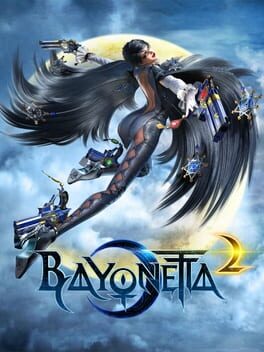
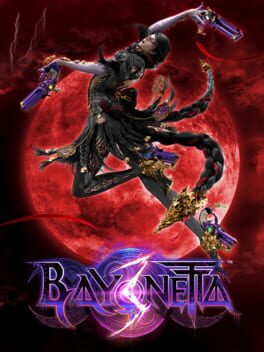
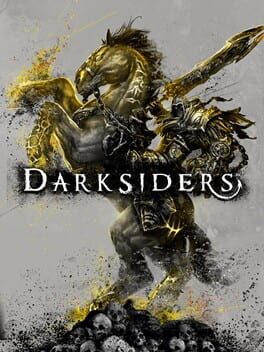



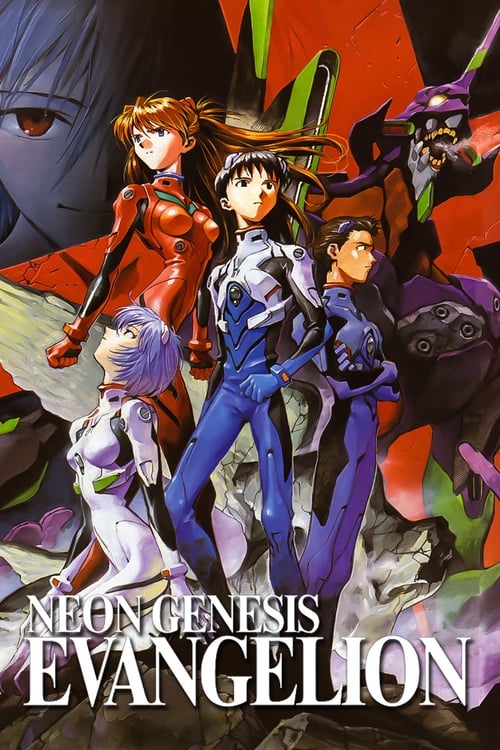
Neon Genesis Evangelion is an angel story told inside out
Hideaki Anno's Neon Genesis Evangelion names its monsters Angels, and it means it. They are not metaphors: they are genuinely other, visitors from outside the order of things, each designed with a different body-logic and a different way of wanting to end the world. Anno borrowed the terminology of Judeo-Christian angelology and ran it through a broken-teenager psychology, and the result is the only work in this guide that uses the angelic concept to ask what it would feel like to be visited by something genuinely incomprehensible, with no good news attached. The show's collapse into abstraction in its final episodes was a budget problem and a nervous breakdown both at once, and it remains unresolved. That is part of why it persists.
The infernal ledger
When hell's armies and heaven's courts collide in gameplay
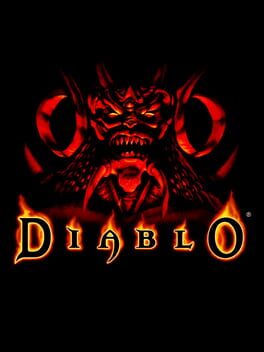
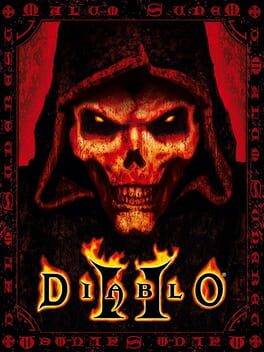
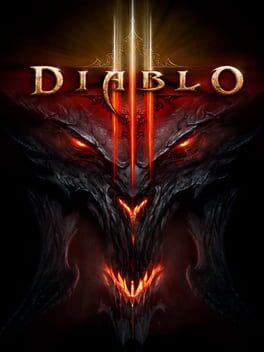
More wars of heaven and hell
Demons & the Infernal
Explore the Demons & the Infernal guide →Every angel story is secretly about the same question: if something that powerful was watching, would it help? The answer depends entirely on what kind of universe the story thinks it lives in.On the theology embedded in the genre