
Disco Elysium is the game that convinced an entire generation of players that role-playing could mean actually playing a role: not a hero, not a chosen one, but a wreck of a detective in a failed revolutionary city, rebuilding a self from scratch while the world argues about what went wrong. The through-line every fan recognizes is the ache underneath the comedy: the sense that ideology, memory, and the body itself are all unreliable narrators. ZA/UM's 2019 masterpiece is equal parts political novel, detective procedural, and psychedelic character study, and the community it built has very specific tastes. It wants art that is literate and bleak and funny in the same breath, that trusts you to sit with ambiguity, and that refuses to let the world off the hook.
Narrative CRPGs and Detective Games with the Same DNA
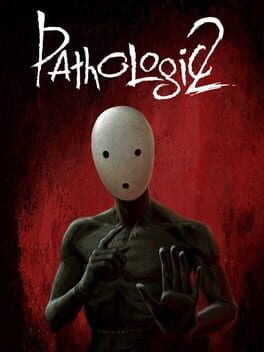
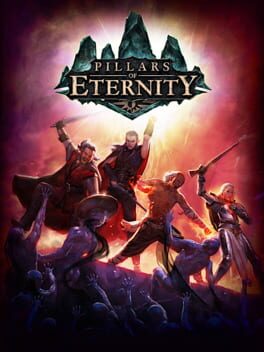
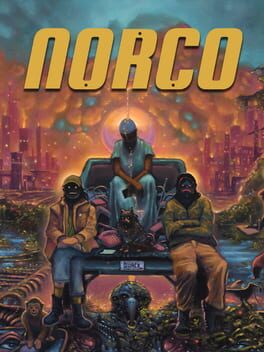
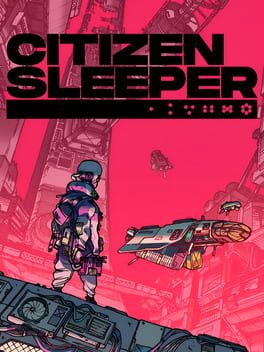
Games that trust language, ambiguity, and player interiority as much as combat

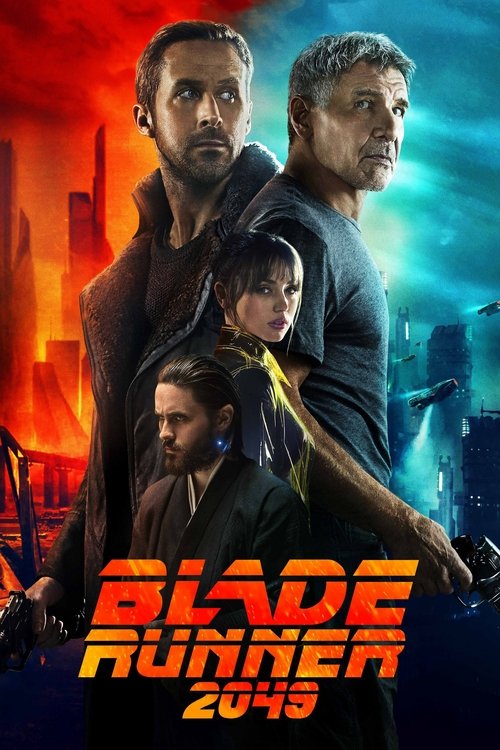
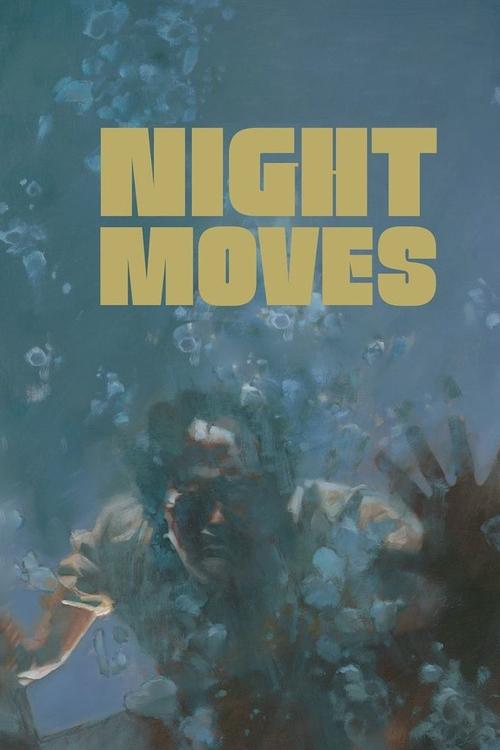
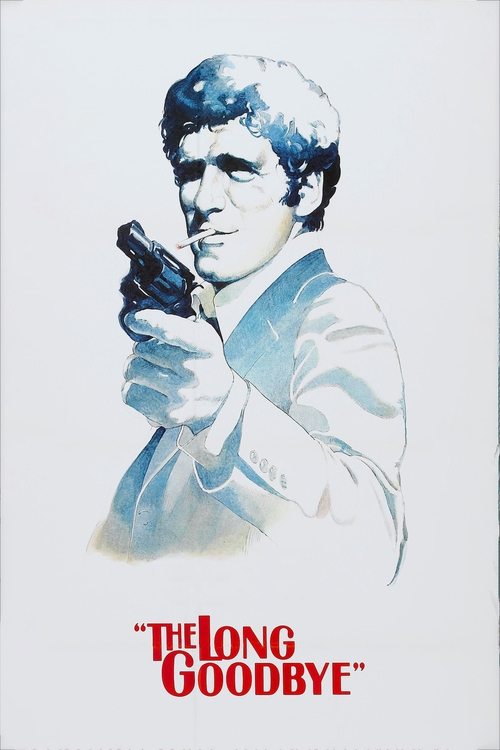
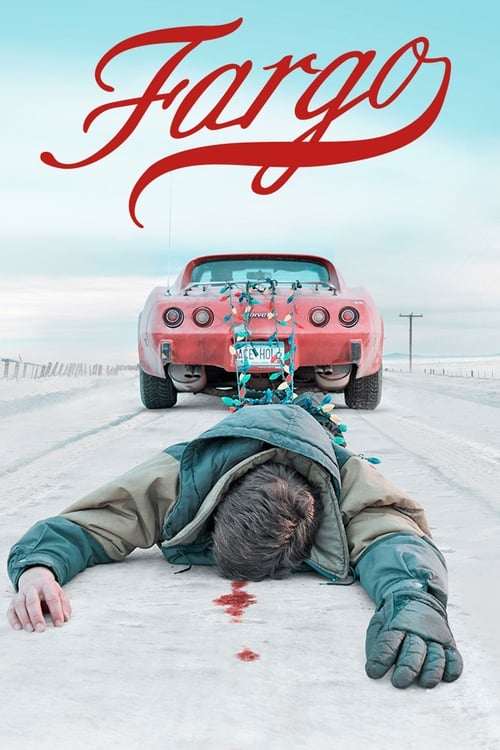
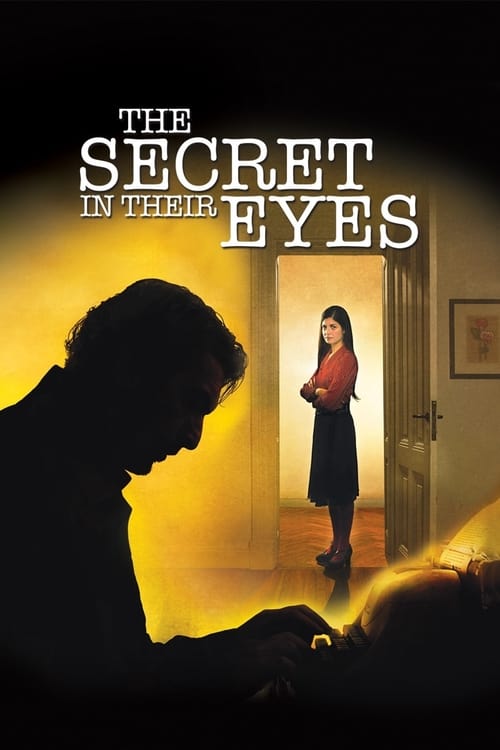
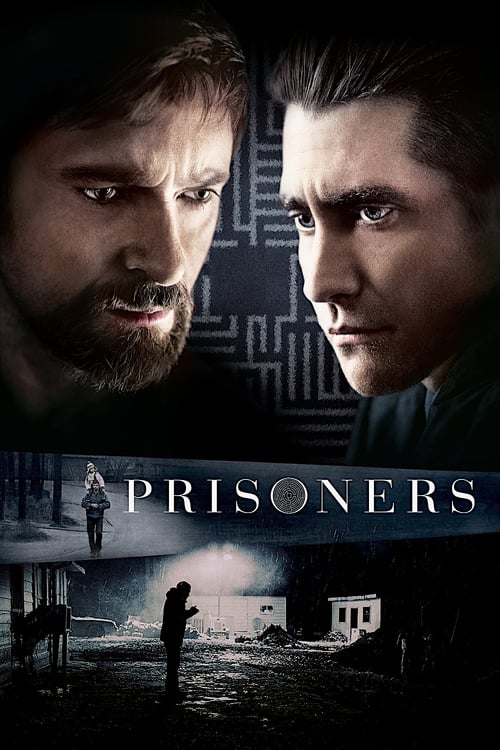
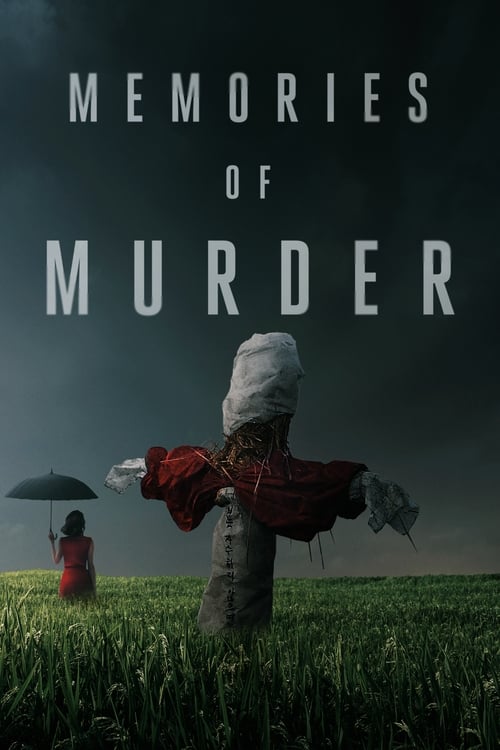
Noir and Detective Cinema: The Genre Disco Elysium Dismantles
Films that share its rain, rot, and radical doubt

Political and Literary Fiction for the Ideologically Haunted
Novels that wrestle with failed revolutions, unreliable selves, and the weight of history


Detective Noir and Hard-Boiled Fiction
The pulp tradition Disco Elysium lovingly eviscerates


Post-Soviet Atmosphere and Dying-Empire Music
Albums that carry the same sense of historical hangover, bruised romanticism, and end-of-an-era melancholy
Planescape: Torment Is the Only Other Game That Asked the Same Question
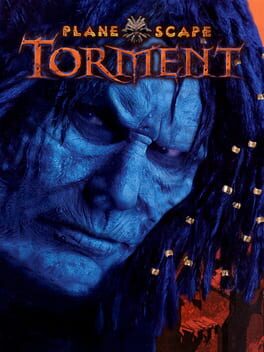
Before Disco Elysium, Planescape: Torment (1999) was the only CRPG willing to build its entire structure around a single philosophical question: what can change the nature of a man? The two games share a contempt for chosen-one fantasy, a love of exhausting dialogue trees, and a belief that the protagonist's psyche is more interesting than any dungeon. ZA/UM openly acknowledges the debt. If you finished Disco Elysium and wondered whether games had ever done anything like it before, Torment is the answer: once, 20 years earlier, against all odds.
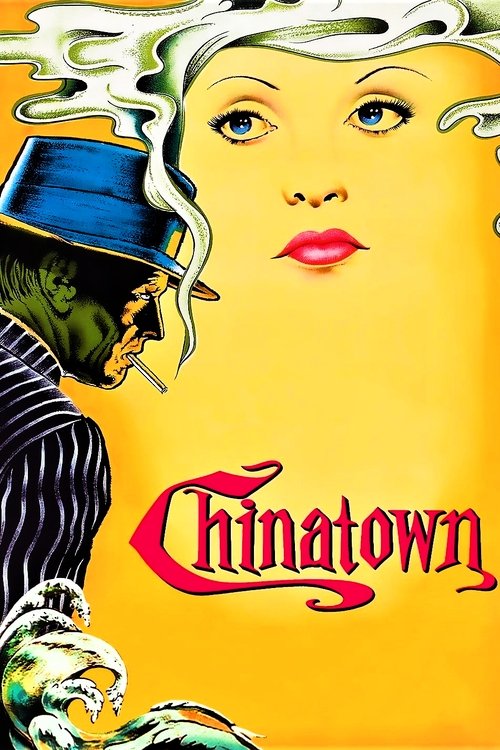
Chinatown Is the Film Version of What Disco Elysium Does to Its Detective
Roman Polanski's Chinatown (1974) is the film that destroyed the detective genre's optimism and never looked back. Jake Gittes is brilliant, dogged, and completely powerless against the systems he uncovers, and the film refuses catharsis on principle. Disco Elysium runs the same play: your detective can solve everything and change nothing, or crack himself open completely and change something small and personal. Both works understand that noir's real subject is not crime but failure, and they love their protagonists too much to let them win cleanly.
The Master and Margarita Is the Novel Disco Elysium Was Secretly Writing Toward
Mikhail Bulgakov's banned Soviet novel (written in the 1930s, published 1966) is the obvious literary ancestor: a crumbling ideological state, a cast of characters who can't agree on what's real, the devil as a structural critic of the system, and a compassionate rage underneath the satire. The Master and Margarita treats ideology as a kind of mass hallucination, and its world has the same ontological wobble as Revachol. If you loved the political arguments baked into every Disco Elysium side conversation, this is where that tradition lives in literature.
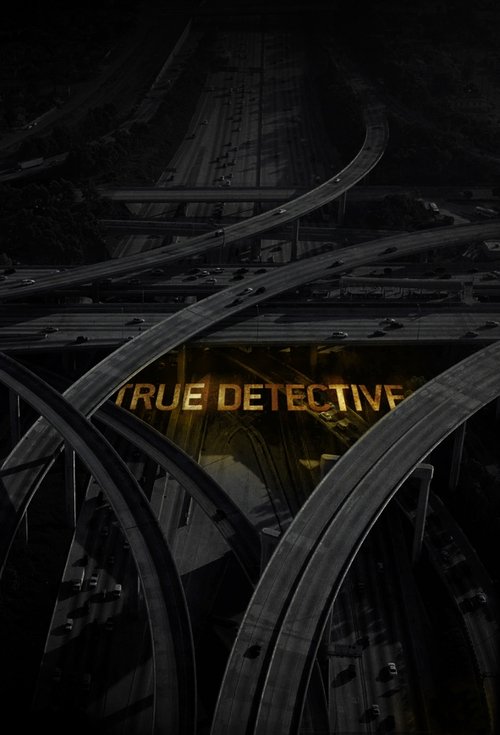
True Detective Season 1 Earns the Same Philosophical Weight
Nic Pizzolatto's first season of True Detective (2014) is the closest television has come to the same register as Disco Elysium: a detective story that is actually a sustained meditation on consciousness, pessimism, and what it costs a person to look at reality without flinching. Matthew McConaughey's Rust Cohle monologues function like the game's Inland Empire skill speaking aloud. Both works understand that the philosophical content is inseparable from the genre pleasures, and both leave you with the same peculiar feeling: haunted, unexpectedly moved, not quite sure what happened.
A Timeline of the Works That Built This Sensibility
- 1939The Big Sleep published: Raymond Chandler defines the hard-boiled detective voice The Big Sleep
- 1966The Master and Margarita finally published after decades of suppression The Master and Margarita
- 1973The Long Goodbye: Altman's deconstructed Marlowe drifts through a world that has moved on The Long Goodbye
- 1974Chinatown: noir's greatest pessimist statement Chinatown
- 1979Unknown Pleasures: Joy Division define the sound of post-industrial melancholy Unknown Pleasures
- 1999Planescape: Torment asks what can change the nature of a man Planescape: Torment
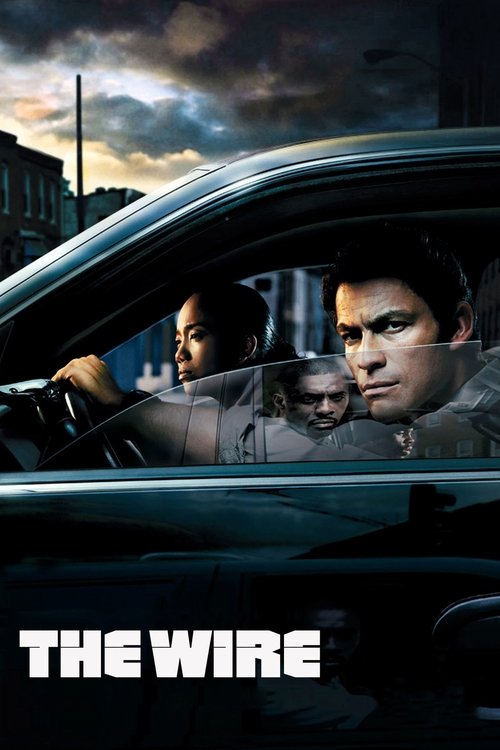
- 2002The Wire begins its five-season portrait of systemic failure The Wire
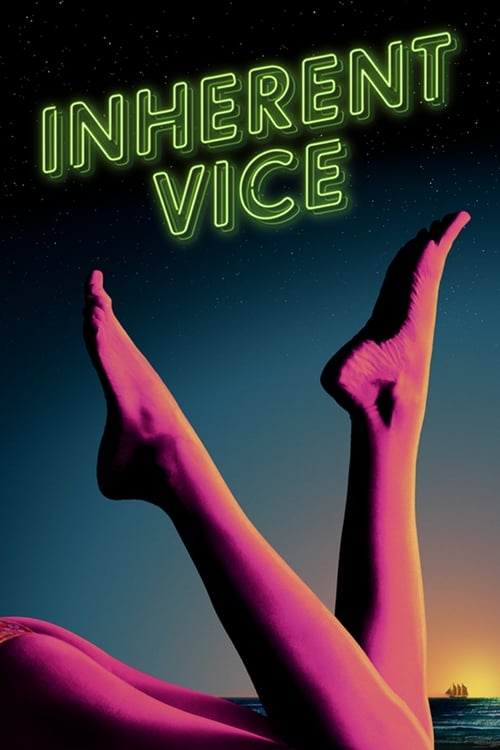
- 2009Inherent Vice published: Pynchon's most affectionate and melancholy novel Inherent Vice
- 2014True Detective Season 1: Louisiana bayou nihilism as prestige television True Detective
- 2019Disco Elysium released: RPG as political novel, psychedelic detective story, and therapy session Disco Elysium
- 2021Disco Elysium: The Final Cut adds full voice acting across the entire script Disco Elysium
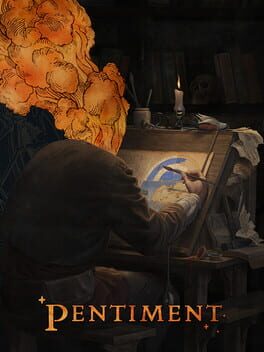
- 2022Pentiment: Josh Sawyer's medieval murder mystery about memory and history Pentiment
More noir mysteries and broken detectives
For Fans of Detectives
Explore the For Fans of Detectives guide →The world is a project left unfinished. The detective is a self left unfinished. Both are worth trying to save.The through-line that connects every work here