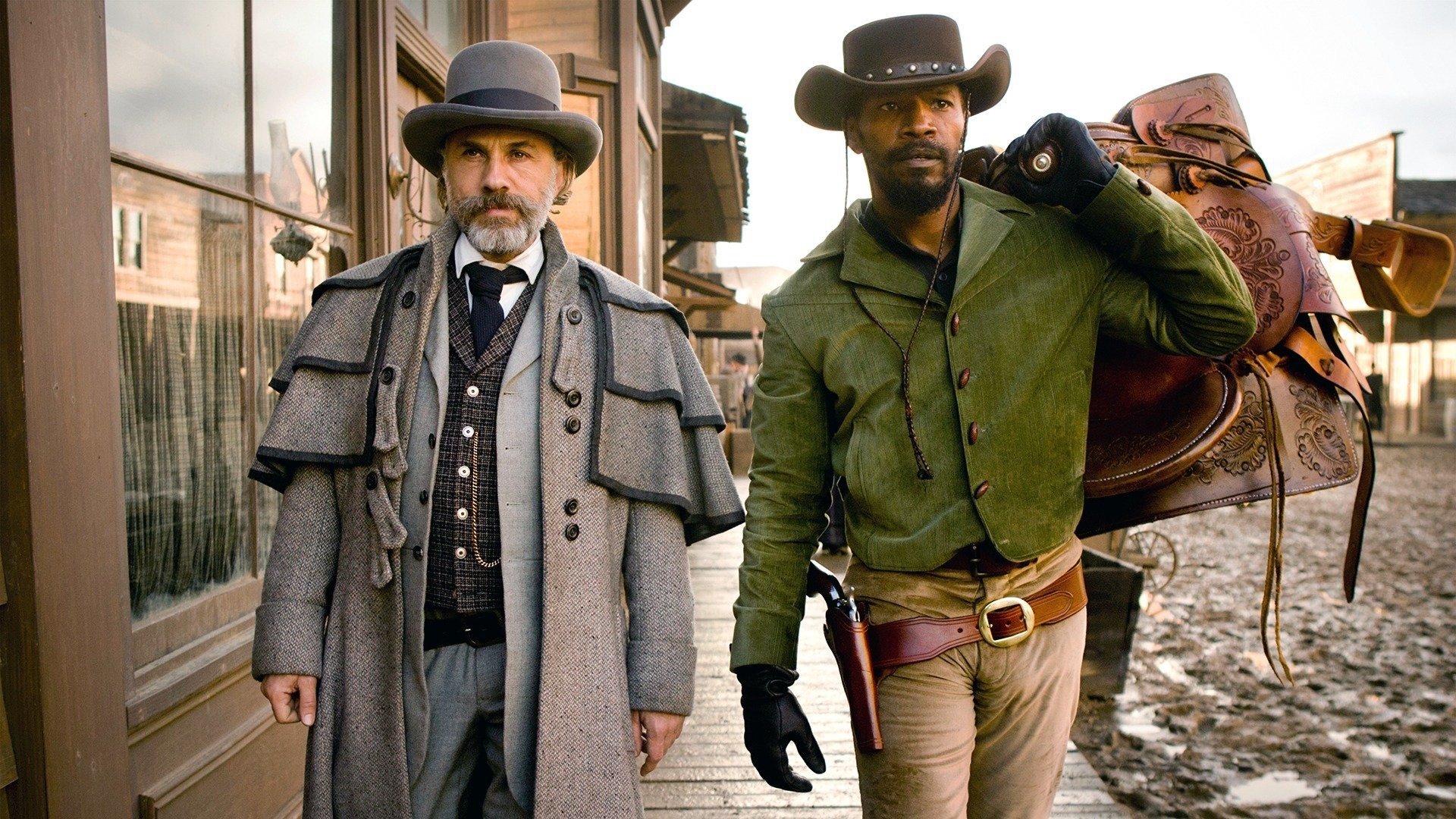

What Django Unchained gives a fan is permission. Permission to feel the rage, to watch the oppressor get exactly what they deserve, and to do it all inside a movie that moves like a pulp novel and sounds like a jukebox. Quentin Tarantino took the mythology of the Italian Western, the attitude of 1970s Blaxploitation cinema, and a subject American film had largely avoided treating head-on, and fused them into something that is simultaneously an exploitation film and a serious moral argument. Django Freeman is the man with no master. The film's pleasure comes from watching him become exactly that.
Essential Django Unchained
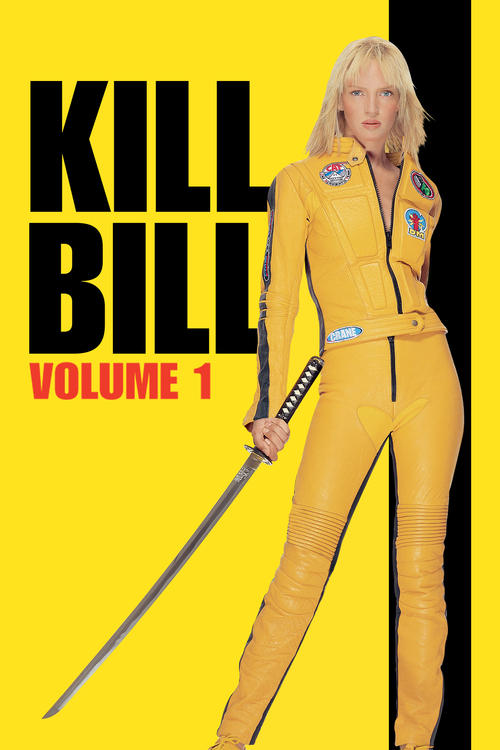
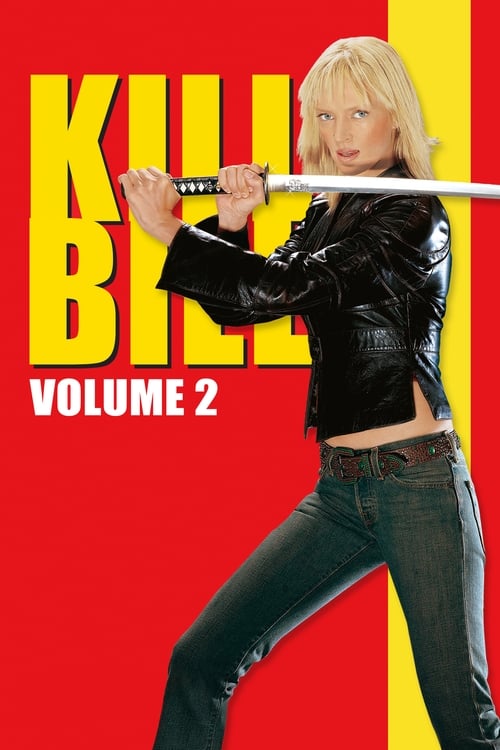
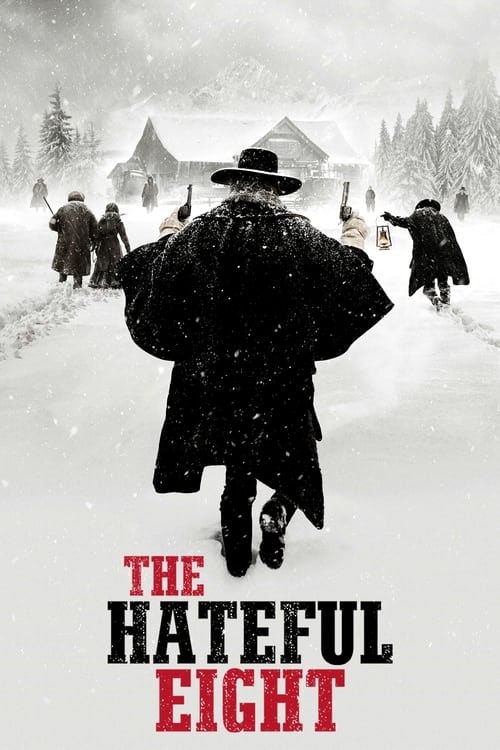
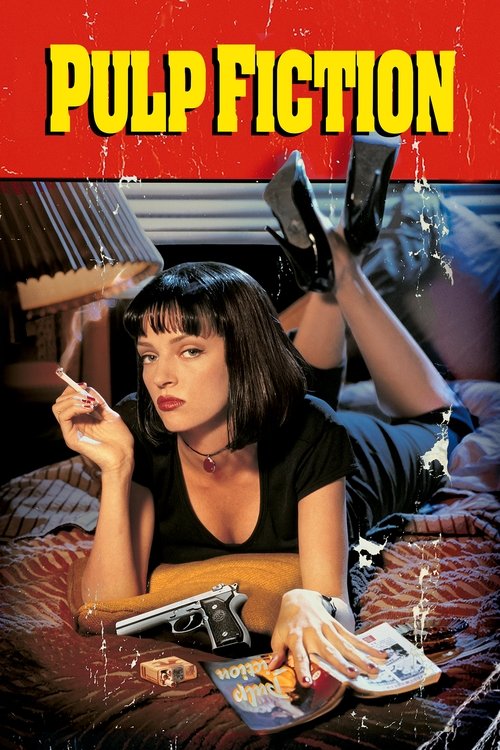
The film itself and the key Tarantino works that share its DNA
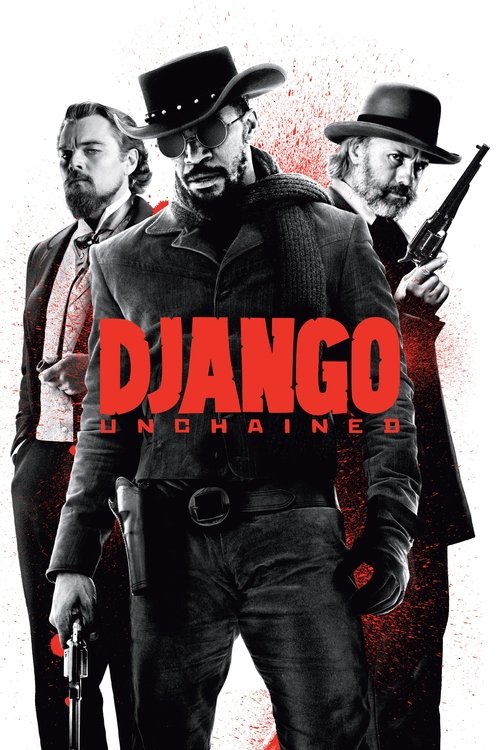
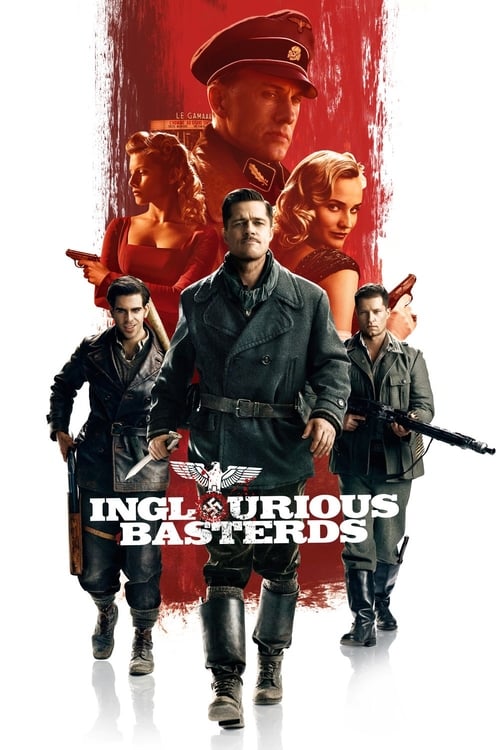
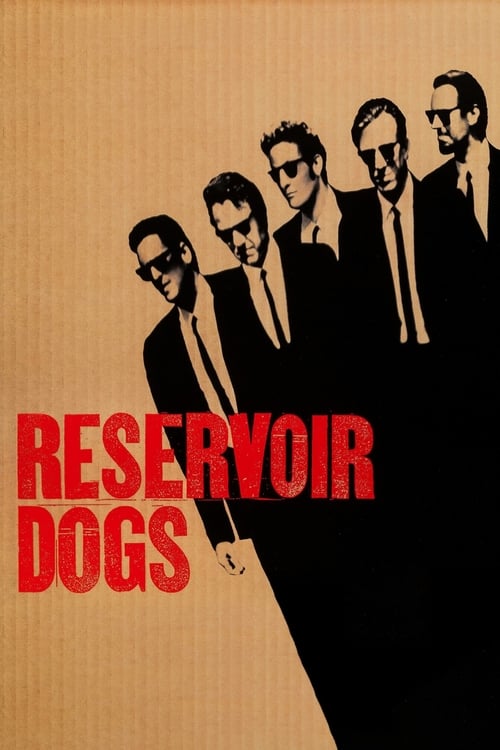
Same Fuel, Different Desert
Revisionist Westerns and Southern-set revenge films with the same electric moral charge
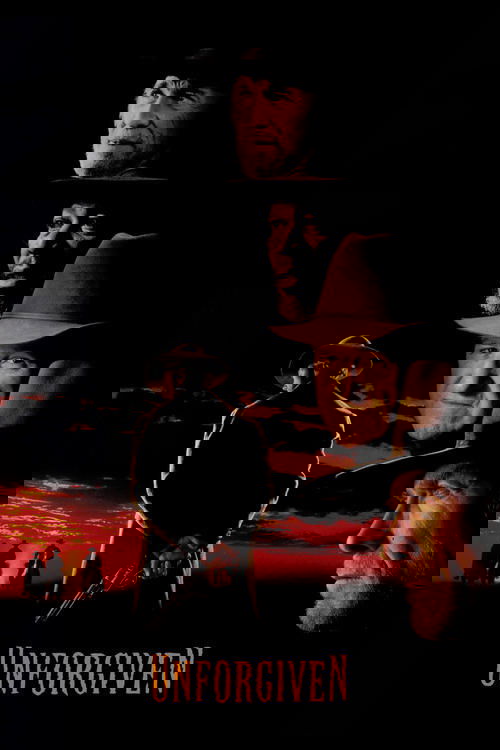
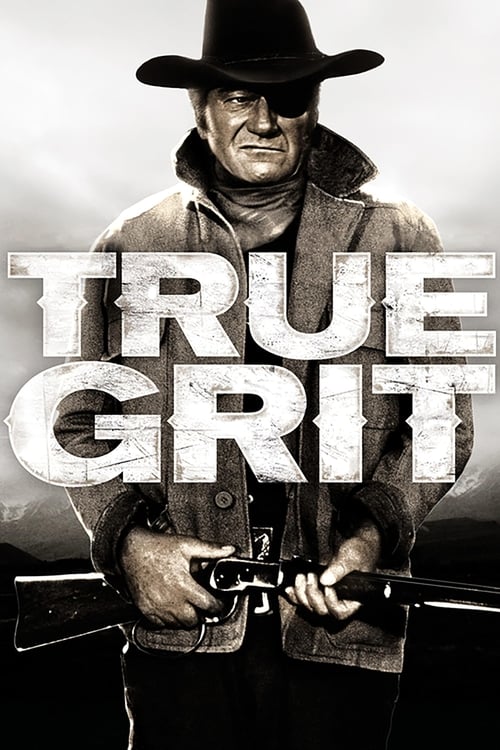
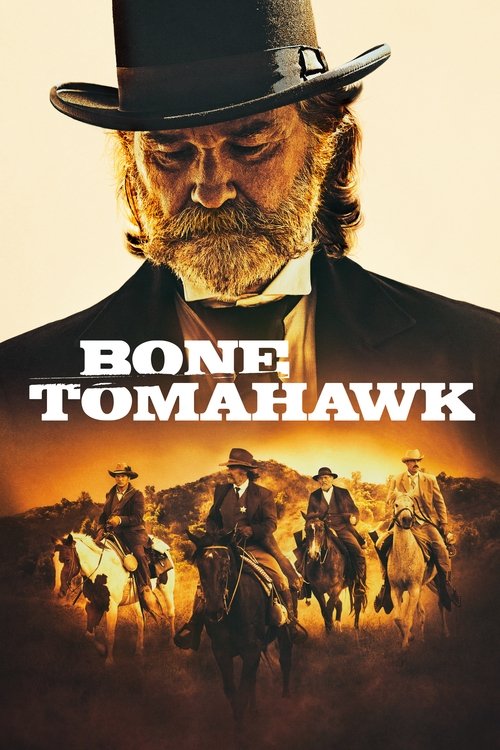
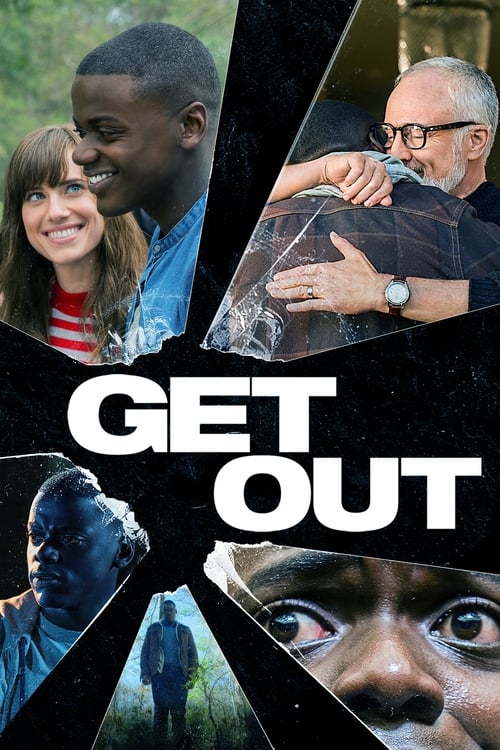
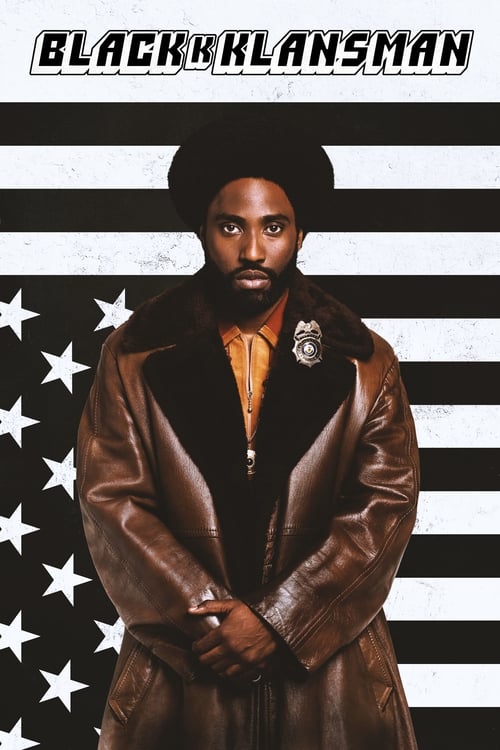
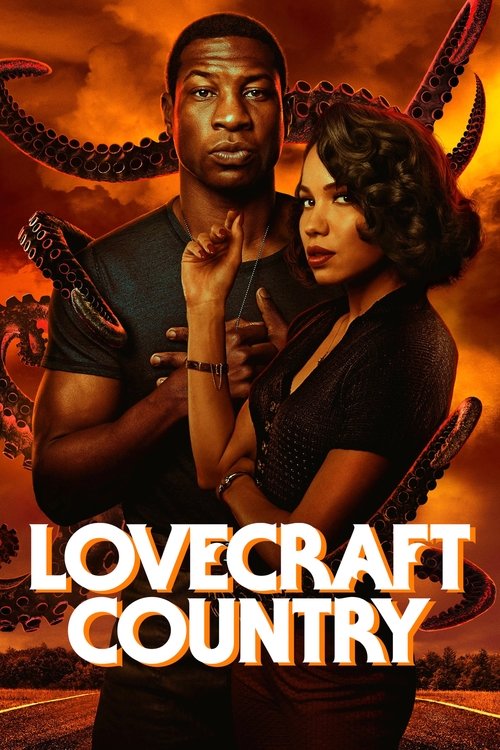
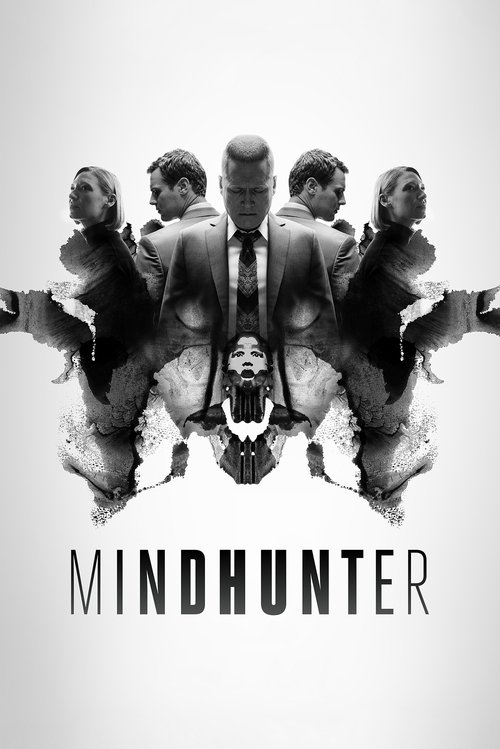
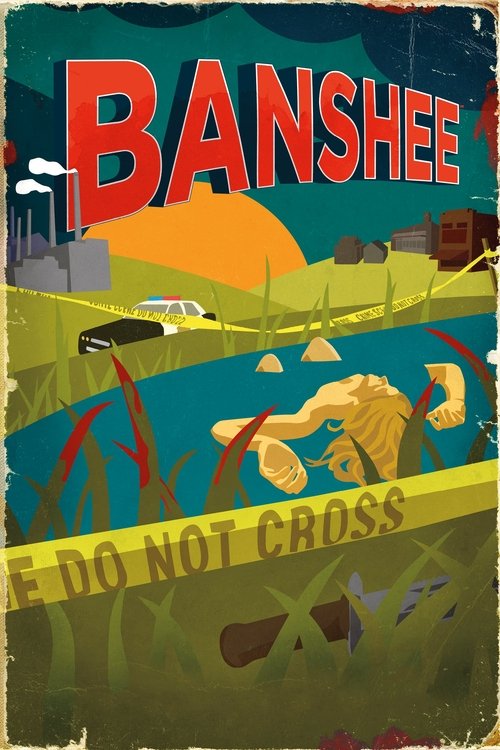
Series That Ride the Same Territory
TV that mixes genre spectacle with genuine historical or moral weight
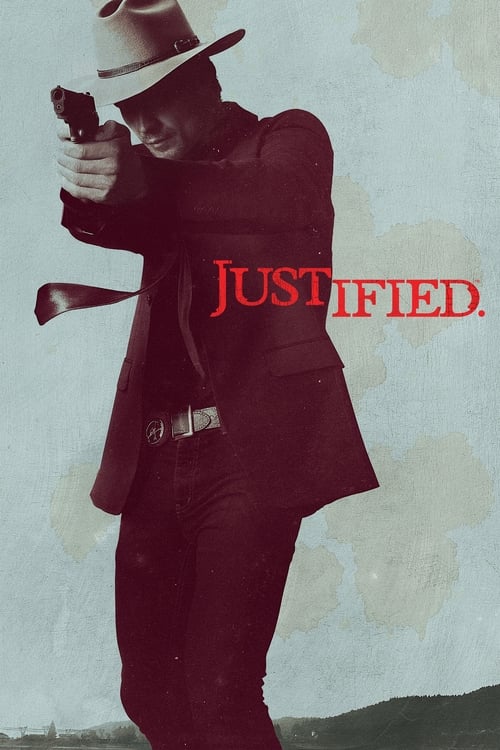
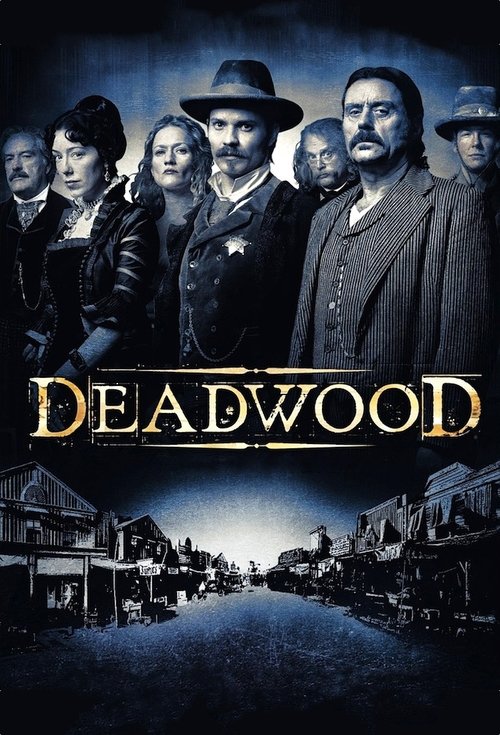



The Books Behind the Fury
Novels about race, power, slavery, and outlaw justice that a Django fan should read


Games With the Same Outlaw Energy
Open-world vengeance, frontier morality, and power reclaimed from systems of violence
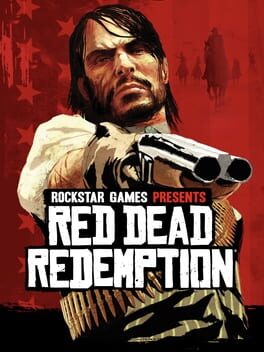
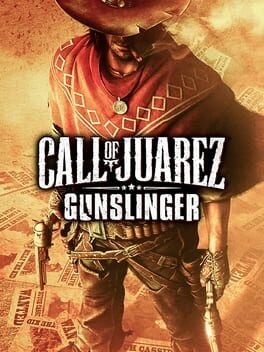
Tarantino's Best Film Is His Most Uncomfortable
Inglourious Basterds gets the critical respect. Pulp Fiction gets the cultural ubiquity. But Django Unchained is the one where Tarantino's genre obsessions align perfectly with his subject matter. The Spaghetti Western was always about the dispossessed reclaiming power from corrupt authority. Setting that template in the antebellum South is not a gimmick. It is the argument the genre was always capable of making. The discomfort is the point.
Christoph Waltz Made a Career Out of This
Dr. King Schultz is one of cinema's great supporting characters: verbose, theatrical, principled in the strangest ways, and quietly the moral compass of a film full of monsters. Waltz took what Tarantino gave him (Hans Landa in Basterds, then Schultz here) and built two of the most fully-realized supporting performances of the 2010s from the same gift for linguistic precision and barely-contained menace. In Schultz the menace is on the right side, which makes it even better.
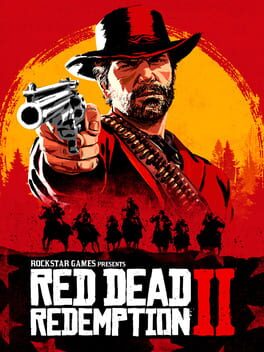
Red Dead Redemption 2 Is the Video Game Version of This Film
Both works use the fading American frontier as a stage for moral reckoning. Both are obsessed with the cost of loyalty and freedom inside violent systems. Red Dead Redemption 2 gives you 60 hours inside the world Django Unchained compresses into three. The game's willingness to depict slavery and racial violence in its vignettes is clearly in conversation with what Tarantino put on screen in 2012. Neither flinches.
The Underground Railroad Novel Completes the Picture
Colson Whitehead's Pulitzer-winning novel takes the historical metaphor of the Underground Railroad and makes it literal, creating a kind of magical-realist inversion of every slavery narrative. Where Django Unchained operates in the register of fantasy and genre catharsis, The Underground Railroad operates in grief and hope and historical weight. They are companion pieces. Read one, watch the other, and you will understand both more clearly.
The Spaghetti Western to Southern Revenge Arc
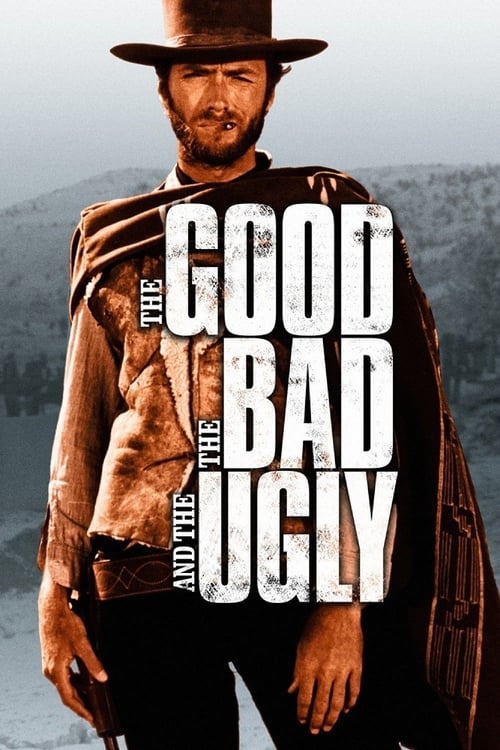
- 1966The Good, the Bad and the Ugly redefines the Western for a generation The Good, the Bad and the Ugly
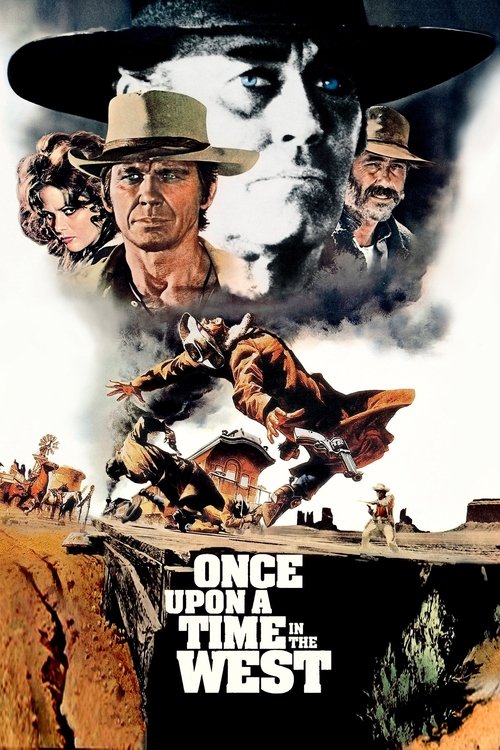
- 1968Once Upon a Time in the West: Sergio Leone's most political film Once Upon a Time in the West
- 1971Isaac Hayes scores Shaft, fusing orchestral ambition with soul fury Shaft
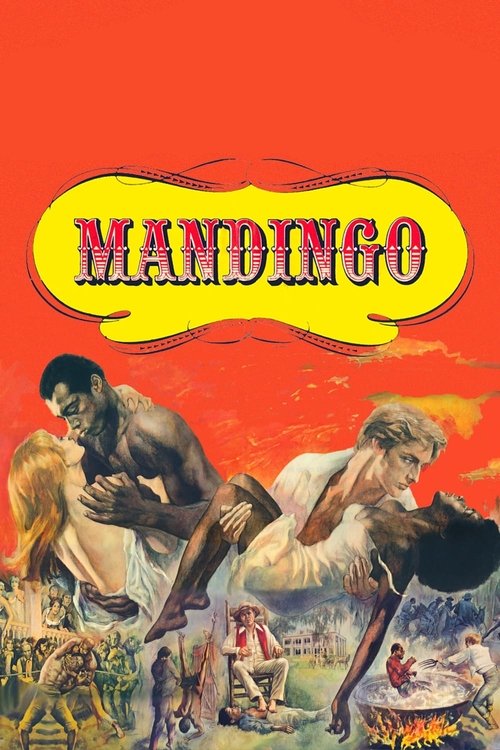
- 1975Mandingo: the antebellum South as horror, uncut Mandingo
- 1992Unforgiven deconstructs the myth of the gunfighter Unforgiven
- 2004Deadwood brings the frontier's moral rot to prestige TV Deadwood
- 2009Inglourious Basterds: Tarantino's revenge fantasy template Inglourious Basterds
- 2010Red Dead Redemption puts moral weight back into the Western Red Dead Redemption
- 2012Django Unchained opens Django Unchained
- 2013Twelve Years a Slave brings historical rigor to the same era
- 2016The Underground Railroad wins the Pulitzer, reframes the genre The Underground Railroad
- 2018Red Dead Redemption 2: the definitive open-world moral Western Red Dead Redemption 2
Spaghetti western revenge, frontier reckoning
For Fans of Spaghetti Western
Explore the For Fans of Spaghetti Western guide →The Spaghetti Western was always about taking back what was stolen. Django Unchained just finally asked: from whom was it stolen in the first place?CrossBinge editors