
Don DeLillo has spent five decades mapping the psychic weather of America: its consumer totems, its catastrophes, its secret histories, its white noise. He writes sentences that feel chiseled from anxiety and wonder in equal measure, prose that turns a supermarket aisle or a football stadium into a philosophical arena. His protagonists are ordinary people adrift in systems too large to comprehend, men and women who sense, correctly, that meaning is always being manufactured somewhere just out of sight. What DeLillo fans love is that specific frequency: the eerie hum beneath the surface of late capitalism, the feeling that history is a conspiracy no one is quite running, and the strange beauty of language pushed against the limits of what language can say.
Essential Don DeLillo
The novels that define his vision, from campus satire to cathedral ambition.


DeLillo on Screen
Adaptations that wrestle with his dense, image-saturated prose.
If You Love the Postmodern Novel
Authors who share DeLillo's hunger for systems, language, and the contemporary sublime.


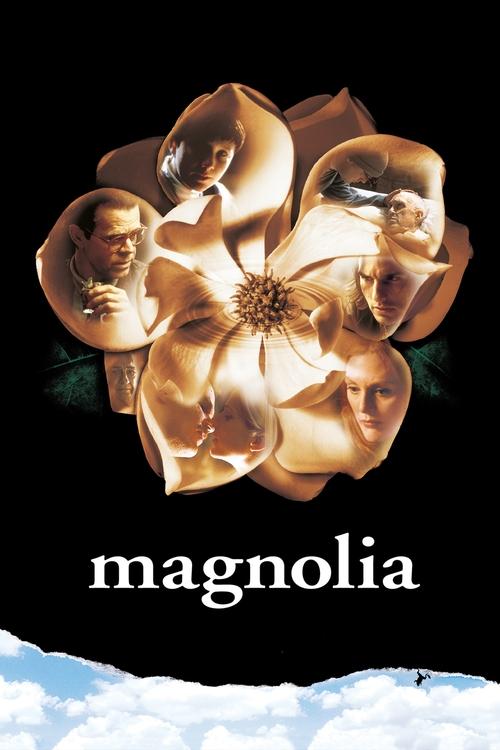
Films with the Same Paranoid Beauty
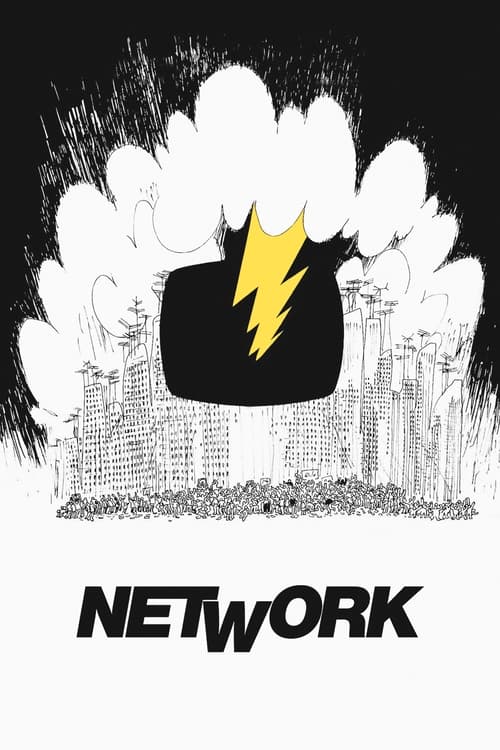
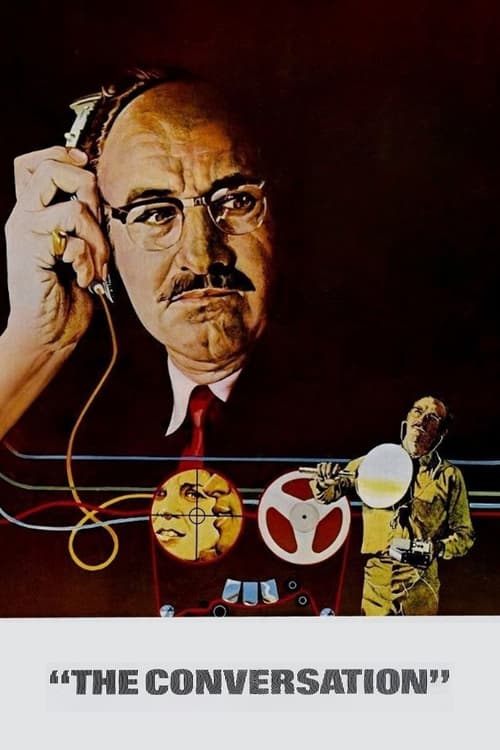
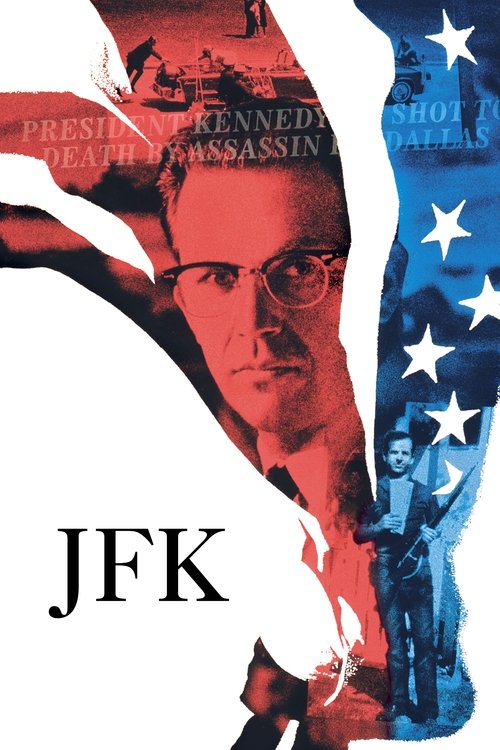
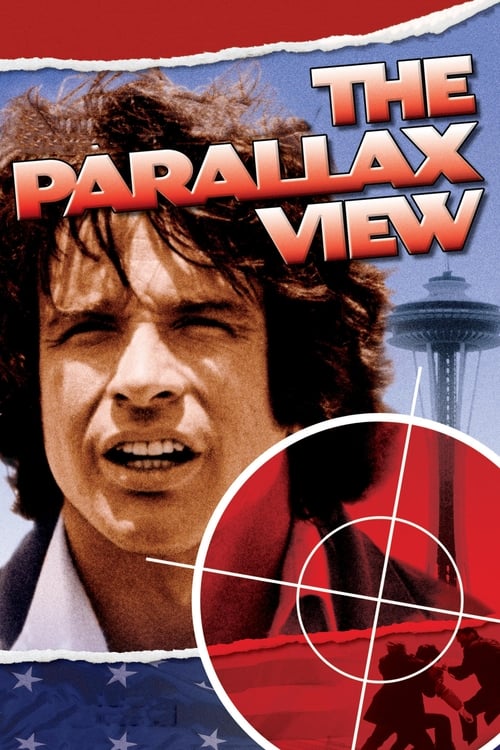
Cinema that shares DeLillo's eye for dread, conspiracy, and the texture of American unease.


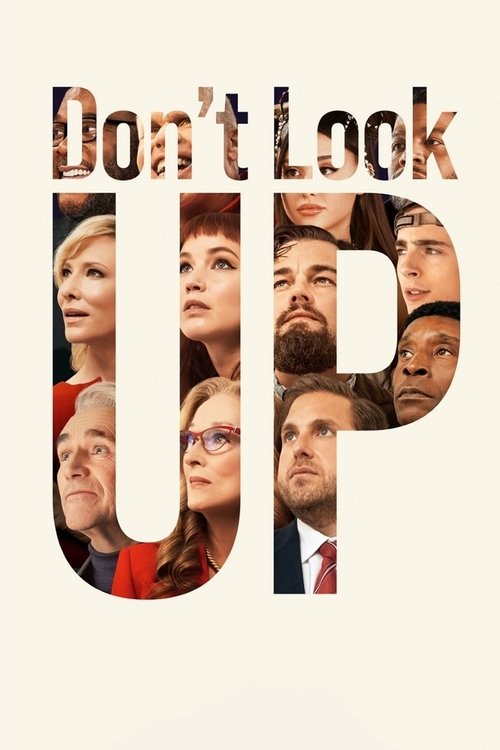
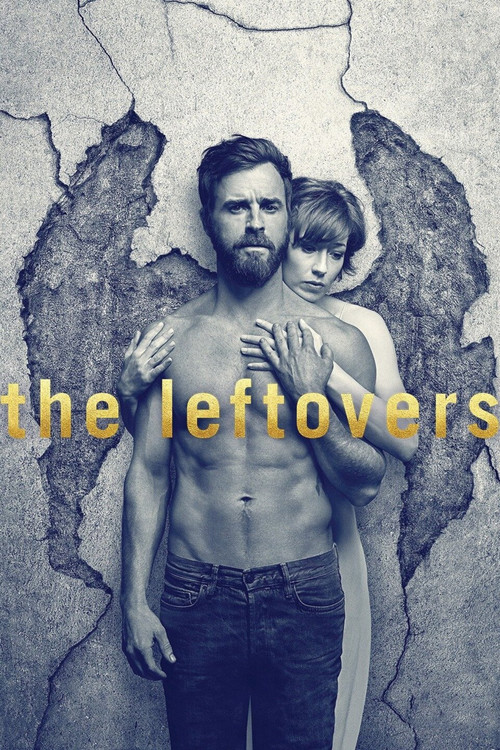
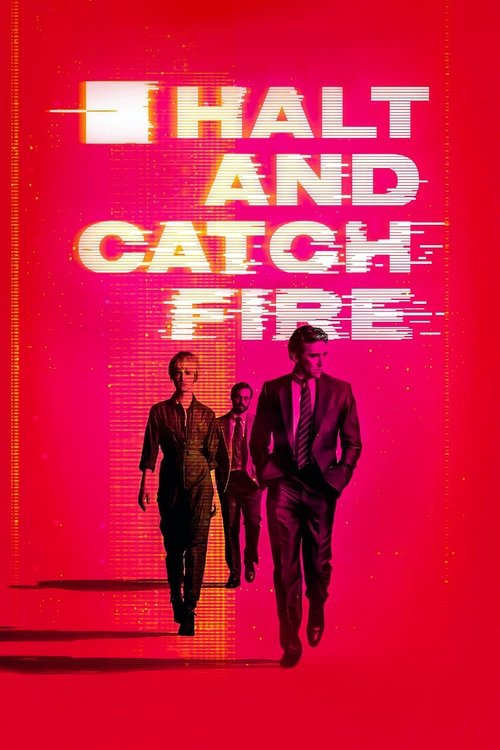
TV for the DeLillo Frequency
Series that channel his obsession with media, power, secrecy, and the American condition.


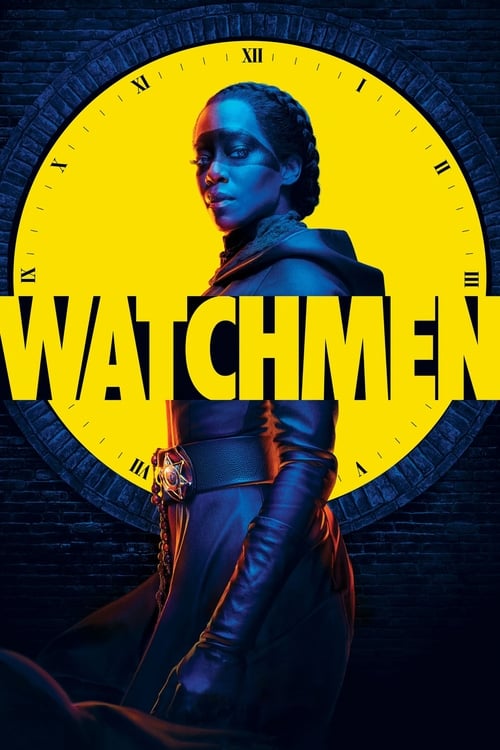

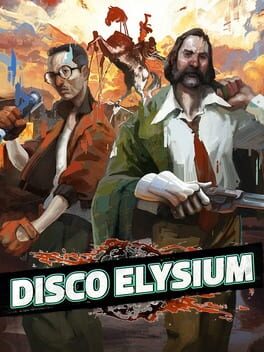
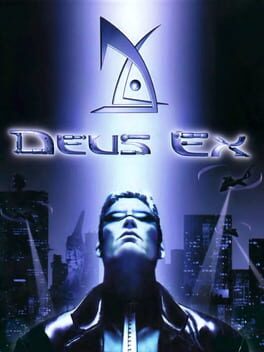
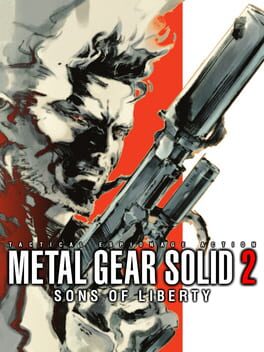
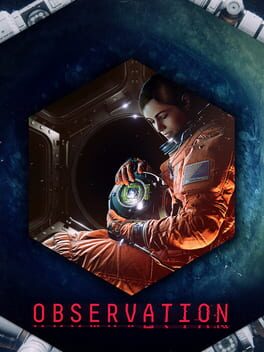
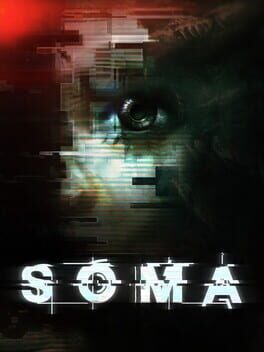
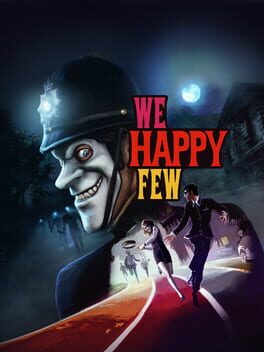
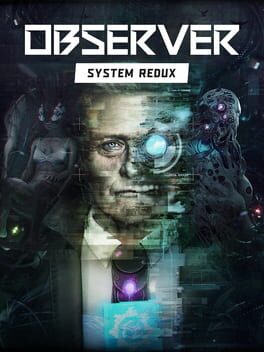
Games About Systems, Power, and Paranoia
Games that share DeLillo's preoccupation with information overload, conspiracies, and late-capitalist dread.
White Noise Is the Great American Novel of Our Moment
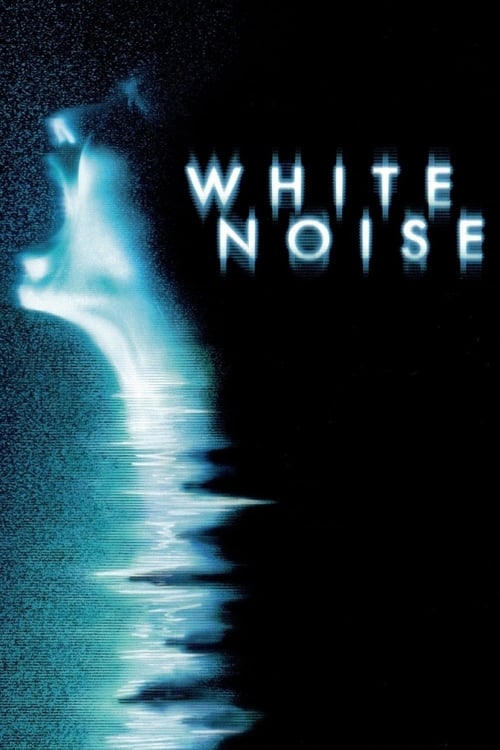
Published in 1985, White Noise reads as though it was written last week. Jack Gladney, professor of Hitler Studies at a small college, moves through a world of brand names, television static, and suppressed death anxiety with a patience that is both comic and heartbreaking. DeLillo saw the mall, the news cycle, and the pharmaceutical promise of wellness not as background noise but as the entire foreground of contemporary life. The novel won the National Book Award; the Noah Baumbach film adaptation (2022) proved how little the satire had aged.
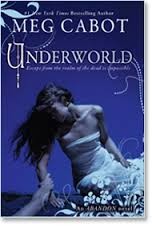
Underworld: A Novel as Large as America Itself
Underworld opens at the 1951 Giants-Dodgers pennant game and unfolds backwards through half a century of Cold War America, tracing a single home-run baseball through hands that include a waste management executive, a conceptual artist, and a Jesuit priest. At over 800 pages it is DeLillo's most ambitious work, a novel that insists American culture and American catastrophe are made of the same atoms. Few books better reward the reader willing to surrender to its rhythm.
Libra Reimagines History as Conspiracy Novel
Libra is Don DeLillo's Kennedy-assassination novel, and it is not what you might expect. Rather than a thriller, it is a meditation on contingency: the idea that history pivots on accidents, misreadings, and the gap between intention and event. DeLillo's Oswald is a man who desperately wants to matter, hijacked by plotters who themselves lose control of the plot. It is the best novel ever written about how conspiracies actually work, which is to say, badly and accidentally.
Cosmopolis: Capital at the Speed of Language
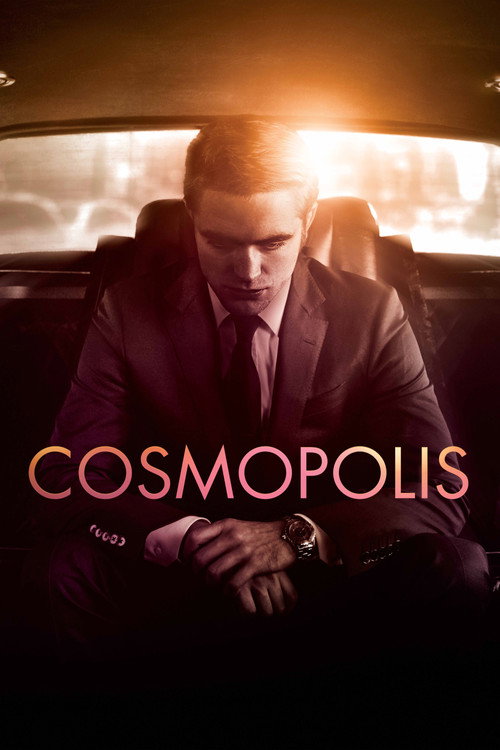
Cosmopolis follows a 28-year-old billionaire currency trader crossing Manhattan in a stretch limo while his empire dissolves in real time. Published in 2003, it reads like DeLillo's most nakedly prophetic book, a portrait of a man so insulated by capital that reality becomes purely abstract, until it doesn't. David Cronenberg's 2012 film adaptation, with Robert Pattinson, captures the novel's cold, airless intensity almost perfectly.
DeLillo in Time
- 1971Debut: Americana Americana
- 1972Football and existentialism End Zone
- 1985National Book Award winner White Noise
- 1988History as paranoid fiction Libra
- 1991Writers and terrorists Mao II
- 1997The great American epic Underworld
- 2003Capital accelerates Cosmopolis
- 20079/11 and grief Falling Man
- 2012Cosmopolis adapted by Cronenberg Cosmopolis
- 2016Cryonics and the afterlife of wealth Zero K
- 2022Baumbach brings White Noise to Netflix White Noise
More paranoia and postmodern dread
Conspiracy Thrillers
Explore the Conspiracy Thrillers guide →He wanted to create a body of work in which America could see itself whole: brilliant, terrified, violent, comic, sacred, and irreversibly noisy.on Don DeLillo