
Thomas Pynchon writes novels that feel less like books and more like the entire 20th century trying to explain itself at once. His work is dense, funny, terrifying, and structurally berserk: rocket trajectories and jazz clubs, WWII shadow operations and California stoners, postal conspiracies and quantum entropy. The through-line a fan loves is a specific kind of paranoid delight, the sensation of pulling on one loose thread and finding it connected to every institution, every war, every corporate logo, every death. Pynchon trusts his readers to keep up and rewards those who do with moments of genuine heartbreak hiding inside the encyclopedic noise. If you have finished one Pynchon novel and immediately wanted something with the same texture of controlled dread and digressive brilliance, this guide is built for you.
Essential Thomas Pynchon
The novels, ranked by accessibility and scope


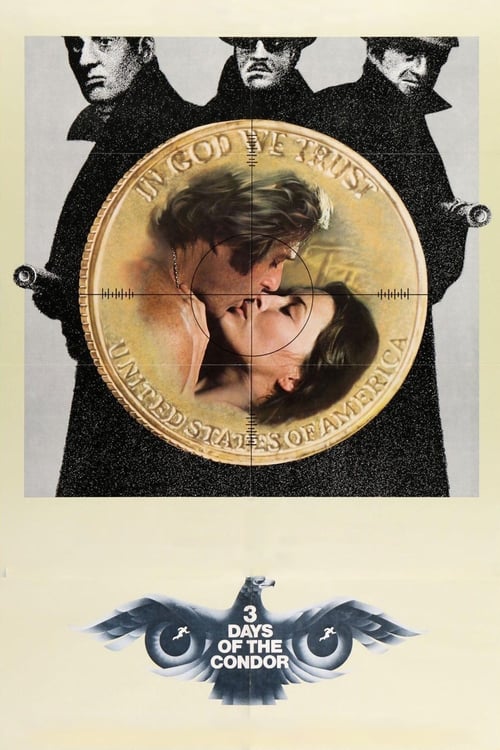
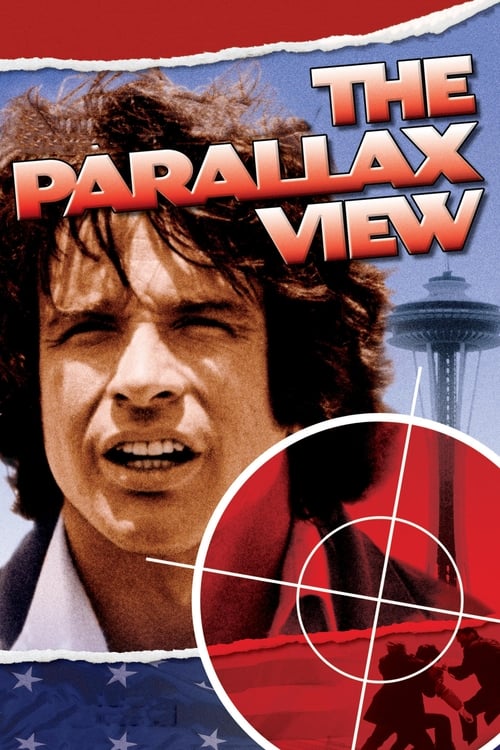
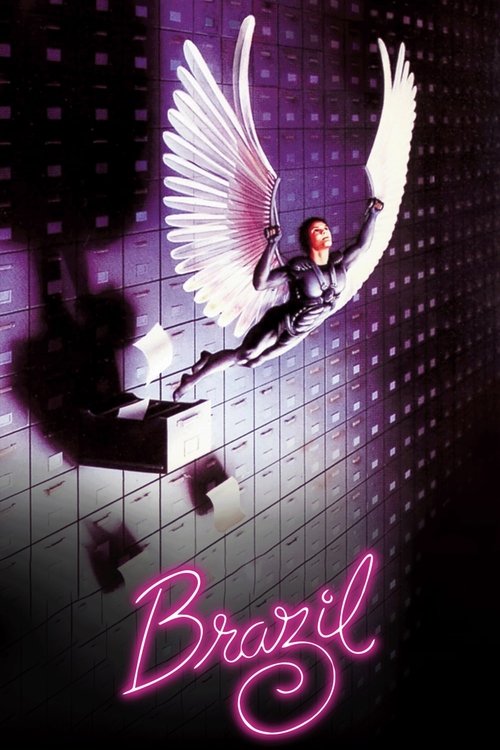
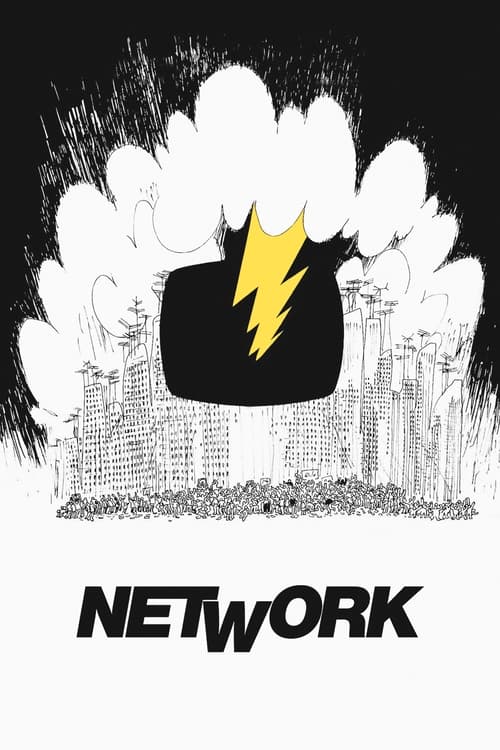
If You Love Pynchon's Paranoia: Films
Cinema that shares the spiral of conspiracy, institutional dread, and systems too large to see whole

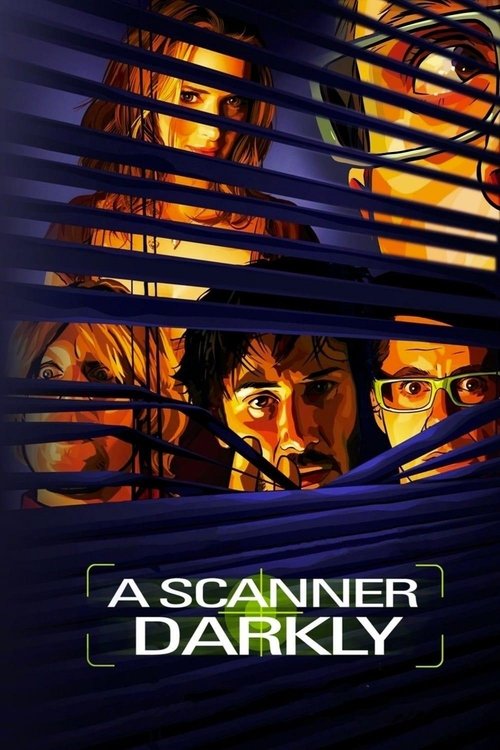

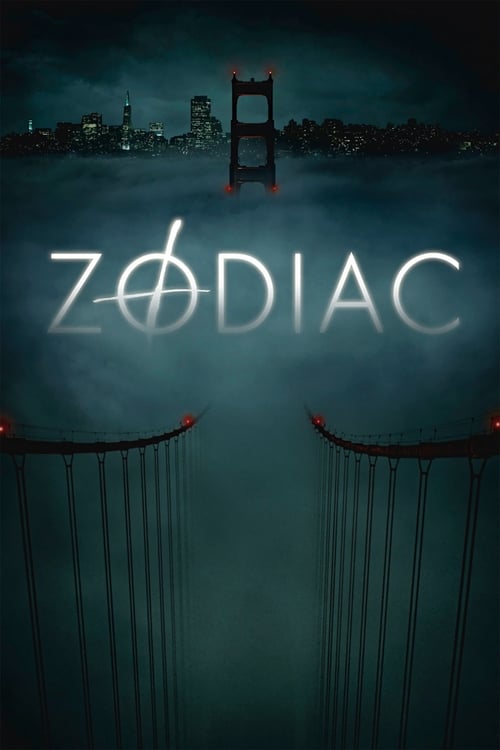
If You Love Pynchon's Postmodern Sprawl: Novels
Authors who also build vast systems, unreliable histories, and digressive encyclopedic worlds


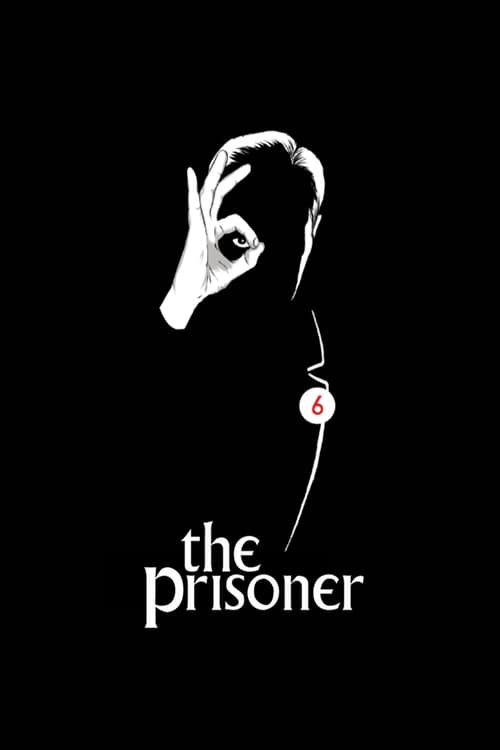
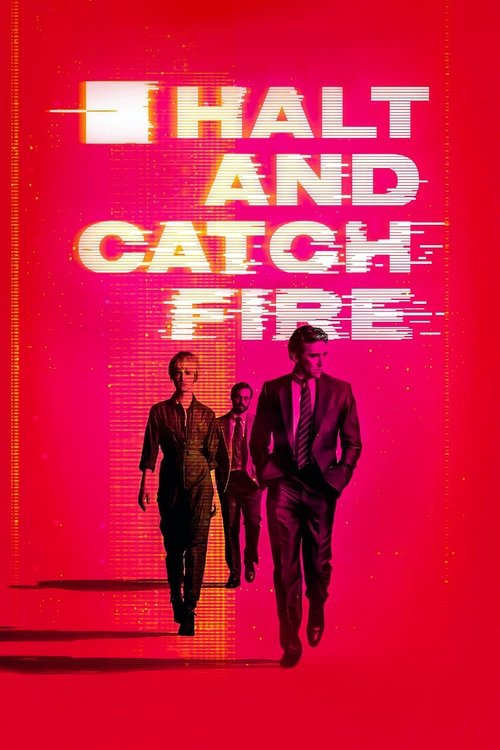
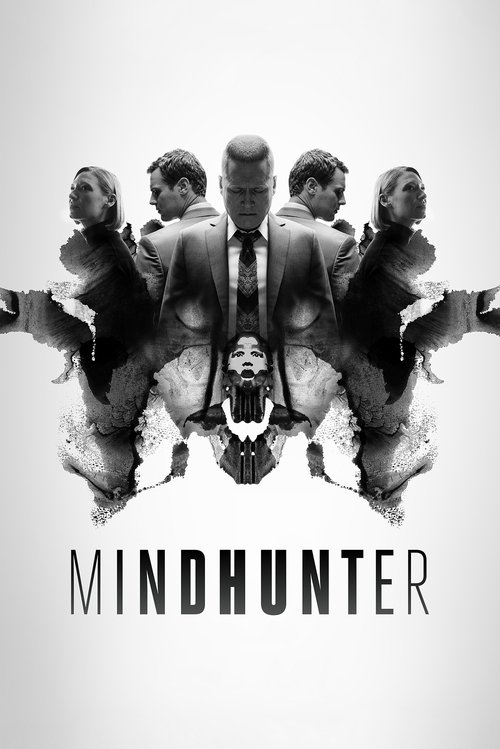
If You Love Pynchon's Secret Histories: TV Series
Series built on hidden institutions, layered conspiracies, and worlds with too many rules to follow

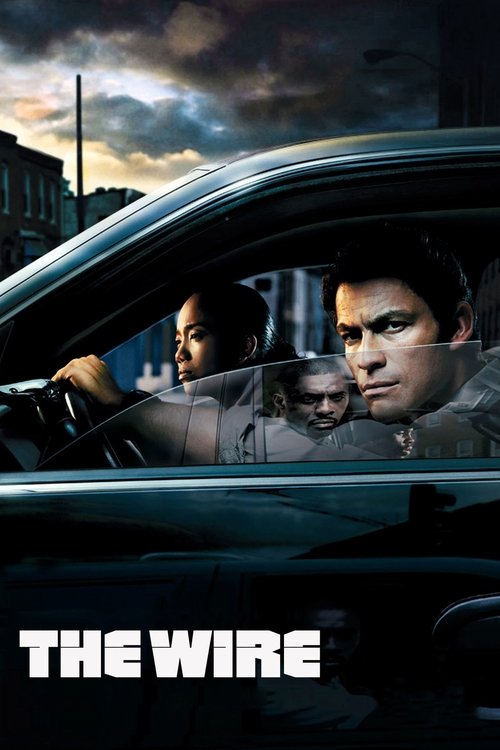

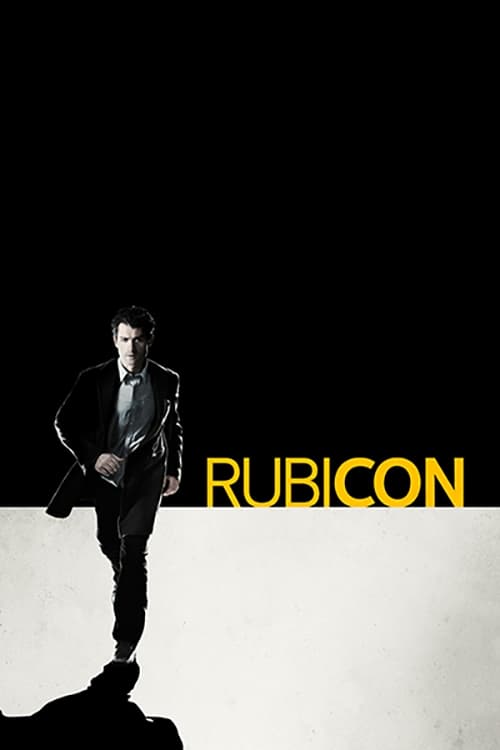



If You Love Pynchon's Psychedelic Realism: Music
Albums that share the sprawl, the paranoia, and the hidden signal beneath the noise
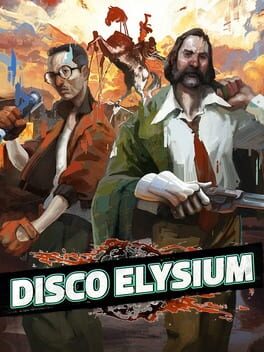
If You Love Pynchon's Labyrinthine Worlds: Games
Games with the layered systems, unreliable institutions, and conspiratorial depth Pynchon readers crave


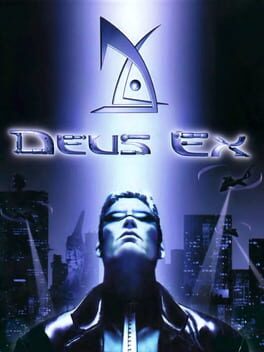
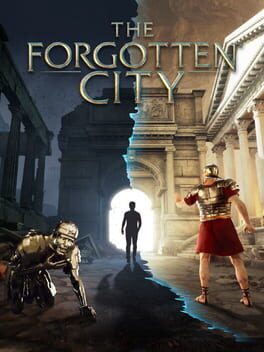
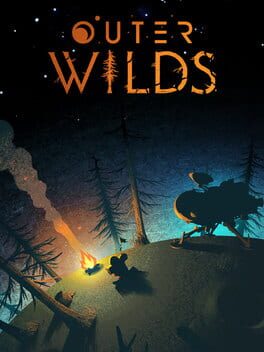
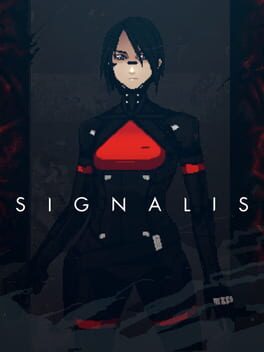
"Gravity's Rainbow" Is a System, Not a Story
Gravity's Rainbow (1973) doesn't ask you to follow a plot. It asks you to inhabit an entire wartime cosmos where every rocket trajectory doubles as a prophecy, every erection predicts a bomb strike, and Pavlovian conditioning has been weaponized by forces that may not exist. The novel won the National Book Award and was recommended for the Pulitzer before the board overruled the jury as obscene. That rejection is part of its identity: the establishment flinching at its own reflection. Reading it is less like finishing a novel and more like having survived one.

"The Crying of Lot 49" Is the Perfect On-Ramp
At under 200 pages, The Crying of Lot 49 (1966) is Pynchon at his most approachable and still fully himself. Oedipa Maas discovers what may be a centuries-old underground postal system called the Tristero while executing her ex's estate. Is it real? Is she losing her mind? Is the whole of postwar America a closed circuit that no real communication can escape? The novel ends before answering, which is the point. It is the best single-session introduction to the Pynchon experience available.
"Inherent Vice" Is Pynchon Doing Genre and Undoing It
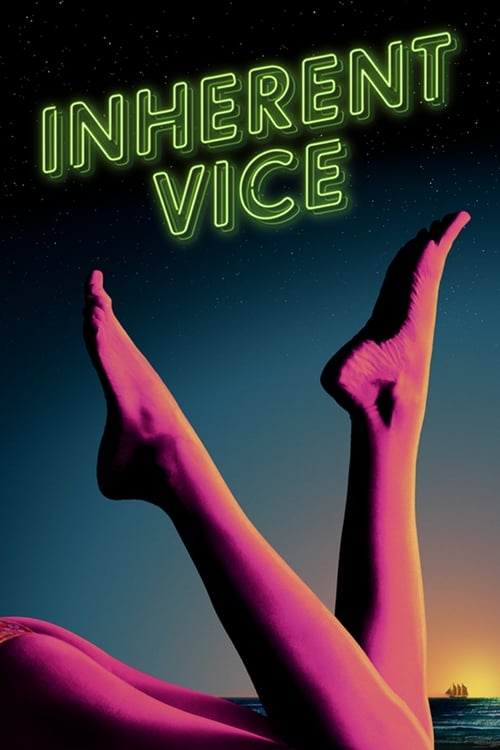
Inherent Vice (2009) is Pynchon writing a detective novel the way a stoner explains a dream: the plot is real, the paranoia is real, but the resolution keeps dissolving. Doc Sportello is the most sympathetic Pynchon protagonist precisely because his incompetence is genuine rather than cosmic. Paul Thomas Anderson's 2014 adaptation is faithful in spirit and one of the few Pynchon screen translations that works, largely because it leans into the haze rather than fighting it.
Postmodern Paranoia Is a Genre, and Pynchon Invented It
The word paranoia appears throughout Pynchon's novels not as a pathology but as an epistemology: the belief that there is a pattern and someone put it there. That sensibility runs through Don DeLillo's Underworld, David Foster Wallace's Infinite Jest, Roberto Bolano's 2666, and most serious American novels written after 1973. The conspiracy board as aesthetic, the corporation as villain, the government as noise masking signal: Pynchon built the template that a generation of novelists, TV writers, and game designers has been working inside ever since.
Pynchon's World: A Chronology
- 1963Debut novel, Cold War entropy V.
- 1966The perfect short introduction The Crying of Lot 49
- 1973The maximalist landmark Gravity's Rainbow
- 1984Slow Learner short story collection published
- 1990Counterculture and surveillance state Vineland
- 1997Colonial-era epic, surveying America's origins
- 2006Turn-of-century sprawl across continents Against the Day
- 2009California noir, most accessible late work Inherent Vice
- 2013Lower Manhattan, dot-com paranoia Bleeding Edge
- 2014PTA film adaptation, Joaquin Phoenix Inherent Vice
More vast unknowable conspiracies
For Fans of Don DeLillo
Explore the For Fans of Don DeLillo guide →If they can get you asking the wrong questions, they don't have to worry about the answers.Thomas Pynchon, The Crying of Lot 49