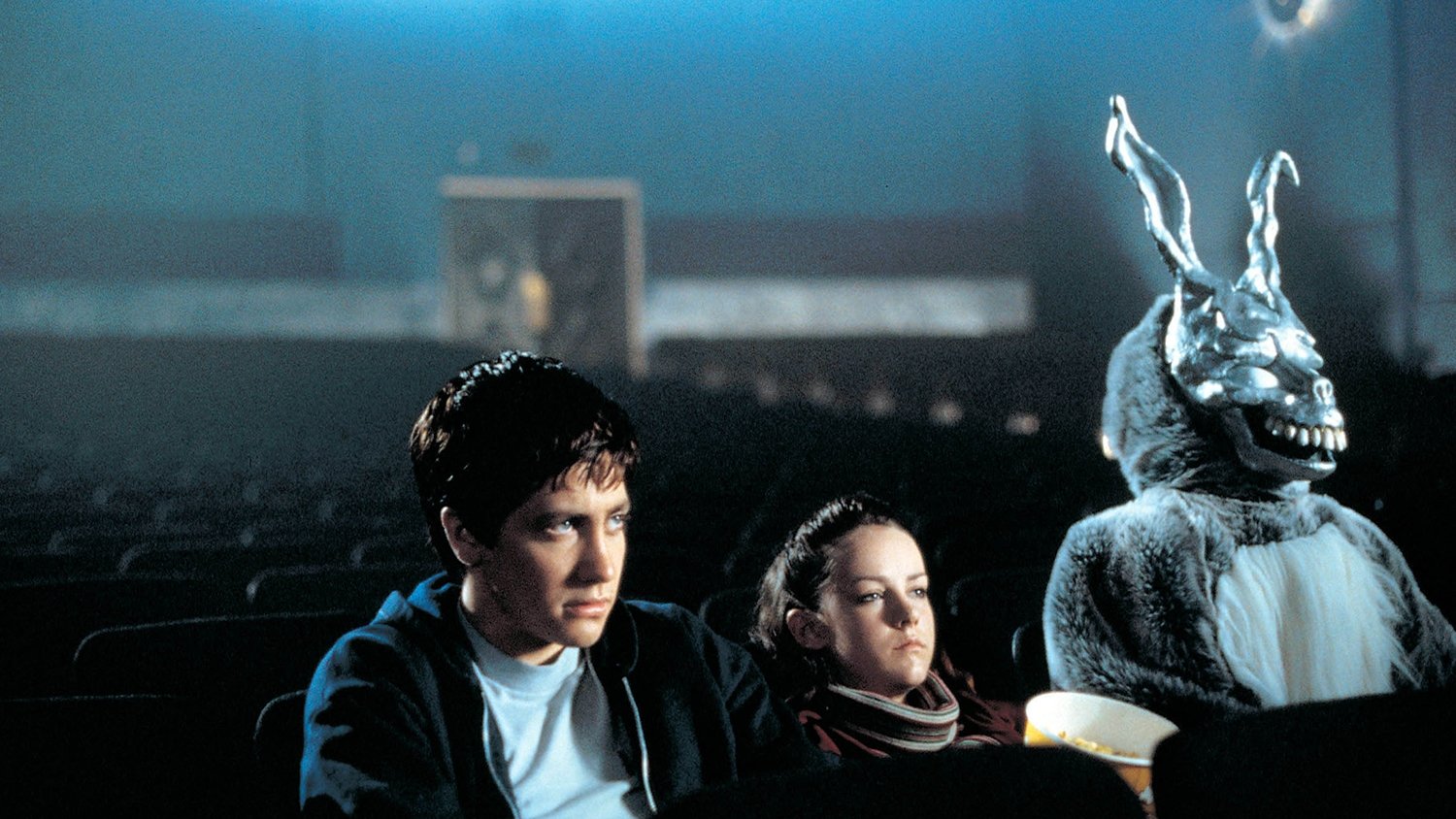

Donnie Darko is a film that refuses to be summarized cleanly, and that resistance is the point. Richard Kelly's debut (released 2001, rediscovered on DVD and in midnight screenings through 2002-2004) fused suburban alienation with time-travel physics, adolescent despair with genuine horror imagery, and an 80s period setting with post-9/11 unease. The feeling it leaves is particular: the sense that the ordinary world has a seam running through it, and that one strange event can pull that seam apart. Fans of Donnie Darko tend to be fans of that precise discomfort. The films, series, books, games, and scores collected here all live in the same territory, whether they approach it through psychological dread, fractured reality, outsider teenagers, or the creeping suspicion that time is not what it appears to be.
Essential Donnie Darko
The film itself and the director's other work in the same vein
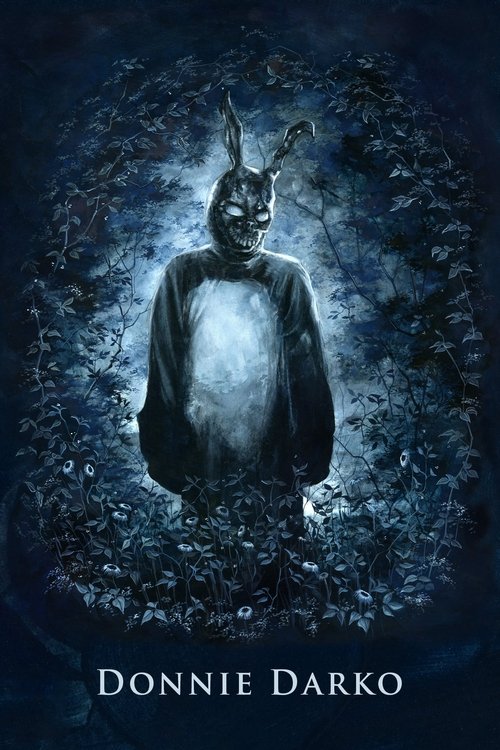
Same-Vibe Films: Suburban Dread and Fractured Reality
Films that share Donnie Darko's blend of outsider adolescence, psychological unease, and a world with something wrong underneath
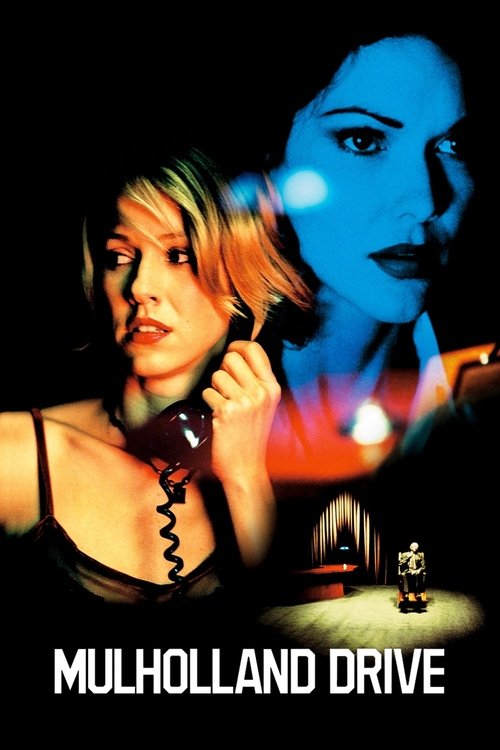
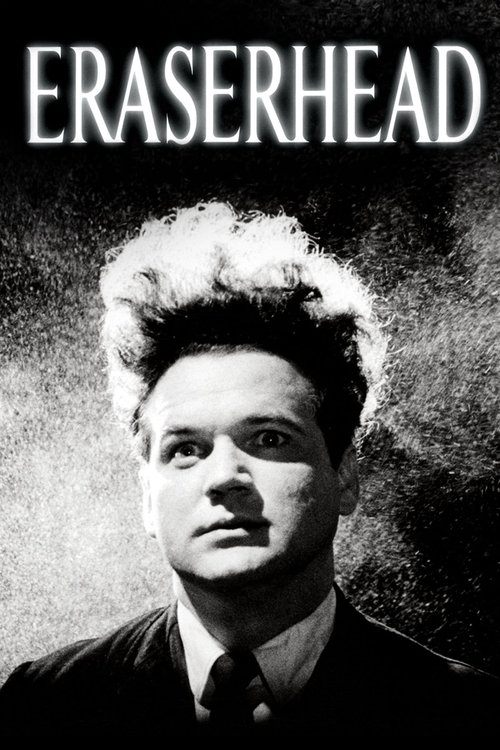
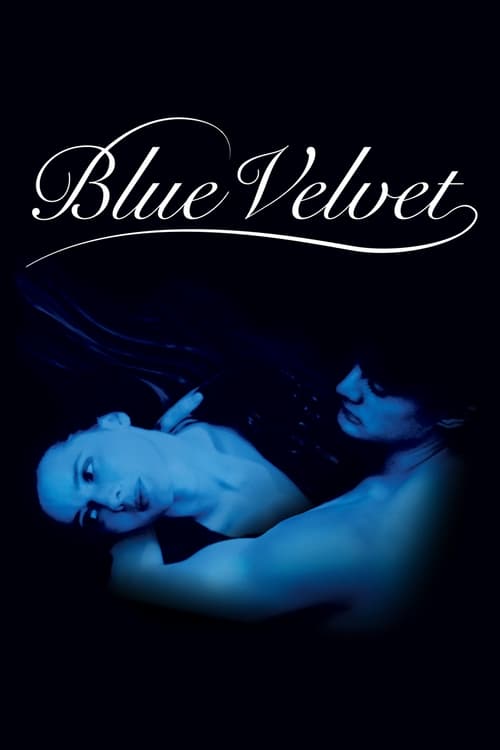


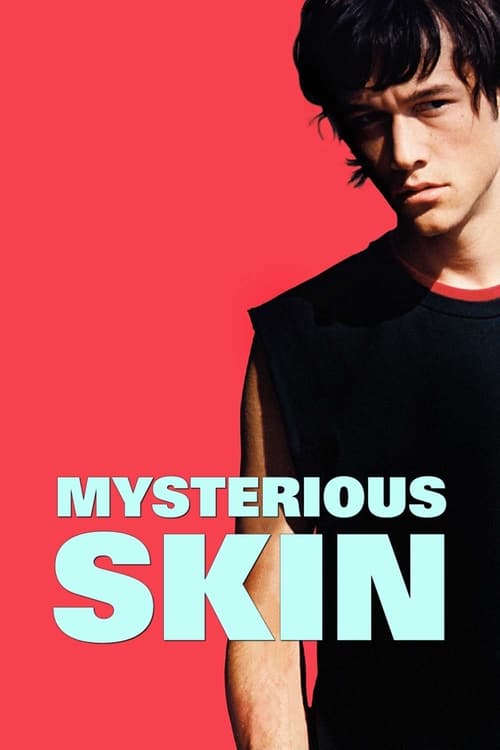
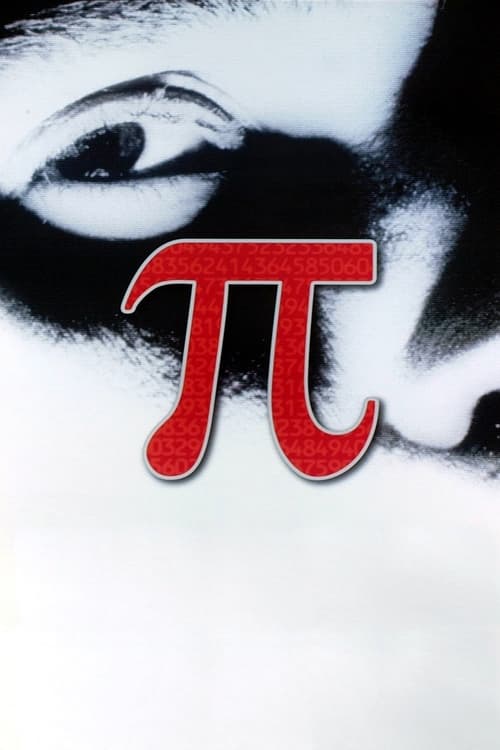

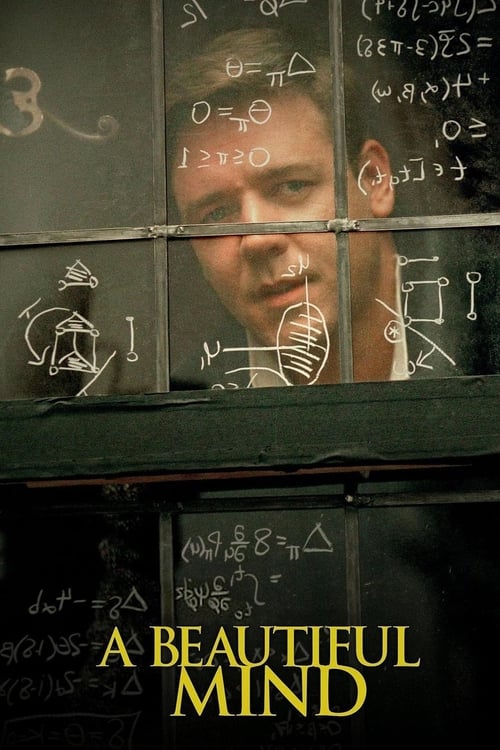

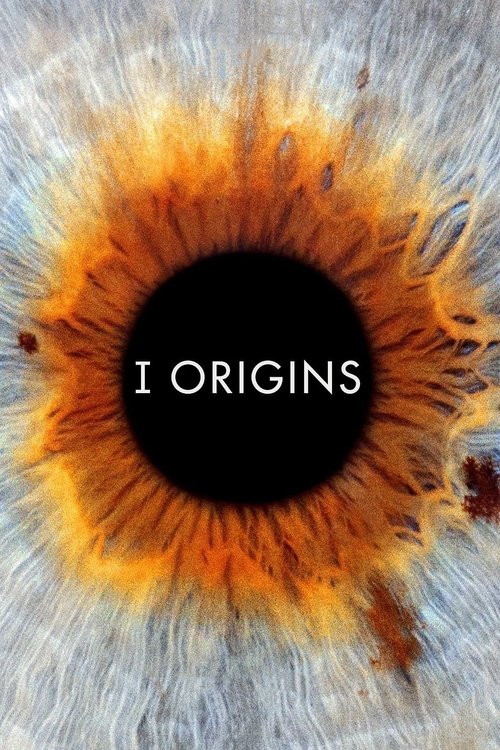

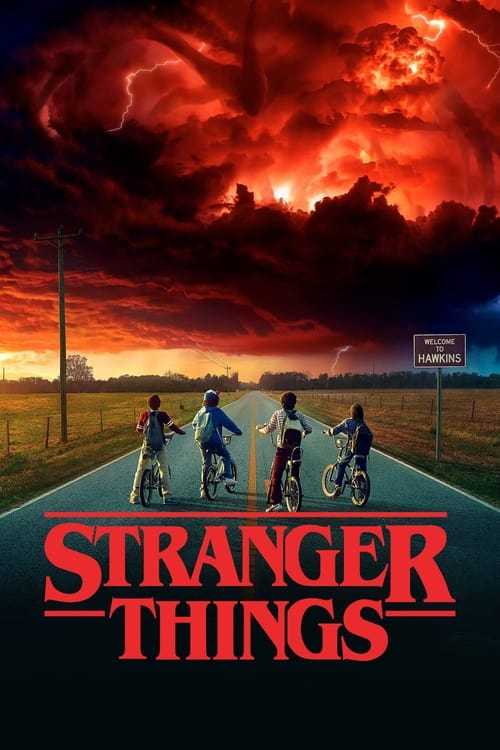
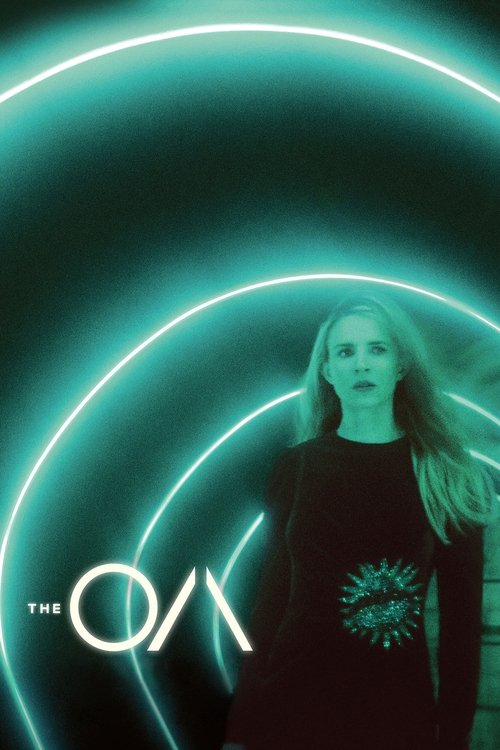
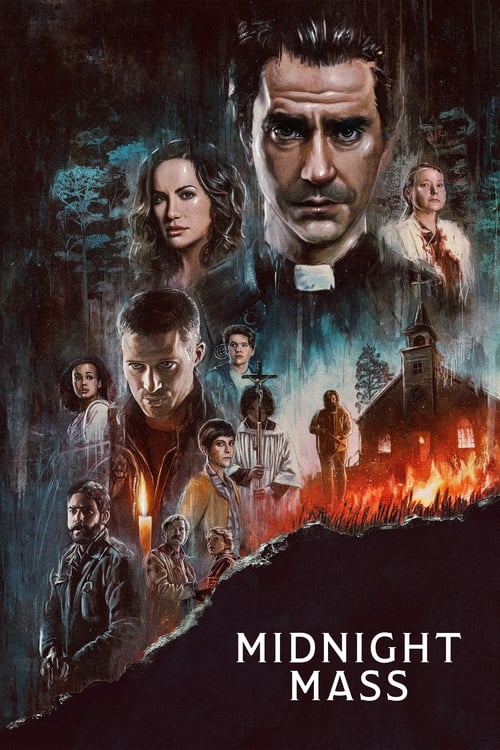
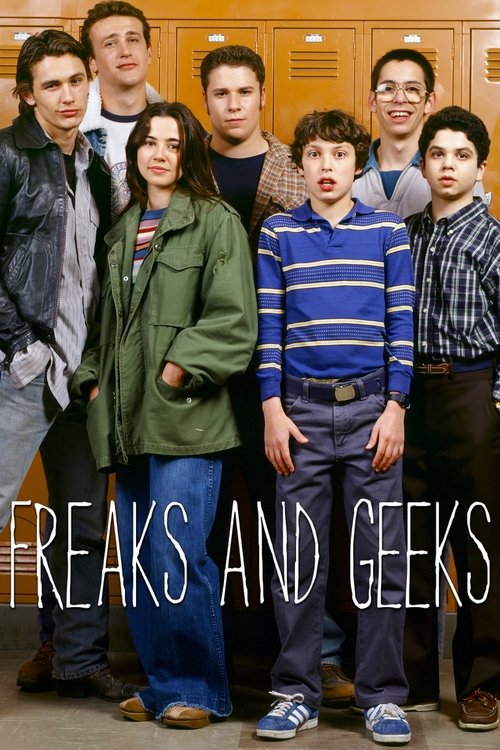
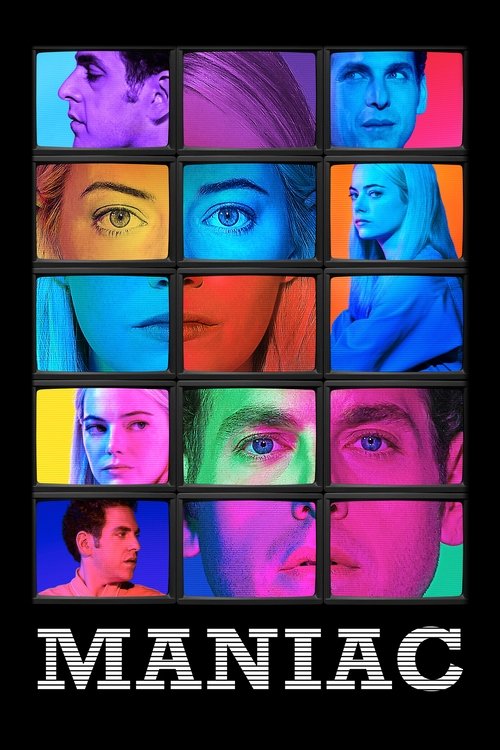
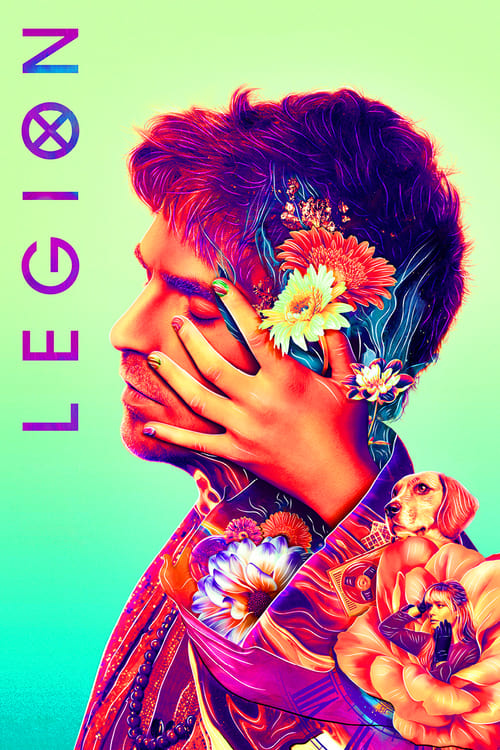
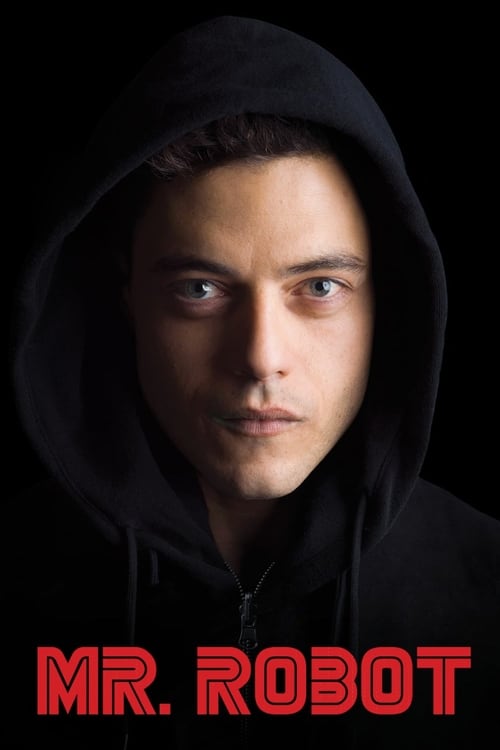
Series in the Same Vein: Strange Towns and Stranger Teenagers
TV that captures the same outsider dread, small-town weirdness, and reality that won't hold still

Novels That Live in the Same Headspace
Books built on dislocation, time, suburban unease, and adolescent minds that see what others cannot


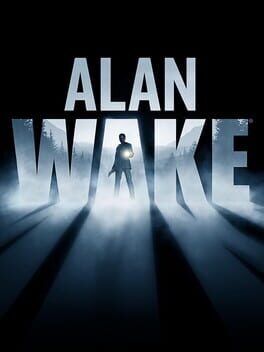
Games That Share Its DNA: Paranoia, Time, and Broken Worlds
Games built on unreliable reality, psychological dread, and the sensation of being an outsider who sees too much
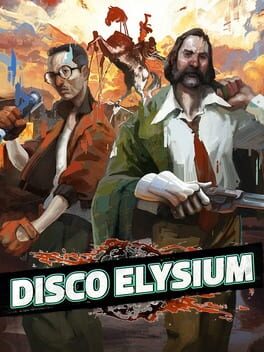
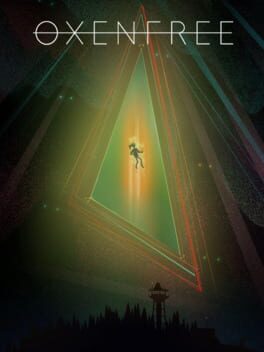
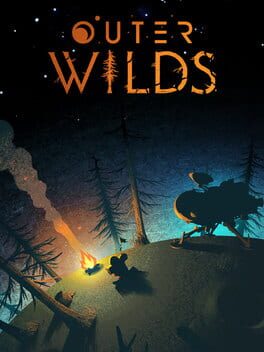
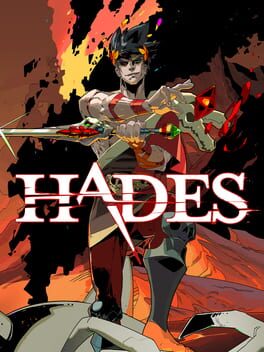
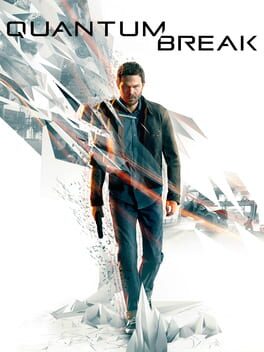
The Sonic World: Scores and Albums That Match the Feeling
Michael Andrews' score and the needle-drops that defined the film, plus music that occupies the same late-night, melancholy-strange register
Richard Kelly Understood That Suburban Normal Is the Horror
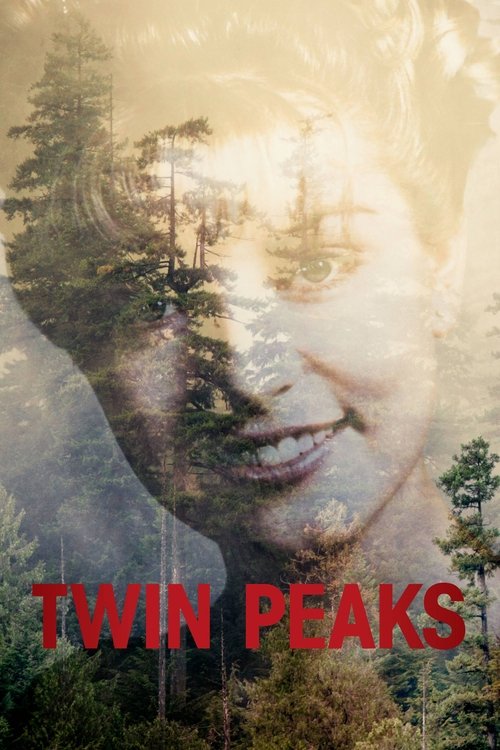
The horror in Donnie Darko is not the rabbit. It is the school, the therapy sessions, the dinner-table arguments, the self-help seminar run by a predator in a tracksuit. Kelly films the American suburb with the flat precision of someone documenting something dangerous. The cosmic weirdness is relief, not threat. David Lynch built a career on the same inversion in Blue Velvet and Twin Peaks, and Take Shelter (Jeff Nichols, 2011) pushes it further: a man who may be losing his mind or may be the only one paying attention. The genius move is making the audience uncertain which is worse.
Life Is Strange Solved the Interactive Donnie Darko Problem
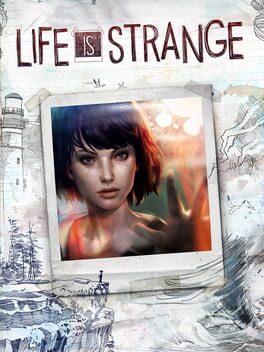
How do you put time-manipulation and teenage alienation into a game without it feeling like a gimmick? Life Is Strange (2015) worked it out by anchoring the time-rewind mechanic to social consequence rather than puzzle-solving. Every reversal carries emotional weight. The setting, a small Pacific Northwest town with something deeply wrong beneath the surface, is practically a Donnie Darko postcard. Oxenfree does something adjacent with radio-frequency time loops and kids who talk like real teenagers rather than action-game archetypes. Both treat the player the way Kelly treats his audience: as someone smart enough to sit with unresolved mystery.
Dark Is the Series That Should Have Come First
German series Dark (Netflix, 2017-2020) is what happens when you take the time-loop premise from Donnie Darko and give it three seasons to unspool with full rigor. Where Kelly's film is impressionistic and leaves deliberate gaps, Dark is almost pathologically complete, charting causality loops across four generations in a single German town. The tone is identical: provincial setting, teenagers who see connections adults miss, a sense of institutional rot, and a visual palette that treats sunlight as a rare and unreliable resource. It is the most serious TV engagement with the ideas Kelly planted.
House of Leaves Is the Novel Donnie Darko Would Have Read
Mark Z. Danielewski's House of Leaves (2000, published the year before the film) is a horror novel about a house whose interior dimensions do not match its exterior, narrated through layers of unreliable text, footnotes, and appended documents. It is structurally deranged in a way that mirrors Donnie Darko's refusal to give the audience stable ground. Both works assume a reader (or viewer) willing to do interpretive work, and both generate obsessive communities who spend years mapping the underlying logic. If you responded to Donnie Darko by reading everything you could find about its plot, House of Leaves is your next stop.
A Timeline of the Cult
- 2001Donnie Darko released theatrically to modest returns Donnie Darko
- 2002DVD release turns the film into a word-of-mouth phenomenon in the UK and US
- 2003Director's Cut screened at Cannes; extended scenes and different score divide fans Donnie Darko
- 2005Life Is Strange director Jean-Marc Vallee's Cafe de Flore explores temporal grief with a similar emotional register
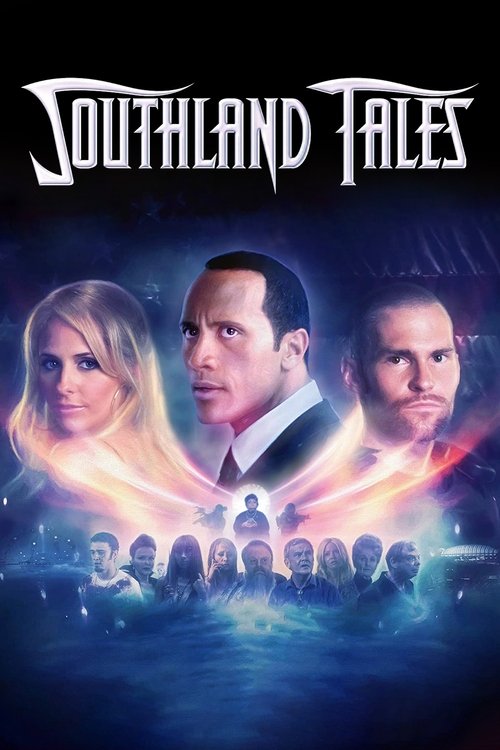
- 2007Richard Kelly's Southland Tales receives a polarizing Cannes premiere Southland Tales
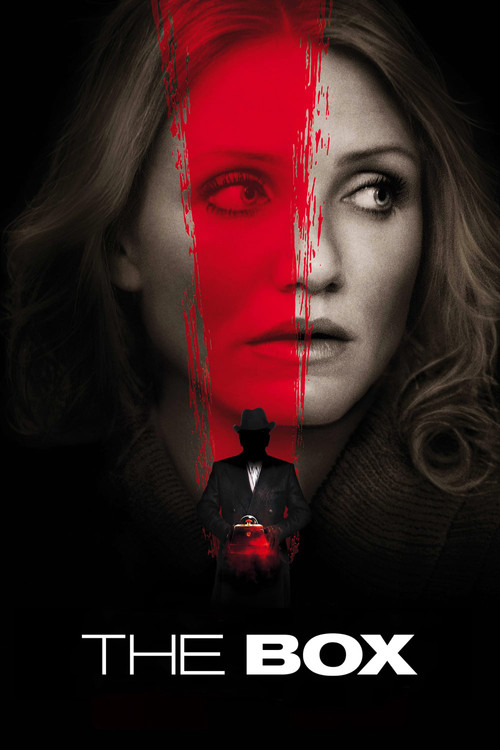
- 2009The Box, Kelly's adaptation of a Richard Matheson story, continues his preoccupation with moral paradox and suburban unease The Box
- 2013Primer-era lo-fi time-travel film Coherence builds a cult with a $50k budget and a single location Coherence
- 2015Life Is Strange canonizes the teenage time-manipulation game Life Is Strange
- 2017Dark premieres on Netflix; immediately recognized as the TV inheritor of the film's temporal logic Dark
More mind-bending suburban surrealism
Mind-Bending Films and Series
Explore the Mind-Bending Films and Series guide →Every fan of Donnie Darko is chasing the same thing: the feeling that the world is legible if you look at it from exactly the right angle, at exactly the wrong time.CrossBinge