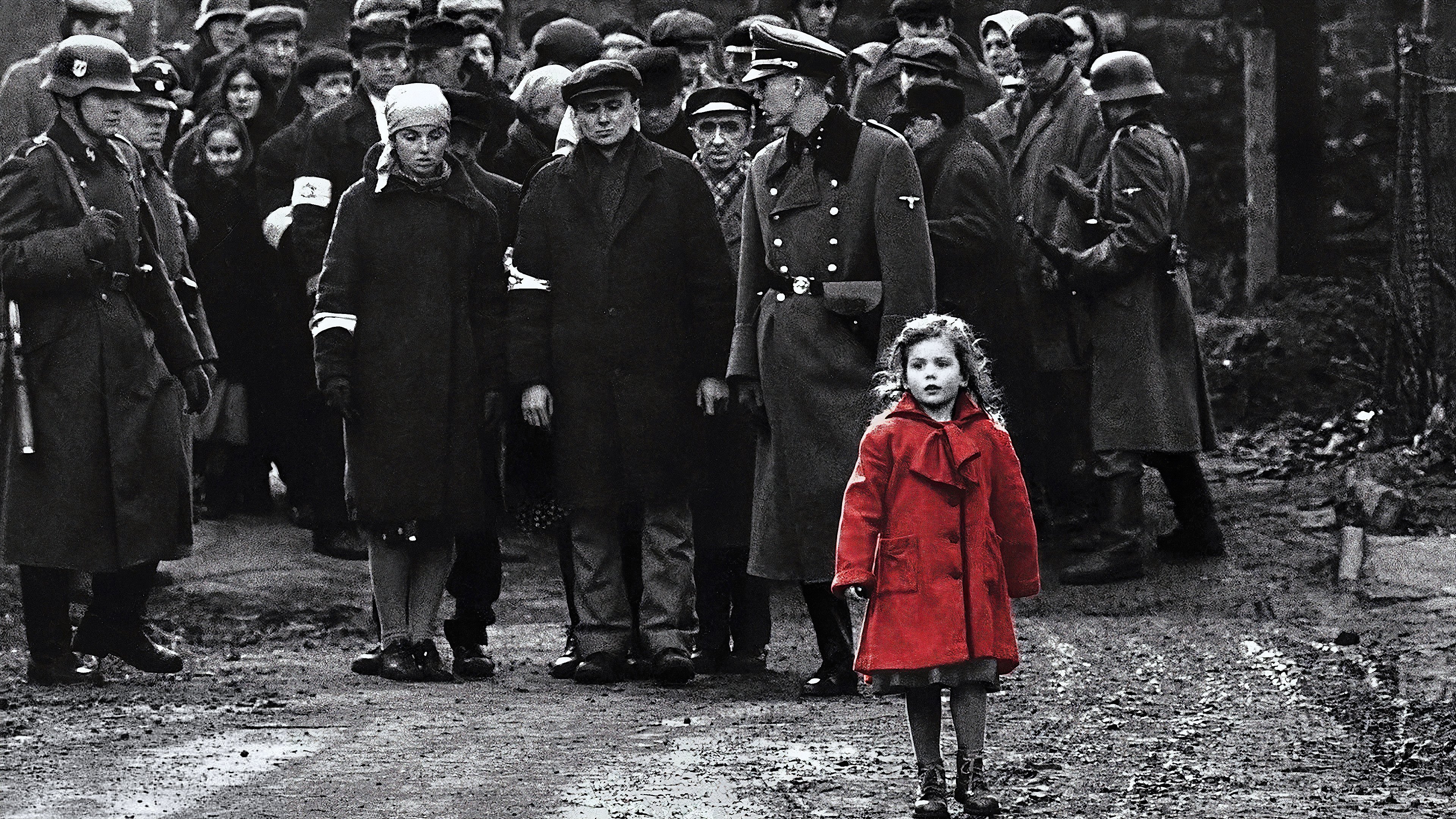

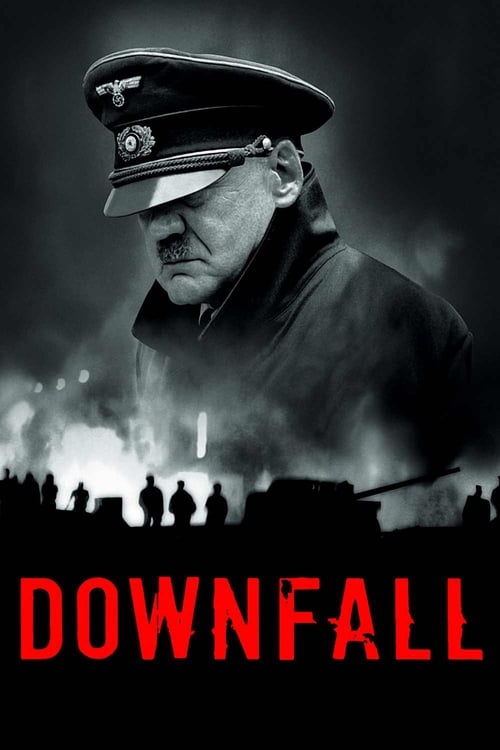
Downfall (Der Untergang, 2004) does something most war films avoid: it puts you inside the machinery of catastrophe rather than above it. Director Oliver Hirschbiegel and writer Bernd Eichinger keep the camera at bunker level, following Traudl Junge (Bruno Ganz's Hitler at the center, but Junge as the moral compass) through the last twelve days of the Third Reich. The film earns its tension not through battlefield spectacle but through the horror of watching ordinary loyalty carry people past the point of no return. What a fan of Downfall chases is that specific unease: history viewed from within a collapsing institution, where ideology and denial hold together until the very moment they do not.
Same Director, Same Vibe: Hirschbiegel and the Films Around Him
Enclosed spaces, moral pressure, and the psychology of power



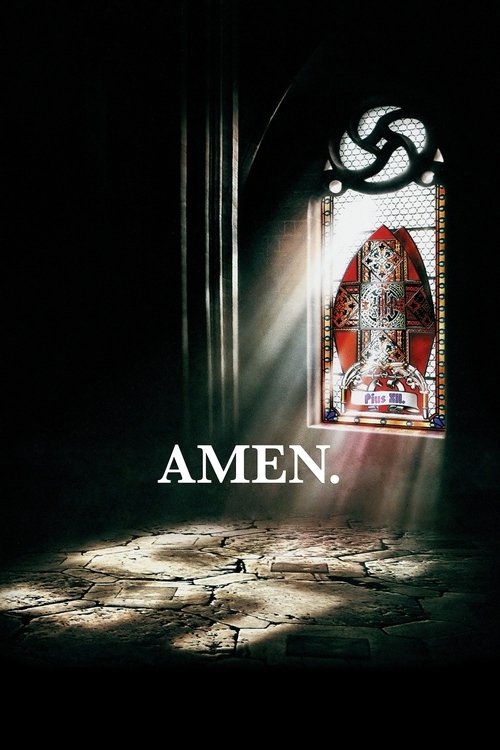
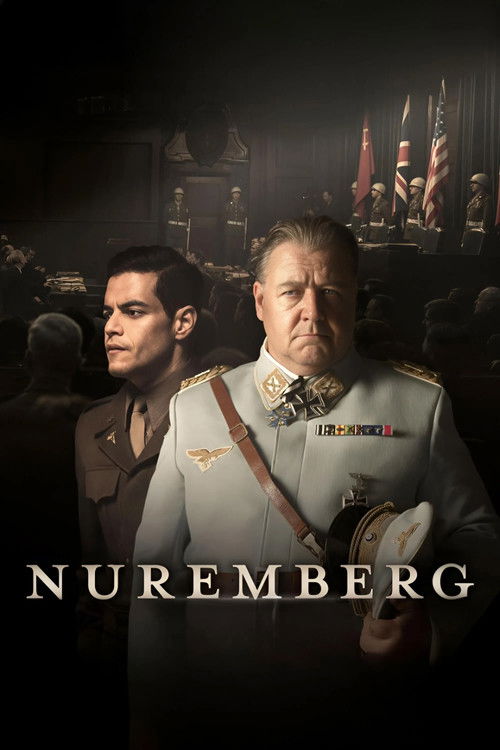
Inside Collapsing Regimes: Series in the Same Vein
Television that burrows into institutions under pressure
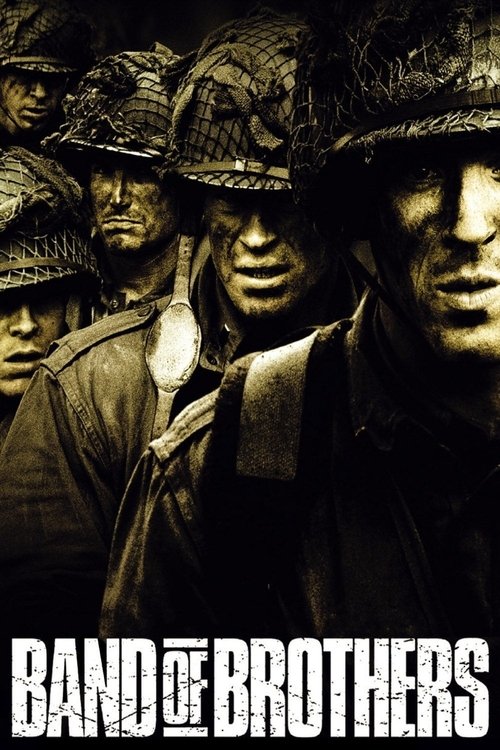
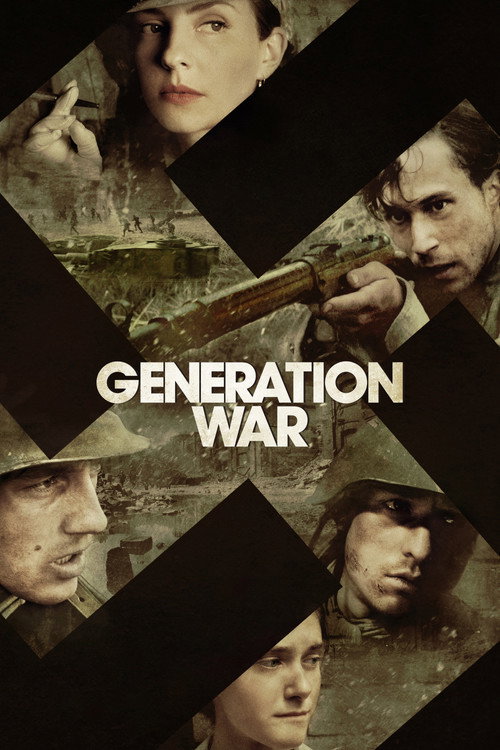

The Literature of Last Days and Ordinary Perpetrators
Books that examine ideology, loyalty, and the banality of evil from the inside


Games Sharing Its DNA: Moral Weight in War and Institutional Collapse
Games that ask who is complicit and what choices remain under impossible pressure
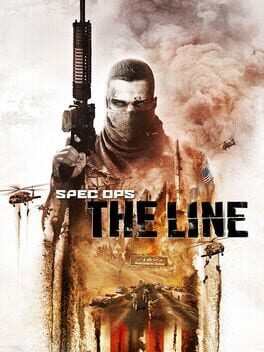
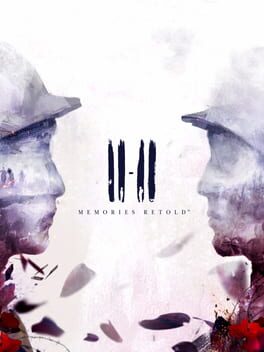
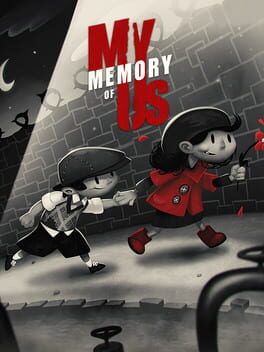
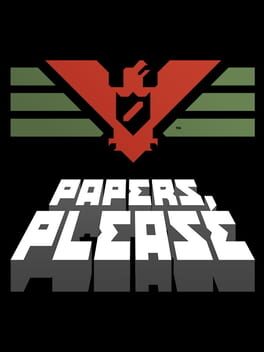
More Standalone Films with the Same Feeling
Intimate, unsparing films that refuse the comfort of distance



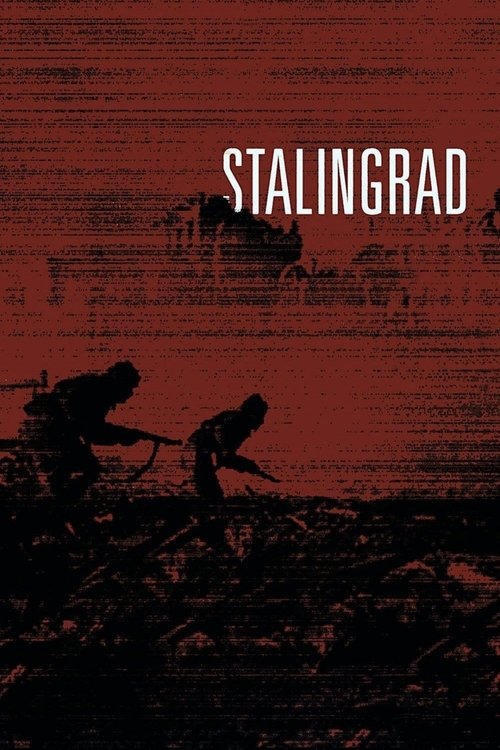

Bruno Ganz Made the Unthinkable Human, Which Is the Point
Bruno Ganz's performance is deliberately not a monster turn. He plays Hitler as a man whose certainty has calcified into something that cannot be revised, even as the walls close in. That choice is what makes Downfall genuinely disturbing: the film argues that the catastrophe was not produced by a supernatural evil but by recognizable human mechanisms. Rage, loyalty, self-deception, and the inability to admit error are not exotic qualities. They are the film's real subject.
Traudl Junge Is the Moral Center, Not a Footnote
The film is structured around Junge's perspective partly because she is a more honest guide than anyone closer to power. She is not complicit in atrocity, but she is complicit in proximity, and she knows it. The documentary Blind Spot, which gave Eichinger much of his raw material, shows Junge in old age still working through what that proximity meant. Both films are stronger together.
The Zone of Interest Completes What Downfall Started
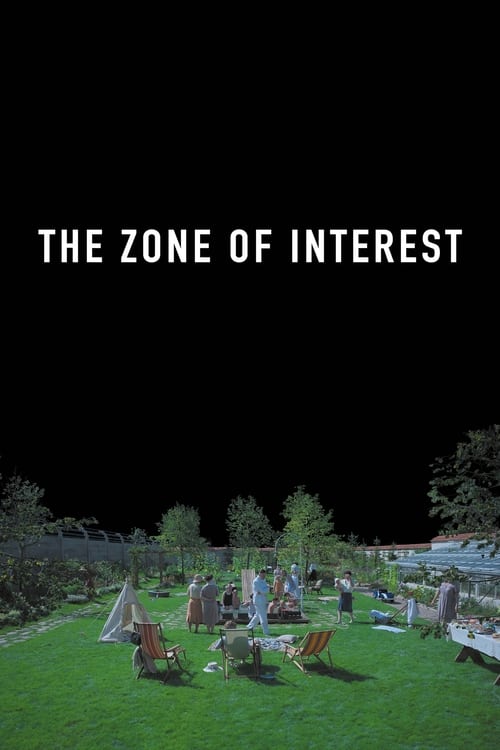
Jonathan Glazer's The Zone of Interest (2023) goes further than Downfall by refusing even a bunker: the commandant's family lives next door to Auschwitz and barely looks at it. Together the two films make an argument that no single work makes alone. Downfall shows the inside of a collapsing project of violence; The Zone of Interest shows the deliberate looking-away that made it possible for years.
Chernobyl Inherits the Bunker Genre
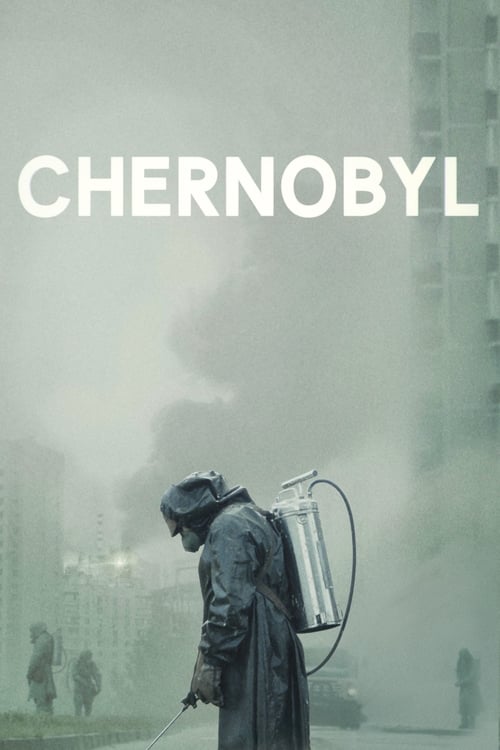
Craig Mazin's Chernobyl (2019) is the clearest descendant of the institutional-collapse genre Downfall helped define for a new generation. Both are about what happens when a system built on ideology cannot process accurate information. Both focus on the people at the operational level who see the failure first and are least equipped to stop it. The bureaucratic dread is almost identical.
German History on Screen: A Partial Map
- 1931M (Fritz Lang's portrait of Weimar collapse) M
- 1972Cabaret captures the precise moment before Cabaret
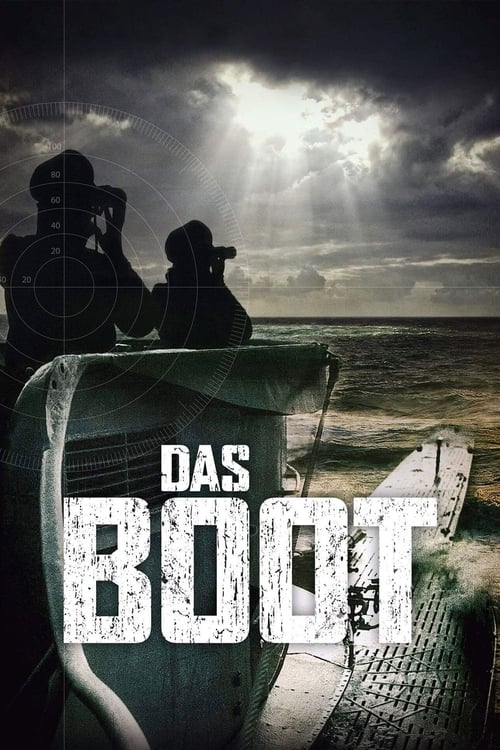
- 1981Das Boot: claustrophobia and doomed loyalty Das Boot
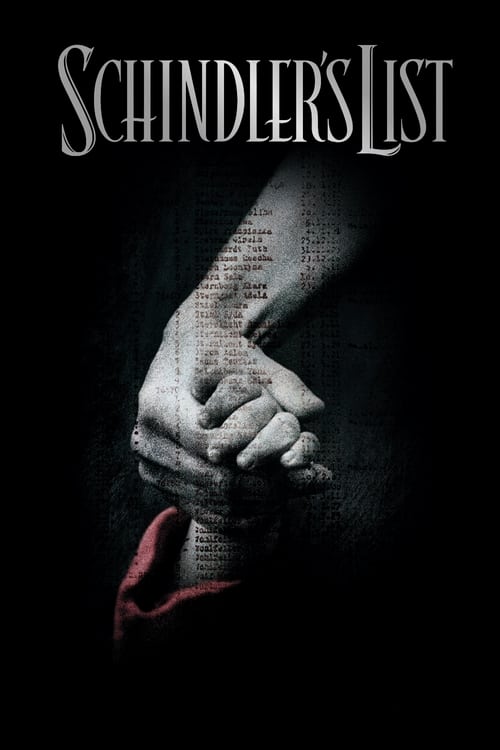
- 1993Schindler's List redefines the moral scope of WWII film Schindler's List
- 2001Blind Spot: Junge speaks for the first time on camera
- 2004Downfall premieres and Bruno Ganz's performance becomes definitive Downfall
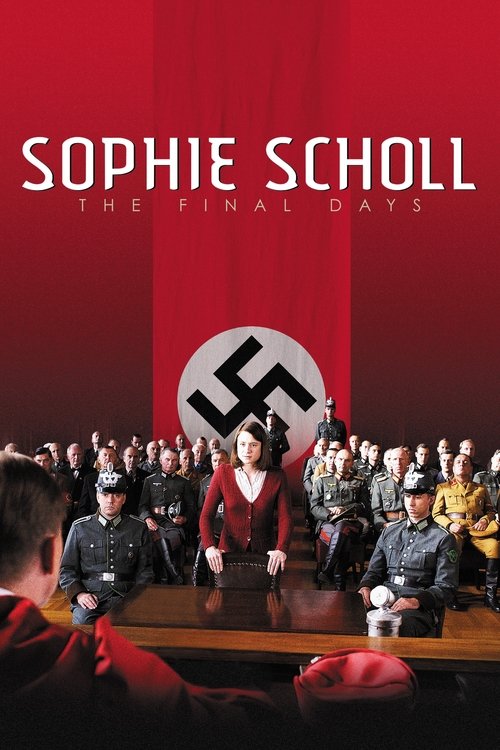
- 2006Sophie Scholl: The Final Days, same year, same country, different moral clarity Sophie Scholl: The Final Days
- 2023The Zone of Interest pushes the bunker genre into pure negative space The Zone of Interest
More World War II and fallen regimes
World War II
Explore the World War II guide →What Downfall asks is not whether Hitler was a monster. It asks how institutions, loyalty, and ordinary human psychology keep a monster in power until there is nothing left to preserve.CrossBinge editorial