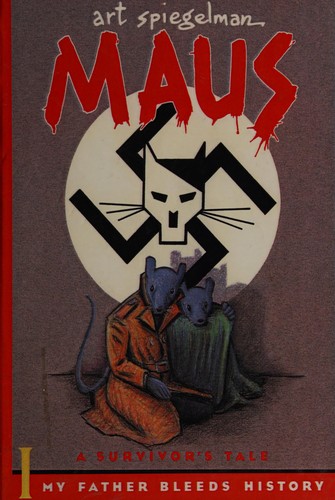

Art Spiegelman spent more than a decade interviewing his father Vladek about surviving Auschwitz, then drew what he heard as a comic in which Jews are mice and Nazis are cats. The result, published in two volumes (1986 and 1991), is not simply a Holocaust memoir rendered in panels: it is a story about the act of bearing witness, about what stories do to the people who tell them and the people who carry them forward. The book won a Pulitzer Prize in 1992 and permanently altered the conversation about what sequential art could hold. What fans of Maus chase is a specific feeling: the intimacy of testimony filtered through form, grief that does not sentimentalize, and the honest acknowledgment that memory is fractured and incomplete. Everything below earns its place by sharing at least one of those qualities.
Essential Maus
The graphic memoir itself, and Spiegelman's other major work


Other Graphic Memoirs That Carry the Same Weight
Nonfiction drawn in ink, each forcing form to do the work of memory


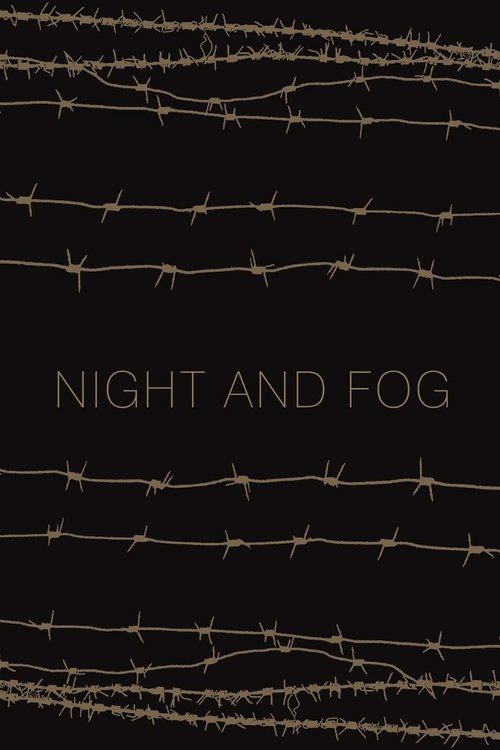
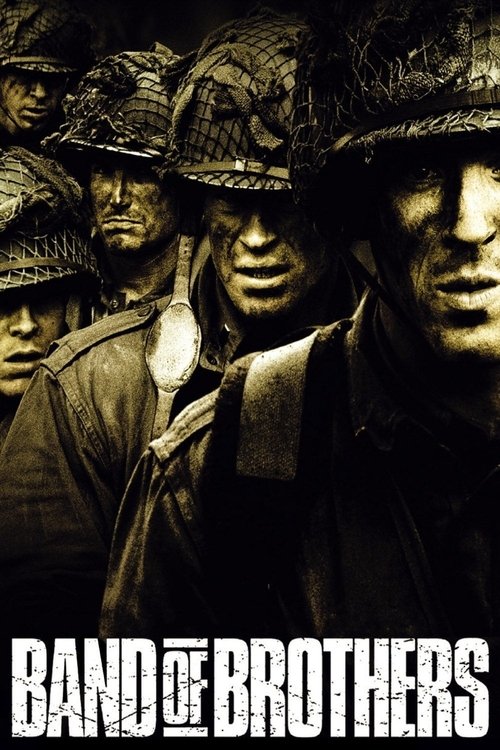
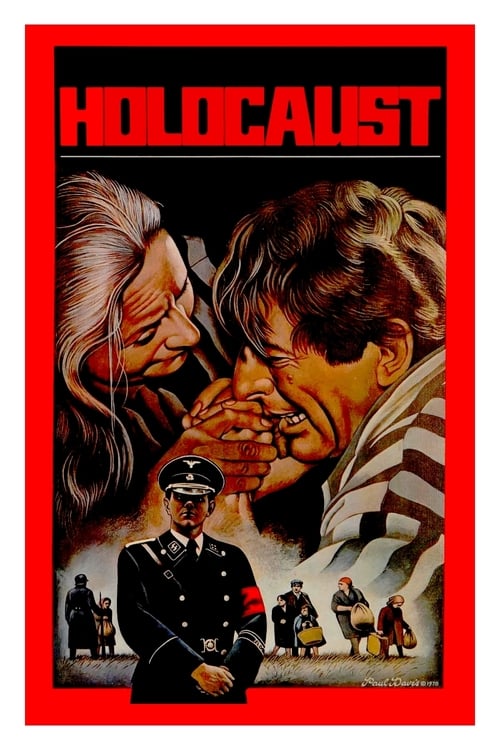
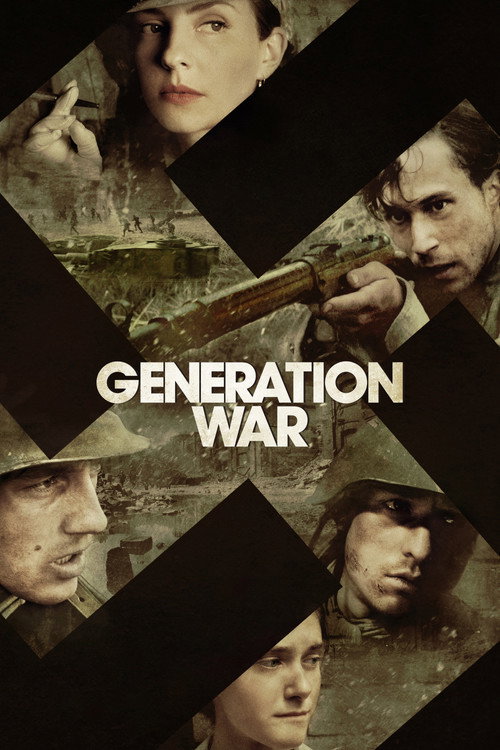
Holocaust and Testimony on Screen
Films and series that approach atrocity with the same unflinching honesty


Literature of Memory and Inherited Trauma
Prose and poetry where the past refuses to stay past


Films and Series That Wrestle with Guilt and Memory
The same moral urgency: how do you live with what happened, or with those who survived it



Games That Confront History and Atrocity
Interactive works where the weight of the past shapes every choice
Form Is Not Decoration
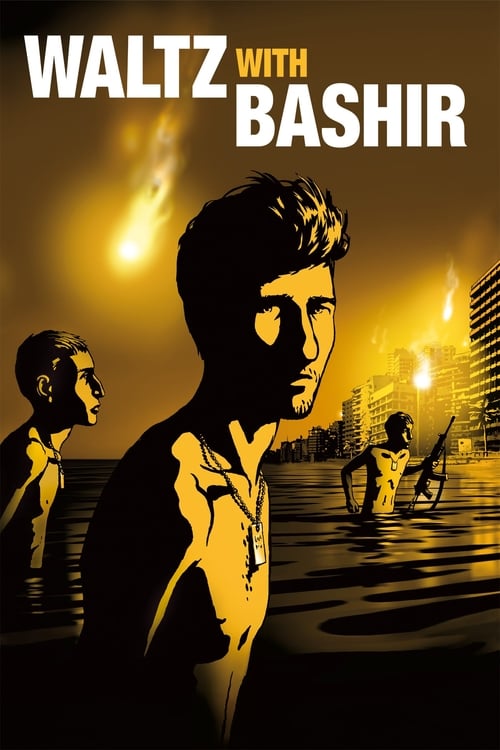
Spiegelman did not choose the mouse-and-cat visual language as a metaphor to be decoded and discarded. The cartoon form keeps a reader at exactly the right emotional distance: close enough to feel the horror, far enough to keep looking. Persepolis and Waltz with Bashir have the same understanding. The animation in Bashir lets Ari Folman show what he cannot otherwise say, because the documentary image would be too blunt and the absence of image too dishonest. When form and subject are genuinely matched, the work does something prose alone cannot.
The Second Generation Problem
Maus is as much about Art's relationship with Vladek as it is about the war. The father who survived Auschwitz is also difficult, thrifty to the point of cruelty, and unreliable as a narrator. Jonathan Safran Foer's Everything Is Illuminated works the same territory: the grandchild who searches, the grandfather who controls what he reveals. The child inherits a story that was never fully given. That negotiation, between what a survivor will say and what a child needs to know, is the real subject of both books.
The Civilian in War
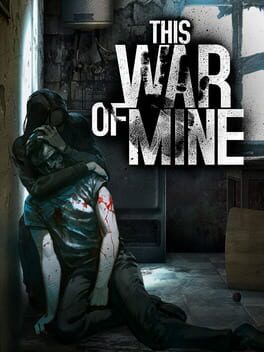
This War of Mine is the most honest war game made so far, not because it simulates combat but because it refuses to. You manage a group of civilians sheltering in a ruined city, deciding who eats, who scavenges, who breaks. The moral weight accumulates. Papers, Please gives you a border guard's desk and asks what you will do when the cost of mercy is paid by your own family. Neither game lets you win cleanly. Both understand that the civilian experience of war is the one most often left out of the record.
When Witness Becomes Art
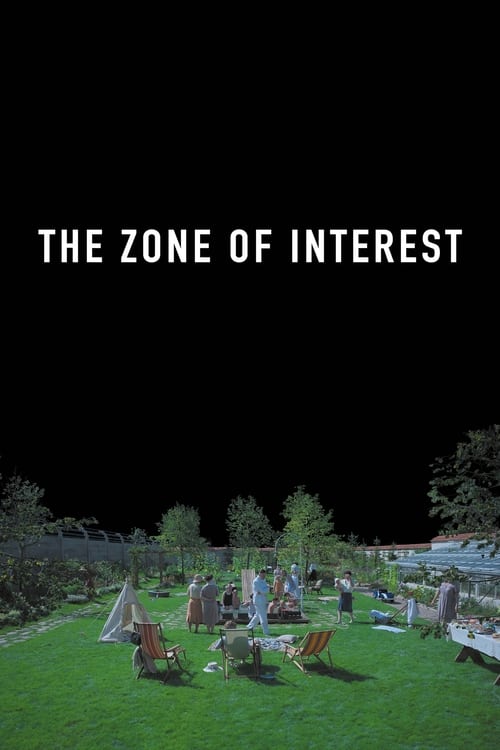
Claude Lanzmann spent over a decade assembling Shoah, a nine-hour film composed entirely of testimony and present-day landscape, no archival footage. The Zone of Interest, released in 2023, goes further: it shows you the domestic life of the Auschwitz commandant's family while the sounds of the camp drift over the garden wall. Both films trust the viewer to do work. Son of Saul narrows the frame so tightly that the horror exists at the periphery, just out of focus, which is precisely where trauma lives. These are the films that most understand what Maus understood: what you choose not to show is part of the argument.
A Short History of Bearing Witness
- 1955Primo Levi publishes the first English translation of If This Is a Man, establishing the moral grammar of Holocaust testimony
- 1960Night is published in English, Elie Wiesel's account of Auschwitz and Buchenwald Night
- 1985Shoah premieres in France, nine hours of testimony with no archival footage Shoah
- 1986Maus Volume I (My Father Bleeds History) published by Pantheon Maus
- 1991Maus Volume II (And Here My Troubles Began) completes the story Maus
- 1992Maus wins the Pulitzer Prize, the first graphic work to do so
- 2000Persepolis serialization begins in French, Marjane Satrapi's graphic memoir of the Iranian Revolution Persepolis
- 2008Waltz with Bashir premieres at Cannes, blending documentary and animation to reconstruct suppressed memory Waltz with Bashir
- 2013This War of Mine enters development, released 2014, putting civilian survival at the center of a war game This War of Mine
- 2023The Zone of Interest premieres at Cannes, winning the Grand Prix, and brings the commandant's domestic life into unbearable focus The Zone of Interest
Memory, Witness, and World War II
World War II
Explore the World War II guide →Comics were a way of saying: here is what I cannot fully say any other way. The form holds what prose would flatten.Art Spiegelman