
Dubstep emerged from South London in the late 1990s, incubated at nights like FWD>> at Plastic People and transmitted via pirate radio. The genre's signature is negative space weaponised: half-time drum patterns, sub-bass frequencies that register in the chest before the ears, and the wobble that arrives like a tectonic shift. Two strands evolved in parallel. The UK lineage (Skream, Benga, Digital Mystikz, Burial) stayed close to that original darkness, favoring restraint and atmosphere. The American brostep wave (Skrillex, Flux Pavilion, Datsik) dialed the aggression to eleven, crossing into EDM arenas and film trailers. Both branches share an obsession with sound design as emotional architecture. A dubstep fan chases that feeling: the drop not as relief but as confrontation.
Essential Dubstep
The albums, mixes, and records that define the form
Films That Hit Like a Drop
Movies with the same weight, darkness, and relentless forward momentum

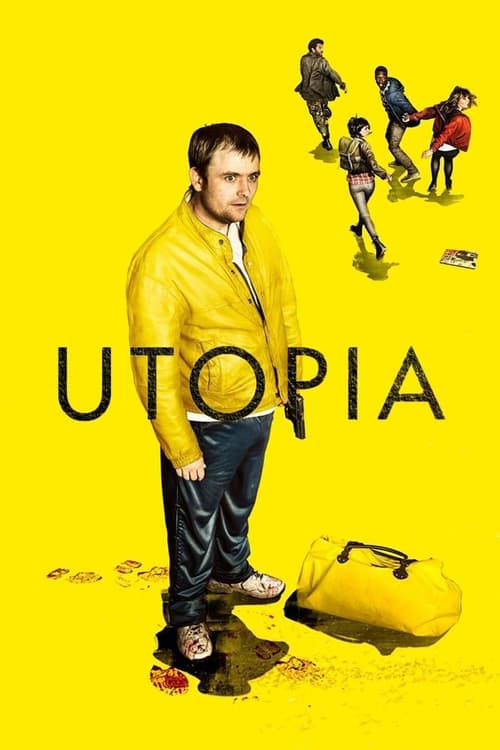
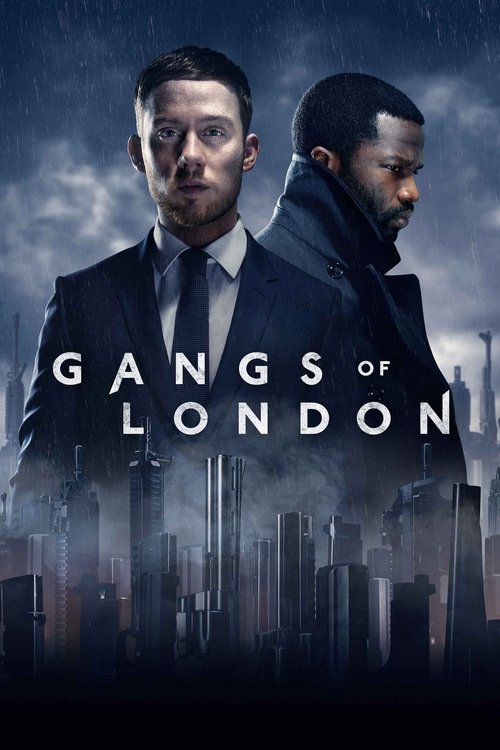
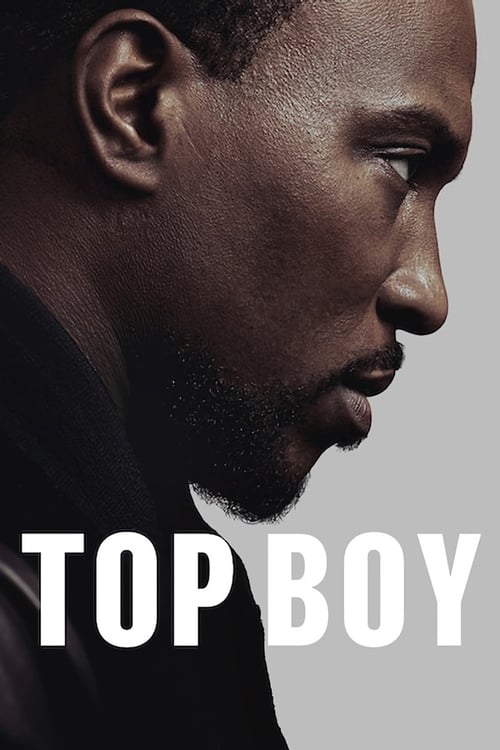
Series with the Same Frequency
TV that channels dubstep's pressure, paranoia, and urban intensity
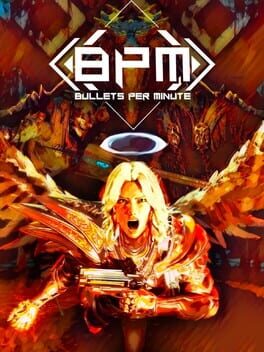
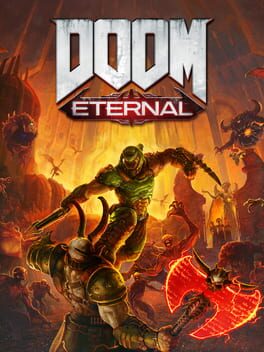
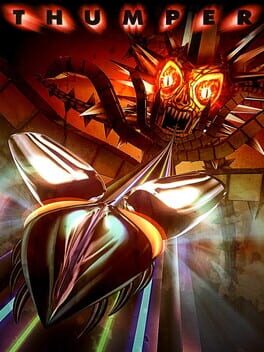
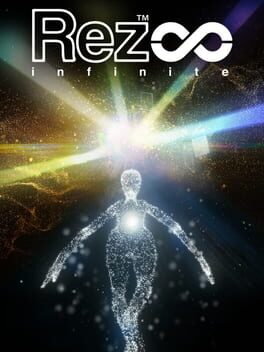
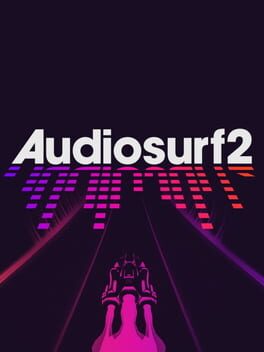
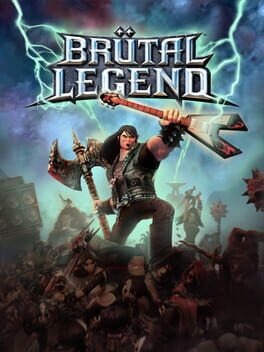
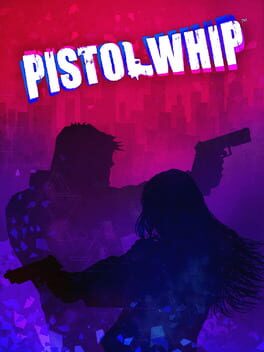
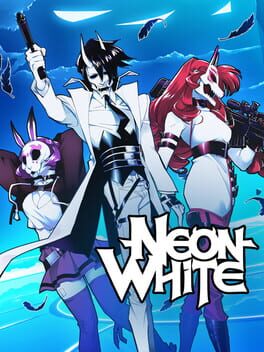
Games That Live in the Bass
Games where sound design is a weapon and rhythm shapes the action

Books for the Basshead
Novels that share dubstep's obsession with urban darkness, technology, and subcultural depth


Burial Rewrote What Bass Music Could Feel
Burial's self-titled debut and its follow-up Untrue didn't just influence dubstep. They redefined what electronic music could do with grief and loneliness. Built from chopped vocal samples, crackle, rain, and sub-bass that feels geological in its slowness, these records captured something true about post-millennium London that nothing else had. The fact that Burial's identity stayed anonymous for years only deepened the mythology.
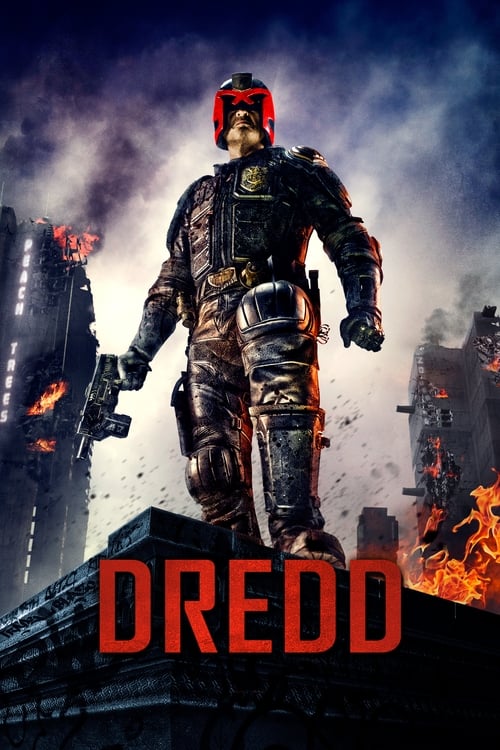
Dredd Got the Sound Right
The 2012 Dredd adaptation is the rare action film where the soundtrack is genuinely engineered for the genre it represents. Paul Leonard-Morgan's score leans into stretched, slowed, bass-saturated sound design that mirrors the Slo-Mo drug sequences almost literally. The film's look and its audio share the same aesthetic DNA as the dubstep it was made alongside.
Dubstep: A Rough History
- 1999South London garage producers start slowing tempos and emphasising sub-bass at nights like Forward>>
- 2002Skream, Benga, and Digital Mystikz define the sound; Rinse FM carries it across London
- 2006Burial's self-titled debut reframes dubstep as something introspective and atmospheric
- 2007Untrue arrives; Burial stays anonymous; the record crosses into mainstream critical attention
- 2010Skrillex releases Scary Monsters and Nice Sprites, igniting the American brostep wave
- 2012Skrillex wins three Grammys; Dredd soundtrack brings the aesthetic to cinema Dredd
- 2013Peak EDM; brostep dominates festival stages; UK originators continue evolving into grime and post-dubstep
- 2018Skream returns to raving as a house DJ; the UK lineage reasserts itself; Burial continues releasing singles
Bass Weight in Neon Futures
For Fans of Techno
Explore the For Fans of Techno guide →Dubstep is music for the part of the city that switches off at 4am and leaves you waiting for the night bus.Kode9, Hyperdub founder