
Vaporwave arrived around 2011 as an internet microgenre and quickly mutated into something larger: a full aesthetic movement built on slowed-down, pitch-shifted corporate smooth jazz, elevator music, and late-1980s/early-1990s R&B, looped and warped into hypnotic, faintly unsettling collages. Artists like Macintosh Plus, Saint Pepsi, and ESPRIT 空想 weren't just making music; they were performing a kind of cultural autopsy on the consumer utopia of the early PC era. The appeal runs deeper than irony. There is genuine beauty in the hiss and shimmer of those productions, and a real melancholy in their fixation on spaces (shopping malls, hotel lobbies, airport terminals) that have either vanished or calcified into self-parody. If you find yourself returning to vaporwave, you are probably chasing a specific feeling: the uncanny comfort of a place that promises everything and means nothing, rendered in pastel and chrome.
Essential Vaporwave
The albums and releases that defined the genre and its variants
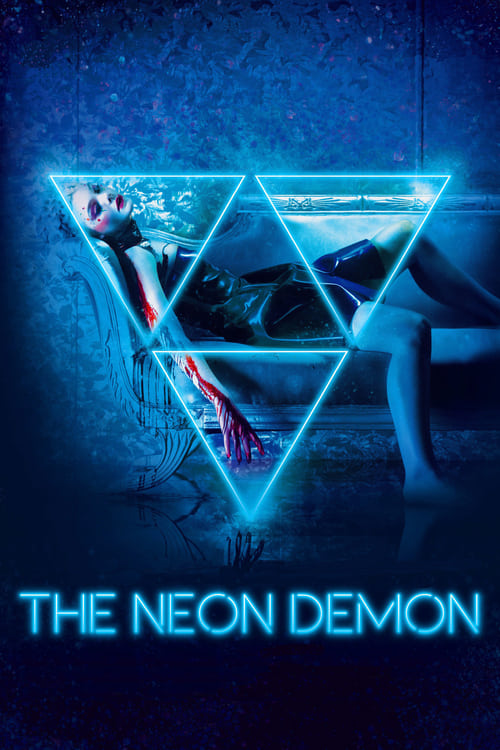
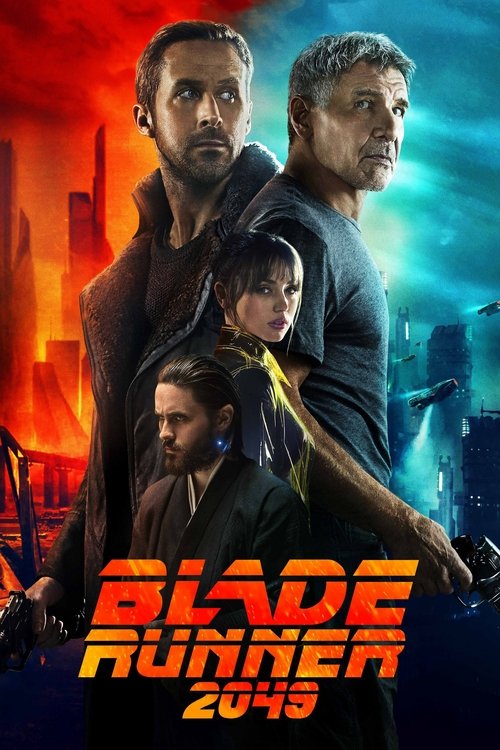
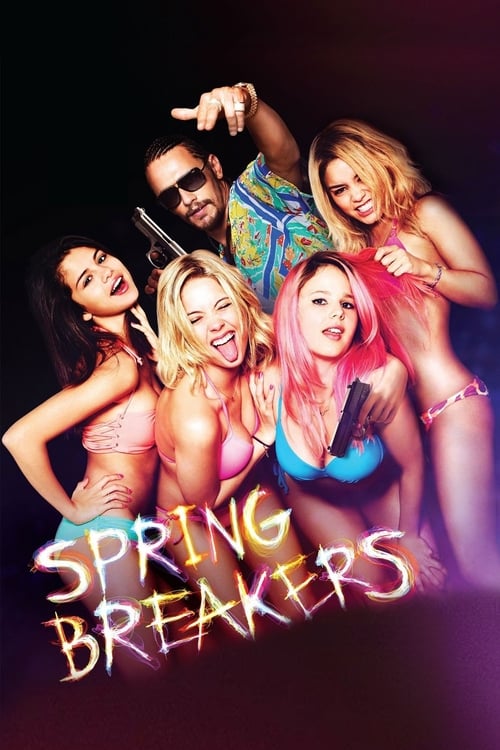
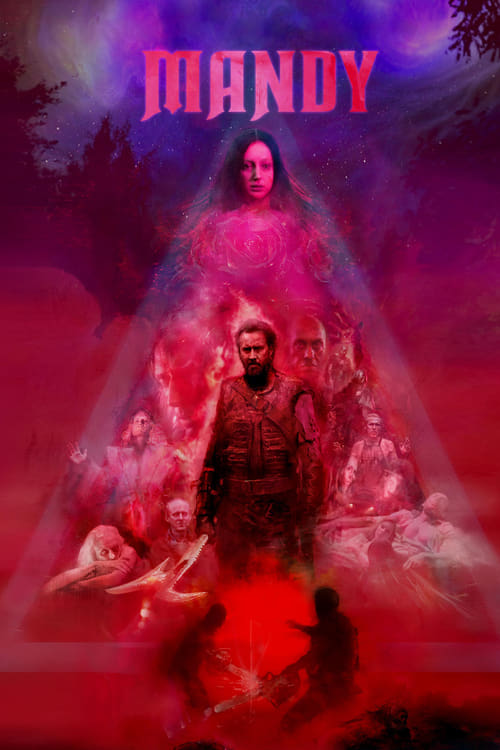
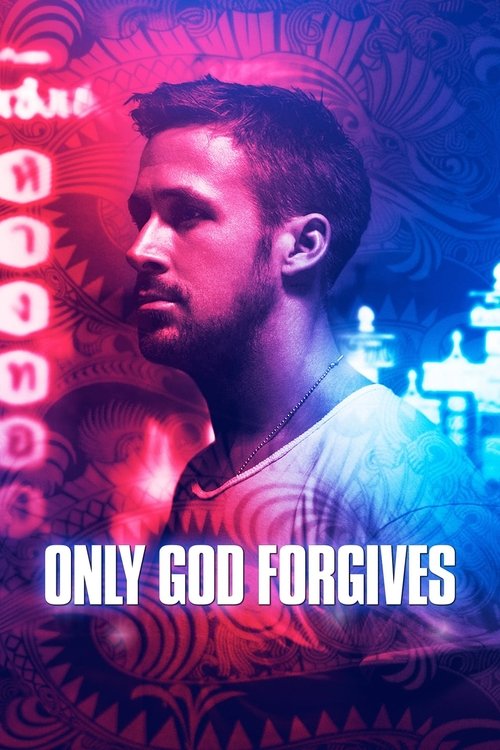
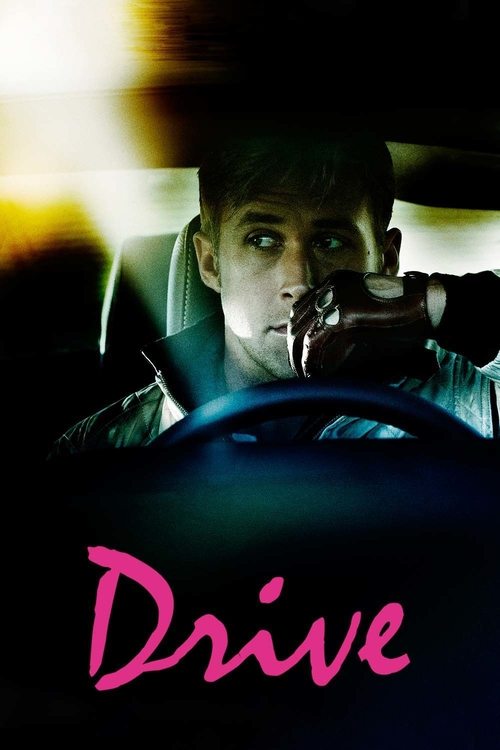
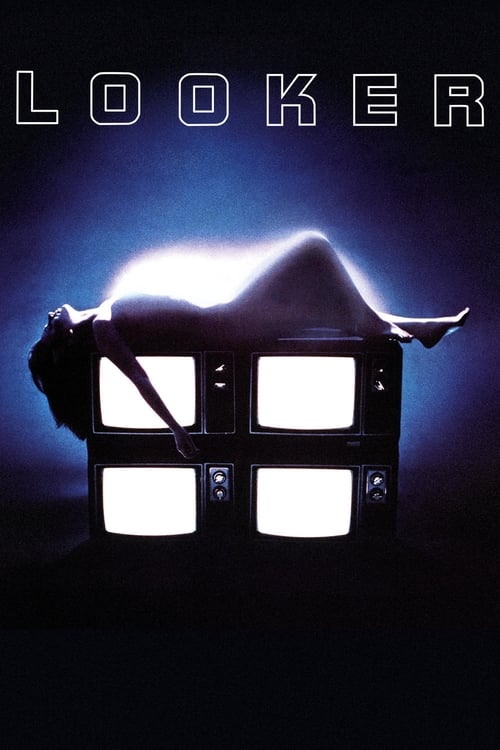
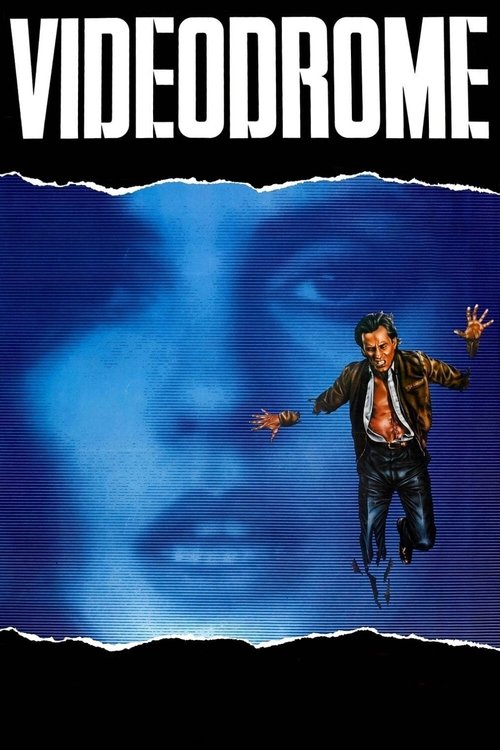
If You Love Vaporwave: Films That Share the Dislocation
Movies soaked in neon, artificiality, and the strange sadness of consumer culture


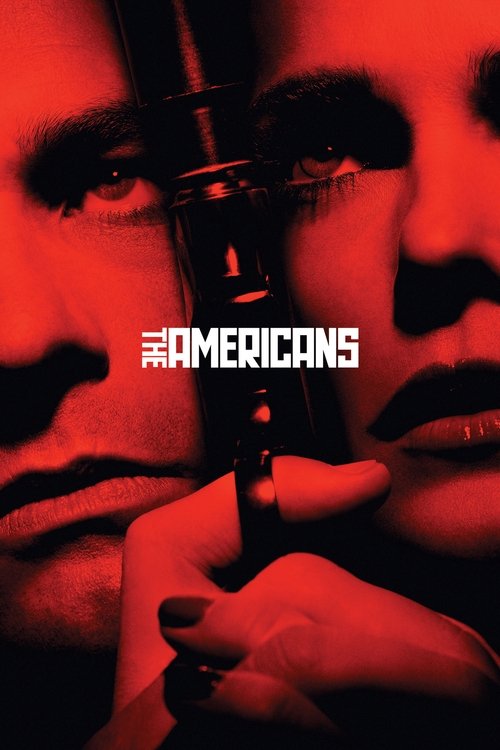
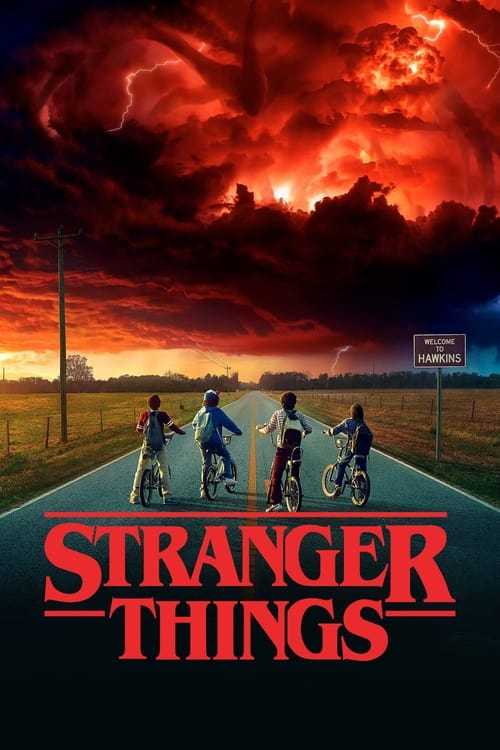
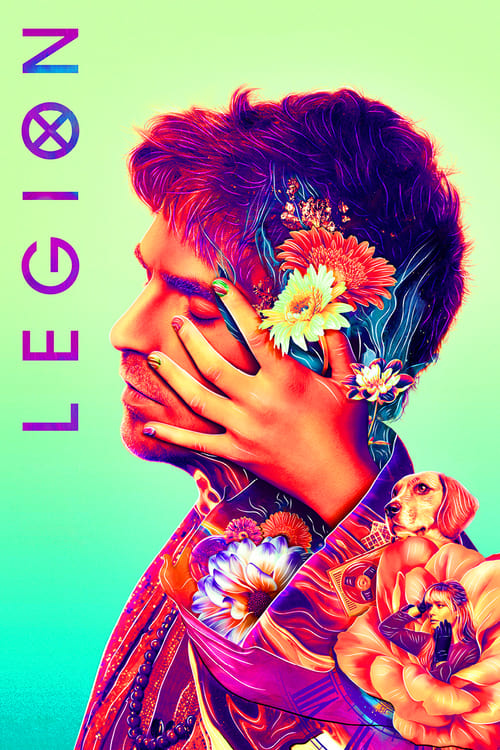
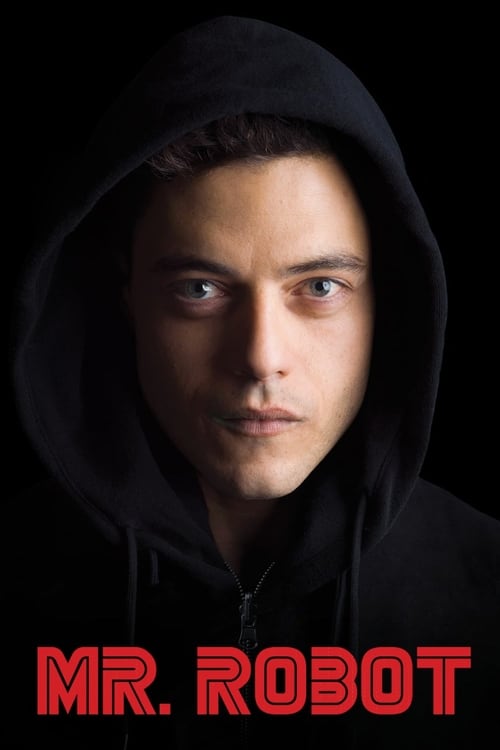
If You Love Vaporwave: TV That Lives in the Liminal
Series that weaponize atmosphere, corporate eeriness, or retro-futurist unease

If You Love Vaporwave: Games That Nail the Aesthetic
Games where the world itself is the mood, from retrowave to synthetic melancholy

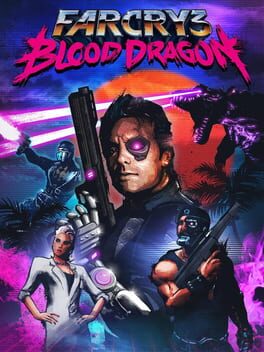
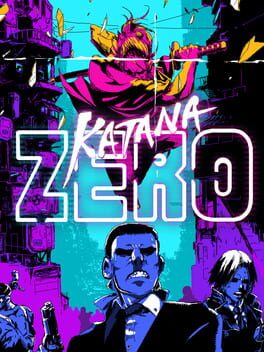


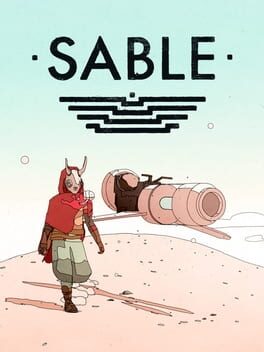

If You Love Vaporwave: Books That Dissect the Consumer Dream
Novels and essay collections that interrogate the same surfaces vaporwave samples
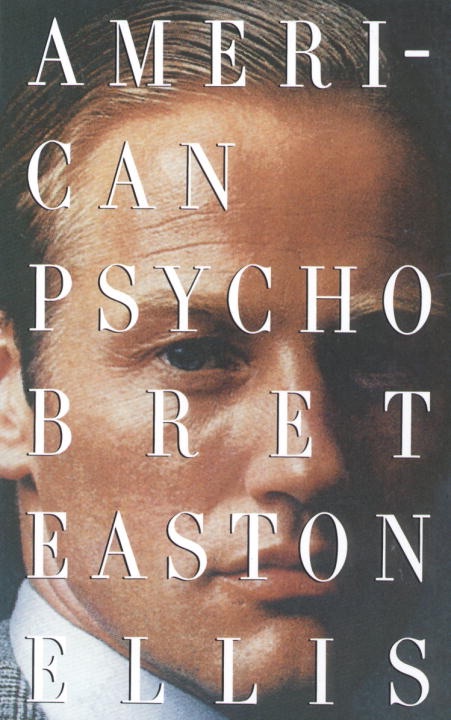


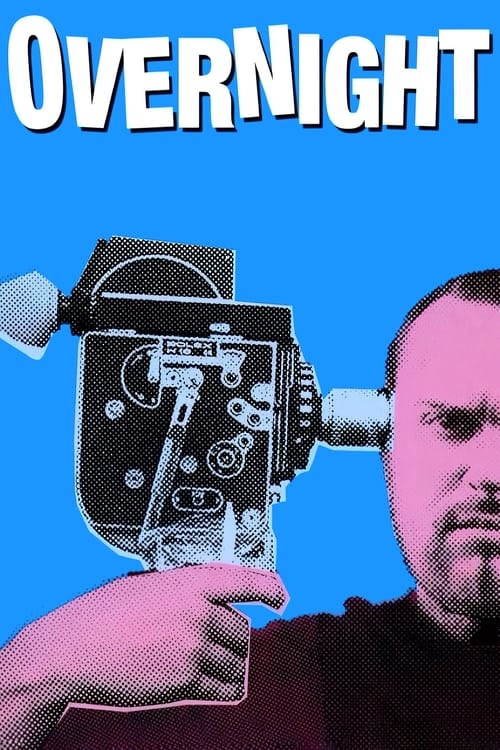
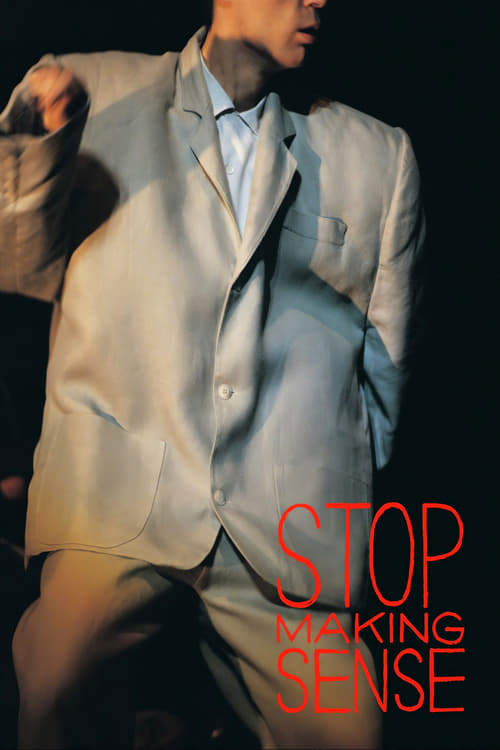
If You Love Vaporwave: Music Documentaries and Concert Films
Films that capture the aesthetics, obsessions, and cultures vaporwave draws from


Floral Shoppe Is Not a Joke
Macintosh Plus's 2011 album Floral Shoppe, and especially its centerpiece track 'リサフランク420 / 現代のコンピュー,' became vaporwave's defining artifact so quickly that it almost collapsed under the weight of its own meme status. But sit with it without irony and the thing holds up: the pitch-shifted Hall & Oates sample, the stuttering, the impossible length of silence between phrases, these are genuine production choices that produce genuine unease. It is music that sounds like being trapped in a mall at 3 a.m. with the Muzak still playing, and that is a real artistic achievement.
The Mall Was Always Already Dying
Vaporwave fixates on the American mall at the precise moment its cultural dominance began to slip. The aesthetic did not start after the mall died; it started when the mall was already starting to hollow out. This is what gives the genre its genuine melancholy rather than simple nostalgia: it mourns something that was never fully real to begin with, a consumer paradise that was always a performed promise rather than a delivered experience. J.G. Ballard saw this coming in novels like Super-Cannes and Cocaine Nights; Don DeLillo captured it in White Noise years before the first sample was stretched.
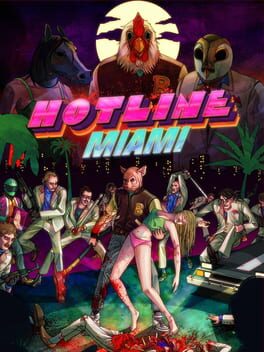
Hotline Miami Understood Before Anyone Called It Vaporwave
Hotline Miami (2012) arrived at almost exactly the same moment as vaporwave's peak early run, and the overlap is not coincidental. Both are obsessed with 1980s Miami as a fever-dream aesthetic object: the pastels, the violence just beneath the polished surface, the sense that the good times were always already poisoned. The game's soundtrack, drawing on artists like Perturbator and Carpenter Brut, pushed the aesthetic into outright darksynth territory, but the visual and tonal DNA is unmistakably the same pop-cultural rot that vaporwave samples from.
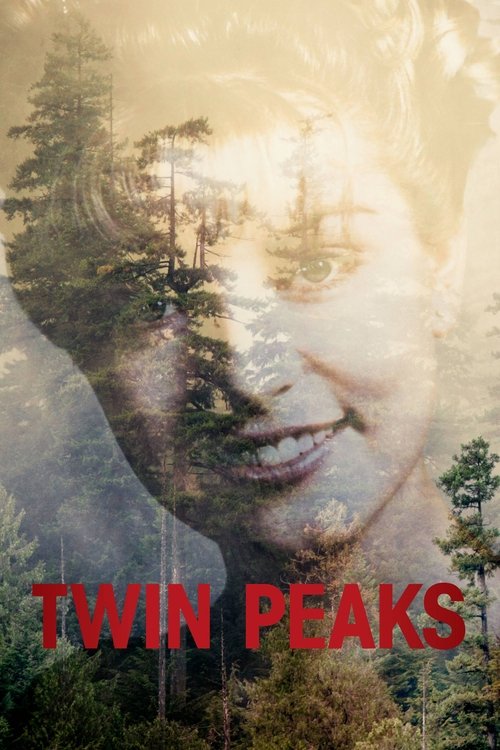
Twin Peaks: Fire Walk with Me Is the Vaporwave Film
David Lynch's 1992 Twin Peaks prequel film was rejected on release as excessive and incoherent. Seen through a vaporwave lens, it becomes almost programmatic: the fixation on Americana as a site of horror, the lounge music curdling into dread, the way mundane spaces (diners, motels, parking lots) become portals into something deeply wrong. Angelo Badalamenti's score, all reverb-drenched jazz and synthetic ambience, is among the closest things to vaporwave that existed before the genre did.
Vaporwave: A Short History of the Aesthetic
- 2010Chuck Person's ECCOJAMS Vol. 1 establishes the chopped-and-screwed consumer-music template Chuck Person’s Eccojams, Vol. 1
- 2011Macintosh Plus releases Floral Shoppe; the genre's defining artifact and meme simultaneously emerge Floral Shoppe
- 2012Hotline Miami releases; darksynth and retrowave gain mainstream gamer exposure Hotline Miami
- 2013Saint Pepsi (later Skylar Spence) releases Hit Vibes; future funk splits off as a warmer, danceable subgenre
- 2014Internet Explorer and other acts push lo-fi ambient vaporwave toward mallsoft
- 2016Blank Banshee, 猫 シ Corp., and 2 8 1 4 bring the aesthetic to wider audiences; lo-fi hip hop emerges as a parallel stream
- 2019Disco Elysium's retrofuturist political world shows the genre's visual language absorbed into prestige game design
- 2021Cyberpunk 2077 mainstreams neon-noir aesthetics that share vaporwave's visual DNA at AAA scale Cyberpunk 2077
More nostalgic neon and digital dreams
For Fans of Synthwave
Explore the For Fans of Synthwave guide →Vaporwave is what happens when you treat the background music of capitalism as the main event and listen very carefully to what it is actually saying.CrossBinge editors