
Erin Morgenstern writes novels that feel like sustained enchantments. Her debut, The Night Circus (2011), conjured a competition staged inside a monochrome traveling circus that only appears at night, and became an instant beloved object: the kind of book readers press into strangers' hands. Her follow-up, The Starless Sea (2019), went deeper into the labyrinth, sending a grad student down into a vast underground library where time is a story and every door leads somewhere stranger. The common thread is immersion: Morgenstern builds worlds that operate by their own internal logic, where the atmosphere is inseparable from the plot, and where love and art and obsession are treated as forces just as real as gravity. Fans chase that specific feeling of falling in, of losing track of where they are.
Screen Magic in the Same Key
Films and series built from wonder, mystery, and beauty that unsettles



Books That Share the Spell
Novels by authors who build worlds you sink into rather than simply read


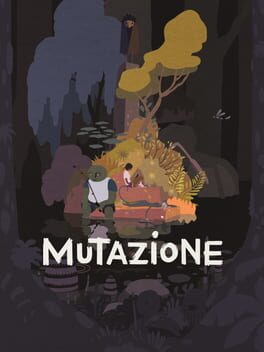
Games That Feel Like Walking Into the Circus
Games where atmosphere and discovery are the whole point
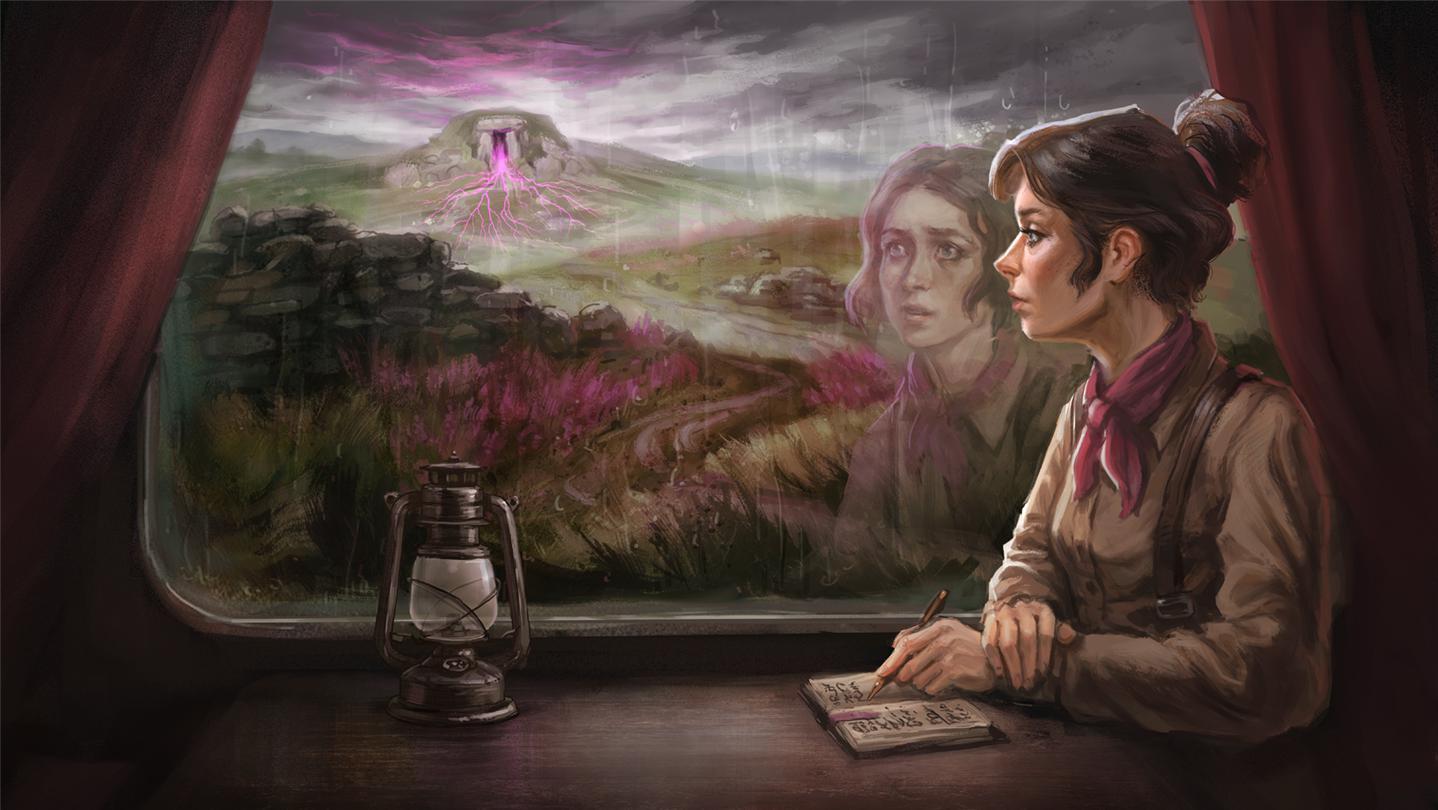

Atmosphere as Architecture
Morgenstern's prose is sensory before it is plot-driven. The Night Circus earns its reputation not through twists but through accumulation: you remember the scent of caramel, the weight of a black-and-white costume, the particular silence of a tent that should be noisy. That commitment to atmosphere-as-substance is what separates her from writers who gestures at magic and moves on. The Starless Sea doubles down, treating a labyrinthine underground library as both setting and subject. For readers who have ever been more interested in a fictional world than in what happens next inside it, these novels are the clearest possible argument for that way of reading.


Guillermo del Toro Speaks the Same Language
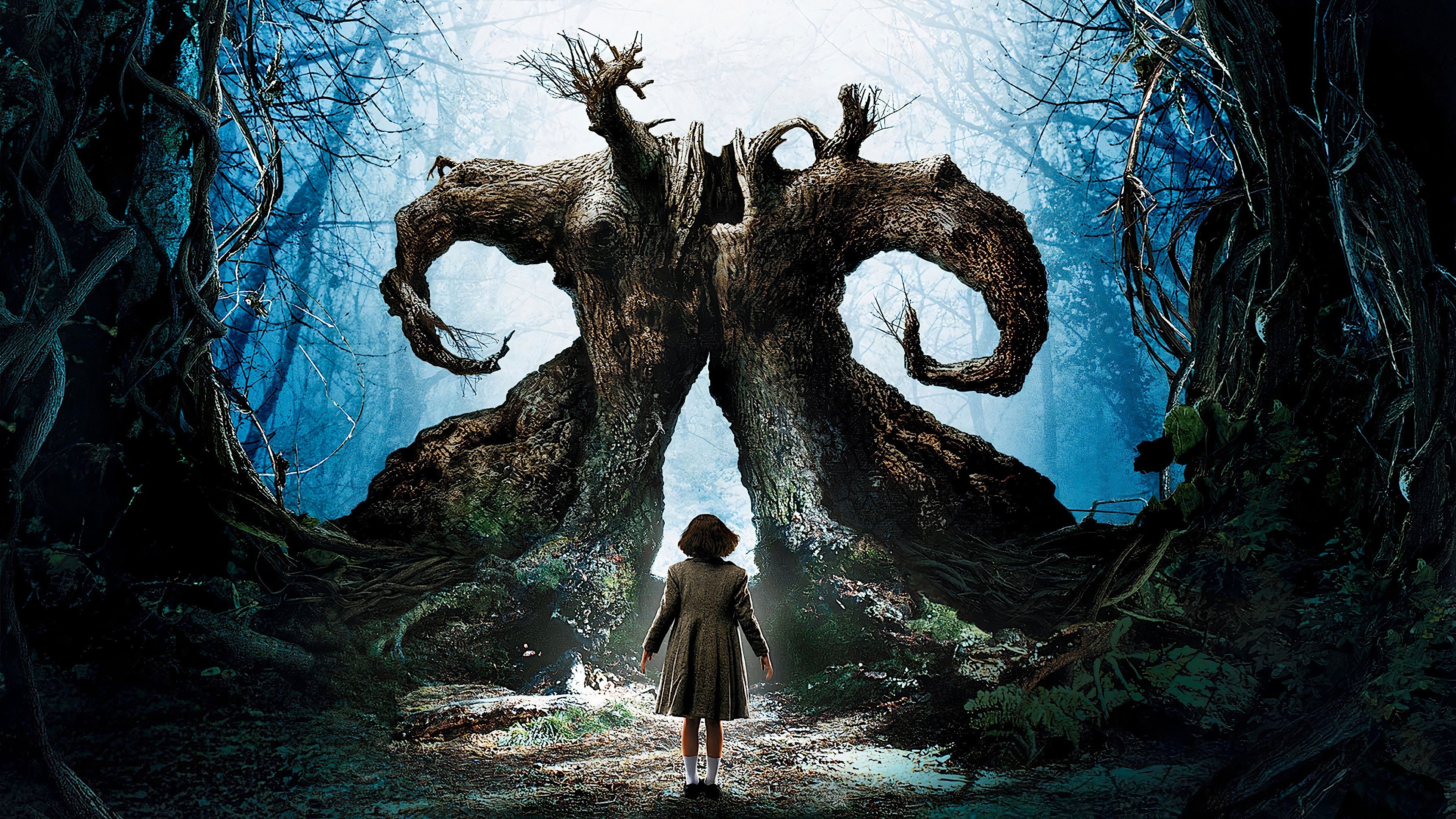
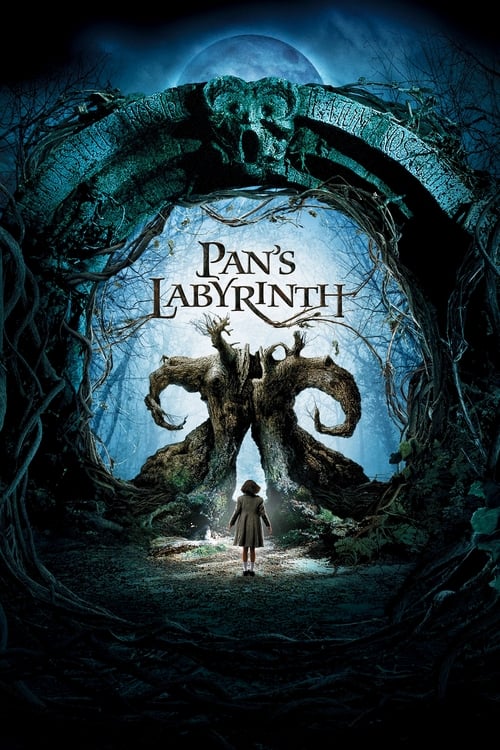
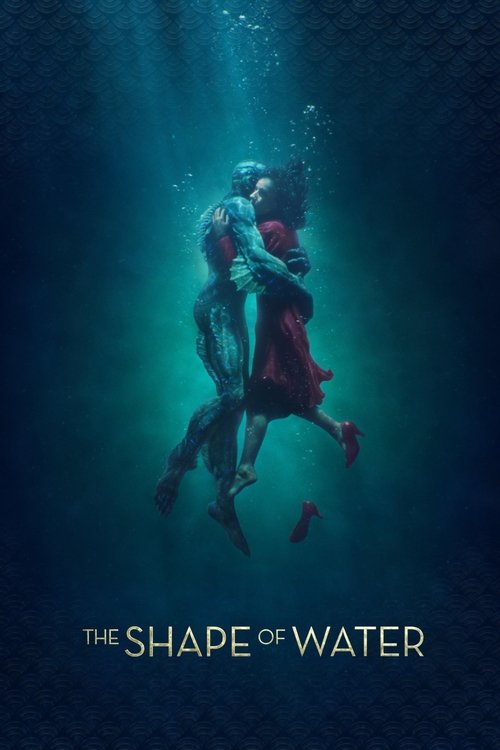
Pan's Labyrinth and The Shape of Water are the films that most reliably satisfy Morgenstern readers looking for something to watch. Del Toro shares her conviction that fairy-tale logic is a serious mode for exploring grief, desire, and survival, and his visual language, ornate and specific, translates the page's sensory density into something cinematic. Where Morgenstern uses prose rhythm to build her worlds, del Toro uses production design and color, but the underlying argument is identical: beauty and danger are not opposites, and fantasy is not an escape from feeling but an intensification of it.
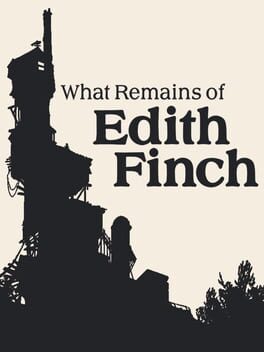
What Remains of Edith Finch Is a Novel You Play
For Morgenstern readers who play games, What Remains of Edith Finch solves the same problem her novels do: how do you make a player (or reader) feel the weight of an imagined life? The game tours a house full of rooms sealed as memorials, each one a small genre piece, and each one lands through atmosphere and detail rather than through mechanics. The writing is precise, the spaces are sensory, and the experience sits with you in the same way a book does. It is one of the few games that earns comparison to literary fiction without apology.
Worlds Built and Opened
- 2011The Night Circus published 'Night, Circus
- 2013Pan's Labyrinth re-released in 4K restoration Pan's Labyrinth
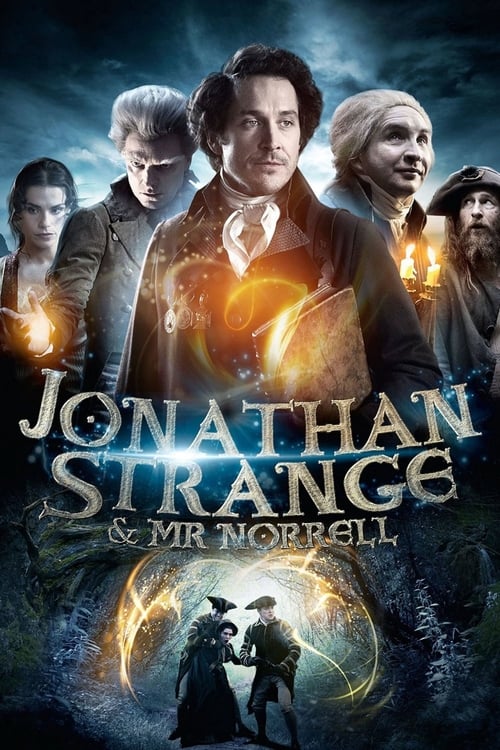
- 2015Jonathan Strange & Mr Norrell BBC series airs Jonathan Strange & Mr Norrell
- 2017What Remains of Edith Finch released What Remains of Edith Finch
- 2018The Shape of Water wins Best Picture The Shape of Water
- 2019The Starless Sea published Starless
- 2020Piranesi published
Sensory Wonder, Hidden Worlds
For Fans of The Sandman
Explore the For Fans of The Sandman guide →The finest of these books and films do not merely describe a magical place. They make you homesick for it after you leave.CrossBinge