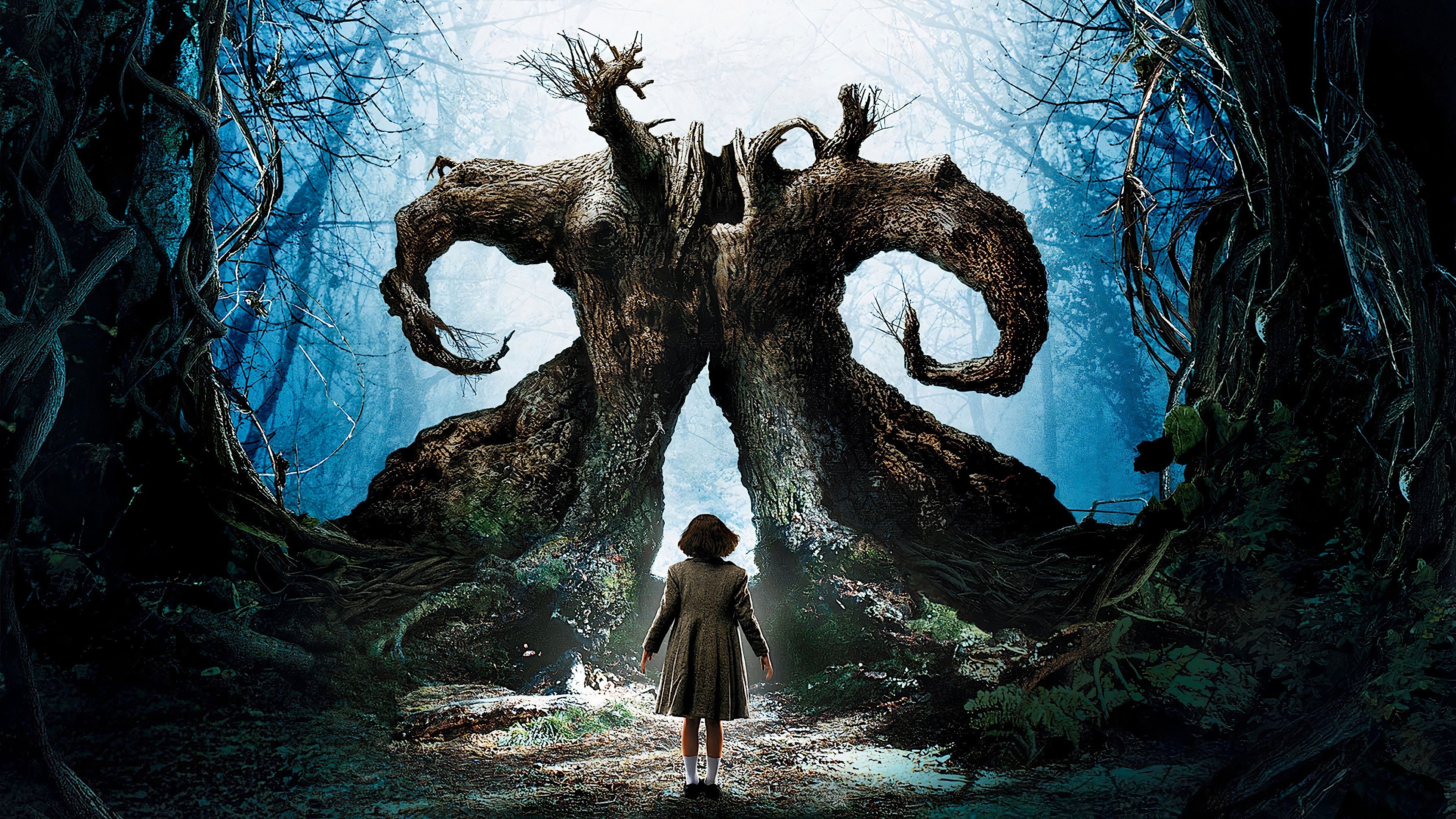

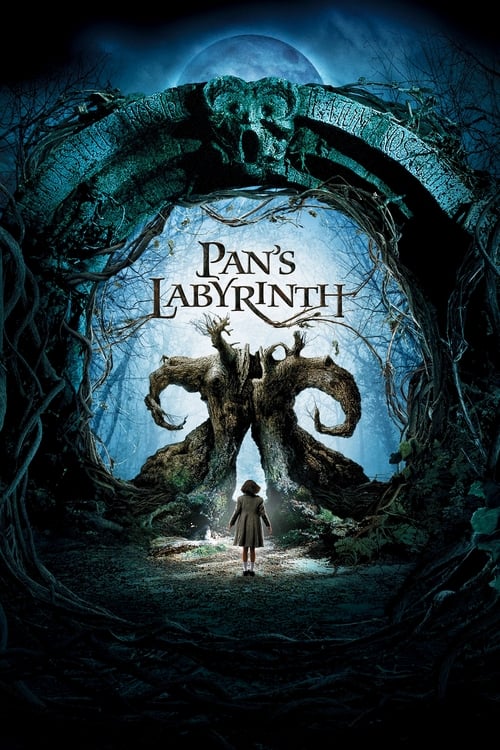
Pan's Labyrinth (2006) does something most fantasy films refuse to do: it trusts its darkness. Set in postwar Francoist Spain, it follows Ofelia, a bookish girl who discovers an underground kingdom where she may be a princess. The film never resolves whether the labyrinth is real or a coping mechanism. That ambiguity is the point. Del Toro shoots the real world in cold steel and olive drab, and the fantasy in amber and gold, making the choice to believe in magic feel like an act of survival. Fans of this film chase a very specific feeling: the fairy tale as a wound, beauty that costs something, and the stubborn human need to find meaning in a brutal world.
Essential Pan's Labyrinth
Del Toro's own path through the dark
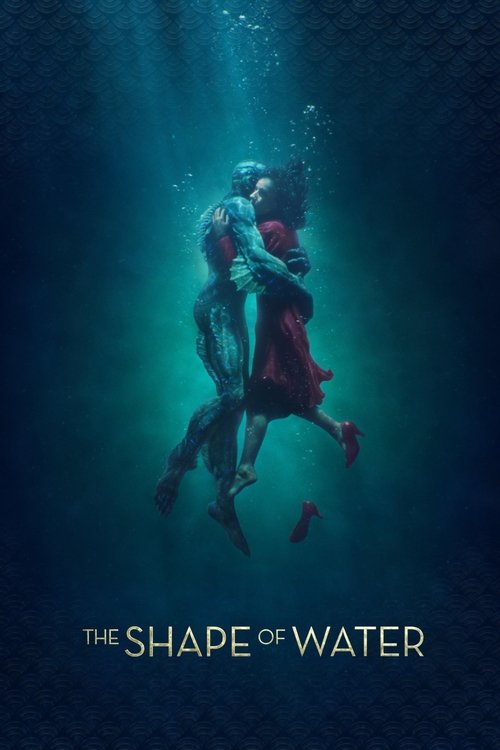


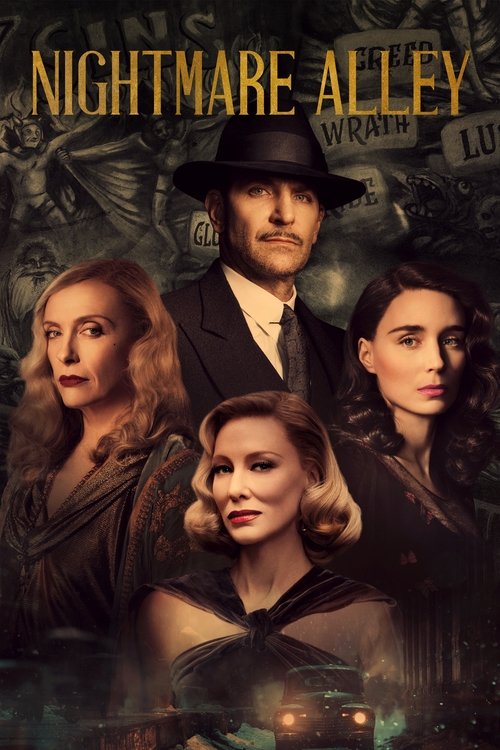
Same Vein: Films That Hurt and Enchant
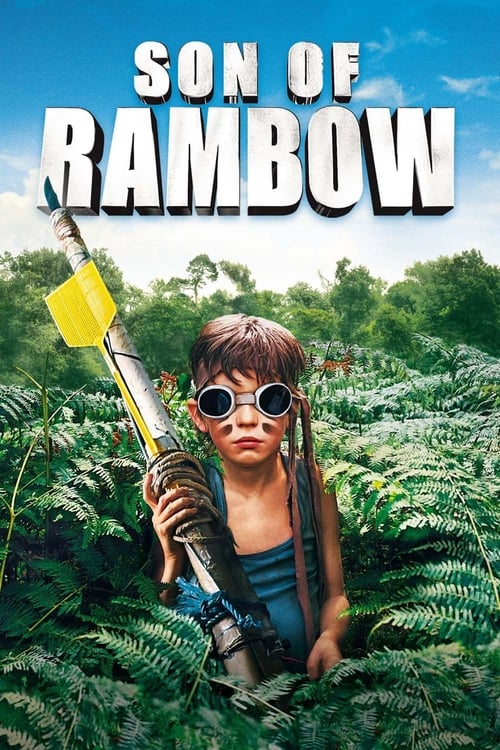
Dark fairy tales and fantasy with real stakes
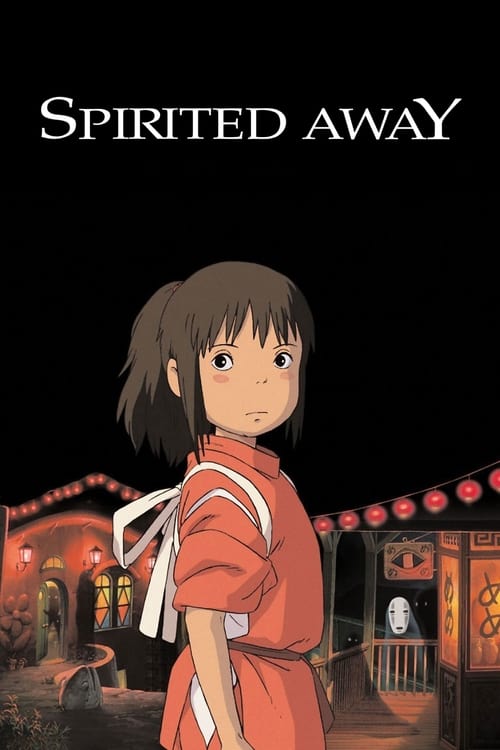
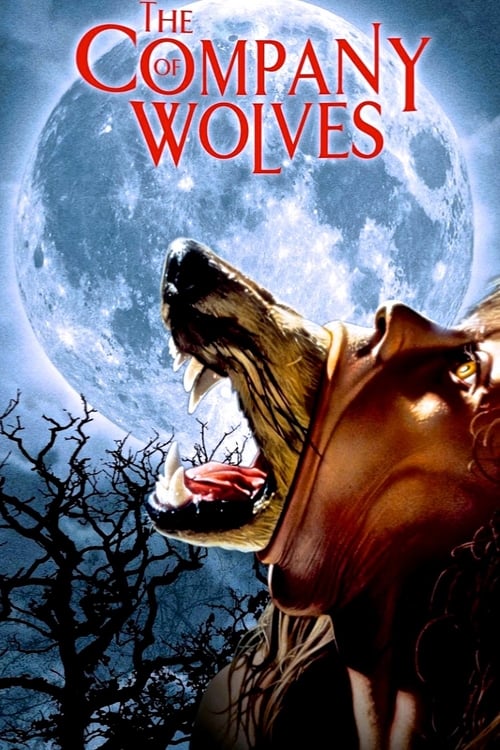
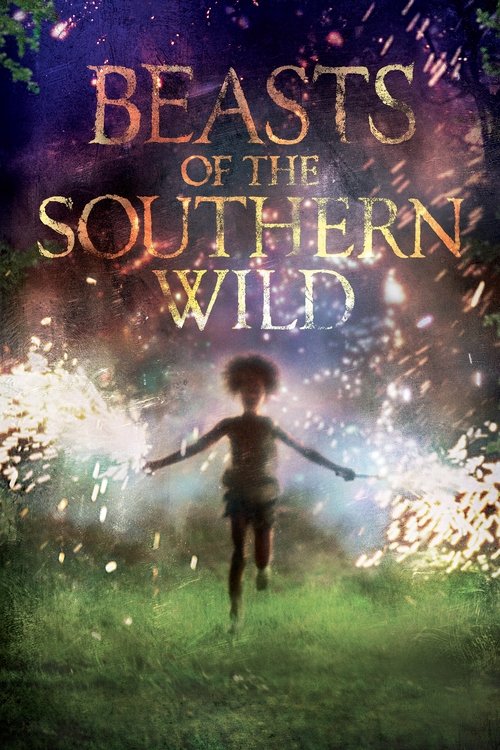
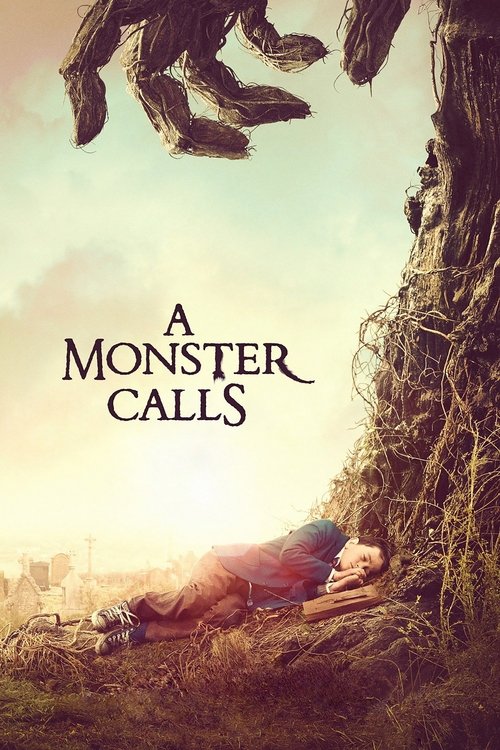
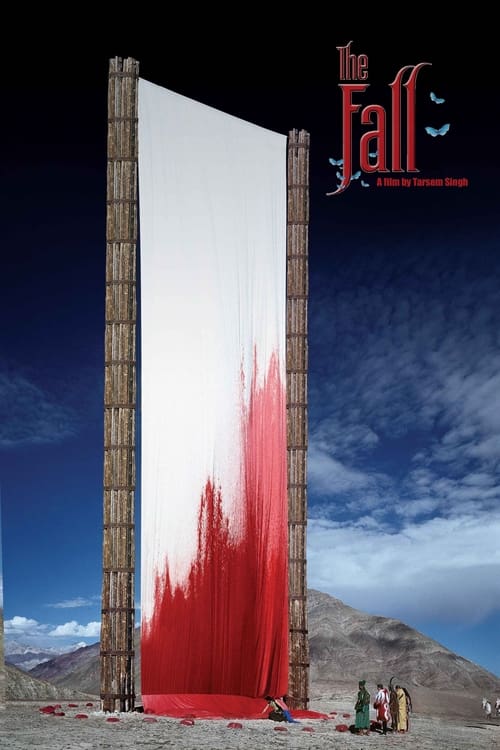
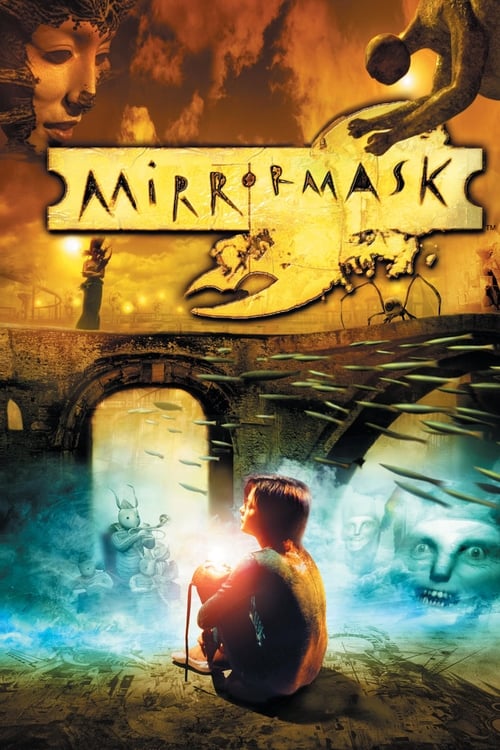
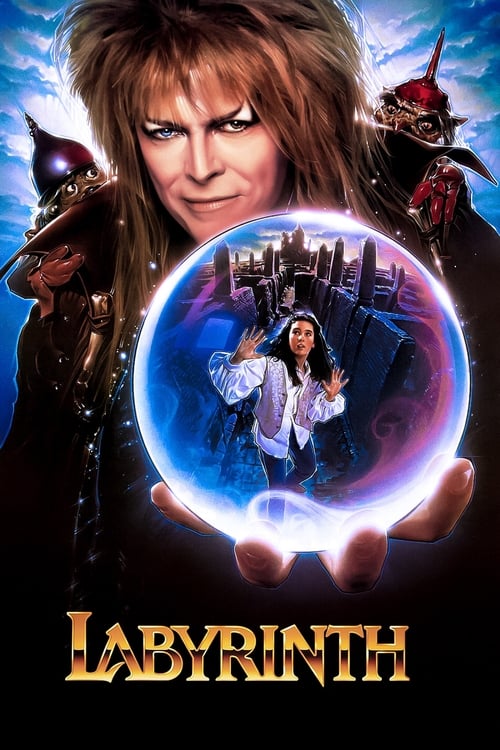
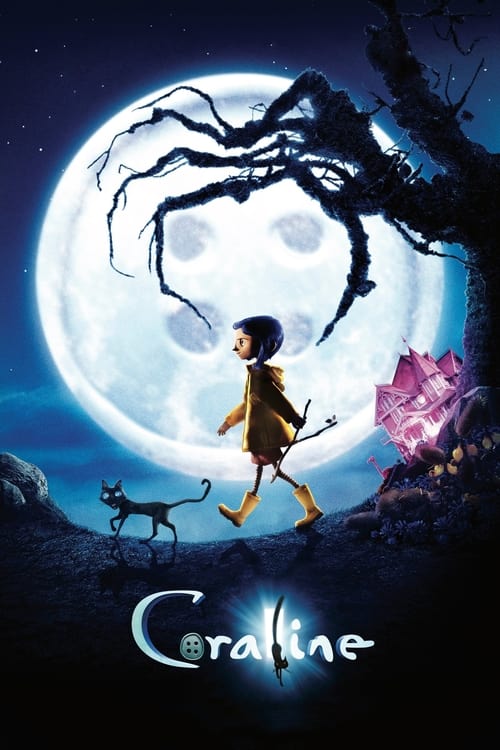
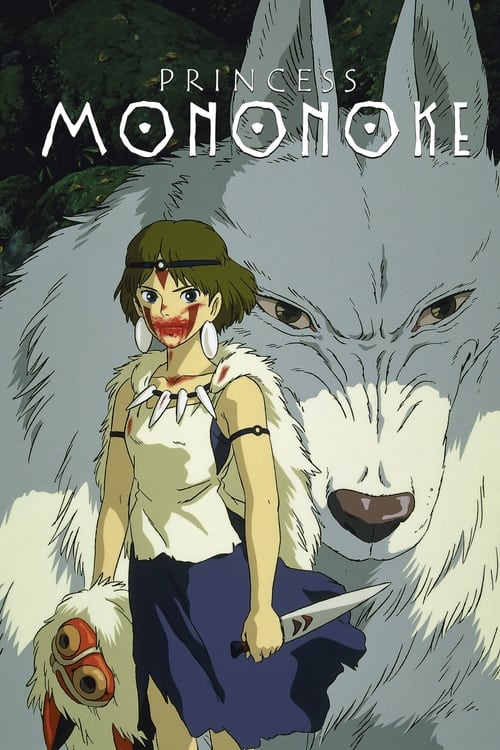
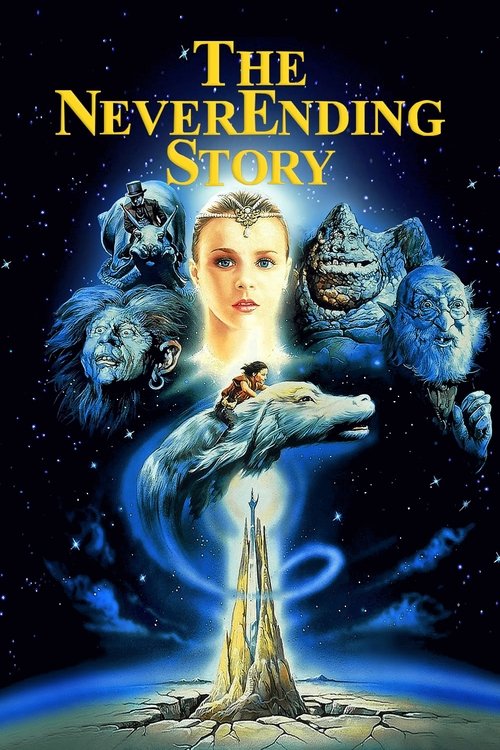
Series in the Same Vein
Television that builds dark, layered fantasy worlds
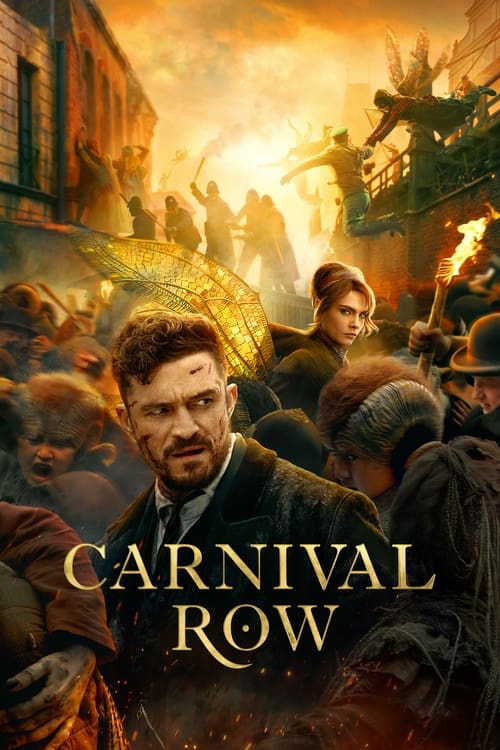
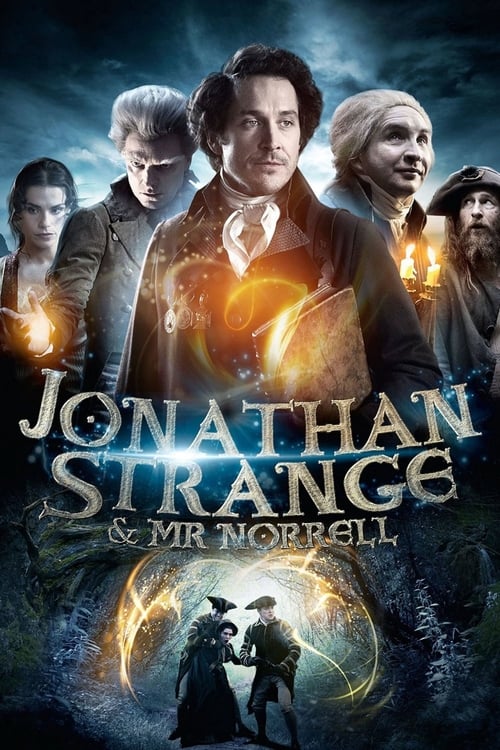
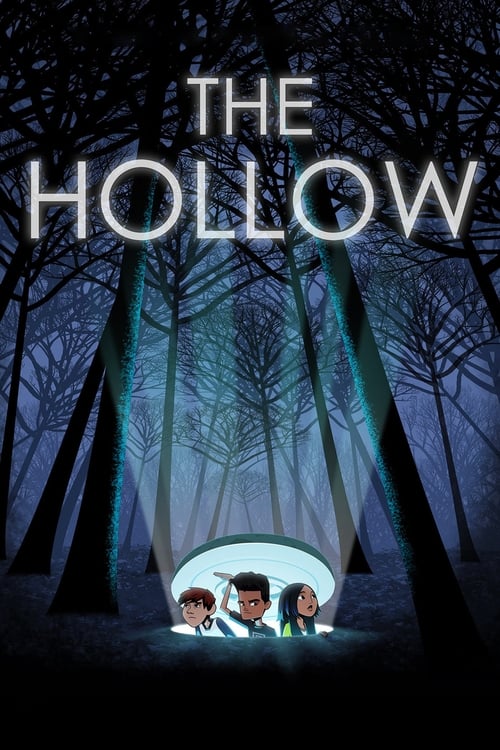
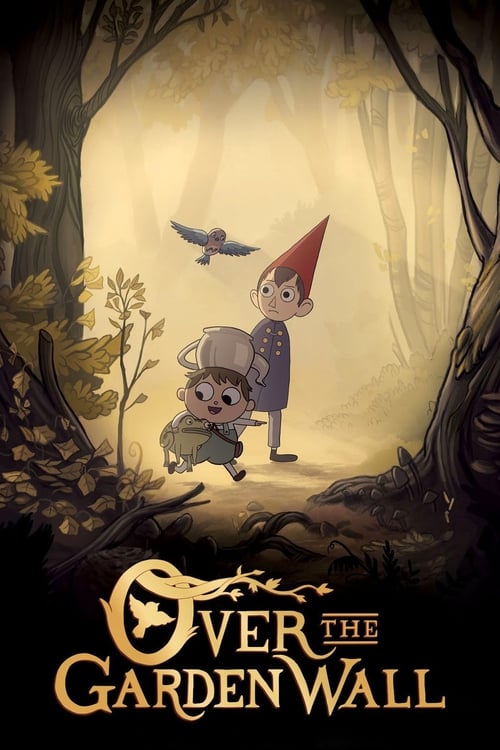
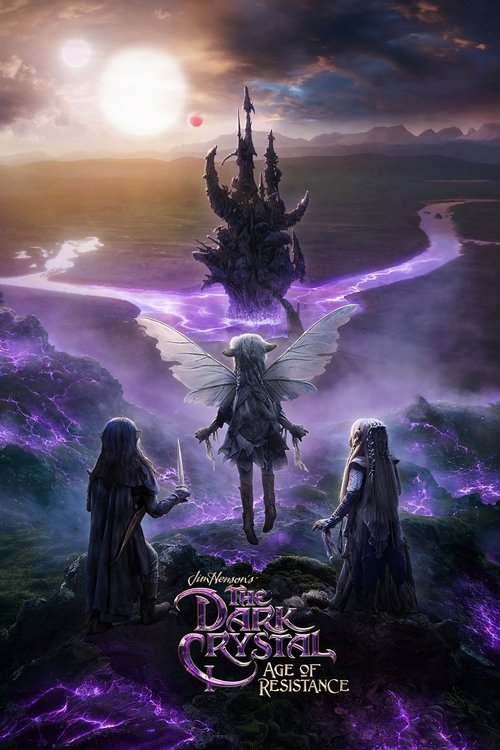

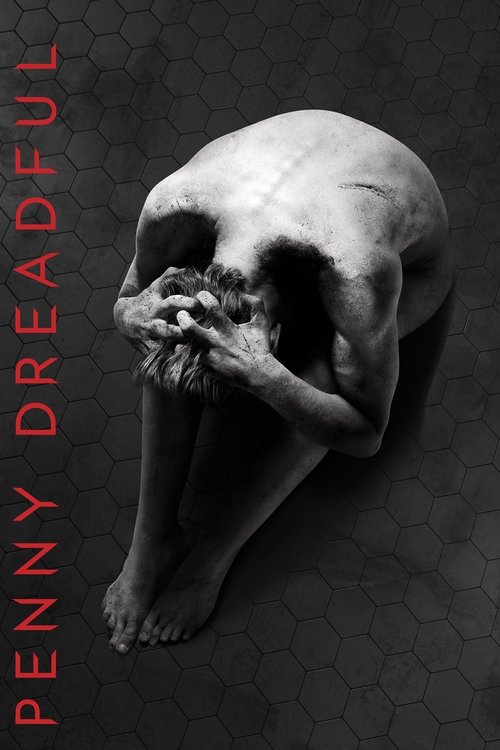
The Books Behind the Feeling
Novels that live in the same shadow between myth and grief


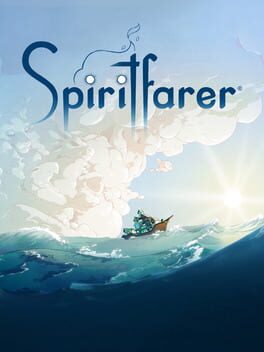
Games That Share Its DNA
Atmospheric and melancholy worlds where the player must believe
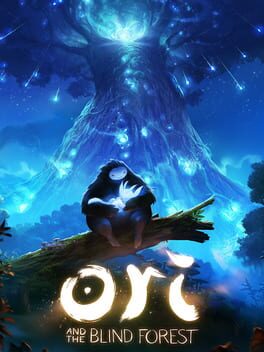

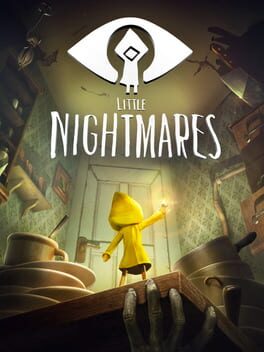
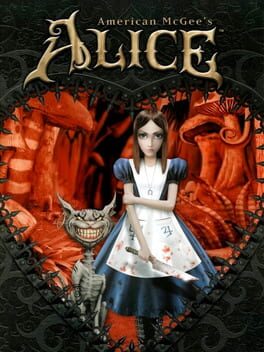
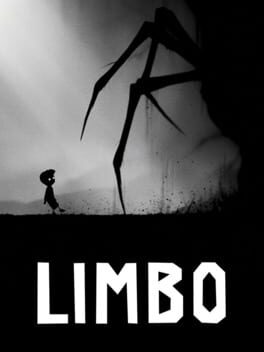
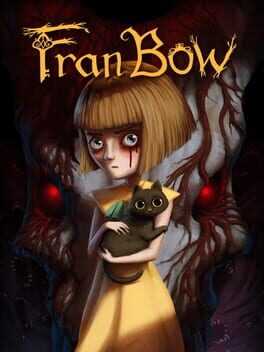
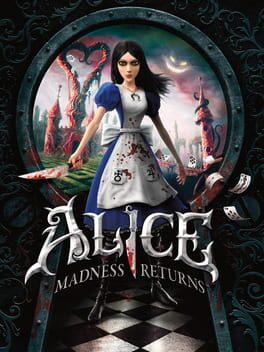

The Real World Is the Horror
Del Toro makes Vidal's fascist Spain more frightening than any creature in the labyrinth. The Pale Man eats children, yes, but Vidal executes villagers over a dinner table. The film is structured so that every return to the above-ground world is the scarier cut. That inversion is what separates Pan's Labyrinth from straightforward fantasy horror: the monsters downstairs are at least honest about what they are.
Why the Ending Is Not a Consolation
Viewers who read the ending as a happy escape are reading it on del Toro's terms, not against them. He leaves enough ambiguity that both readings hold: Ofelia dies in the dirt, or she ascends to a kingdom she earned. The film refuses to choose because the choice belongs to the audience. What is certain is that she kept her integrity. That is the fairy-tale logic: the rules matter more than the outcome.
The Book Adaptation Fills in What the Film Withholds
Del Toro and Cornelia Funke's novel adaptation of Pan's Labyrinth is not a standard movie novelization. It expands the mythology, deepens the Faun's motives, and adds chapters that make the ending read differently. Funke, who wrote the Inkheart trilogy, was the right collaborator: she understands how printed fairy tales carry weight that film images can only gesture at. For anyone who left the film wanting more world, the novel delivers.

The World Del Toro Built
- 1993Del Toro's debut feature Cronos
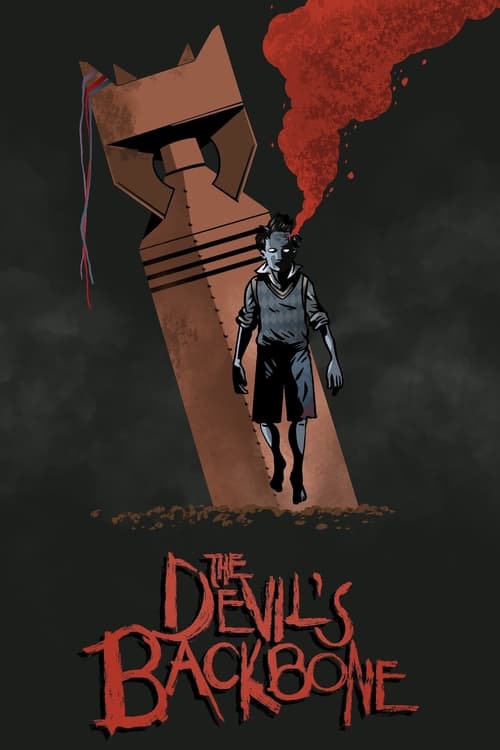
- 2001Ghost story set in the Spanish Civil War The Devil's Backbone
- 2004Superhero blockbuster, still deeply personal Hellboy
- 2006Pan's Labyrinth released; three Academy Awards Pan's Labyrinth
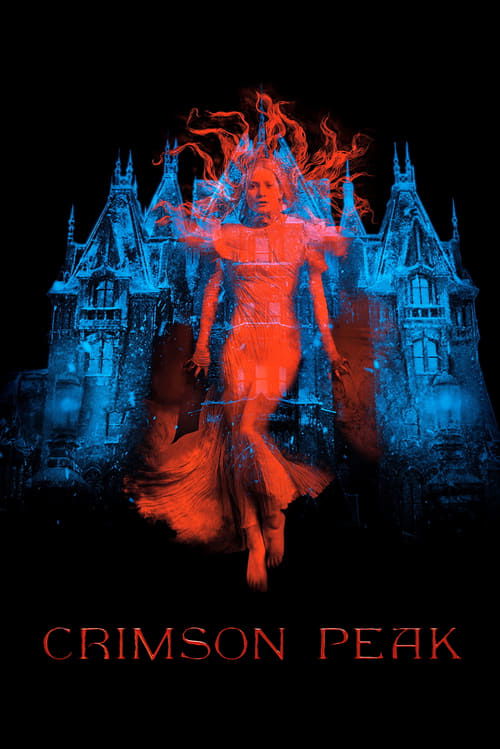
- 2015Gothic romance and haunted house horror Crimson Peak
- 2017Novelization with Cornelia Funke published Pan's Labyrinth
- 2018Wins Best Picture and Best Director at the Academy Awards The Shape of Water
- 2021Noir carnival thriller Nightmare Alley
Dark fairy tales and other worlds
For Fans of Guillermo del Toro
Explore the For Fans of Guillermo del Toro guide →A fairy tale for adults is just a fairy tale that admits it knows how stories end.Guillermo del Toro