
The fae are not cute. That is the first thing a real fan of faerie folklore knows. Before the Victorian wing-and-wand softening, before the Disney gloss, the fair folk were something to fear: capricious, ancient, bound by rules no human fully understood, and capable of breathtaking cruelty alongside genuine wonder. The feeling a faerie-folklore fan chases is that particular blend of beauty and dread, the sense of a world folded just behind this one where different laws apply and humans are always one wrong word from catastrophe. Whether in a novel that draws on genuine folklore, a film that keeps the edges sharp, or a game that makes the uncanny feel tactile, the best fae work refuses to domesticate the strangeness.
Essential Faerie Folklore
The definitive works across every medium that capture the real fae tradition


The Old Rules on Screen
Films that treat the fae as genuinely alien and dangerous
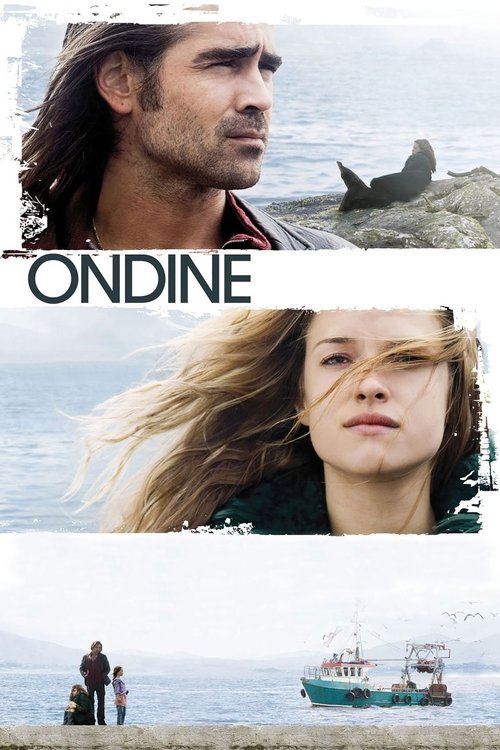
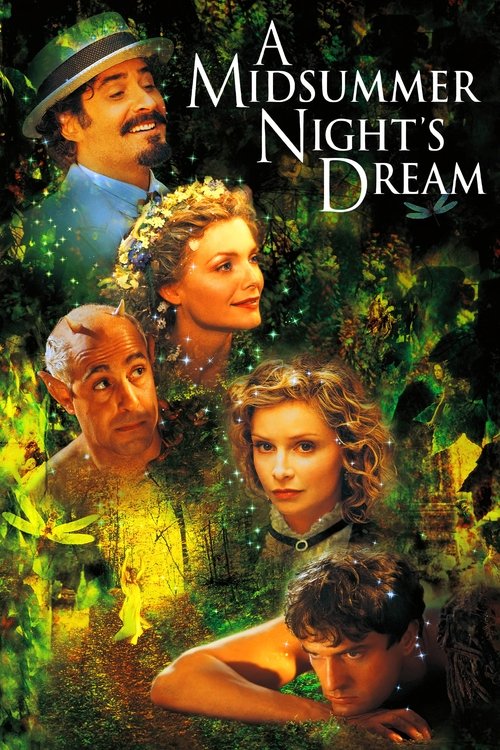
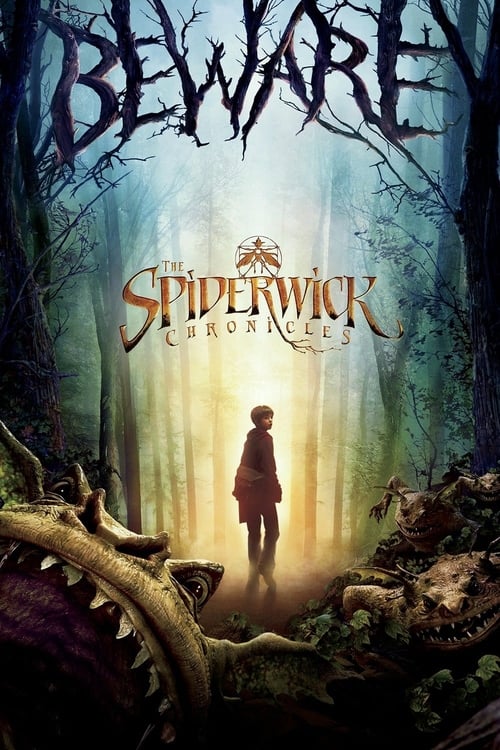
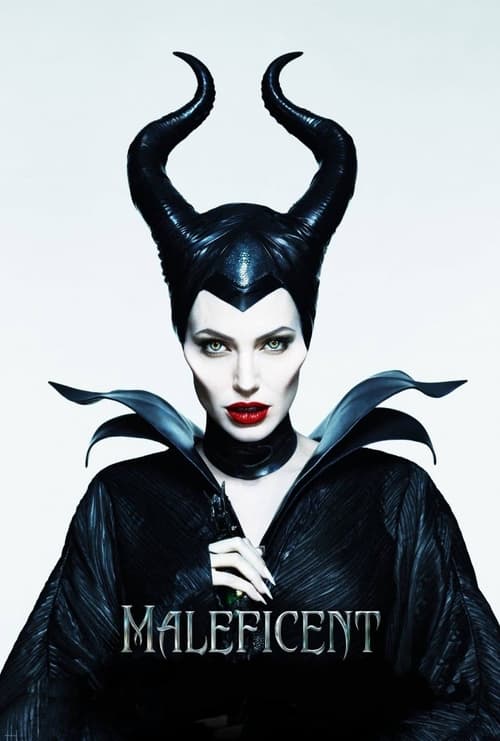
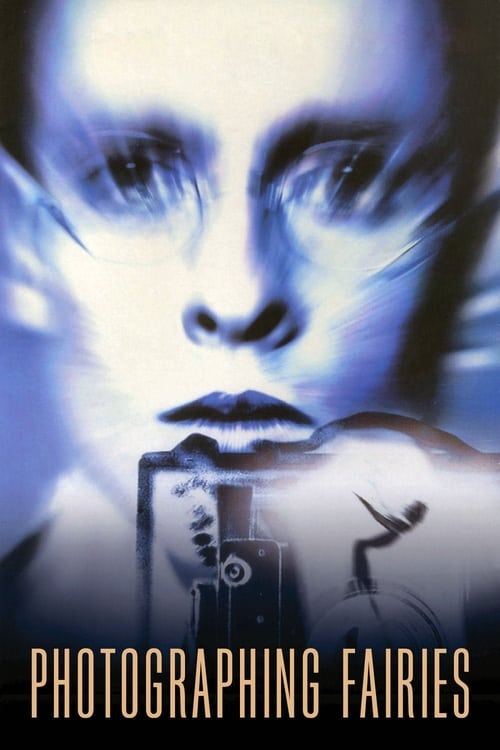
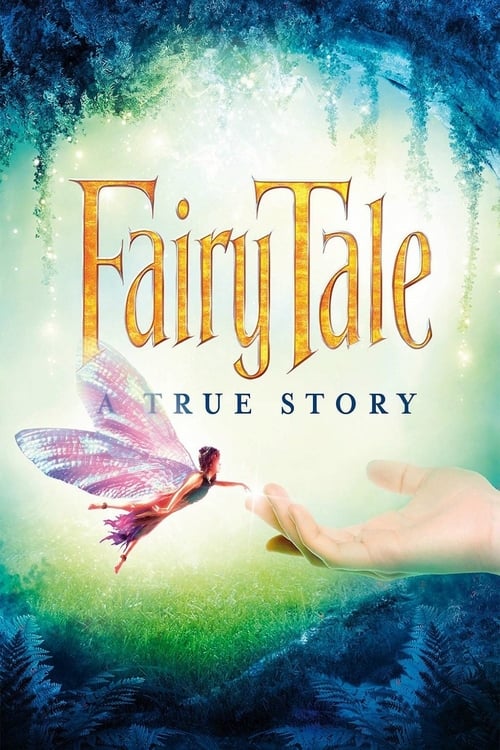

Fae on Television
Series that build long-form worlds around folk magic and the hidden courts
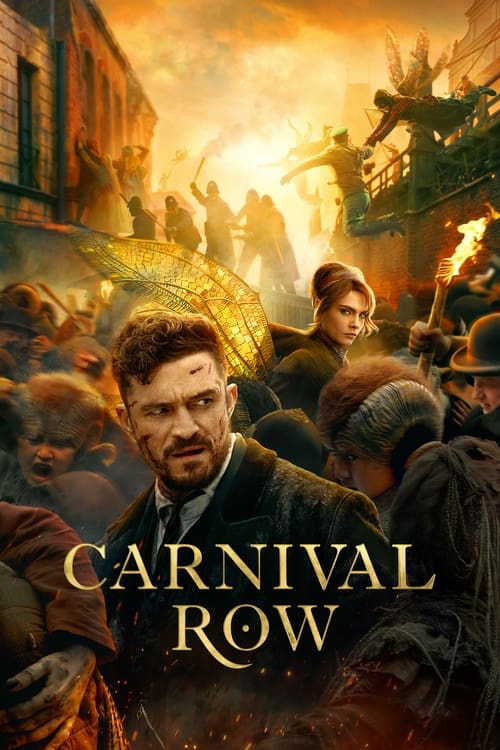
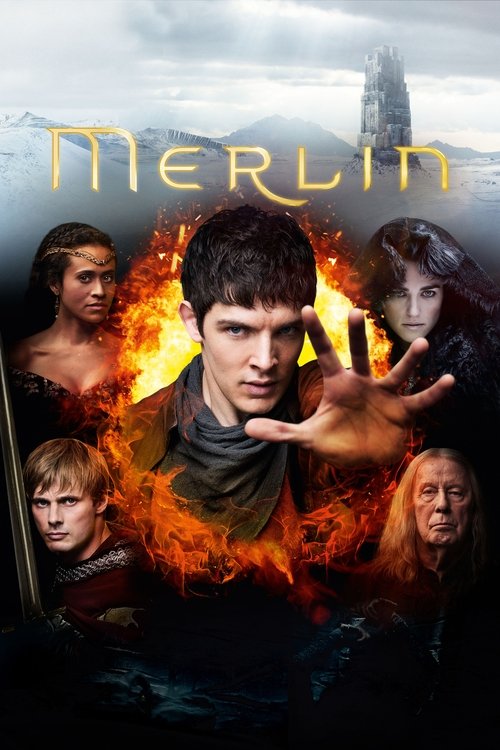

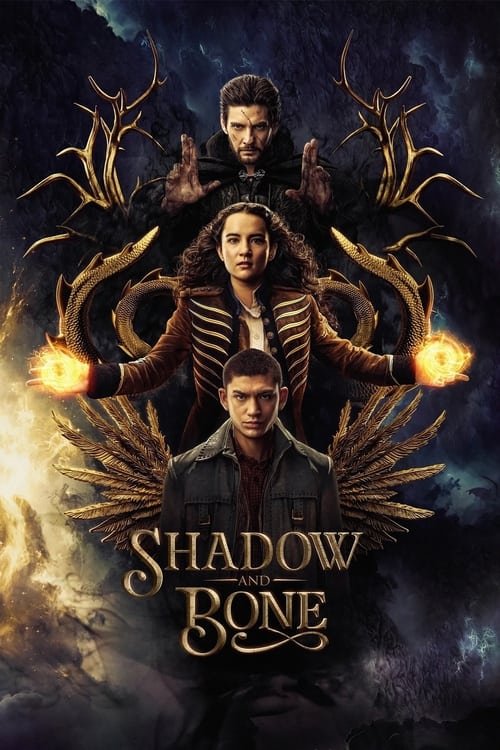

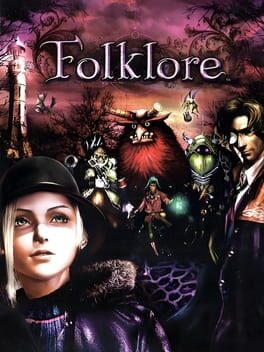
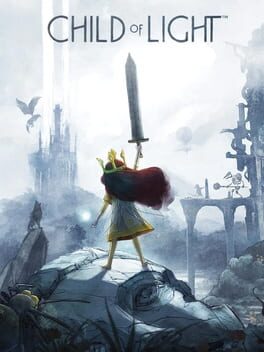
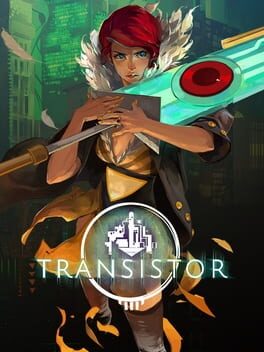
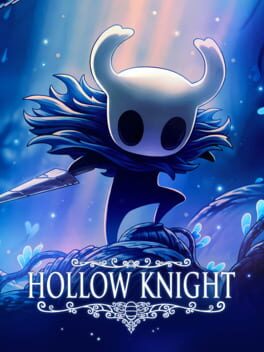
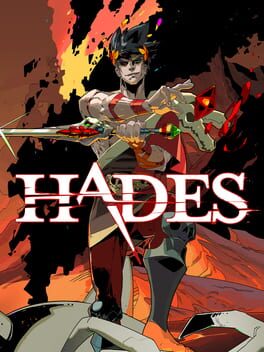
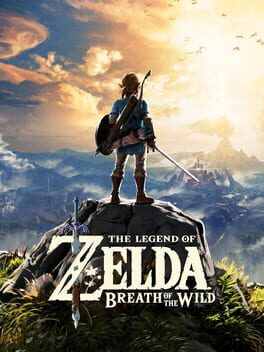
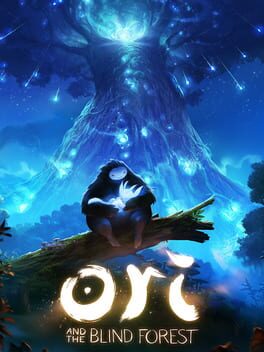
Fae Worlds in Games
Games that build with the logic of old folklore: beauty, rules, and consequence
Music Steeped in Old Magic
Albums and artists whose sound lives in the same misty space between worlds
The Cottagecore Softening Killed Something Real
At some point fae became synonymous with sparkles and kindness, and that is a loss worth naming. The oldest folklore, from Irish changeling stories to Scottish border ballads, treats the fair folk as genuinely ungovernable: they steal children, they trap mortals in timeless feasts, they grant wishes that unravel lives. The best contemporary work, from Holly Black's Tithe to Susanna Clarke's Jonathan Strange, restores that edge. When you feel a fae story keeping the strangeness intact, it is recognizable as something different from fantasy-flavored whimsy.
Labyrinth Got the Power Dynamic Right
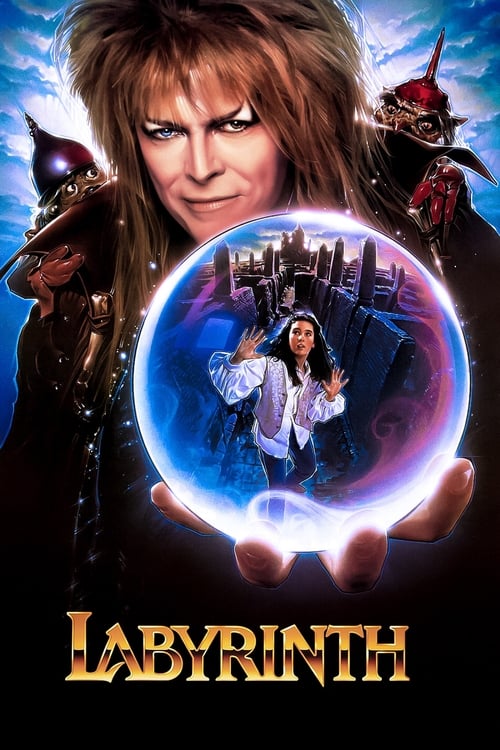
Jim Henson's Labyrinth (1986) is often remembered as a cult nostalgia piece, but its lasting power is structural: the Goblin King holds all the cards, and the human protagonist wins not by matching his power but by understanding the rules he plays by. That is exactly how fae stories work when they work. The fae are not defeated by force; they are outmaneuvered by someone who finally reads the contract. Everything good in the genre knows this.
Pan's Labyrinth Is the Purest Modern Fae Film
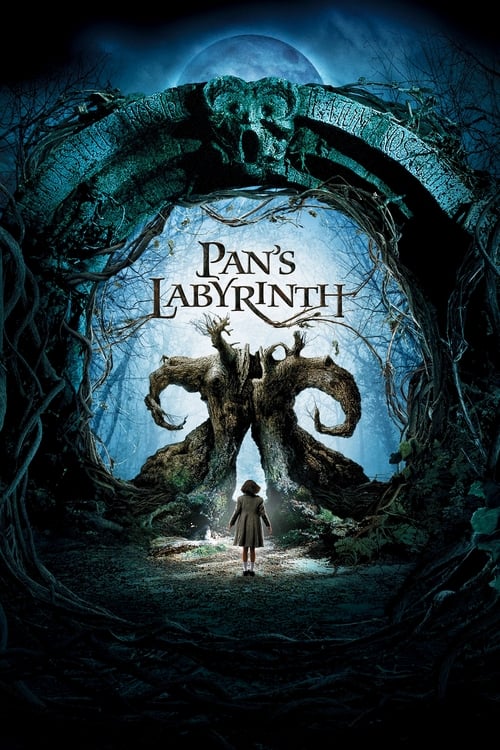
Guillermo del Toro's Pan's Labyrinth (2006) earns its place at the top of the canon because it holds two incompatible truths at once: the faerie world is genuinely real, and the faerie world is a traumatized child's refuge from unbearable reality. It never resolves the ambiguity. That irresolvability, the refusal to explain away the magic or explain away the horror, is the exact frequency good fae fiction operates on.
Fae Across the Centuries
- 1590Shakespeare stages A Midsummer Night's Dream, giving the English language its definitive fae court.
- 1812The Brothers Grimm publish their collected tales, preserving German folk tradition including the dangerous older fae figures.
- 1869W.B. Yeats begins collecting Irish folklore, eventually publishing Fairy and Folk Tales of the Irish Peasantry (1888).
- 1920The Cottingley Fairies photographs grip Britain, fooling many adults including Arthur Conan Doyle.
- 1978Brian Froud and Alan Lee publish Faeries, the defining visual reference for the modern fae aesthetic.
- 1986Jim Henson's Labyrinth arrives, shaping a generation's image of the fae court as glamorous and predatory. Labyrinth
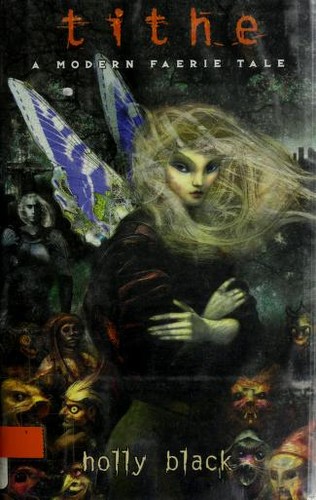
- 2004Holly Black's Tithe launches the YA dark-fae novel wave that defines the 2000s faerie renaissance. Tithe
- 2006Pan's Labyrinth sets the bar for ambiguous adult fae cinema. Pan's Labyrinth
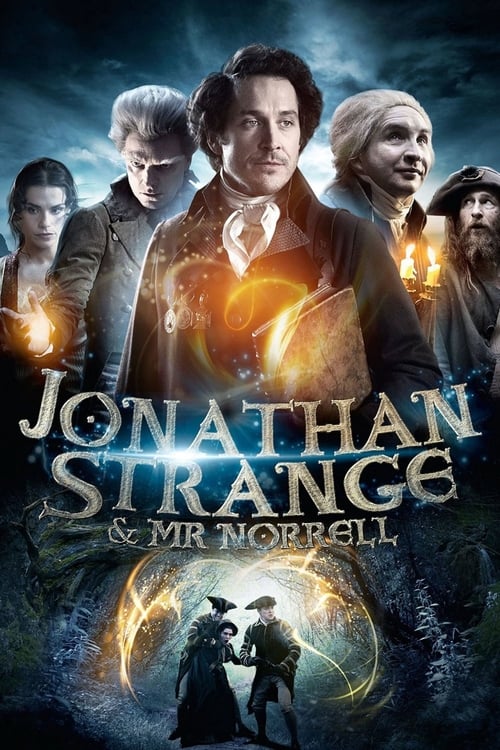
- 2015Susanna Clarke's Jonathan Strange gets its definitive BBC adaptation. Jonathan Strange & Mr Norrell
- 2018Holly Black's The Cruel Prince revives YA fae fiction for a new readership. The Rogue Prince
Old magic and dark fantasy
Dark Fantasy
Explore the Dark Fantasy guide →The faeries represent the uncontrollable: the beautiful and terrible forces that exist outside human rule and human reason, that cannot be bargained with in human terms.Terri Windling, folklorist and author