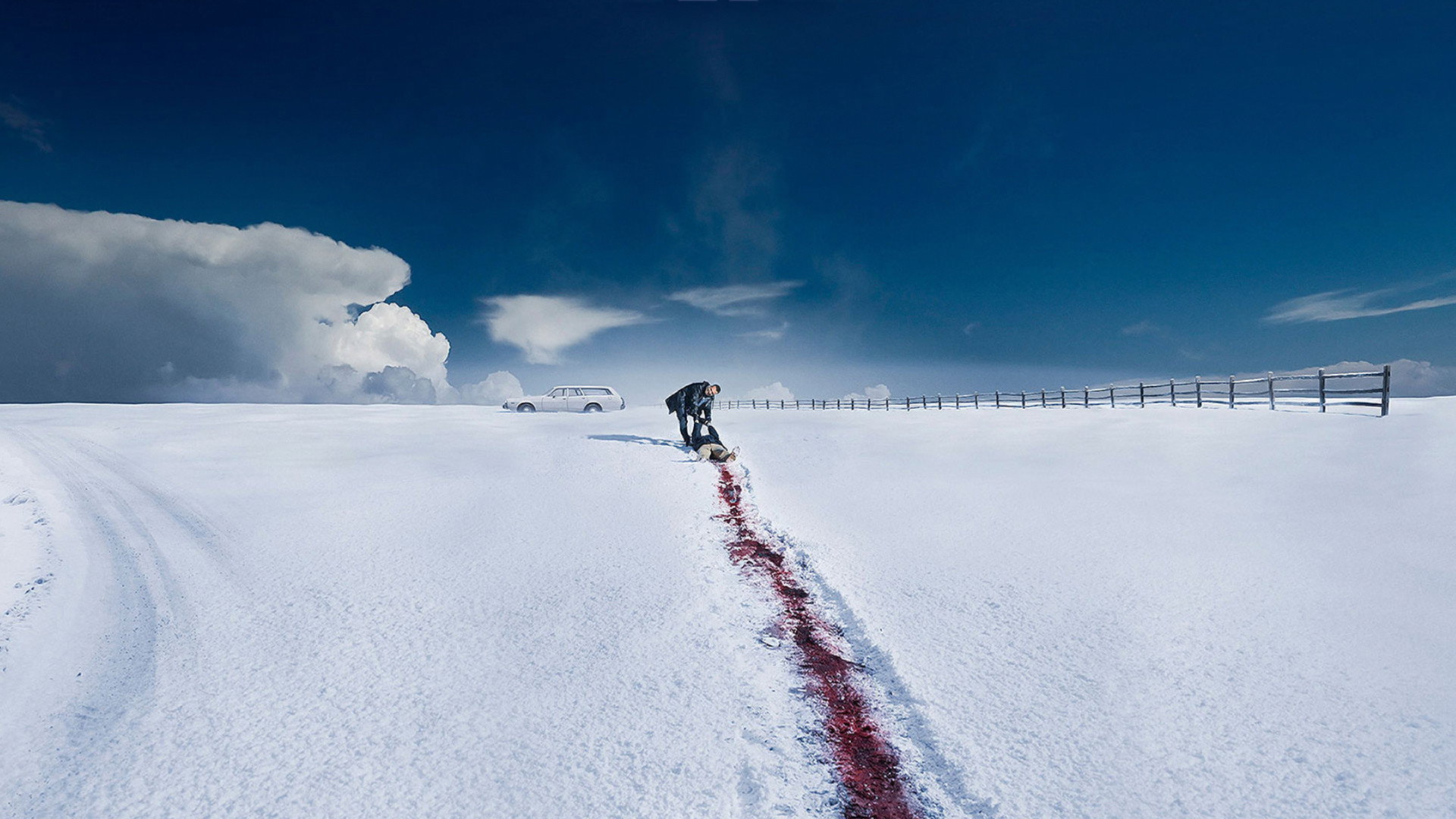

Noah Hawley's anthology series took the Coen Brothers' 1996 film as a starting point and turned it into one of the most consistent dramatic achievements in television. Each season plants a new cast of decent, flawed, and genuinely dangerous people somewhere in the frozen American Midwest, then watches what happens when ordinary life collides with extraordinary violence. The tone is the thing: drily funny, ice-cold, and quietly heartbroken about the capacity of ordinary people to choose cruelty. Fargo trusts its audience to hold all of that at once.
Essential Fargo
All four seasons, ranked by cult consensus
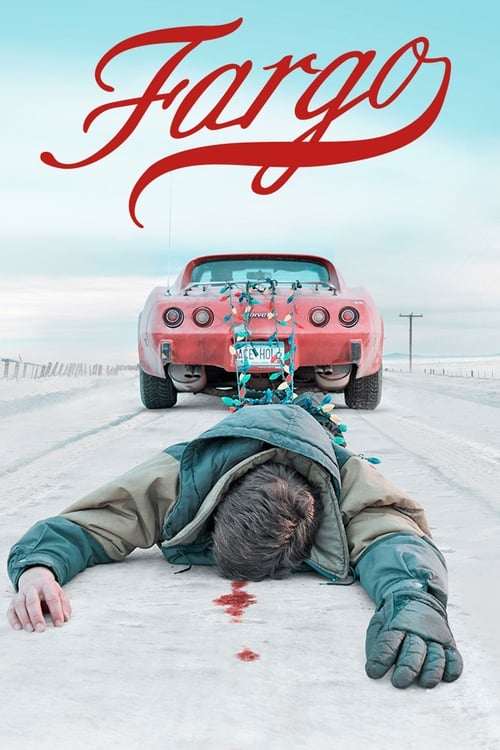
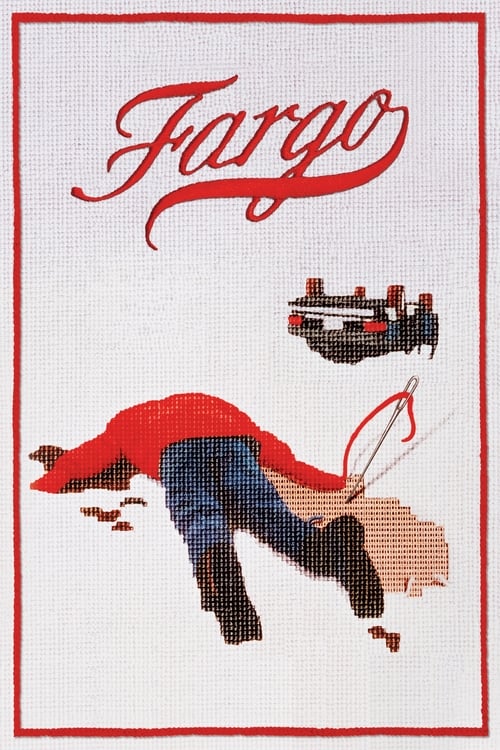
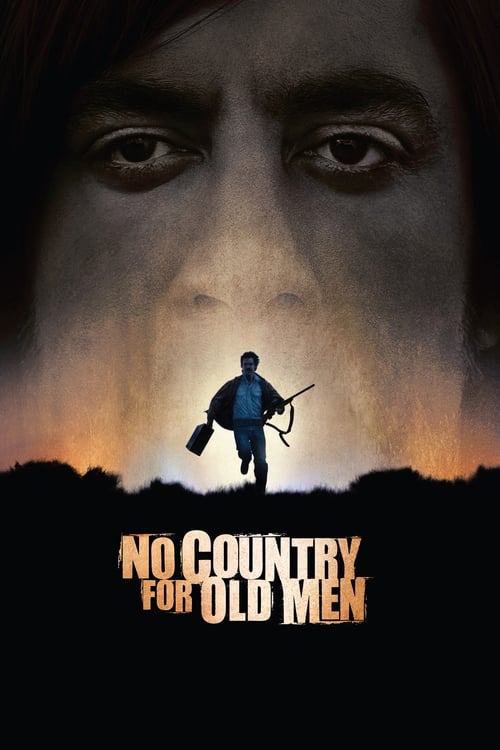
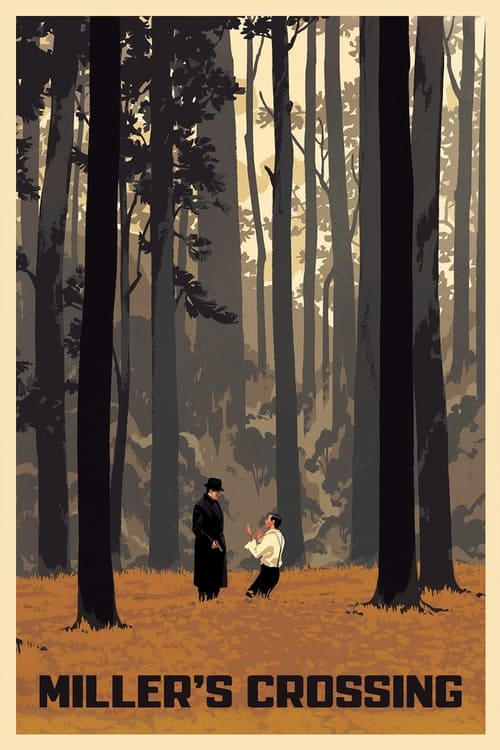
If You Love the Midwest Noir Vibe
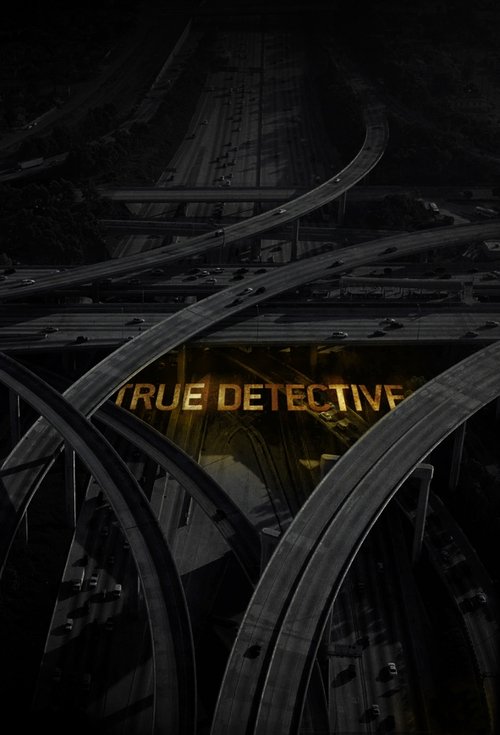
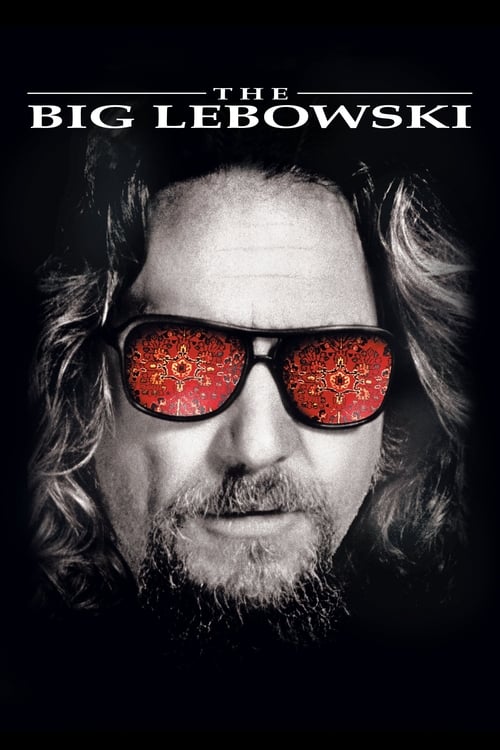
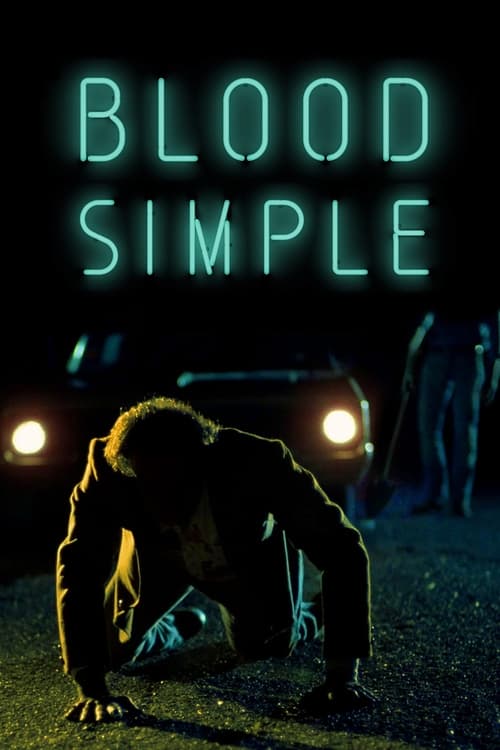
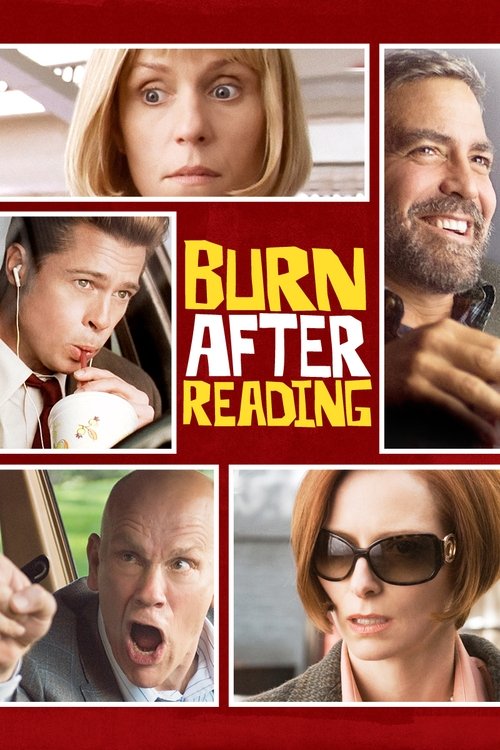
Crime series and films built on flat geography and moral ambiguity

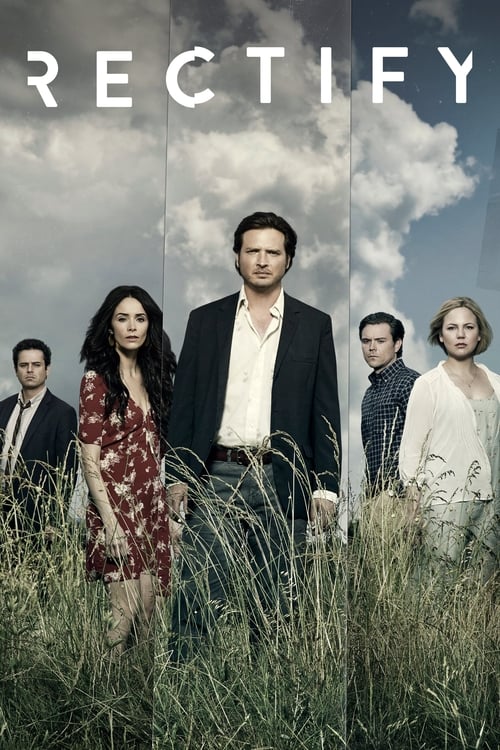
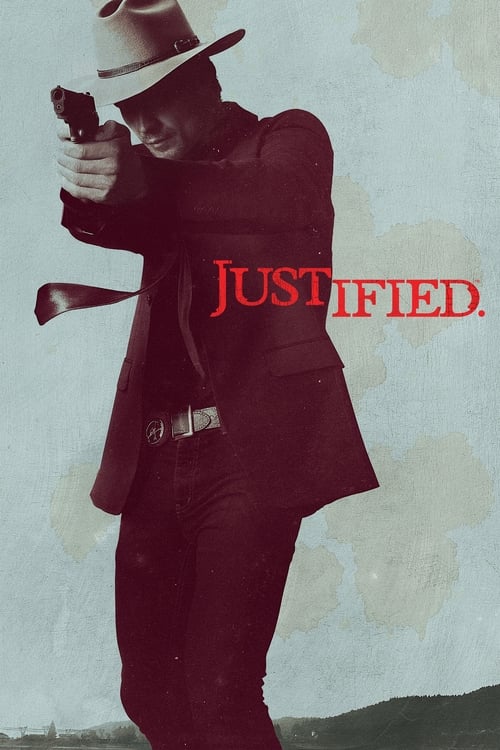
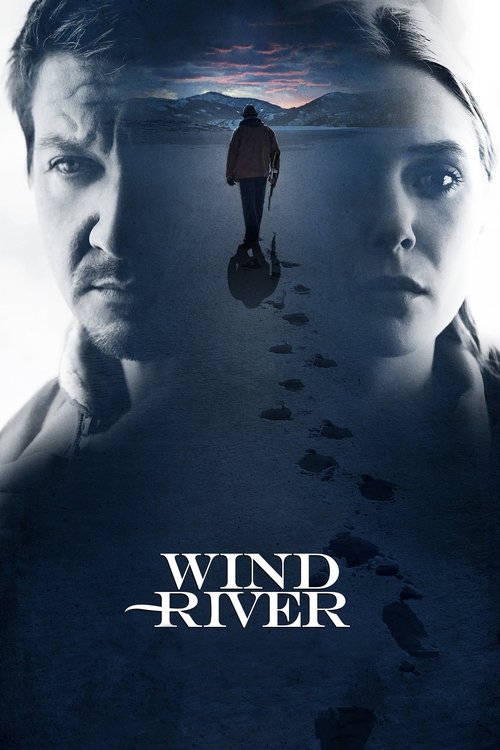
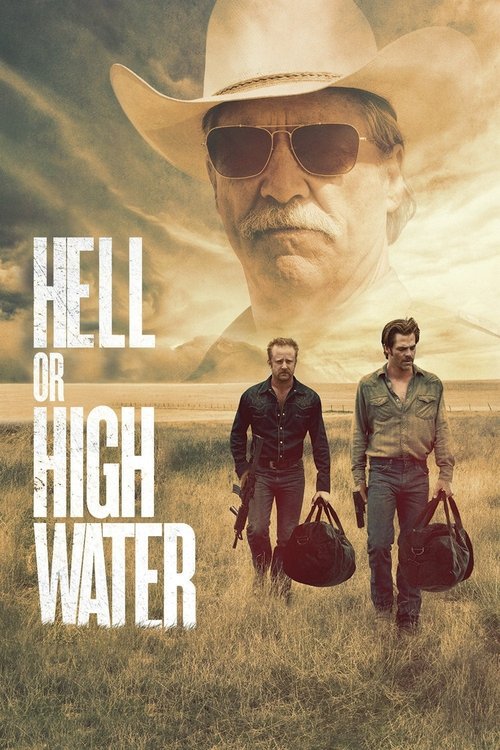
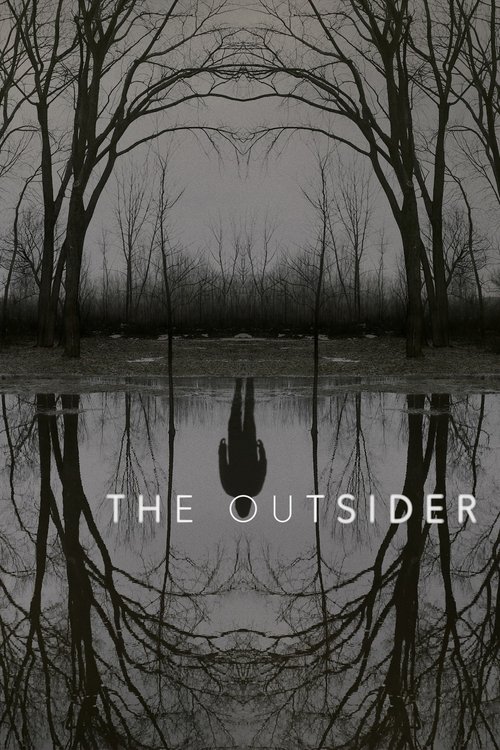

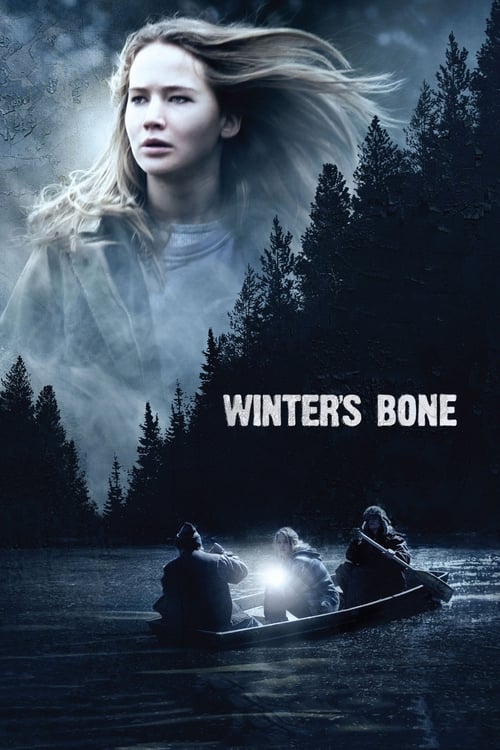
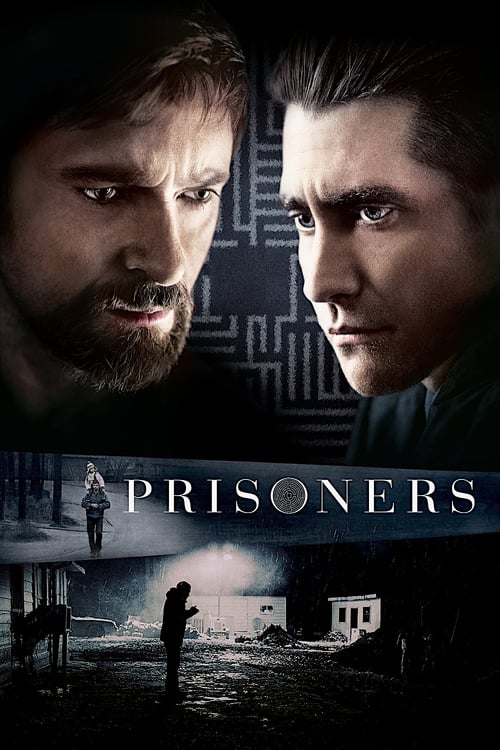
Dark Comedy Crime: the Genre Fargo Owns
Films and series that blend homicide with a straight face
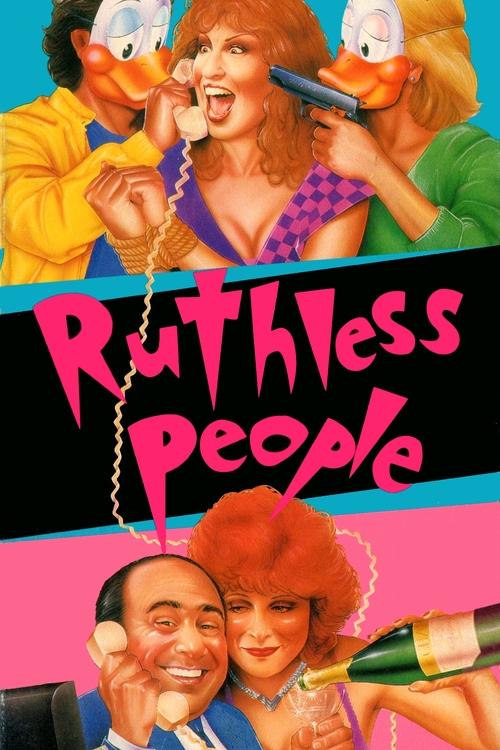
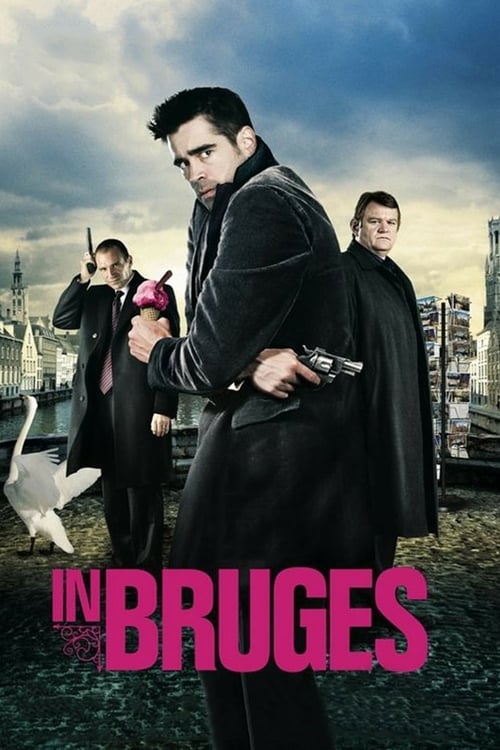
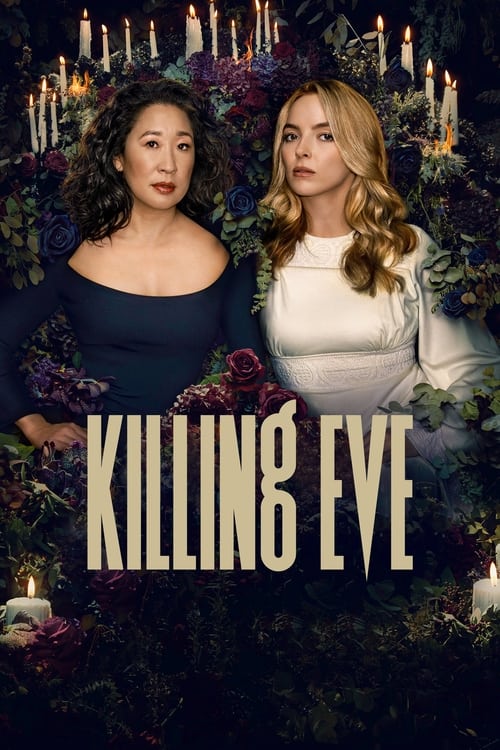
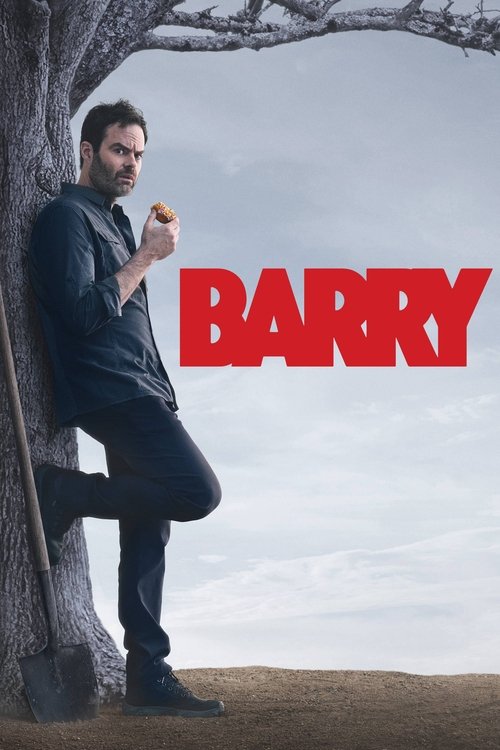
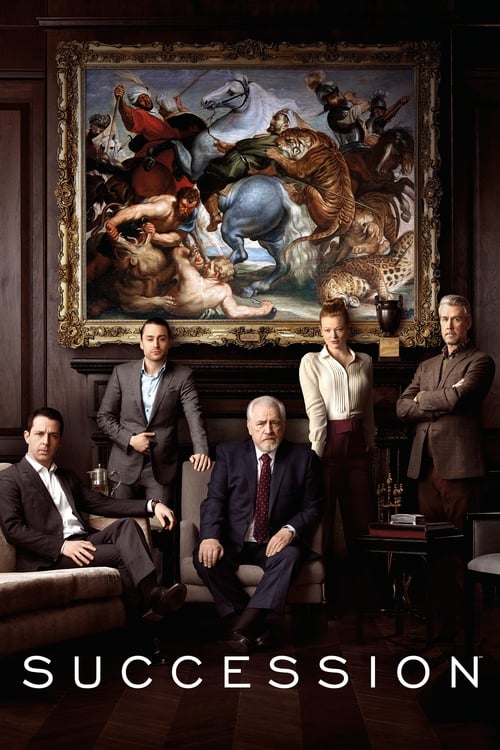
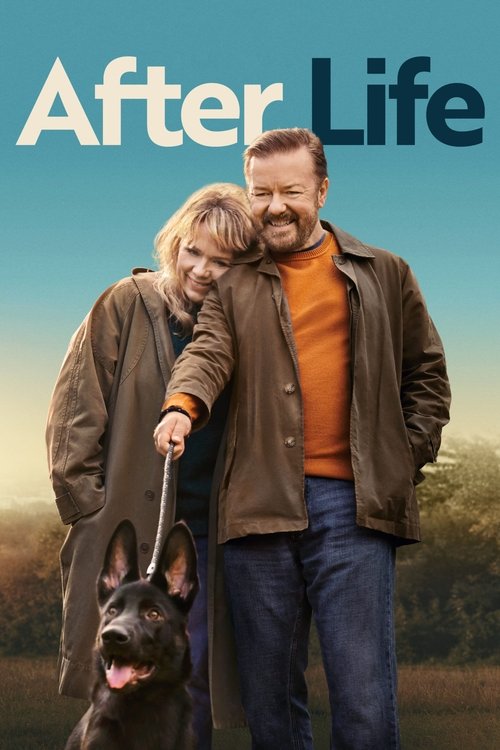

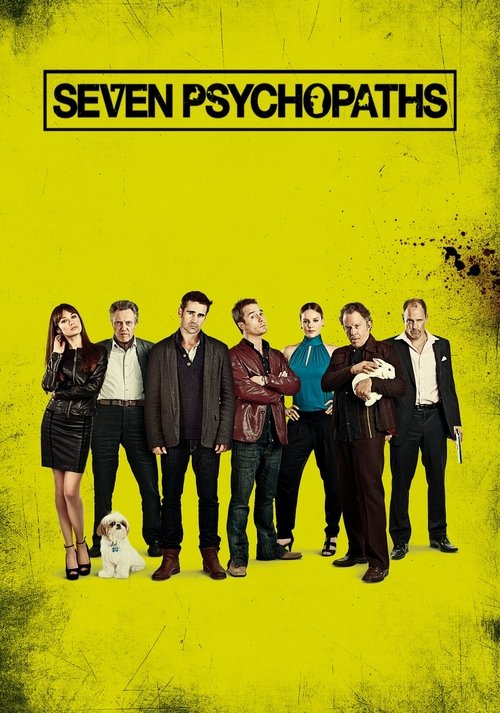
The Books That Built This Tone
Crime novels obsessed with place, consequence, and the banality of violence


Games That Capture the Same Dread
Slow-burn crime, moral weight, and worlds where violence has real cost
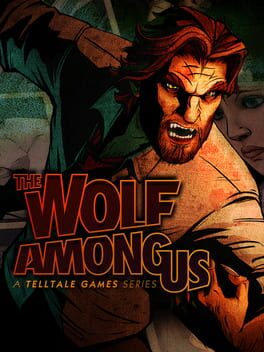
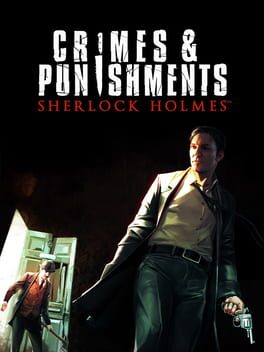
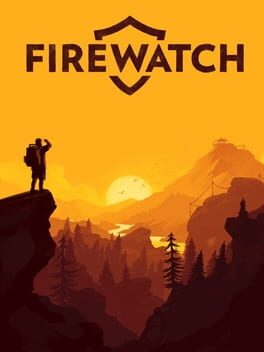
The Villain Problem Fargo Solved
Most crime television lets its villains coast on menace alone. Fargo does something harder: it makes them comprehensible. Lorne Malvo, the V.M. Varga, Loy Cannon's rivals on both sides of the war in Season 4 are not monsters from outside the social order. They are products of it, reading the same rulebooks as everyone else and concluding that the rules exist to benefit someone, so it might as well be them. That philosophical clarity is more unsettling than any amount of graphic violence.
Why the Snow Is Never Just Weather
Fargo uses winter the way other crime shows use darkness: as moral climate. The snow equalizes, covers tracks, and silences. It makes every bad decision feel permanent because everything looks the same and there is nowhere obvious to run. The Coen Brothers understood this in 1996. Hawley honored it by keeping the setting even when the story moved to Kansas City or 1950s Saint Paul. The cold is the point.

The Decency Counterweight
For every Malvo there is a Marge Gunderson, a Molly Solverson, a Gloria Burgle. Fargo insists on putting a genuinely good person at the center of each story and trusts that competence combined with decency is more interesting than cynicism. These characters never win because the system is rigged in their favor; they win because they keep showing up. That is a harder and rarer thing to dramatize than nihilism.
The Literary Crime Novel Fargo Deserves
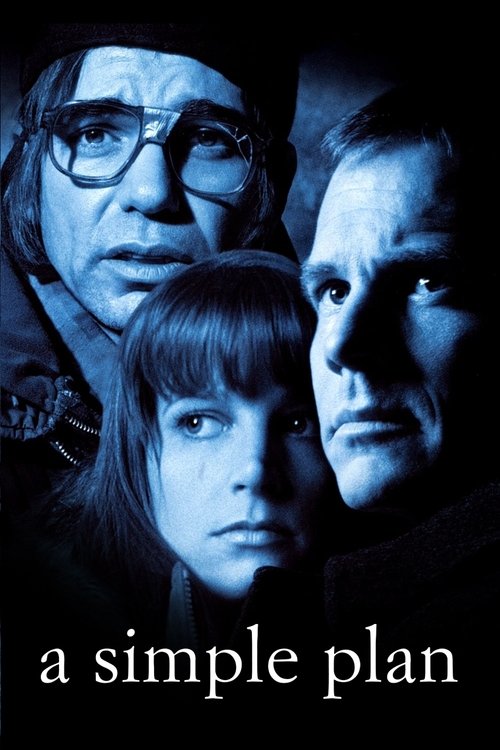
Cormac McCarthy's work is the clearest literary ancestor: the same flat declarative prose, the same refusal to moralize, the same belief that violence is not aberrant but structural. Scott Smith's A Simple Plan maps almost exactly onto Fargo's central machinery: ordinary people, a bag of money, incremental catastrophe. And Elmore Leonard's dialogue is the DNA of every scene where a Fargo character talks themselves into something they cannot undo.
Fargo Across Eras
- 1996The original film establishes the tone and the woodchipper Fargo
- 2014Season 1: Lorne Malvo arrives in Bemidji and nothing is the same Fargo
- 2015Season 2: Sioux Falls, 1979, the Gerhardt war at its peak Fargo
- 2017Season 3: the V.M. Varga problem in Eden Valley Fargo
- 2020Season 4: Kansas City, 1950, two crime families and a funeral home Fargo
- 2024Season 5: kidnapping, North Dakota, and a sheriff with secrets Fargo
More crime, noir, and small town dread
For Fans of Joel Coen
Explore the For Fans of Joel Coen guide →There is no such thing as a story without a moral. The only question is whether the moral is visible or buried.Noah Hawley, on the Fargo approach