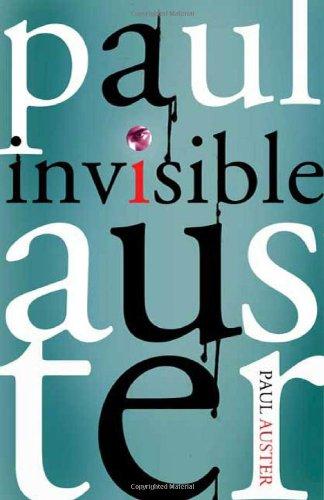

Italo Calvino spent his career asking what a story could be if you stripped away every assumption. From the partisan fables of his debut to the impossible geometries of his late work, the through-line is a mind that treats narrative as a machine to be taken apart and reassembled in mid-flight. Fans love the sensation of reading fiction that is simultaneously a meditation on fiction itself: a detective story that questions whether solutions exist, a love story told through a city that may or may not be the same city on every page. What follows maps that pleasure across film, games, books, and music.
Essential Calvino
The novels and story collections that define his range, from partisan realism to pure combinatorial play.


Kindred Authors: Playful, Philosophical Fiction
Writers who share Calvino's appetite for metafiction, fable, and form-as-content.


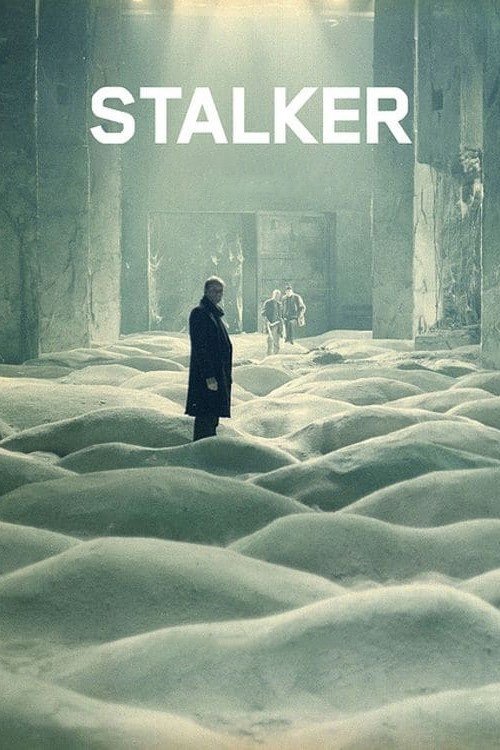
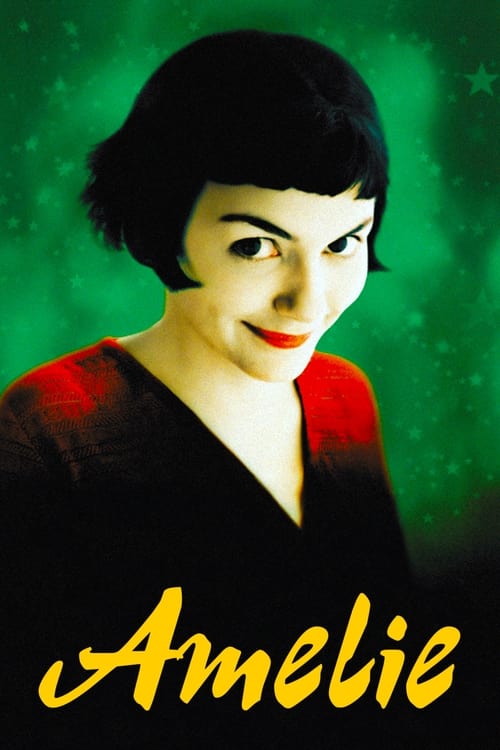
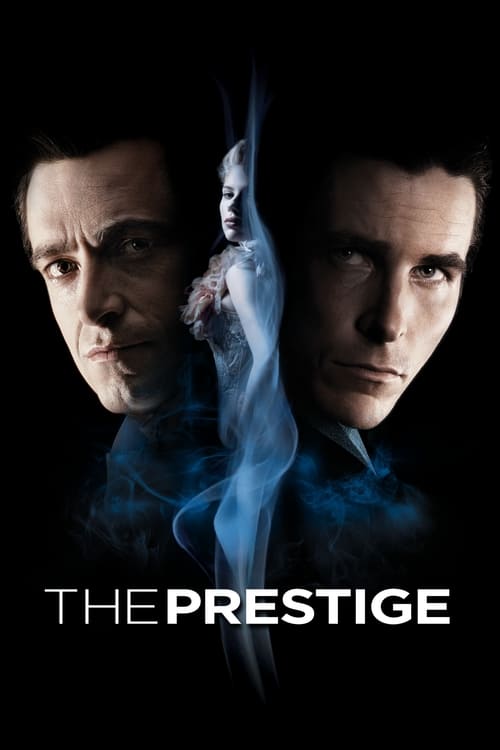
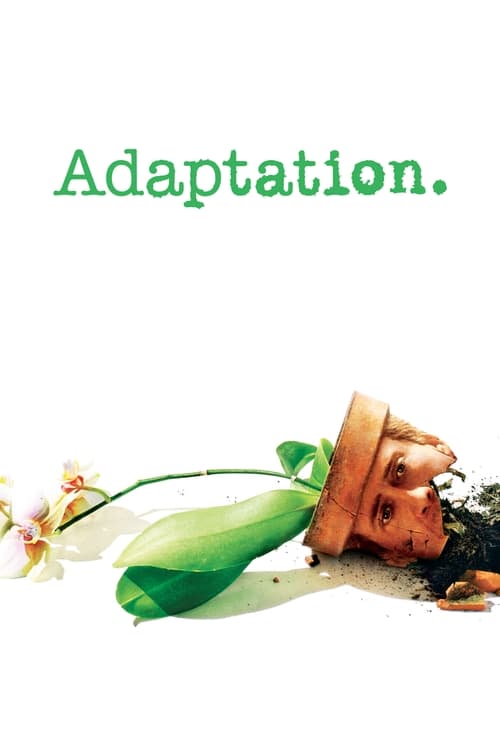
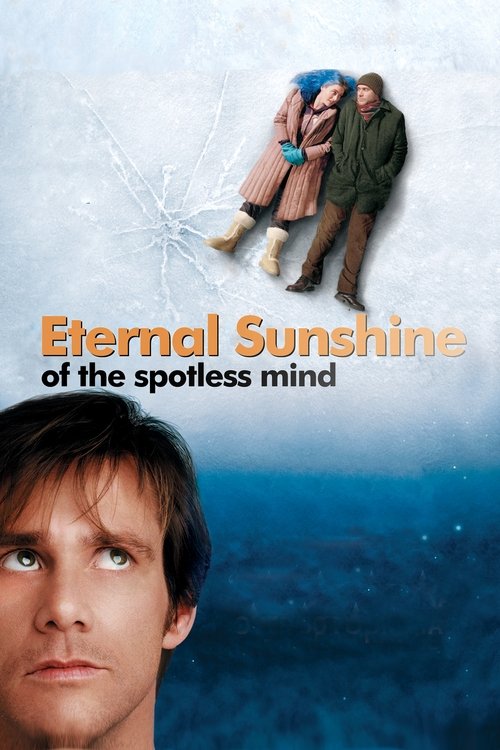
Calvino on Screen: Adaptations and Spiritual Kin
Films and series that carry his sense of unreliable reality, layered narrative, and fabulist wonder.




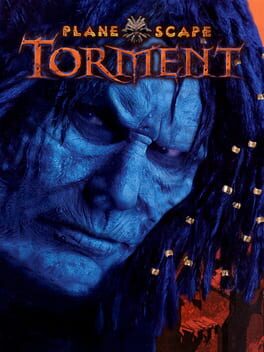
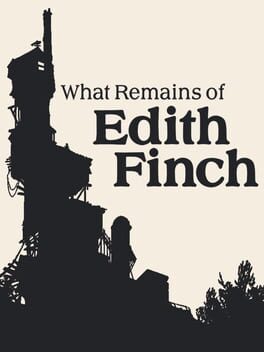
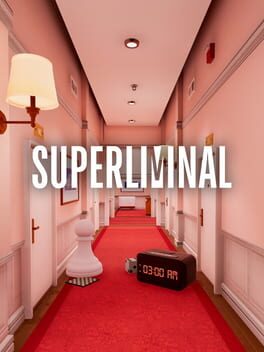
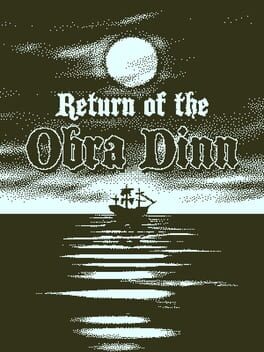
Games for the Calvino Reader
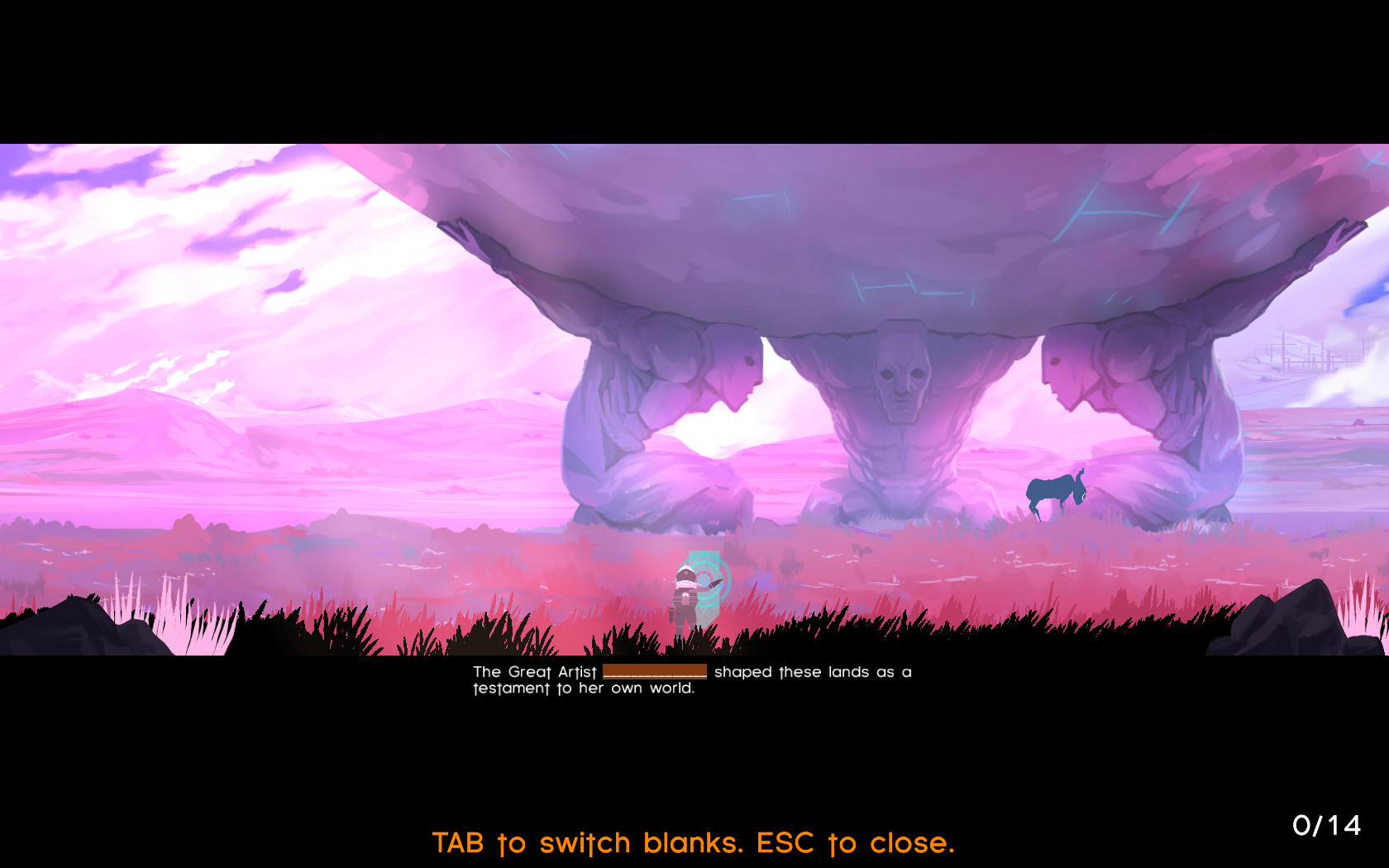
Games that weaponize the act of reading, navigating, or observing the way Calvino does: where structure is the story.

Italian Cinema: His World on Film
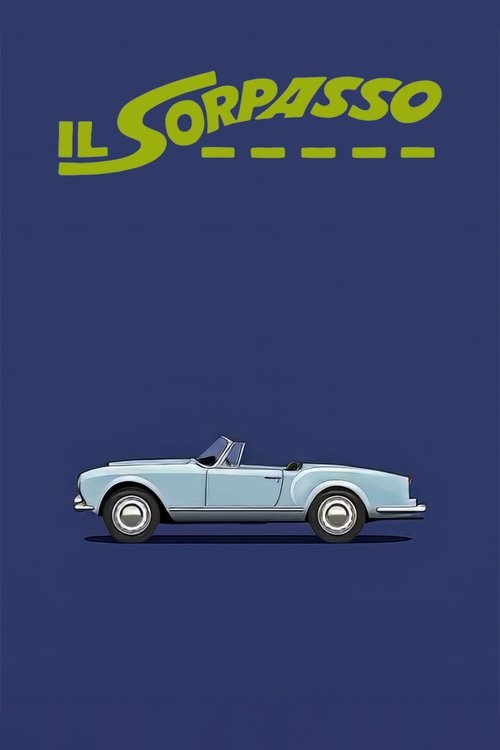
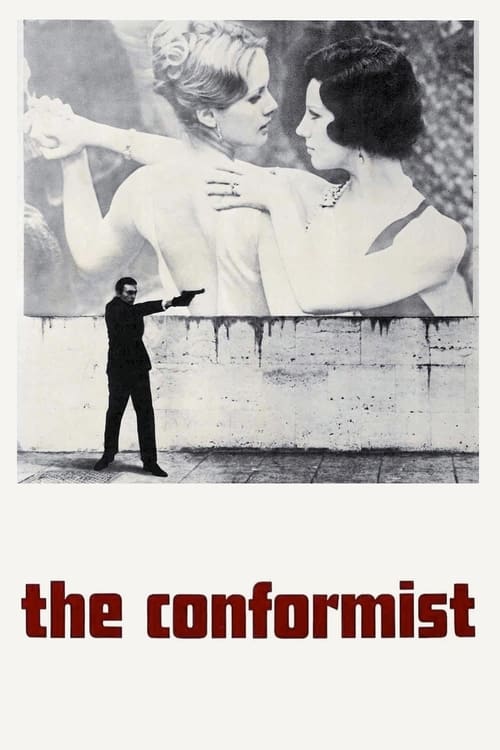
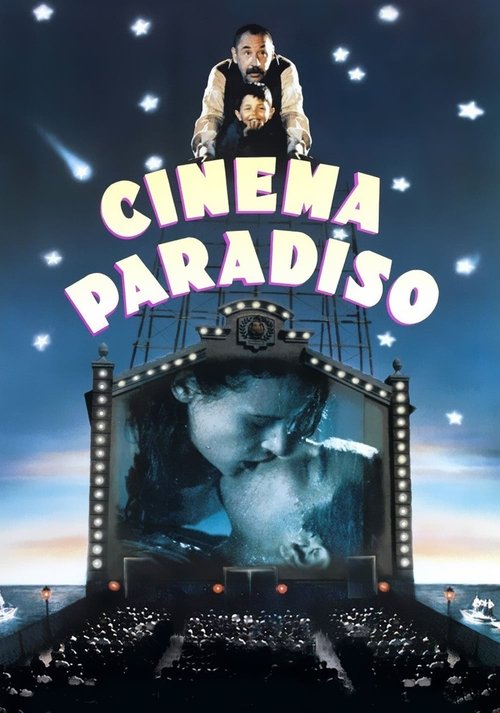
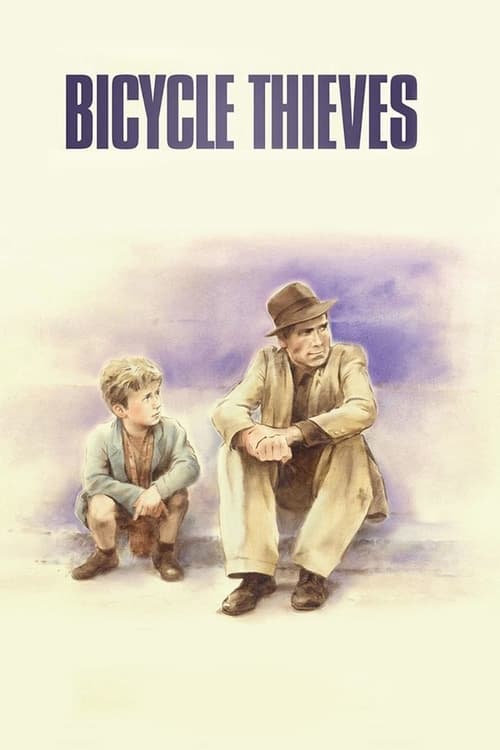
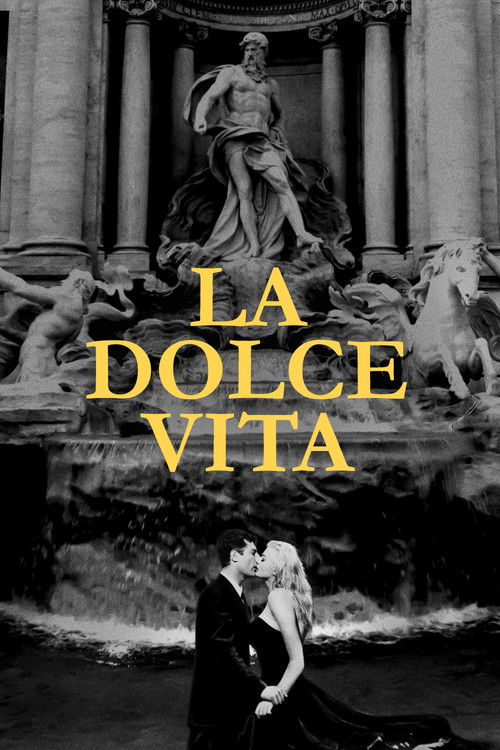
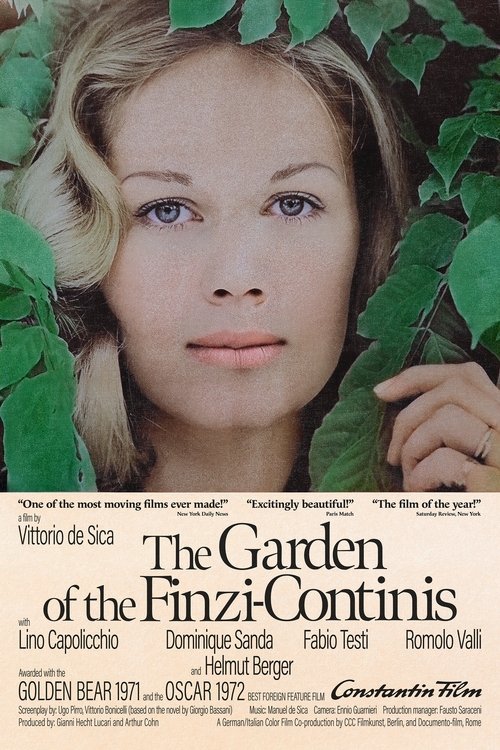
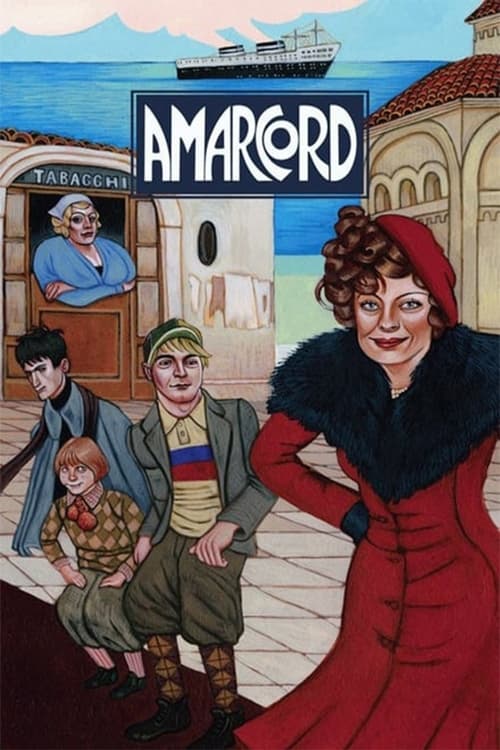
The postwar Italian films that share Calvino's social wit, visual flair, and moral curiosity.

Why 'If on a winter's night a traveler' is the novel's great trap
Calvino's 1979 novel addresses you as 'the reader' from page one, making you a character in a book you're simultaneously holding. Every chapter begins a different novel that is cut off before it resolves. The genius is that the frustration you feel IS the point: narrative desire is the real subject. No other novel since Tristram Shandy has so elegantly used incompletion as its engine. It holds up as both a philosophical argument and a genuinely pleasurable read.
Invisible Cities is architecture criticism disguised as poetry
Each of the 55 cities Marco Polo describes to Kublai Khan in this 1972 novel is a thought experiment: a city of the dead that mirrors a city of the living, a city where all travel returns you to where you started. Read as a whole, it functions as a meditation on memory, desire, and the gap between map and territory. Architects and urban planners cite it; novelists steal from it; musicians have set it. Few books so slim carry so much re-read value.
The Baron in the Trees is Calvino's most human book
Before the metafictional experiments, Calvino was a storyteller of real charm. The Baron in the Trees (1957) follows a 12-year-old Ligurian nobleman who climbs a tree in protest at dinner and never comes down. What sounds like a whim becomes a life lived at canopy height: he reads Voltaire, falls in love, fights bandits, and meets Napoleon. It is funny, wise, and finally moving in ways his later, more cerebral work rarely allows itself to be.
Cosmicomics rewired what science fiction could do with language
Published in 1965, Cosmicomics takes scientific facts (the moon was once much closer to Earth; matter was once uniformly distributed) and builds short fictions narrated by Qfwfq, a shapeless being who has witnessed all of cosmic history. The stories are funny and melancholy and formally unlike anything else in the Italian literary tradition. They influenced writers from Angela Carter to Ted Chiang, and they hold up better than most actual science fiction of the era.
Calvino's Career at a Glance
- 1947Debut novel, rooted in his wartime experience with the Ligurian partisans Path to the Spiders' Nests
- 1952First fable in the Our Ancestors trilogy, a young knight splits in two
- 1957The trilogy's centrepiece, a boy's life lived entirely in the treetops
- 1959A knight in empty armour completes the Our Ancestors triptych
- 1965Cosmic fables narrated by a being who was present at the Big Bang Cosmic
- 1972Marco Polo's 55 impossible cities, his masterpiece Invisible
- 1973A novel composed entirely from tarot cards The castle of crossed destinies
- 1979The novel that addresses you, the reader, directly If on a Winter's Night a Traveler
- 1983Short meditations on perception, each named after something Mr. Palomar observes Palomar
- 1985Calvino dies in Siena before completing his planned Harvard lectures on 'Six Memos for the Next Millennium'
Labyrinths, mirrors, and magical realism
For Fans of Jorge Luis Borges
Explore the For Fans of Jorge Luis Borges guide →A classic is a book that has never finished saying what it has to say.Italo Calvino, Why Read the Classics