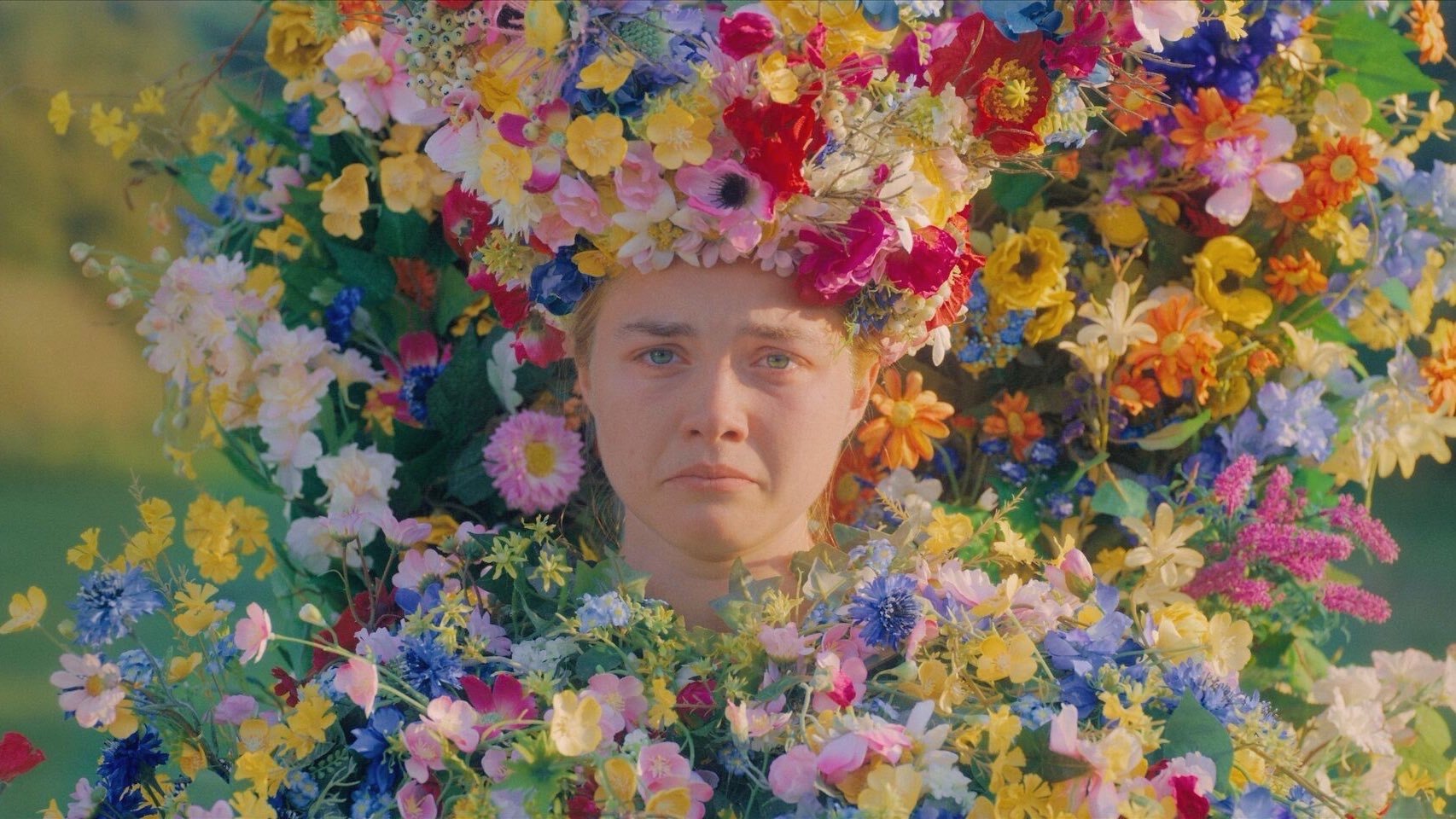

Folk horror is not about what lurks in the dark. It is about what the community does in the light. The genre defines itself through geography: a city person, cut off from their usual world, finds that rural life operates under older logic. Pagan ritual, collective guilt, sacrificial necessity, the will of the soil. The dread arrives slowly, through hospitality that is slightly too warm, festivals that run a little too long, locals who share glances across the dinner table. What makes folk horror stick is that the horror is communal, even democratic. The monster is everyone. The cult does not hide. The rite is performed in broad daylight, and you are already inside the circle before you understand what the circle is for.
Essential Folk Horror
The films, series, and works that defined the feeling

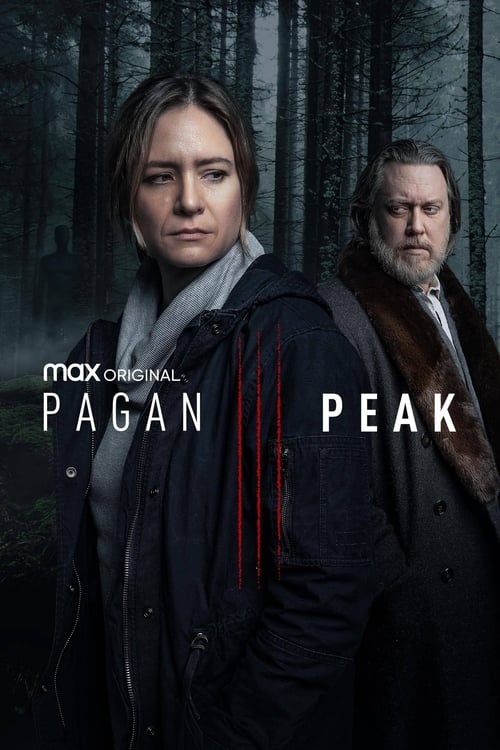
Isolated Communities on Screen
Films and series where the village itself is the threat
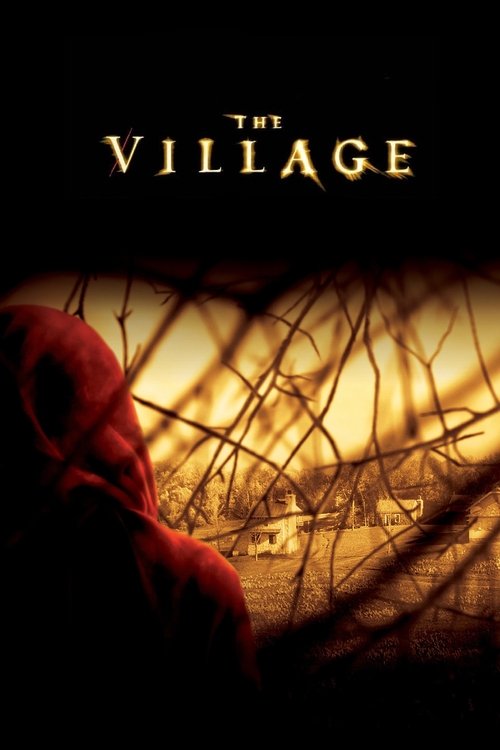
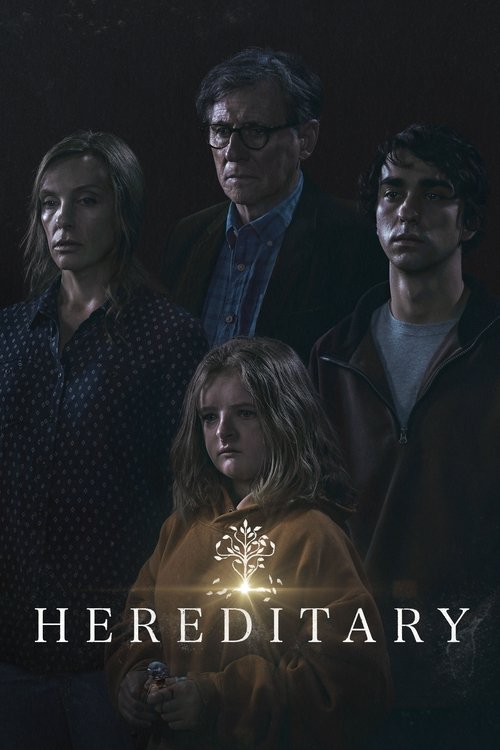
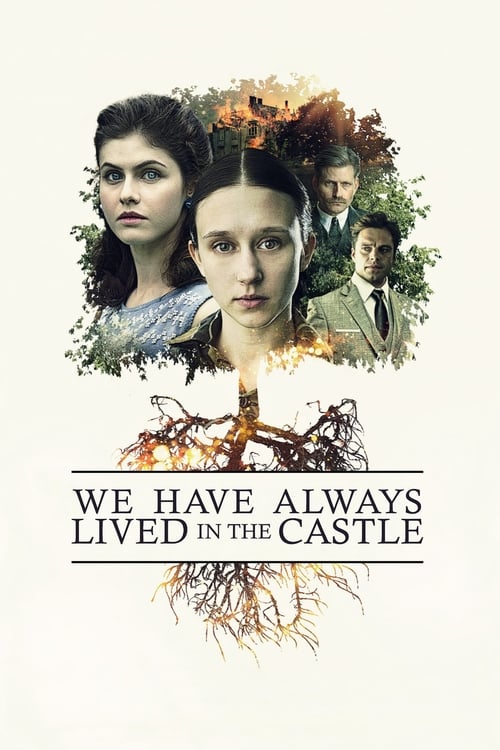
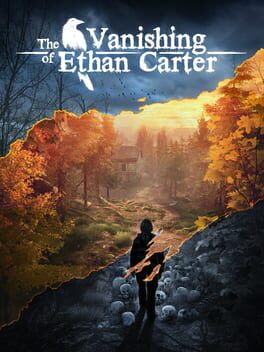
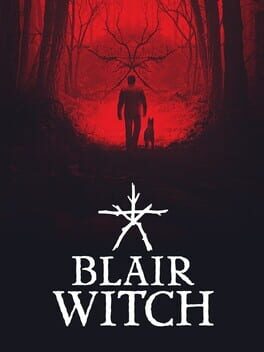
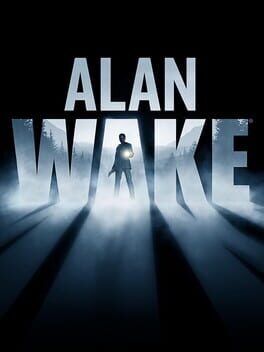
Folklore and Dread in Games
Games where myth and landscape collaborate to unsettle you
The Tradition in Books
Novels and stories where the old ways have teeth


Music for the Ritual
Scores, albums, and artists that carry the same pagan unease
The Wicker Man Still Lands the Punch
Robin Hardy's 1973 film is still the genre's cleanest statement: an outsider, certain of his own authority, walks into a community that is more organised than he ever imagined. The horror is not supernatural. It is social. The islanders are not hiding their beliefs; they are open about them. Sergeant Howie's discomfort is his own rigidity confronting theirs. The ending is devastating precisely because no one is acting against their convictions. Every subsequent folk horror film owes it at least one structural debt.
Midsommar Reclaimed the Daylight
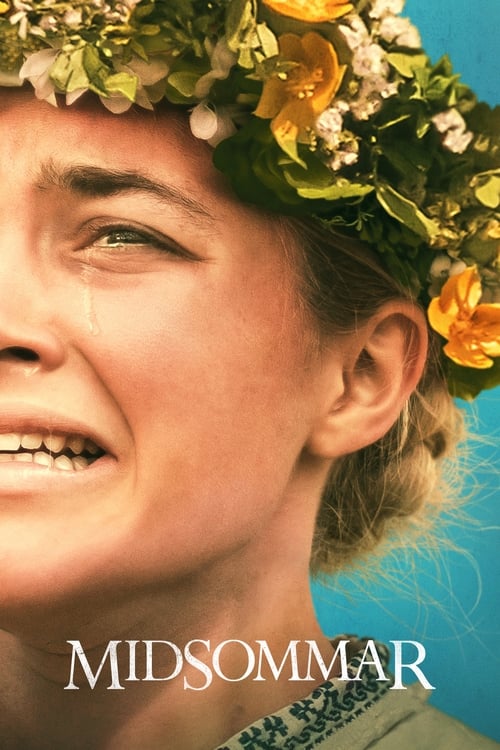
Ari Aster understood that the genre had overlearned the lesson of night-as-danger. Midsommar set its rituals in perpetual Scandinavian summer, drenching everything in yellow warmth. The colour white, traditionally clean and safe, becomes suffocating. It is a film about grief being metabolised by a community that has a procedure for everything, including you. The beauty of the landscape is not a contrast to the horror; it is the horror dressed up and smiling.
Andrew Michael Hurley Found the British Register
The Loney is the novel that most successfully captured what makes British folk horror different from its American cousins. It is quieter, more atmospheric, deeply rooted in post-war Catholic anxiety and the particular bleakness of the Lancashire coast. Hurley does not rush the revelation. The dread accumulates through wrong details: a shrine at the wrong distance from the road, a family that does not ask questions, a brother who begins to change. It reads like a recovered memory of somewhere you have never been.
Darkwood Is the Game That Understood Isolation
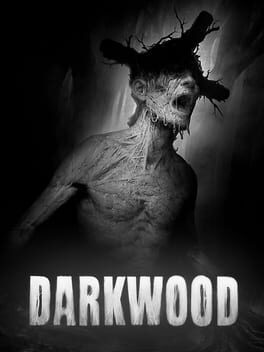
Most horror games reach for jump scares. Darkwood reaches for dread through resource limitation and the denial of information. Set in a sealed Polish forest during what feels like a folkloric collapse of ordinary reality, it puts you in a community of broken, mythologised survivors and forces you to make choices about who you help and what you believe. The day-night cycle, where night means boarding your windows and waiting for whatever is outside, is one of the most sustained atmospheric achievements in the medium.
The Genre Across Decades
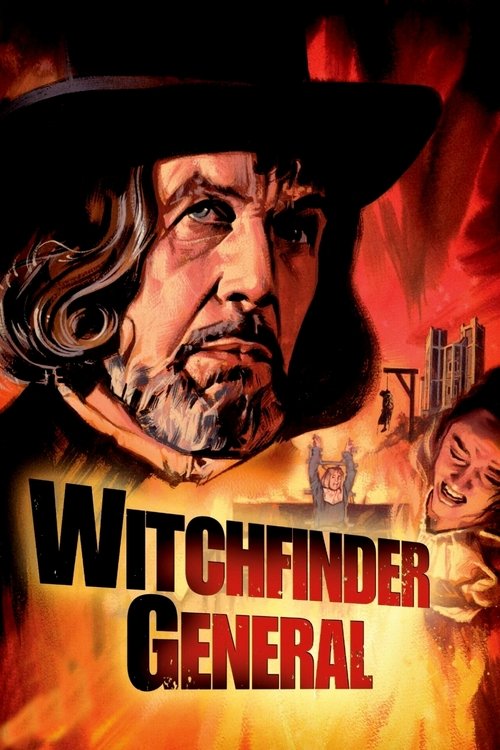
- 1968Witchfinder General sets the template for historical rural horror in rural England Witchfinder General
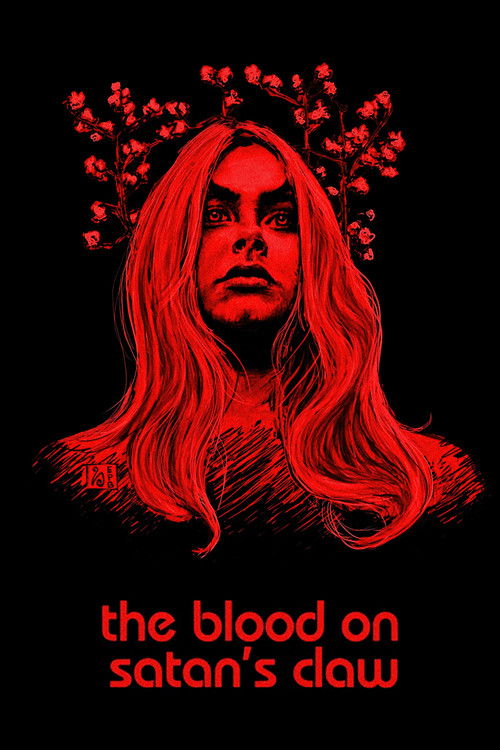
- 1971Blood on Satan's Claw deepens the Tigon folk horror strain The Blood on Satan's Claw
- 1973The Wicker Man establishes the pagan community as the genre's defining structure The Wicker Man
- 1977Harvest Home (Thomas Tryon's novel) transplants the formula to rural New England
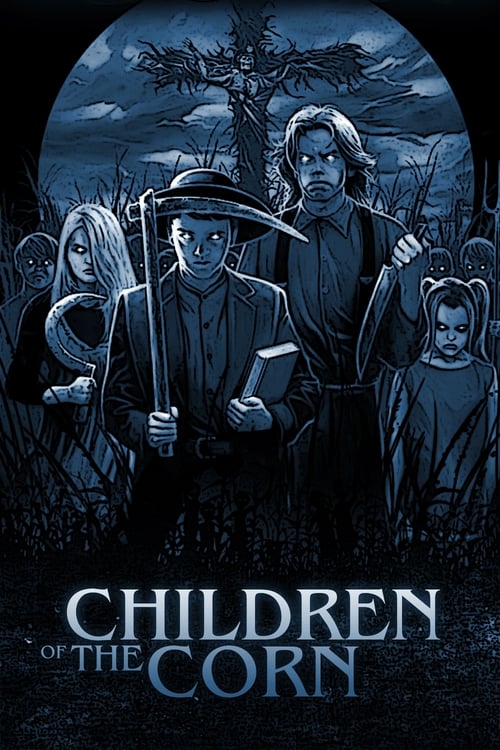
- 1984Children of the Corn brings the isolated-community horror to mainstream audiences Children of the Corn
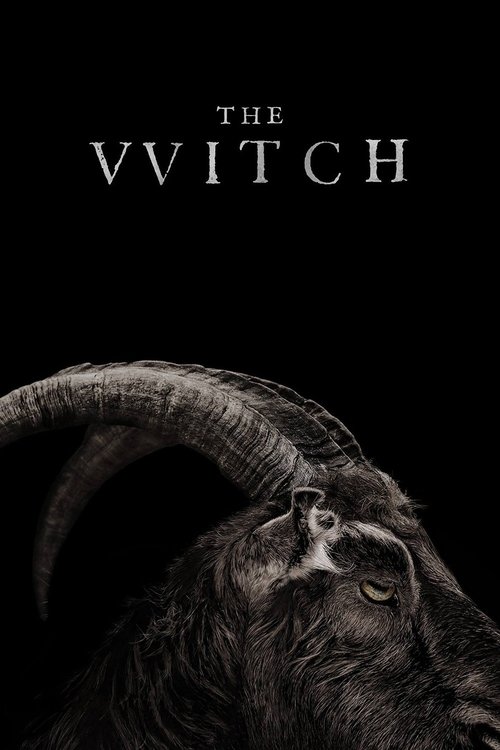
- 2015The Witch reinvigorates the genre with period-accurate Puritan dread The Witch
- 2015The Loney wins the Costa First Novel Award and establishes a British literary folk horror The One
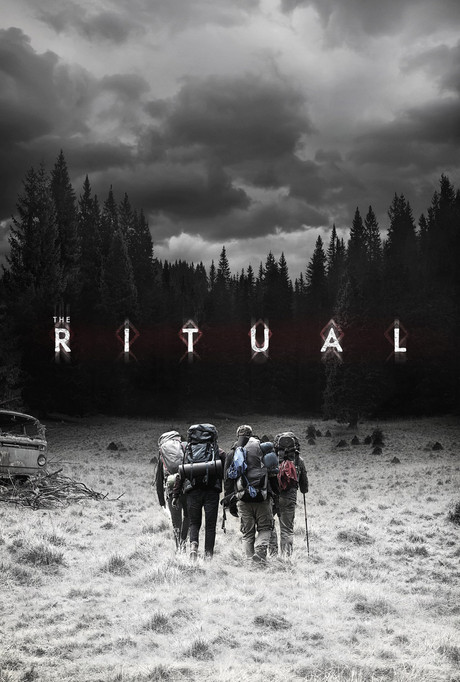
- 2017The Ritual brings folk horror into the Nordic wilderness The Ritual
- 2017Darkwood earns its reputation as the genre's first major game Darkwood
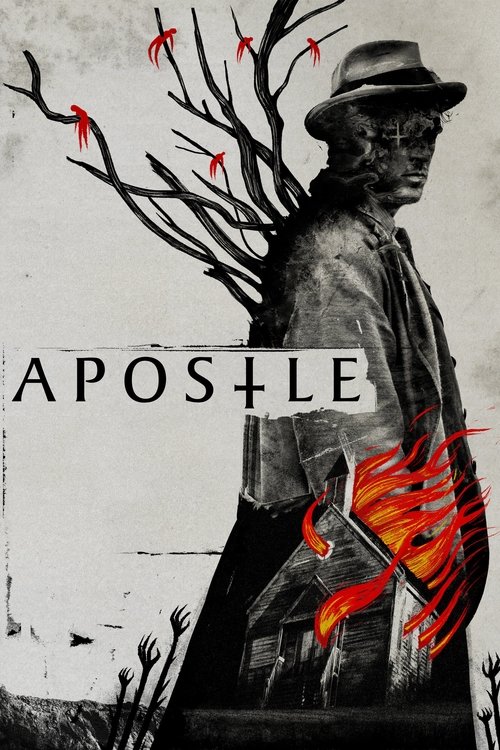
- 2018Apostle applies the Wicker Man structure with maximalist violence Apostle
- 2019Midsommar makes the subgenre a mainstream talking point Midsommar
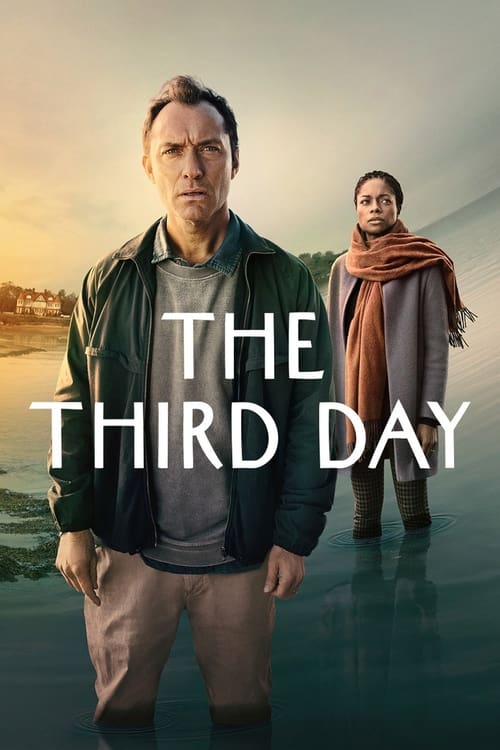
- 2020The Third Day takes the isolated island format to prestige television The Third Day
More dread from the old ways
Folk Horror
Explore the Folk Horror guide →Folk horror is the horror of belonging. The community does not want to hurt you. It wants you to join.CrossBinge editors