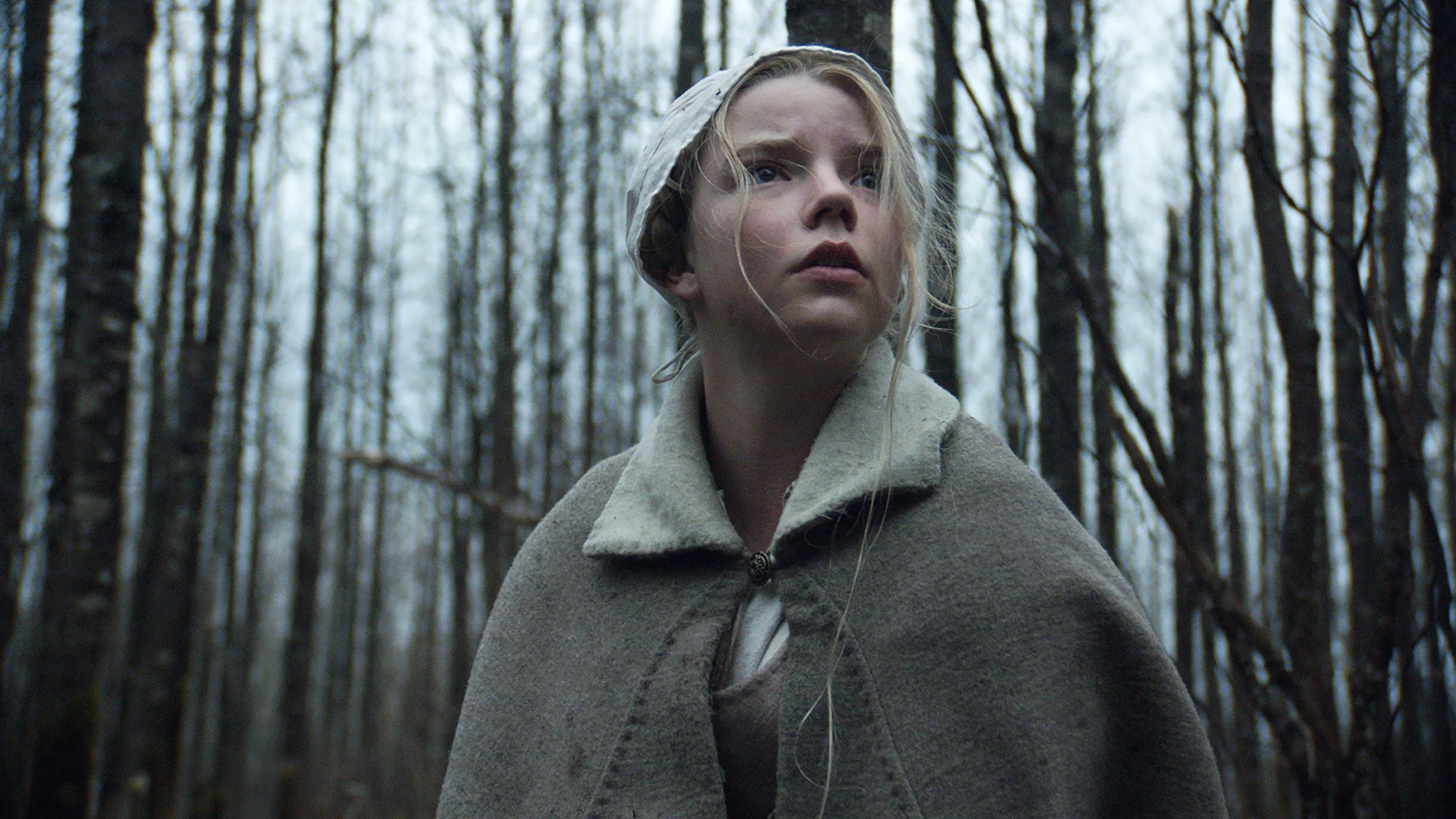

The Witch arrives already over. The family is cast out before the first frame of forest appears, and Robert Eggers never lets them back inside anything safe. What follows is a precision instrument: a 17th-century folk-horror film built from actual period documents, where the supernatural is always plausible and the human disintegration is always worse. The film's genius is that Thomasin's accusers are also her victims, and the goat Black Phillip is only the last in a long line of threats that were always going to win. Fans love the way it holds two readings in perfect tension, never collapsing into either pure allegory or pure monster movie. That tension, between the world as the Puritans feared it and the world as it actually was, is what the works below are chasing.
Essential The Witch
The film itself, and the Robert Eggers filmography that grew from it
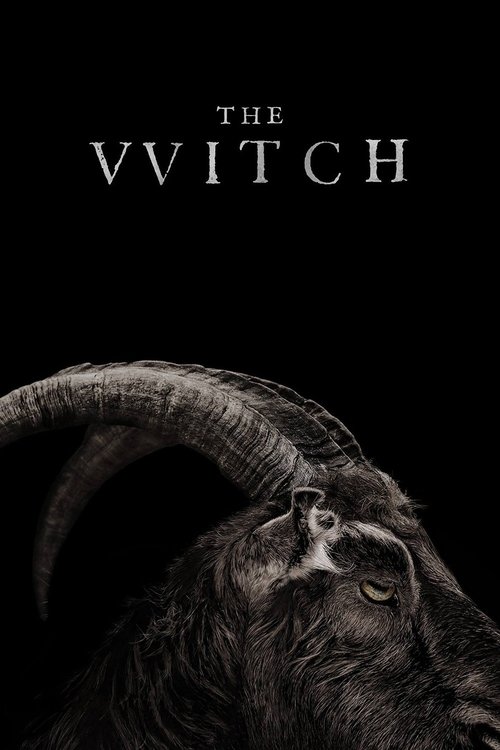
Same Dread, Different Rooms
Films that trap people in an enclosed world until something tears through
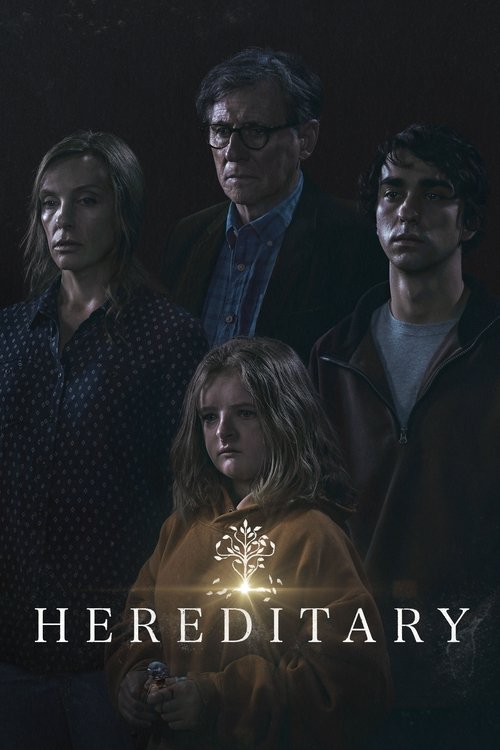

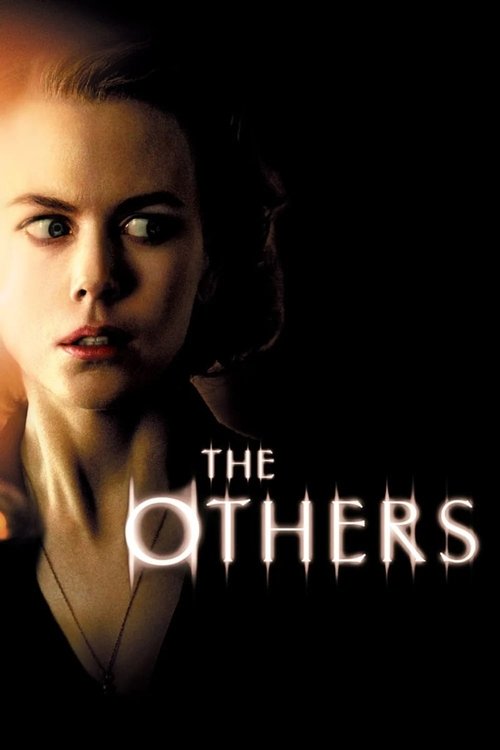
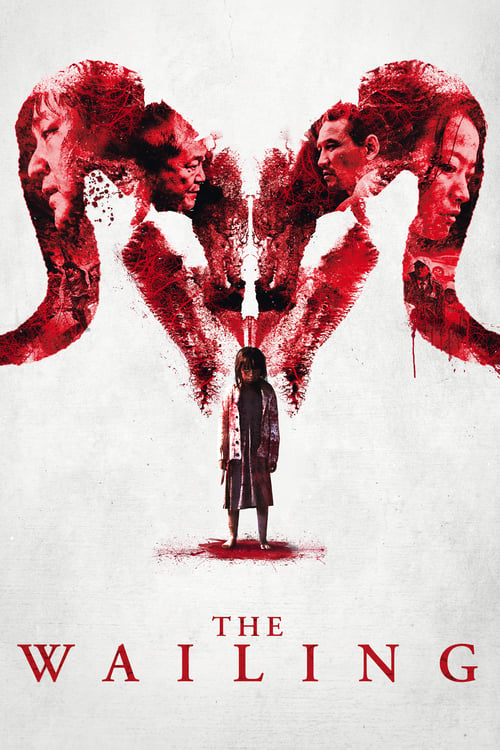
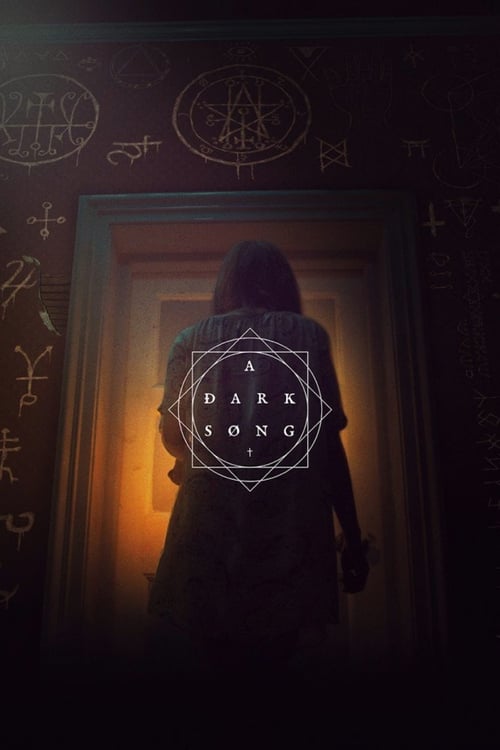
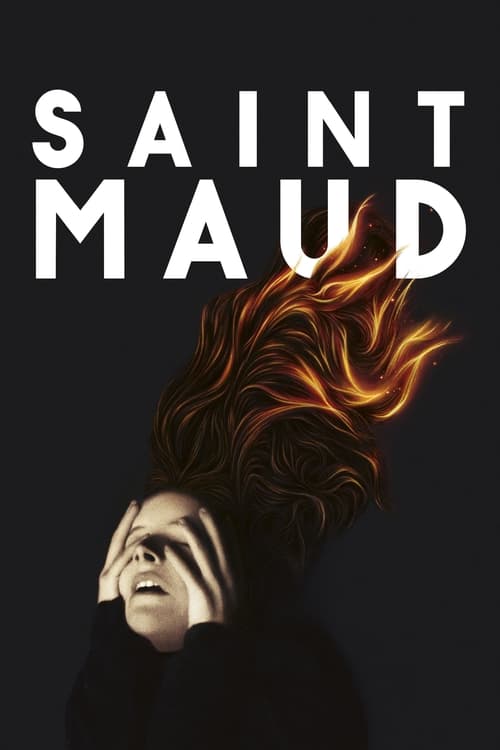
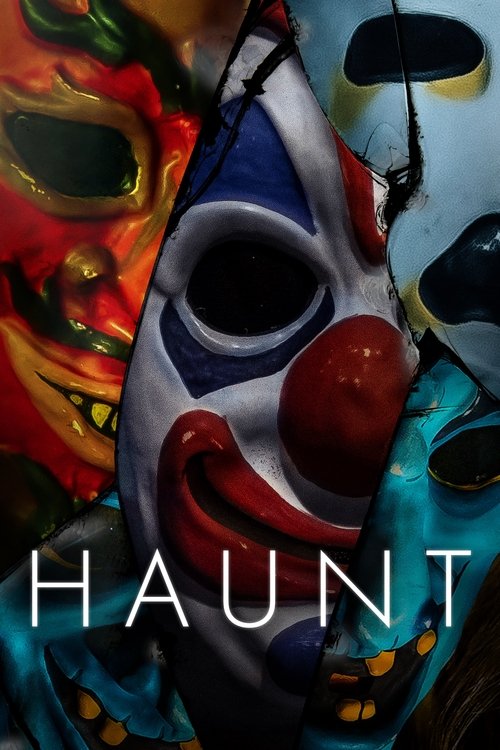
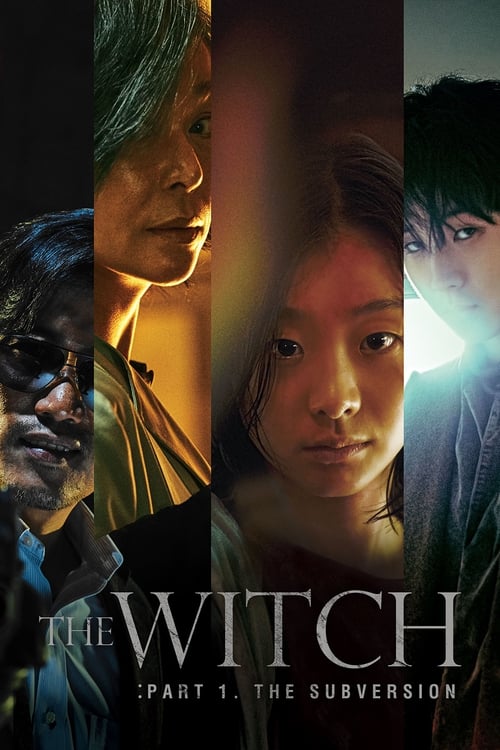
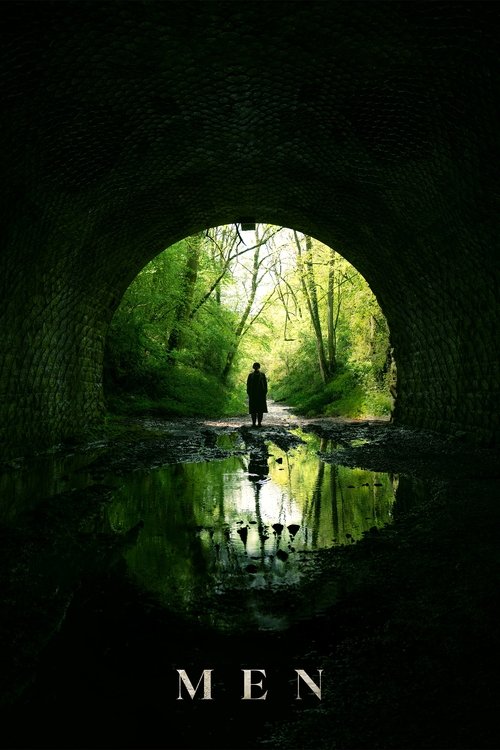

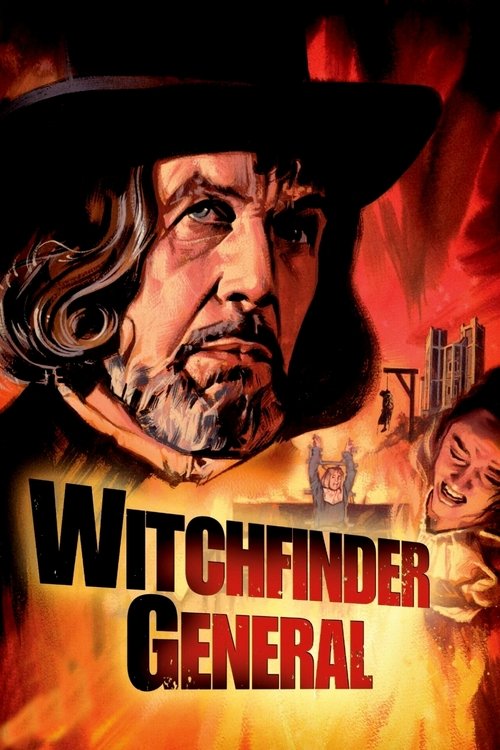
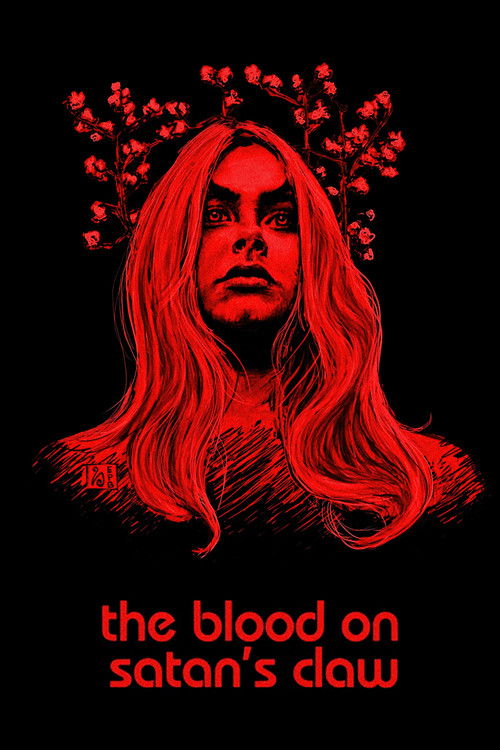
Folk Horror and Its Roots
The British and international tradition The Witch was consciously in dialogue with

Novels That Live in the Same Dark
Books where religious terror, wilderness dread, and the uncanny converge


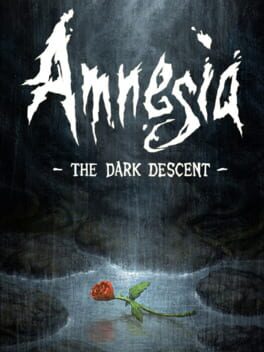
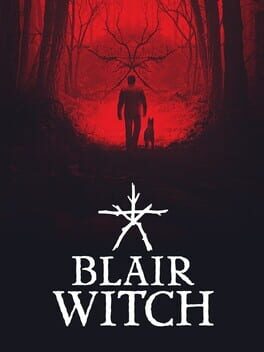
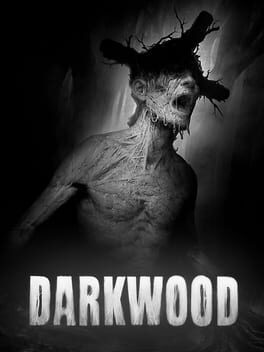
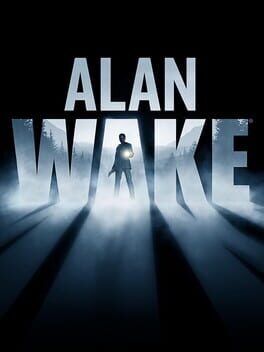
Games That Share the Witch's DNA
Isolation, creeping wrongness, and atmosphere over action
The Score and the Silence
Mark Korven's music for The Witch, and recordings that occupy the same frequency
The Goat Was Always in Charge
Black Phillip is funny only until he speaks. Eggers builds the reveal so carefully, through so many scenes of the animal being slightly too attentive, that when it finally happens, the horror is that you saw it coming and still weren't ready. The Witch understands that folk horror's greatest tool is the gap between what the characters believe and what the audience is beginning to suspect. It closes that gap on its own schedule.
Eggers Builds Worlds Before He Tells Stories
Every Eggers film is a material culture project first. The dialects, the costumes, the tools, the prayers, all researched from primary sources, are not background detail. They are the argument. The world of The Witch is so convincing that the supernatural becomes the most rational explanation for what happens in it. That is the trick no amount of jump cuts can replicate.
Patriarchy as Horror Architecture
William is not a villain in the conventional sense. He is a man shaped by a system of belief that requires him to control what he cannot understand. When that system fails, he falls apart faster than anyone. The Witch is Thomasin's film, and it is unflinching about what she has been surviving all along. The woods offer her the only exit available, which is a devastating thing for a film to admit.
Folk Horror: A Lineage
- 1850Hawthorne publishes The Scarlet Letter, mapping Puritan guilt as gothic architecture The Scarlet Letter
- 1968Rosemary's Baby brings domestic paranoia and occult conspiracy to modern horror Rosemary's Baby
- 1973The Wicker Man defines British folk horror: community as threat, ritual as violence The Wicker Man
- 2010Amnesia: The Dark Descent proves that atmospheric dread translates directly to games Amnesia: The Dark Descent
- 2015The Witch restores rigour to folk horror: no irony, no safety, period-accurate language The Witch
- 2018Hereditary and the A24 horror wave that The Witch helped initiate reaches full force Hereditary
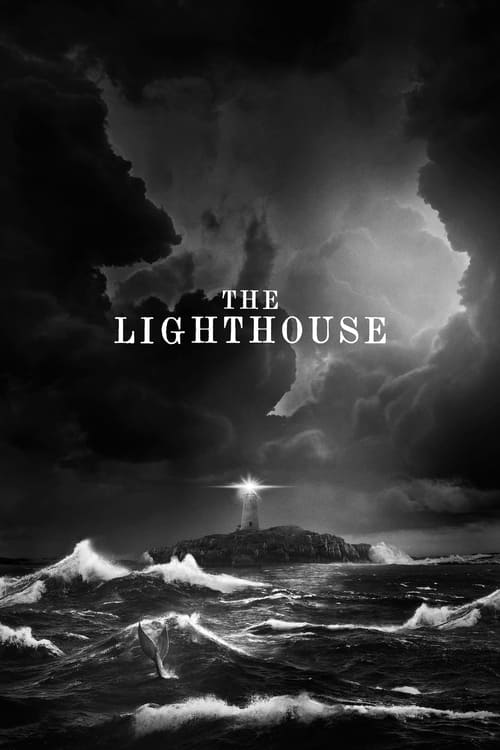
- 2019The Lighthouse: Eggers goes further into myth and madness on a two-man stage The Lighthouse
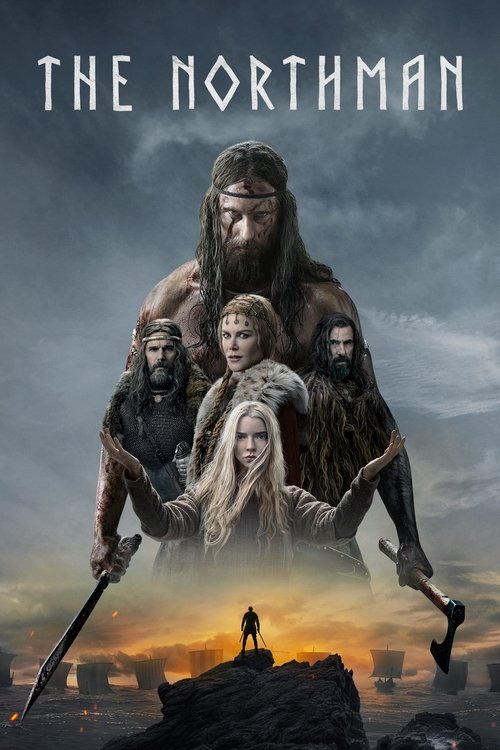
- 2022The Northman: Eggers at scale, same archaeological obsession, Norse mythology The Northman
More folk horror and the occult
Folk Horror
Explore the Folk Horror guide →Wouldst thou like to live deliciously?Black Phillip, The Witch (2015)