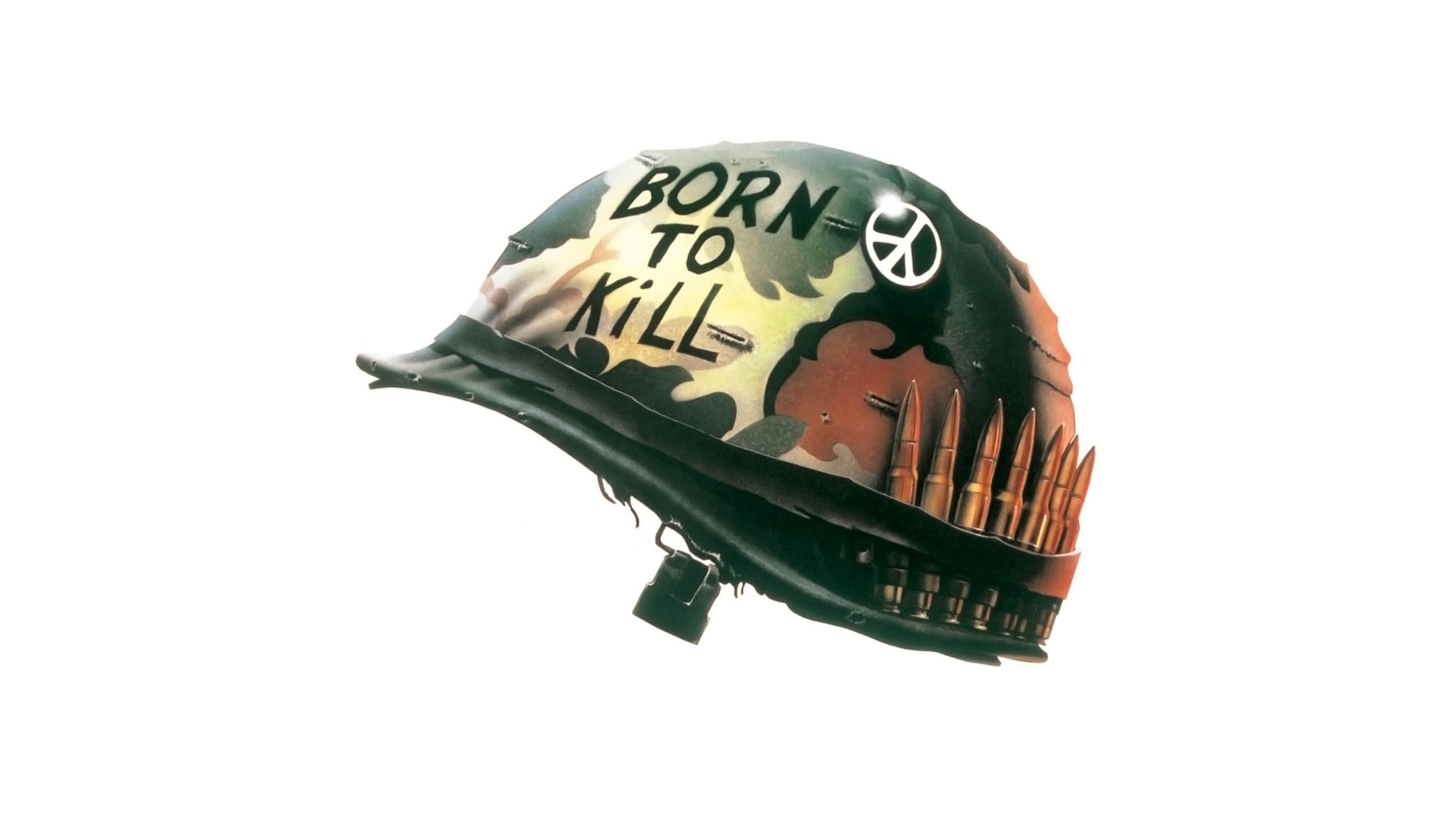

Stanley Kubrick's 1987 film earns its cult not through battlefield spectacle but through a cold structural argument: boot camp and combat are not preparation and consequence, they are two versions of the same dehumanizing project. The first half is a controlled experiment in psychological annihilation, presided over by R. Lee Ermey's Gunnery Sergeant Hartman. The second follows a different platoon through the ruins of Hue during Tet, where the rules learned in training dissolve into rubble. What fans chase is that tonal whiplash, the gallows humor pressed right up against genuine horror, and the feeling that cinema is being used as a scalpel rather than a paintbrush. The films, books, games, and music below share that edge.
Essential Full Metal Jacket
The film's own DNA, across Kubrick's war and dark-comedy catalogue
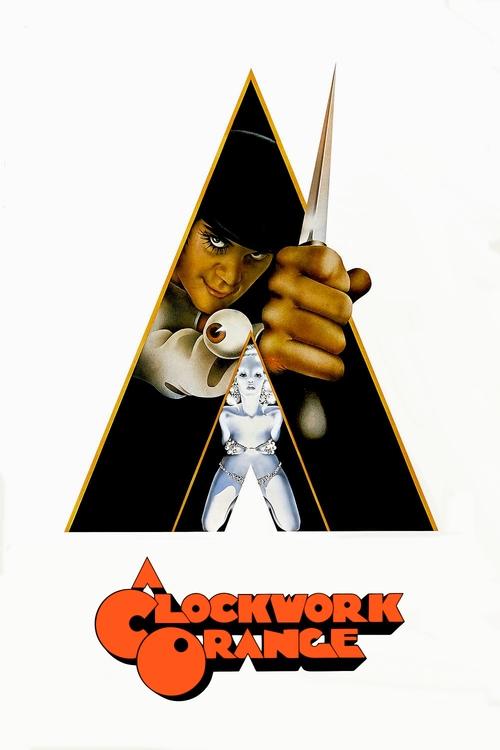

If You Love Full Metal Jacket: War Without Glory
Films that strip combat of heroism and refuse easy catharsis
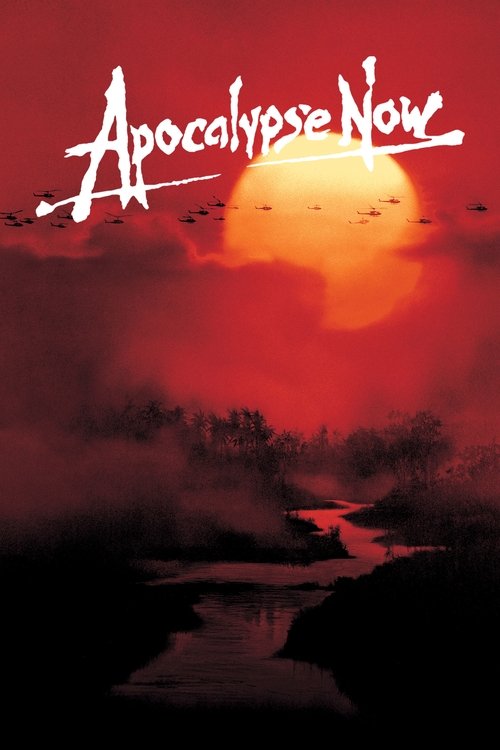
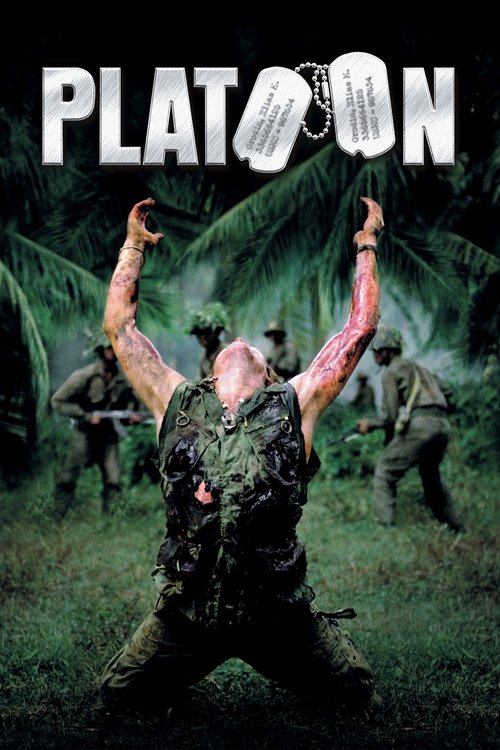
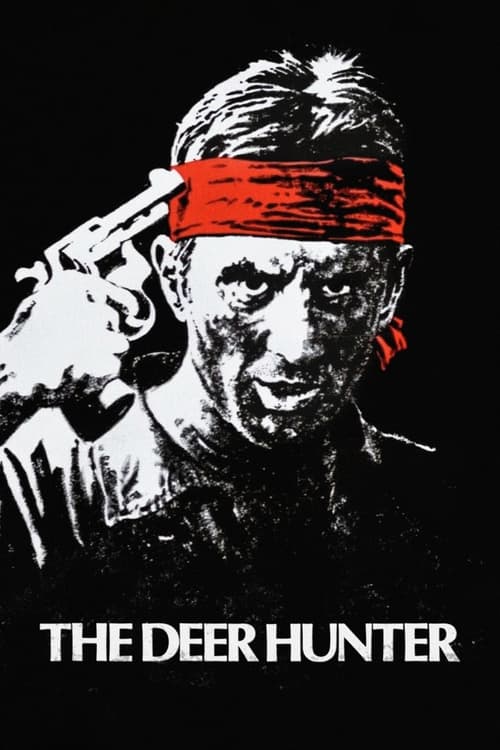
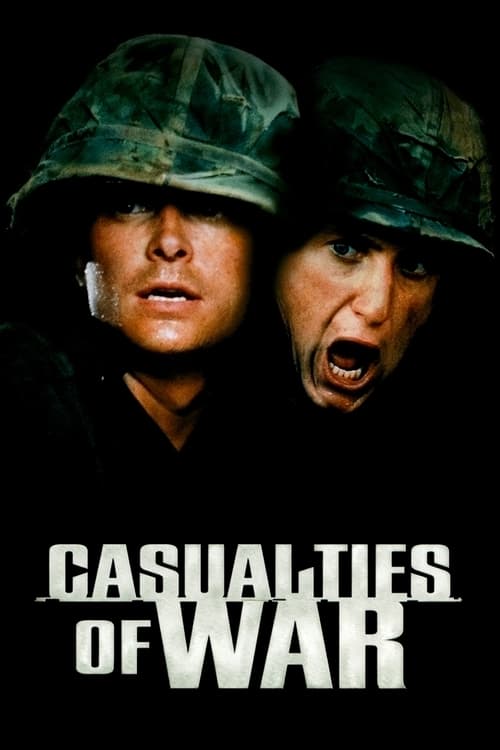
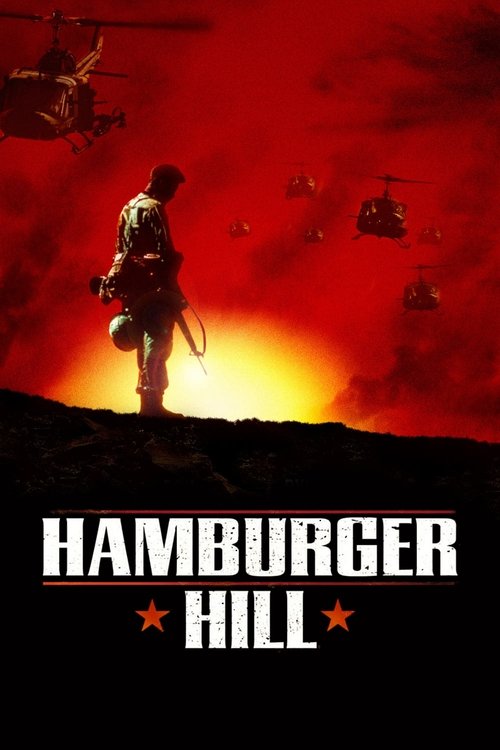
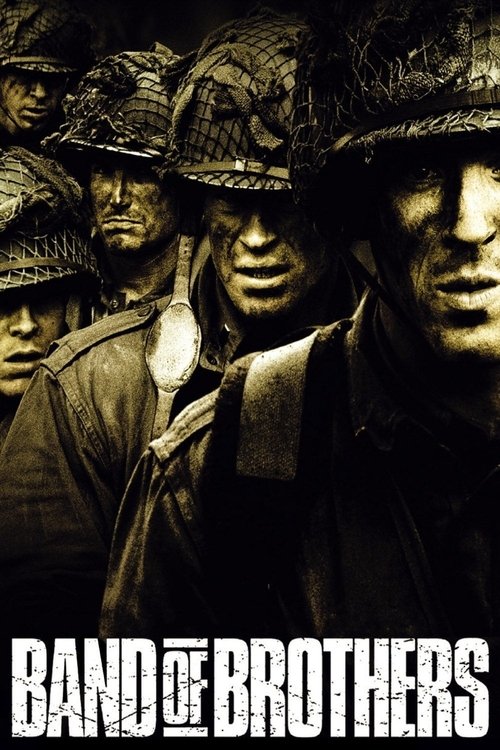
If You Love Full Metal Jacket: The Institution as Crucible
Series and films where a system grinds individuals into its shape

If You Love Full Metal Jacket: The Source and Its Cousins
The novel behind the film and books that map the same psychological territory


If You Love Full Metal Jacket: Games That Take War Seriously
Games where combat is cost, not reward
The Two-Act Break Is the Argument
Kubrick's decision to make the Parris Island sequence feel complete, almost like a short film in itself, is not a structural quirk. It is the thesis. By the time Private Pyle fires that rifle, we have watched the military turn a human being into something else entirely. The second half in Vietnam does not contradict that reading; it confirms it. The soldiers in Hue are not broken men. They are finished products. That is the colder horror.
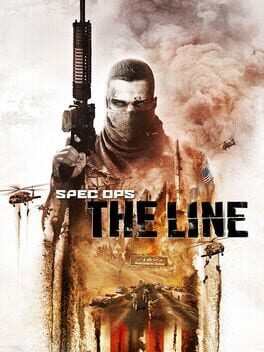
Spec Ops: The Line Is the Video-Game Equivalent
Yager's 2012 shooter wears Apocalypse Now on its sleeve, but its real ancestor is Full Metal Jacket: it uses the genre's own conventions as the weapon, making players repeat actions they have been rewarded for in other games and then forcing them to look at the results. The famous white phosphorus scene is Kubrick's structural move in controller form. If you finished the film asking what you were supposed to feel, Spec Ops asks the same question with your thumbs on the triggers.
Gustav Hasford Wrote It Leaner and Angrier
The source novel, The Short-Timers, is shorter and more savage than the film. Hasford served in Vietnam as a combat correspondent and wrote with the clipped, dark humor of someone who had no patience for sentiment. The film softens nothing, but the book is even more compressed. Kubrick and Hasford co-wrote the script with Michael Herr, whose own memoir Dispatches is the other essential document of that war's particular insanity.
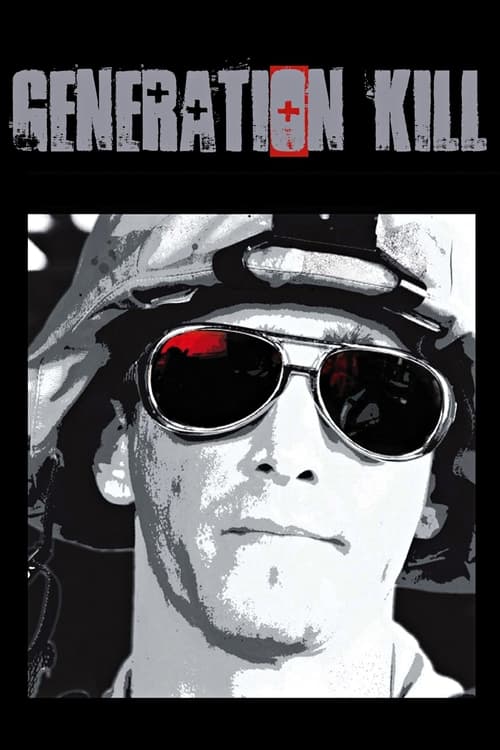
Generation Kill Gets the Tone Exactly Right for TV
David Simon and Ed Burns's 2008 HBO miniseries about the 2003 invasion of Iraq is the closest television has come to Full Metal Jacket's register. It has the same gallows humor, the same institutional absurdism, the same refusal to separate the men from the machine that made them. Based on Evan Wright's embedded journalism, it treats its subjects with the kind of unsentimental respect that never tips into either hero worship or condemnation.
The Film in Context
- 1977Gustav Hasford publishes The Short-Timers, the source novel
- 1979Apocalypse Now reframes Vietnam as psychological unraveling Apocalypse Now
- 1986Oliver Stone's Platoon opens; Full Metal Jacket enters production Platoon
- 1987Full Metal Jacket releases; Abigail Mead's synth score is released as a single Full Metal Jacket
- 1989Born on the Fourth of July continues Stone's Vietnam trilogy Born on the Fourth of July
- 1994The Things They Carried has already been reshaping how Vietnam is taught in schools since 1990 The Things They Carried
- 2008Generation Kill brings the same institutional lens to Iraq Generation Kill
- 2012Spec Ops: The Line translates the film's moral structure into a shooter Spec Ops: The Line
The machine and the chaos of war
For Fans of Apocalypse Now
Explore the For Fans of Apocalypse Now guide →The Marine Corps does not want robots. The Marine Corps wants killers. Do you maggots understand?Gunnery Sergeant Hartman, Full Metal Jacket (1987)