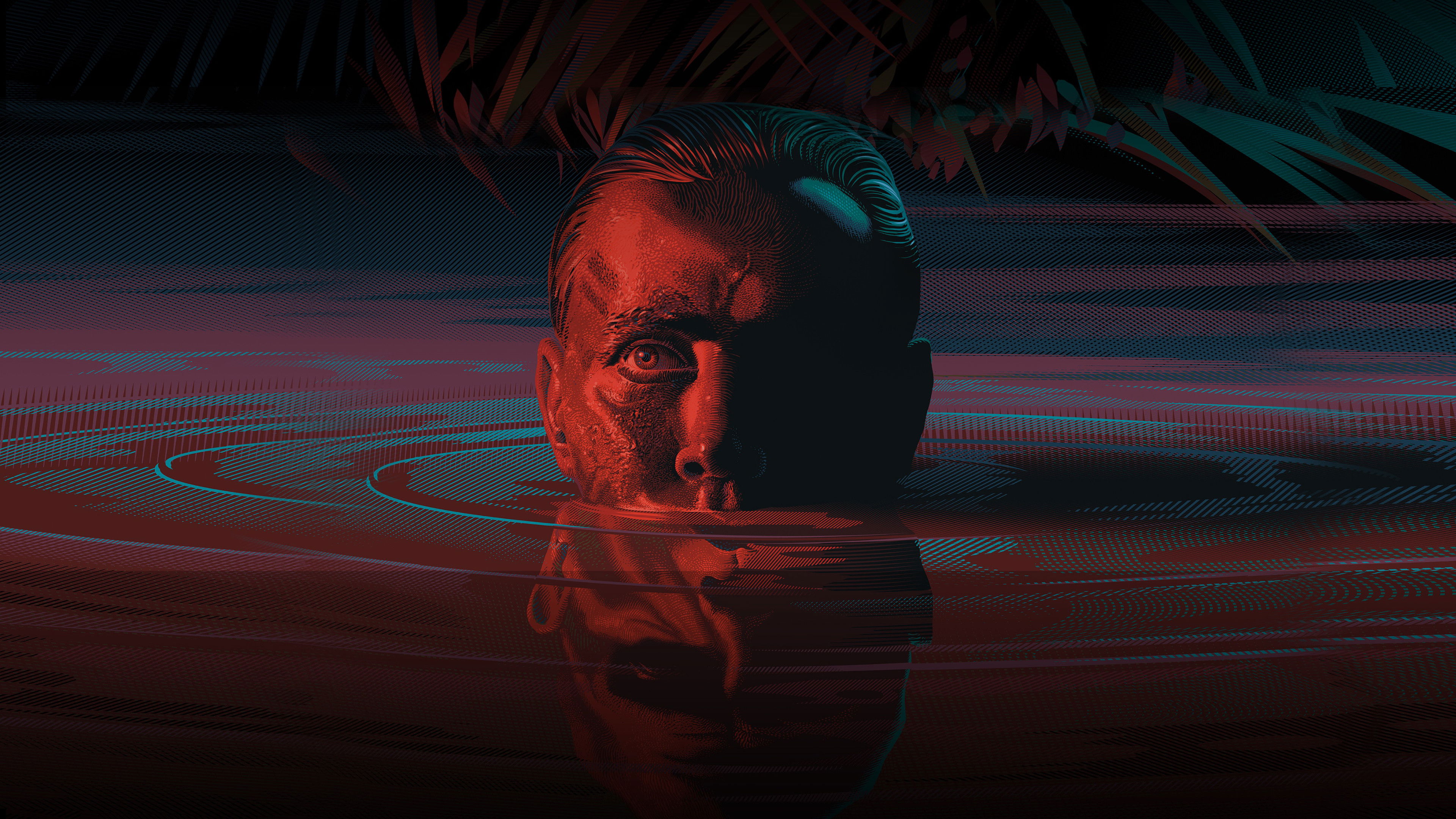

What Apocalypse Now offers is not a war story in any conventional sense. Francis Ford Coppola adapted Joseph Conrad's Heart of Darkness, transposing it from colonial Africa to Vietnam, and the result is something closer to a fever dream than a film: a river journey into escalating unreality, where each stop strips away another layer of military order until Willard reaches Kurtz and finds the horror is not a man but a mirror. The through-line fans chase is not combat spectacle but a specific psychological vertigo, the feeling of watching reason corrode under its own logic. Ride of the Valkyries blasting from helicopter speakers, Marlon Brando whispering in shadow, the burning jungle at dusk: these images have weight because the film earns its derangement honestly.
Essential Apocalypse Now
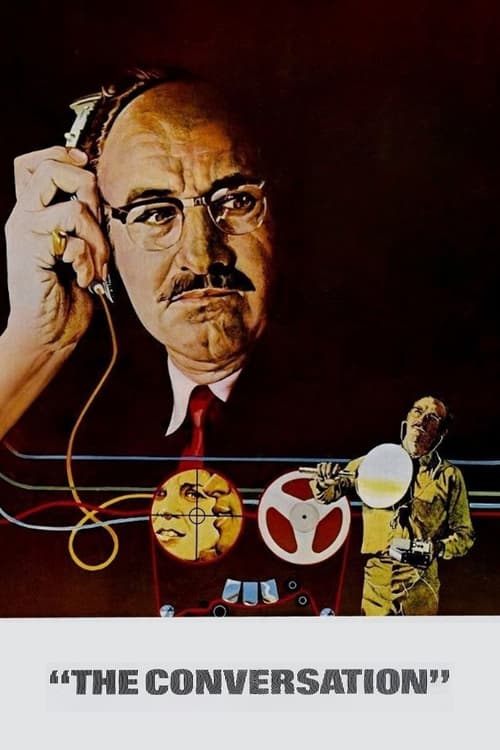
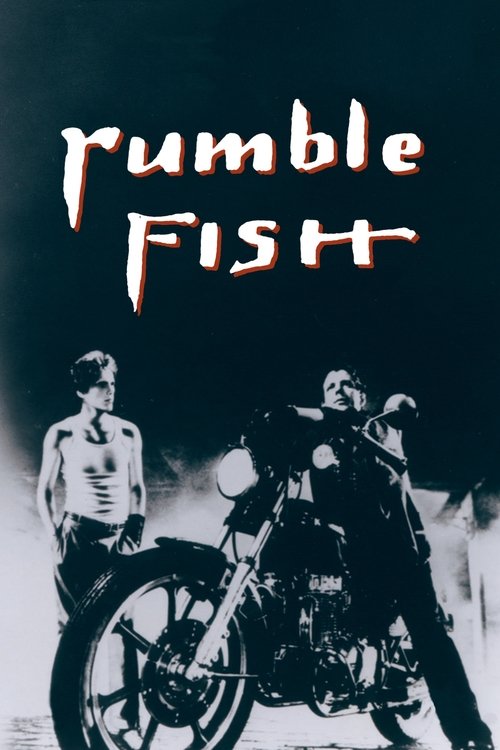
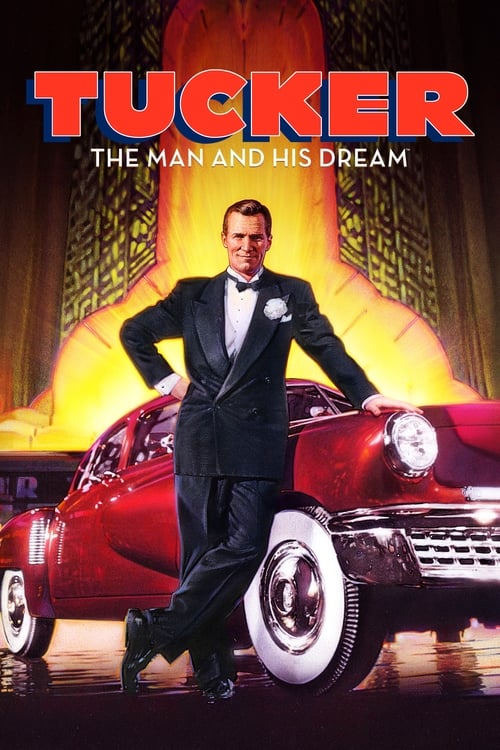
Coppola's own visions of power, chaos, and collapse
Same War, Different Angle
Films that look at Vietnam, combat, and moral disintegration
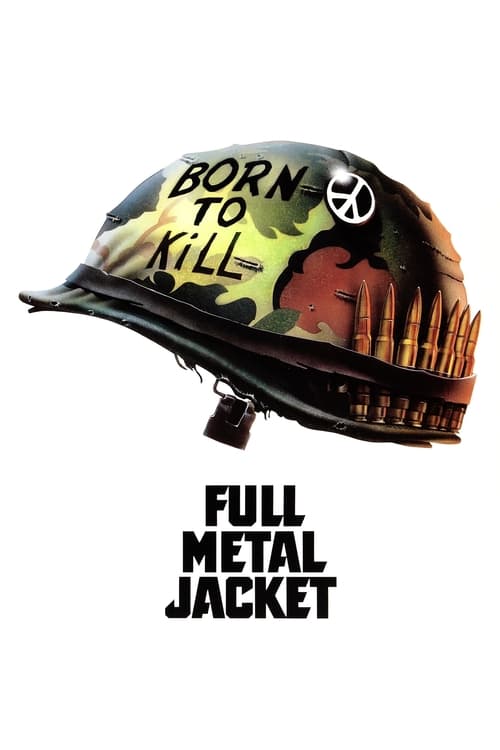
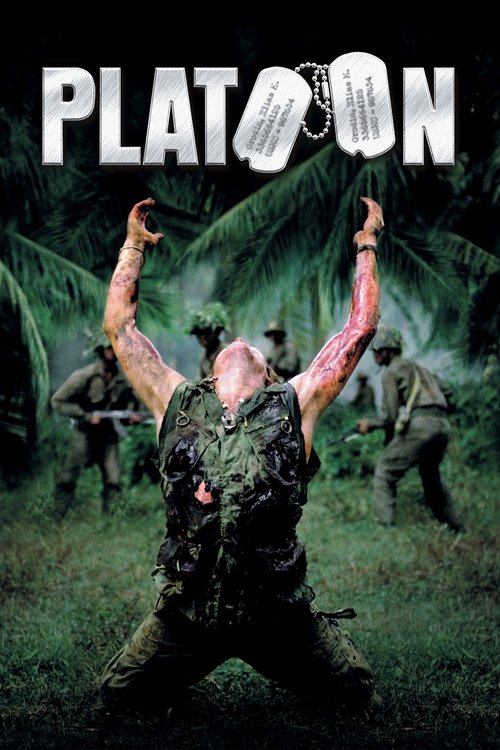
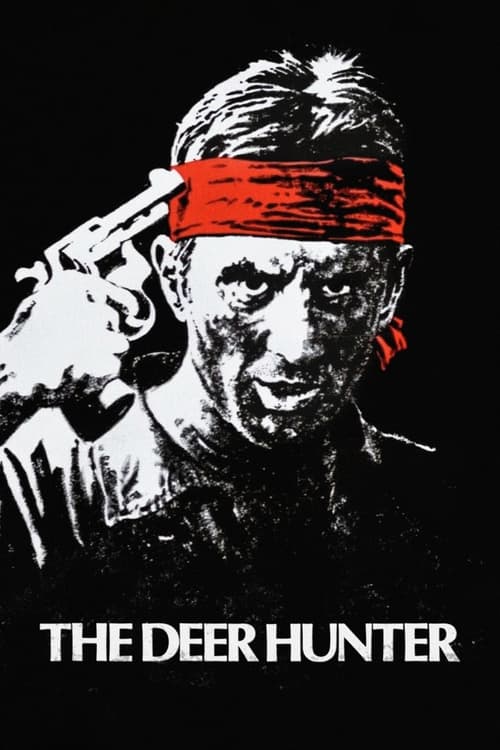
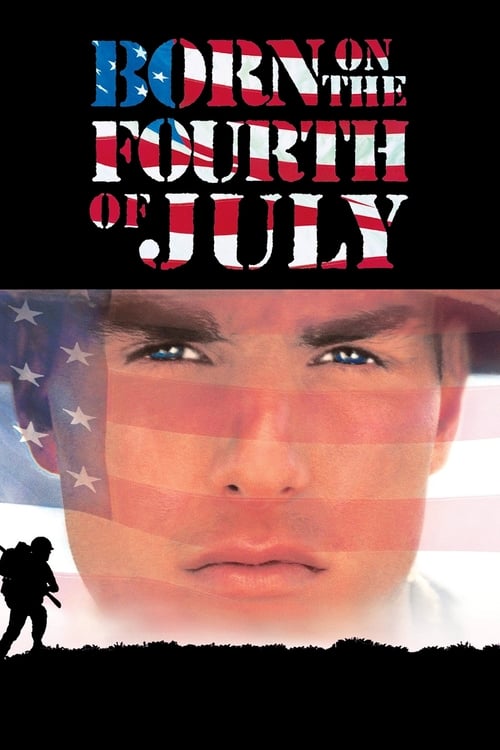
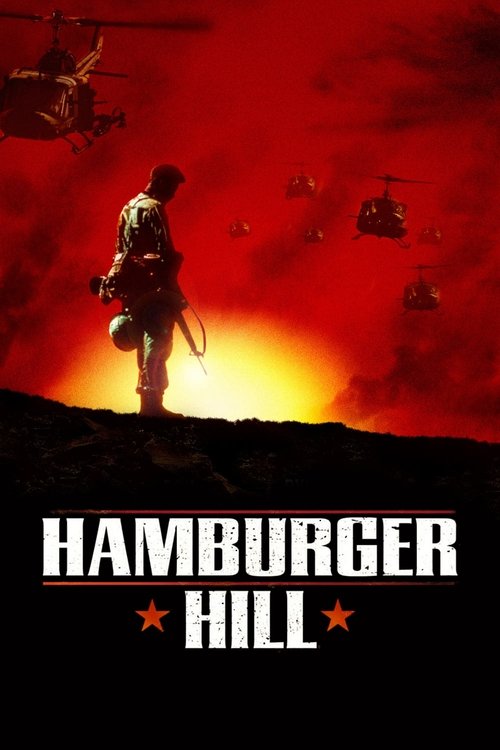
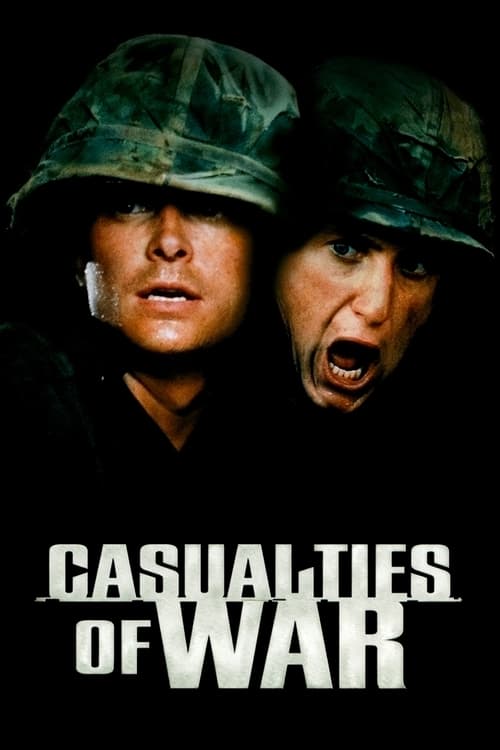
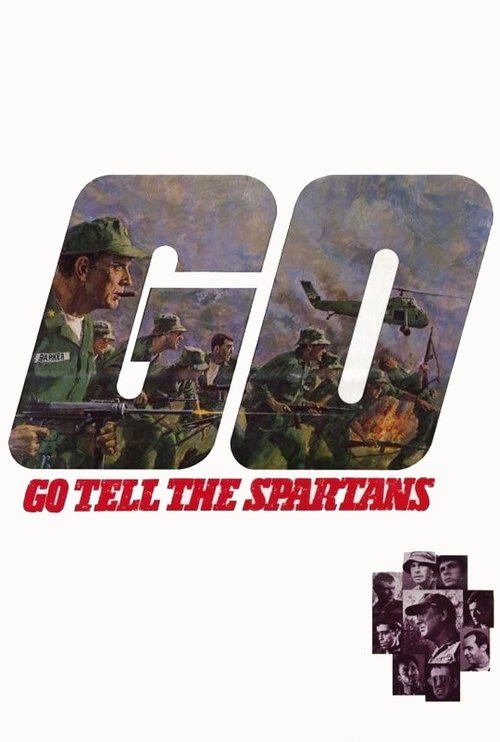

The Journey Into Darkness
Films where the mission unravels and the protagonist changes shape
Same DNA on the Small Screen
Series that live in the same territory of power, ideology, and slow moral collapse


The Books Behind the Journey
Novels that share the film's obsessions: colonialism, the abyss, men undone by power


Games That Share Its Dread
Games where authority hollows out, the mission corrupts, and the jungle has teeth

The Score and the Soundtrack
Music that shaped the film and albums that carry the same electric darkness
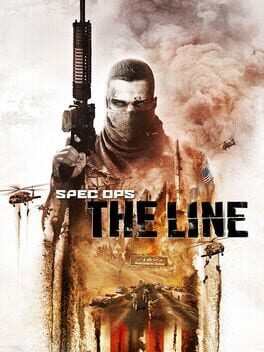
Spec Ops: The Line Is Apocalypse Now in a Controller
Yager's 2012 shooter is the most direct inheritor of Apocalypse Now outside of literature. Its structure mirrors Conrad and Coppola almost beat for beat: a soldier sent to find a rogue commander, a journey that strips away the moral certainty that made the mission possible, a climax that asks who the real monster is. What makes it remarkable is that it uses the shooting mechanics of a blockbuster military game to implicate the player directly. You cannot simply watch the atrocity happen. You pulled the trigger.
Werner Herzog Was Running the Same Experiment
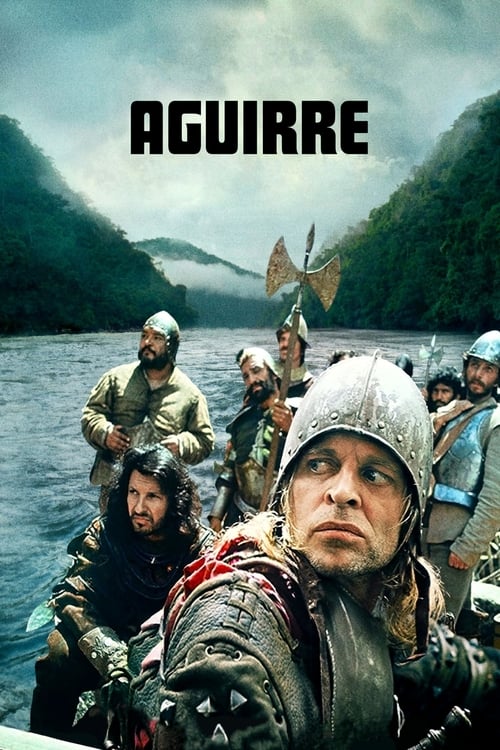
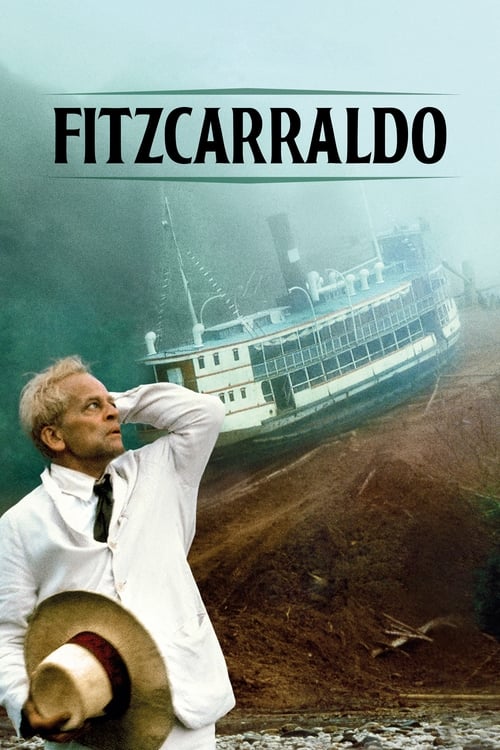
Aguirre, the Wrath of God arrived six years before Apocalypse Now, with Klaus Kinski embodying the same archetype Brando would later occupy: a man who mistakes grandiosity for destiny and leads his followers to ruin on a jungle river. Herzog shot in the actual Amazon under genuinely difficult conditions, and the film has the same hallucinatory texture as Coppola's. Both directors were making films about themselves as much as their subjects, and both ended up with something stranger and more honest than fiction.
Dispatches Is the Book the Film Breathes
Michael Herr wrote the narration for Apocalypse Now, and his 1977 memoir Dispatches explains why his voice fits the film so perfectly. Herr went to Vietnam as a journalist and came back with something that reads less like reportage and more like the testimony of a man who survived a psychedelic catastrophe. The prose is hallucinatory, funny, and absolutely precise about the specific texture of that war, the way boredom and terror alternated, the way language mutated under pressure. No other book comes as close to the film's inner temperature.
The Thin Red Line Asked the Same Question More Quietly
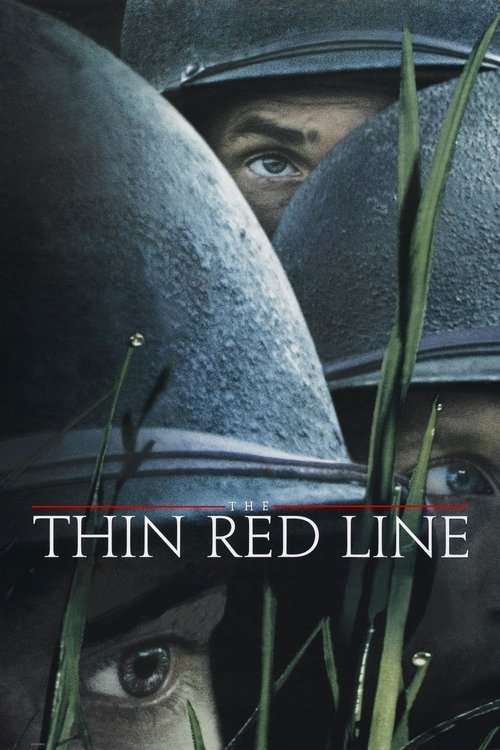
Terrence Malick's 1998 World War II film occupies the opposite end of the spectrum from Apocalypse Now: where Coppola is operatic, Malick is contemplative. But both films refuse to make war legible. The Thin Red Line asks what nature makes of human violence and receives no comforting answer. Its soldiers are not heroes or villains but men briefly present in a world that will outlast them by millennia. The philosophical vertigo is the same even when the aesthetic temperature is completely different.
A River Journey: Key Moments in the Film's Legacy
- 1899Joseph Conrad publishes Heart of Darkness, the novella that provides the structural skeleton for the film.
- 1967John Milius writes an early screenplay draft, setting the adaptation in Vietnam.
- 1976Principal photography begins in the Philippines. The production runs catastrophically over schedule and budget.
- 1977Michael Herr publishes Dispatches, which will later shape the film's narration.
- 1979Apocalypse Now premieres at Cannes, where it wins the Palme d'Or alongside The Tin Drum. Apocalypse Now
- 1991Hearts of Darkness: A Filmmaker's Apocalypse documents the chaotic production. Hearts of Darkness: A Filmmaker's Apocalypse
- 2001Apocalypse Now Redux, an extended cut with 49 additional minutes, receives a theatrical release. Apocalypse Now
- 2012Spec Ops: The Line reimagines the Heart of Darkness / Apocalypse Now structure as a third-person shooter. Spec Ops: The Line
More war, madness, and the jungle
The Vietnam War
Explore the The Vietnam War guide →The horror has a face, and you must make a friend of horror. Horror and moral terror are your friends. If they are not, then they are enemies to be feared.Colonel Kurtz, Apocalypse Now (1979)