
The Director Who Treats History Like a Crime Scene
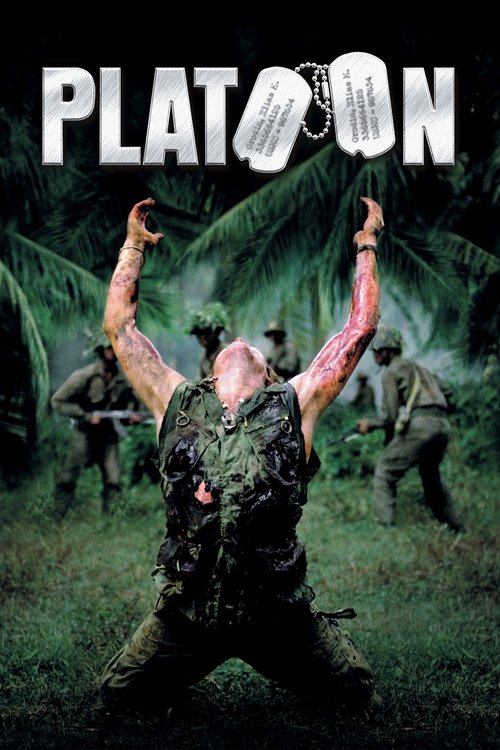
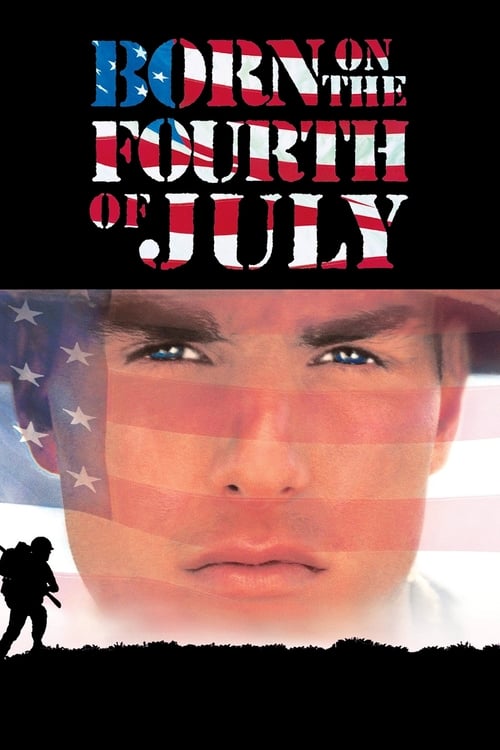
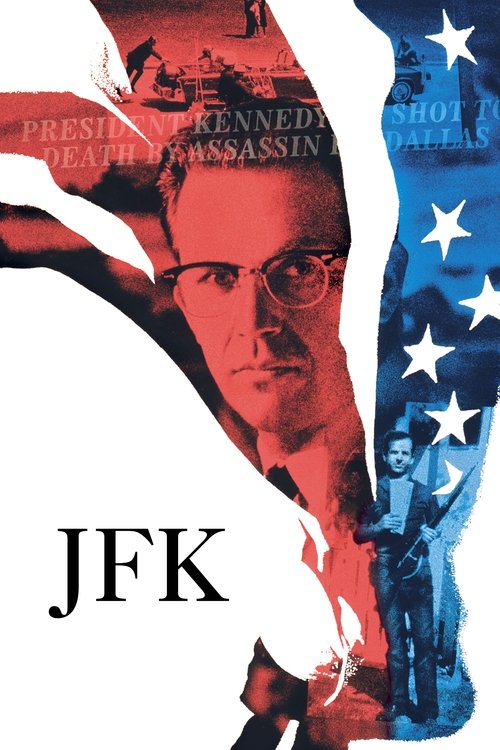
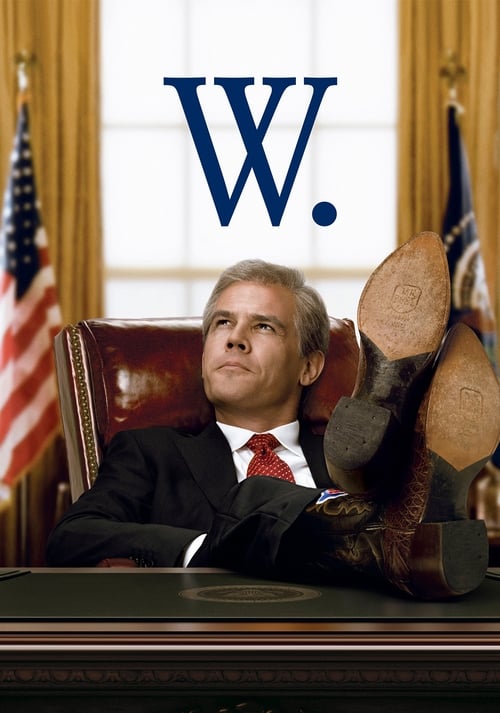
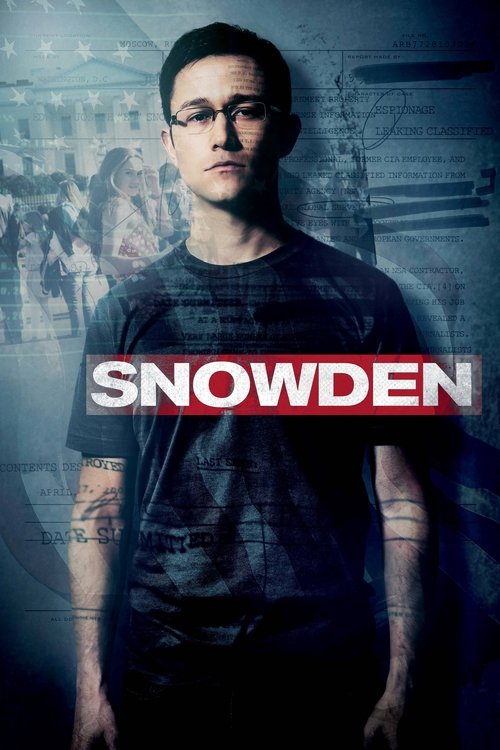
Oliver Stone made his name by insisting that America's official story is always a cover-up. Born in 1946, a Vietnam veteran before he was a filmmaker, he brought the war home in Platoon (1986) and Born on the Fourth of July (1989) with a visceral anger that was not available to people who had only read about it. What followed was one of the most combative filmographies in Hollywood: JFK, Nixon, W., Snowden, a long arc of portraits of men who held or chased extraordinary power and were destroyed or corrupted by it.
The texture of a Stone film is distinctive and divisive. The camera moves as if the director is afraid of missing something. The editing is percussive, sometimes hallucinatory, cutting between film stocks and aspect ratios to make the past feel unstable and contested. The performances he pulls are operatic: Tom Cruise, Al Pacino, Anthony Hopkins, Josh Brolin, all turned up to frequencies most directors never ask for. His politics are confrontational in a way that is not neatly left or right, which is one reason his reputation keeps shifting. What stays constant is the conviction that the stories we are told are insufficient, and that cinema has an obligation to push back.
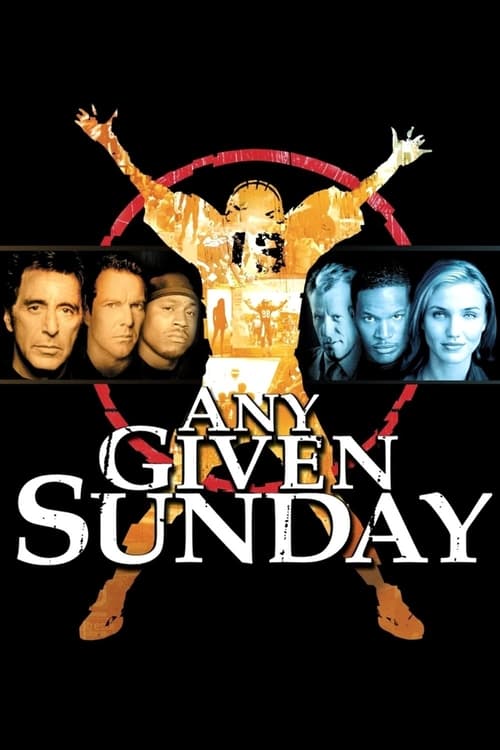
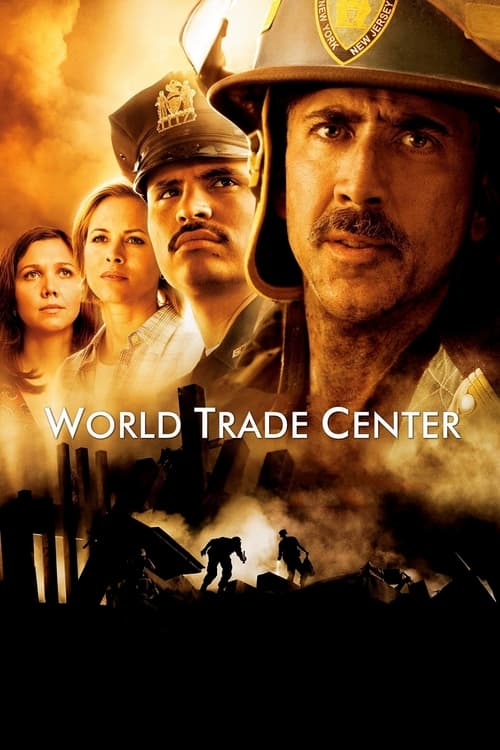
Essential Oliver Stone
His own films, from the combat zones to the corridors of power

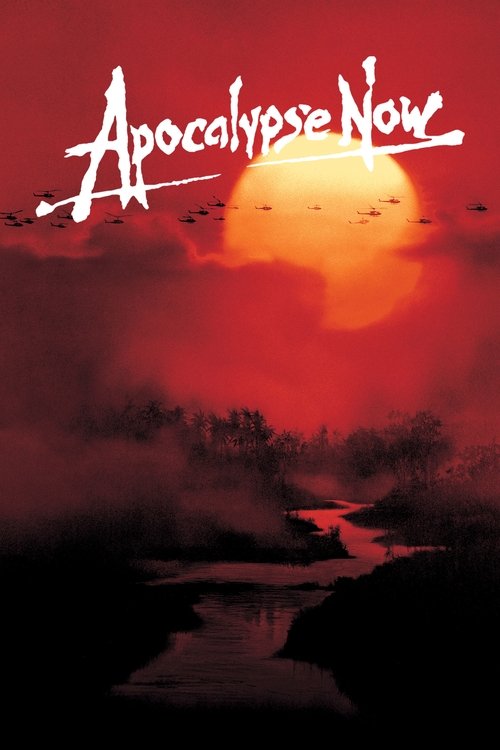
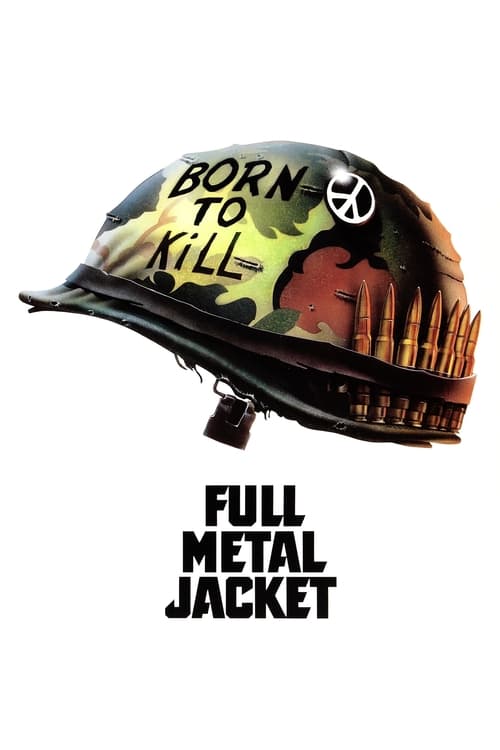
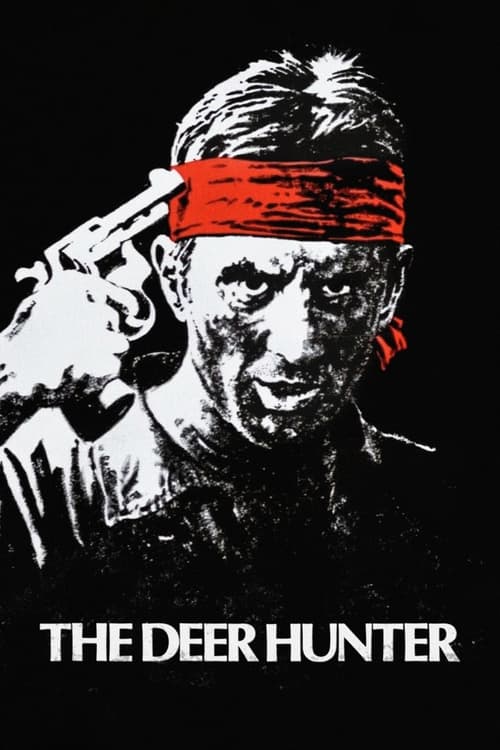
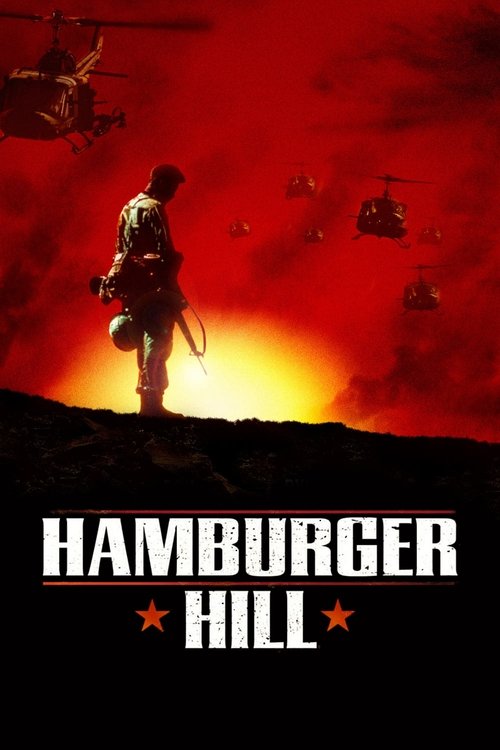
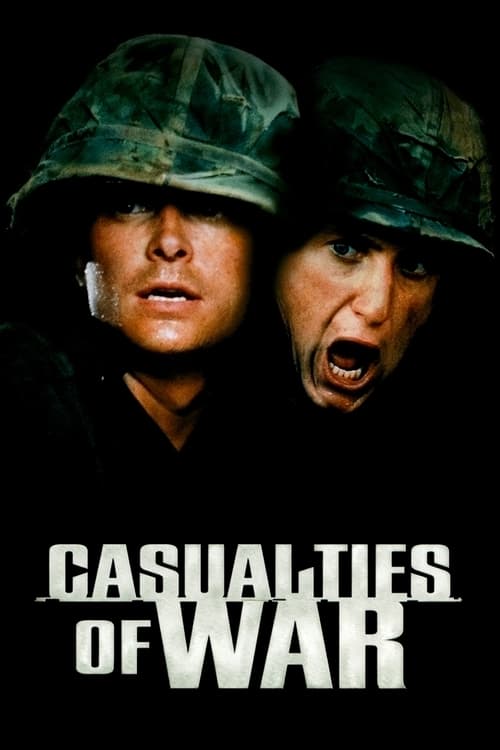
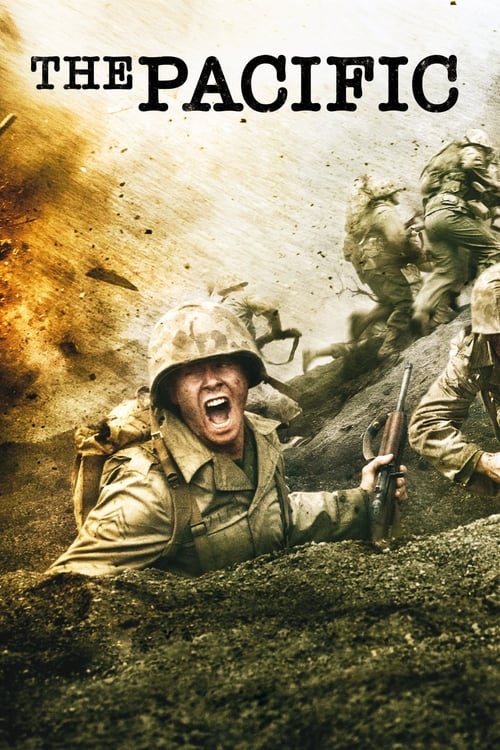
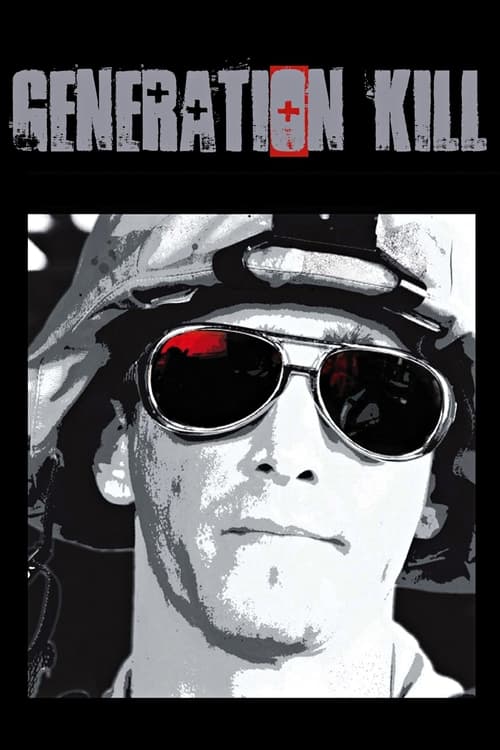
The Other War Movies That Do Not Lie
Combat films with the same refusal to make violence heroic or clean


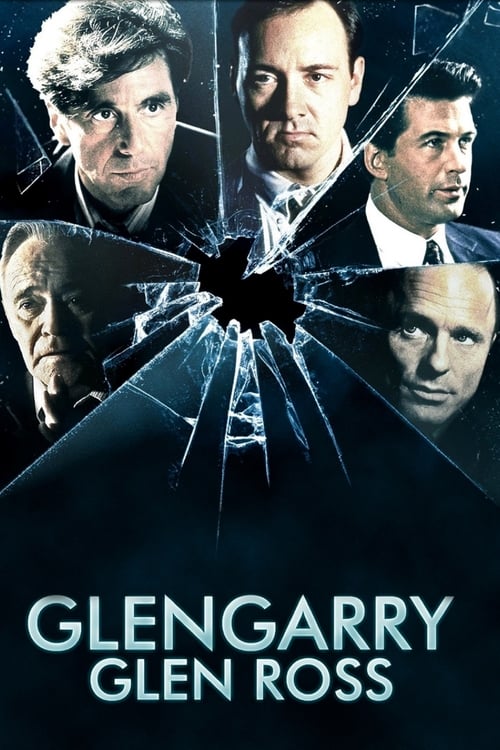
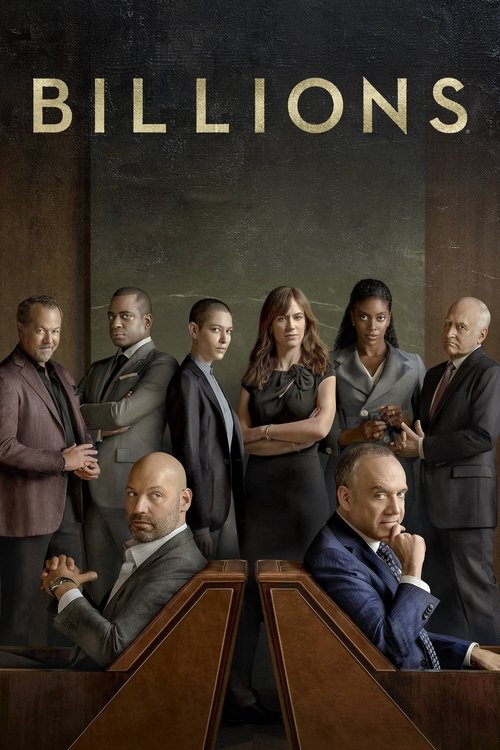
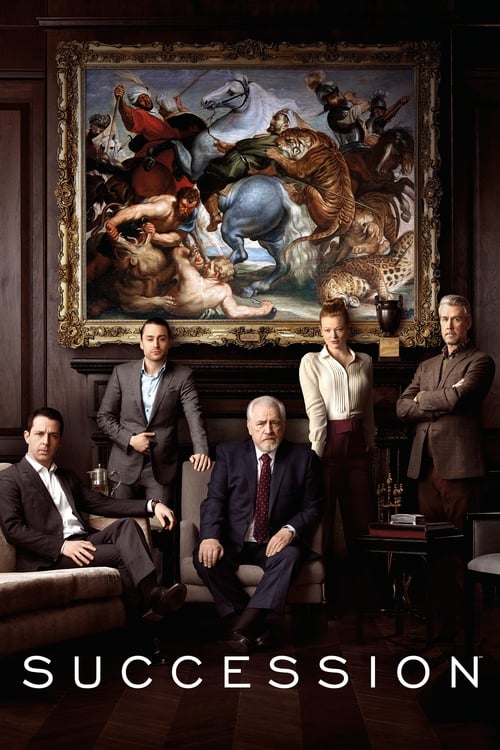
Power, Corruption, and the Men Who Wanted Both
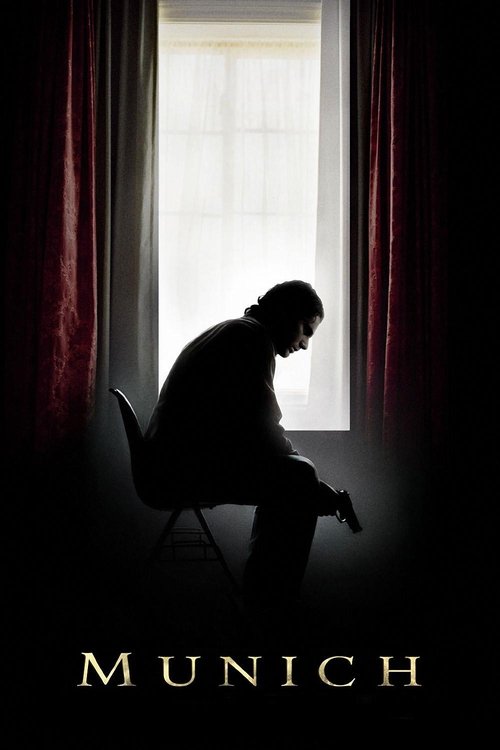
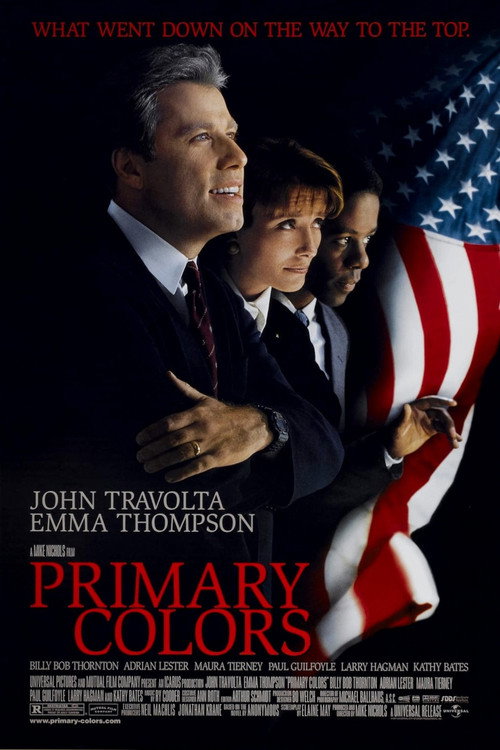
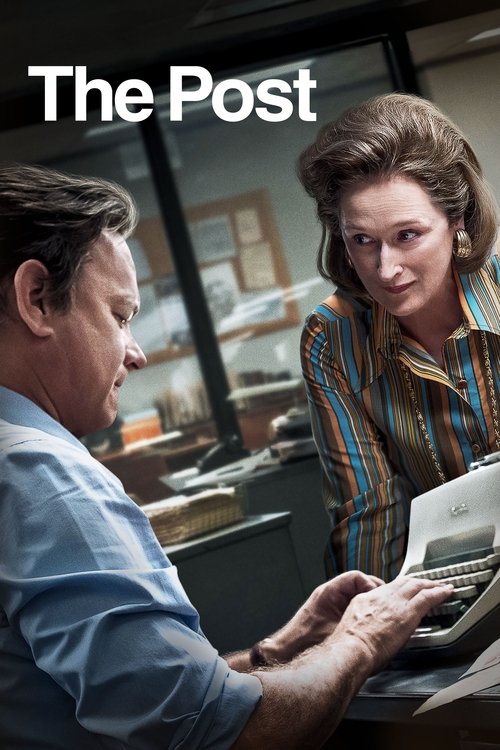
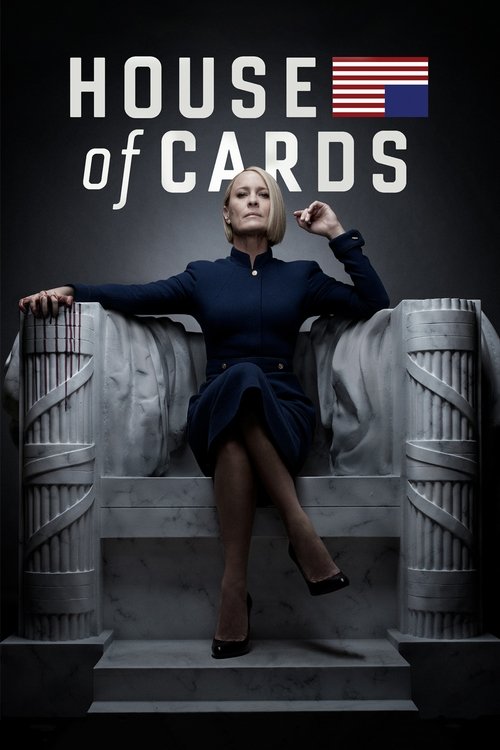
Political thrillers and portraits of ambition that share Stone's cold-eyed anger
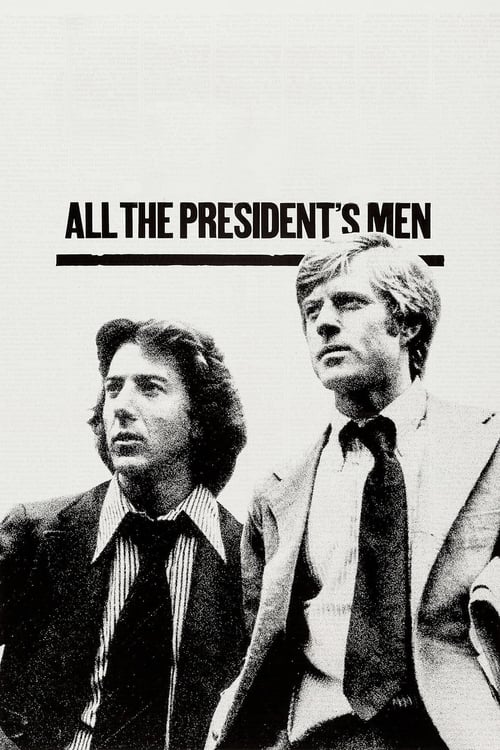
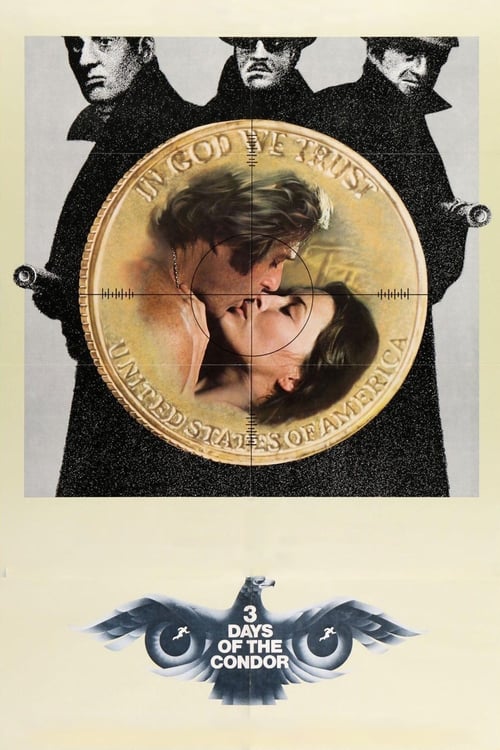
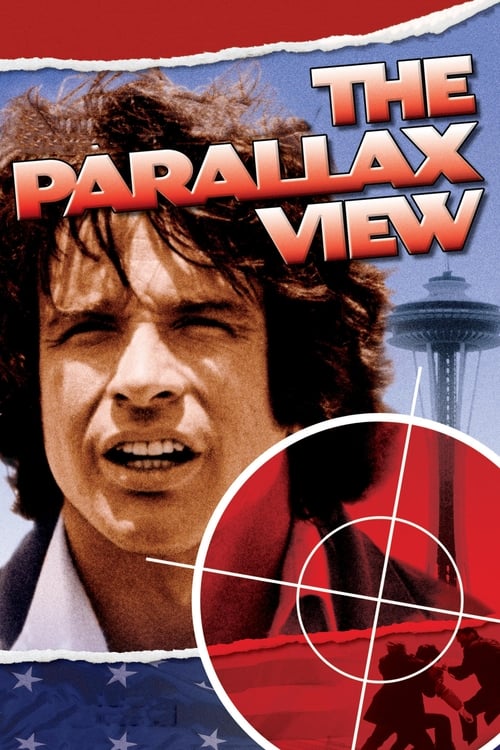
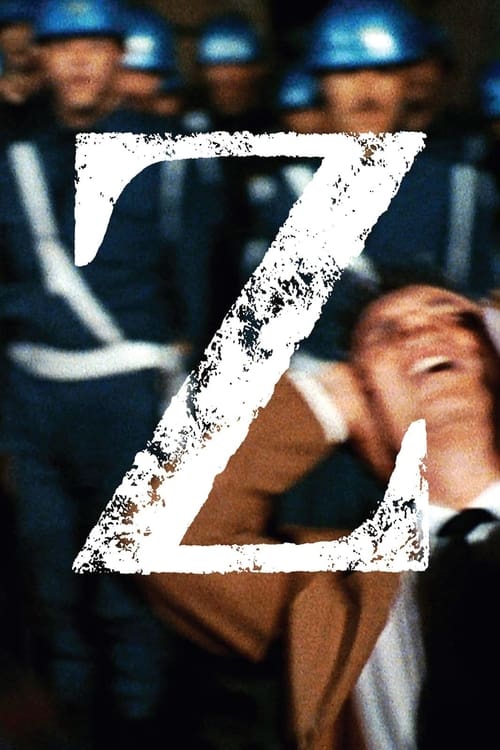
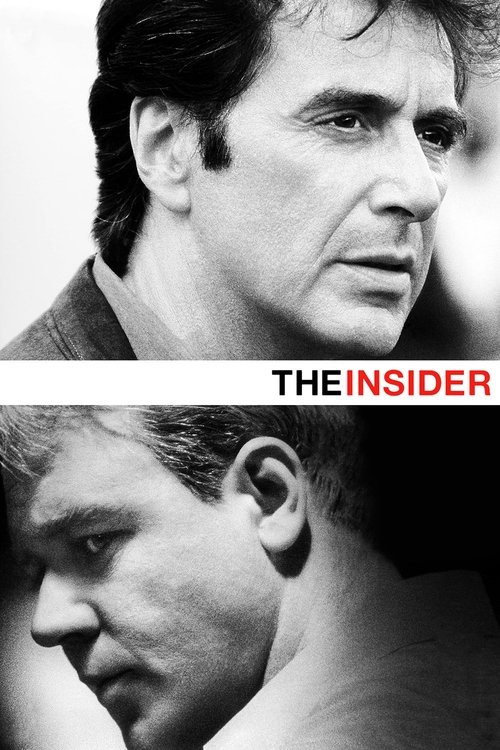
The Conspiratorial Mind
Films, shows, and books for when you are convinced the official account is incomplete

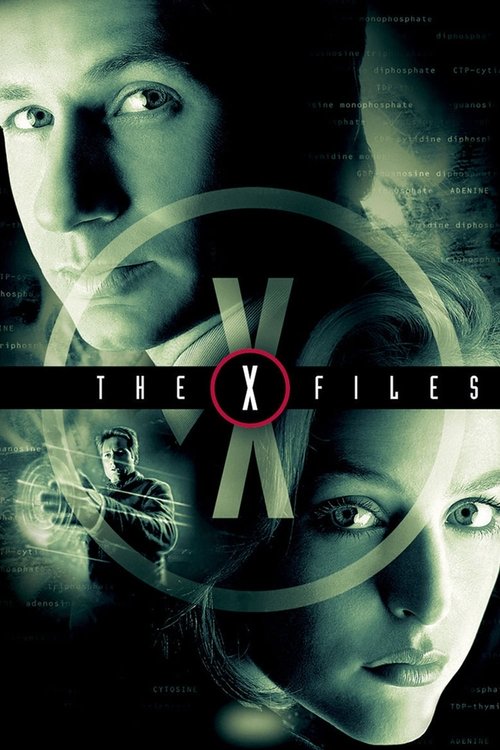


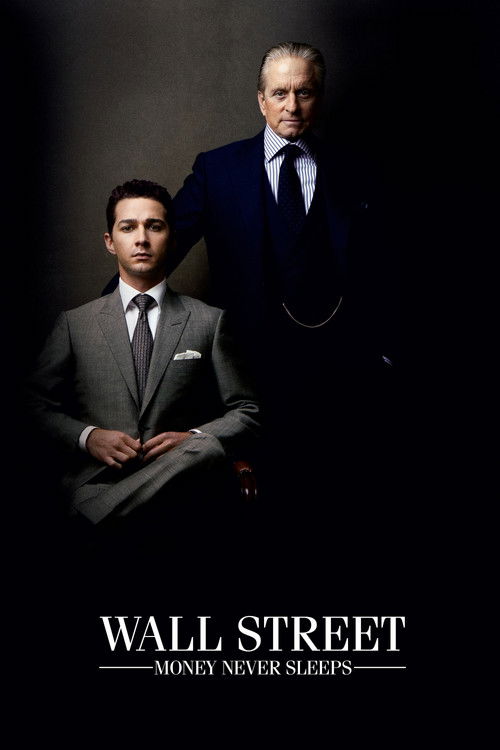
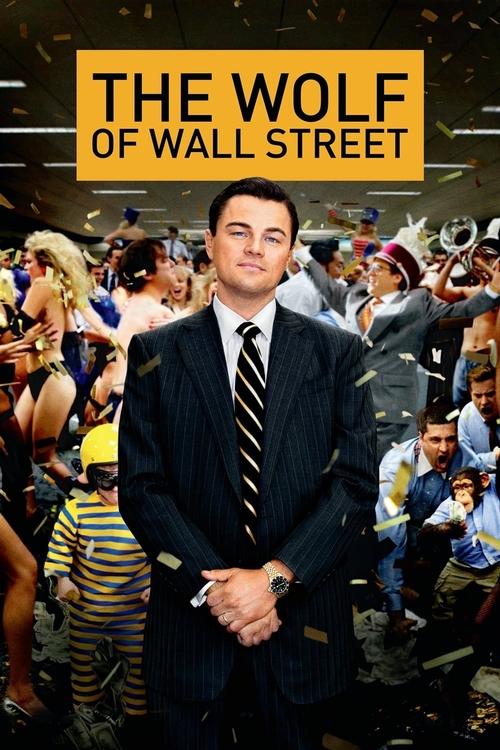
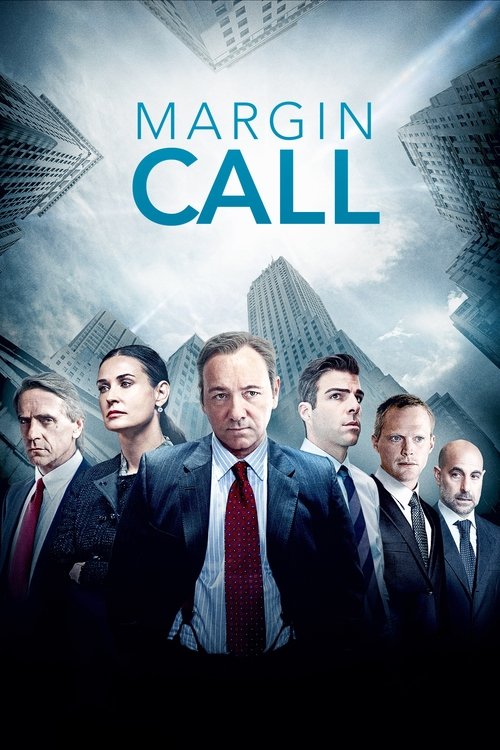
Maximum Pressure: Film and Greed in the 1980s
Capitalism as spectacle, speed, and moral collapse, from Stone's own Wall Street to its cousins



Start with Platoon, not JFK
Platoon is the entry point because it earns everything Stone later does with scale and spectacle. It is personal before it is political. He fought in Vietnam; the film knows what mud and fear and moral collapse actually feel like. Once you have felt its ground-level weight, every subsequent film makes more sense: you understand why he is so angry, and why the camera can never quite hold still.
Salvador is the one people forget, and it should not be
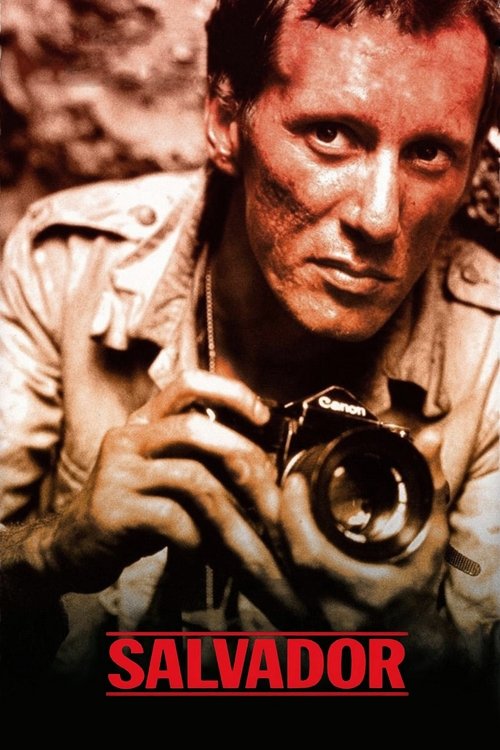
Made just before Platoon on an almost non-existent budget, Salvador stars James Woods as a morally compromised freelance journalist covering the Salvadoran civil war. It is rawer and faster than anything else in Stone's filmography, and it shows a director working with pure urgency before the studios gave him the means to be grandiose. If you have only seen his bigger films, this will reset your sense of what he can do.
The spiritual successor is not in Hollywood, it is on television
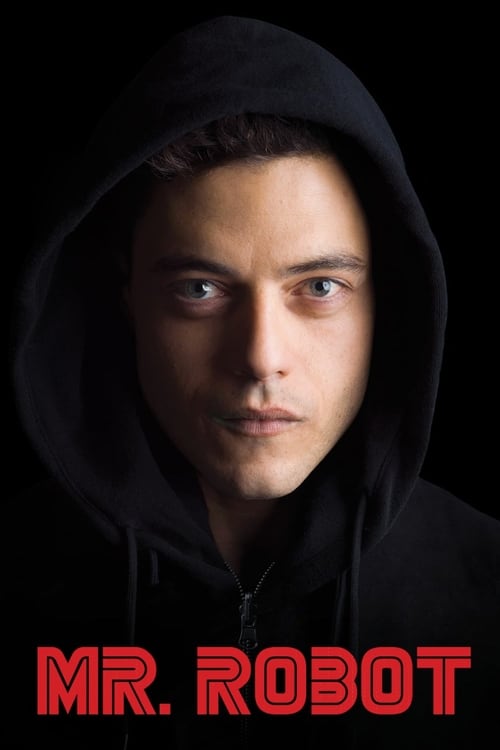
Mr. Robot is the closest television has come to Stone's particular frequency: paranoid, formally restless, convinced that the systems running our lives are fraudulent, and willing to use every cinematic trick available to make that case. Sam Esmail shoots television the way Stone shoots history, with intent and controlled aggression. The debt is real, even if it goes unacknowledged.
For the conspiratorial deep-dive, read Don DeLillo
Libra, DeLillo's novel about Lee Harvey Oswald, covers the same territory as JFK and reaches genuinely different conclusions through the novelist's tools rather than the filmmaker's. Where Stone hammers at conspiracy with evidence and cross-cutting, DeLillo inhabits the interior lives of the people involved and makes the uncertainty feel existential rather than accusatory. Read it alongside JFK for the full argument; then read American Tabloid to see what James Ellroy does with the same raw material when he decides that everyone is guilty.
Stone's Career in Flashpoints
- 1978First feature: The Hand (horror)
- 1983Wrote Scarface (screenplay)
- 1986Salvador + Platoon back-to-back Platoon
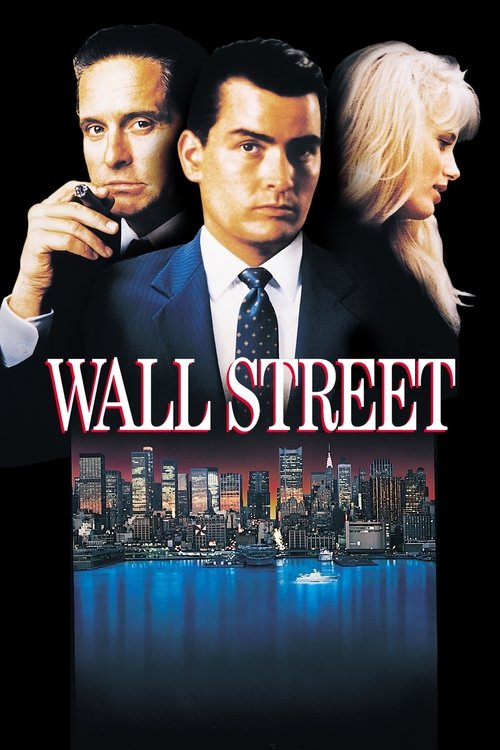
- 1987Wall Street: Gordon Gekko enters the culture Wall Street
- 1989Born on the Fourth of July: second Oscar Born on the Fourth of July
- 1991JFK ignites a national debate JFK
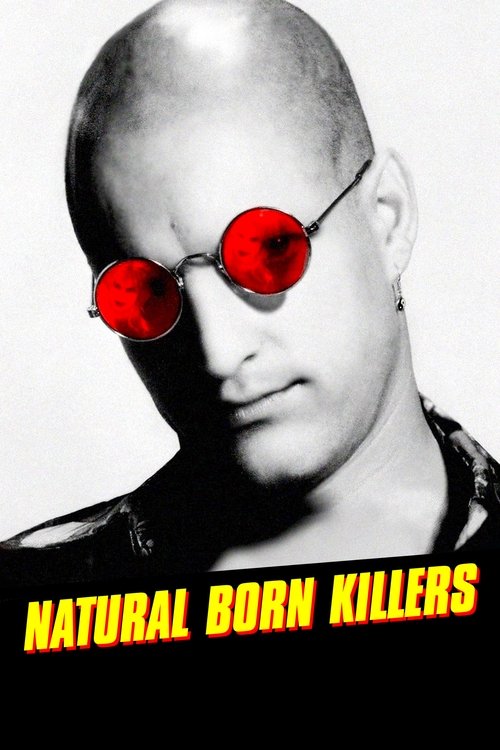
- 1994Natural Born Killers: media satire at maximum volume Natural Born Killers
- 1995Nixon: the other great presidential portrait Nixon
- 2016Snowden: whistleblowing as action cinema Snowden
More political fury and conspiracy
Political Intrigue & Power
Explore the Political Intrigue & Power guide →Cinema is a mirror by which we often see ourselves more clearly than we would like.Oliver Stone