

Magical realism does not announce itself. A dead woman keeps cooking in the kitchen. A man floats six inches off the ground when he is happy. Yellow butterflies follow someone everywhere, and no one finds this remarkable. That refusal to explain, to apologize, to treat the impossible as anything other than another fact of life: that is the feeling fans of this mode chase across every medium. It is not fantasy, which builds a second world with its own rules. It is not surrealism, which delights in the logic-breaking shock. Magical realism happens in the world we recognize, in bodies and kitchens and villages and grief, and the magic is there because some truths are too large for plain sentences. The tradition runs deepest in Latin American literature, but the same spirit surfaces in West African storytelling, in Southern Gothic fiction, in Japanese anime, in art-house cinema, in games that trust the player to sit with the unexplained. What unites all of it is emotional precision: the magic always means something specific about a character, a history, a wound.
Essential Magical Realism: The Books
The foundational novels and stories that defined the mode


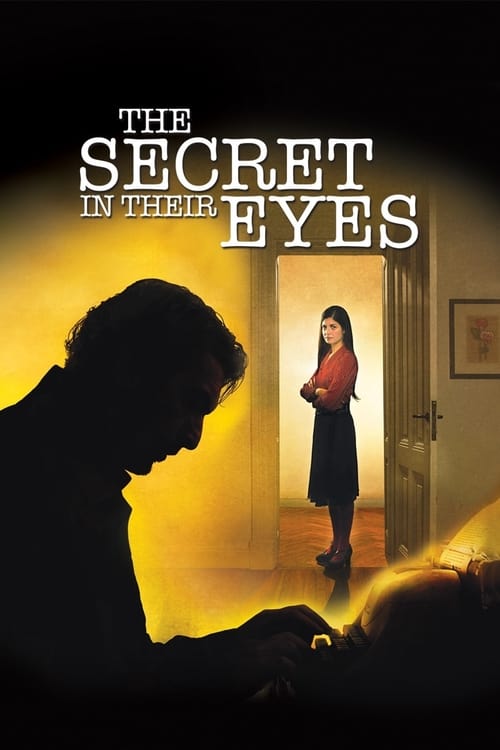
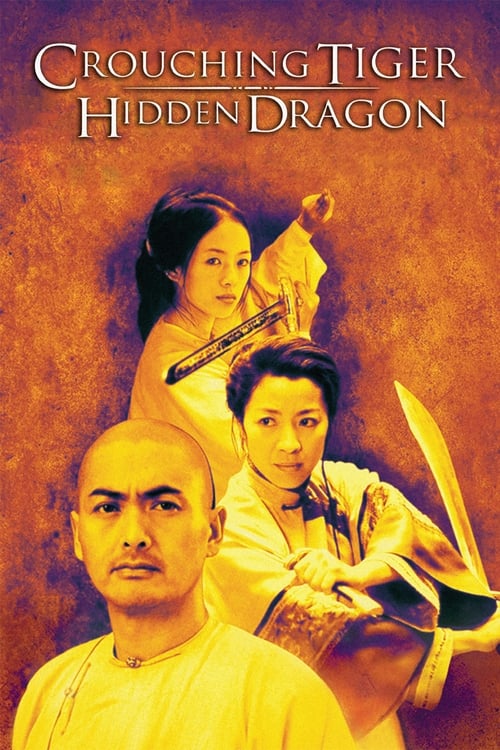
Cinema Where the Impossible Feels Inevitable
Films that carry the same spirit: the strange made tender, the real made luminous


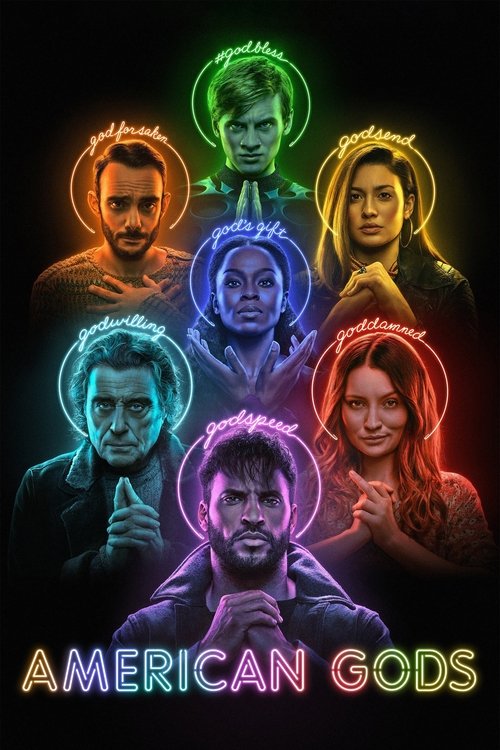
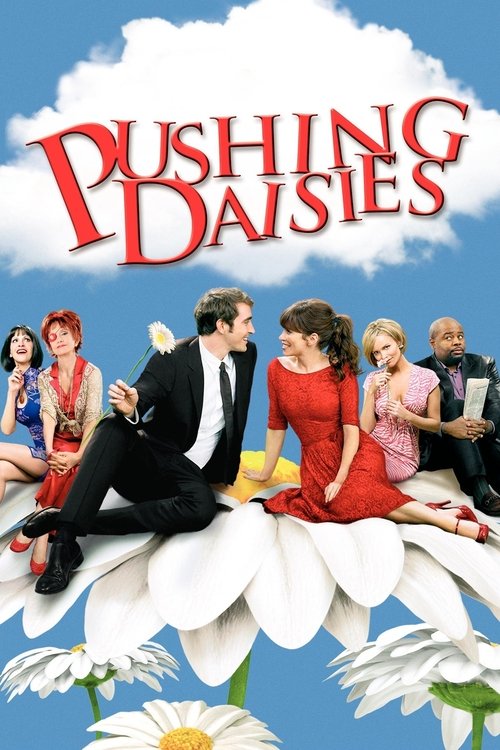
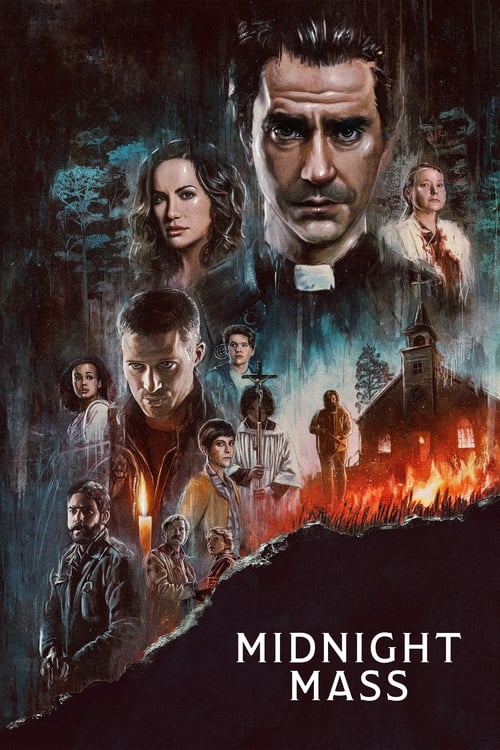
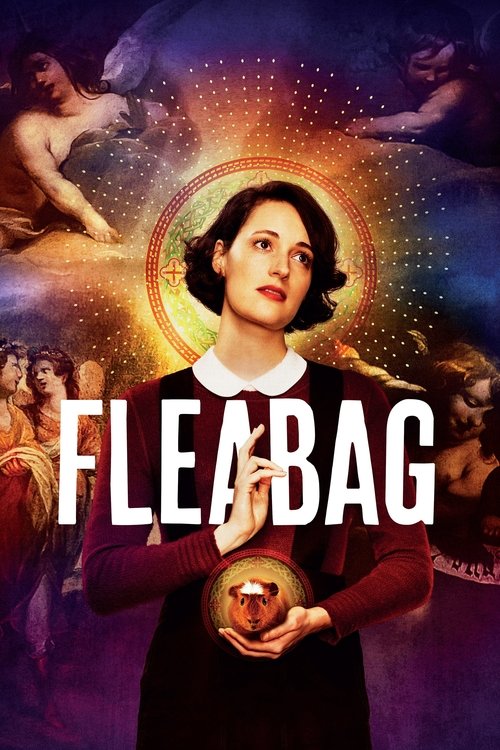
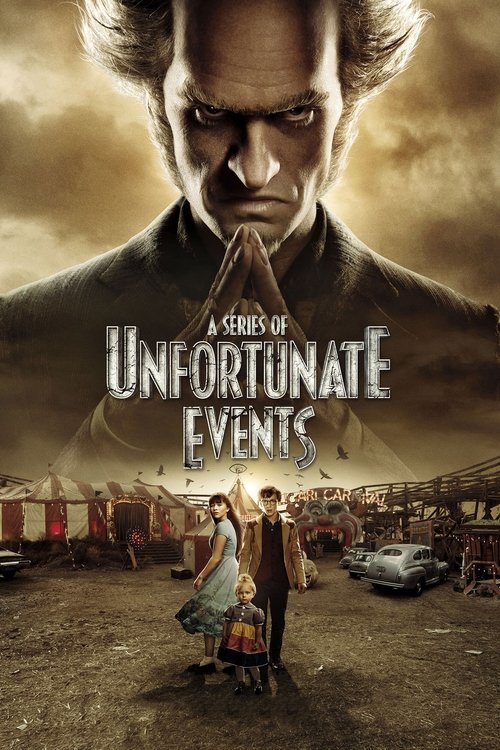
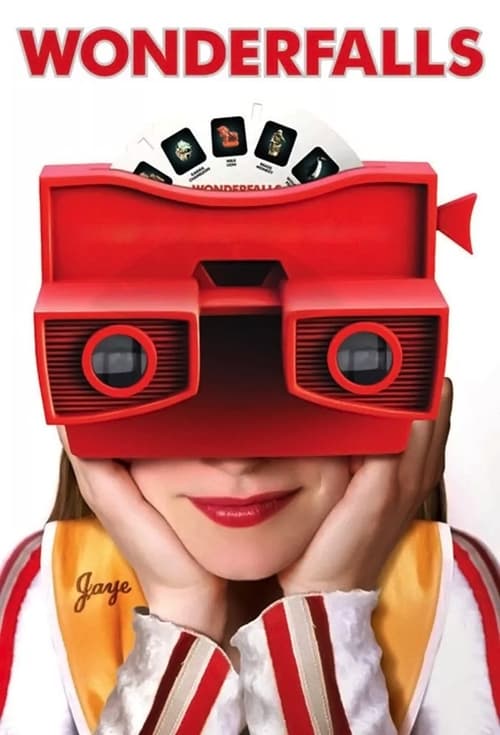
Television That Lives Between Worlds
Series that fold the uncanny into domestic and social life without blinking



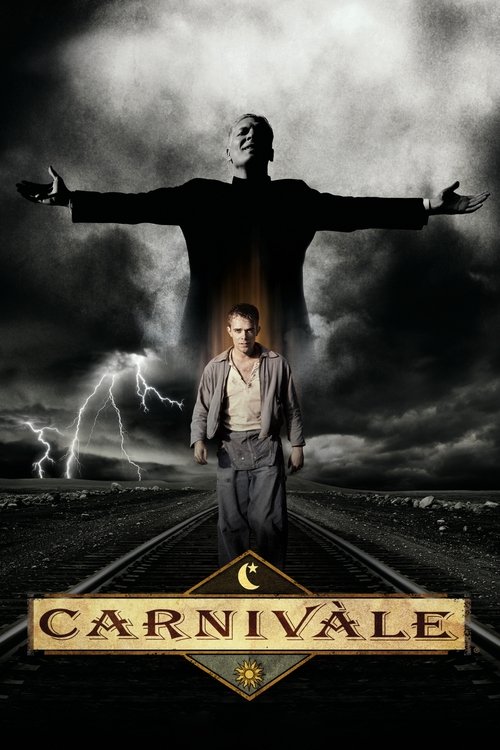
Games That Trust Silence and Strangeness
Games where the unexplained is the point, and atmosphere carries more than exposition




Music That Sounds Like a Dream You Remember Sideways
Albums and artists whose sound carries that same uncanny warmth
Garcia Marquez Did Not Invent Magical Realism, He Named the Feeling Everyone Already Had
One Hundred Years of Solitude (1967) gets credited as the origin point, but the mode existed long before the label. Alejo Carpentier called it 'lo real maravilloso' in Cuba in 1949. Gunter Grass was doing it in Germany in 1959 with The Tin Drum. Nikolai Gogol had done something adjacent in 19th-century Russia. What Garcia Marquez did was make the feeling exportable: he wrote about Macondo in a prose so calm, so matter-of-fact about the miraculous, that readers worldwide recognized it as a description of how memory and myth actually work inside a family, a community, a history. The magic was never decoration. It was the only honest way to write about a century of civil war, colonialism, and collective grief.
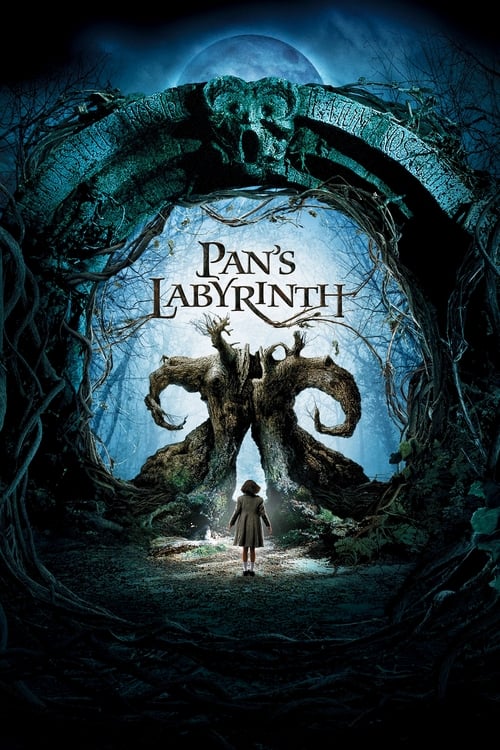
Pan's Labyrinth Is Not a Fantasy Film: The Faun Is Real
Guillermo del Toro structured Pan's Labyrinth (2006) so that the film is genuinely ambiguous about whether Ofelia's underworld is real or a coping mechanism for a child living under fascism. But the ambiguity resolves in magical realism's favor: the magic heals, the magic resists, the magic is more true than the fascist captain's brutal insistence on a single version of reality. That is the political spine of magical realism. Against authoritarian certainty, the impossible insists on its own existence. The faun is real because Ofelia's imagination is a form of survival, and survival has consequences in the real world.
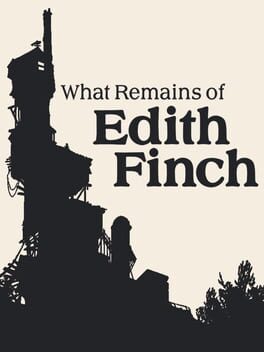
What Remains of Edith Finch Is the Purest Game Expression of the Mode
Most games that try magical realism settle for 'quirky aesthetics.' What Remains of Edith Finch (2017) gets the mode right at the structural level: each family member's death is told in a different genre (a fairy tale, a bathtub daydream, a comic-book sequence), and the choice of genre is the revelation of character. The form is the content. That is exactly what Garcia Marquez and Toni Morrison understood: the impossible mode of telling is inseparable from what is being told. Giant Sparrow built a game that Garcia Marquez could have recognized as kin.
Japanese Literature Found Its Own Path to the Same Place
Haruki Murakami arrived at magical realism without Garcia Marquez as a direct influence; he came through Kafka, through Chandler, through jazz. Yet Kafka on the Shore (2002) and The Wind-Up Bird Chronicle (1994) operate on the same principle: the uncanny is admitted without explanation, and its meaning accumulates emotionally rather than logically. Yoshida Shuichi, Yoko Ogawa, and the films of Studio Ghibli extended this into a distinct Japanese register where the magical tends to be quieter, more domestic, centered on a single charged object or threshold rather than a family saga's worth of miracles. Both traditions are worth knowing.
A History of the Mode Across Media
- 1946Alejo Carpentier coins 'lo real maravilloso' in his preface to The Kingdom of This World, locating the marvelous in Latin American history rather than European surrealism.
- 1959Gunter Grass publishes The Tin Drum in Germany, a novel narrated by a boy who stops growing and whose tin drum can shatter glass: magical realism arrives in postwar Europe. The Tin Drum, Part 2
- 1967One Hundred Years of Solitude is published in Buenos Aires. Within a decade it has been translated into dozens of languages and the term 'magical realism' enters global literary vocabulary.
- 1982Garcia Marquez wins the Nobel Prize in Literature; the citation credits him with combining the fantastic and the realistic in a richly composed world. Magical realism becomes a recognized genre.
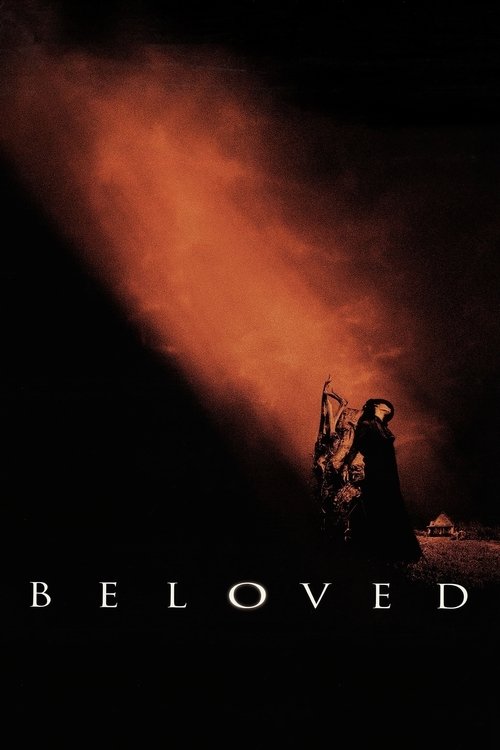
- 1987Toni Morrison publishes Beloved, bringing the mode into American slavery's history: a ghost as the weight of unacknowledged grief, the uncanny as the only adequate language for atrocity. Beloved
- 1992Salman Rushdie's The Moor's Last Sigh extends the tradition into India and the diasporic experience; magical realism becomes an increasingly global literary mode rather than a regional one.
- 1992Like Water for Chocolate adapts Laura Esquivel's novel for the screen, becoming one of the first magical realist films to reach wide international audiences. Like Water for Chocolate
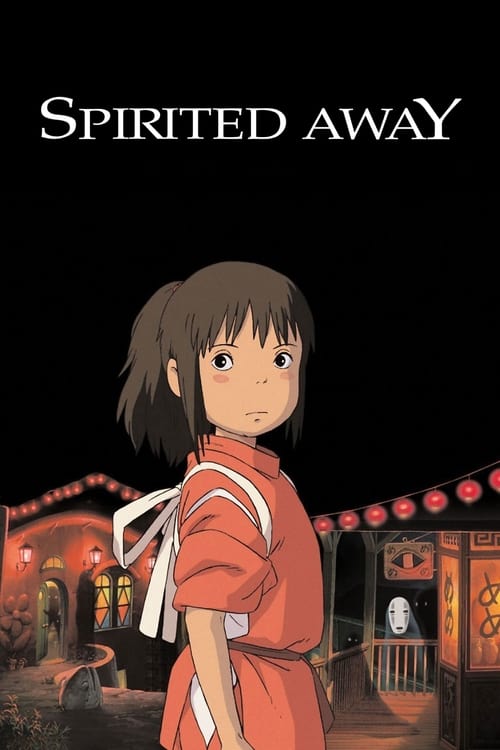
- 2001Spirited Away brings the mode into Japanese animation for a global audience; Miyazaki's version of the threshold-world (the bathhouse between spirit and human realms) becomes one of cinema's canonical magical-realist spaces. Spirited Away
- 2006Pan's Labyrinth makes the political argument explicit: in a fascist Spain, the girl's impossible faun is more real than the captain's brutal certainties. Pan's Labyrinth
- 2017What Remains of Edith Finch demonstrates that games can execute the mode at the structural level, not just the aesthetic one: different genres for different deaths, form as revelation. What Remains of Edith Finch
- 2019Disco Elysium's politically saturated, memory-haunted city (where your own failed past lives talk back to you) extends magical realism into the RPG: interiority made literal, ideology given a body.
Where the impossible feels ordinary
Magical Realism
Explore the Magical Realism guide →A person does not consist of memory alone. He has a soul, a spirit, a background. He has plants in his yard. He has feelings.Aleksandar Hemon, on writing about a city after the siege of Sarajevo