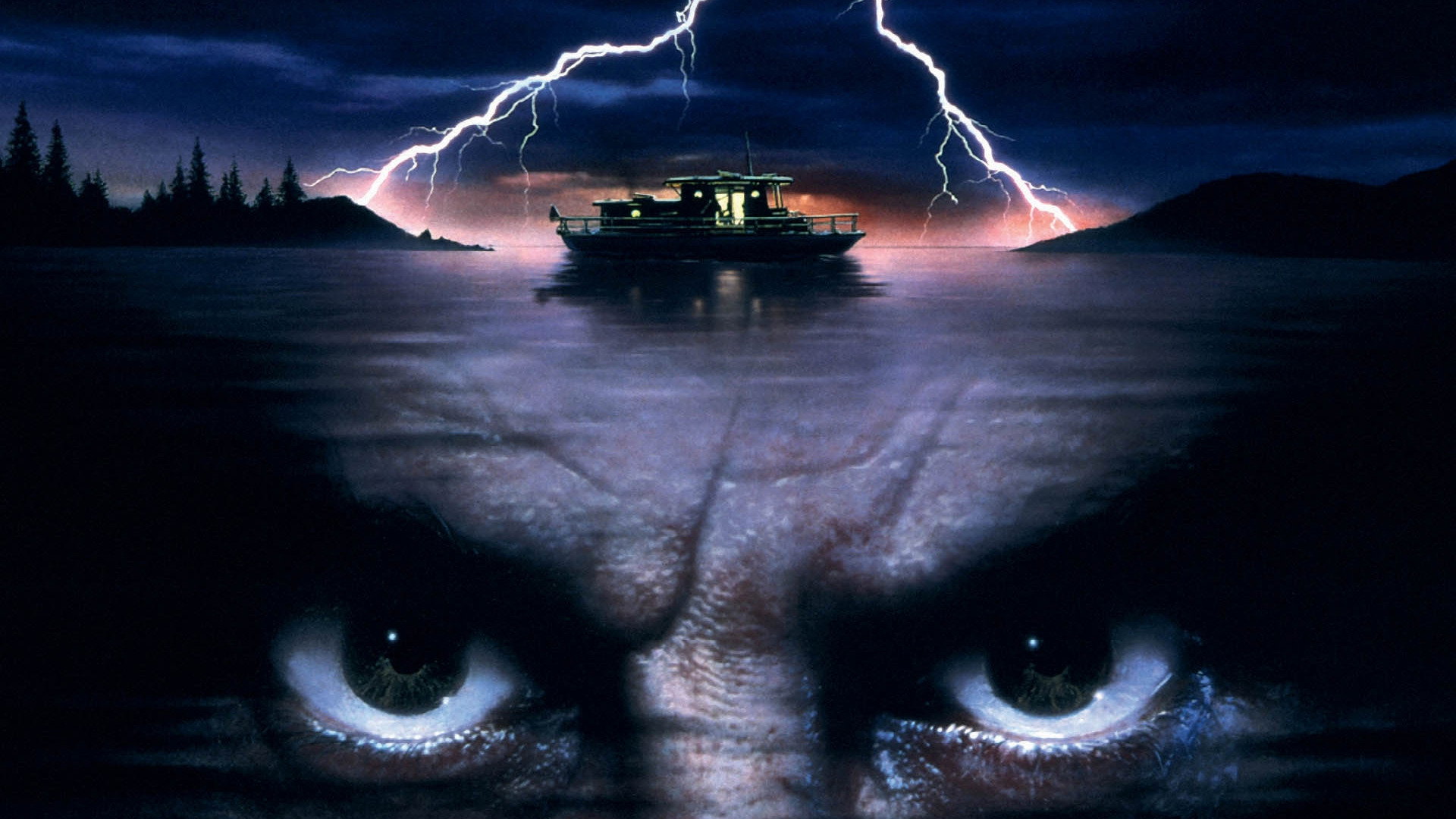

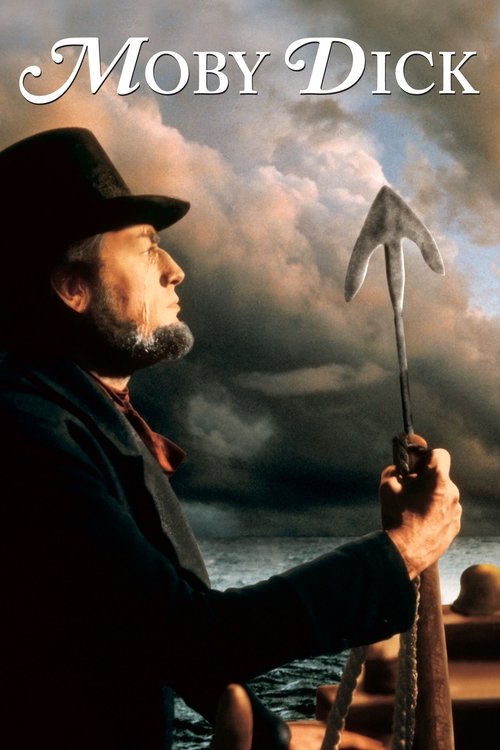
Gregory Peck built a career on stillness. Where other actors of his era relied on charm or volatility, Peck found something rarer: the convincing weight of a man who has thought carefully before speaking. From Atticus Finch's measured courtroom defence to Captain Ahab's obsessive ruin, he played conviction itself, both its nobility and its dangers. What his fans return to, across five decades of work, is that sense of moral seriousness without sanctimony. This guide traces the same quality through films, novels, and other art that rewards the patience to sit with a difficult idea.
Essential Gregory Peck
The performances that define him

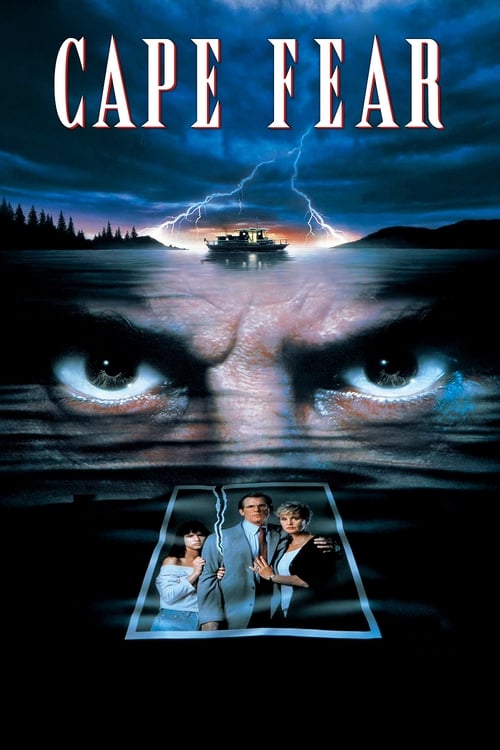

The Same Moral Gravity: Films
Films that share Peck's sense of principled men under pressure
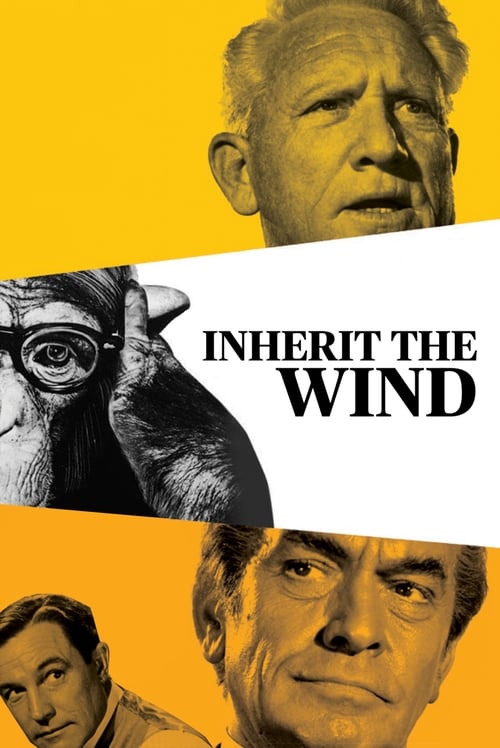
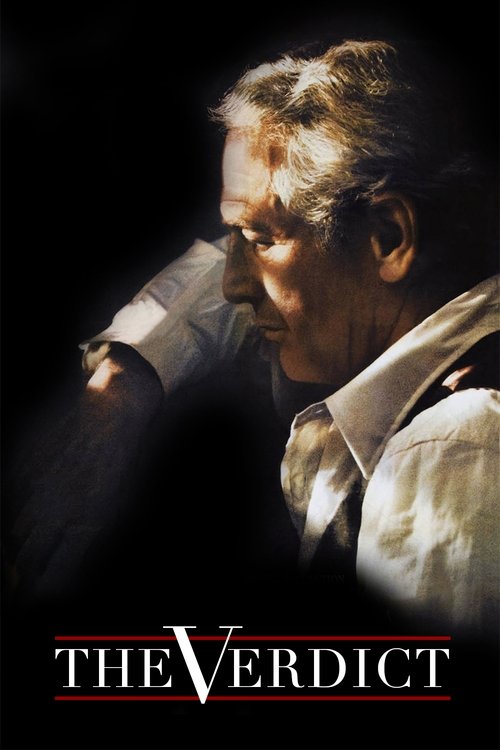
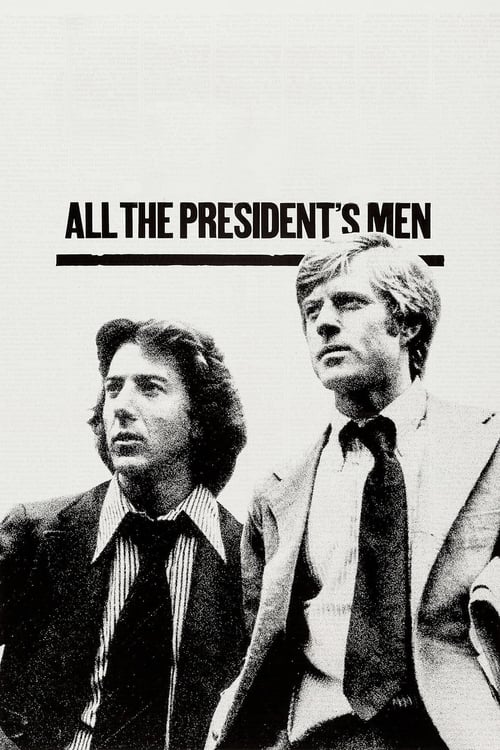
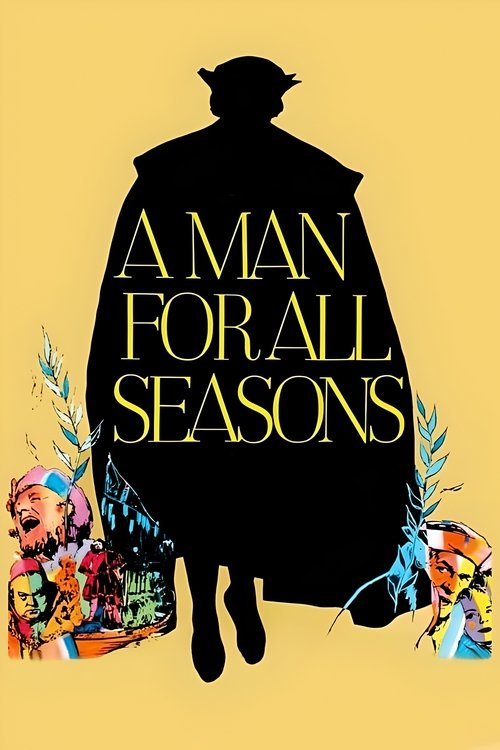
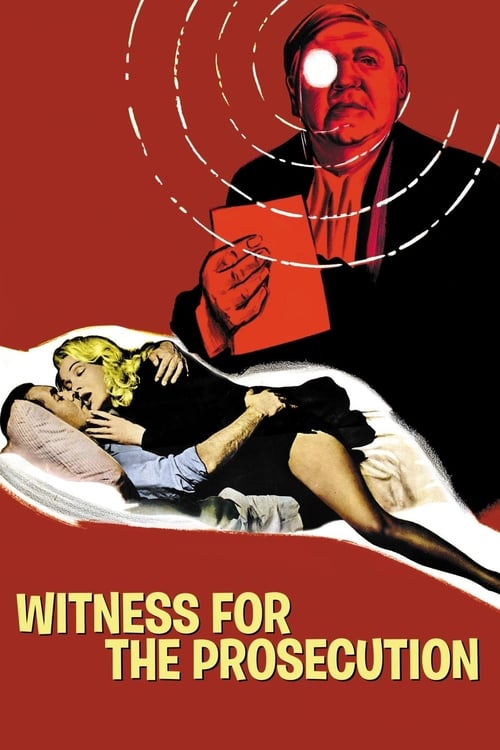
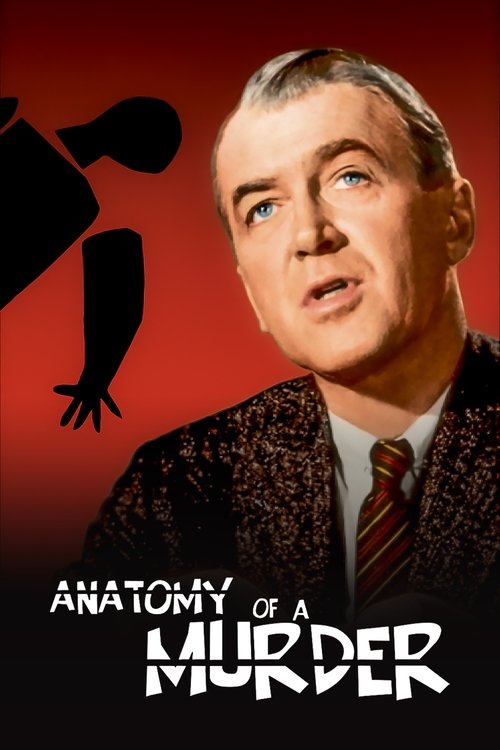
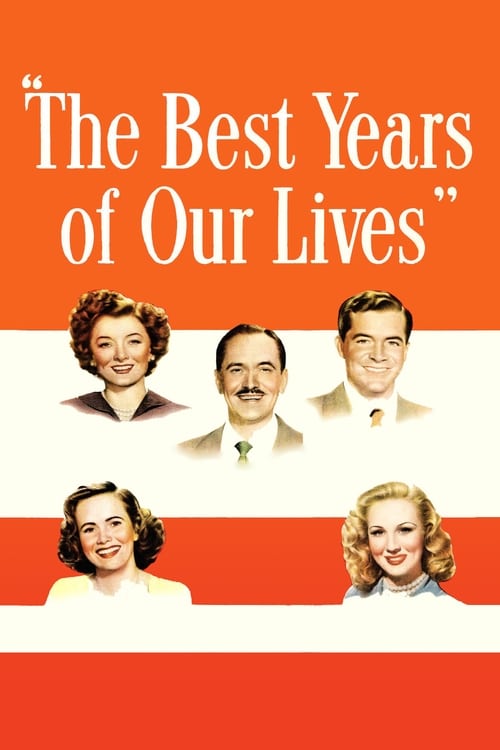
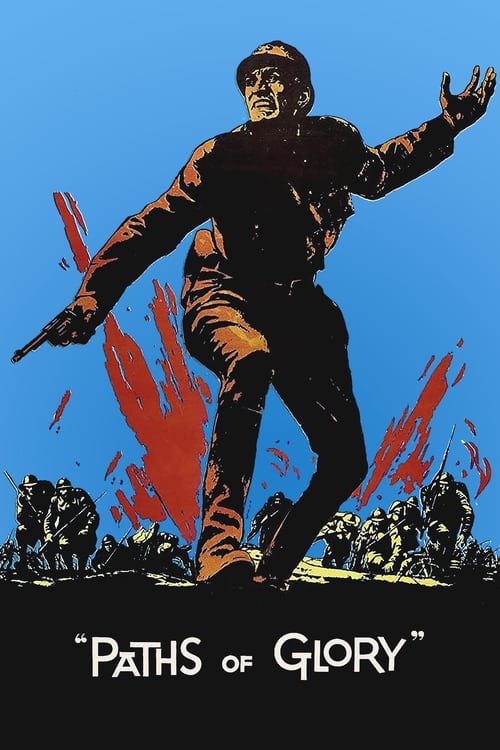
Same-Register Performances: Other Actors
Films anchored by actors who carry the same quiet authority

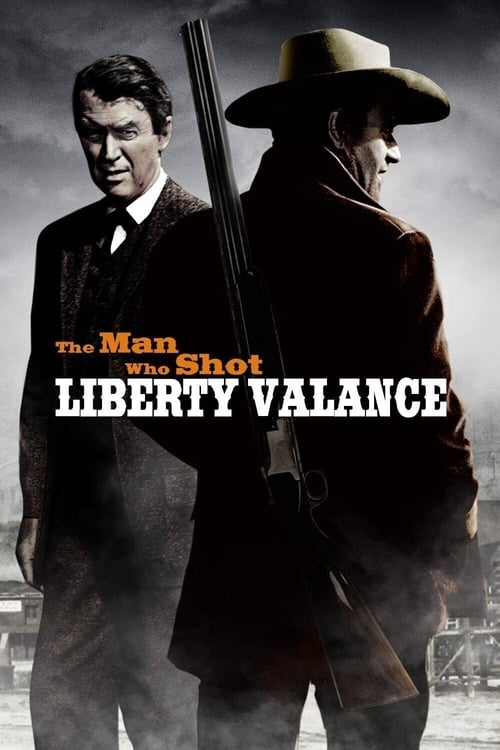
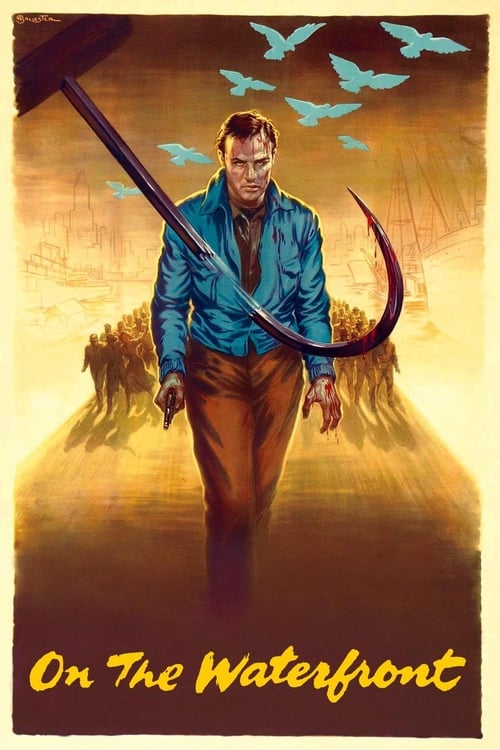
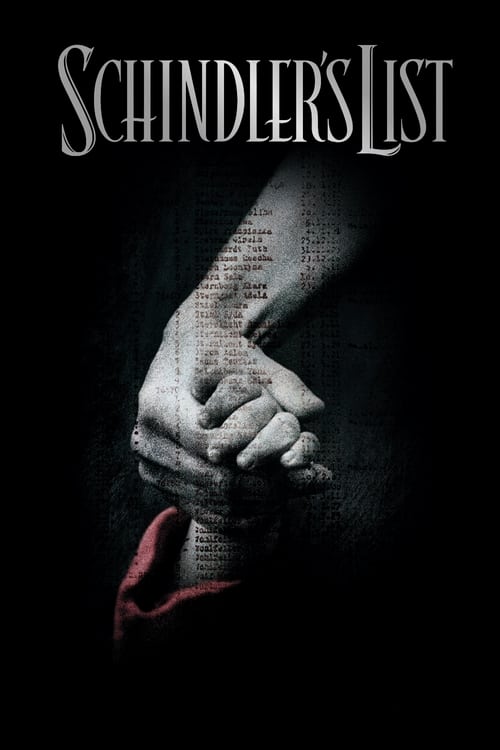
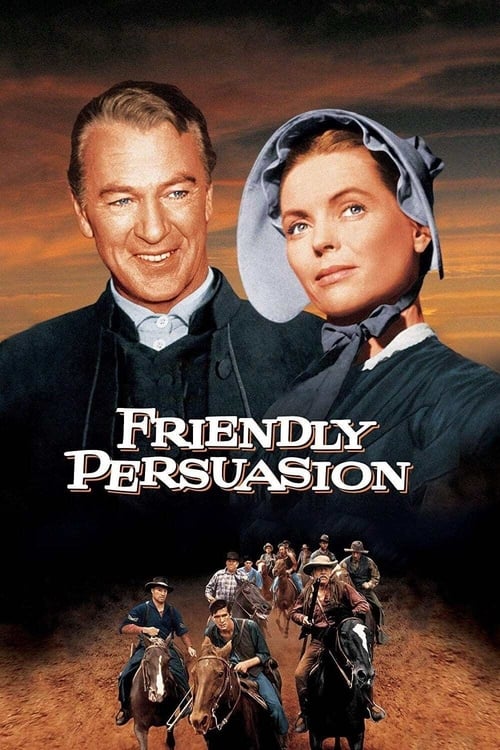

Classic Drama on Television
Series and TV films that bring the same serious storytelling
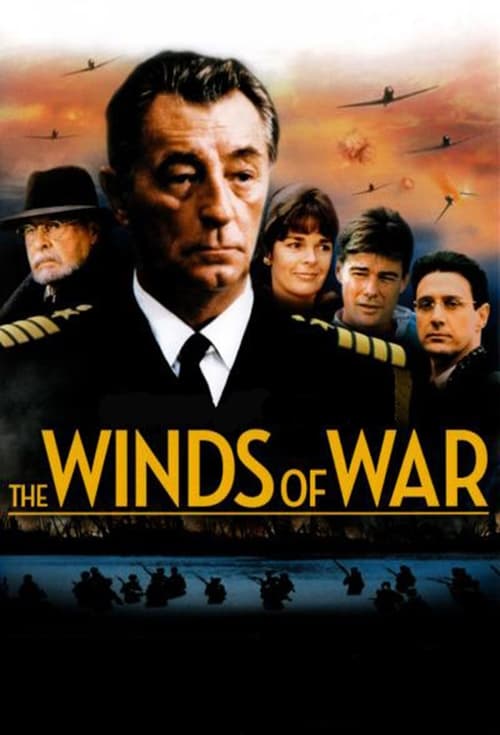
The Novels Behind the Films
Books that Peck's most celebrated films adapted, and others cut from the same cloth


Games About Conviction and Consequence
Games where moral choices carry real weight, echoing Peck's best roles

Atticus Finch Is Unrepeatable
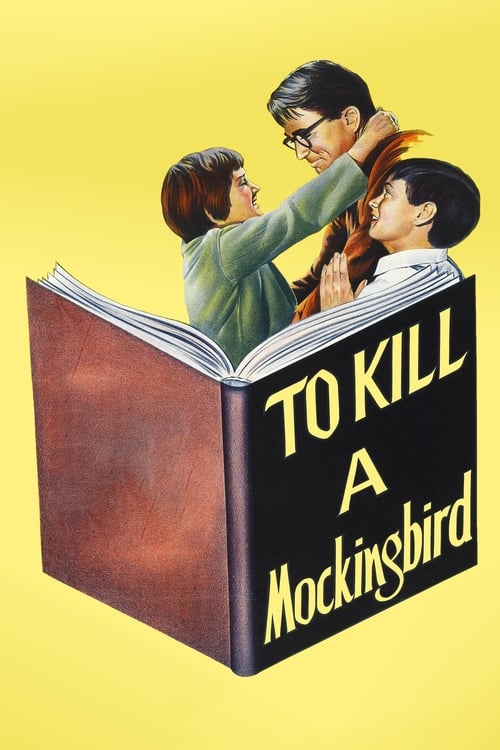
Every generation produces courtroom dramas and principled-lawyer stories, and most of them glance back at Peck's Atticus Finch without quite landing. The performance works because Peck plays the man's doubts as carefully as his convictions. He is not a saint presenting a closing argument. He is a father explaining something terrible about the world to a child he loves, and hoping the explanation holds. That combination of legal seriousness and domestic tenderness is what makes the film, half a century on, feel personal rather than historical.
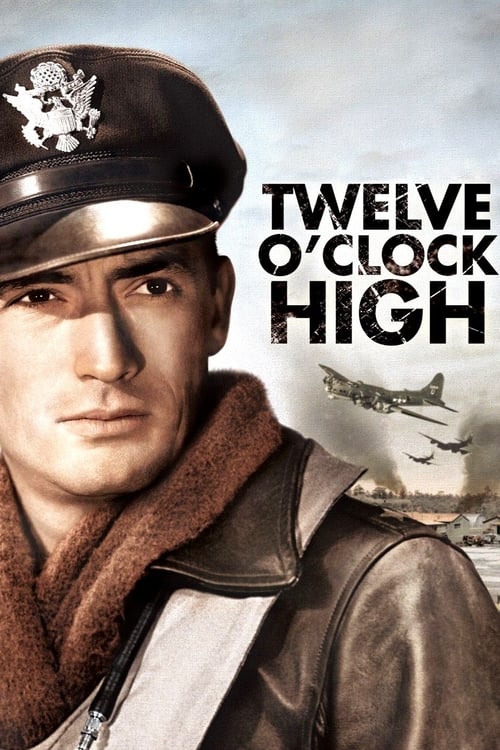
Twelve O'Clock High Is the Best Film About Leadership Ever Made
There is no battle for the audience's sympathy in Twelve O'Clock High. Peck's General Savage is right to demand more from his men, and the film is entirely honest about the cost that demand exacts on him. Business school programmes have screened it for decades, and rightly so: it is less a war picture than a study in what it takes to hold a group of people to an impossible standard, and what that kind of holding destroys in the person doing it.
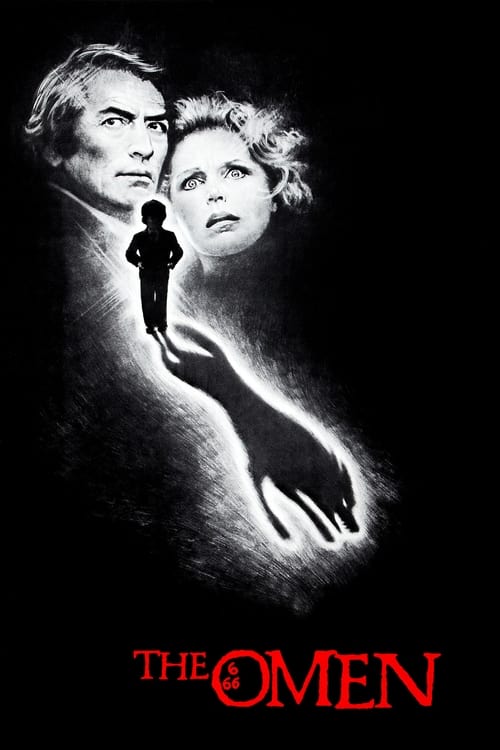
The Omen Proved He Could Carry Genre
Peck took The Omen in 1976 when his status as an A-list leading man had softened, and he brought the same composed professionalism to Robert Thorn that he had brought to Atticus Finch. The result is one of the few prestige-actor-in-horror films that actually improves the genre entry. His reluctance to believe what the evidence shows him is entirely plausible because Peck plays it as a man's genuine philosophical crisis, not as a plot device. The film holds up; he is the reason.
Roman Holiday Matters More Than People Give It Credit For
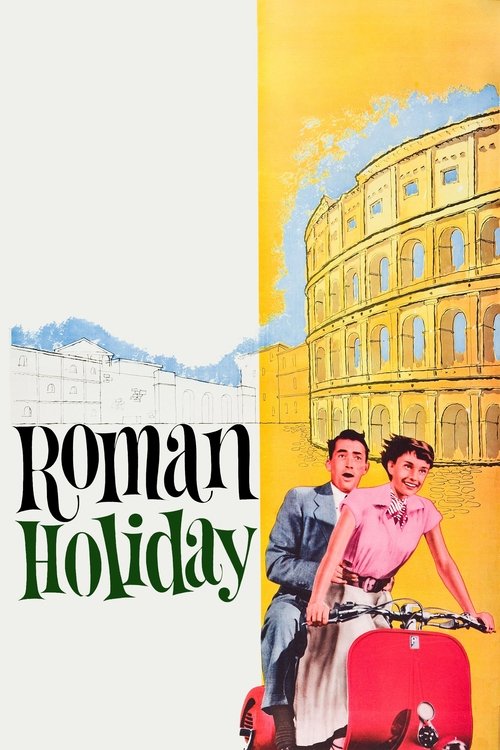
Roman Holiday is remembered as an Audrey Hepburn film, and it is, but it is also the performance that proved Peck could do something neither Ahab nor Atticus ever required: charm without armour. He plays the journalist Joe Bradley as a man with a scheme who slowly finds himself ashamed of it. That quiet internal reversal, never announced, just gradually visible on his face, is harder to achieve than any courtroom monologue. The film is the clearest evidence that Peck's gravity was a choice, not a limitation.
A Career in Key Moments
- 1944Debut in Keys of the Kingdom; immediate star status The Keys of the Kingdom
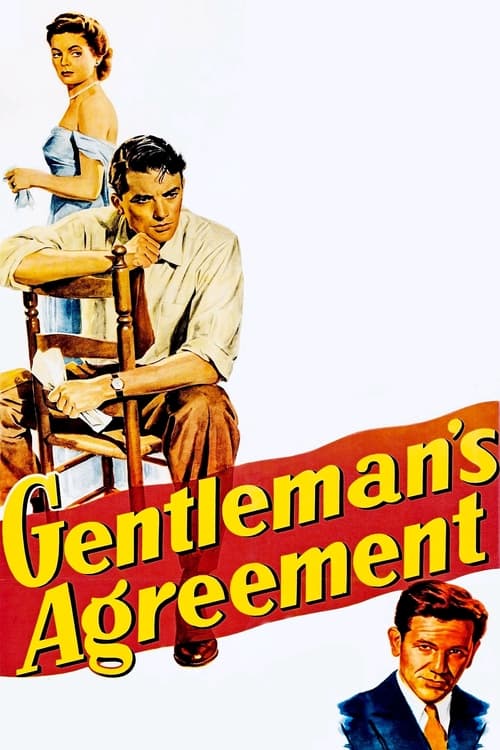
- 1947Gentleman's Agreement tackles antisemitism head-on; wins Best Picture Gentleman's Agreement
- 1951Twelve O'Clock High cements him as the definitive screen commander Twelve O'Clock High
- 1953Roman Holiday pairs him with Hepburn; shows his lighter range Roman Holiday
- 1956Takes on Ahab in John Huston's Moby Dick, his most extreme performance Moby Dick
- 1962To Kill a Mockingbird; Academy Award for Best Actor the following year To Kill a Mockingbird
- 1962Cape Fear casts him against Robert Mitchum; a new, darker register Cape Fear
- 1976The Omen: a late-career genre landmark proving his durability The Omen
- 1991Produces and appears in the Cape Fear remake; passes the torch Cape Fear
Moral gravity, courtrooms, and wartime conviction
For Fans of Courtroom Drama
Explore the For Fans of Courtroom Drama guide →Peck understood that conviction on screen is not about volume. It is about the body language of a person who has already decided what is right and is now paying the price for it.CrossBinge