

The Monster Whisperer
Guillermo del Toro grew up on a diet of Universal horror films, golden age comic books, and the literary traditions of Latin America, and he has spent his entire career refusing to let any of those things go. Born in Guadalajara, Mexico, he made his feature debut with Cronos (1993), a clockwork vampire film that already contained everything he would spend thirty years refining: the sympathy for the outcast, the gorgeous rot of decaying things, the sense that monsters understand the human condition better than humans do.
The through-line of his work is not horror exactly, and not fantasy exactly. It is the conviction that the monstrous and the beautiful are not opposites but the same thing viewed from different angles. His films are physically tactile in a way that most digital-era cinema is not. Sets are built. Creatures are worn by performers. Every surface has been aged, cracked, stained, or grown over with something organic. The worlds he creates feel like they could leave residue on your fingers.
His best work also carries a political undercurrent that distinguishes it from mere spectacle. The Devil's Backbone and Pan's Labyrinth are both set against the shadow of Francisco Franco's Spain, and in both films the real monsters are the fascists. The Shape of Water is an explicit love letter to difference and to those society discards. Even his pulpier work, Hellboy and Pacific Rim, treats its outsiders with an earnestness that refuses ironic distance.
A fan of del Toro is someone who believes that genre storytelling can carry the weight of real feeling, that a fairy tale is not a lesser form of art, and that the right monster, in the right light, can break your heart.
Essential Guillermo del Toro
His films and series, ranked by where to start
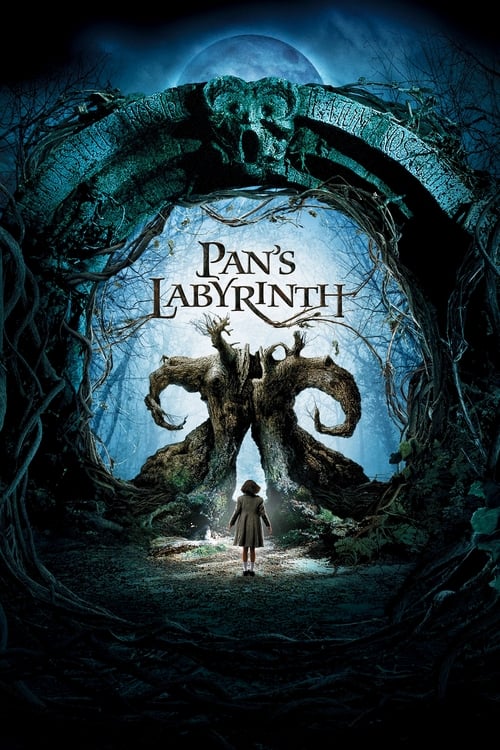





Pan's Labyrinth is the perfect entry point, not the destination
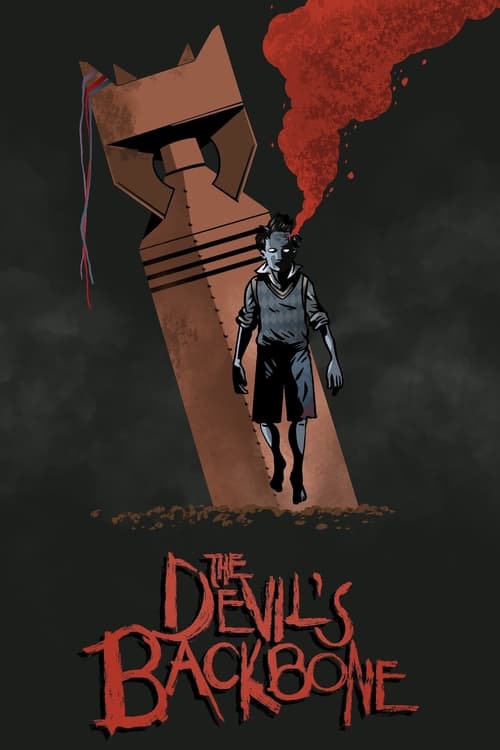
Pan's Labyrinth is the film everyone recommends first, and for good reason: it is perfectly constructed, emotionally devastating, and legible on a single viewing. But it is also the most controlled thing del Toro has made, and some of the others reward more patience. Treat it as a door, not a ceiling. If it moves you, go back to The Devil's Backbone, which is rawer and quieter and arguably more devastating.
Fairy tales with real consequences
Films and series where wonder and dread share the same space
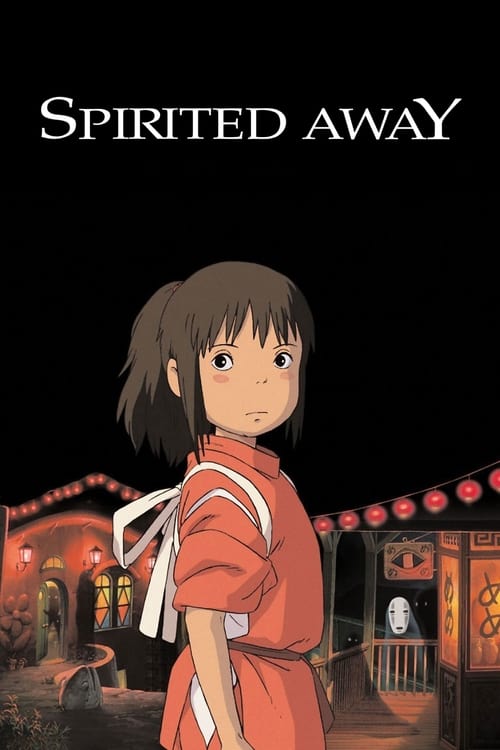
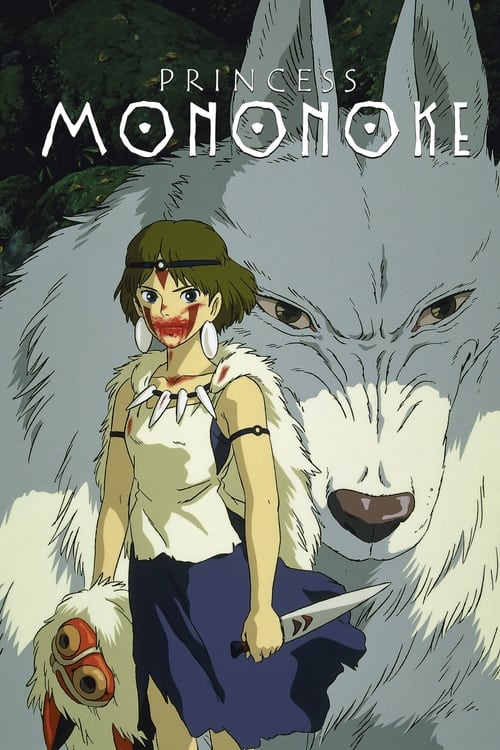
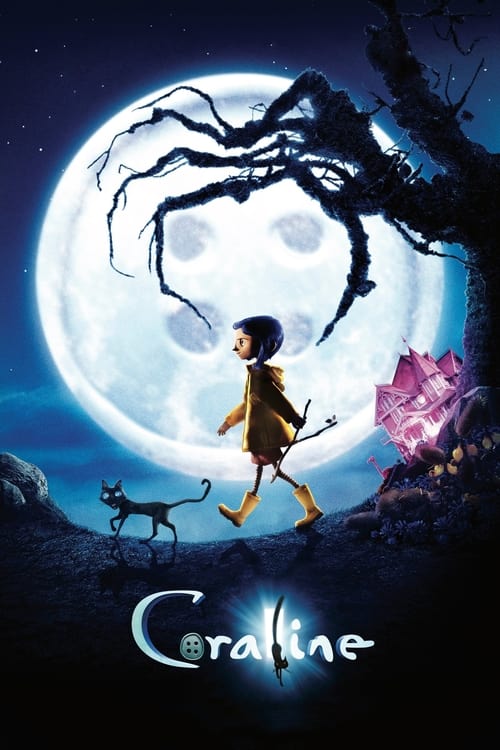
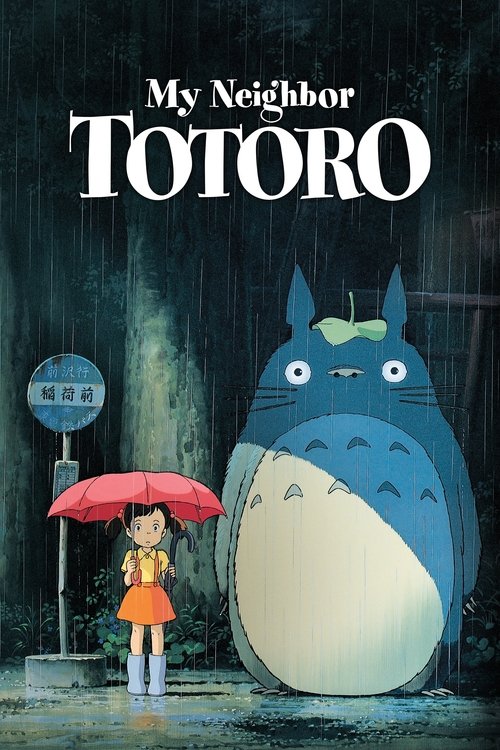
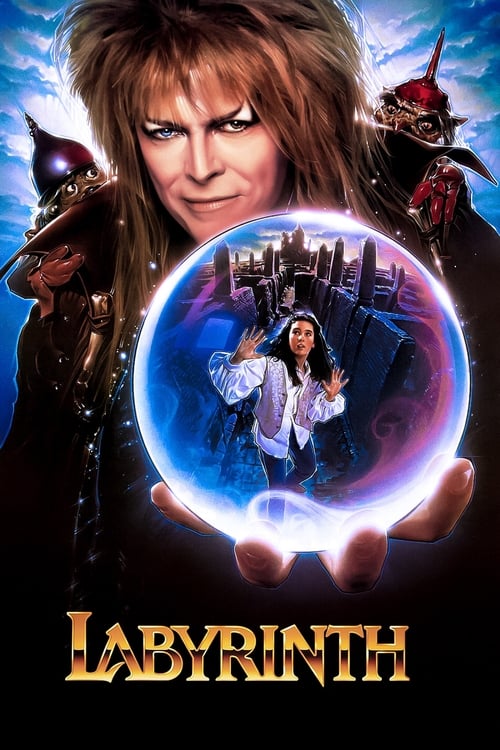
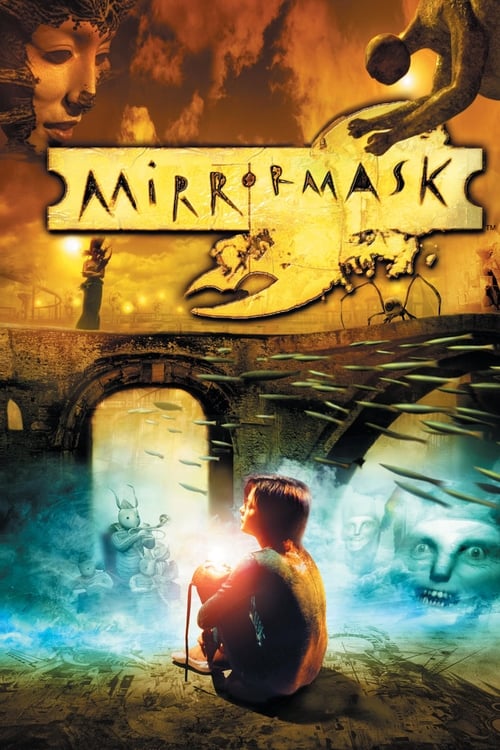
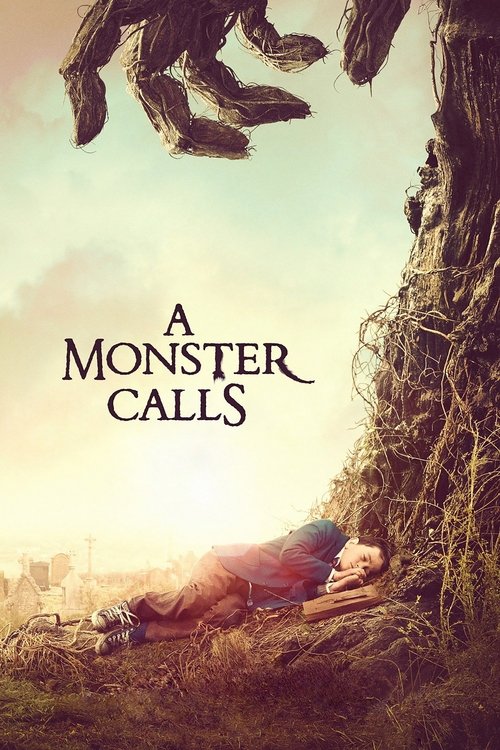
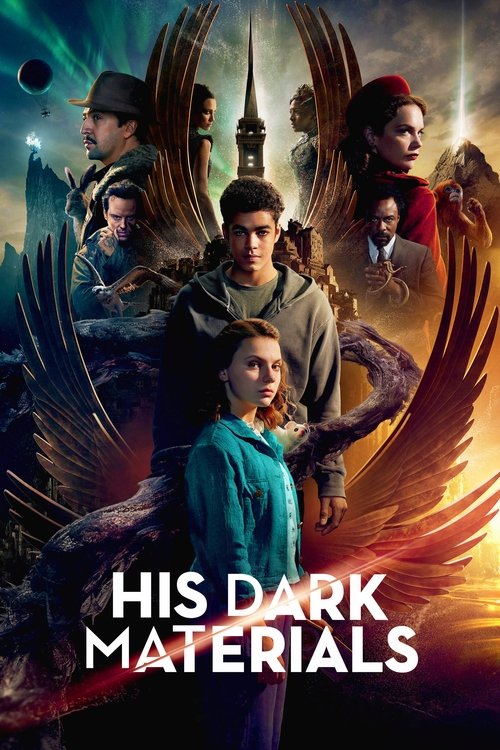
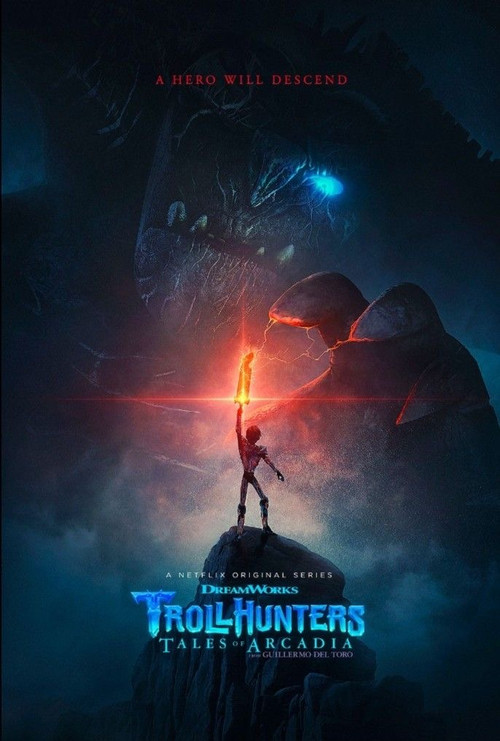
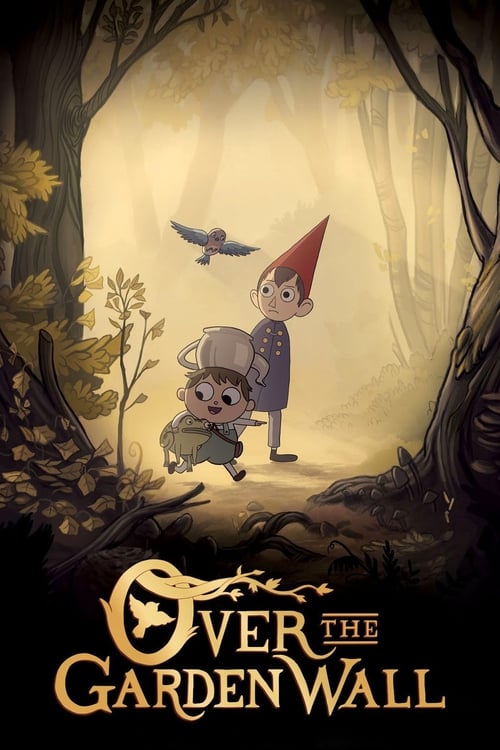
Monsters that deserve your sympathy
Gothic horror and creature films where the outsider is the soul of the story
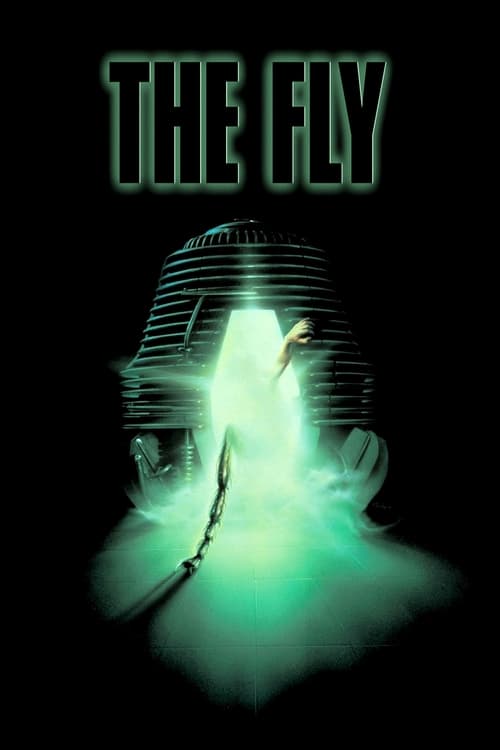


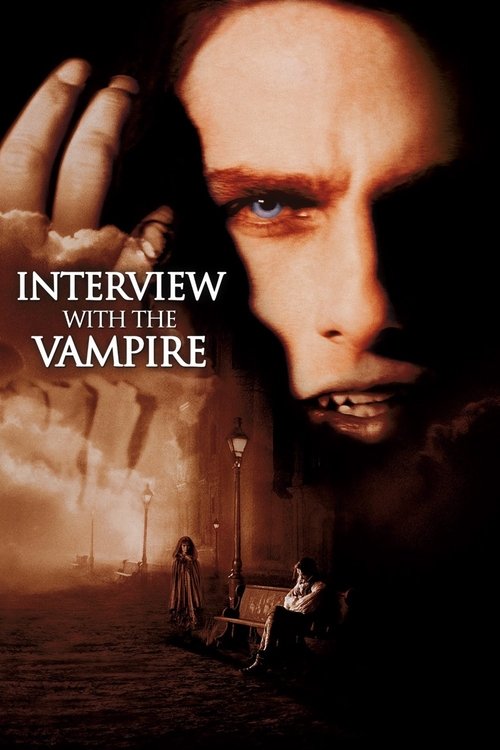
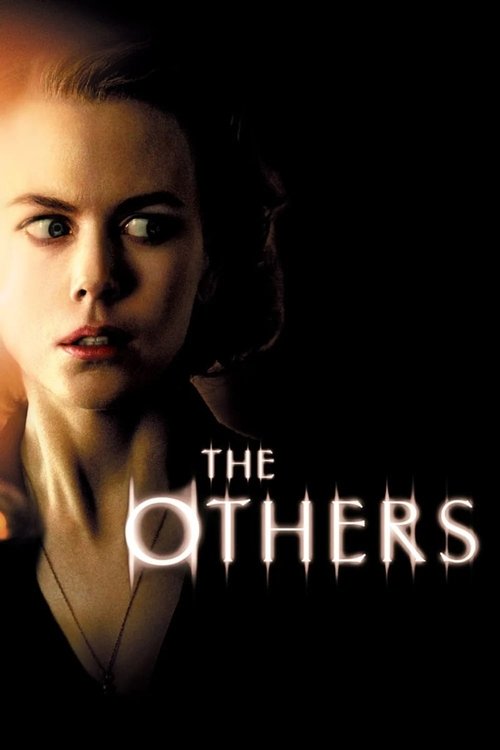
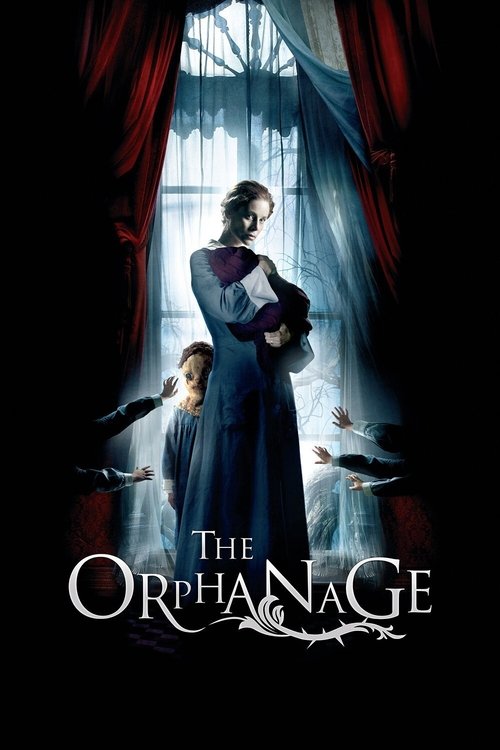

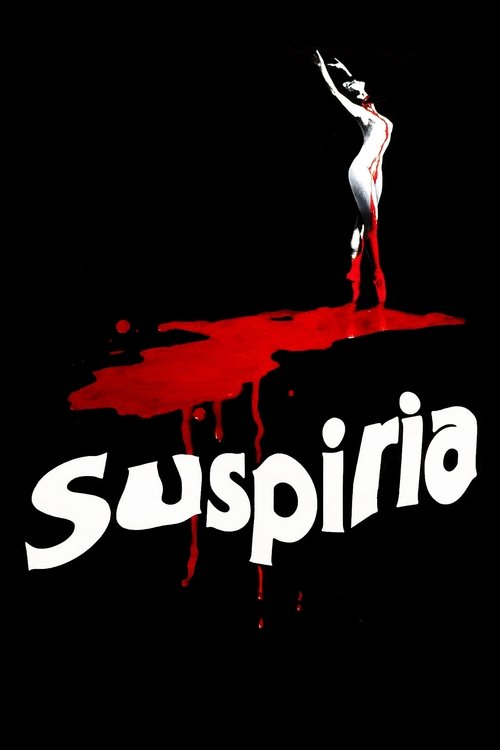
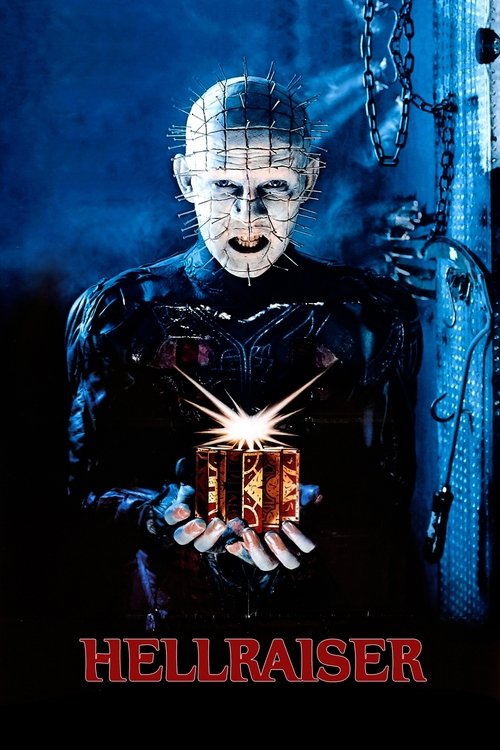
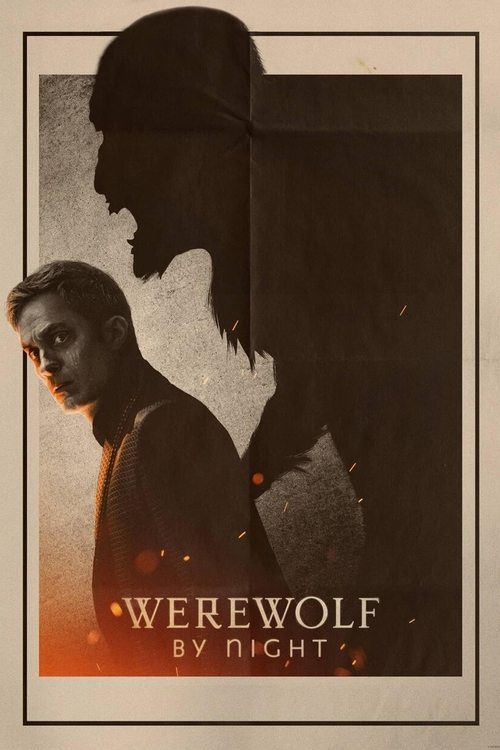
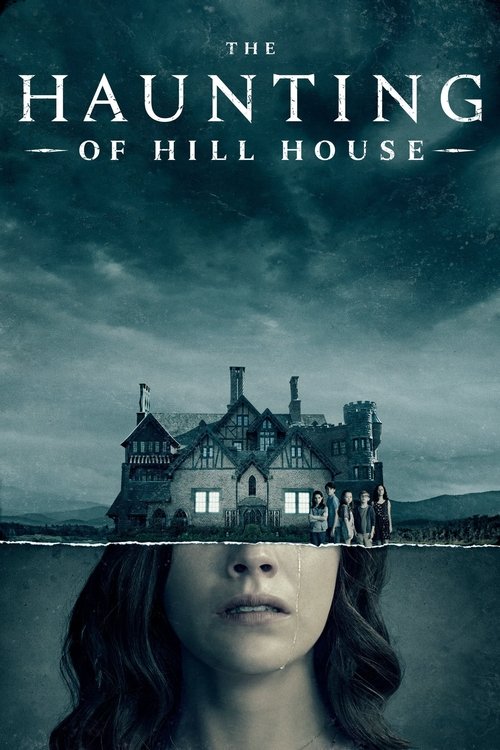
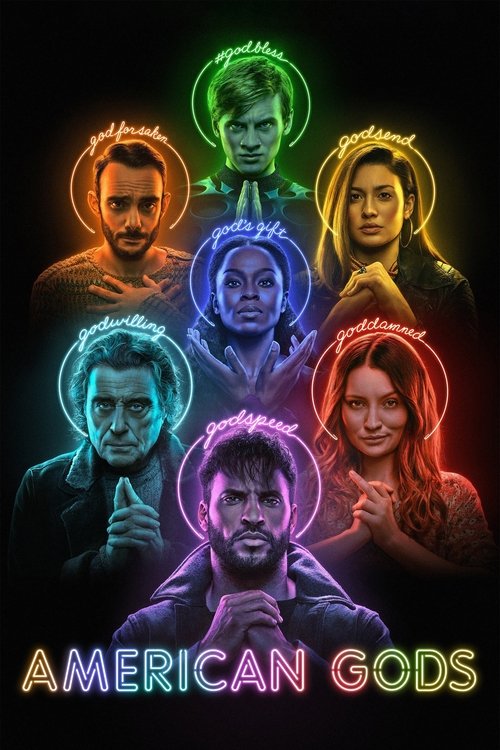
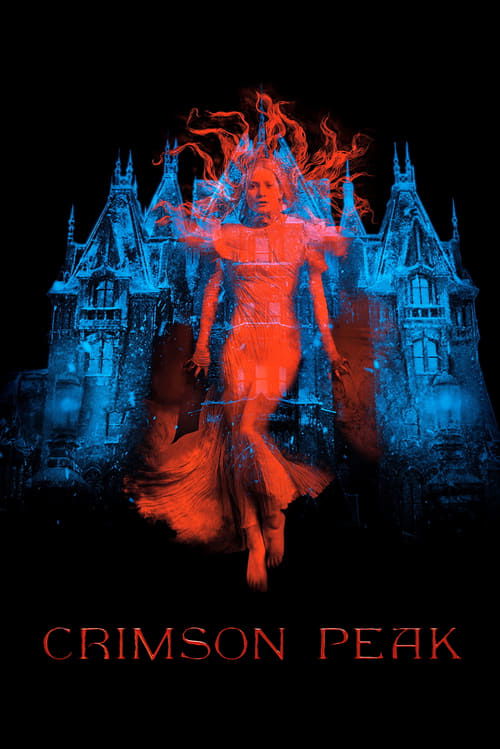
Crimson Peak is the most underrated film in his catalog
When Crimson Peak came out in 2015, audiences expecting a horror film were confused by something that is actually a Gothic romance in the tradition of Rebecca and Jane Eyre, with the ghosts as atmosphere rather than threat. Del Toro has said as much publicly. Seen on its own terms, it is one of the most visually sumptuous things he has made, and the film is precisely about a woman who reads too many Gothic novels and then finds herself living inside one.
Dark worlds you have to feel with your hands
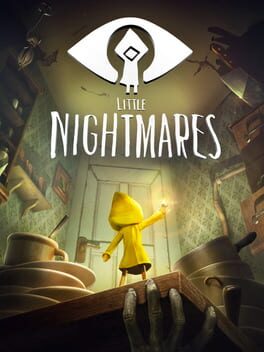
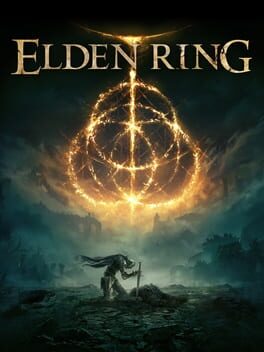
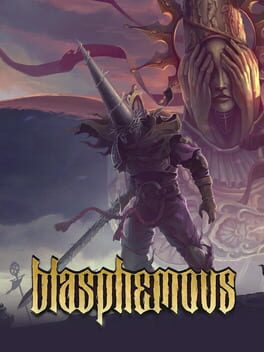
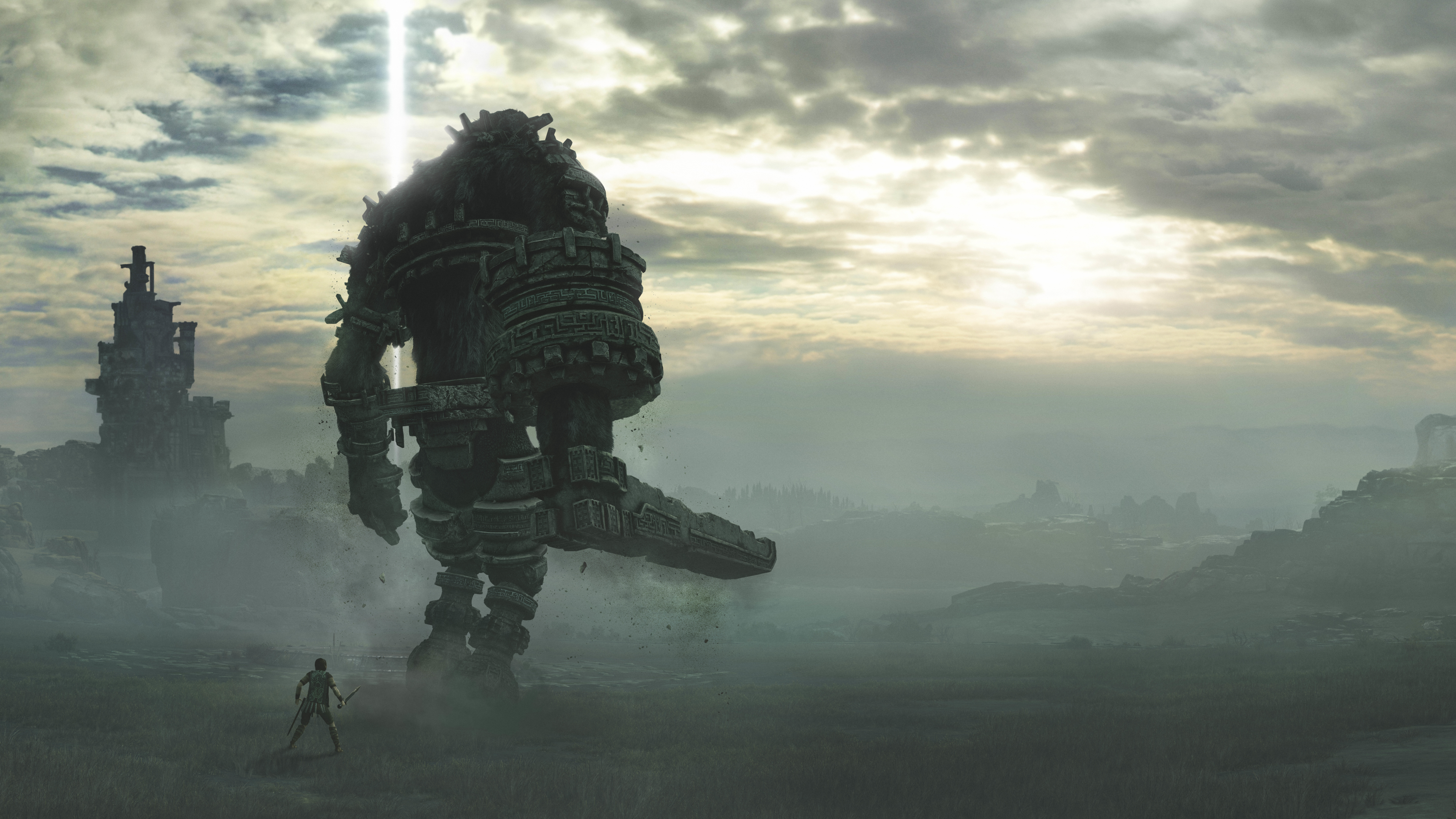
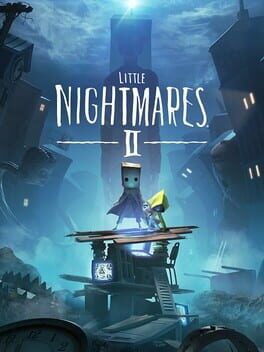
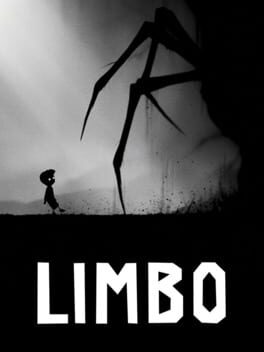
Games built from the same philosophy: gorgeous, tactile, alive with menace



The literary tradition behind the images
Books that feed the same hunger: the strange, the monstrous, the luminously dark




Every monster del Toro has put on screen is a version of himself, the awkward kid from Guadalajara who loved things the world called ugly, asking to be understood rather than destroyed.CrossBinge editorial
Nightmare Alley is del Toro without a safety net
Nightmare Alley (2021) is the film that shows what del Toro looks like when the monsters are entirely human. A remake of the 1947 noir, it is cold, deliberate, and punishing in ways his fantasy films never are. Bradley Cooper plays a con man who gets exactly what he deserves over two and a half hours of gorgeous, merciless period atmosphere. If you loved the visual texture of his work but wanted something with teeth that are not supernatural, this is the one.
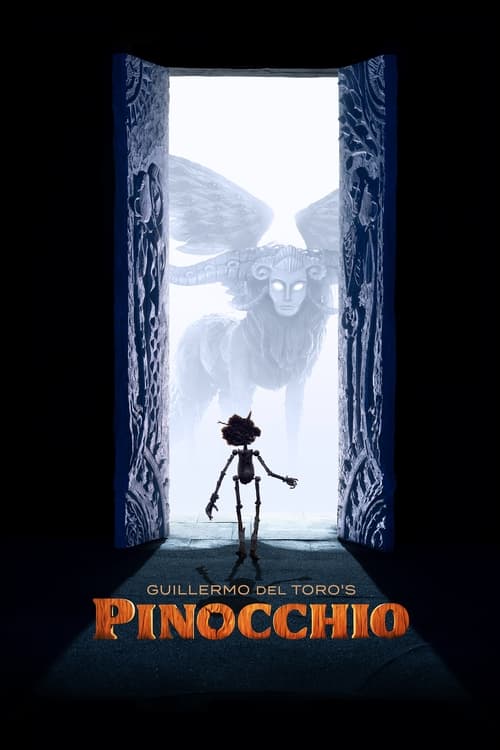
Pinocchio (2022) may be the film he was always building toward
Guillermo del Toro's Pinocchio is a stop-motion animated film set in Fascist Italy, in which a grieving father carves a son from a tree and a wood spirit animates him, and the story becomes about what it costs to be obedient in a world run by authoritarian men. It is the most direct statement of his recurring theme that the creature who refuses to conform is the one worth following. It is also genuinely, quietly heartbreaking. Children can watch it. It was made for adults.
A career built on beautiful monsters
- 1993Cronos: clockwork vampires in Mexico City Cronos
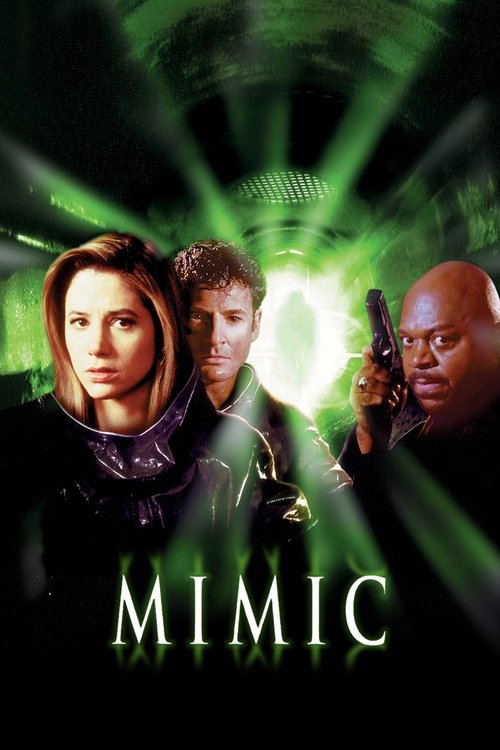
- 1997Mimic: subway creatures in New York Mimic
- 2001The Devil's Backbone: a ghost story about fascism The Devil's Backbone
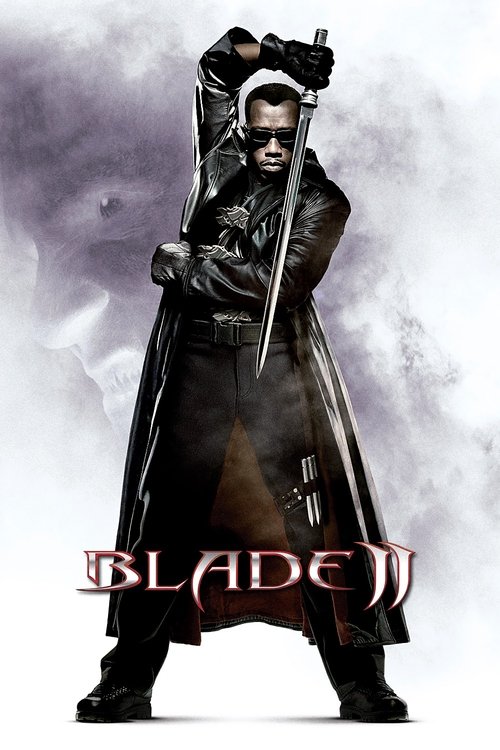
- 2002Blade II: a superhero film with Lovecraftian creatures Blade II
- 2004Hellboy: the world's greatest paranormal investigator Hellboy
- 2006Pan's Labyrinth: the masterwork Pan's Labyrinth
- 2008Hellboy II: the fairy realm in full bloom Hellboy II: The Golden Army
- 2013Pacific Rim: kaiju as catharsis Pacific Rim
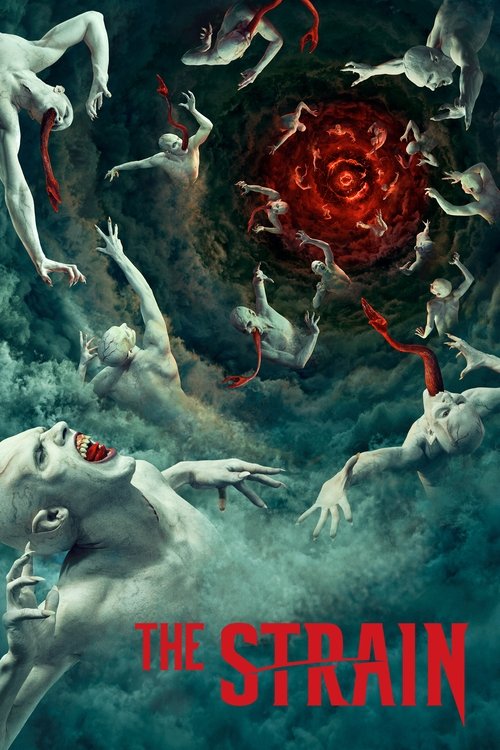
- 2014The Strain: a vampire plague for television The Strain
- 2015Crimson Peak: Gothic romance, not haunted house Crimson Peak
- 2017The Shape of Water: a monster and an outsider in love The Shape of Water
- 2021Nightmare Alley: noir without supernatural escape Nightmare Alley
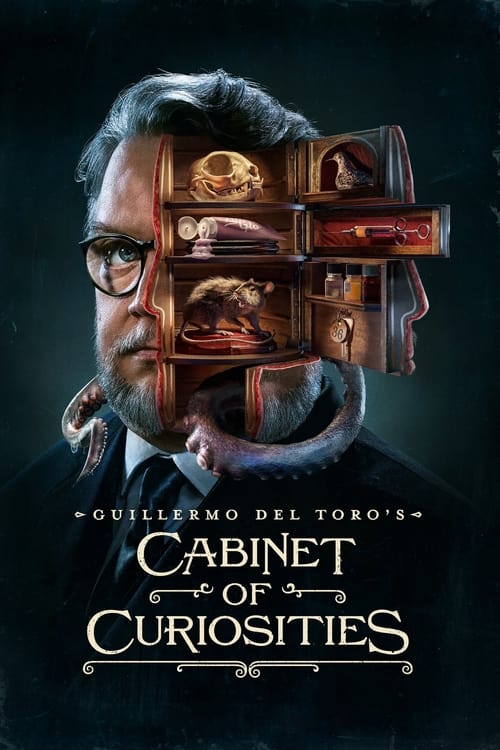
- 2022Cabinet of Curiosities: del Toro as horror curator Guillermo del Toro's Cabinet of Curiosities
- 2022Pinocchio: the film he was born to make Guillermo del Toro's Pinocchio