
Herbert George Wells wrote science fiction before the genre had a name, and most of what he imagined, the time traveler stranded in a dying future, the Martians harvesting humanity like cattle, the scientist rendered monstrous by his own discovery, has never stopped being relevant. What fans love is not the gadgetry but the dread underneath it: Wells understood that progress and catastrophe are the same force pointing in different directions. His best books read as thought experiments with beating hearts, propulsive and darkly funny and quietly furious at the class structures his era took for granted. If you feel that pull, the sense that a story can be a warning and a wonder at the same time, everything on this page was made for you.
Essential H.G. Wells
The novels and stories that defined scientific romance


Wells on Screen: The Adaptations
Every generation has staged his nightmares





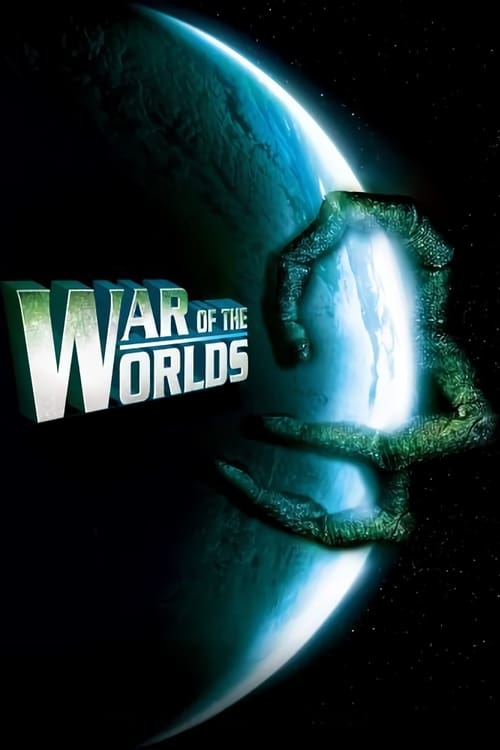
Scientific Romance: The Authors Who Followed
Writers who inherited Wells's gift for turning ideas into dread


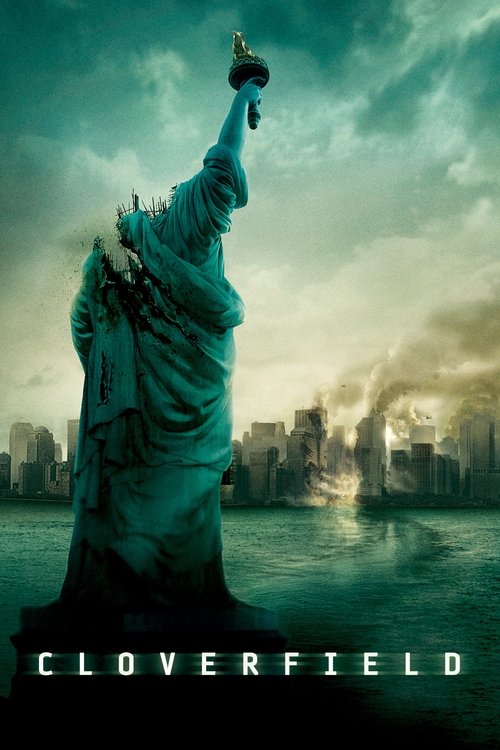
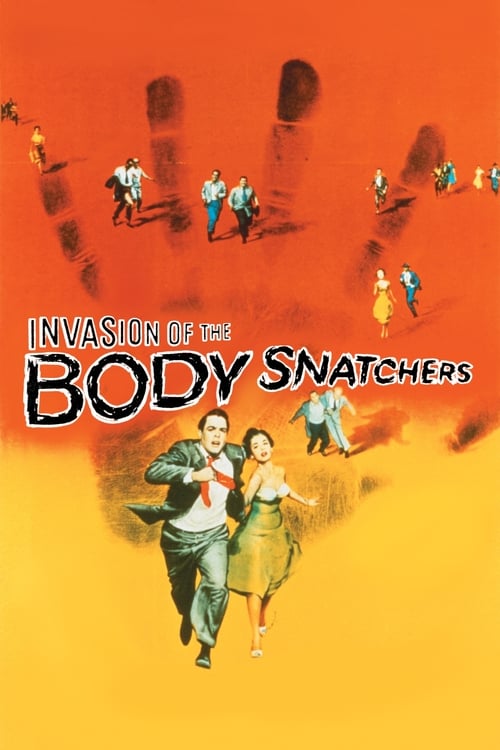
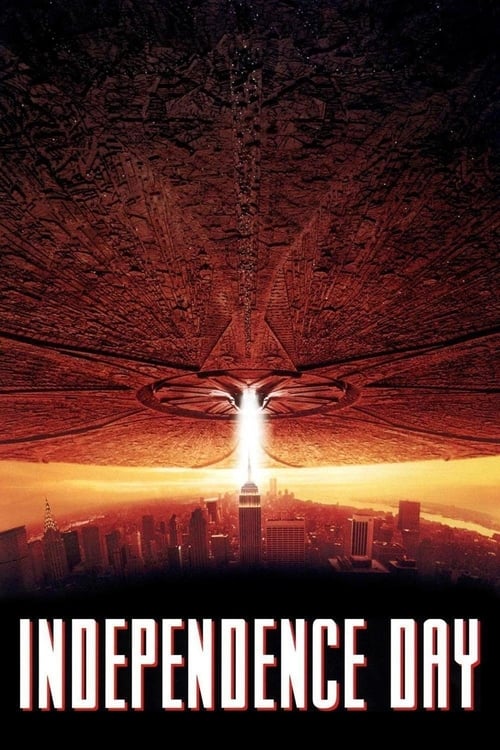
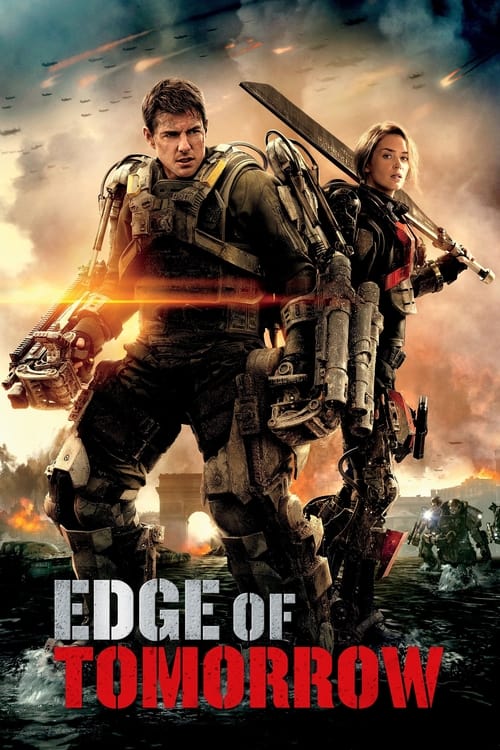
Alien Invasions and Existential Dread on Film
Cinema that captured Wells's core fear: humanity is not in charge
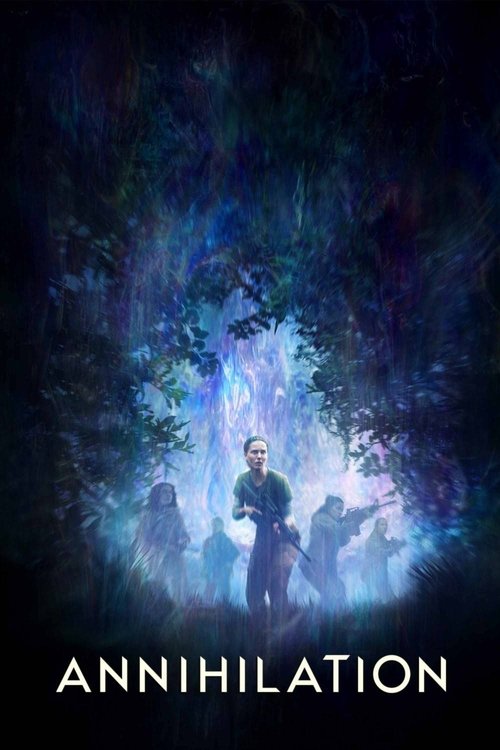
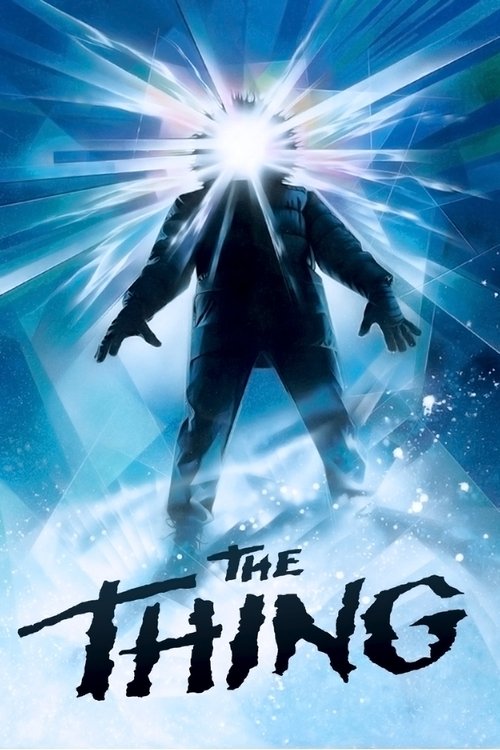
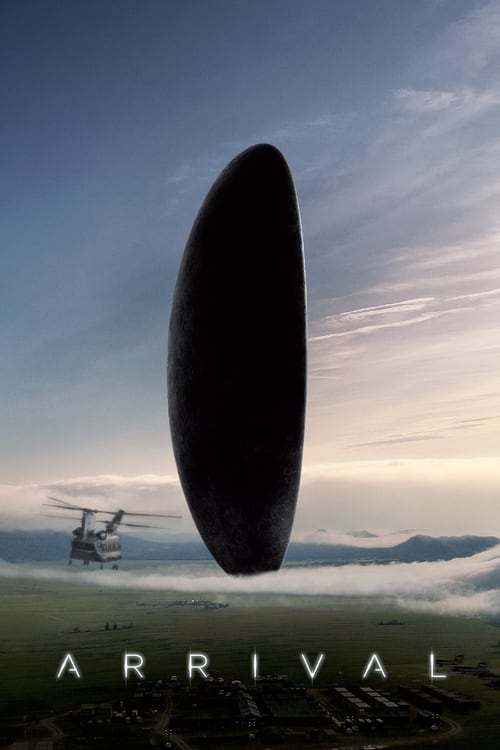


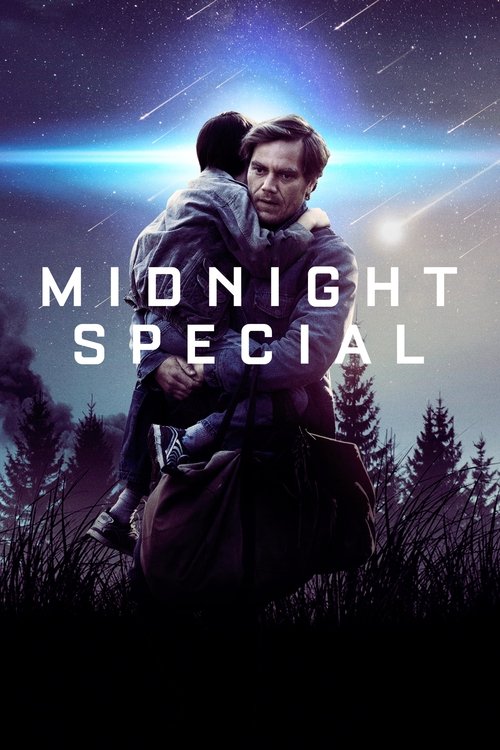


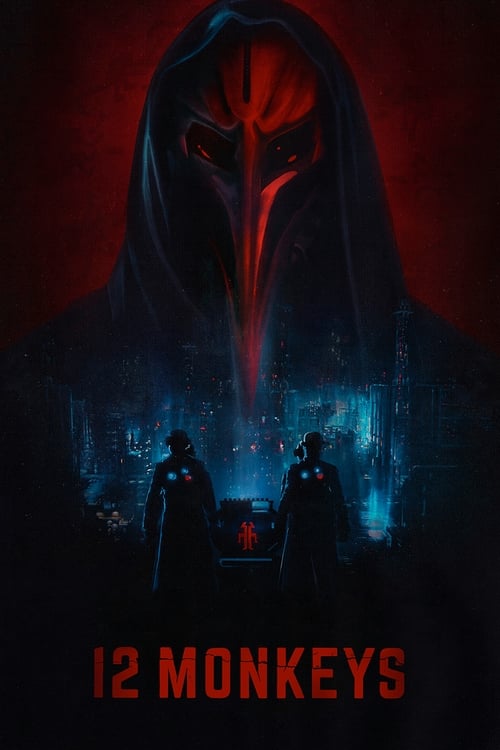
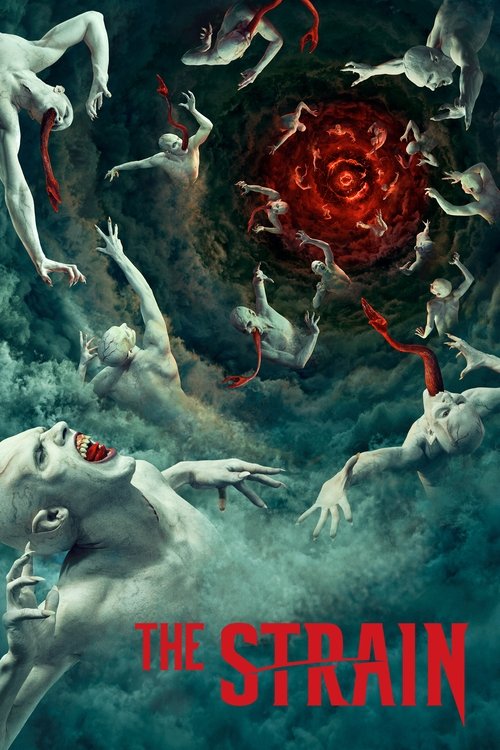
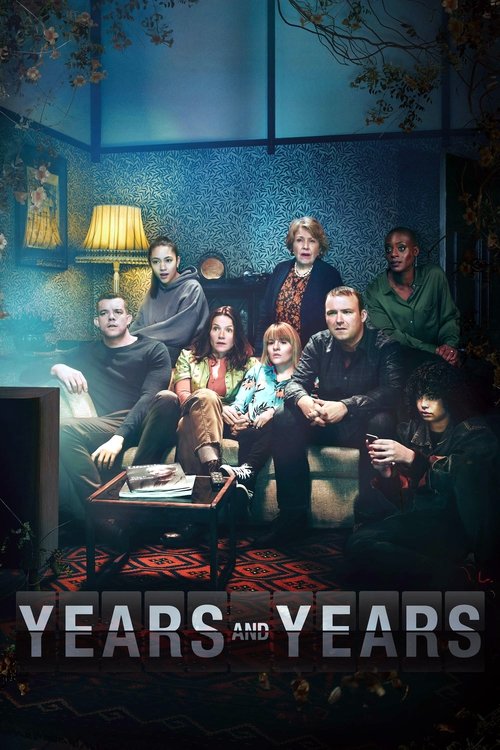
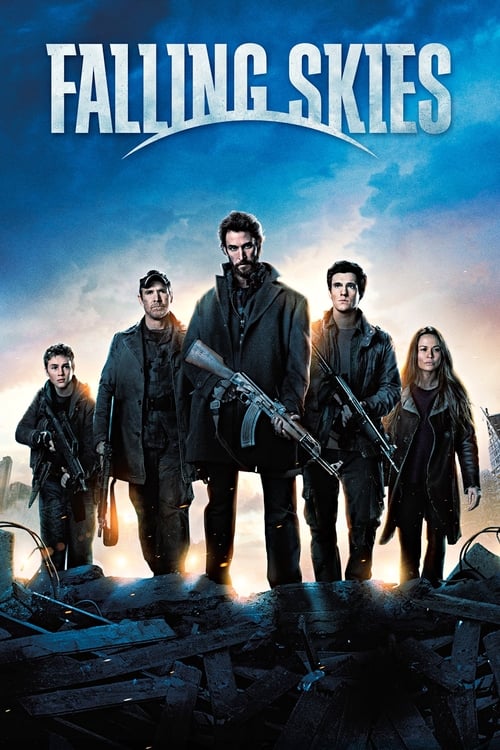
Science Runs Ahead of Conscience: TV Worth Watching
Series that kept Wells's core argument going
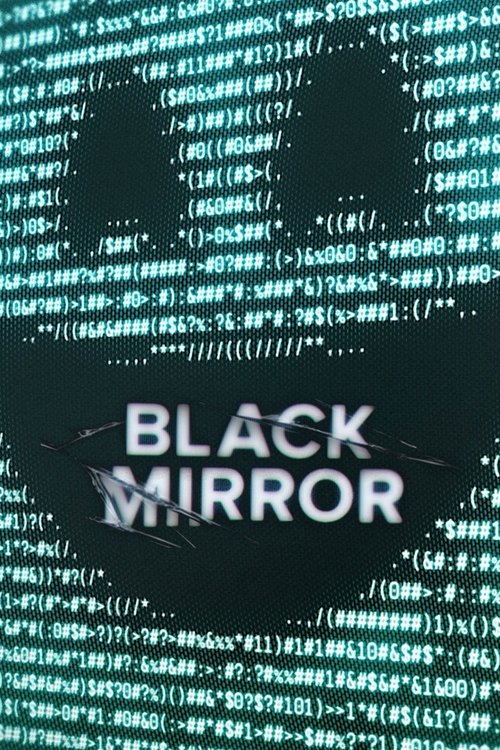

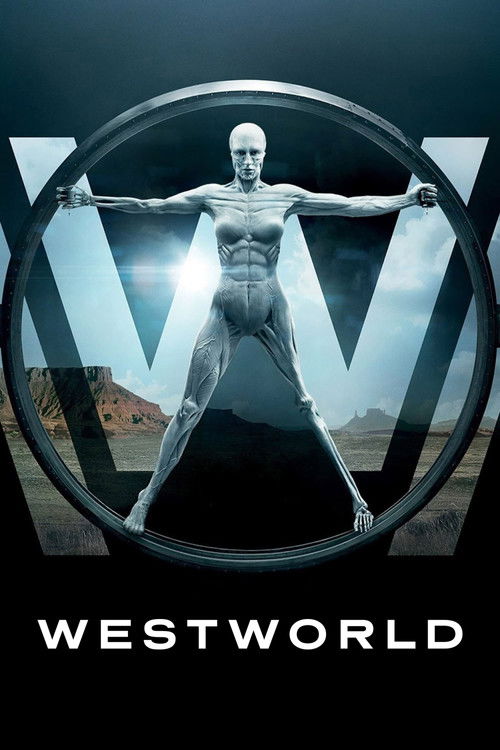
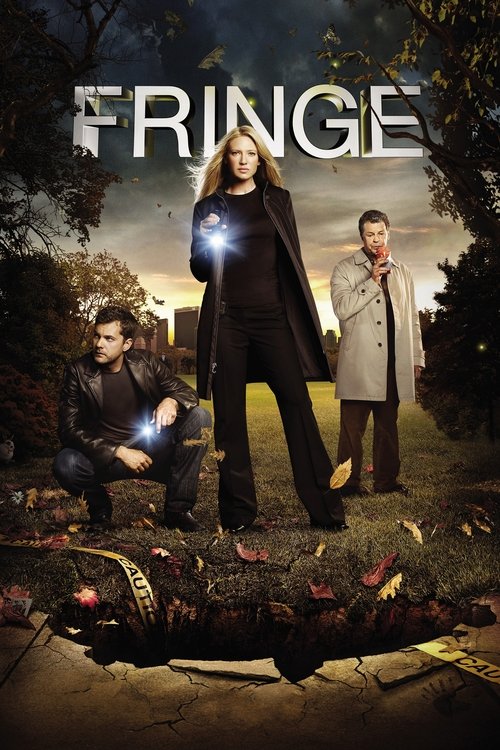


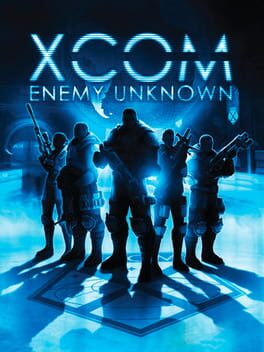
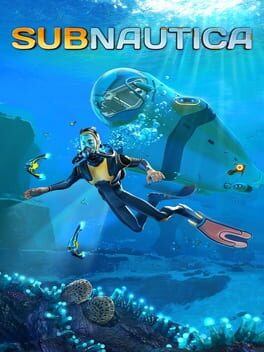
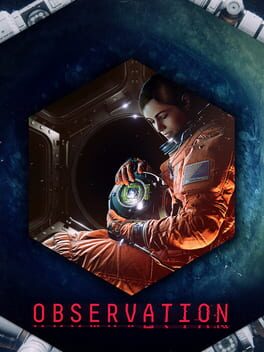
Games of Invasion, Experimentation and Survival
Interactive descendants of Wells's obsessions




The War of the Worlds Is Still the Scariest Invasion Story Ever Written
Orson Welles's 1938 radio broadcast caused panic, but the novel has been causing a quieter panic for over a century. Wells's genius was to strip the invasion of glory. The Martians do not care about us any more than we care about the bacteria we displace. The narrator does not defeat them. He hides, survives by accident, and comes home to find the world he knew half-digested. The lesson is cold and permanent: other forces, biological, ecological, cosmological, operate on timescales and with indifference that renders human civilization a footnote. No film adaptation has quite captured that specific chill.
Doctor Moreau Is the Most Uncomfortable Book in the Canon
Wells wrote The Island of Doctor Moreau as a horror novel disguised as adventure, and it is still both. Moreau is not exactly a villain: he is a scientist so committed to his research that the suffering it produces has become meaningless to him. The island's society of Beast People, creatures surgically remade into something almost human, reads differently in every era. In ours it lands as a story about the ethics of capability: just because a thing can be done does not mean it should be. It is the novel that proves Wells was not a cheerleader for science, but its most relentless interrogator.
The Time Machine Is a Class Critique Dressed as Adventure
The Time Machine is short, propulsive, and deceptively simple, but Wells packed it with a specific rage. The Eloi and the Morlocks are not random evolutionary forks: they are the Victorian leisure class and the Victorian working class taken to their logical terminus. The idle have grown beautiful and helpless; the workers have grown subterranean and predatory, and they eat each other. Wells wrote this at 29, mostly broke, as a satire of a society that kept telling him his place. That anger has not aged. Neither has the loneliness at the novel's center: the Time Traveller returns with no one to believe him.
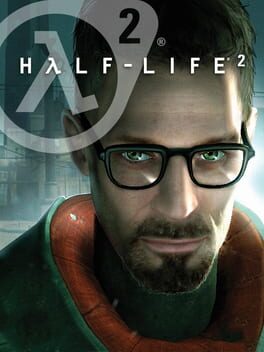
Half-Life 2 Is the Best Wells Adaptation That Does Not Know It Is One
Half-Life 2 never mentions Wells, but it is running the same program. The Combine are colonizers who have arrived, beaten humanity's defenses in a single seven-hour war, and now farm the population. The game's world is a Wells invasion two decades after the first chapter ended, the chapter Wells never wrote. Gordon Freeman, like the nameless narrator in The War of the Worlds, is not a hero through strength: he survives by staying useful. The game's environmental storytelling, the way you read the occupation through architecture and absence, is exactly how Wells builds dread through understatement.
A Century of Wells: Key Dates
- 1895The Time Machine published The meme machine
- 1896The Island of Doctor Moreau published
- 1897The Invisible Man published The invisible man
- 1898The War of the Worlds published The War of the Poor
- 1901The First Men in the Moon published
- 1933The Shape of Things to Come imagines a world war and a technocratic peace
- 1936Things to Come, scripted by Wells himself, hits cinemas Things to Come
- 1938Orson Welles's radio adaptation of War of the Worlds causes widespread panic
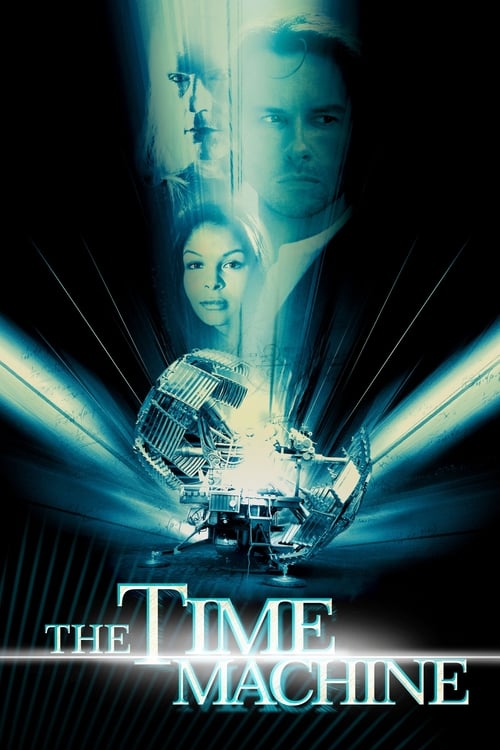
- 1960The Time Machine filmed for the first time in colour The Time Machine
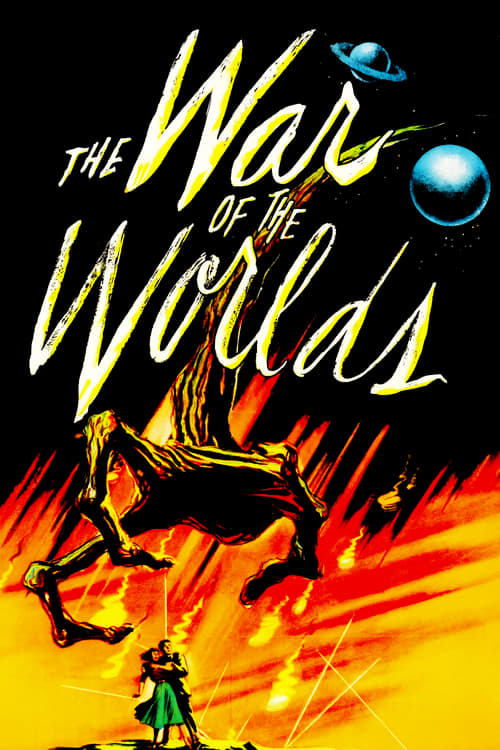
- 1953War of the Worlds becomes a Cold War sci-fi classic on screen The War of the Worlds
- 2005Spielberg's War of the Worlds reimagines the invasion for post-9/11 America War of the Worlds
- 2019BBC series War of the Worlds brings it back to Edwardian England War of the Worlds
Invasion, dystopia, and science gone wrong
Alien Contact
Explore the Alien Contact guide →If we don't end war, war will end us.H.G. Wells