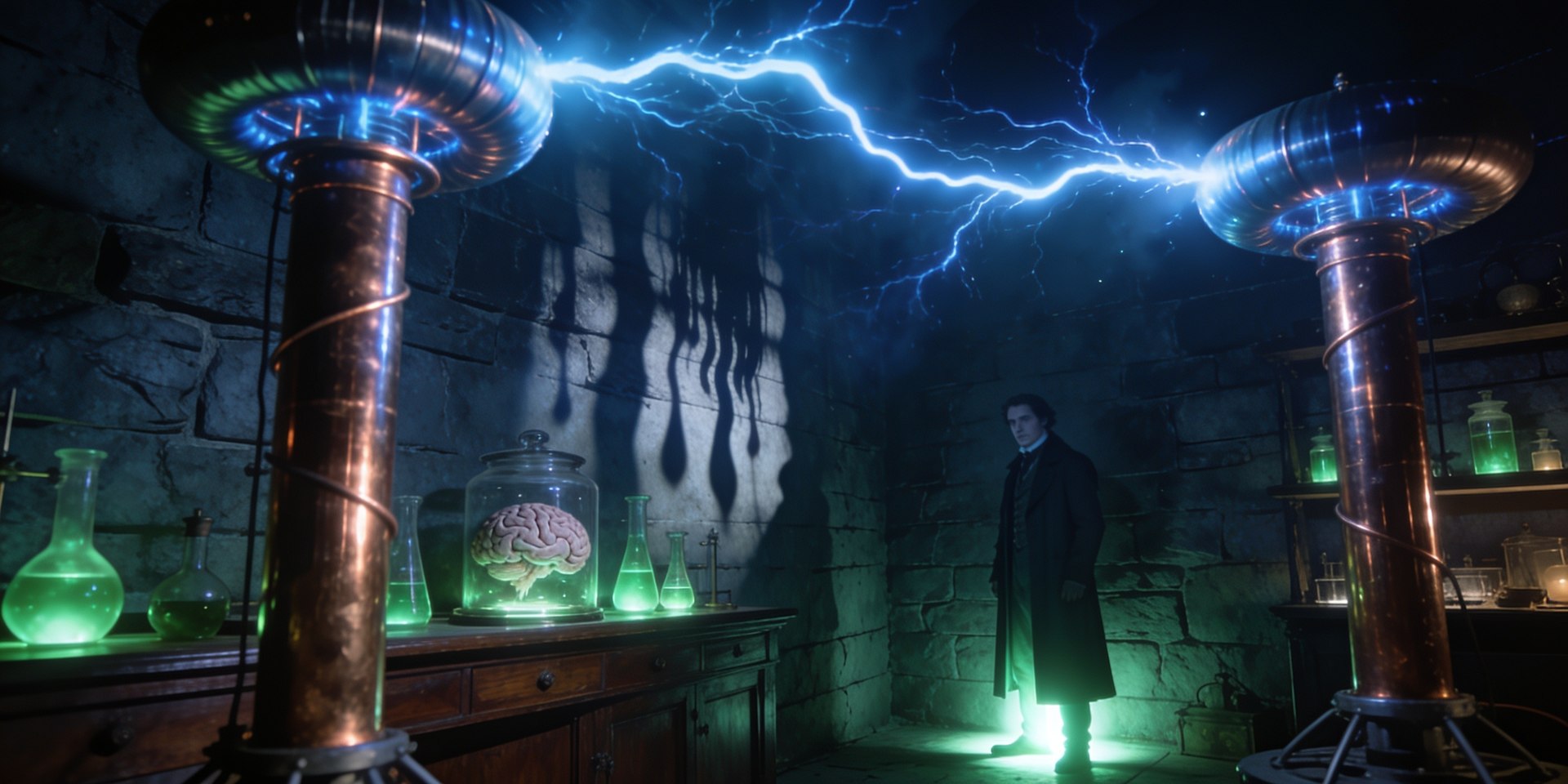

Science fiction has always had two kinds of scientists. One peers at the unknown and asks careful questions. The other one tears open the door.
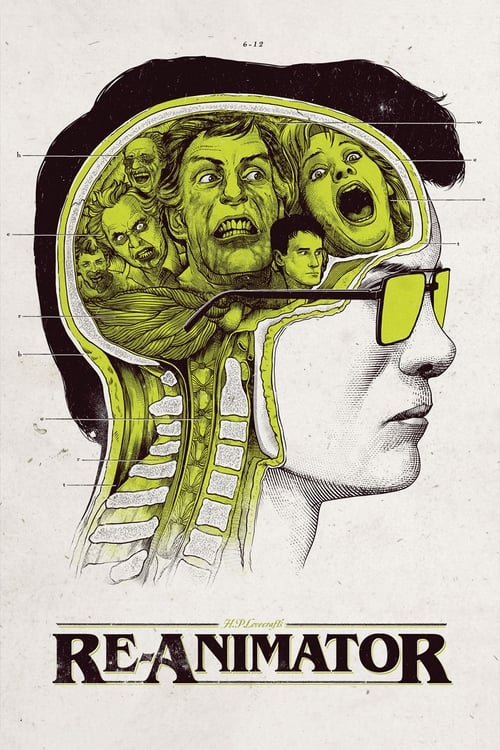
The mad scientist is the second kind: the genius who stopped listening to colleagues, ethics boards, and the small voice that says enough. Frankenstein built a man from corpses and was surprised when it walked away. Dr. Moreau carved animals into people and called it progress. Herbert West injected dead tissue with glowing reagent and noted the results in a lab book. The work kept going. The warnings kept not being heeded.
What makes this genre grip you is not the monster at the end. It is the moment before, when the scientist is still brilliant, still right about almost everything, and the only thing standing between discovery and catastrophe is a choice they are about to make wrong.
Essential mad scientists
The canon, across every screen and page
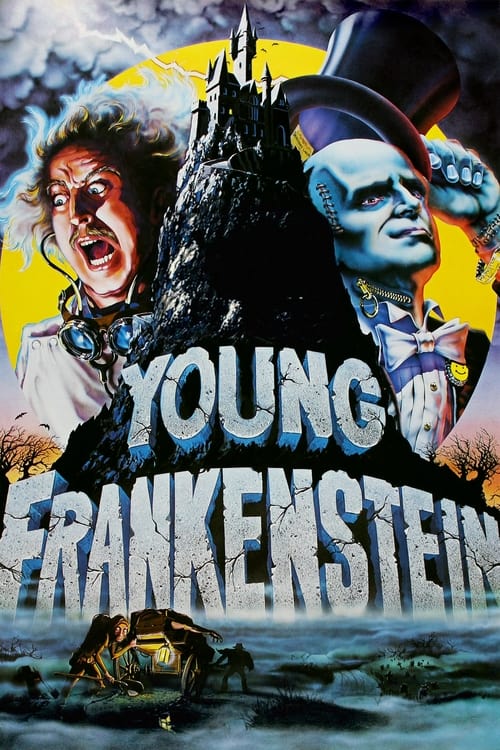
The one that started everything
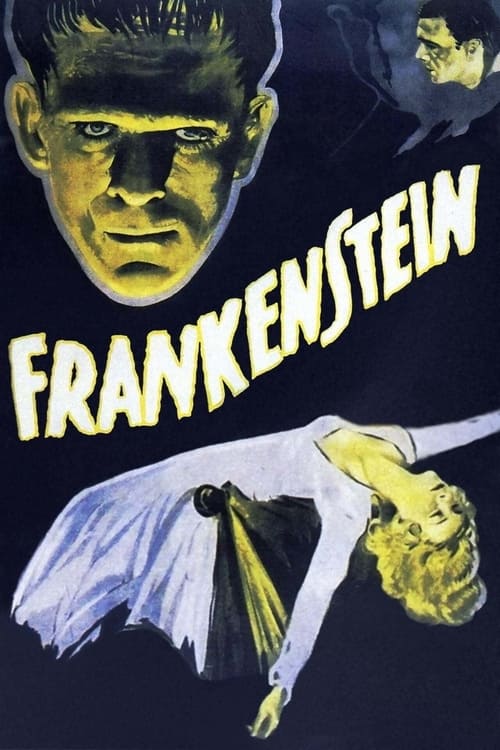
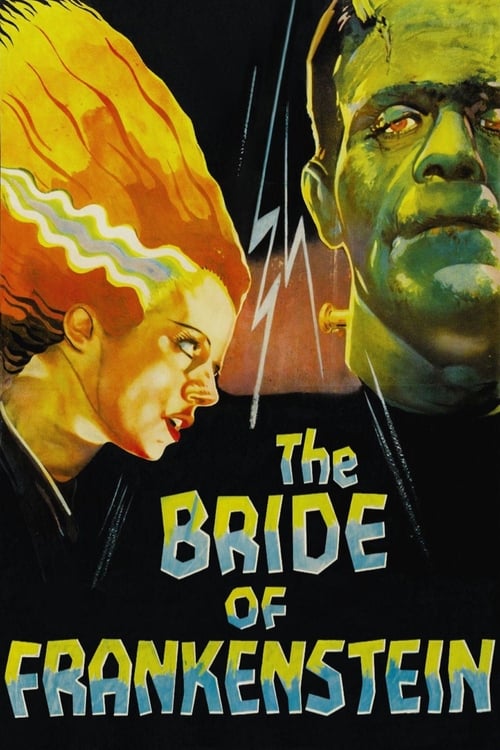
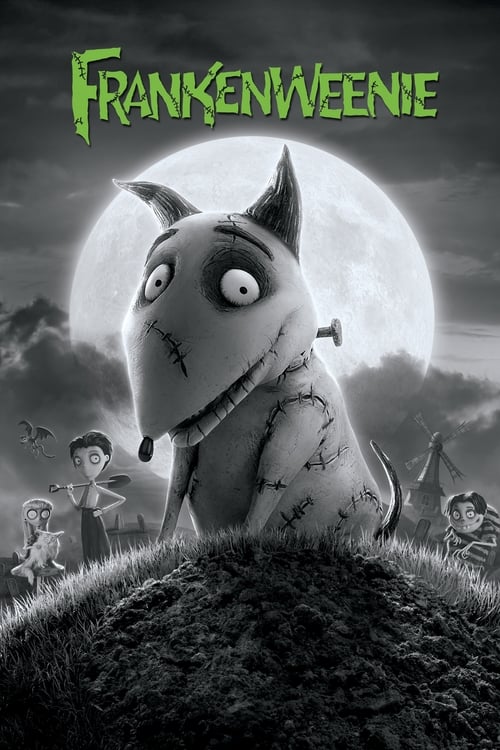
Mary Shelley was nineteen when she wrote the template for all of this. Frankenstein (1818) did not invent the mad scientist so much as define the shape of the argument: a man so convinced of his own brilliance that he creates life without considering what the living thing might want. Victor Frankenstein is not a villain. He is a gifted, self-absorbed person who treats moral consequences as someone else's problem. That is what makes every adaptation work, from James Whale's 1931 Universal picture to Kenneth Branagh's overwrought 1994 version to every comic reinterpretation since. The monster gets the sympathy because the creator never thought to give it any.
Whale's film is still the one to start with. Boris Karloff's creature communicates more without words than most actors manage with a full script.

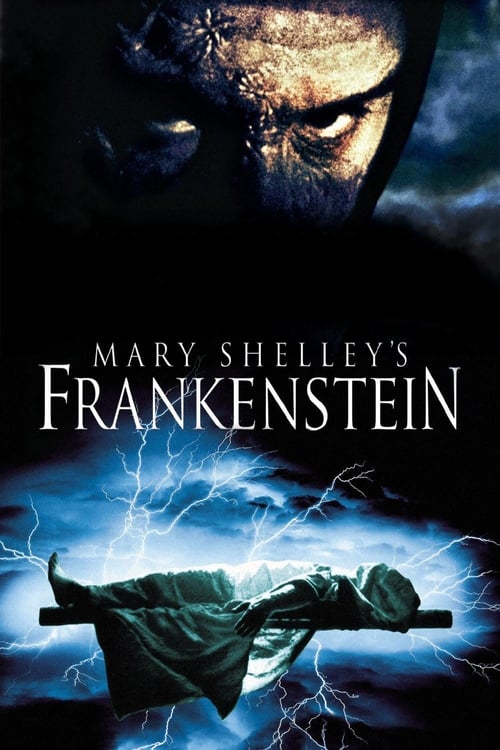
The Frankenstein cycle
From Mary Shelley's novel to its many screen lives

The transformation problem
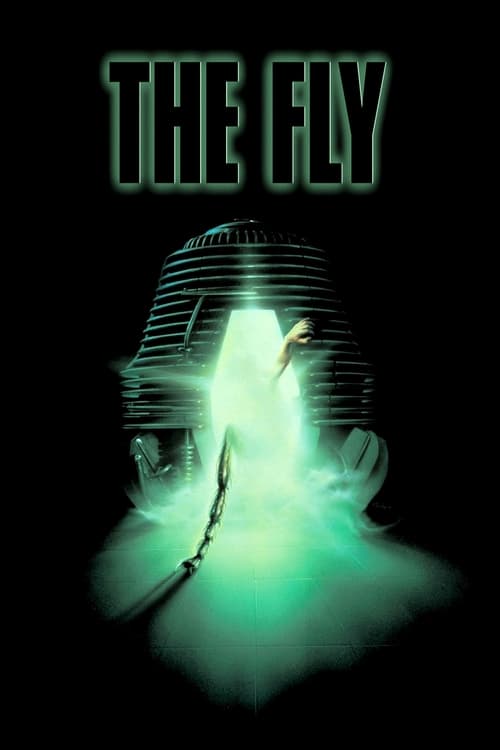
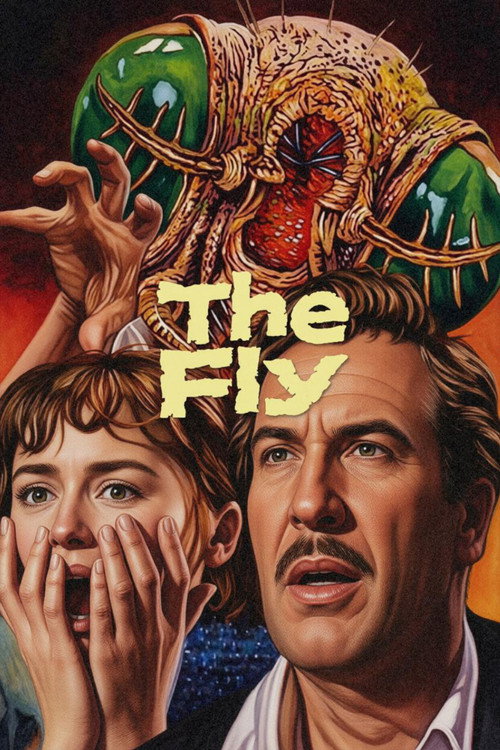
A surprising number of the great mad-scientist stories are about transformation: what happens when the scientist turns the experiment on themselves. Dr. Jekyll drinks his own formula. Seth Brundle steps into the telepod with a fly. Edward Pretorius reaches into dimensions he was not supposed to. The scientist as subject is a richer premise than the scientist as observer, because the cost is immediate and bodily. The abstraction of hubris becomes flesh.
Robert Louis Stevenson understood this in 1886. His Jekyll is not trying to do harm. He wants to separate the decent, respectable self from the shadow he suspects lives inside him. The shadow turns out to be the interesting one. Hyde gets all the energy and appetite that the respectable life had suppressed. Stevenson's horror is that you might not want to come back.
When the scientist is also the subject
Body and mind, transformed by the work

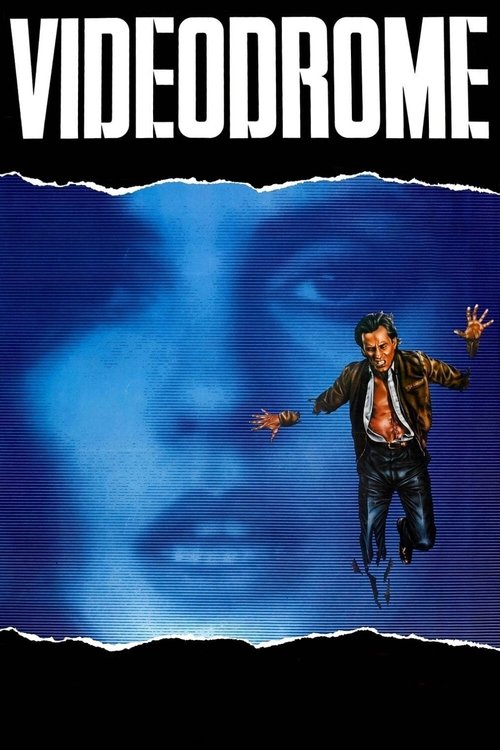
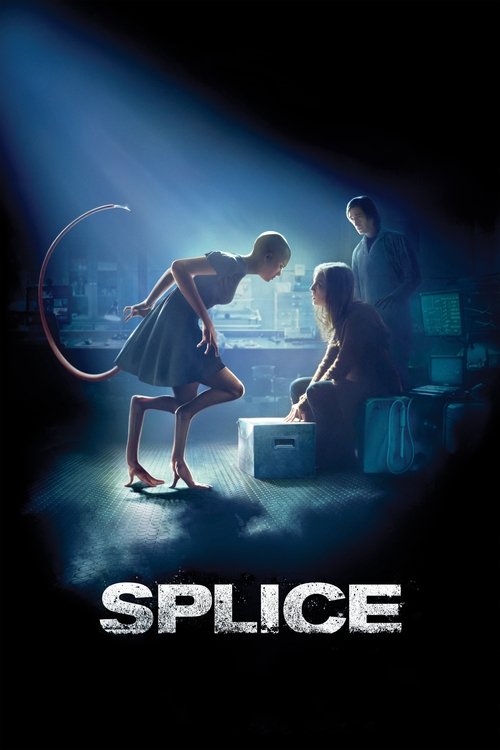
H.G. Wells got there second and went further
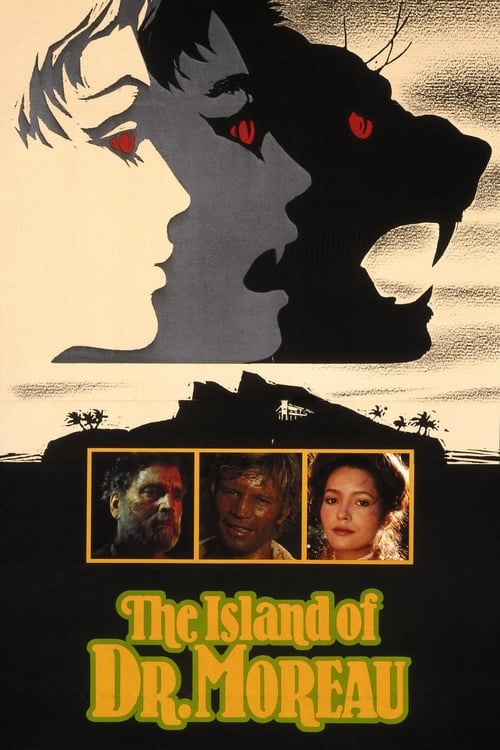
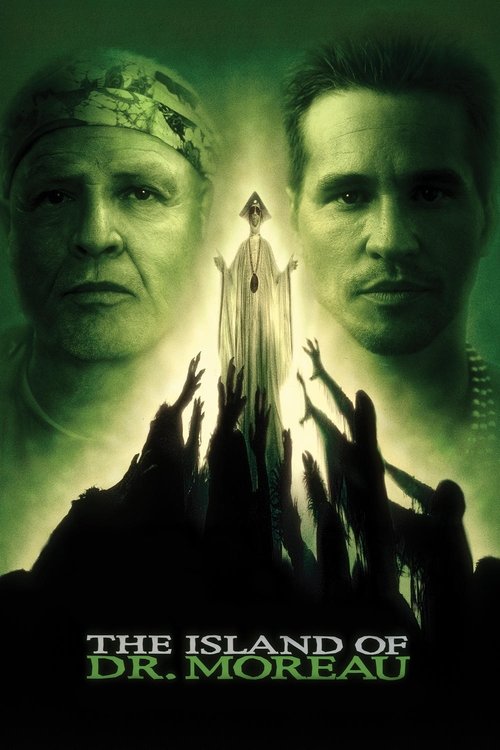
If Shelley wrote the emotional template, H.G. Wells wrote the intellectual argument. The Island of Doctor Moreau (1896) is colder than Frankenstein, more uncomfortable, and in some ways more modern. Moreau does not want to create a companion or split his soul. He wants to prove that life can be redesigned, that the distinction between species is a convention biology has not committed to. His vivisected Beast Folk are the result, and the horror is not what they have become but that Moreau sees them as data.
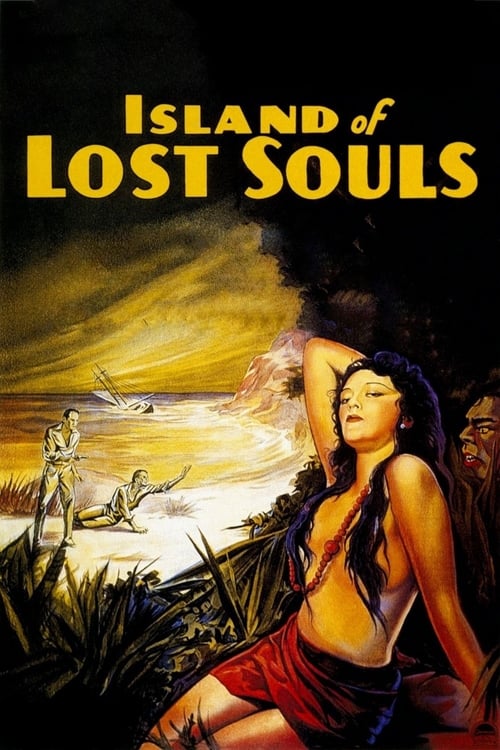
No film adaptation has fully cracked it. The 1932 Island of Lost Souls with Charles Laughton comes closest, because Laughton plays Moreau as polished and genuinely curious, which is worse than playing him as obviously mad. The 1977 and 1996 versions both pull their punches. The book remains the version to read.
Television's obsessed minds
The small screen gave the mad scientist room to breathe

Rick and Morty is the genre's sharpest update
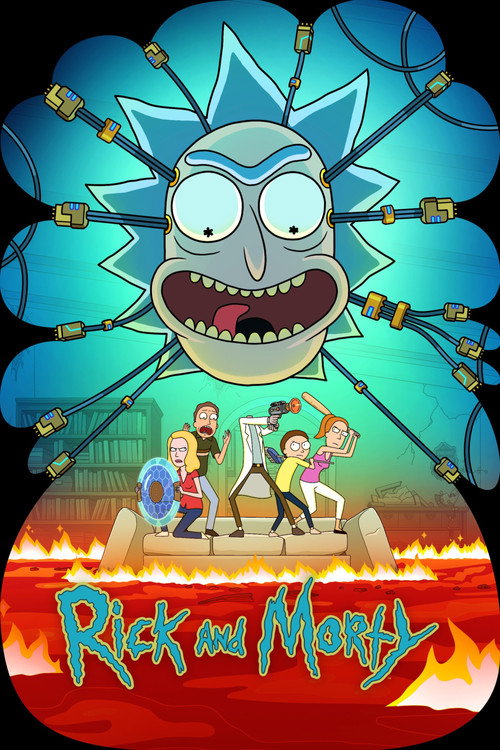
The animated series did something no live-action production had managed: it made the mad scientist the comic lead and let the comedy slowly reveal how genuinely dark the premise is. Rick Sanchez is the smartest being in the universe, and the show spends eleven seasons demonstrating that this has made him catastrophically broken. He is funny precisely because he is right about almost everything. He is horrifying for exactly the same reason.
What the writers understood is that the classic mad scientist usually had a goal, however deranged. Moreau wanted to redesign life. Frankenstein wanted to conquer death. Rick just wants to not be bored, and because nothing in the universe can hold his interest for long, the collateral damage is infinite. He is the archetype after the therapy session that did not help.
Invisible, reanimated, returned: the Wells and Lovecraft line
The experiments no one could stop
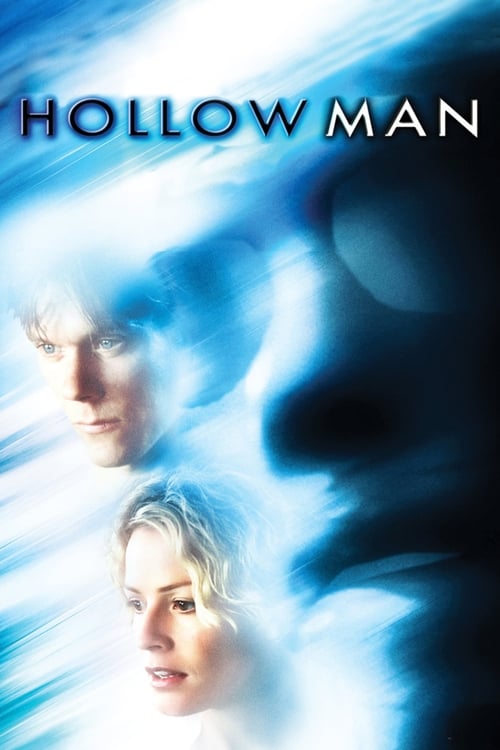
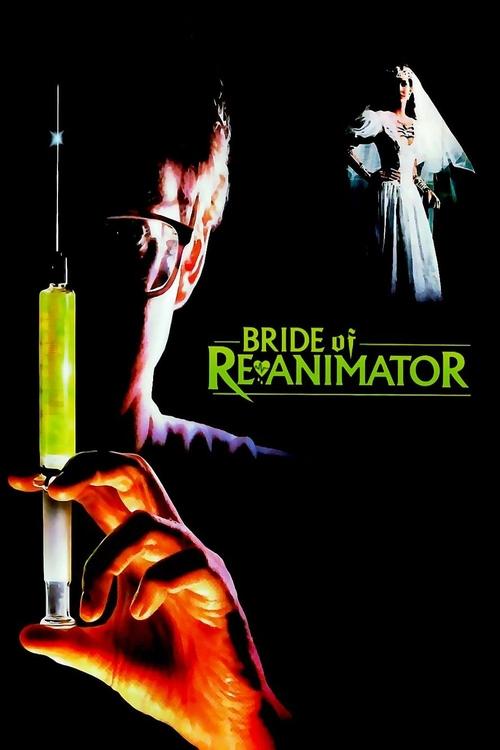
The mad genius in games
From Rapture's ruined utopia to Aperture Science

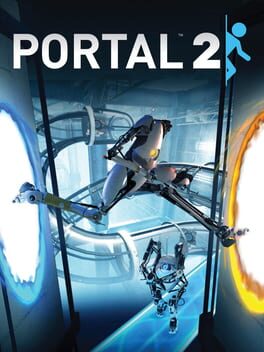

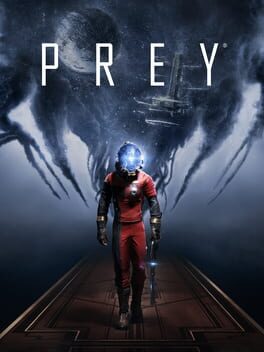
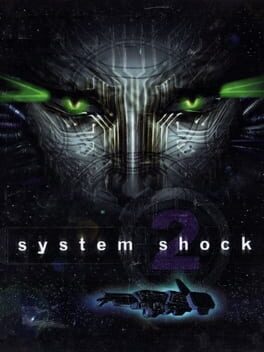
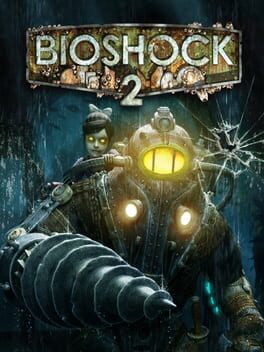
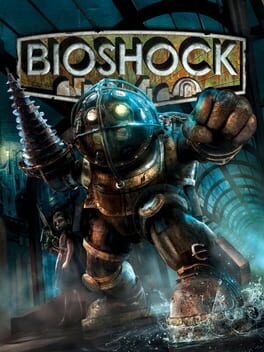
BioShock built the best dystopia a scientist ever destroyed
Andrew Ryan wanted to build a city where the scientist and artist would not be restrained by the small minds above them. Rapture was the experiment: an entire civilization premised on total freedom from moral constraint. By the time you arrive in 1960, the experiment has eaten itself. Fontaine used the ADAM genetic modification system to build an army, the plasmid surgeons started selling to anyone who could pay, and the population that was supposed to be humanity's finest tore itself apart with powers it could not control.
The game is structured as a walking tour of a catastrophe, and the catastrophe is specifically scientific hubris without ethics. The scientists of Rapture were not wrong about what was possible. They were wrong about what was wise. That distinction, the distance between can and should, is what the whole genre is built on.
On the page: the source texts
Where the genre was written before anyone filmed it


The scientist who asks whether something can be done has already answered the only question that matters. The one who asks whether it should be done is the one we rarely meet in time.On the gap between discovery and wisdom
The genre at full range
Comedies, thrillers and everything in between