
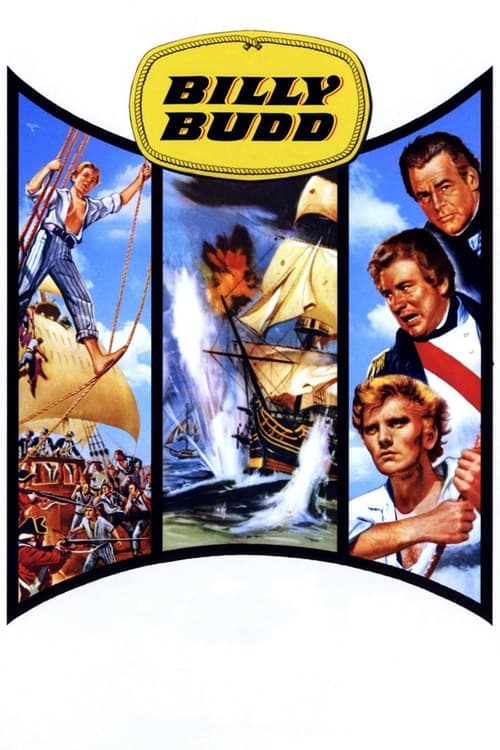
Herman Melville spent years at sea before he spent decades at a desk, and the tension between those two lives charged every word he wrote. The sailor who survived a mutiny, lived among Pacific islanders, and watched men broken by obsessive captains came home to write novels that his era largely misunderstood and that subsequent generations recognized as foundational. The through-line a Melville reader loves is not maritime adventure in any simple sense: it is the collision between an individual consciousness and a reality that refuses to yield meaning. Moby-Dick is the obvious peak, but the body of work is wide, strange, and consistently rewarding. Whether you start with the South Seas lushness of Typee, the radical refusal of Bartleby the Scrivener, or the moral complexity of Billy Budd, you find the same restless intelligence asking what it costs to live honestly in a world organized by force and convention.
Essential Herman Melville
The books that define the canon, from the celebrated to the unjustly neglected




Moby-Dick on Screen
Adaptations and films that grappled with the novel or the whale

If You Love Melville, Read These
Authors who share his ambition, his darkness, or his preoccupation with the American soul








Obsession, Isolation, the Infinite
Films and series that carry Melvillean weight: the lone will against indifferent nature





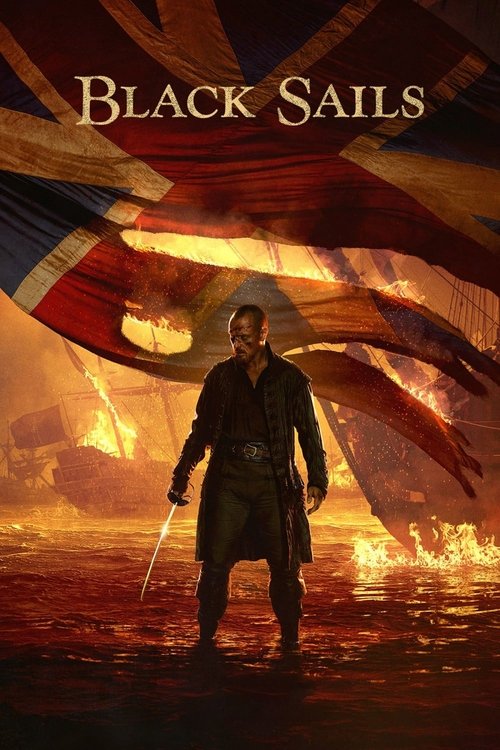
Games of the Sea and the Hunt
Games that channel the open water, survival against scale, or the cost of obsession
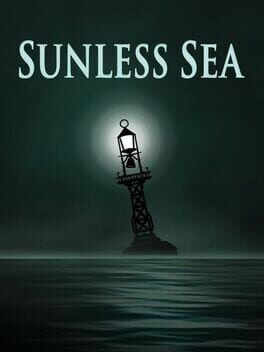


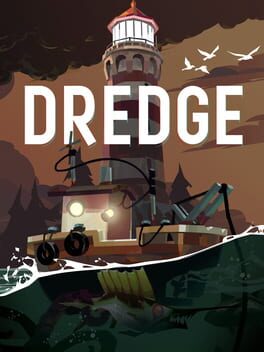

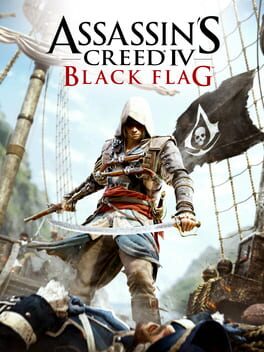
Moby-Dick is Not a Novel About a Whale
Moby-Dick contains a whale, a mad captain, and a narrator named Ishmael, but what it is actually about is harder to pin down: American capitalism, colonial violence, metaphysics, the failure of rationalism, the horror of absolute authority. Melville hides the whale for long stretches behind chapters of cetology and rope-work, and those chapters are the point. The obsession the reader develops while waiting for the whale mirrors Ahab's own. Few novels have built their form so precisely to replicate the experience they describe.
Bartleby Is the Uncanniest Story in American Literature
A short story about a clerk who refuses to work sounds like the set-up to a joke. Melville turns it into something genuinely unsettling: a portrait of passive resistance that predates Kafka by decades and refuses to explain itself. Bartleby does not argue, does not rebel, does not justify. He simply prefers not to. The story's power comes from what it withholds, and from the narrator's helpless, well-meaning inability to understand a man who has simply stopped.

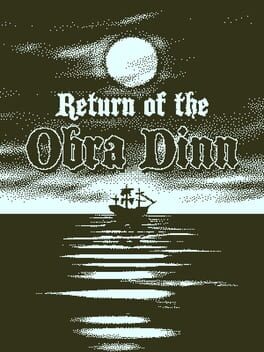
Return of the Obra Dinn Is a Game Melville Would Have Recognized
Lucas Pope's mystery game casts you as an insurance investigator piecing together the fate of a ship's crew from frozen death-tableaux and a logbook. The form is pure Melville: nautical detail as obsessive puzzle, death as fact rather than drama, the sea as a space where civilization's rules simply do not apply. The dread that builds across Obra Dinn's runtime is recognizably the same dread Melville drew from documentary accumulation. It is the most Melvillean thing that is not a Melville novel.
Conrad Was Melville's True Heir
Joseph Conrad never mentions Melville, and their careers were separated by half a century, but Lord Jim and Heart of Darkness read like the next chapters in the same conversation. Both writers understood the sea as a moral arena, both were interested in how men behave when authority is stripped away, and both made English-language prose do things it had not previously done. If Moby-Dick cracked the door, Conrad walked through it.
Melville's Life and Legacy
- 1819Born in New York City
- 1839First voyage, as a merchant sailor to Liverpool
- 1841Ships out on the whaler Acushnet, bound for the Pacific
- 1842Jumps ship, lives among the Typee people of Nuku Hiva
- 1846Typee published to popular success
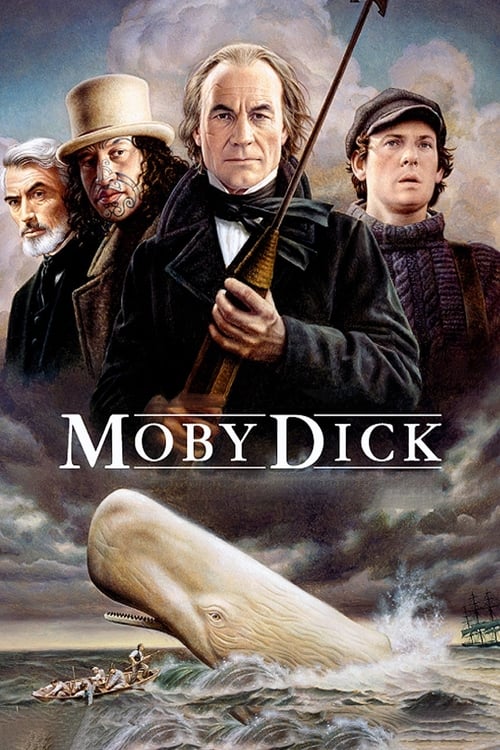
- 1851Moby-Dick published; critical reception is mixed, sales poor Moby Dick
- 1853Bartleby, the Scrivener published in Putnam's Monthly Bartleby, the Scrivener
- 1856The Confidence-Man published; Melville largely abandons fiction The Confidence Man
- 1857Meets Nathaniel Hawthorne in Liverpool for the last time
- 1866Becomes a customs inspector in New York, a post he holds for 19 years
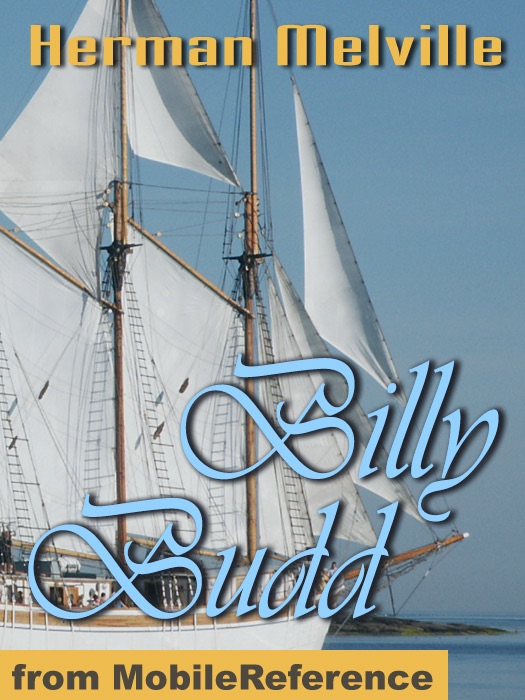
- 1891Dies; Billy Budd, Sailor found in manuscript form Billy Budd
- 1924Billy Budd published posthumously; the Melville revival begins
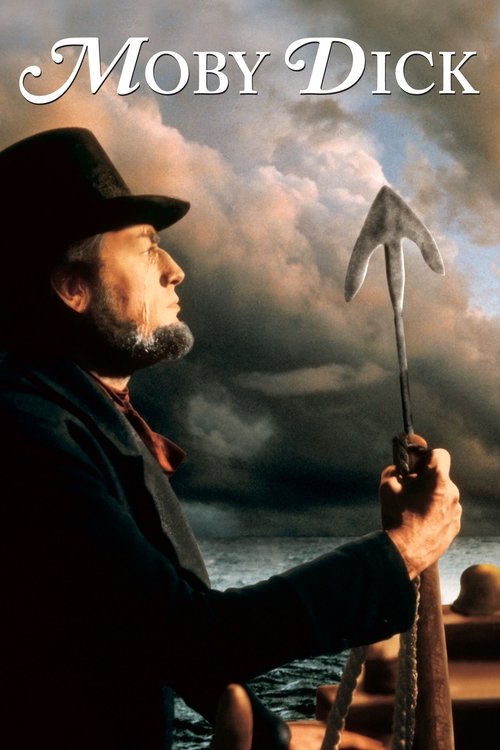
- 1956John Huston's Moby Dick released with Gregory Peck as Ahab Moby Dick
The Sea, Obsession, and the Age of Sail
Sea Voyages & Maritime Adventure
Explore the Sea Voyages & Maritime Adventure guide →It is not down in any map; true places never are.Herman Melville, Moby-Dick