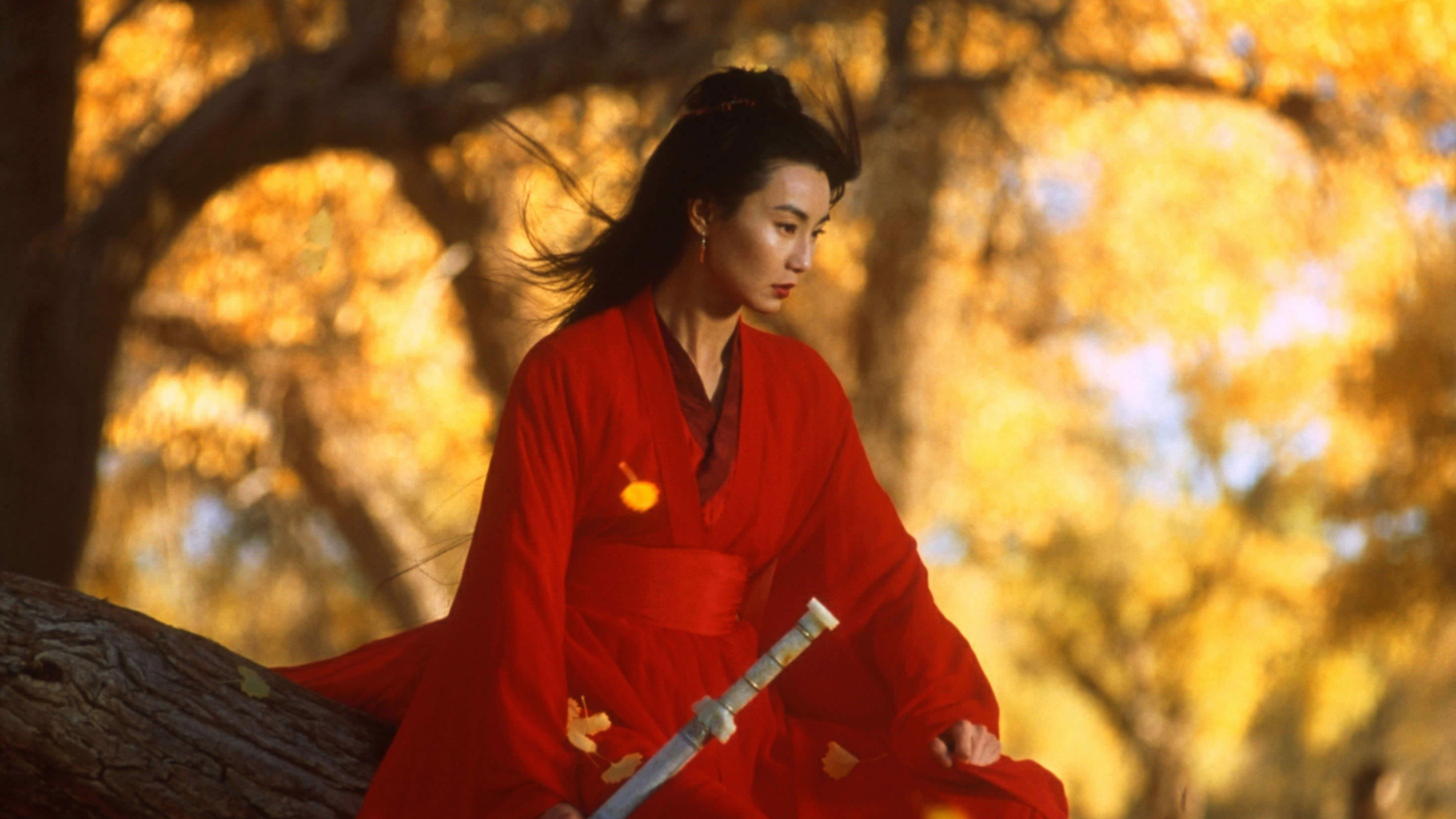

Zhang Yimou made Hero as a film about the moment a fighter chooses to stop fighting. Set in the Warring States era, a nameless assassin arrives at the palace of the King of Qin and recounts how he defeated three legendary swordspeople. What emerges across those nested stories is not action for its own sake but a sustained argument about what a nation costs the individuals it absorbs. Every combat scene is color-coded to match its emotional register: red for passion and doubt, blue for cool deception, white for truth. The cinematography (Christopher Doyle) turns each sequence into a moving painting. The through-line fans chase is a certain kind of spectacle that is also a puzzle, where beauty is the vehicle for ideology, and where the most important moment in the film is a character choosing to die.
Essential Hero
Zhang Yimou's wuxia masterwork and its closest siblings from his own filmography
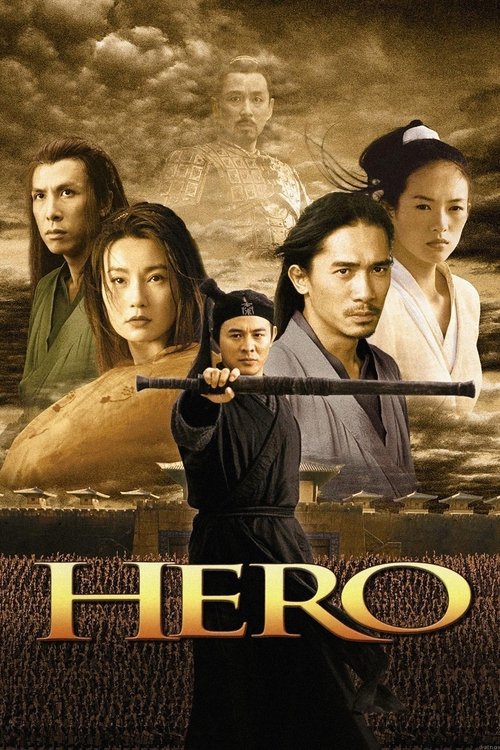
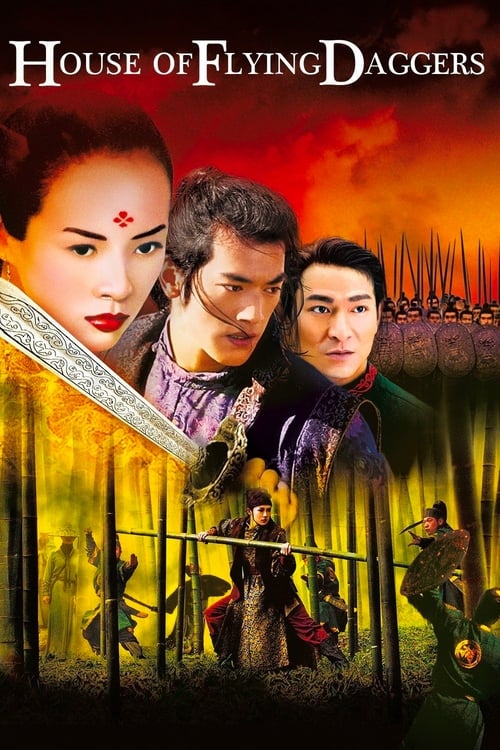
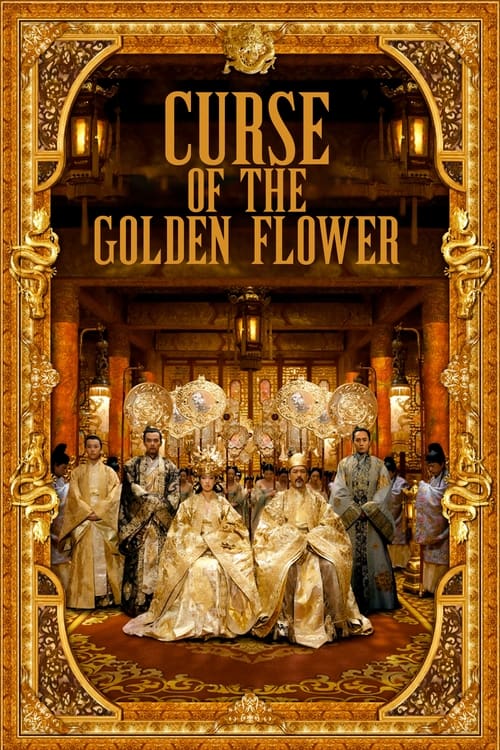
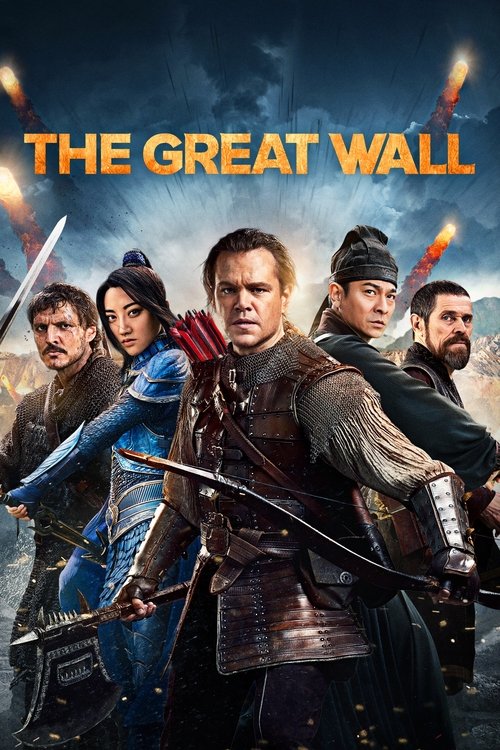
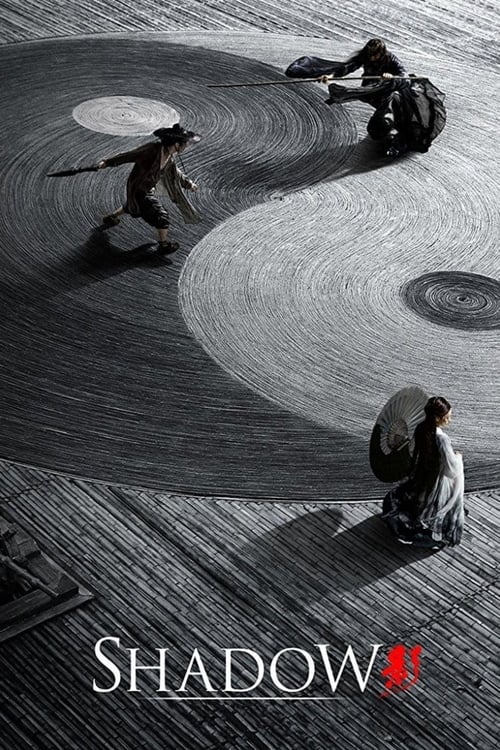
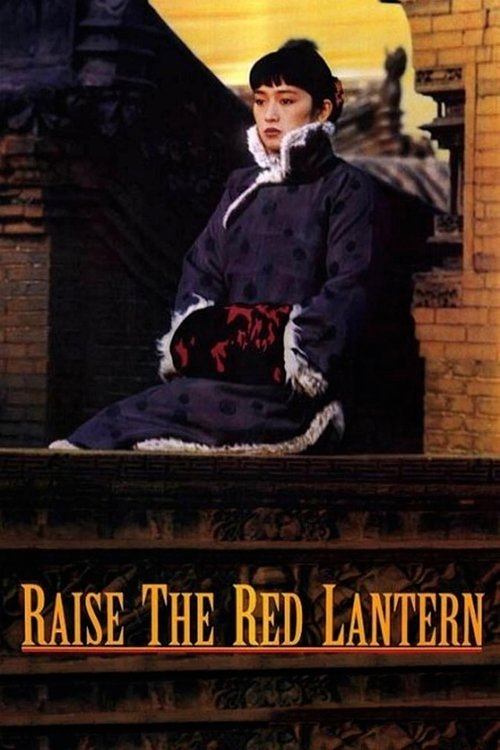

The Art of the Blade: Wuxia and Martial Arts Cinema
Films that share Hero's fusion of choreography, color, and moral seriousness
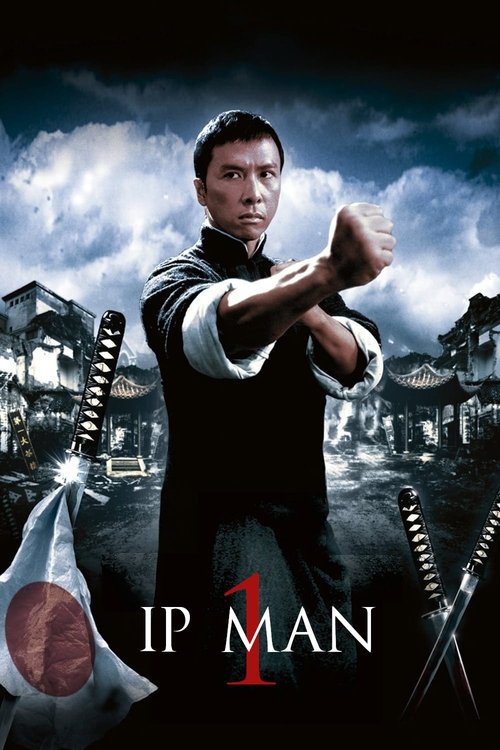
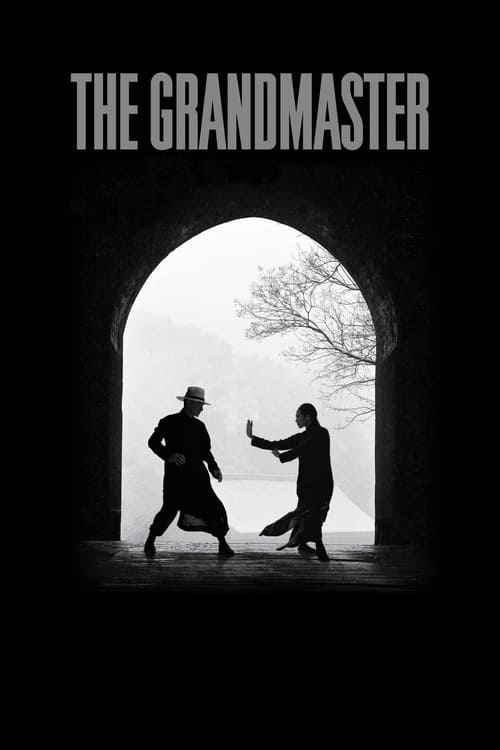
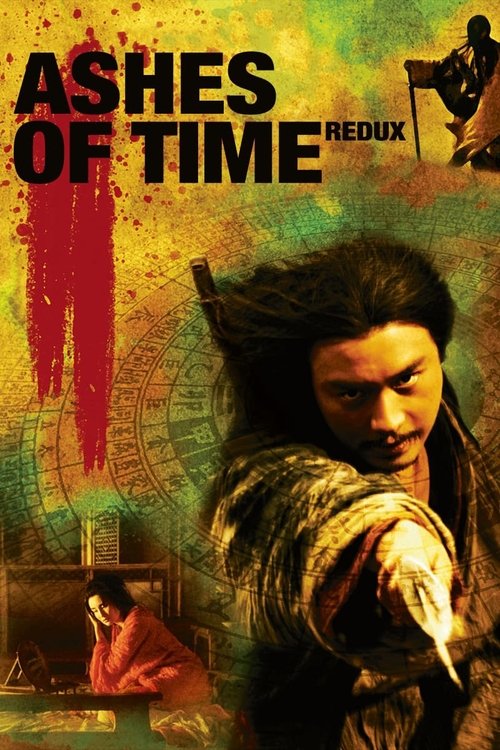
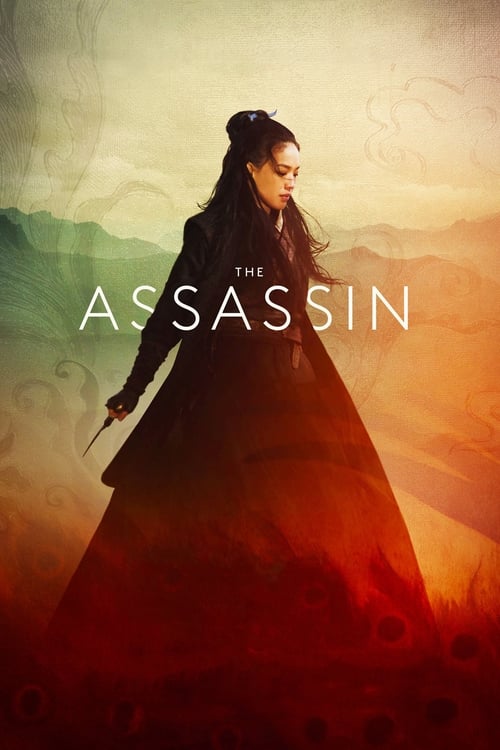
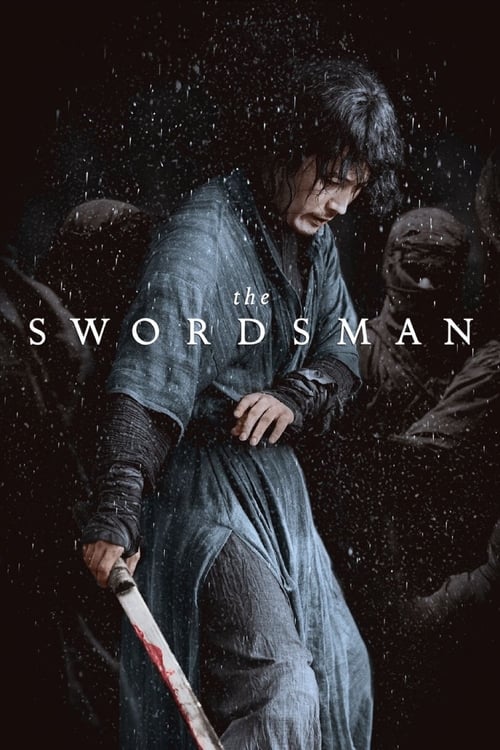
Warrior and Empire: Series That Chase the Same Scope
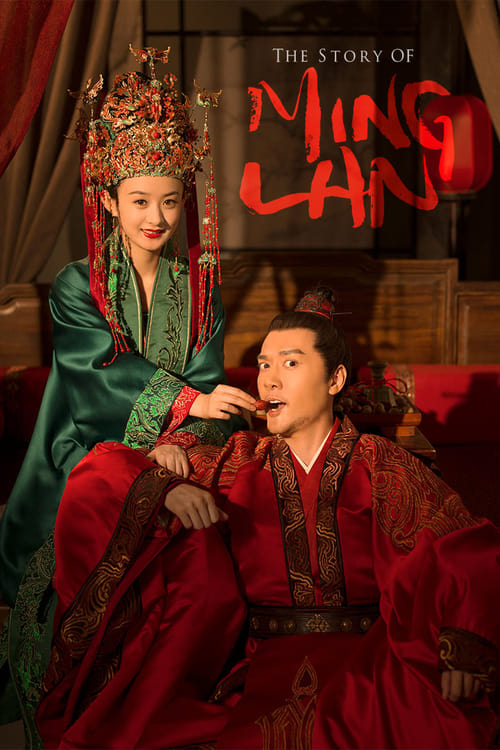
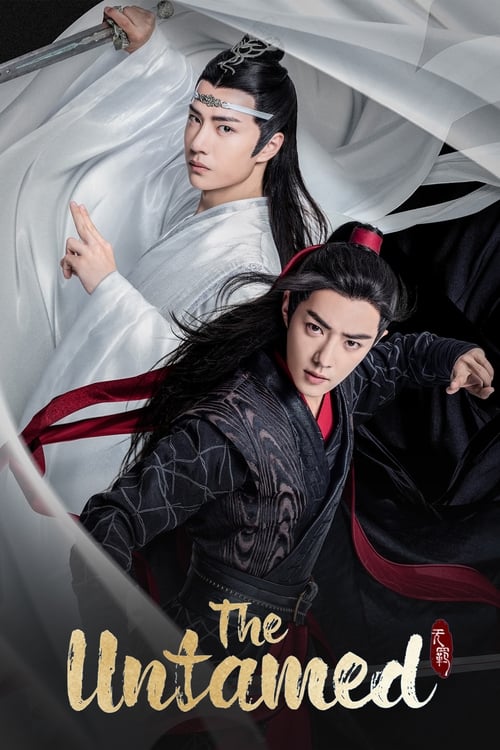
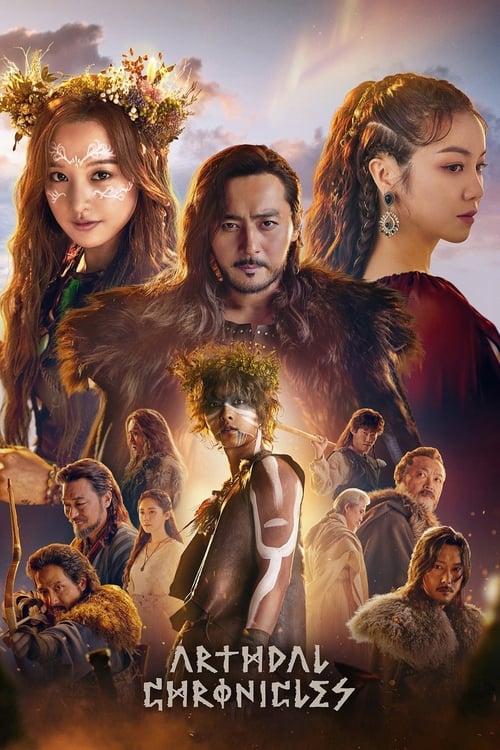
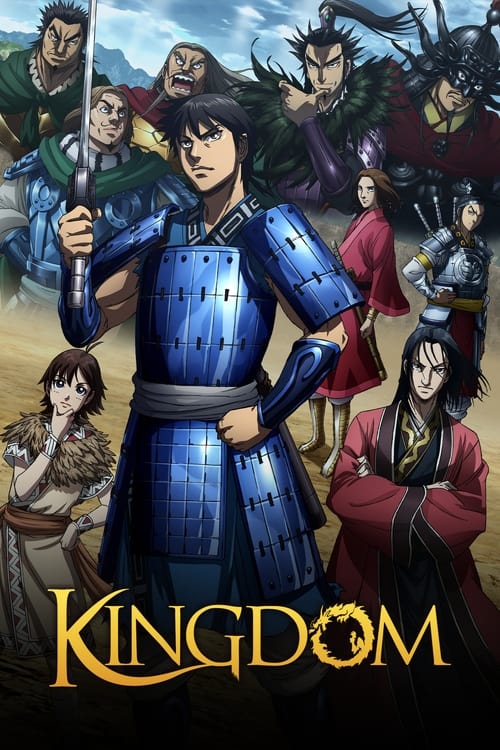
Television that puts individual fate against the machinery of dynastic power

The Pen Behind the Sword: Novels That Built the Genre
Books whose vision of loyalty, sacrifice, and the martial world feeds directly into what Hero distills


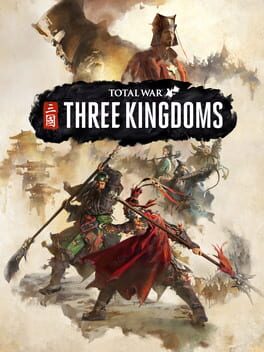
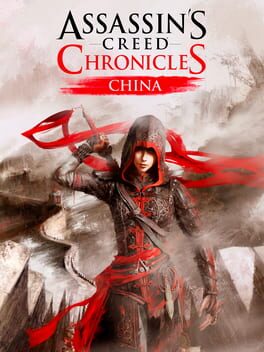
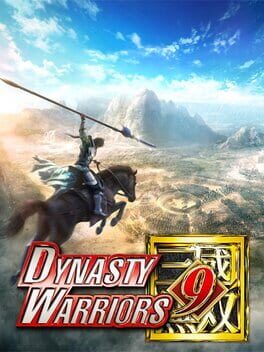
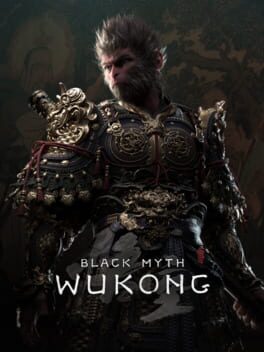
Steel and Ink: Games That Share Hero's DNA
Games built around fluid swordplay, historical China, and the weight of a warrior's choices
Color Is the Argument
Hero does not use color as decoration. Each of the film's nested stories is bathed in a dominant hue that signals the emotional and moral truth of that particular account. Red carries heat, desire, and unreliable passion. Blue signals calculation and strategic distance. White arrives when a character finally tells the truth. By the time the king and the nameless man reach their final exchange, you have been trained to read the palette as a second script. No other martial arts film has used cinematography this deliberately as an epistemological device.
The Director Who Painted with Crowds
Zhang Yimou came to Hero after decades of intimate domestic dramas like Raise the Red Lantern and Ju Dou. That background shows. He treats the massive action set-pieces with the same attention to enclosed, pressurized space that defined his early work. A lake. A palace courtyard. A calligraphy school in the rain. The scale of Hero is always in service of a tight emotional moment rather than the other way around. That discipline is what separates it from the spectacle-first blockbusters it superficially resembles.
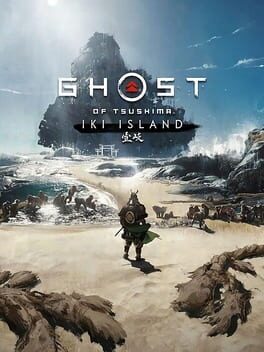
Ghost of Tsushima Is Hero as an Open World
Sucker Punch cited Kurosawa as a primary influence on Ghost of Tsushima, but the game's visual language often lands closer to Hero. The color-graded seasons, the one-on-one duels staged against extreme natural beauty, the protagonist who must decide what his sense of honor is actually worth: these beats mirror Hero's structure and emotional argument almost scene for scene. Playing Ghost of Tsushima after watching Hero reveals how thoroughly Zhang Yimou's film shaped the international imagination of what feudal East Asian combat should feel like.
The Wuxia Novel Predates the Genre Film by Centuries
Jin Yong (Louis Cha) wrote the foundational novels that define the wuxia genre: The Book and the Sword, The Smiling Proud Wanderer, The Deer and the Cauldron. Hero draws directly on that tradition. His characters share the same preoccupations: the tension between personal loyalty and political obligation, the moment a fighter must decide whether the code they live by is noble or self-serving. Reading Jin Yong after watching Hero traces the genealogy of every choice the film makes, from its structure as a story-within-a-story to its ambivalence about unification.
A Line Through Wuxia
- 1955Jin Yong begins serializing wuxia fiction in Hong Kong newspapers, establishing the moral vocabulary the genre still uses
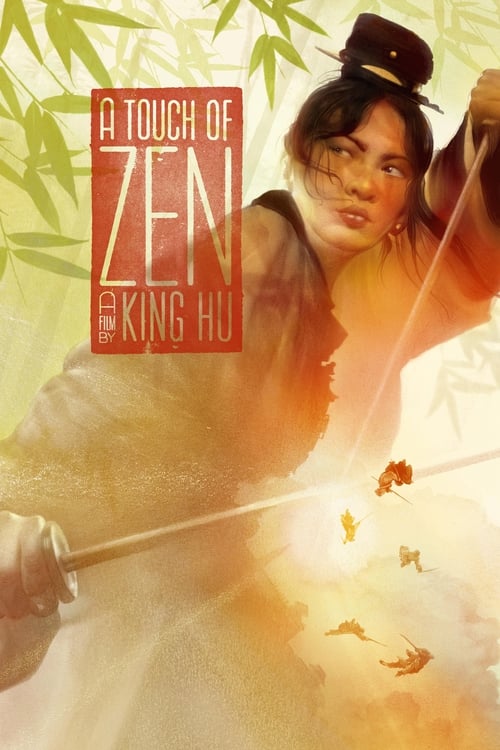
- 1966A Touch of Zen premieres, bringing wuxia to international art-cinema audiences and establishing visual ambition as a genre standard A Touch of Zen
- 1971Bruce Lee's Fist of Fury reorients martial arts cinema around contemporary settings and national identity, a counterpoint to the period wuxia tradition Fist of Fury
- 1996The Swordsman adaptation brings Jin Yong to a new generation of viewers; wuxia becomes a prestige television form across Hong Kong and mainland China
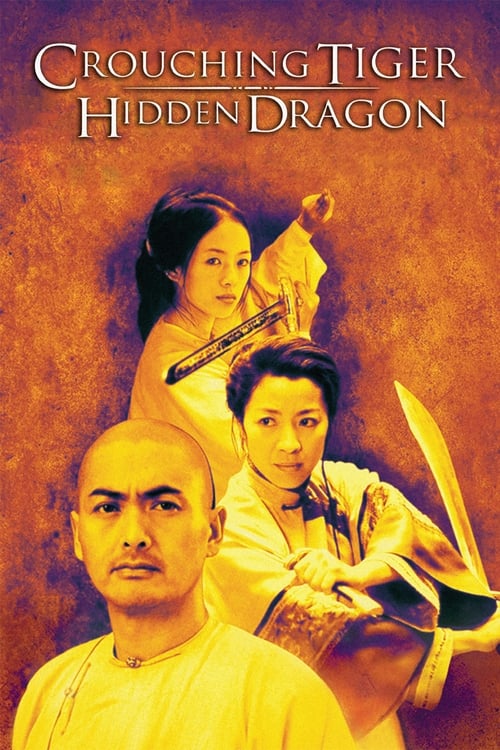
- 2000Crouching Tiger, Hidden Dragon wins the Academy Award for Best Foreign Language Film, opening Western theatrical distribution for martial arts epics Crouching Tiger, Hidden Dragon
- 2002Hero premieres at Venice and becomes the highest-grossing Chinese-language film to that point, cementing color-as-emotion as the defining visual grammar of the form Hero
- 2004House of Flying Daggers extends Zhang Yimou's wuxia language into a more intimate love-triangle structure House of Flying Daggers
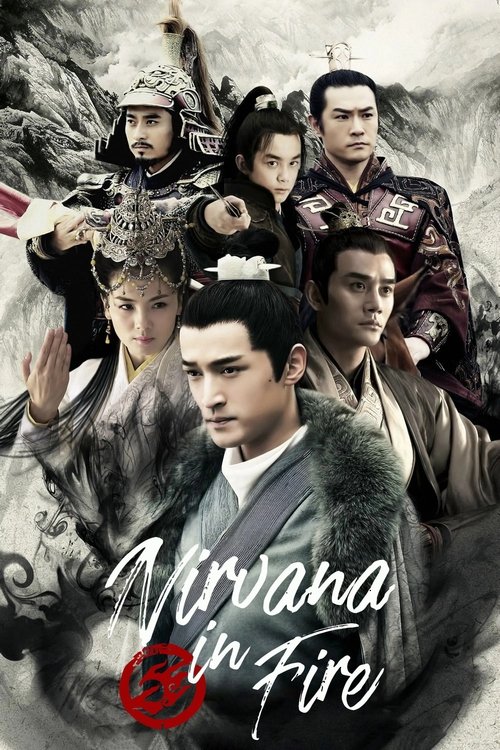
- 2015Nirvana in Fire proves the long-form wuxia political epic can sustain fifty-four episodes of court intrigue without losing dramatic tension Nirvana in Fire
- 2020Ghost of Tsushima translates the cinematic wuxia and chambara aesthetic into an open-world action game, earning a dedicated photo mode to honor the visual tradition Ghost of Tsushima: Iki Island
- 2024Black Myth: Wukong becomes the first Chinese-developed AAA game to achieve global commercial and critical success, drawing on the same mythological tradition as the wuxia genre Black Myth: Wukong
Wuxia martial arts and warrior myth
Martial Arts
Explore the Martial Arts guide →Our Land is more important than your life or mine.Hero (2002)