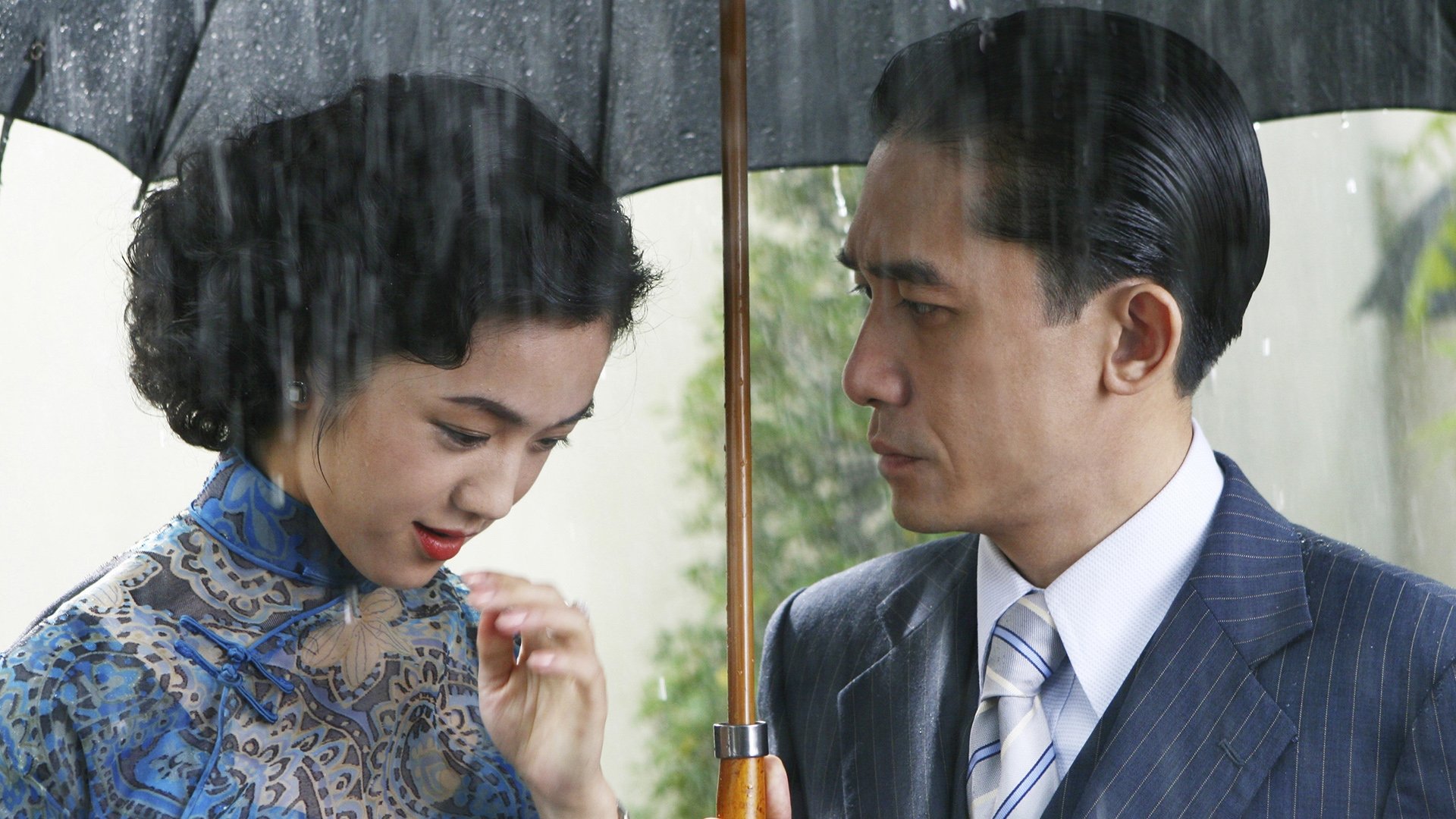

Ang Lee's 2000 film fused Chinese martial arts opera with literary restraint and genuine longing. What a fan chases is that specific combination: fight sequences that feel like dance, characters who suppress everything they feel until the pressure finally breaks something, and a visual grammar borrowed from classical painting. The wuxia genre has a long history in Chinese cinema, but Crouching Tiger gave it a scale and emotional weight that reached audiences who had never seen a single Shaw Brothers film. The through-line is constraint: warriors who follow codes, daughters who obey expectations, and the chaos that erupts when someone refuses.
Essential Crouching Tiger, Hidden Dragon
The film itself, and Ang Lee's wider world
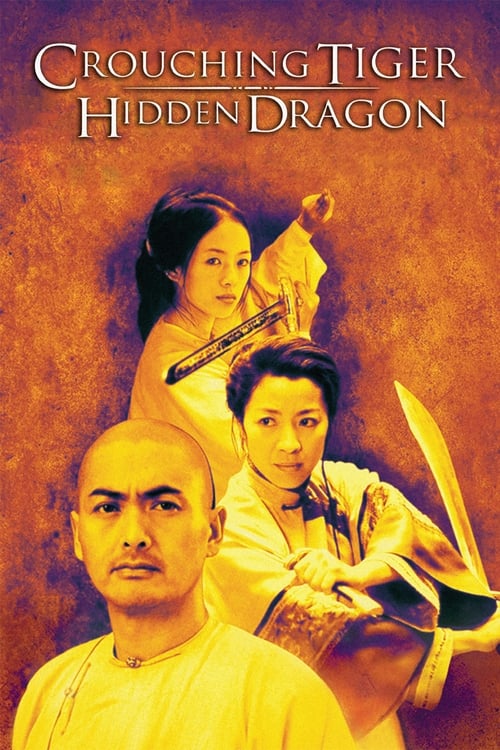
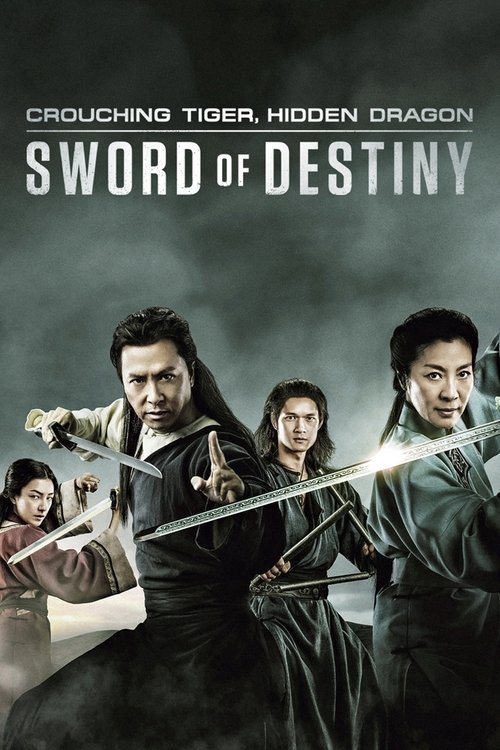
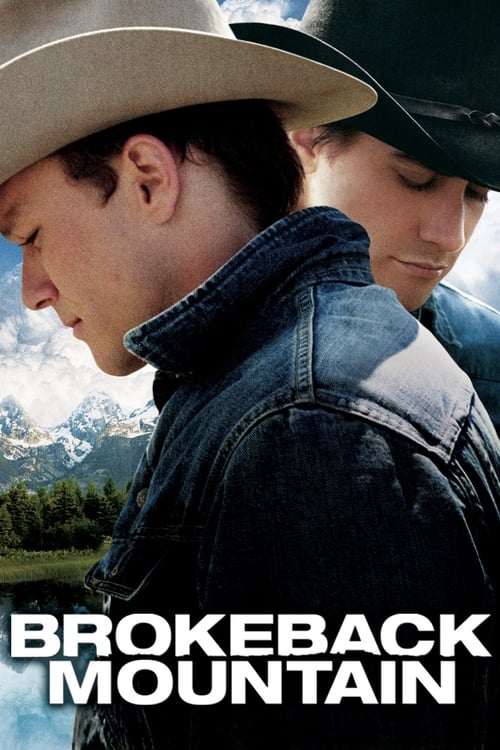
The Wuxia Canon
Films that share its gravity-defying elegance and emotional sweep
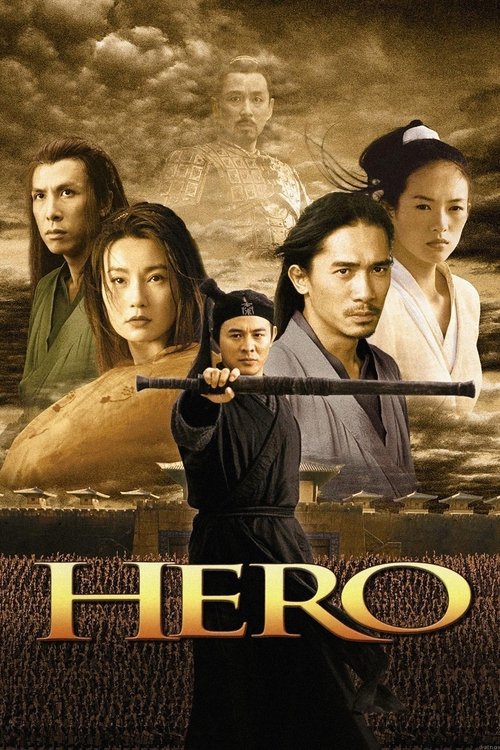
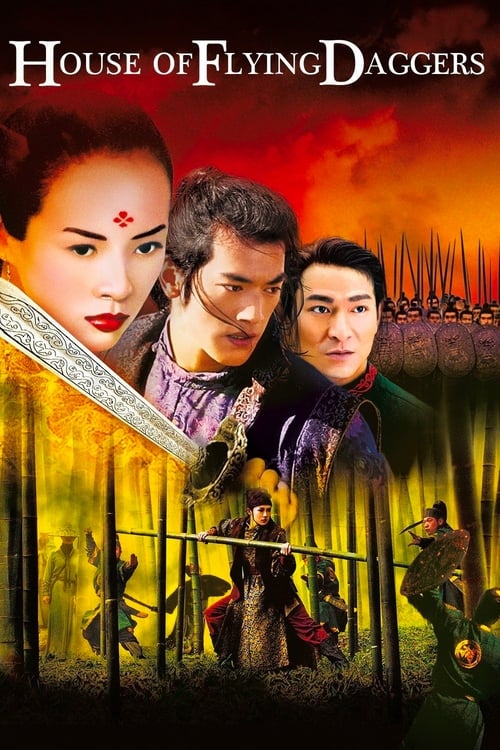
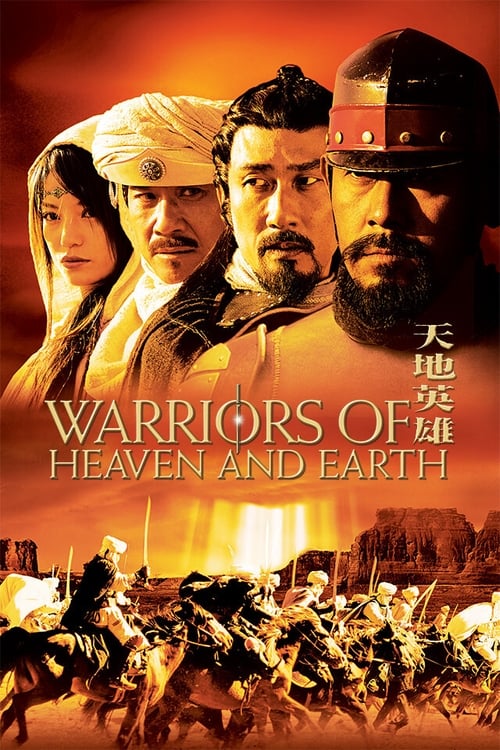
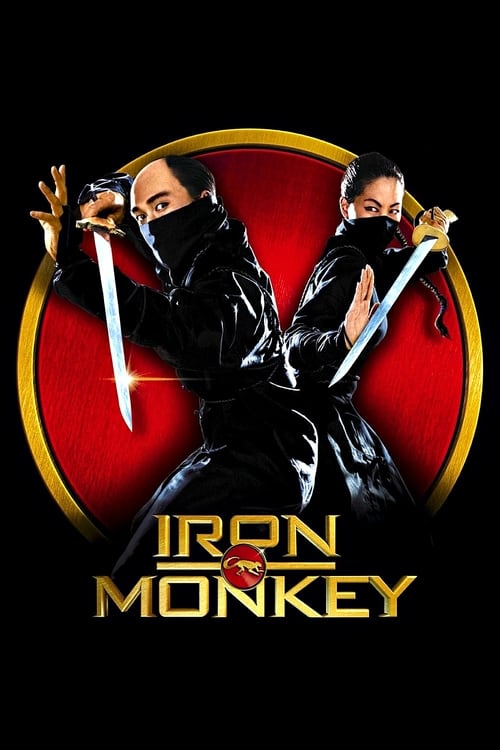
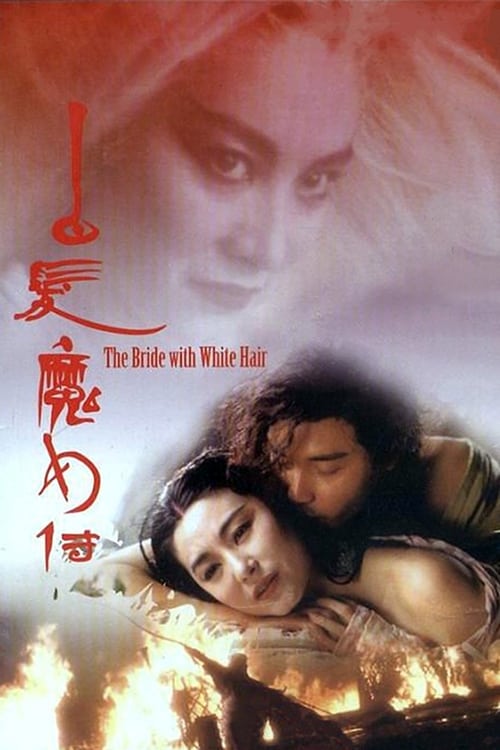
Period Action on Screen
Series that carry the same sweeping choreography and historical atmosphere
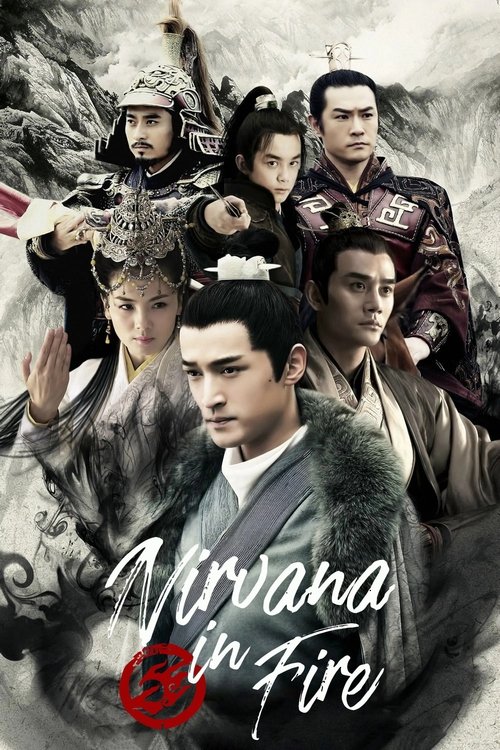
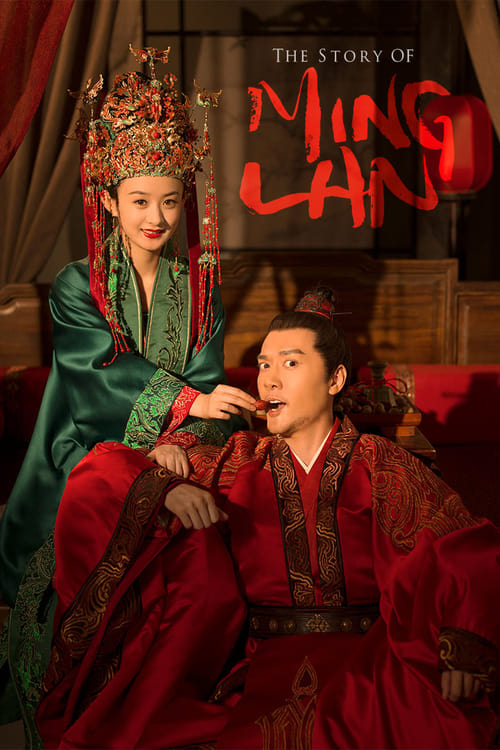

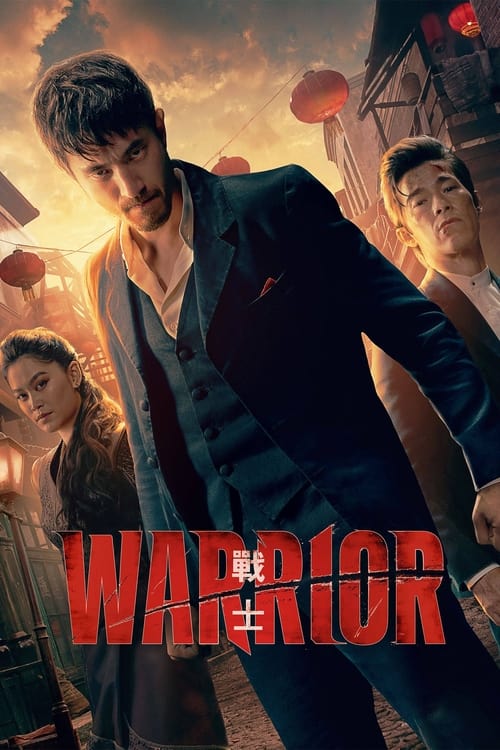
The Novels Behind the Blade
Wuxia fiction and literary action that feed the same imagination


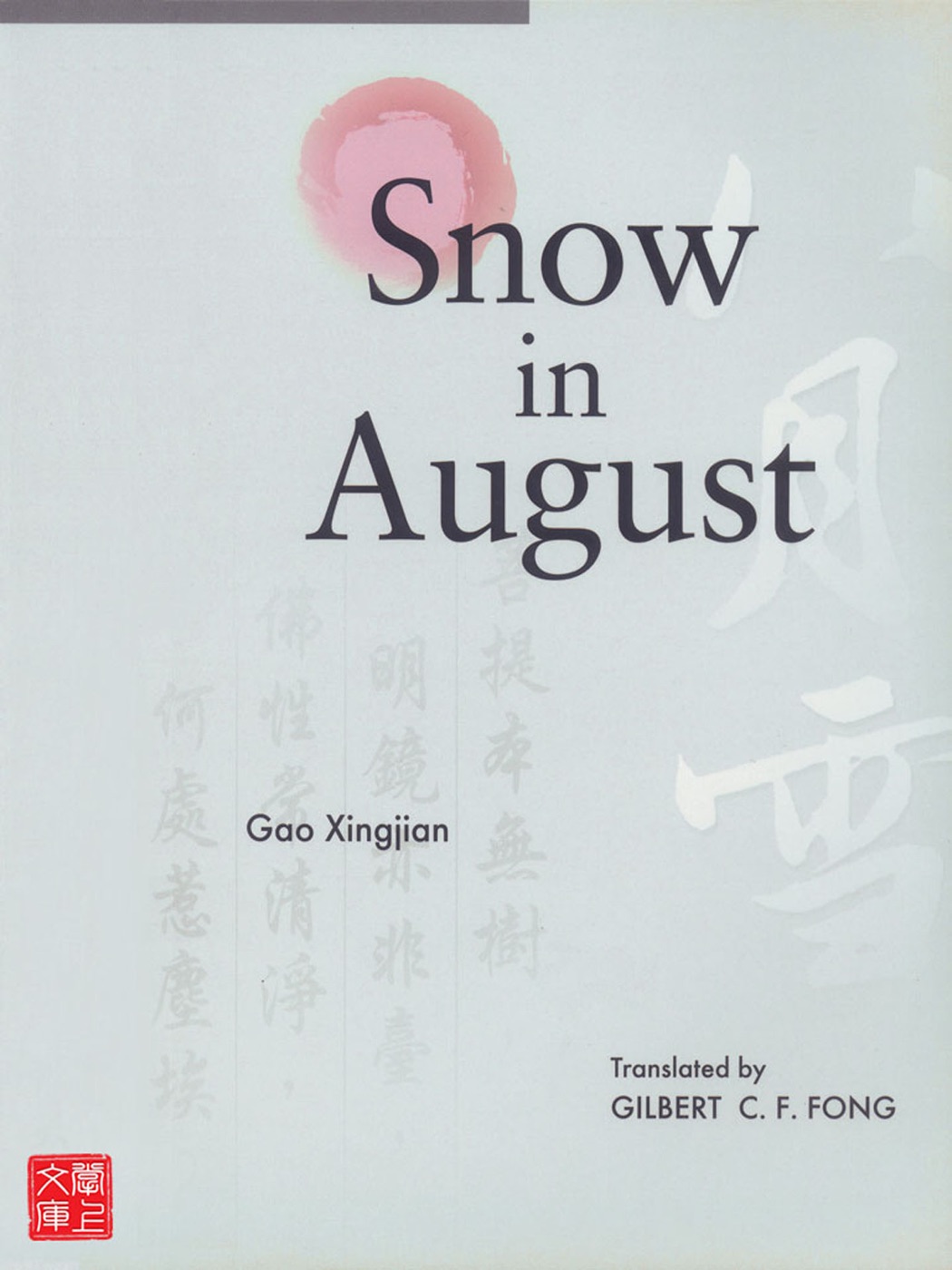

Games of Blade and Honor
Games that translate the wuxia spirit into something you control
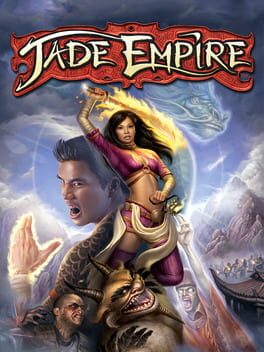
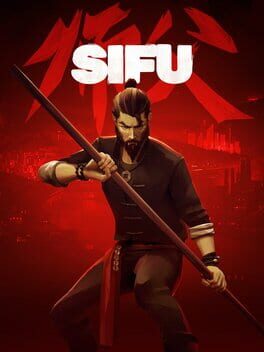
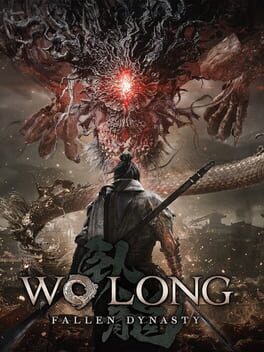
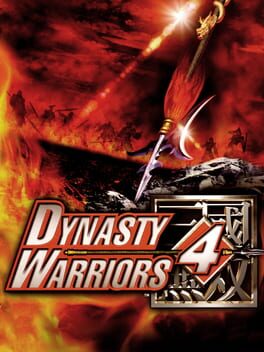
Choreography Is Character
Yuen Woo-ping's fight choreography for Crouching Tiger was not decoration. Every duel reveals something about who the fighters are: Li Mu Bai fights with economy and grief; Jen Yu fights with hunger and fury. The rooftop chase in Peking is a seduction. The bamboo forest sequence is a conversation that words could not have. Audiences accustomed to action as spectacle were watching character work in another language.
Desire as the Real Antagonist
The film is less about swords than about what people want and cannot have. Jen Yu wants freedom from an arranged marriage and a scripted life. Li Mu Bai wants to tell Shu Lien something he has never said. Shu Lien wants to keep the discipline she has built her life around. The fighting is the overflow. Films that share this DNA use action or genre as a container for desire that proper society refuses to accommodate.
The Weight of the Green Destiny
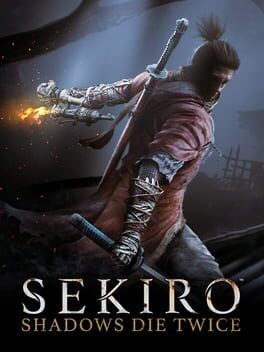
The Green Destiny sword passes through the film as a test of character for whoever holds it. In wuxia, objects carry moral weight. The sword does not make Jen Yu dangerous, it reveals what she already was. This is the genre's oldest insight: power does not corrupt, it clarifies. Games like Sekiro and novels in the Jin Yong tradition share this logic, where a weapon's history binds its wielder to something larger than personal ambition.
Milestones in Wuxia Cinema
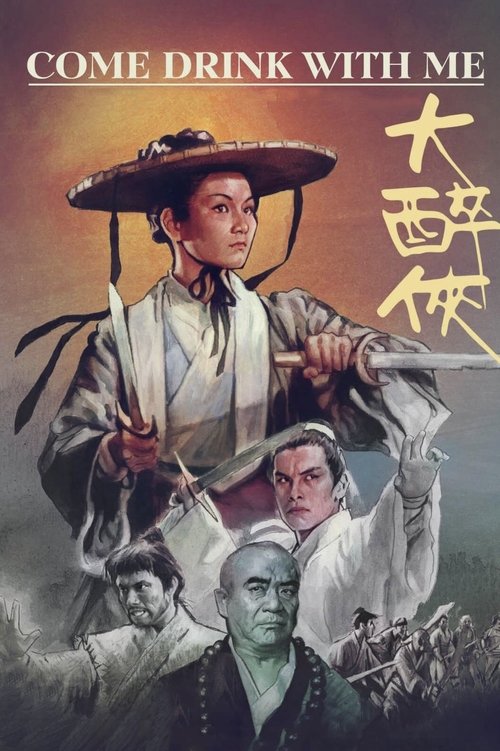
- 1966Come Drink with Me establishes the wandering female warrior archetype Come Drink with Me
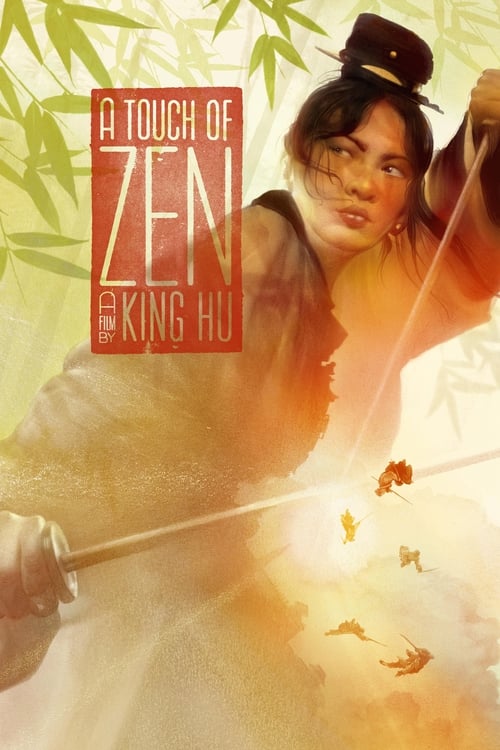
- 1971A Touch of Zen brings literary ambition to wuxia for the first time A Touch of Zen
- 1994Jin Yong's The Deer and the Cauldron reaches English translation, introducing the novelist who defined the genre The deer and the cauldron
- 2000Crouching Tiger, Hidden Dragon wins four Academy Awards and reaches a global audience Crouching Tiger, Hidden Dragon
- 2002Hero signals mainland China's entry into prestige wuxia cinema Hero
- 2004House of Flying Daggers pushes visual spectacle further, color as storytelling House of Flying Daggers
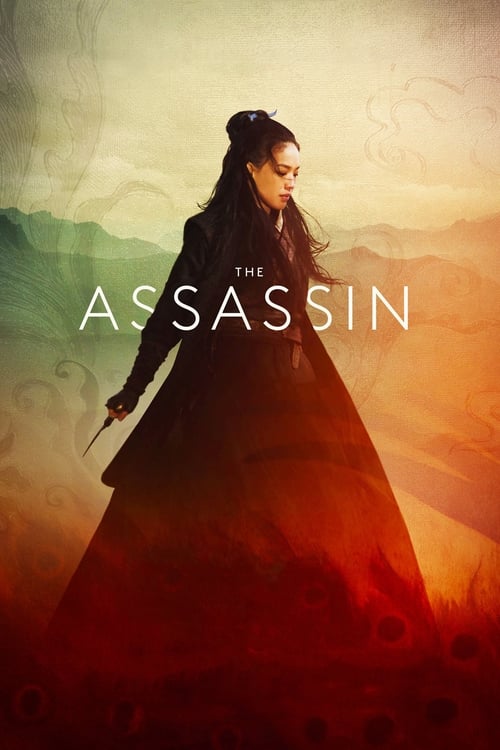
- 2015The Assassin strips wuxia to near-abstraction, painting in motion The Assassin
- 2019Sekiro: Shadows Die Twice brings the single-combat intensity of wuxia into games Sekiro: Shadows Die Twice
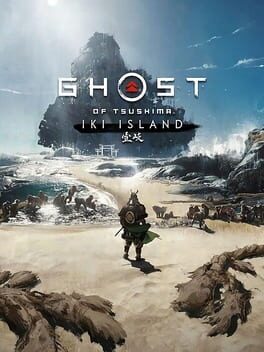
- 2021Ghost of Tsushima extends the samurai-code tradition to open-world games Ghost of Tsushima: Iki Island
Wuxia grace and martial romance
For Fans of Hero
Explore the For Fans of Hero guide →The green destiny does not make you powerful. It shows you what kind of power you already carry.CrossBinge editorial