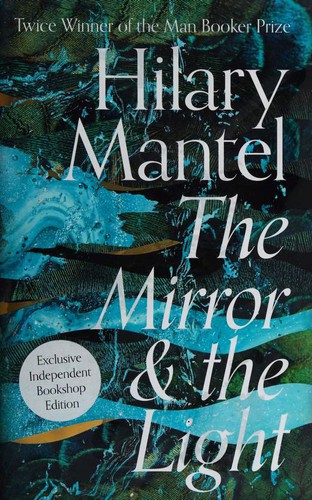

Hilary Mantel built her reputation on a deceptively simple premise: history is made by people who are fully, uncomfortably alive. Her Wolf Hall trilogy placed Thomas Cromwell at the center of Henry VIII's court and refused to let him be a villain. What readers found instead was a consciousness so vividly rendered that five centuries collapsed. The through-line a Mantel fan chases is that quality of immersion: prose that puts you inside a body, inside a room, inside a political calculation that could end in death. She wrote historical fiction, psychological portraits, memoir, and ghost stories, and across all of it she held the same conviction: the inner life is where history actually happens.
Essential Hilary Mantel
Her own books, from the Wolf Hall trilogy to the stranger, darker corners of her work


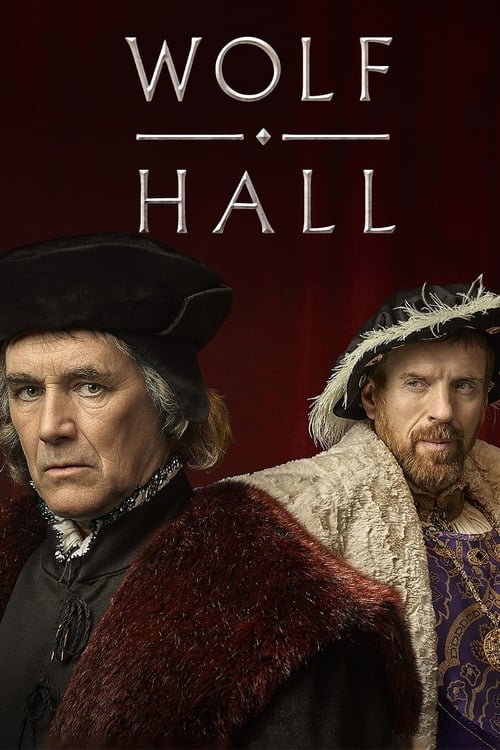
Wolf Hall on Screen
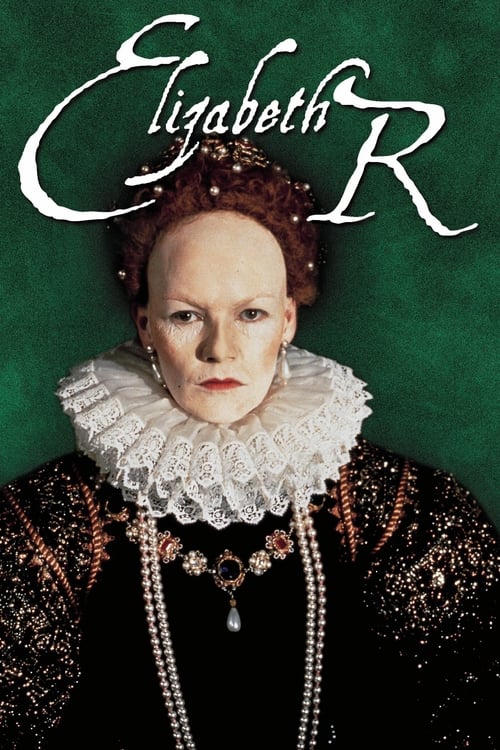
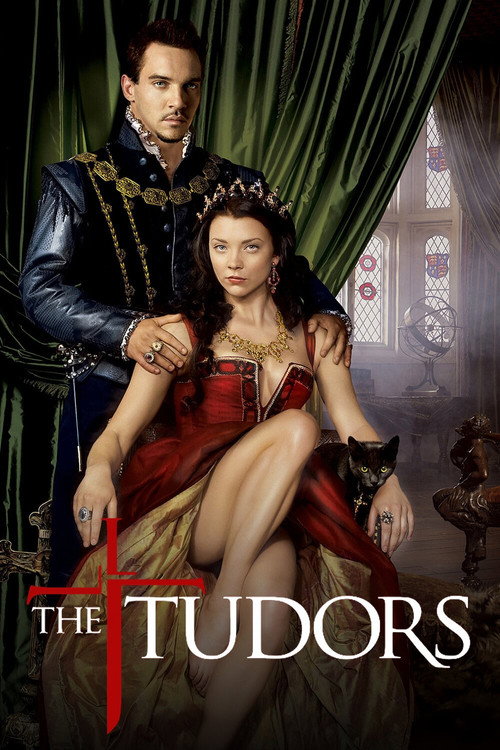
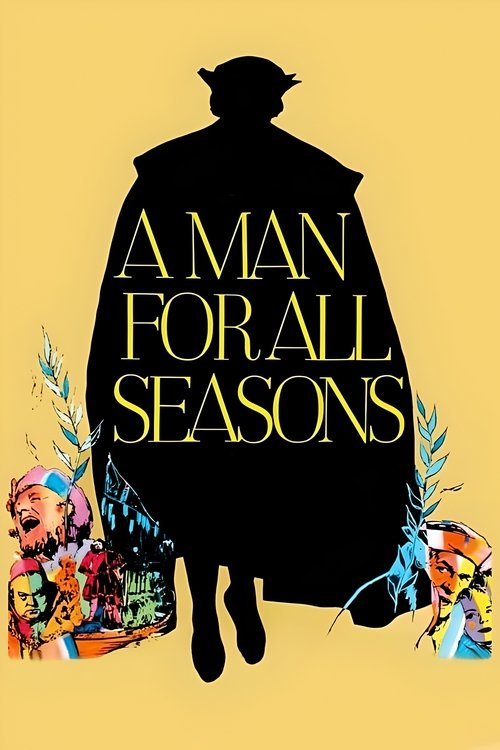
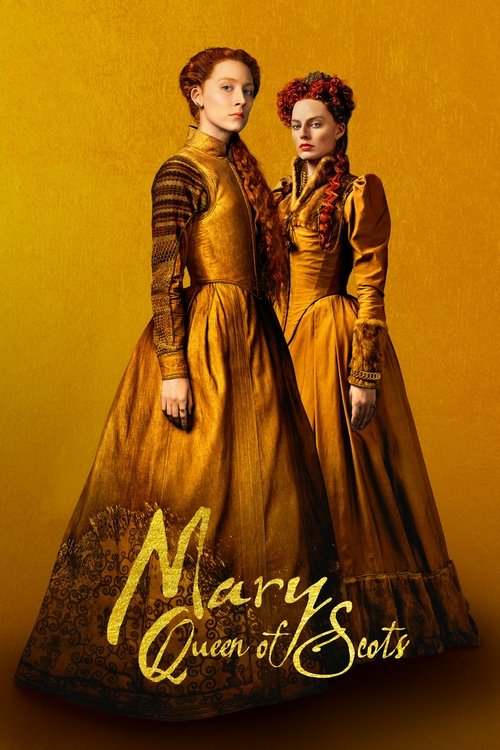
The BBC and stage adaptations, plus films that share the same atmosphere of Tudor and Elizabethan power

If You Love Her Historical Depth: Similar Authors
Writers who share Mantel's commitment to psychological interiority and rigorous research


Court Intrigue and Political Survival: Films and Series
Screen stories about power, loyalty, and the cost of being close to the throne
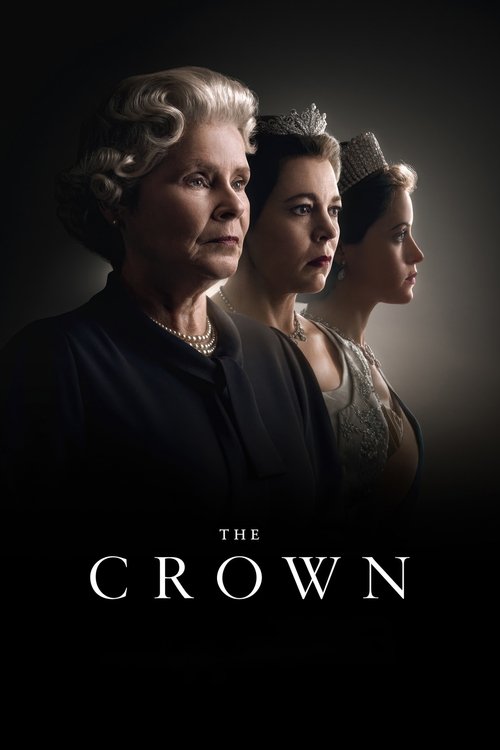
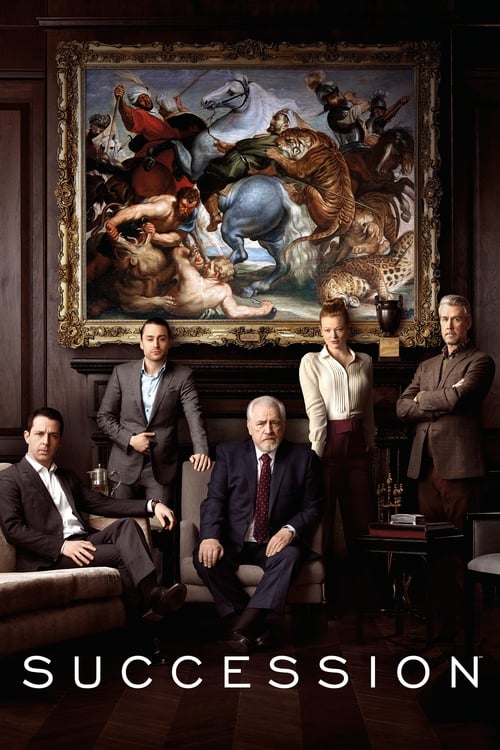
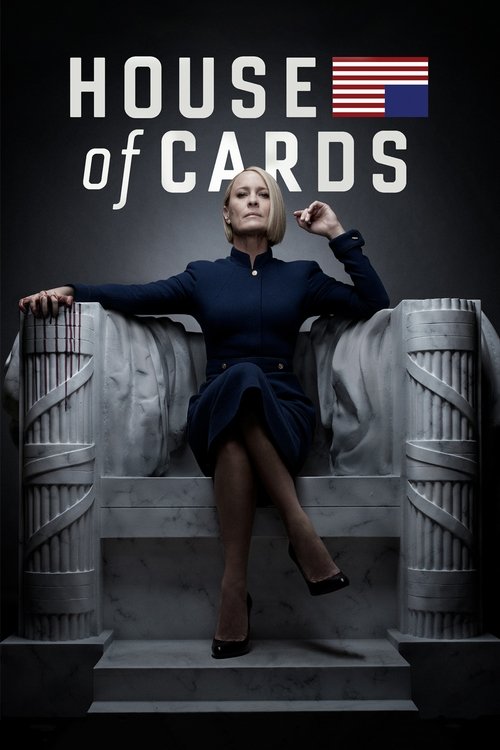
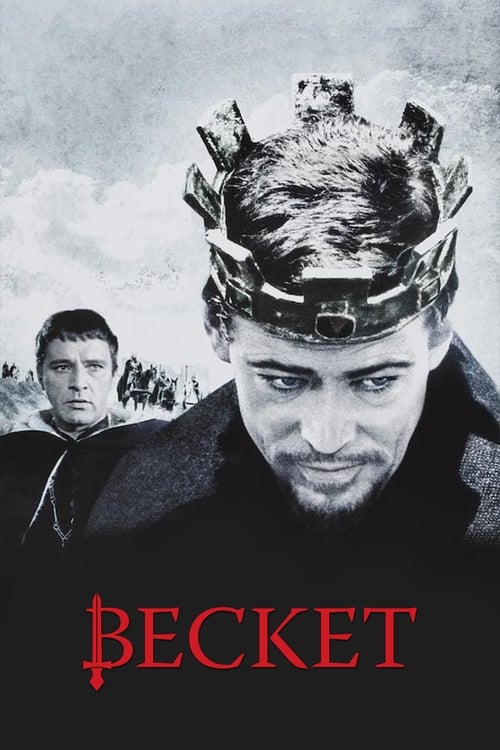
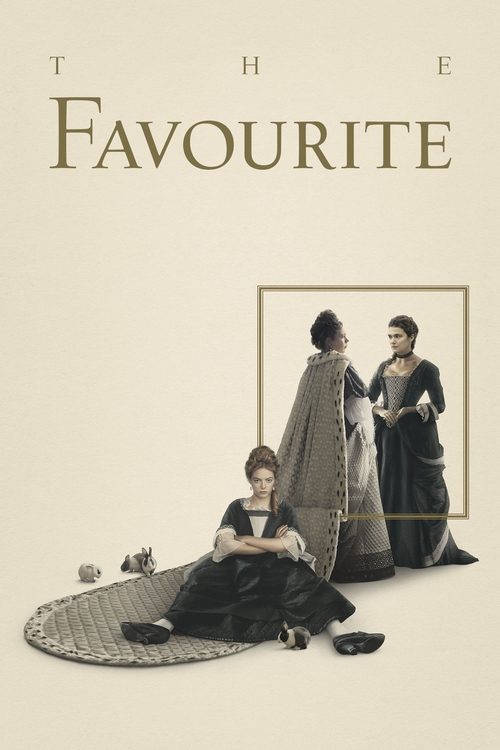

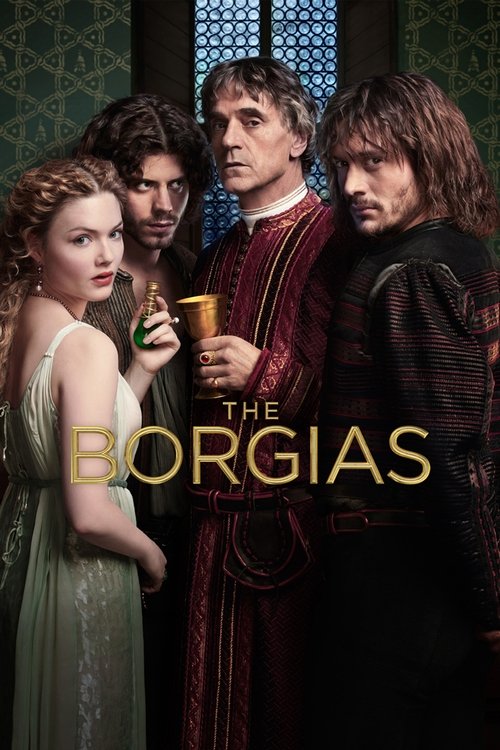
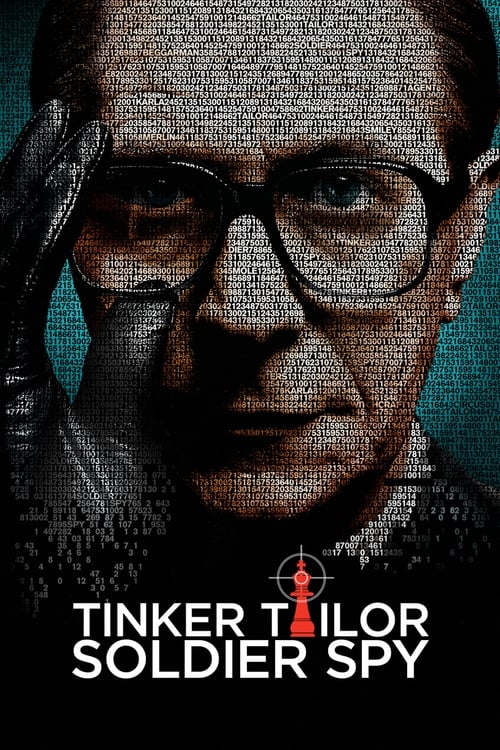
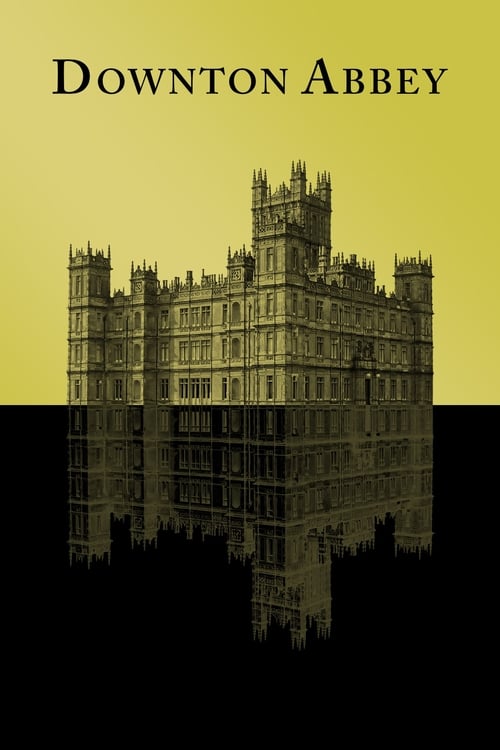
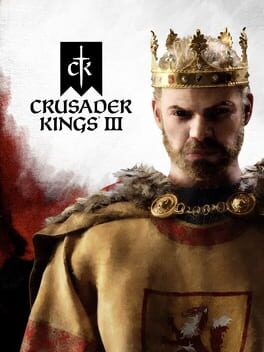
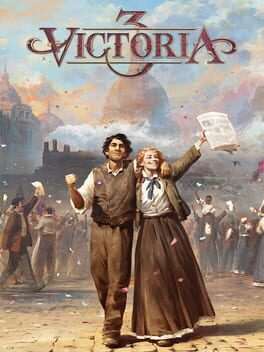
Playing History: Games Built on Political Strategy and Power
Games that reward the same patience, calculation, and reading of human motives that Mantel's fiction demands



Beyond Black Is the Book That Surprises Mantel Readers Most
Most readers come to Mantel through Cromwell and leave without finding her 2005 ghost story, which sits in a completely different register. Beyond Black follows a psychic medium in the commuter belt of modern England, haunted by genuinely malevolent spirits from her childhood. It is domestic horror, class satire, and psychological portrait in one. The supernatural is never explained away. For readers who loved Mantel's interiority but want it somewhere darker and stranger, this is the next book.
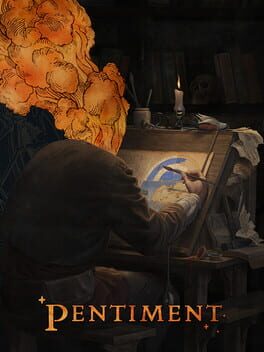
Pentiment Is the Closest a Game Has Come to the Mantel Experience
Obsidian's Pentiment is set in a 16th-century Bavarian abbey and asks the player to inhabit the daily rhythms, social hierarchies, and moral weight of a world on the edge of the Reformation. It is illustrated in the style of period manuscripts. It moves slowly. It cares deeply about what it was like to be a specific person in a specific place at a specific historical moment. That is exactly what Mantel cared about. The game even uses a present-tense narration that pulls the player into the perpetual now of its setting.
The Revolution She Chose First
Before Tudor England, Mantel spent years on A Place of Greater Safety, a vast novel about Danton, Robespierre, and Desmoulins during the French Revolution. Publishers rejected it for years; it appeared only after Wolf Hall made her name. It is structurally different from the Cromwell books but shares every other quality: the refusal to simplify, the attention to what people wanted and why, the understanding that history is made of competing subjectivities. Readers who finished the trilogy and feel bereft should start here.
Hilary Mantel: Key Works and Moments
- 1985First novel, set in Saudi Arabia Every day is Mother's Day
- 1992French Revolution epic, written first but published late
- 1995Booker longlist; autobiographical novel of convent school
- 2005Ghost story set in the modern English commuter belt Beyond Black
- 2009First Booker Prize; Wolf Hall published
- 2012Second Booker Prize; the only author to win twice with consecutive novels
- 2015BBC miniseries adaptation starring Mark Rylance Wolf Hall
- 2020Trilogy completed after a decade The Mirror and the Light
- 2022Hilary Mantel died in September, age 70
Tudor Power and Political Intrigue
The Tudors & Renaissance
Explore the The Tudors & Renaissance guide →She wrote historical fiction that made the past feel more urgent than the present, because she understood that the people inside history did not know it was history yet.CrossBinge editors