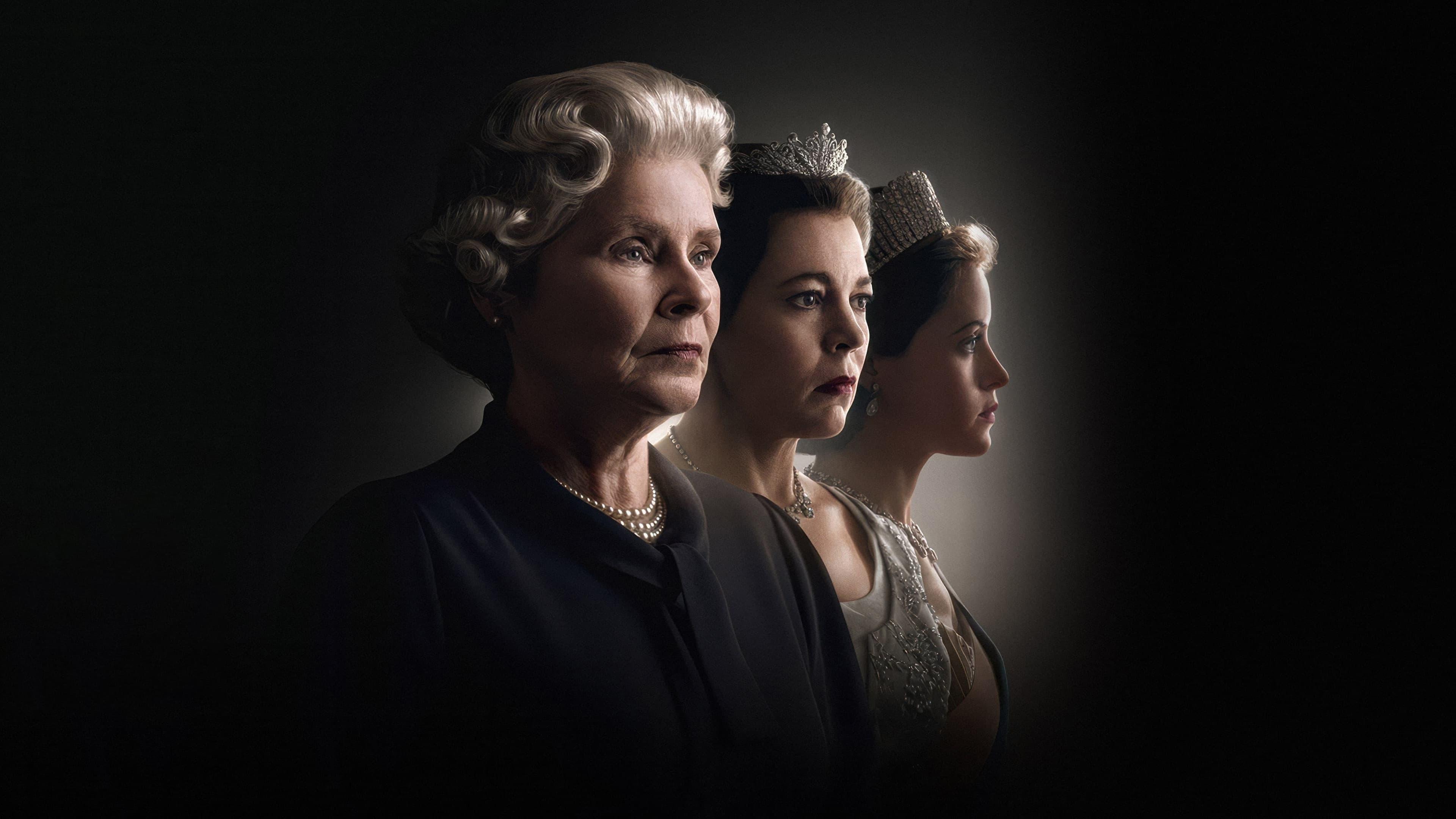

The Crown is the rare prestige drama that earns every one of its grand ambitions. Across six seasons, Peter Morgan's Netflix series traces the reign of Elizabeth II from her marriage in 1947 to the early 2000s, charting not just a monarchy but a century folding in on itself. What keeps viewers locked in is not the pomp but the pressure: the way duty hollows people out, the small private moments that explain enormous public failures, and the constant collision between an ancient institution and an accelerating world. If any of that pulls at you, the works below will feel like home.
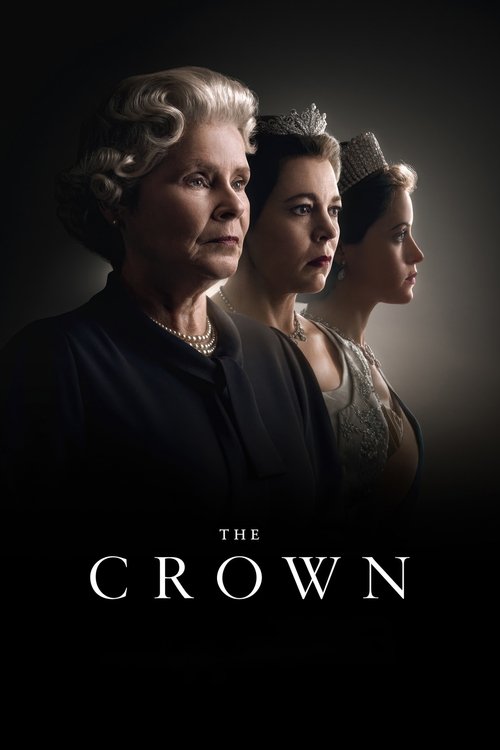
Essential The Crown
The series itself, season by season, and its closest creative DNA

If You Love the Intrigue: Royal and Political Dramas
Series and films that put power, protocol, and private betrayal at centre stage
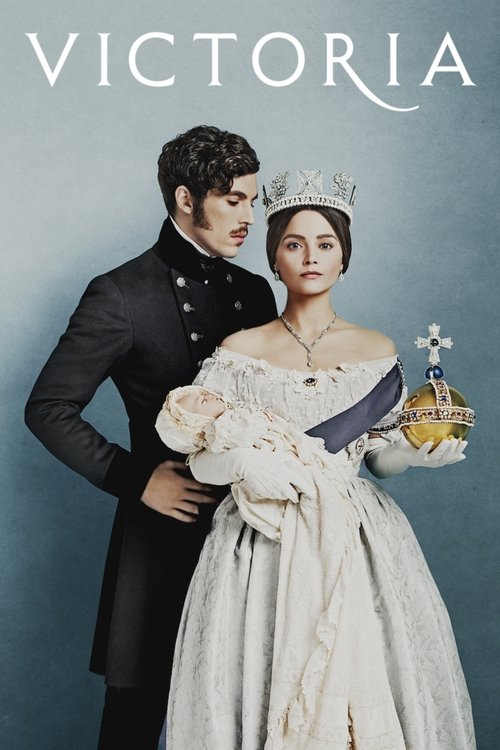
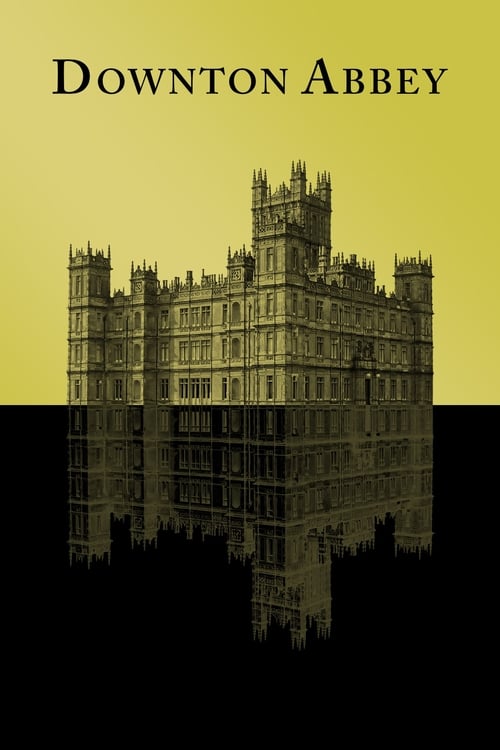
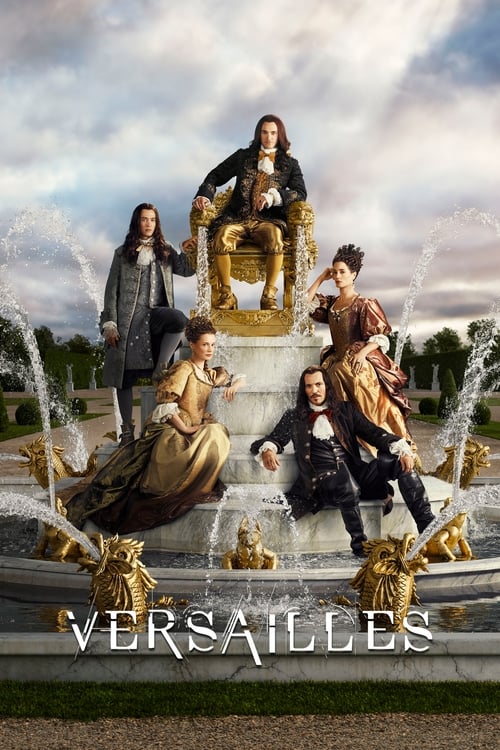
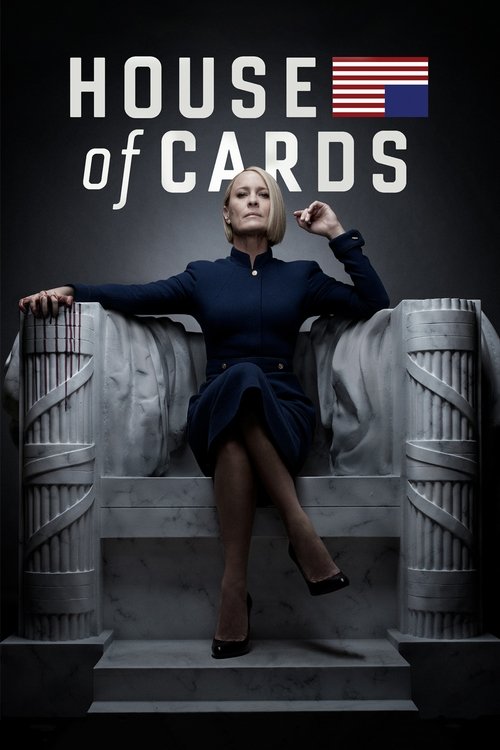
If You Love the Family Tension: Domestic Dramas Under Scrutiny
Stories about families trapped by expectation, legacy, and the weight of what cannot be said
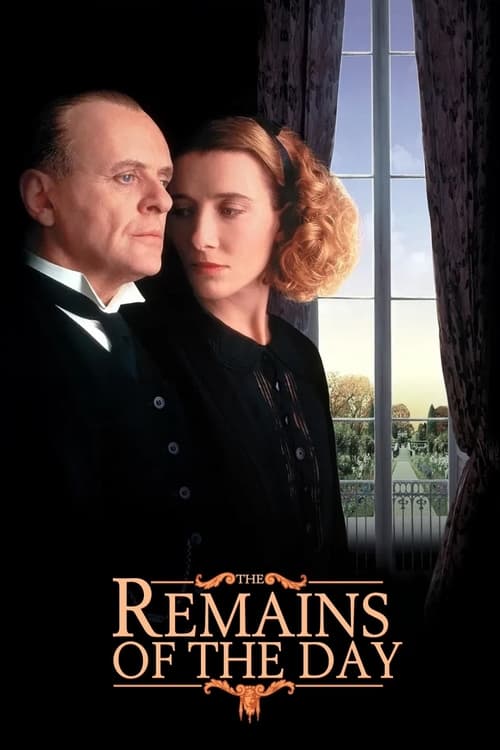
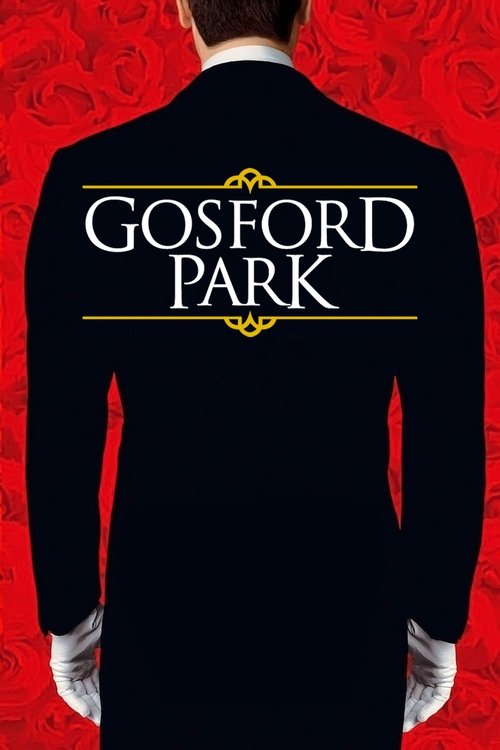

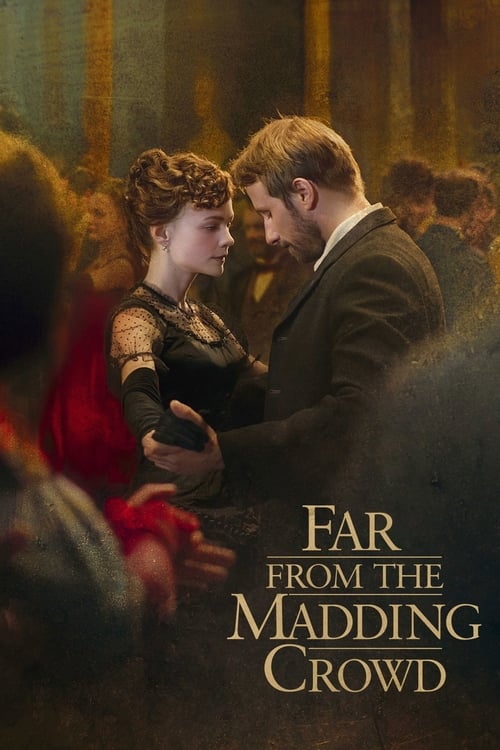
If You Love the History: Books That Built The Crown's World
Biography, history, and fiction that go deeper into the people and periods the series portrays


If You Love the Atmosphere: Games of Power, History, and Hidden Conflict
Games that put you inside ruling dynasties, Cold War intrigue, or the slow grind of institutional pressure
Peter Morgan Understands That History Is Personal
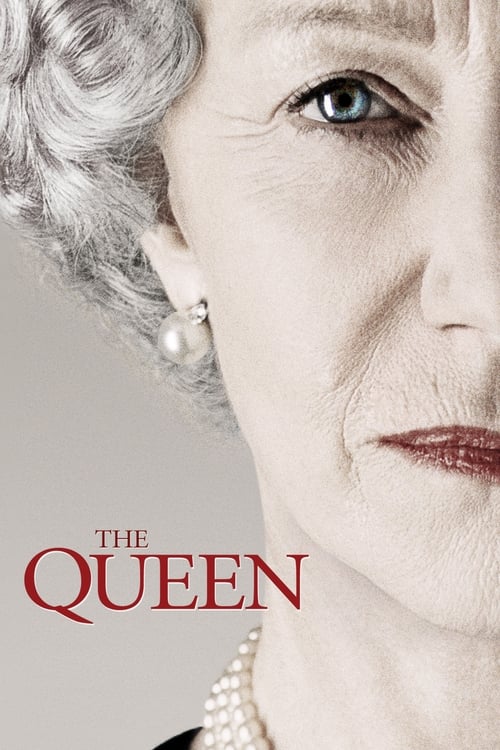
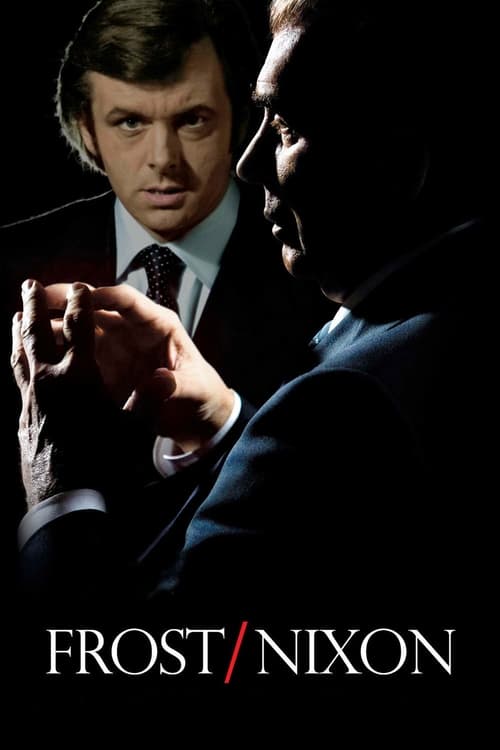
The Crown's greatest trick is refusing to let history stay at arm's length. Peter Morgan, who also wrote The Queen and Frost/Nixon, consistently finds the moment where a global event crashes into a private conversation. A prime minister fails to warn a sovereign of a crisis. A father misses a son's grief entirely. A wife watches her marriage become a constitutional matter. The drama lives in those gaps between what can be said in public and what festers in private. His writing insists that policy is always personal, and that insight is what separates The Crown from costume spectacle.
The Best Royal Novels Are Not About Admiration
Books about monarchies tend to split between reverence and exposé, but the best ones are interested in something else: how institutions shape (and sometimes crush) the people who embody them. Hilary Mantel's Wolf Hall trilogy does this for the Tudors with ferocious precision. The Windsor Knot and HRH use the Queen as an amateur sleuth to surprisingly incisive effect. Sally Bedell Smith's Elizabeth the Queen treats the public record with enough care to make the private life visible between the lines. Crown fans will find all three approaches rewarding.
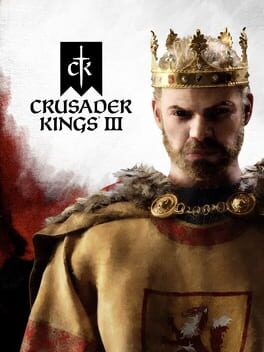
Crusader Kings III Is The Crown As a Strategy Game
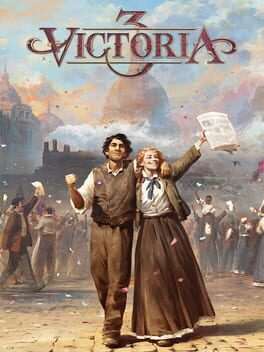
The gameplay loop of Crusader Kings III, Paradox's dynastic strategy epic, maps onto The Crown's emotional core with uncanny accuracy: maintain the dynasty's legitimacy while managing the ambitions, failures, and scandalous private lives of the people inside it. You spend less time commanding armies than navigating marriages, managing succession crises, and watching carefully constructed alliances collapse over a single rash decision. The scale is medieval but the anxiety is identical. Victoria 3 trades the intrigue for industrialisation-era politics, but both reward the same patience with complexity that makes The Crown addictive.
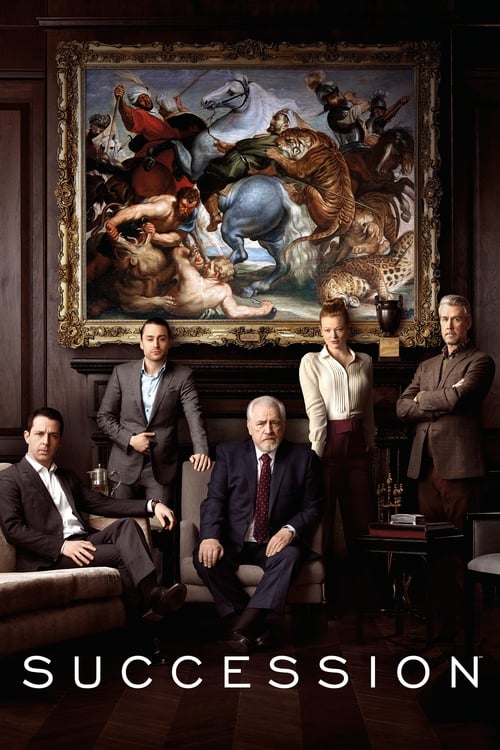
Succession Inherited The Crown's Blueprint
The Roy family's media empire and the House of Windsor share more than a creator's instinct for inherited dysfunction. Both Succession and The Crown are fundamentally about children who cannot escape the institutions their parents built, and parents who cannot concede that those institutions require something different from what they themselves gave. Succession has louder dialogue and a blacker sense of humour, but the underlying architecture is the same: power corrodes love, and love curdles into power. Watch them back to back and the family resemblance is impossible to miss.
A Century in the Making: The Crown's Era
- 1947Princess Elizabeth marries Philip Mountbatten; the series begins here The Crown
- 1952George VI dies; Elizabeth becomes Queen at 25
- 1953Coronation broadcast; the television age arrives in the palace
- 1965Wolf Hall's era ends; Tudor intrigue gives way to Cold War anxiety Wolf Hall
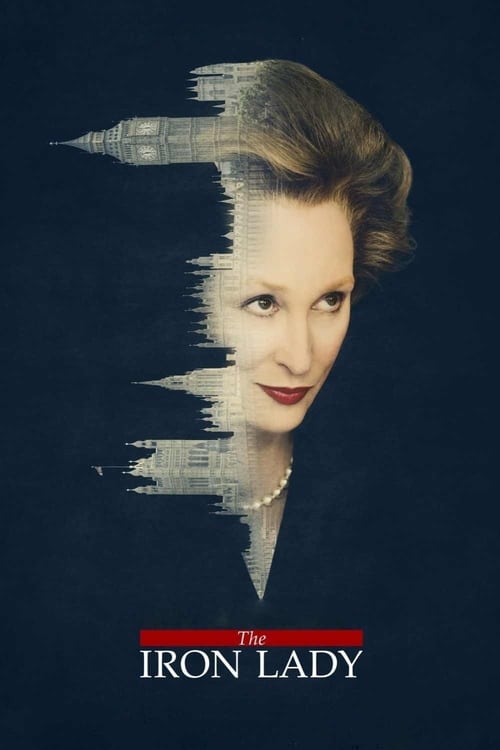
- 1979Margaret Thatcher arrives at Downing Street; the series reaches its ideological fault line The Iron Lady
- 1981Charles and Diana marry; the private disaster begins in public celebration
- 1992The annus horribilis: separations, fires, and press exposure
- 1997Diana's death; The Queen covers this night and its aftermath The Queen
- 2013Hilary Mantel's Wolf Hall trilogy concludes; brings a century of dynastic fiction to a close
- 2016The Crown debuts on Netflix; prestige TV reclaims long-form historical drama
- 2023Season 6 concludes the series; the Millennium looms, the institution endures
Crowns, power, and the price of duty
Political Intrigue & Power
Explore the Political Intrigue & Power guide →The Crown is not a document of how the monarchy works. It is a portrait of what it costs.CrossBinge