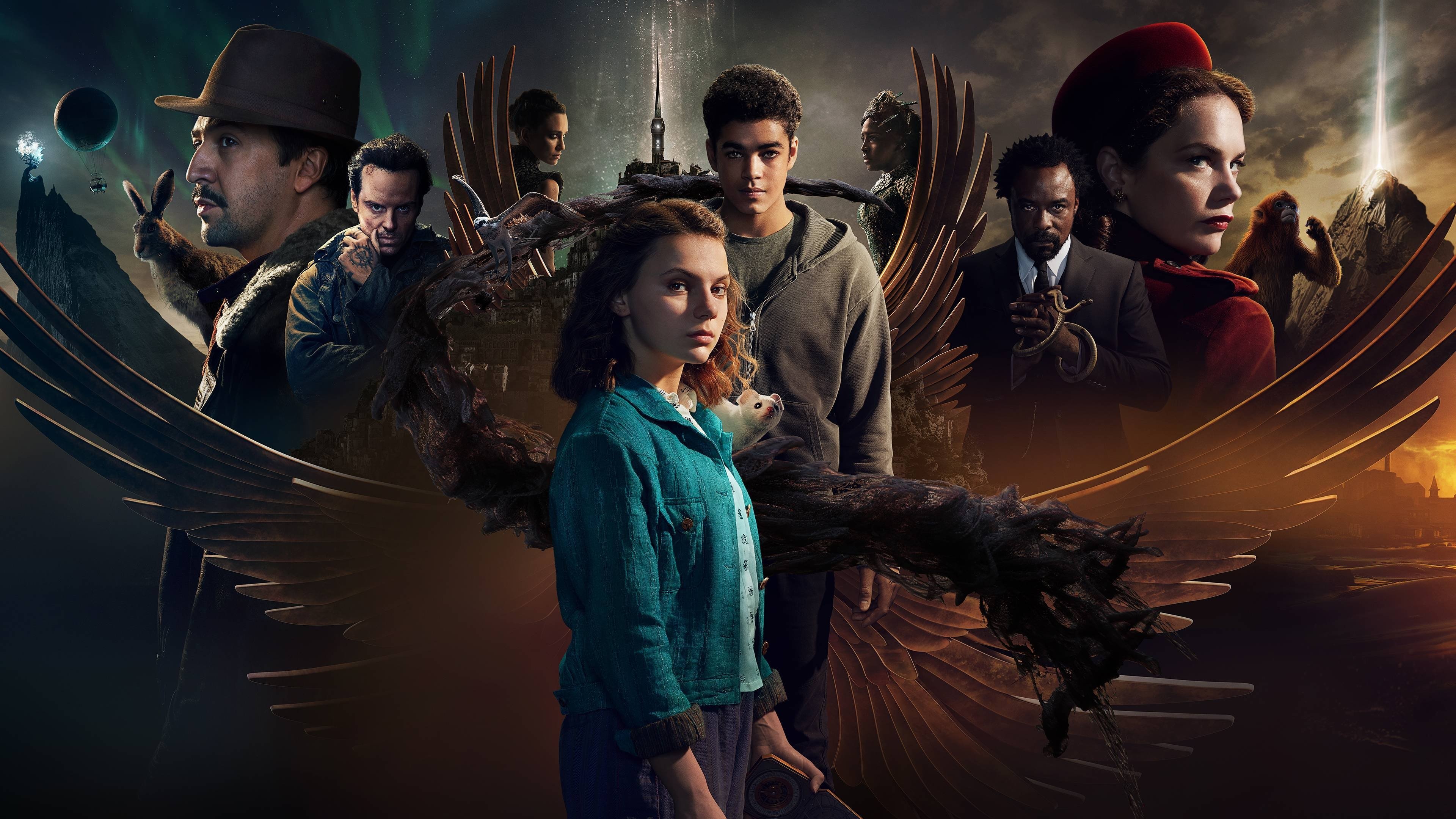

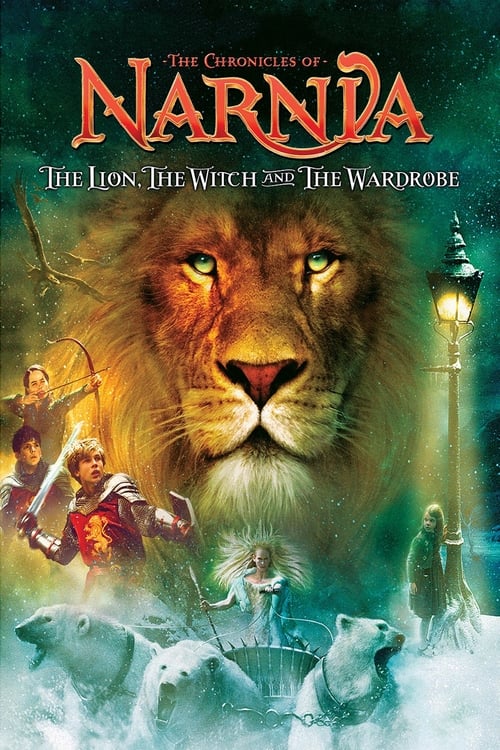
Philip Pullman's His Dark Materials trilogy (Northern Lights/The Golden Compass, The Subtle Knife, The Amber Spyglass) is a coming-of-age story that doubles as a philosophical argument: against dogma, for free inquiry, for the value of consciousness and feeling. The BBC/HBO television adaptation (2019-2022) expanded the canvas, gave Lyra and Will room to breathe across three seasons, and brought Mrs Coulter to life in a way the 2007 film never quite managed. What fans chase is a specific cocktail: rich world-building with real theological weight, a child protagonist who drives the plot through courage and deception rather than luck, and an ending that costs something. The show belongs to the same tradition as The Chronicles of Narnia and The Lord of the Rings but argues with both of them.
Essential His Dark Materials
Start here: the TV series and the novels that built the world




Series That Pull You Into Other Worlds
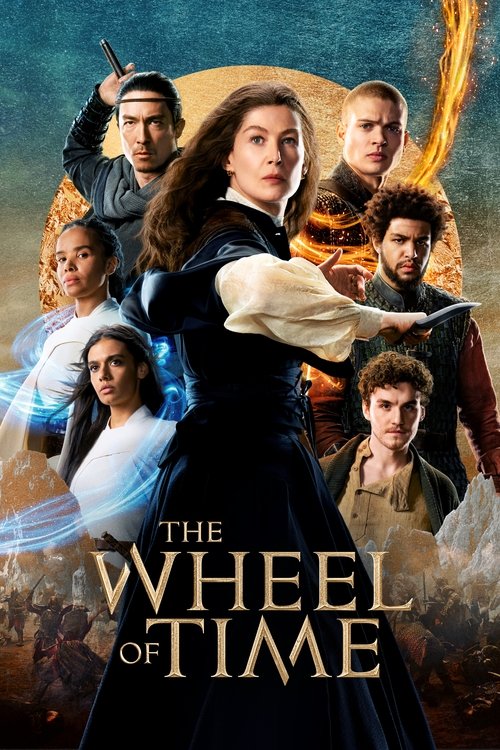
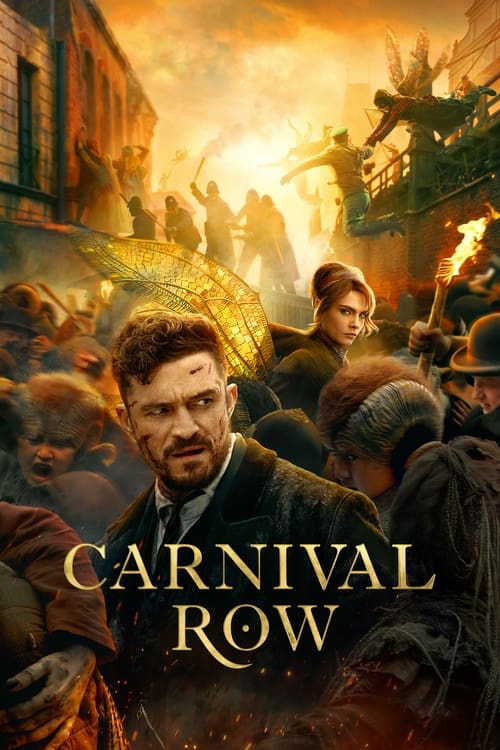
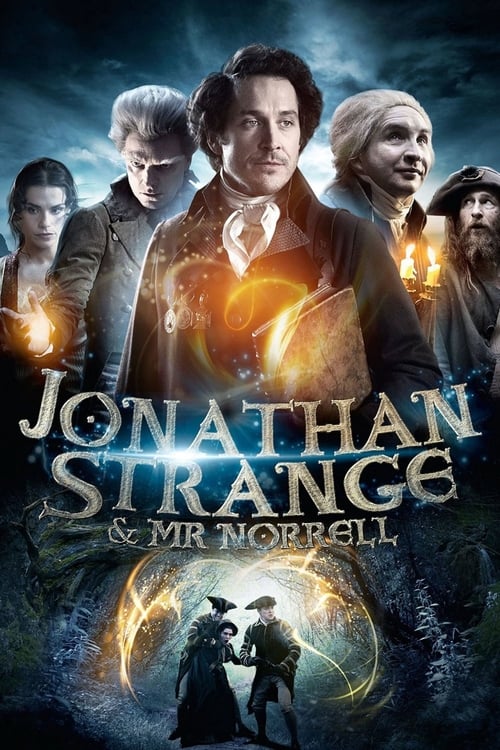
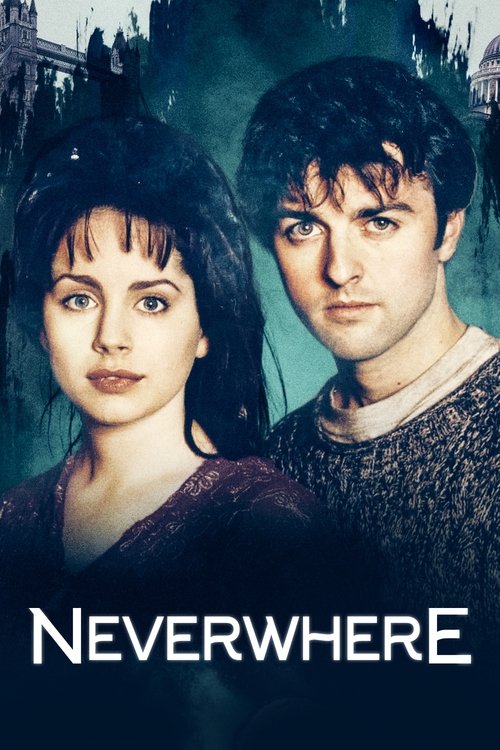
Fantasy and sci-fi television with the same sense of scale and moral seriousness

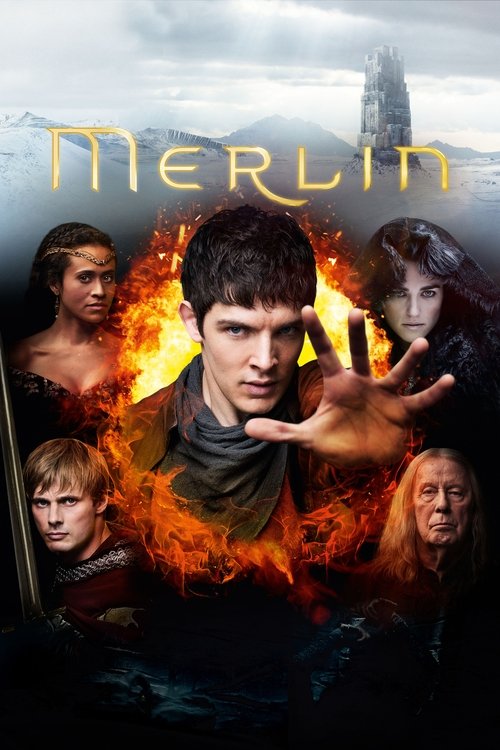

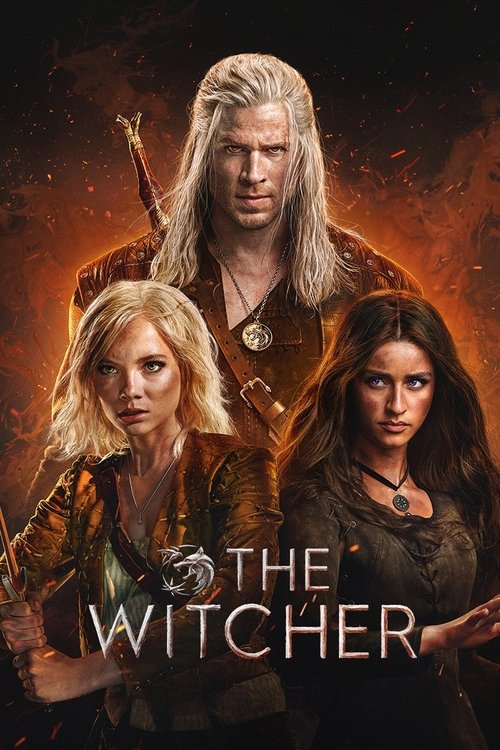
Films That Live in the Same Feeling
Cinema with wonder, loss, and worlds where the rules matter
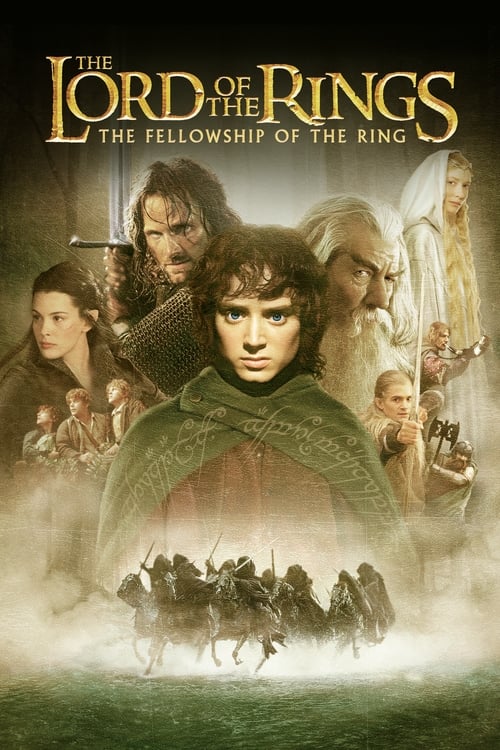
Books That Argue With the Universe
Novels that mix adventure with ideas, aimed at readers who want both


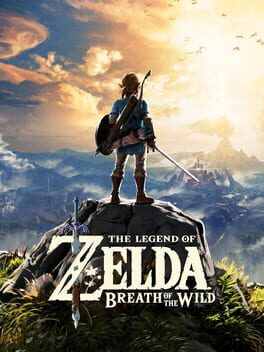
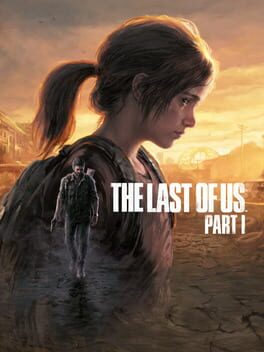
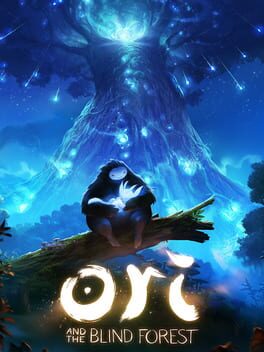
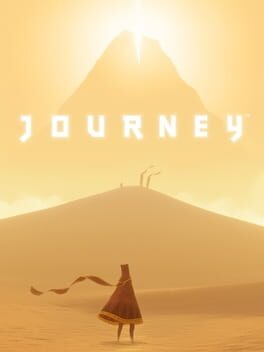
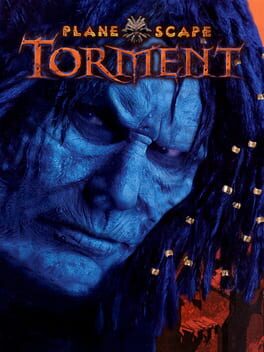
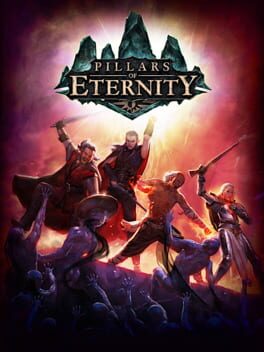
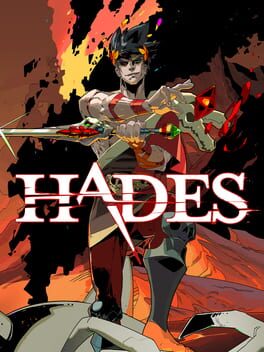
Games With That Same Sense of Discovery and Weight
Games where world-building and moral consequence share equal billing

The BBC Series Gets Asriel Right
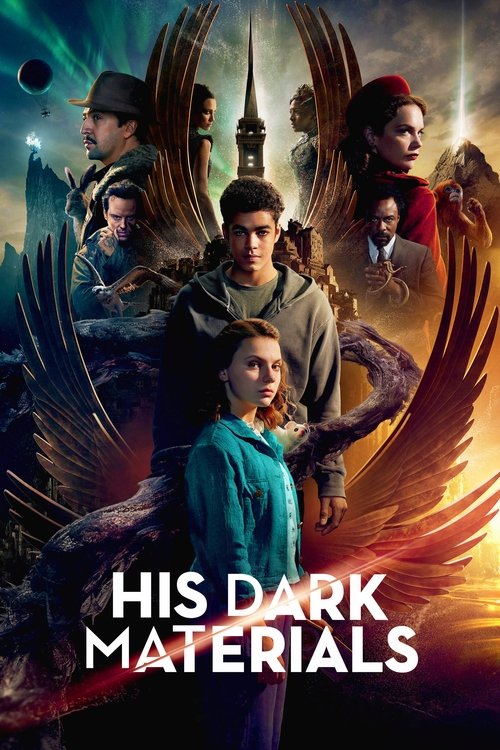
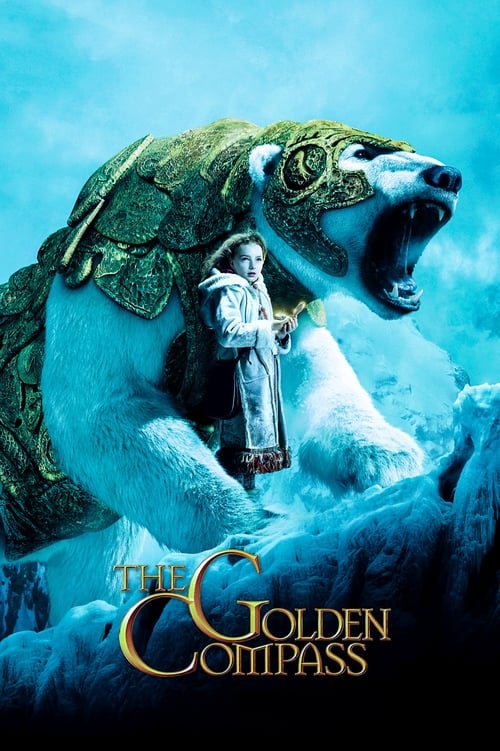
The 2007 film compressed the first novel into a handsome action picture and famously softened its ending. The BBC series had the confidence to slow down. James McAvoy's Lord Asriel is properly cold and visionary, Ruth Wilson's Mrs Coulter is genuinely frightening, and crucially the show commits to the theological argument at the heart of Pullman's books rather than routing around it. By the time season three reaches the Land of the Dead, it earns the weight Pullman put there.
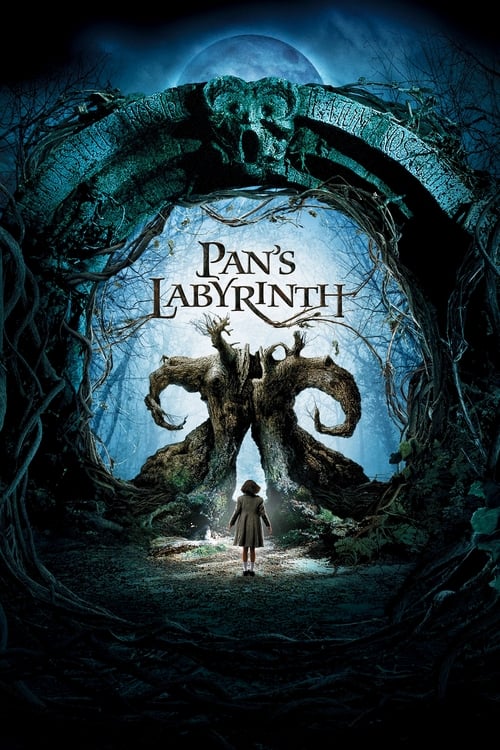
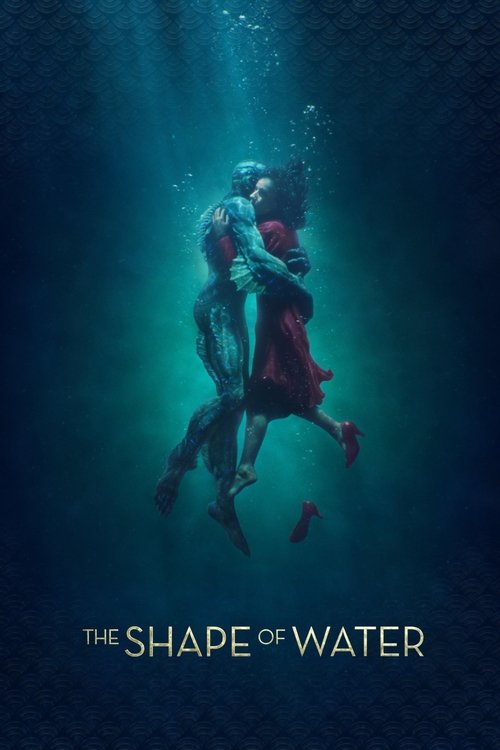
Pan's Labyrinth Is the Closest Cinema Comes
Guillermo del Toro's 2006 film is not an adaptation of Pullman, but it works from the same assumption: a girl's inner world is as real and as consequential as the historical violence around her. Ofelia's faun, like Lyra's daemon, is a companion who reflects and complicates. The violence is not sanitised. The ending makes a genuine claim about what stories are for, and it costs exactly as much as Pullman demands of his readers.
Disco Elysium Carries the Same Philosophical Nerve
Disco Elysium gives you a protagonist whose consciousness is literally externalised as competing voices, which is the daemon metaphor pushed to its logical limit. The game has no interest in sanitising its political and philosophical arguments for a mass audience, the same instinct that made Pullman refuse to pull the theological punch in The Amber Spyglass. Both works treat their audience as capable of handling ideas, and both are better for it.
Philip Pullman's Worlds, in Order
- 1995Northern Lights (The Golden Compass) published Northern Lights
- 1997The Subtle Knife published The Subtle Knife
- 2000The Amber Spyglass published; completes the trilogy The Amber Spyglass
- 2007Feature film adaptation released The Golden Compass
- 2017La Belle Sauvage opens The Book of Dust trilogy La Belle Sauvage
- 2019BBC/HBO series premieres His Dark Materials
- 2019The Secret Commonwealth (Book of Dust vol. 2) Commonwealth
- 2022Series concludes with season three His Dark Materials
More worlds beside this one
Portal Fantasy & Other Worlds
Explore the Portal Fantasy & Other Worlds guide →Lyra's world is one where the soul is visible, negotiable, and mortal: that premise makes every choice legible in a way realistic fiction rarely manages.CrossBinge editors