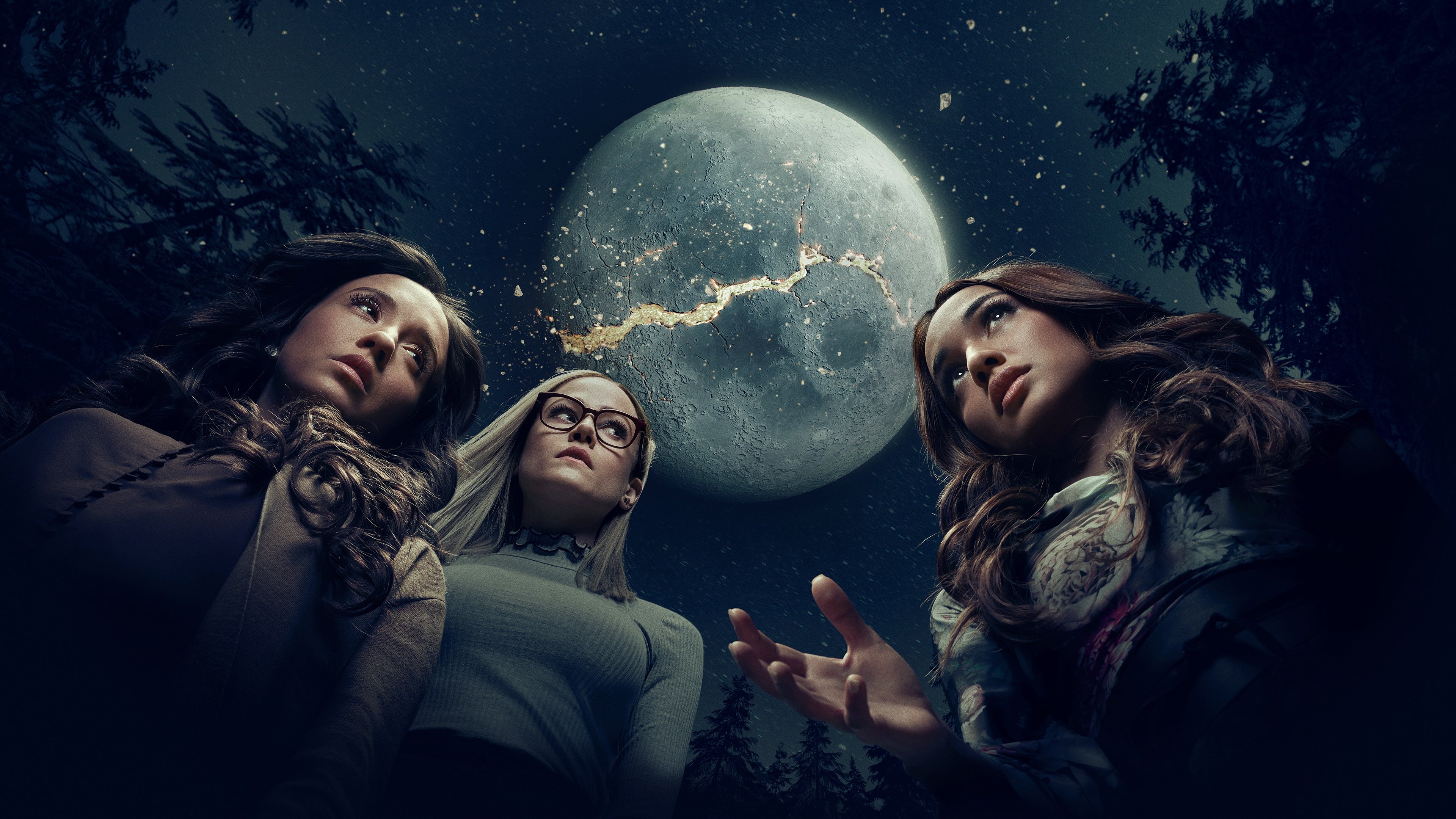

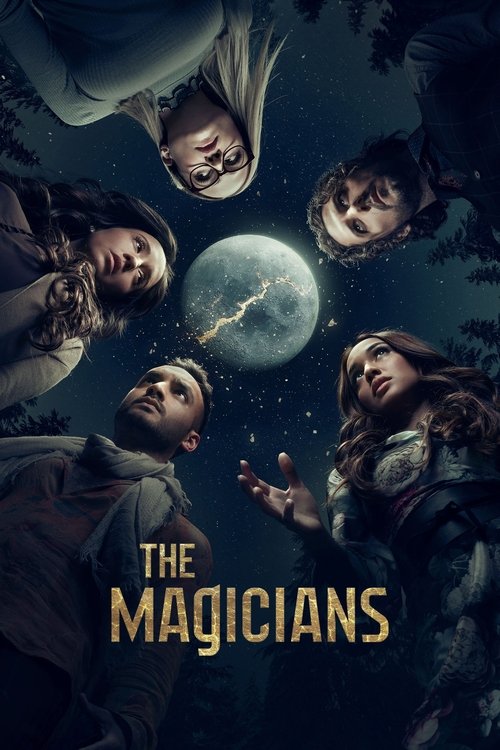
The Magicians started as Lev Grossman's 2009 novel and became a Syfy series that ran five seasons (2015-2020), and what both share is a refusal to let magic be comfortable. Brakebills University is Hogwarts for adults who have already grown up, and Fillory is Narnia as a place that bleeds. Quentin Coldwater and his classmates get the fantasy world they always wanted, then spend years learning what wanting actually costs. The through-line a fan chases is that specific register: smart, literary, emotionally unsparing, where wonder and grief live in the same room.
Series With the Same Dark-Academic Heart
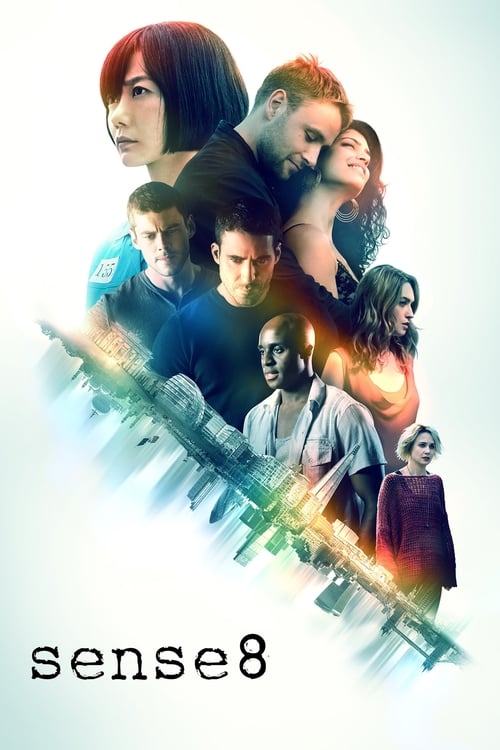
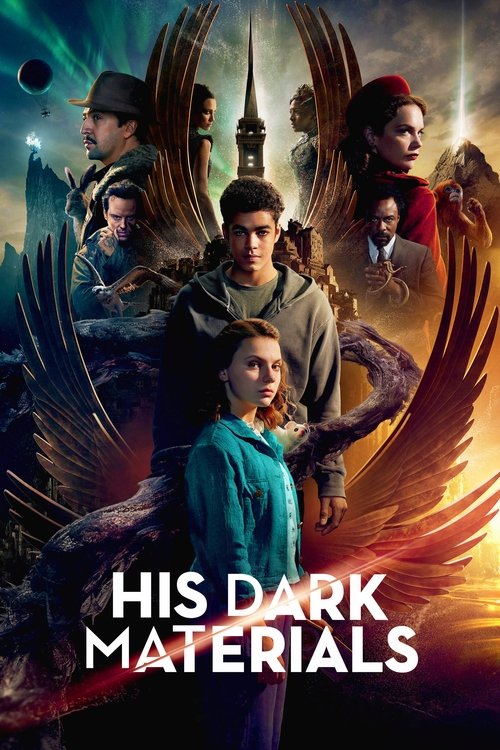
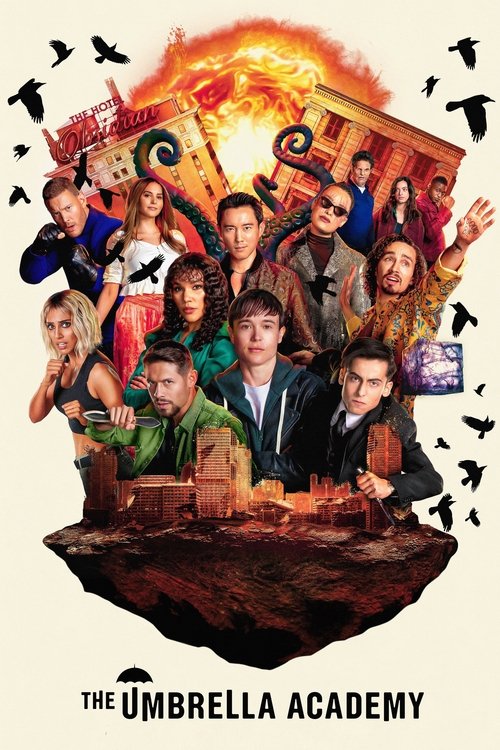
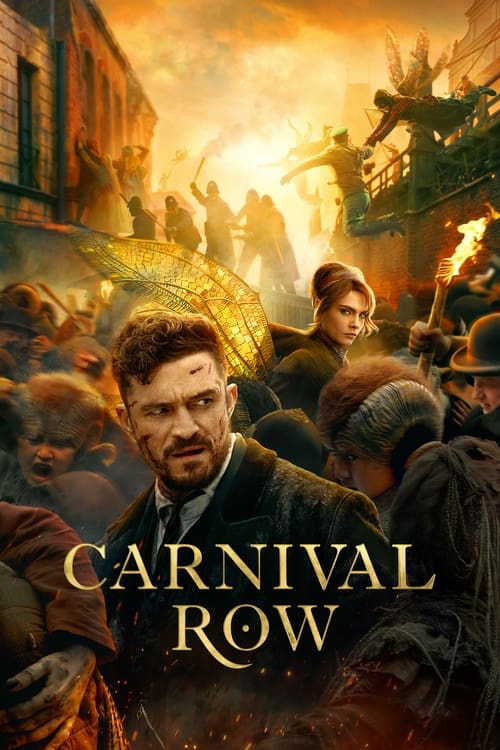
TV that treats magic, mystery, or gifted outcasts with the same emotional weight
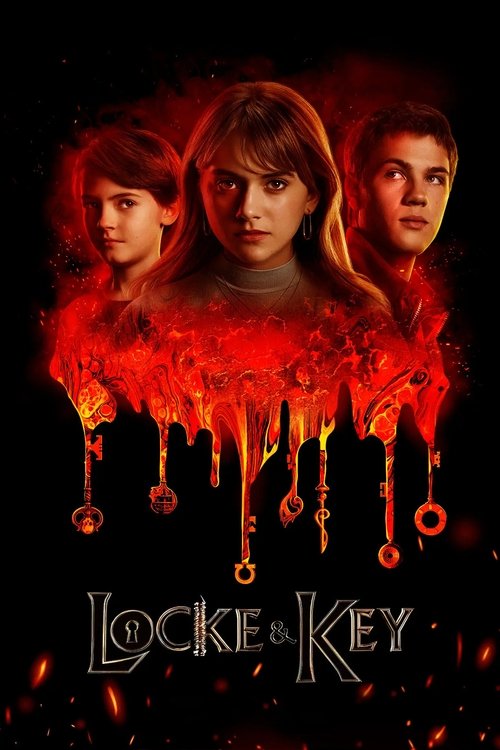
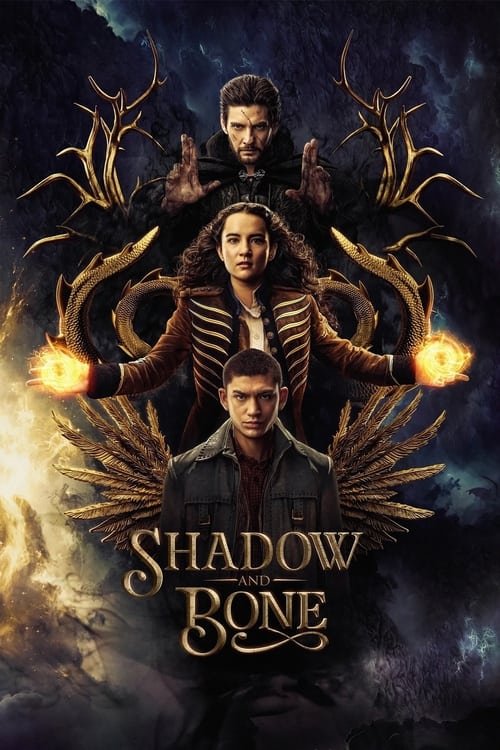
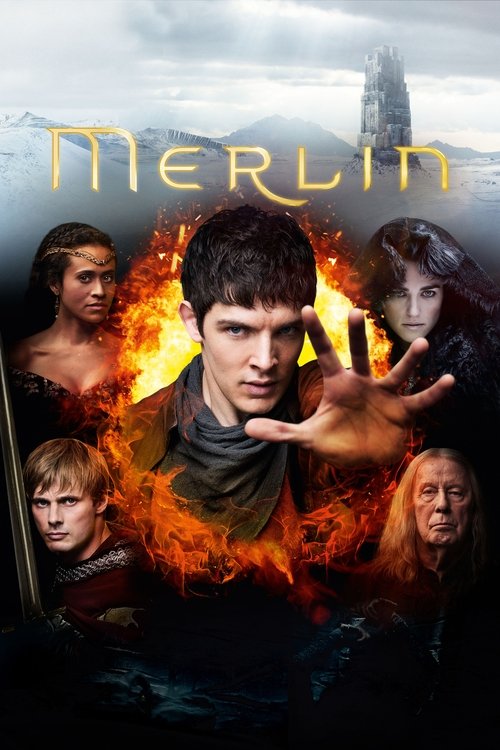
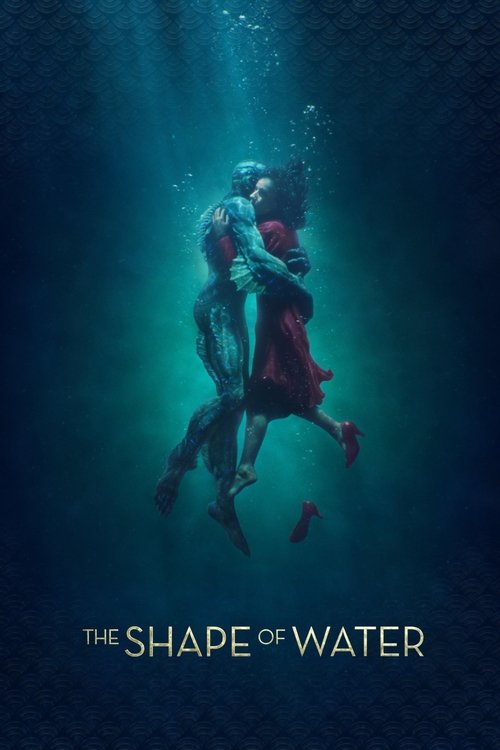
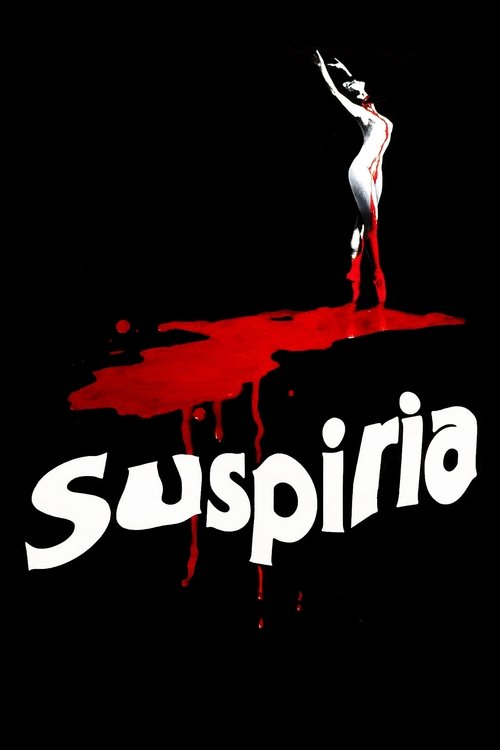
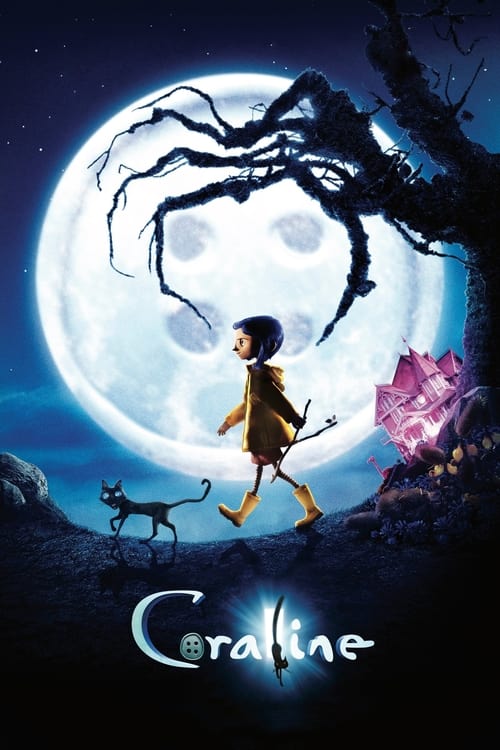
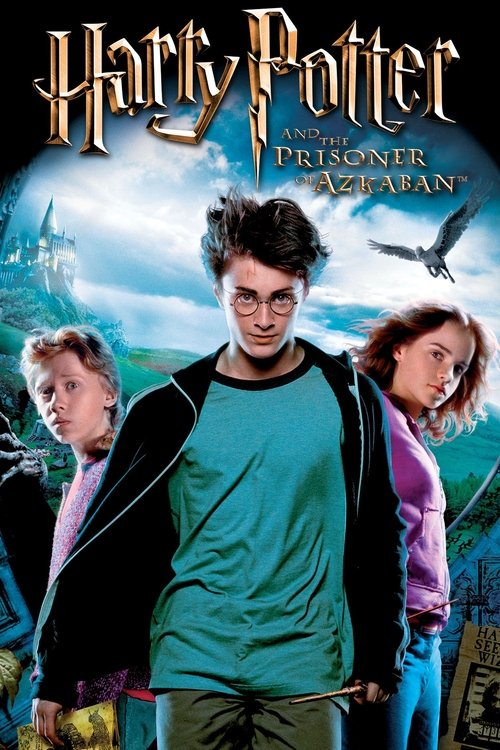
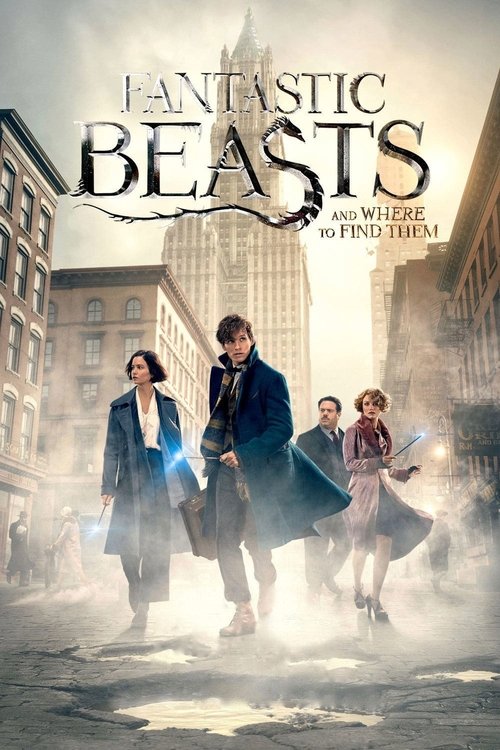
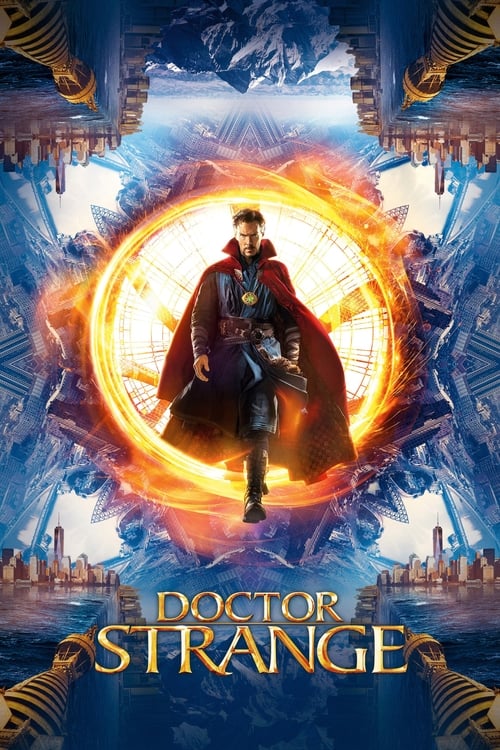
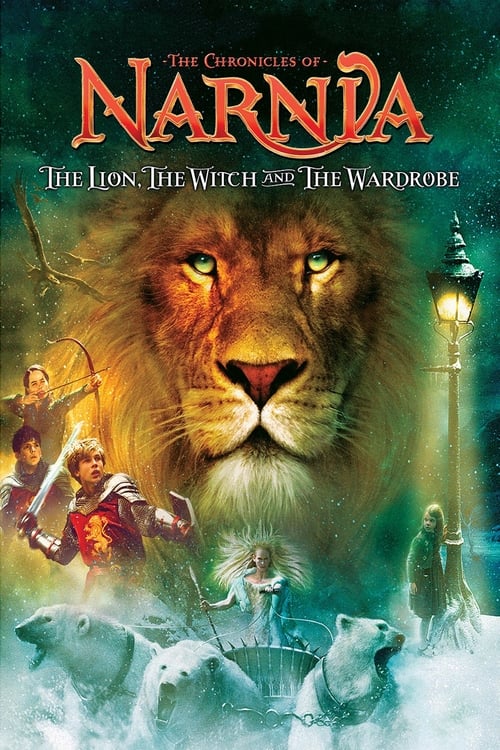
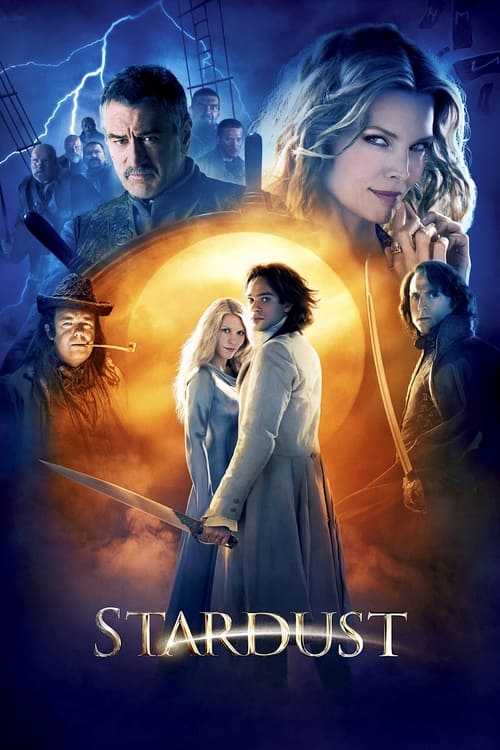
Films That Know Magic Has a Price
Movies where the fantastic world comes with real emotional stakes
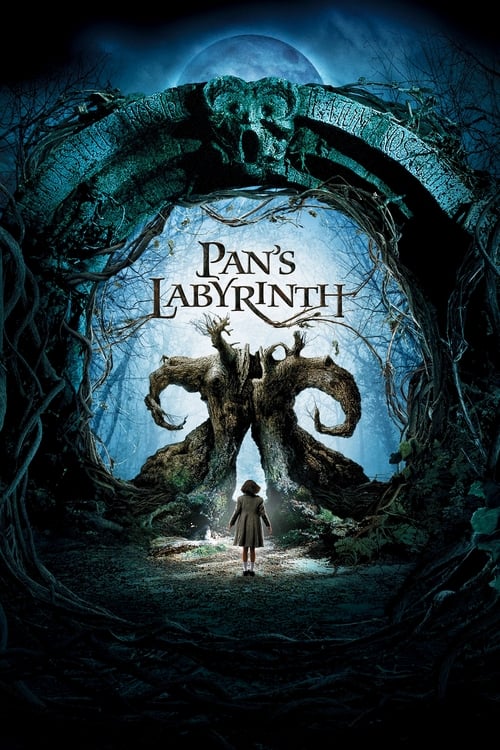
Books for the Reader Who Loved Grossman's Trilogy
Novels that share the literary fantasy register: adult stakes, real grief, ironic wonder


Games Where Magic Is Complicated
Games that reward curiosity, punish arrogance, and make power feel earned
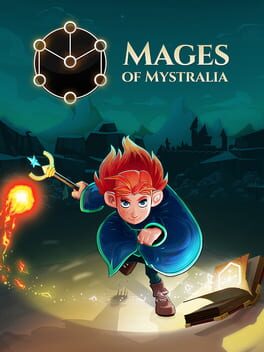
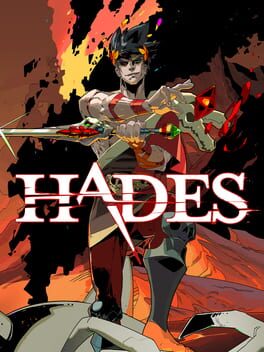
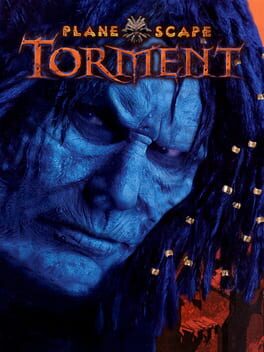
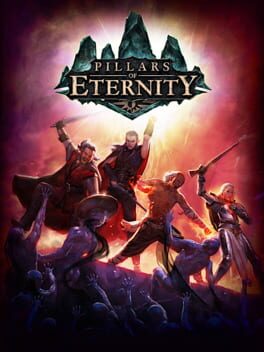
The Show Did Something Rare: It Earned Its Darkness
A lot of prestige fantasy goes dark to seem serious. The Magicians went dark because Grossman's books earned it, and the showrunners (Sera Gamble and John McNamara) trusted that the audience could handle consequence. Characters made catastrophic choices and lived in them. The musical episode in season four is one of the best hours of any genre series, not because it was a gimmick but because it used the format to crack a character open. That willingness to take the long way around a feeling is what separates this show from the crowd.
Grossman Was Writing About Depression Before That Was the Genre Move
Quentin Coldwater is clinically depressed from page one of the novel, and Grossman never cures him with magic. This was unusual in 2009: fantasy protagonists were allowed to be brooding but not actually ill. The novel sits alongside books like Ned Vizzini's It's Kind of a Funny Story in treating mental health as texture rather than plot device. The series carried this through, especially in later seasons, and it gave the found-family dynamics a weight that pure adventure shows lack.

Fillory Is Narnia Seen Honestly
Grossman openly structured the Magicians trilogy as a response to C.S. Lewis. Fillory is the Narnia that English children's literature never let itself be: a place that has politics, history, violence, and no benevolent lion to clean up the mess. Julia's storyline in the second book (and the series) does something similar for the Harry Potter school archetype, asking what the magic system looks like for the person the institution rejected. These are not cynical deconstructions. They love the source material enough to argue with it.
The Magicians: From Page to Screen
- 2009Lev Grossman publishes The Magicians The Magician
- 2011The Magician King arrives, shifting focus to Julia The Magician
- 2014The Magician's Land closes the trilogy The Magician
- 2015Syfy pilot premieres; series ordered to full season The Magicians
- 2016Season 1 broadcast; critics note its literary ambition
- 2019Season 4 airs the celebrated musical episode
- 2020Season 5 ends the series on its own terms
Dark academia and magic schools
Wizards & Magic Schools
Explore the Wizards & Magic Schools guide →Magic in Grossman's world is graduate school for the soul: the harder you work, the more precisely you understand what you cannot fix.CrossBinge editorial