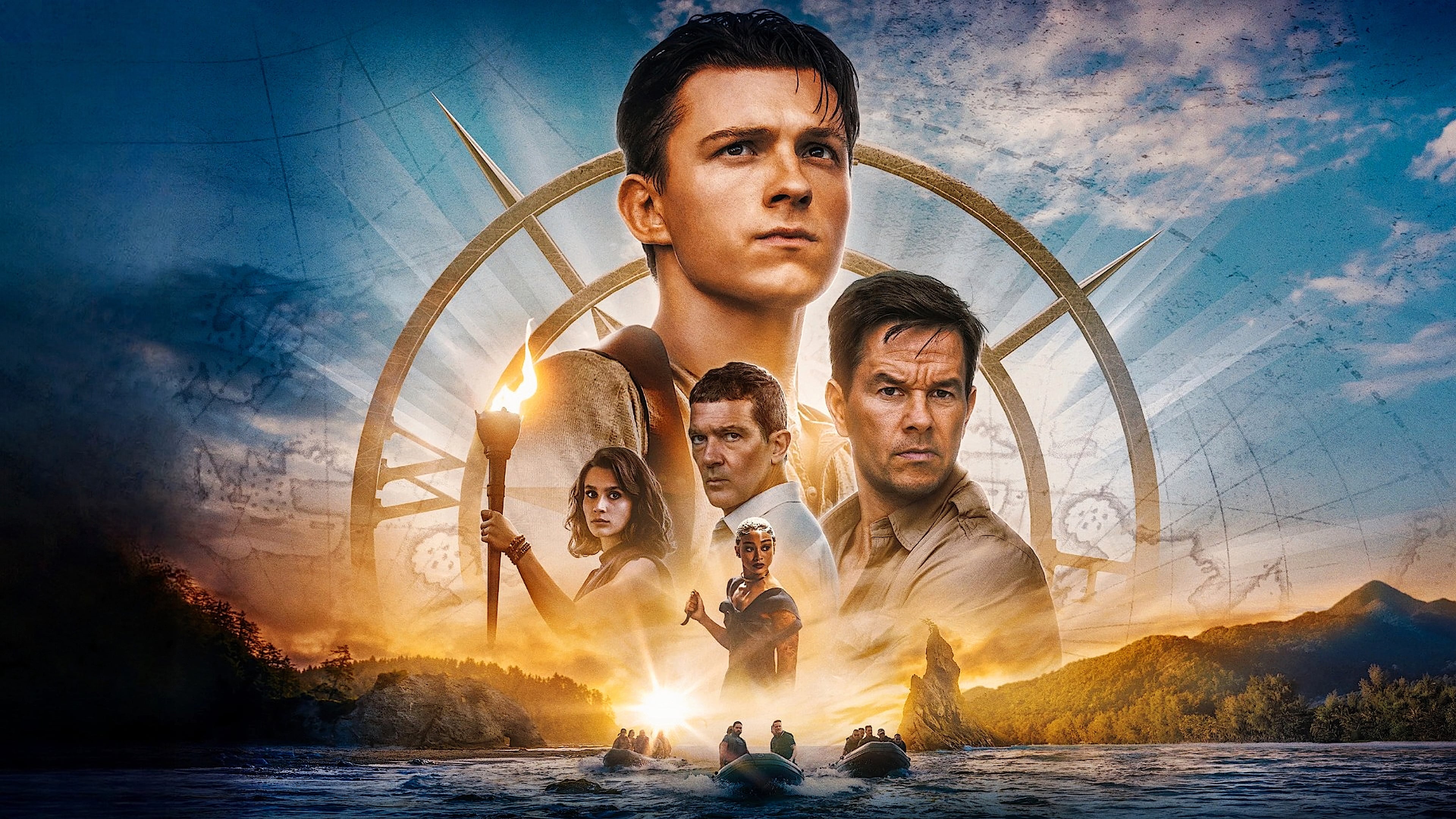

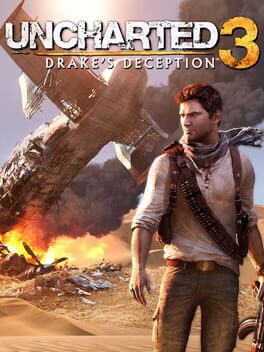
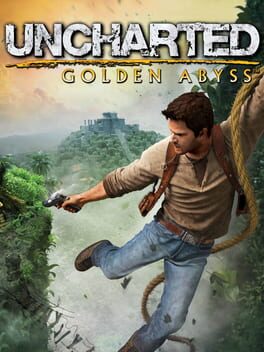
The Uncharted series sells a specific fantasy: that the world is still full of impossible places, that a quick-witted person with good aim and better luck can outrun history itself. Naughty Dog's franchise, which began in 2007 and became PlayStation's defining action-adventure, is built on cinematic set pieces -- the kind where a truck falls off a bridge and your hero falls with it -- but the texture that makes fans return is character. Nathan Drake is a thief who reads too many history books, and that combination of roguish banter and genuine obsession with the past is the through-line connecting every spin-off, film, novel, and cousin franchise that belongs in the same shelf. Whether you fell for the original PS3 trilogy, the expanded world of Golden Abyss and Lost Legacy, or the 2022 film that introduced a younger Drake, you are chasing the same thing: the feeling that somewhere out there a hidden vault still has secrets worth dying to find.
Essential Uncharted
The core franchise, ranked by scope
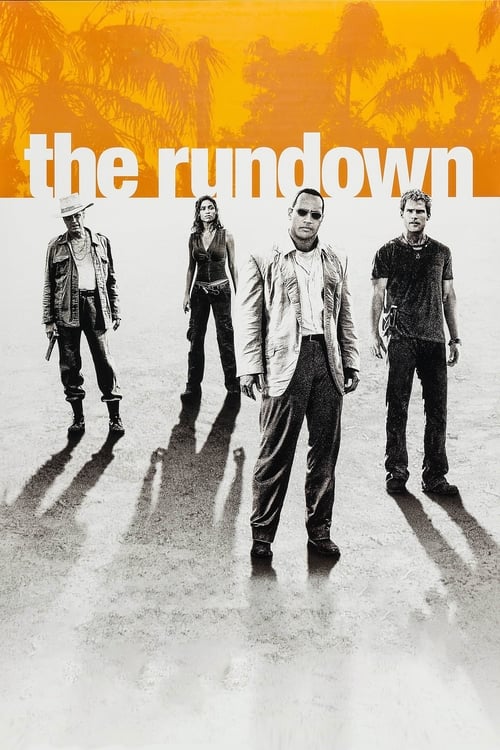
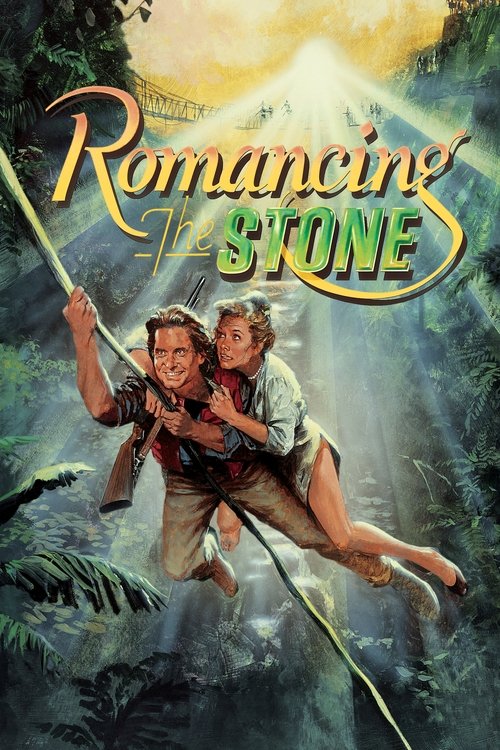
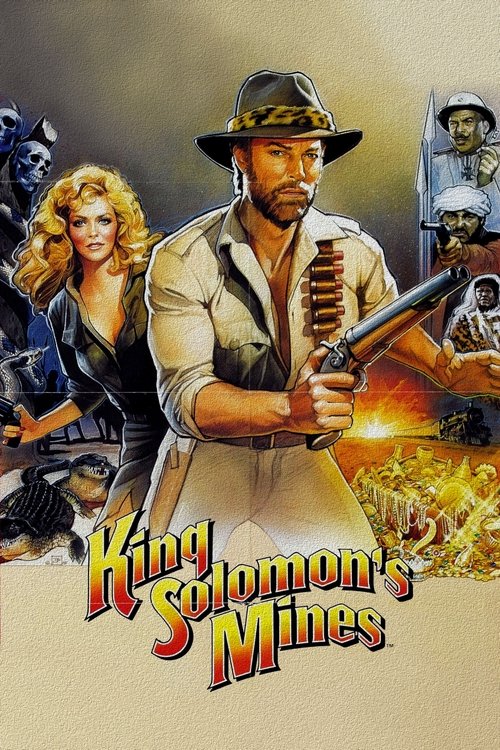
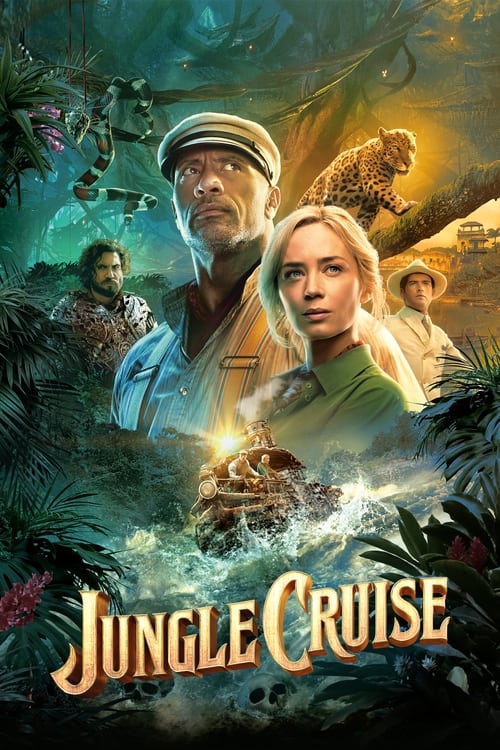
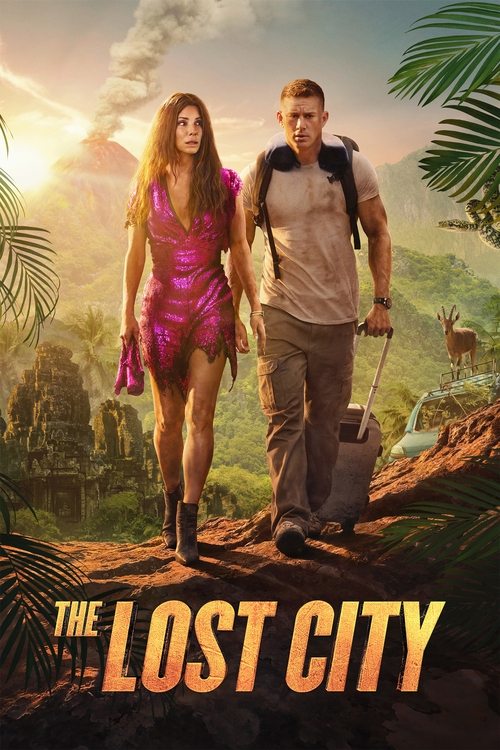
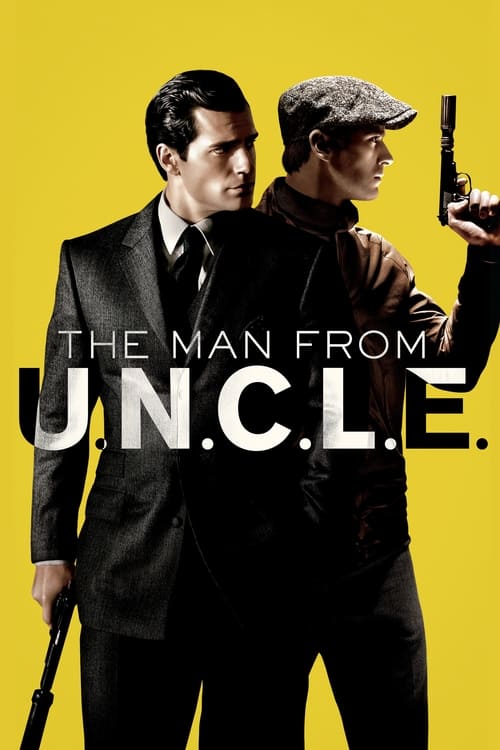
If You Love Uncharted: The Blockbuster Treasure-Hunt Film
Big-screen adventure that hits the same pulp nerve
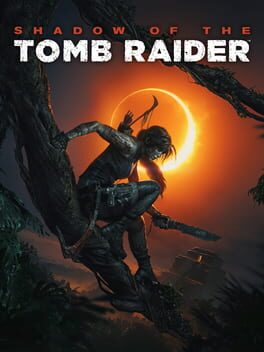
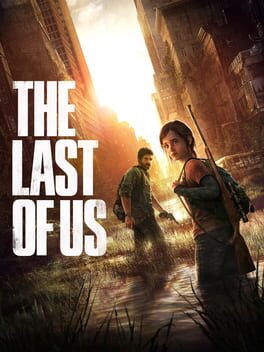
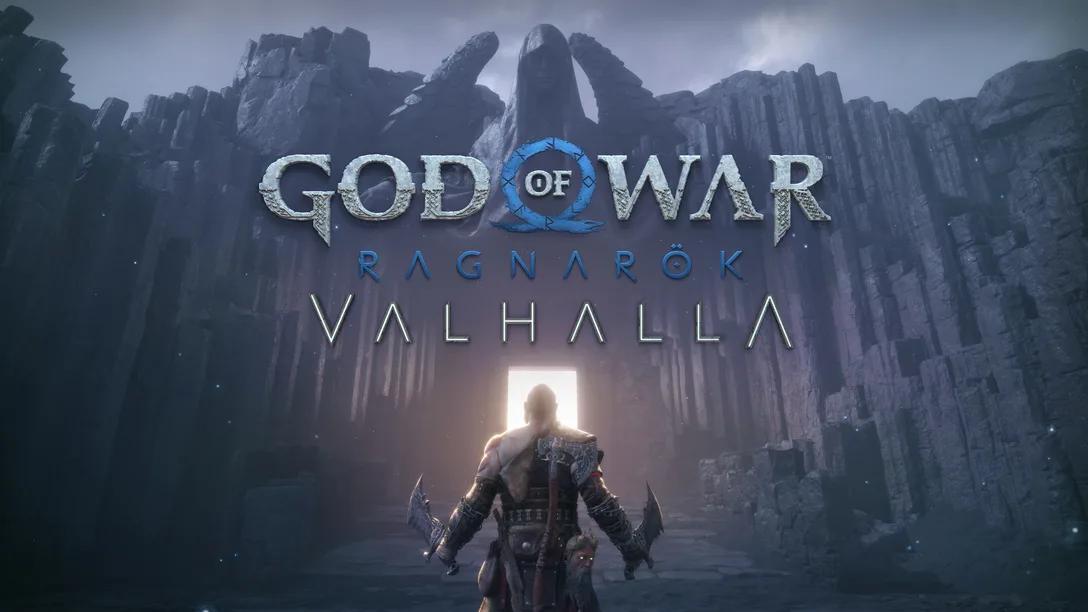
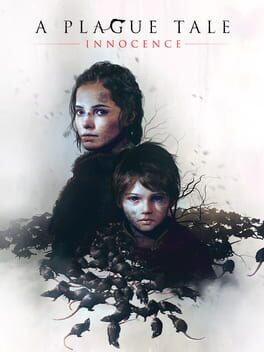
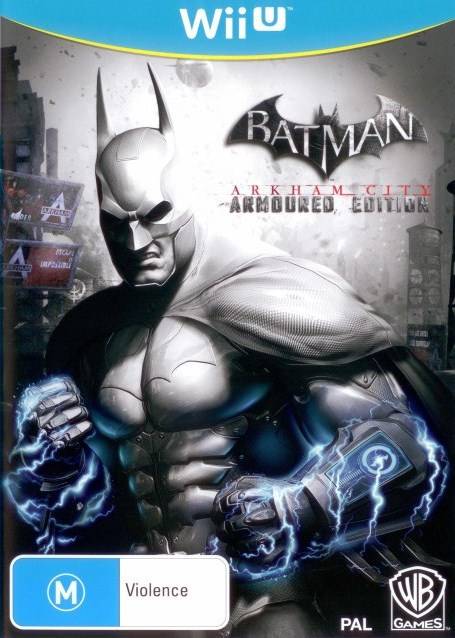
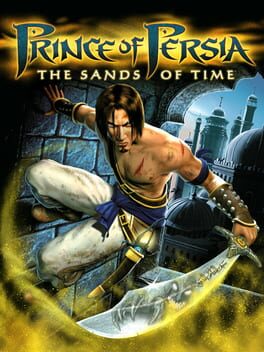
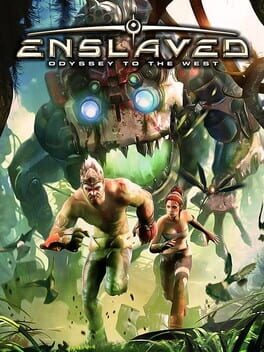
If You Love Uncharted: Cinematic Action-Adventure Games
Games that share the same camera language and set-piece DNA


If You Love Uncharted: Pulp Adventure Novels
Books with that same obsessive historian-with-a-gun energy


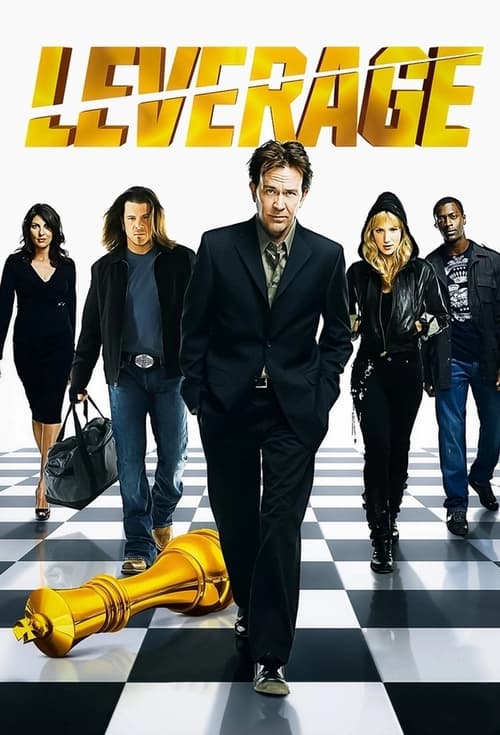
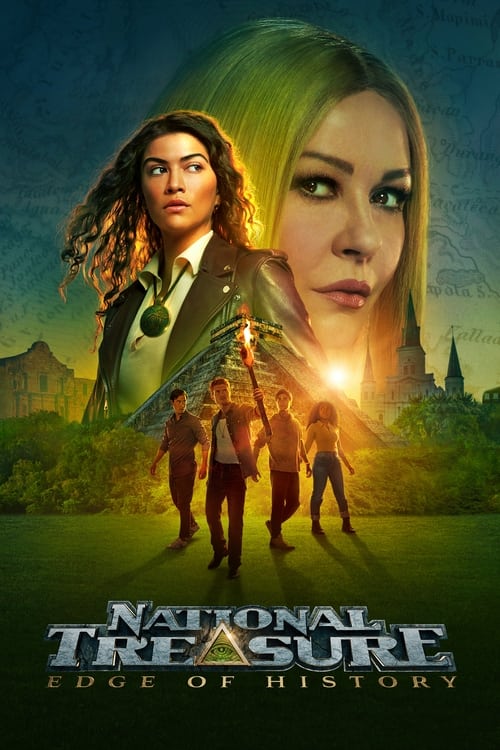
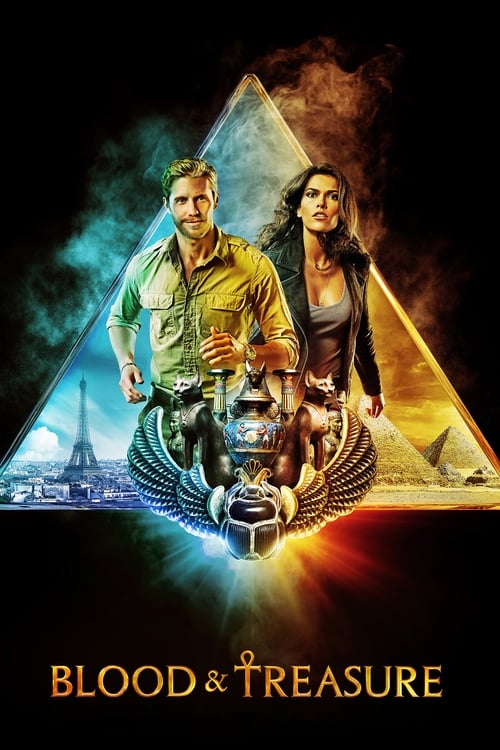
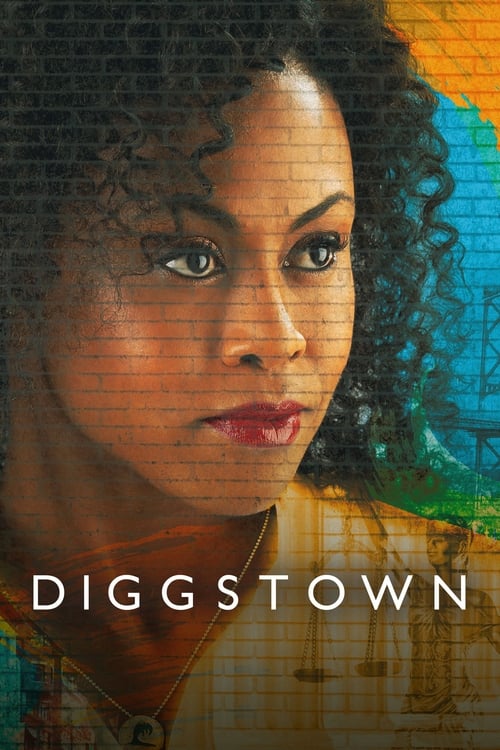
If You Love Uncharted: Adventure Series Worth Bingeing
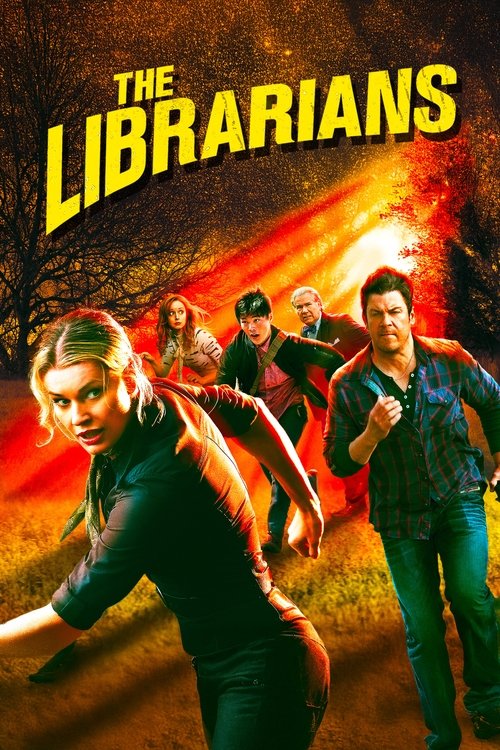
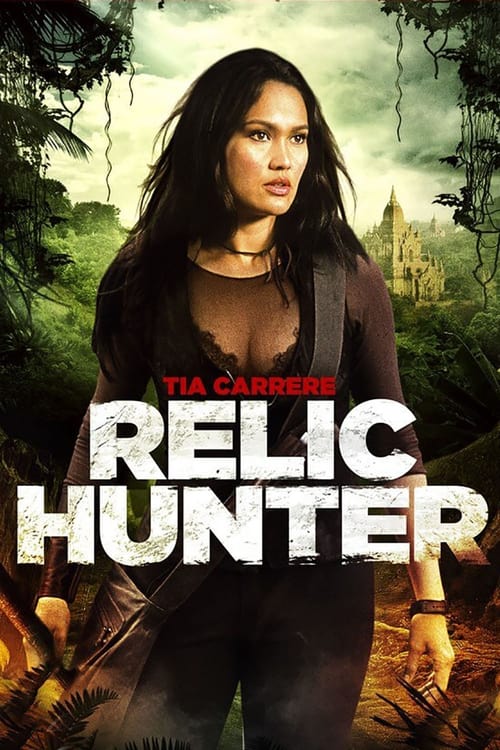
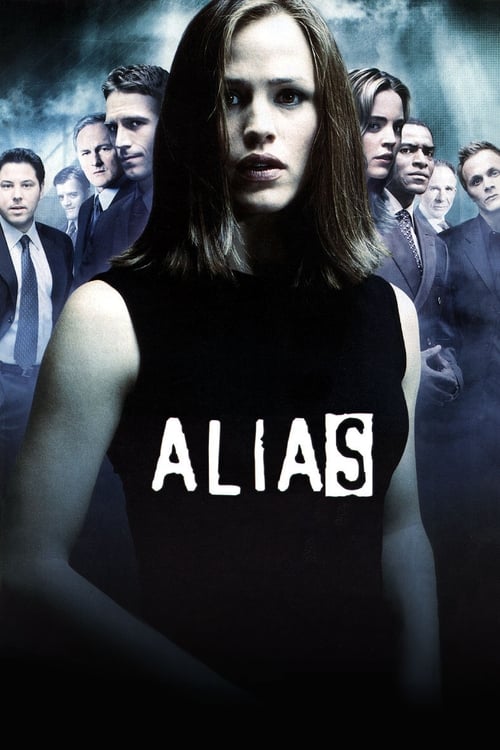
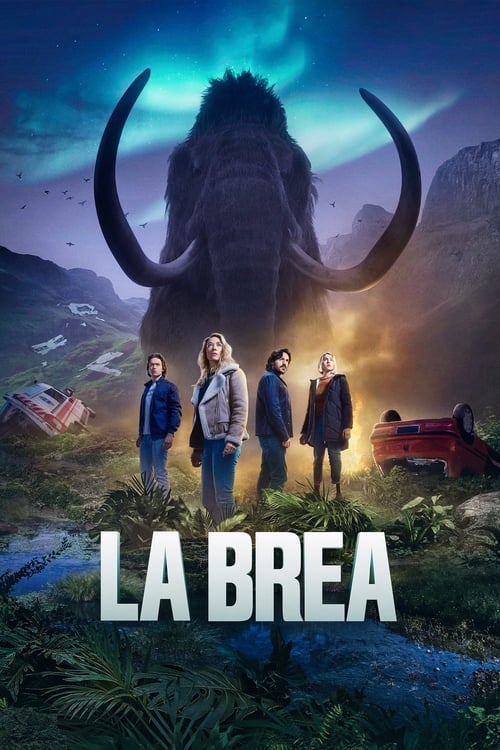
TV and limited series that carry the same globe-trotting, wit-under-fire tone

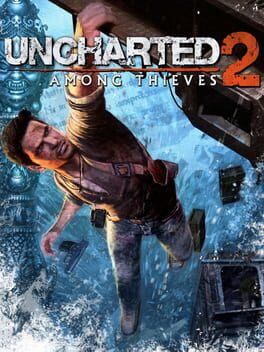
Uncharted 2 Is Still the High-Water Mark for Cinematic Set Pieces in Games
The train sequence in Uncharted 2 remains one of the most-cited examples of interactive spectacle in game design, and for good reason: it does not pause for a cutscene, it does not return control after a safe transition. The train is moving, the carriages are detonating, and the player is in the middle of it. Naughty Dog understood that the gap between what a game shows you and what you actually control is where immersion lives or dies. Every successor on this list is, in some measure, chasing the idea that Uncharted 2 proved was possible.
The 2022 Film Gets the Tone Right Even If the Scale Is Off
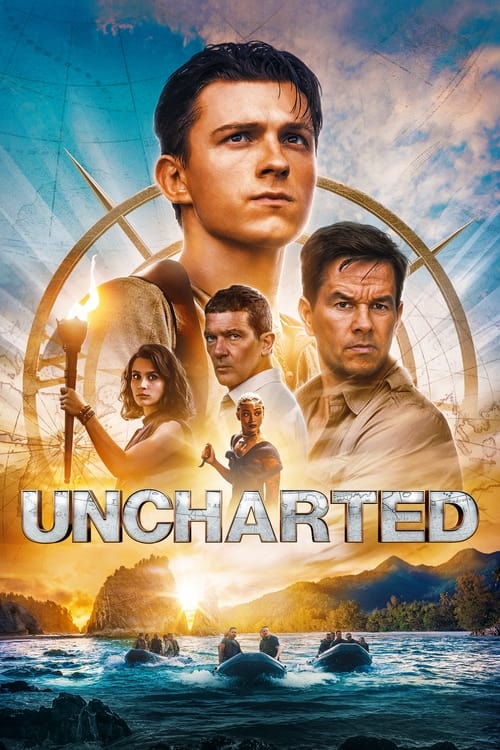
Tom Holland and Mark Wahlberg's Uncharted film arrived with legitimate skepticism -- the games are famous precisely because they feel like interactive blockbusters, so why make them passive? But the film earns its own space by committing to the prequel premise: a younger Drake who has not yet calcified into the sardonic expert, genuinely unsure whether Sully is going to betray him. The flying galleons sequence is the kind of escalating absurdity the franchise was built on, and the film's biggest flaw is that it ends just when the dynamic between the two leads starts to pay off.
Lost Legacy Proves the Franchise Outgrew One Protagonist
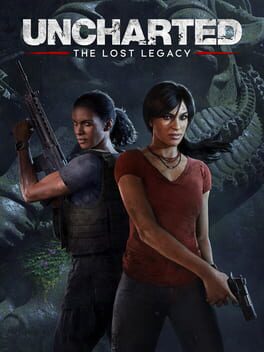
Chloe Frazer and Nadine Ross -- one the charming daughter of a historian, the other a former mercenary captain -- carry The Lost Legacy on two performances that feel more textured than much of the main trilogy. Chloe's personal stakes (her father's legacy, the Tusk of Ganesh) give the history lessons an emotional weight the Drake games sometimes skip past. The game is also a structural experiment: slower, more open, with a chapter that is essentially a puzzle box inside a single massive ruin. It is the franchise argument that treasure-hunting is more interesting when the prize means something to the person holding the map.
Raiders of the Lost Ark Is the Genre's Permanent Benchmark
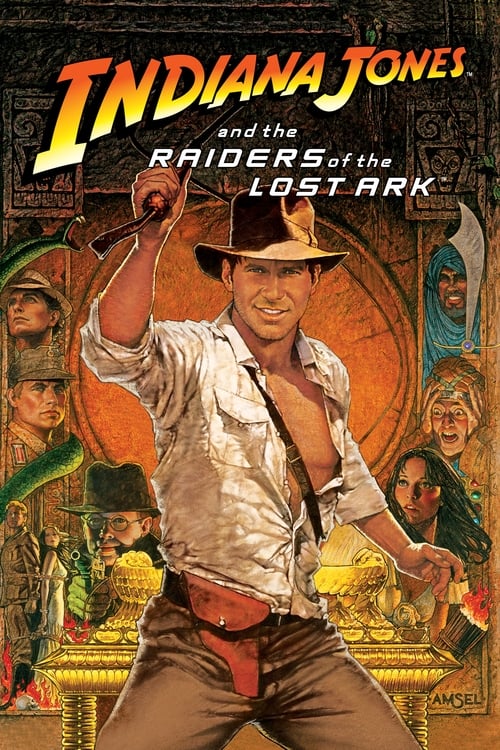
You cannot explain what Uncharted is doing without invoking Raiders of the Lost Ark, and Naughty Dog has never been shy about the debt. Spielberg's film invented the modern template: the expert who is also a brawler, the rival who is also a mirror, the artifact that carries genuine menace, the knowledge that the hero will arrive disheveled and improvising. The difference Uncharted introduced is that you feel the improvisation in your hands, which is why the film does not make the game redundant and the game does not make the film feel slow. They are doing different things with the same obsession.
A Quick History of the Treasure-Hunt Genre
- 1984Indiana Jones and the Temple of Doom brings pulp adventure to a new generation Indiana Jones and the Temple of Doom
- 1996Lara Croft arrives, establishing the video game blueprint Uncharted would later refine Tomb Raider
- 2003The Da Vinci Code revives literary conspiracy-treasure fiction for mainstream readers The Da Vinci Code
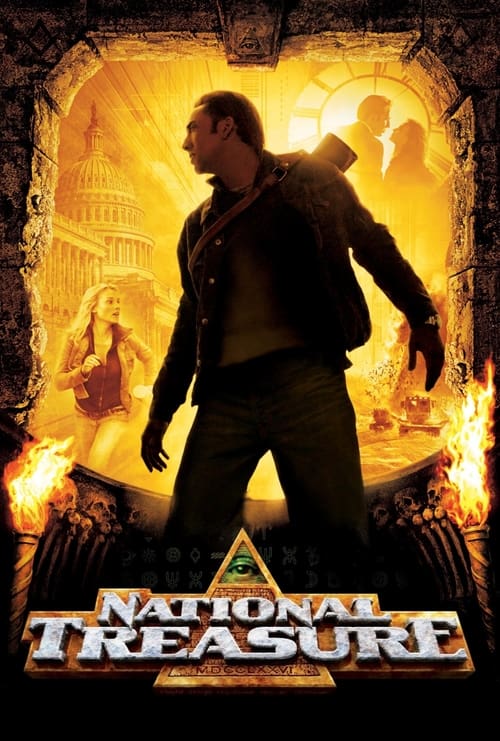
- 2004National Treasure makes American history the map National Treasure
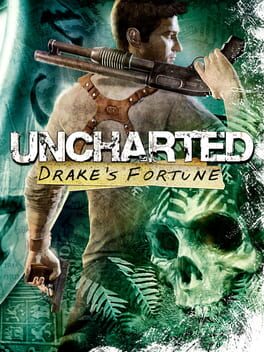
- 2007Uncharted: Drake's Fortune launches, defining cinematic action-adventure games Uncharted: Drake's Fortune
- 2009Uncharted 2 sets a new bar for interactive spectacle and raises the profile of PlayStation Uncharted 2: Among Thieves
- 2013Tomb Raider reboot charts a grittier, survival-focused take on the same formula Tomb Raider
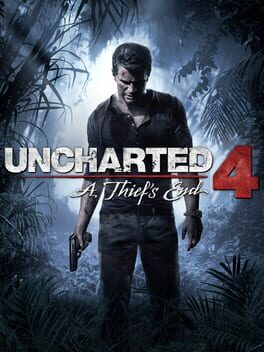
- 2016Uncharted 4 closes the Drake story and is praised as a benchmark for narrative in blockbuster games Uncharted 4: A Thief's End
- 2017The Lost Legacy expands the world with new leads and a more personal story Uncharted: The Lost Legacy
- 2022The Uncharted film brings Drake and Sully to cinema with Tom Holland and Mark Wahlberg Uncharted
More treasure hunts and lost worlds
Treasure Hunts & Adventure
Explore the Treasure Hunts & Adventure guide →Every map is a promise. Uncharted is about what happens when you believe the promise hard enough to follow it off a cliff.CrossBinge editorial