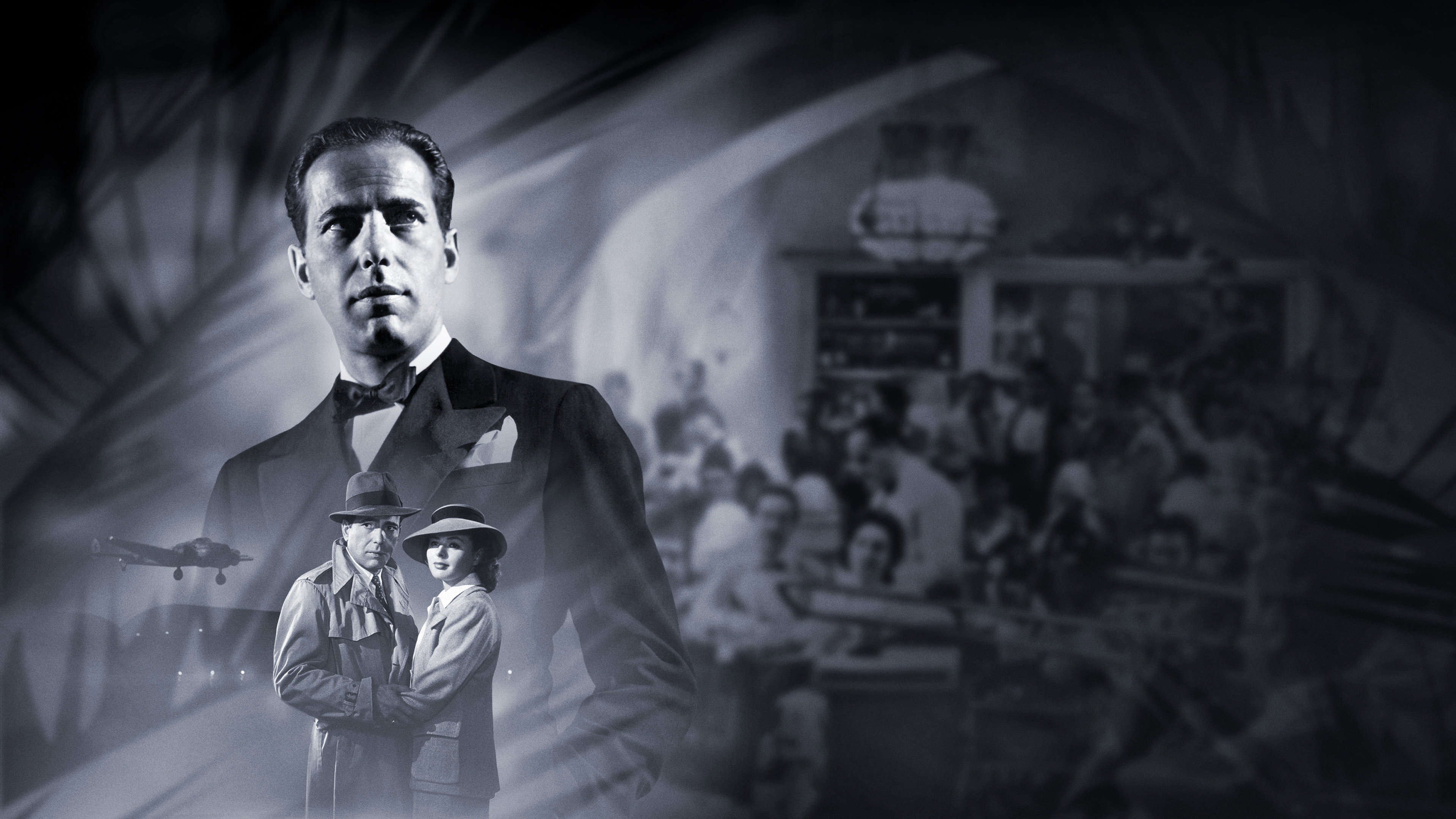

Ingrid Bergman arrived in Hollywood in 1939 with a naturalness that felt almost out of place among the heavily styled stars of the era. Where others performed, she seemed simply to be. Over five decades she moved between studio melodrama and neorealist experiment, between Casablanca and Rossellini's ruins-of-Rome films, between Broadway and Bergman (Ingmar, no relation). What fans return to is a quality she articulated herself: the willingness to be caught in the moment of feeling rather than its demonstration. Her range was not about disguise but about depth. She won three Academy Awards across three very different kinds of performance, which is as good a map of that range as any.
Essential Ingrid Bergman
The performances that define her, from Hollywood peak to European reinvention
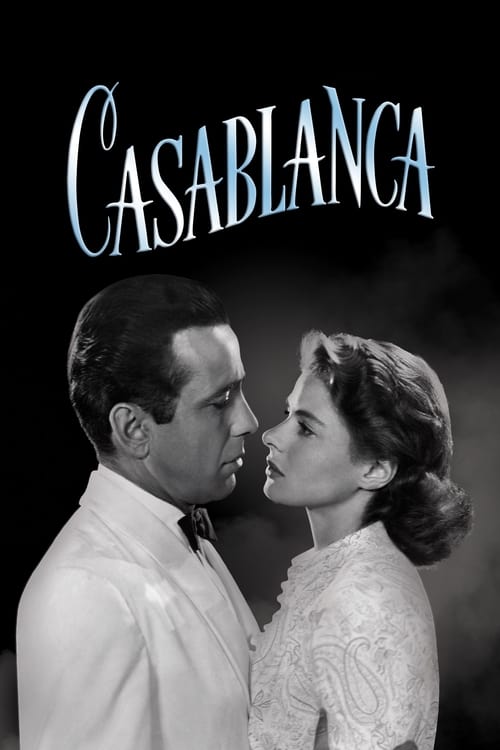
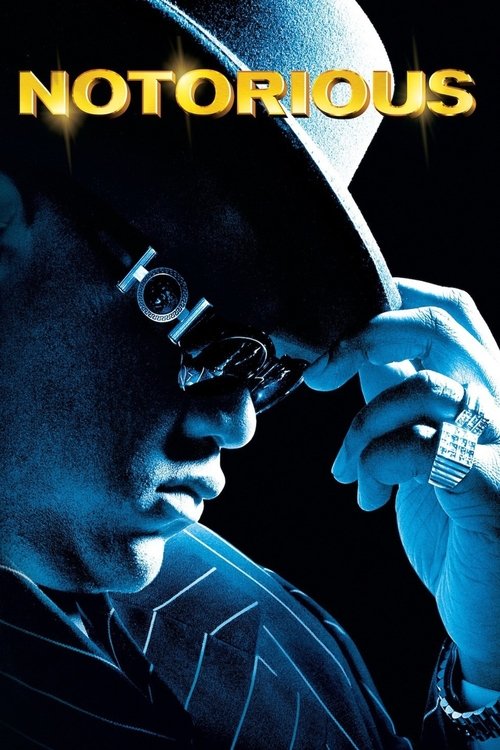
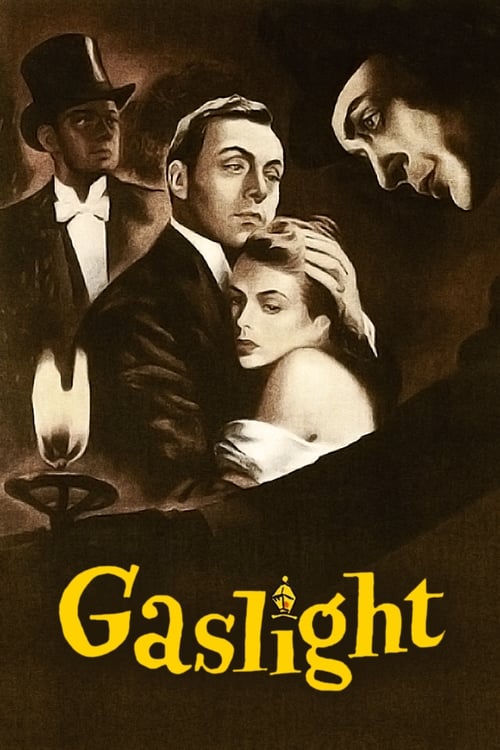

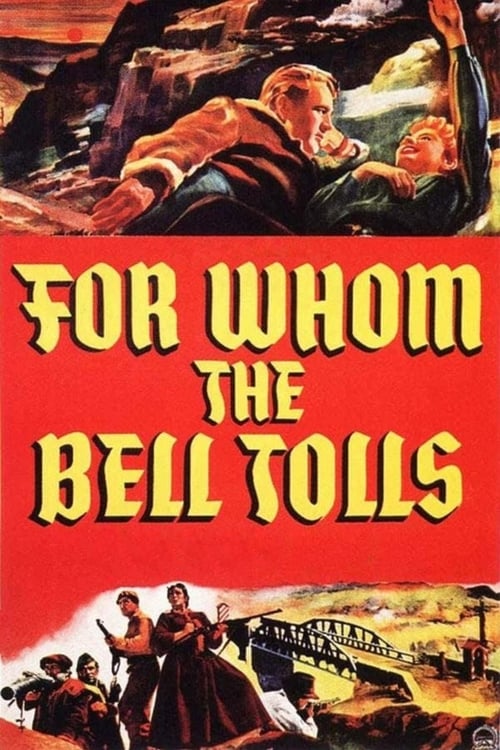


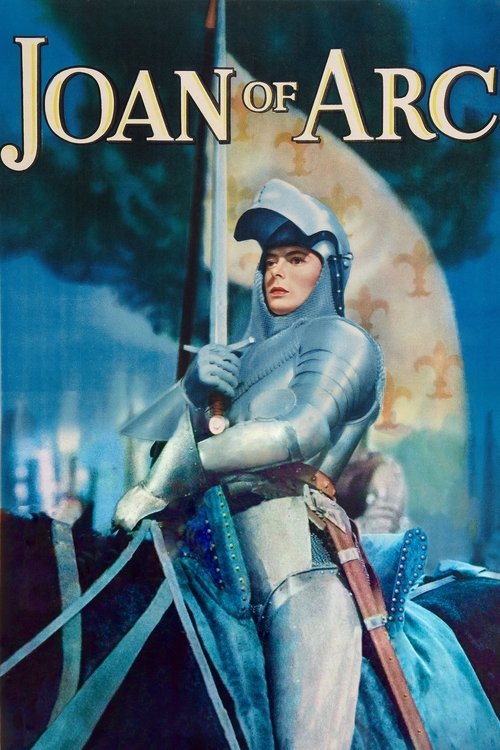
If You Love Her Hollywood Golden Age Work
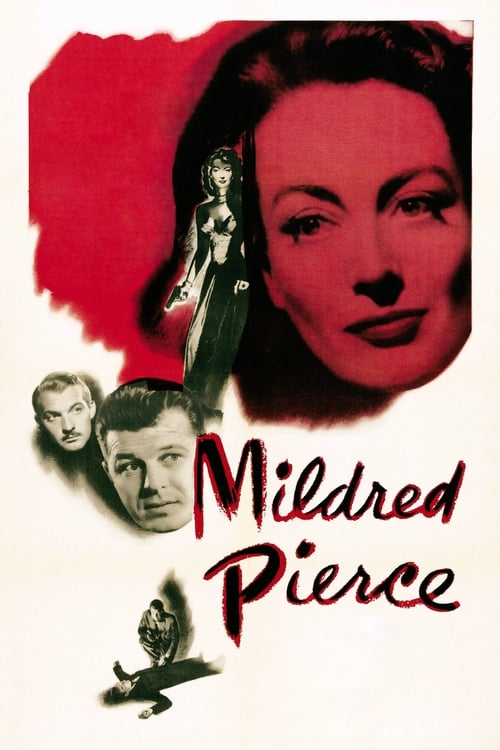
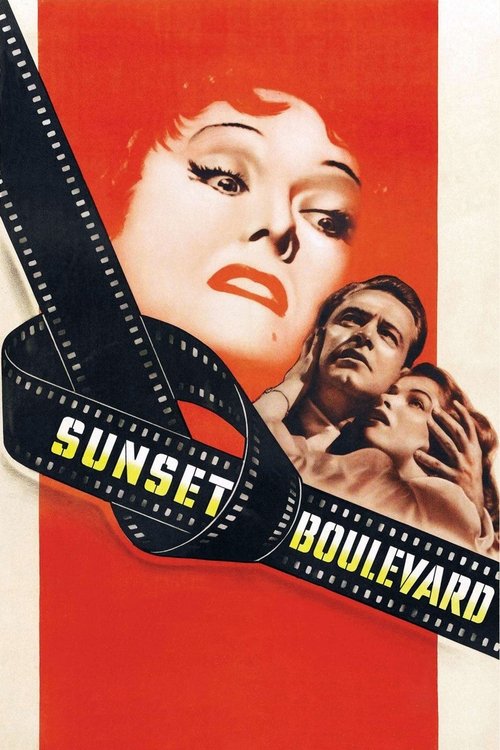
Noir thrillers, wartime romance, and psychological suspense from the same era
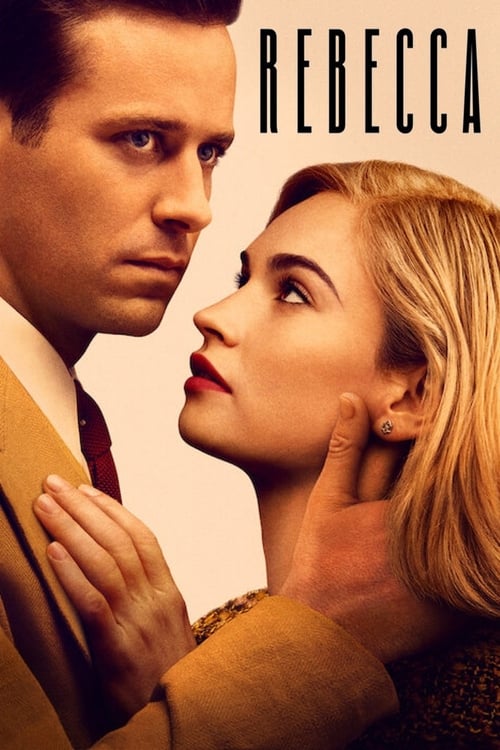
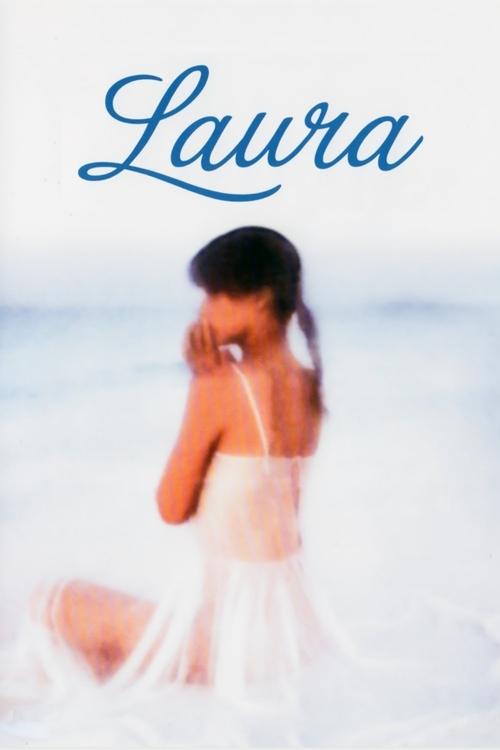
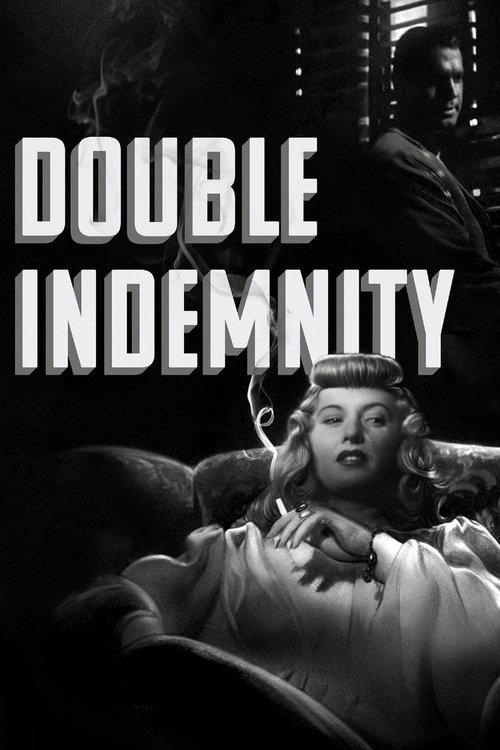
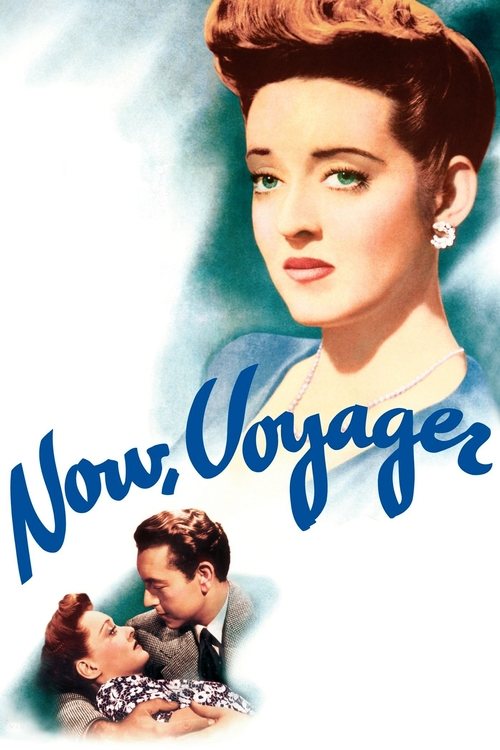
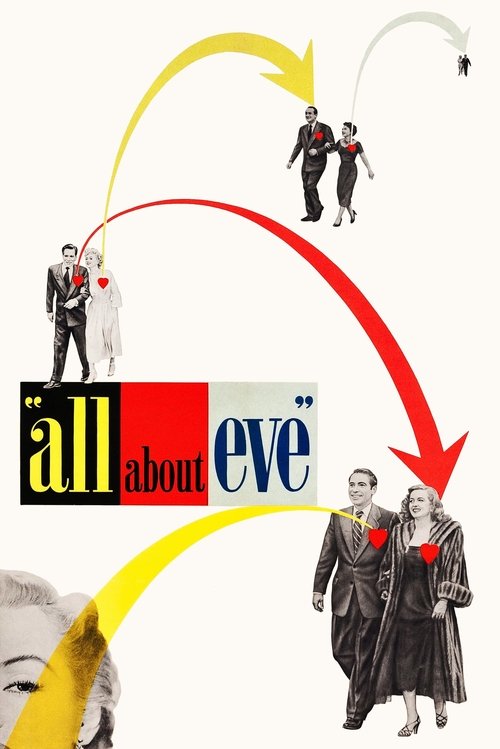
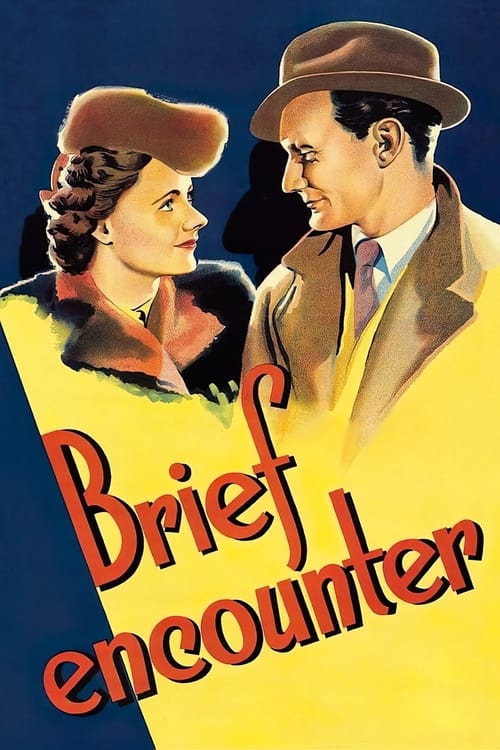
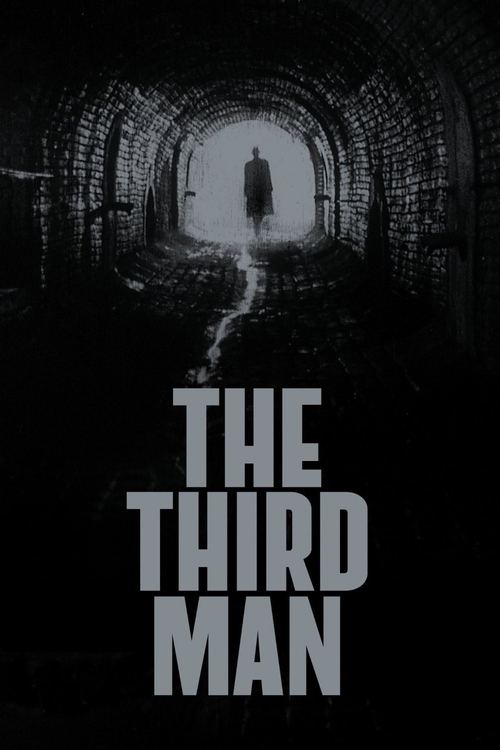
If You Love Her Rossellini Years
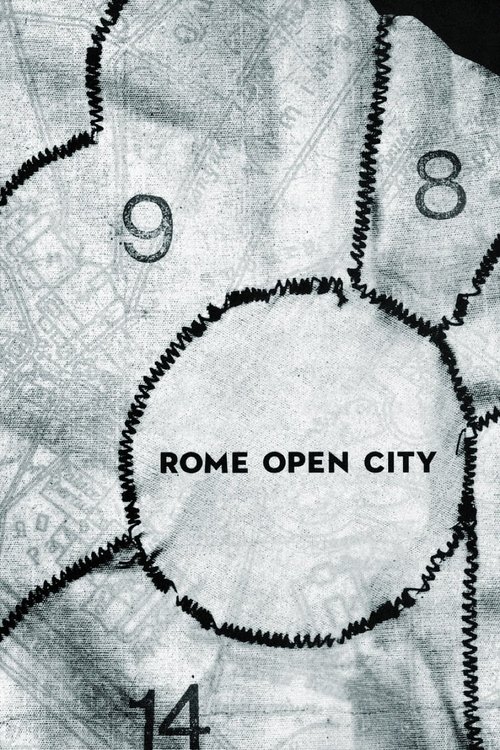
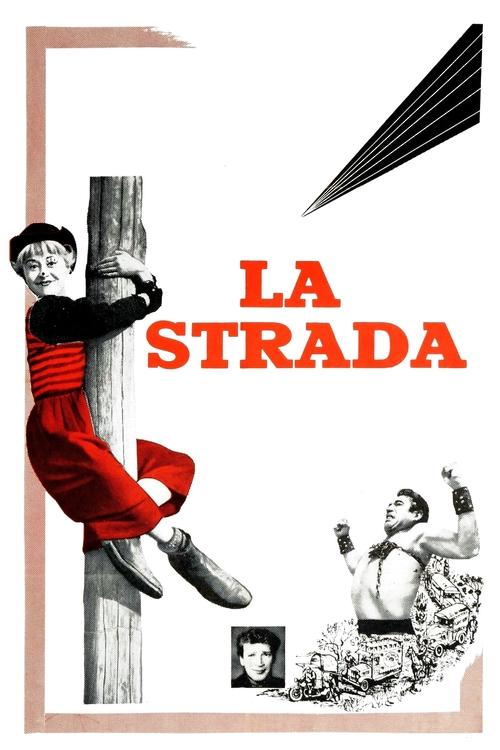
European art cinema and neorealism that redefined what film acting could be


The Novels Behind the Films
Books that share her films' territory: moral courage, identity, love under pressure


Same Register, Different Actresses
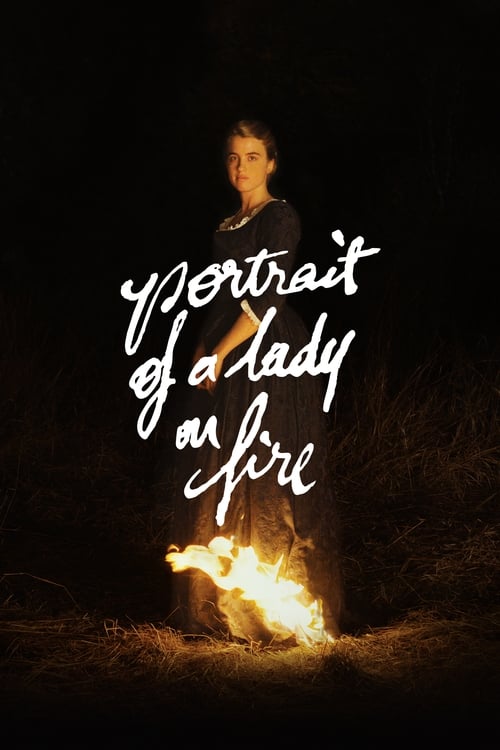
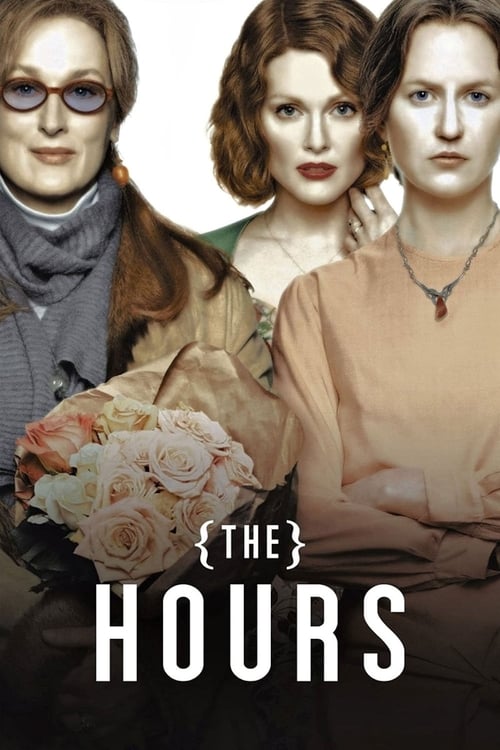
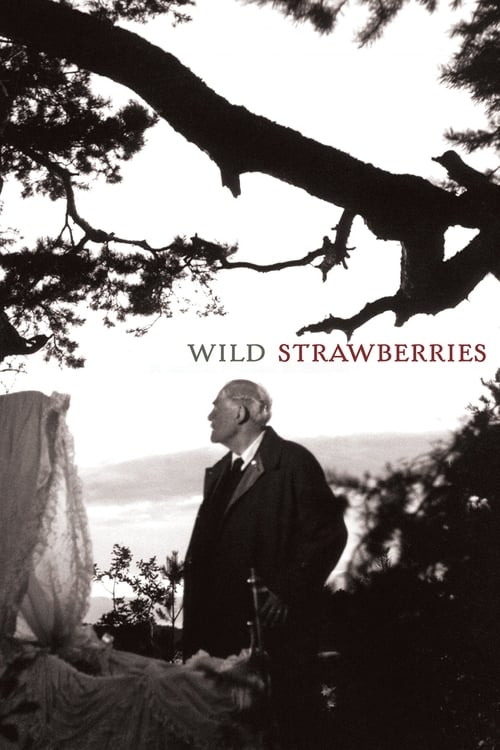
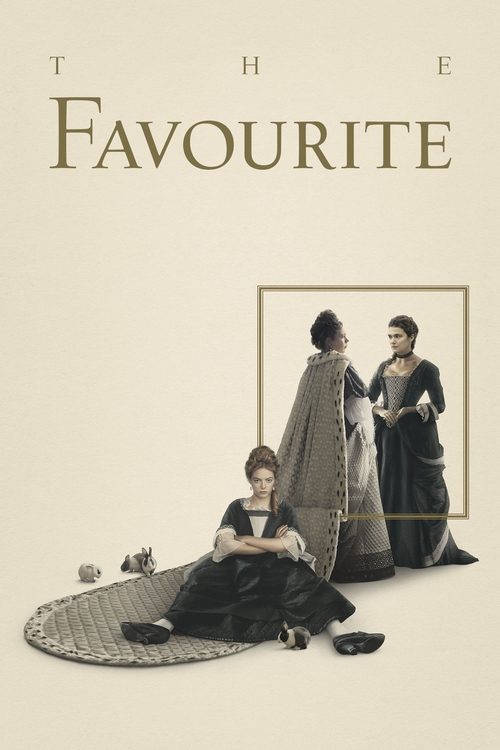
Films built around a similar gravity and inner-life performance style
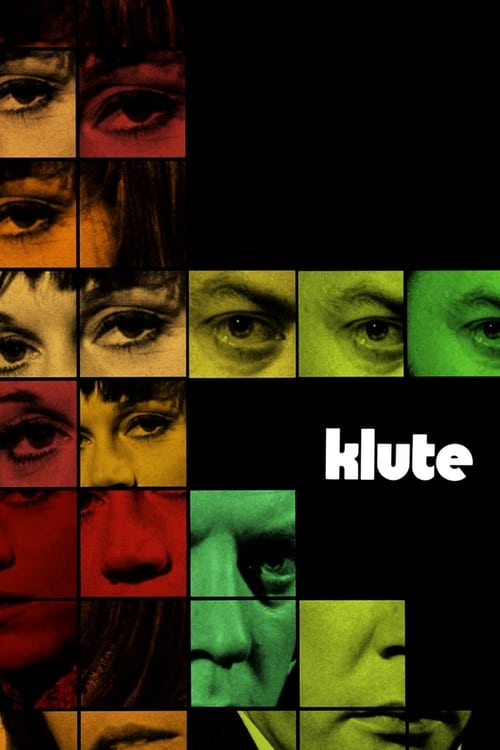

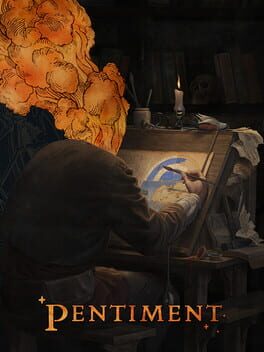
Games and Worlds That Share Her Films' Atmosphere
Slow-burn intrigue, wartime moral stakes, psychological depth




Gaslight Is Still the Definitive Psychological Thriller
George Cukor's 1944 film gave a word to a form of psychological abuse and built its entire architecture around the question of whether we can trust a woman's perception of reality. Bergman plays Paula with a trembling intelligence that makes the gaslighting viscerally uncomfortable to watch. Her Oscar that year was deserved not for any single scene but for the sustained effort of showing a mind being systematically dismantled. Every domestic thriller that has followed owes something to this performance.
Autumn Sonata Is the Film Her Career Was Building Toward
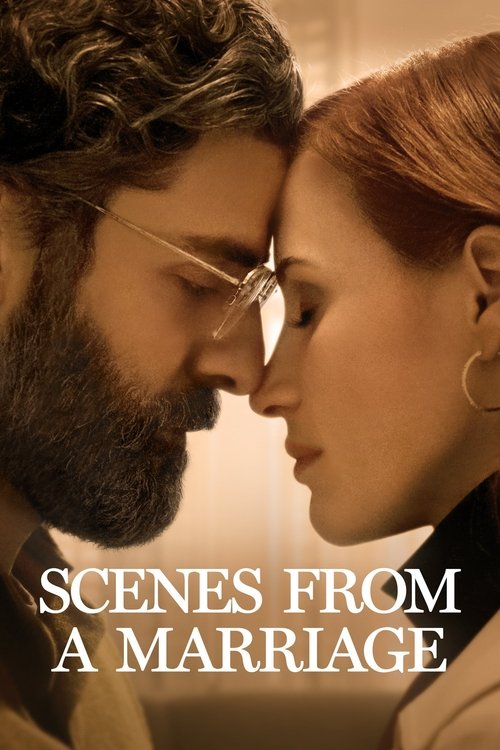
That Ingrid Bergman and Ingmar Bergman finally worked together only once, in 1978, and produced this study of a mother and daughter tearing each other apart over a single visit, feels like a miracle of timing. Ingrid had spent the prior decade working steadily in European television and stage; Ingmar had just made Scenes from a Marriage. The film they made together is chamber music played at full emotional volume. Charlotte, the concert pianist who has never quite been present for her children, is the most uncomfortable role of Bergman's career precisely because the character is most like the actress.
Notorious Belongs in the Same Breath as Any Hitchcock
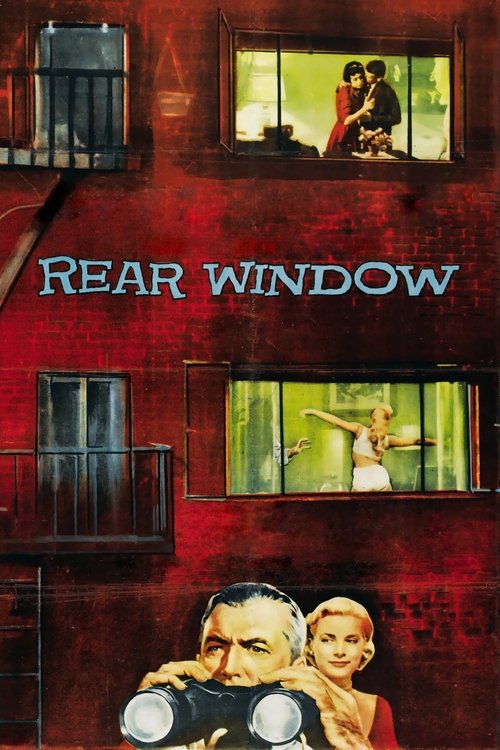
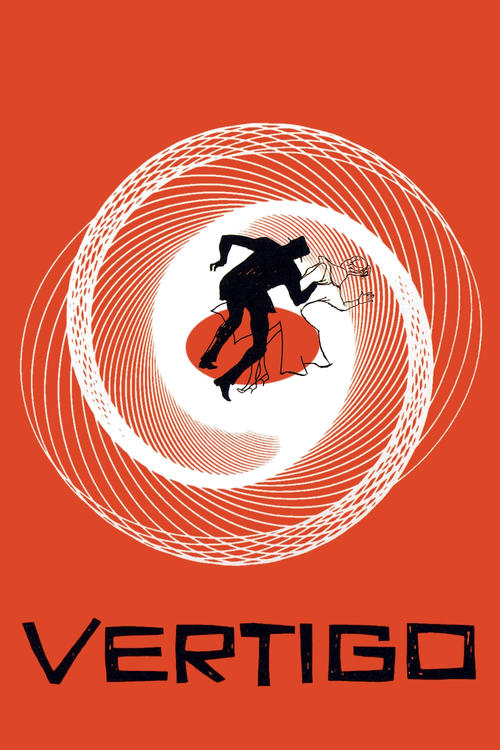
Rear Window and Vertigo get the academic attention, but Notorious (1946) is the film where Hitchcock's formal control and his lead actress's emotional intelligence are most precisely matched. Bergman plays Alicia Huberman, a woman asked to sacrifice her body and her dignity for a government operation, whose feelings for her handler (Cary Grant) are real and systematically weaponized against her. The film is simultaneously a wartime spy thriller and one of cinema's bleakest love stories. The wine-cellar sequence is Hitchcock at his tightest. The emotional cost is entirely Bergman's.
Her Rossellini Films Were Failures That Became Masterpieces
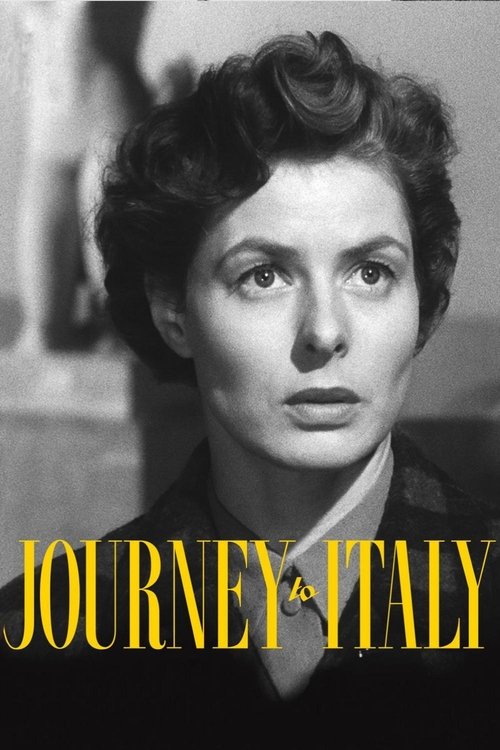
When Bergman left Hollywood for Roberto Rossellini in 1950, the films they made together (Stromboli, Europa '51, Journey to Italy, Voyage to Italy) were commercial disasters and critically dismissed. The directors of the French New Wave spent the 1950s watching them obsessively and writing about them as the future of cinema. Rohmer, Godard, Rivette: all of them cite Journey to Italy as a rupture, the moment films stopped being theater and started being something closer to life. Bergman herself was ambivalent about the experience. History decided otherwise.
A Life in Five Acts
- 1915Born in Stockholm; orphaned by age 12, raised by relatives
- 1935Feature debut in Swedish cinema; noticed immediately for her unaffected naturalism
- 1939David O. Selznick brings her to Hollywood for the American Intermezzo remake
- 1942Casablanca establishes her as one of Hollywood's essential stars Casablanca
- 1944First Academy Award, Best Actress Gaslight
- 1950Leaves Hollywood for Roberto Rossellini; moral scandal triggers a seven-year US ban
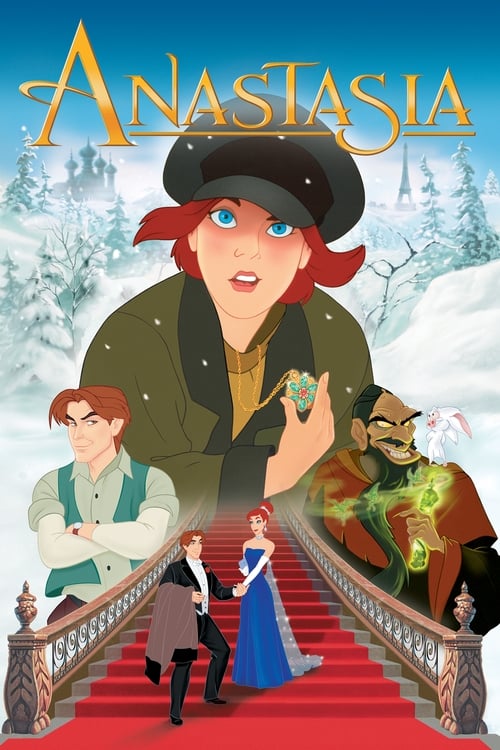
- 1956Returns to Hollywood, wins second Academy Award, Best Actress Anastasia
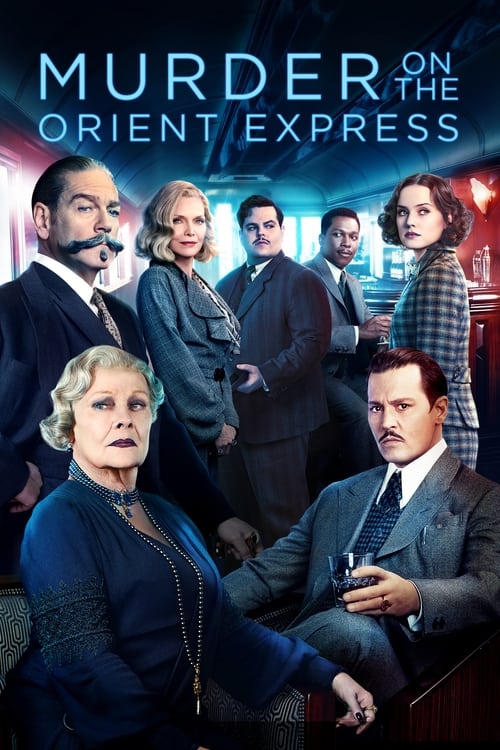
- 1974Third Academy Award, Best Supporting Actress Murder on the Orient Express
- 1978Autumn Sonata with Ingmar Bergman: her final major theatrical film Autumn Sonata
- 1982Dies on her 67th birthday in London, the same day Ingmar Bergman's Fanny and Alexander premieres
Casablanca, noir, and golden-age stars
For Fans of Casablanca
Explore the For Fans of Casablanca guide →I've gone from saint to whore and back to saint again, all in one lifetime.Ingrid Bergman