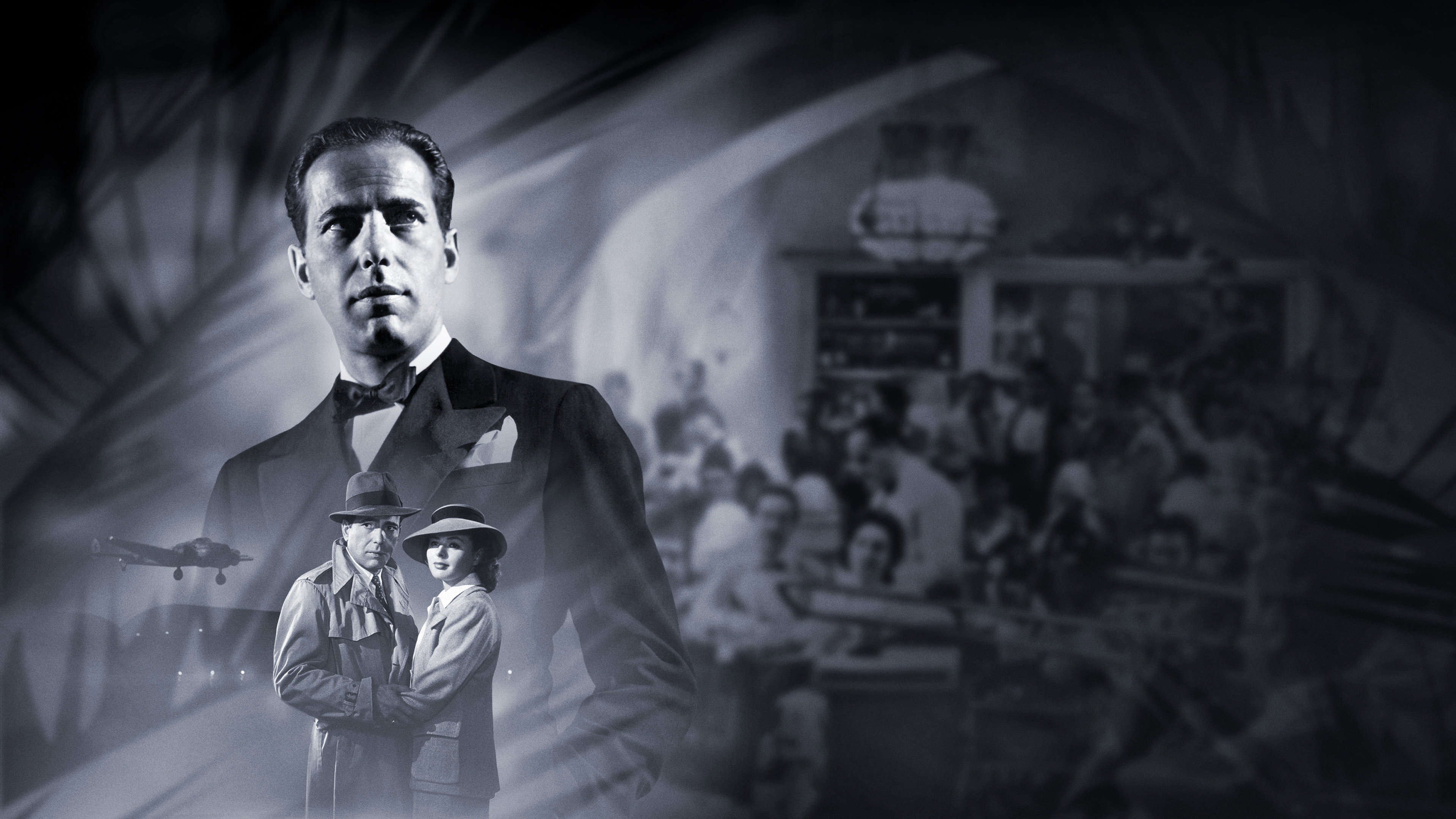

Casablanca (1942) works because it refuses to give Rick Blaine what he wants. He wants to stay numb, to run a neutral bar in a neutral city and feel nothing. The film strips that comfort away scene by scene until he has to choose between the woman he loves and the cause she serves. What fans chase in Casablanca is that specific ache: a story where doing the right thing costs something real, where the romantic electricity between two people is inseparable from the political storm around them, and where almost every line of dialogue does double duty as wit and as longing. The direction is economical, the performances are alive, and the moral stakes are never abstract. If you love Casablanca, you love films that treat cynicism as a wound rather than a pose, and love as something that demands courage.
Essential Casablanca
The film itself, and the director's other wartime and romantic dramas worth knowing
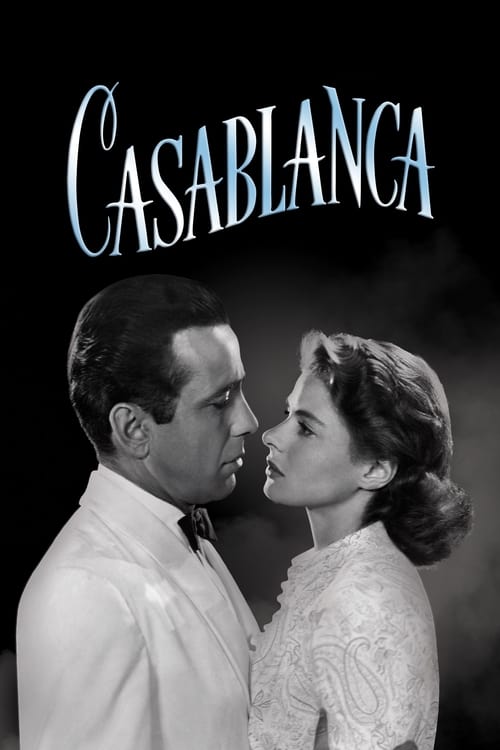
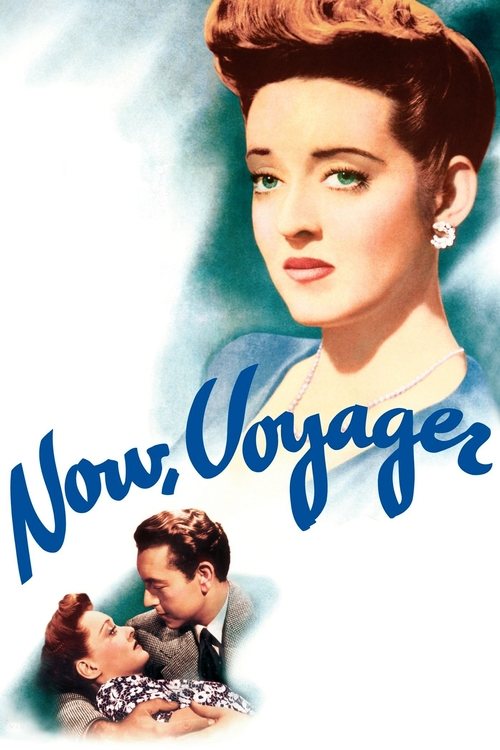
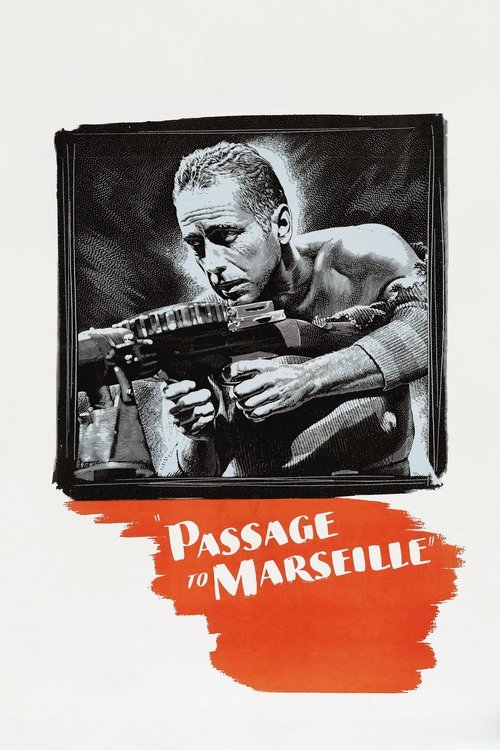
If You Love Casablanca: Wartime Romance and Moral Sacrifice
Films that put love under historical pressure and make the sacrifice feel earned


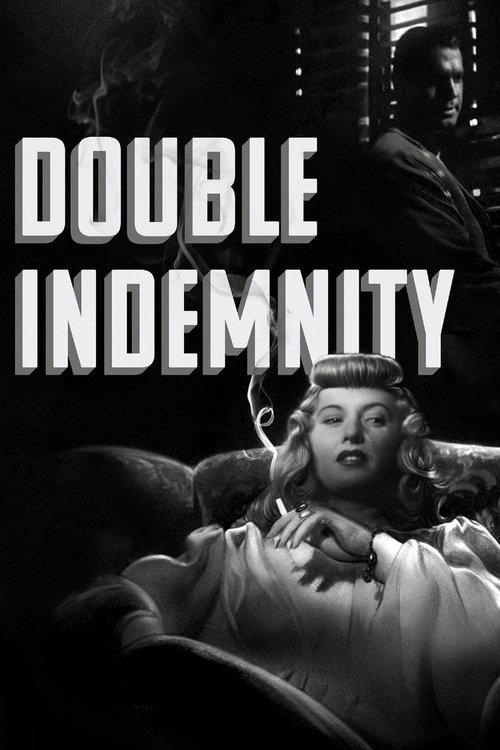
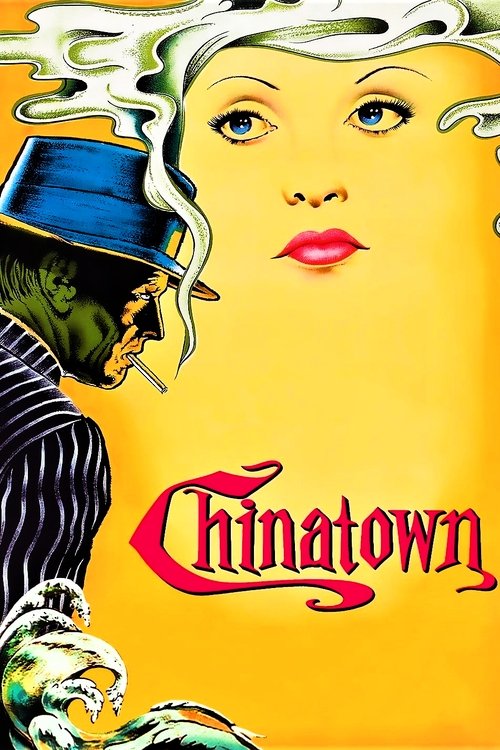
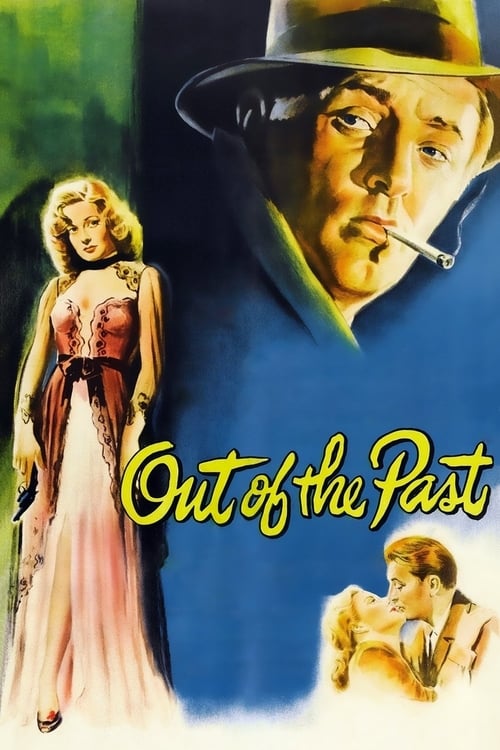
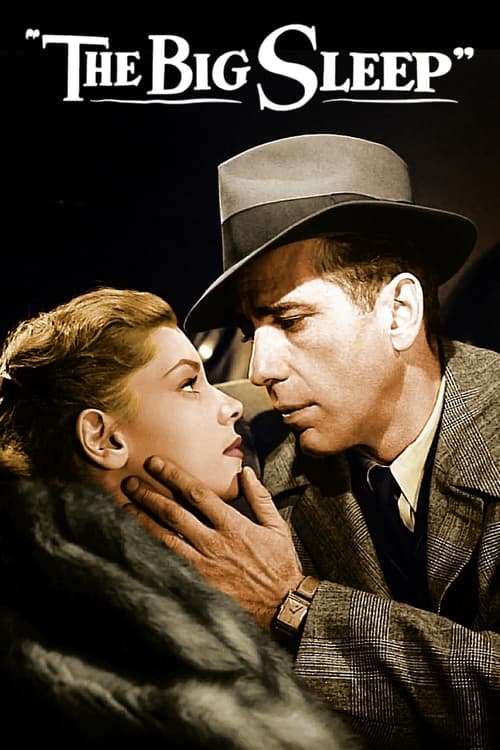
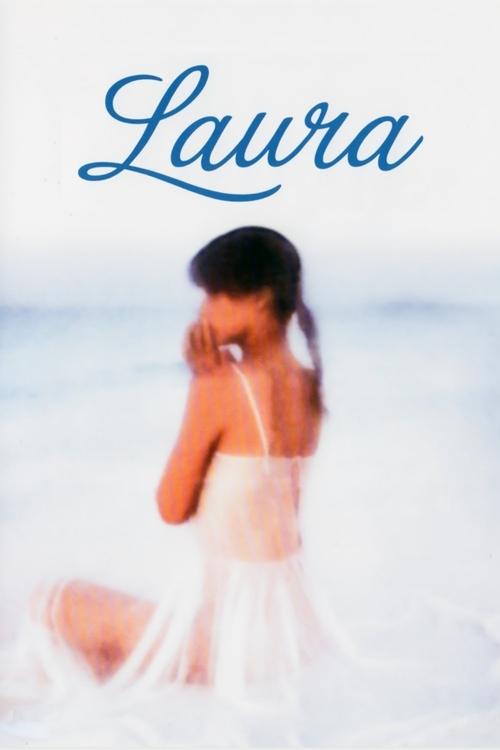
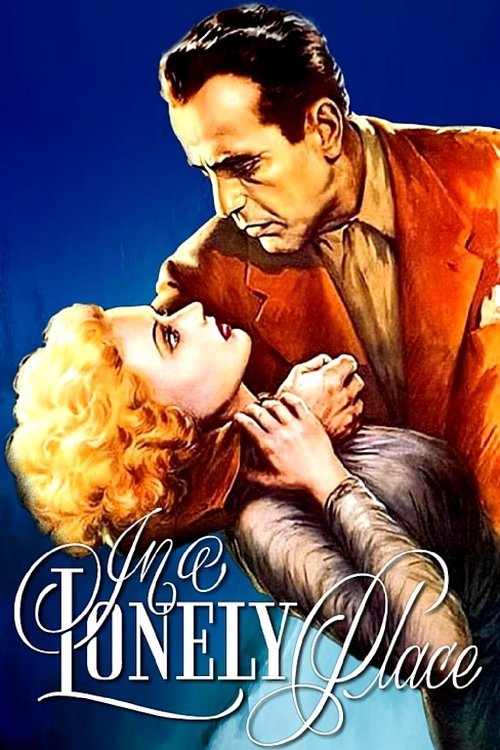
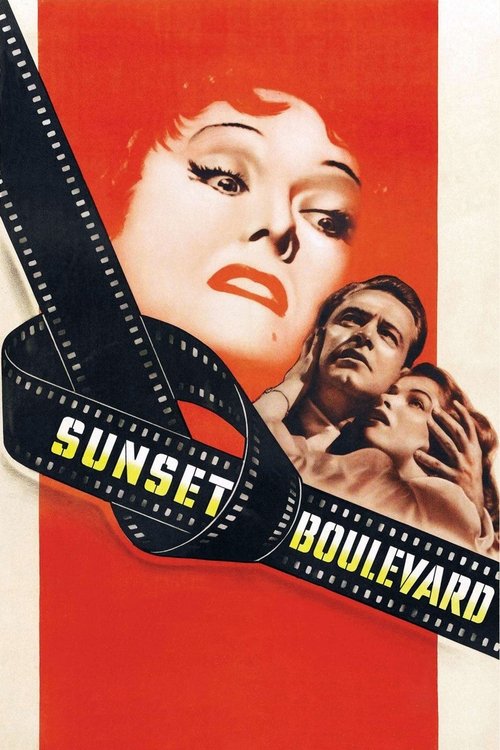
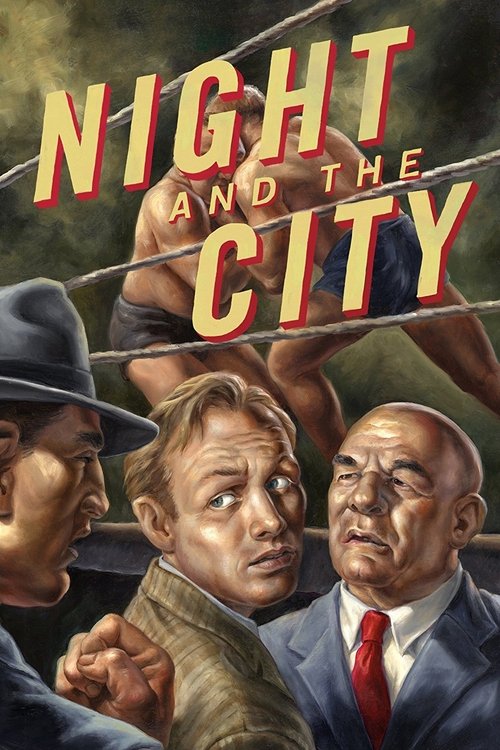
If You Love Casablanca: Noir and the Romantic Cynic
Hard-boiled films where men with wounded pasts find something worth protecting
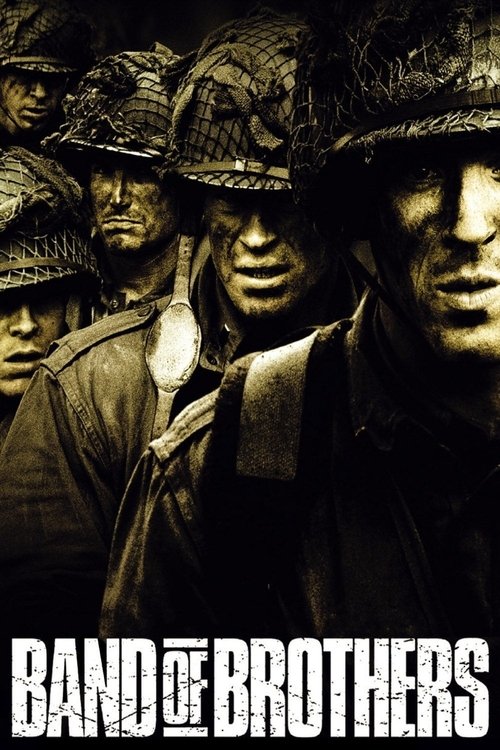
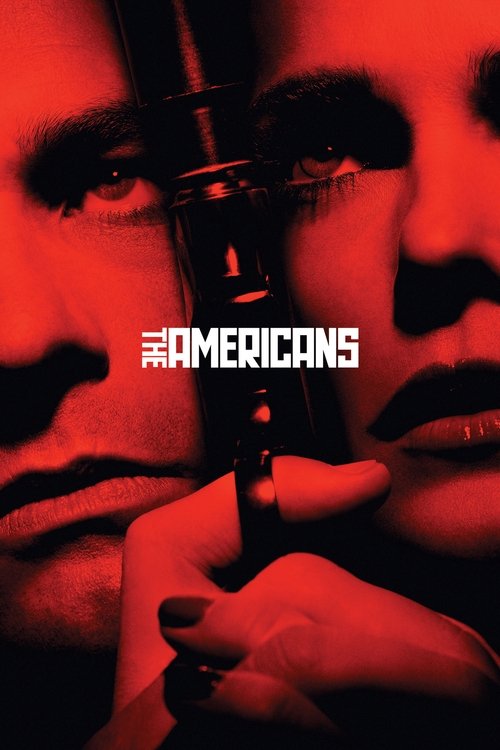
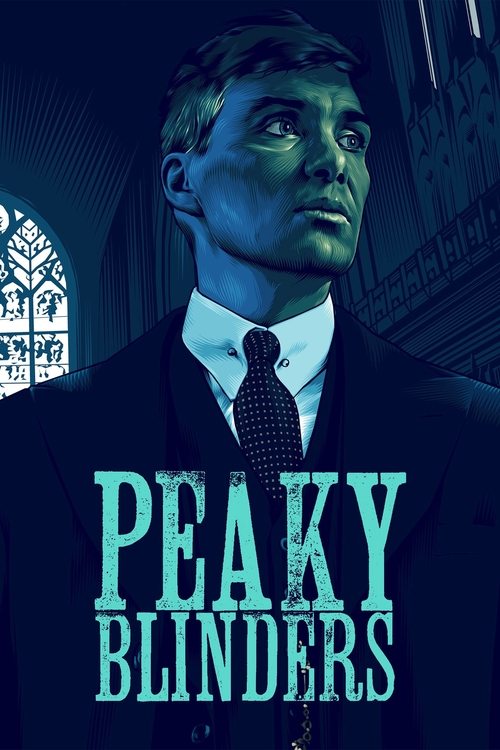
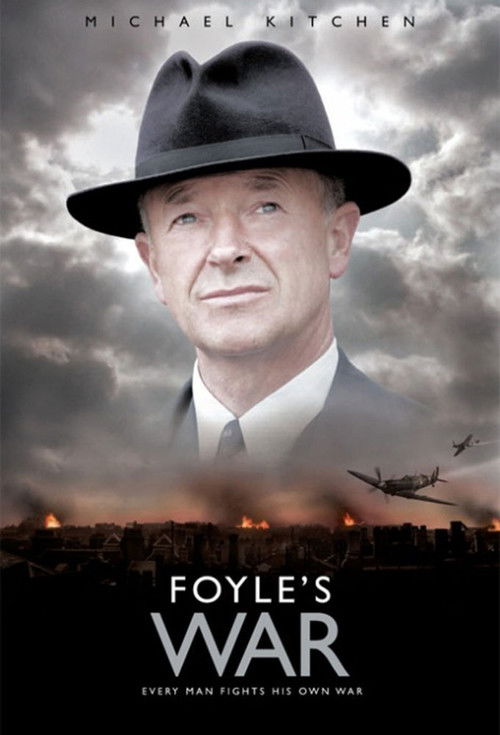
If You Love Casablanca: Series With the Same Moral Weight
Television that puts ordinary people inside history and forces impossible choices



If You Love Casablanca: The Books Behind the Feeling
Novels of wartime love, exile, and hard moral choices that share Casablanca's emotional register


If You Love Casablanca: Games of Wartime Tension and Moral Choice
Games that put you inside historical pressure and make every decision feel weighted

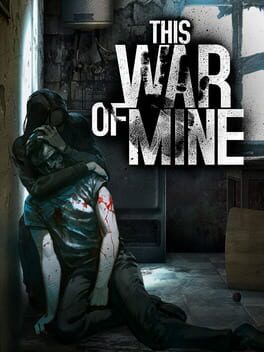

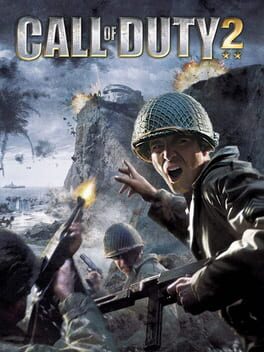
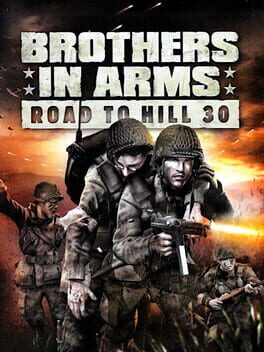
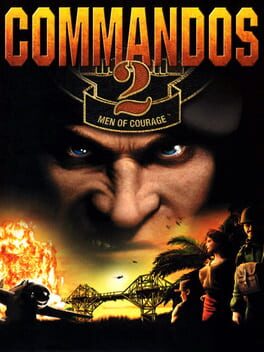

Rick's Cynicism Is the Point
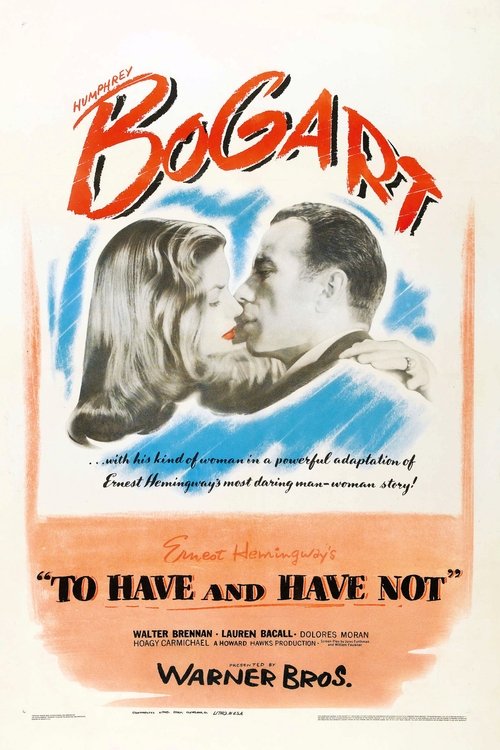
Rick Blaine spends most of Casablanca performing indifference as a survival strategy. He 'sticks his neck out for nobody' because sticking his neck out once cost him Paris and Ilsa. What makes Humphrey Bogart's performance so durable is that you can see the performance within the performance: Rick knows he is posturing, and the film knows it too. The cynicism is a scar, not a worldview. Films that understand this distinction, that the hard-boiled loner is hard-boiled because something broke him, are the ones worth watching.
Ingrid Bergman Carries the Impossible Position
Ilsa Lund is not a passive object between two men. She is the one making the hardest call: she left Rick once to protect a husband she thought was dead, and now she has to let Rick go again to protect a cause larger than either of them. Bergman plays every scene with the knowledge of what it costs her, and that interiority is what elevates Casablanca from a wartime melodrama to something closer to tragedy. Films about women holding impossible loyalties are the natural next step for anyone who responds to her.
The Politics Are Never Background Noise
Casablanca was made in 1942, while the war it depicts was still happening. The refugees crowding Rick's Cafe Americain were played by actual European emigres who had fled the same regime. That specificity bleeds into every scene: the letters of transit, Renault's casual corruption, the singing of La Marseillaise as an act of defiance. Films that treat political context as a living force inside the story, not a backdrop for personal drama, are rarer than they should be.
Max Steiner's Score Does the Work Words Cannot
As Time Goes By is not just a famous song: it is the film's emotional memory system. Every time Sam plays it, the music forces Rick (and the audience) back to Paris, to what was lost. Max Steiner's full orchestral score works the same way, threading themes through scenes to signal what characters cannot say aloud. The composers who followed in this tradition, Bernard Herrmann, David Raksin, Franz Waxman, built the grammar of Hollywood emotional storytelling on foundations that Steiner laid here.
Casablanca and Its World
- 1929Ernest Hemingway publishes A Farewell to Arms, establishing the template for wartime romance with irresolvable loss A Farewell to Arms
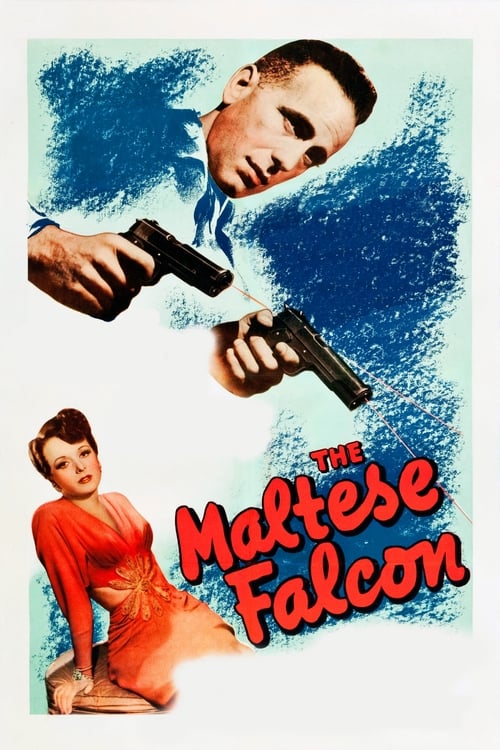
- 1941The Maltese Falcon defines the hard-boiled antihero Bogart would refine as Rick Blaine one year later The Maltese Falcon
- 1942Casablanca premieres; shot largely on the Warner Bros backlot with a cast of real European refugees
- 1944Double Indemnity and Laura extend the noir language Casablanca helped establish, pushing moral ambiguity further Double Indemnity
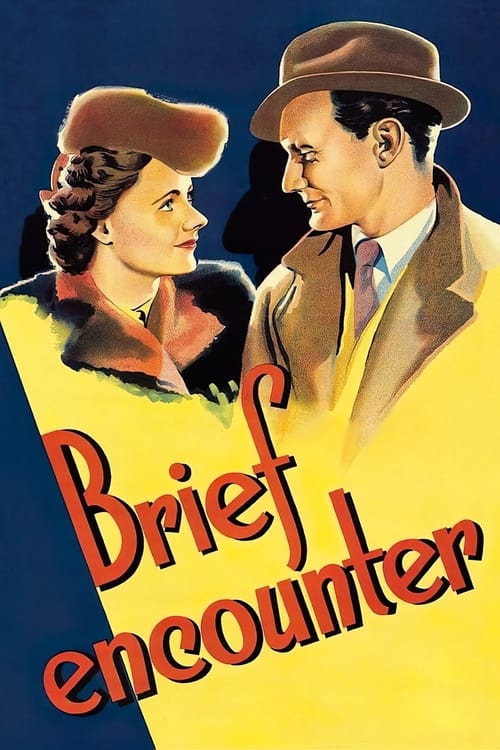
- 1945Brief Encounter arrives from David Lean: a different scale, the same ache of love surrendered to duty Brief Encounter
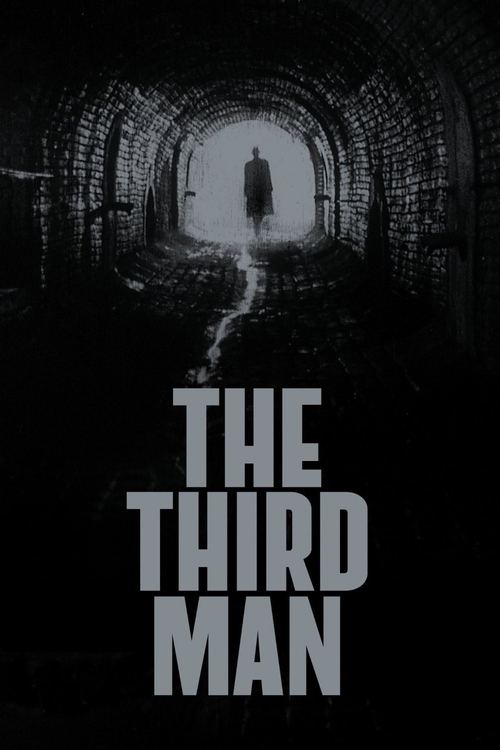
- 1949The Third Man takes the postwar moral landscape and makes it a thriller; Carol Reed's fog-and-shadows aesthetic rhymes with Curtiz's Casablanca The Third Man
- 1974Chinatown proves the romantic cynic broken by history can anchor a story in any era Chinatown
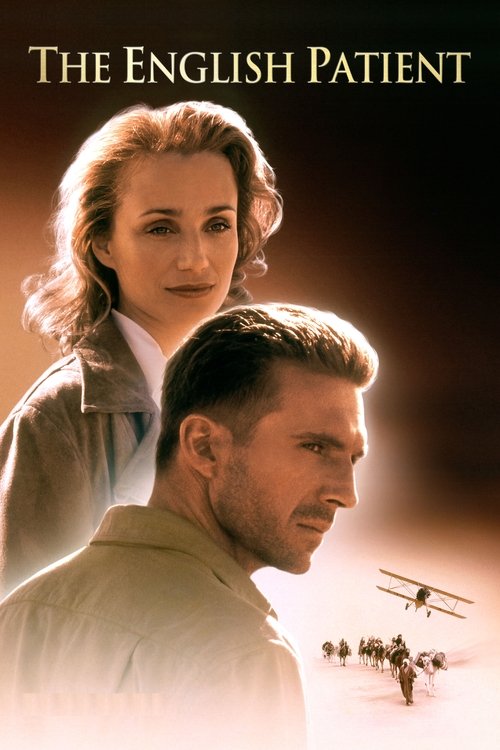
- 1992The English Patient (novel) extends the North African wartime romance into Booker Prize territory The English Patient
- 2014This War of Mine translates wartime civilian survival into an interactive moral experience This War of Mine
Wartime romance and noir intrigue
World War II
Explore the World War II guide →Of all the gin joints in all the towns in all the world, she walks into mine.Rick Blaine, Casablanca (1942)