
Godzilla arrived in 1954 as Japan's nightmare made flesh: a creature born of nuclear testing, stomping through Tokyo with the same indifferent devastation that American bombs had brought to Hiroshima and Nagasaki nine years earlier. What made it last wasn't the destruction. It was the ambiguity. Godzilla is never simply a villain. Across more than thirty Toho films, an American reboot trilogy, and the sprawling MonsterVerse, the creature shifts between destroyer, defender, force of nature, and reluctant deity. Fans who love this franchise love the tension between scale and humanity, between spectacle and grief, between the horror of annihilation and the absurd comfort of watching something enormous punch something else enormous in the face. That tension connects outward to war cinema, survival fiction, kaiju manga, ecological horror, and scores of games built around the same primal question: what do small creatures do when the world stops being safe?
Essential Godzilla
The core films across every era of the franchise
 Godzilla
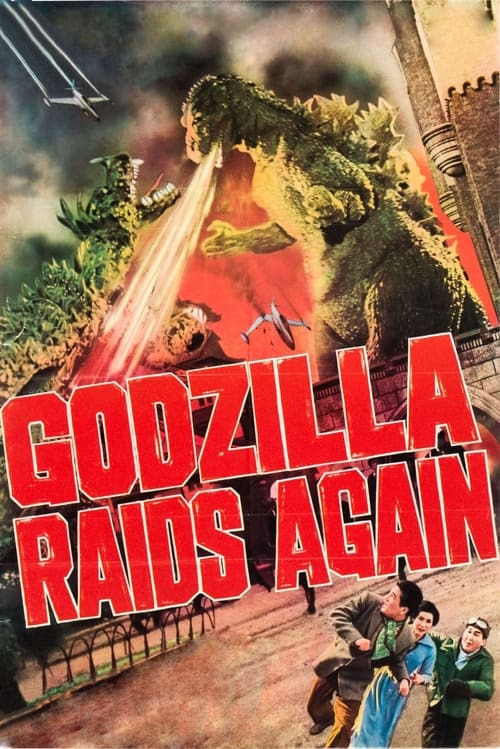 Godzilla Raids Again
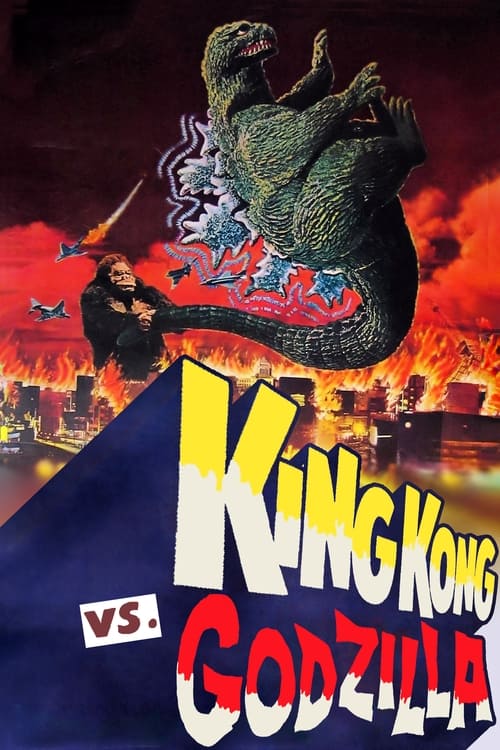 King Kong vs. Godzilla
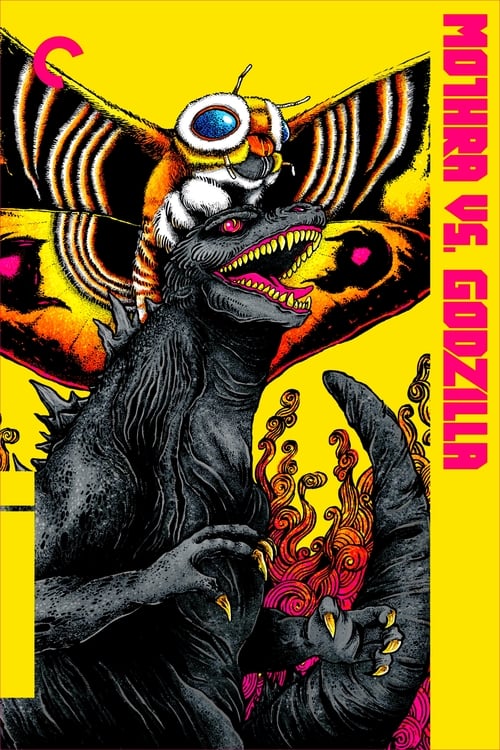 Mothra vs. Godzilla
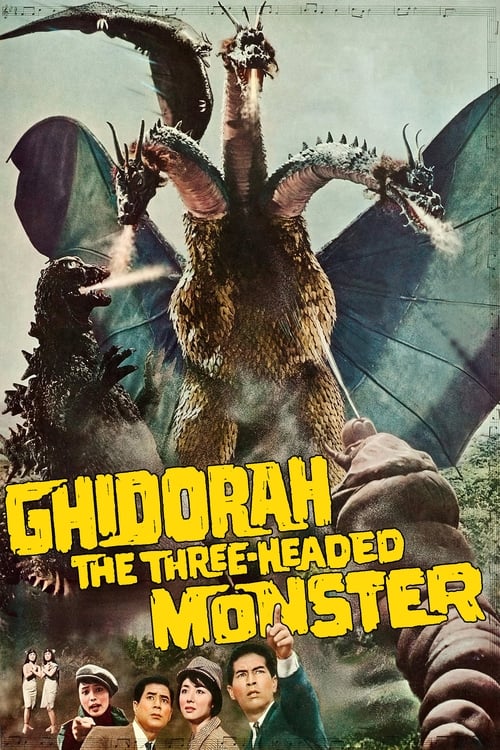 Ghidorah, the Three-Headed Monster
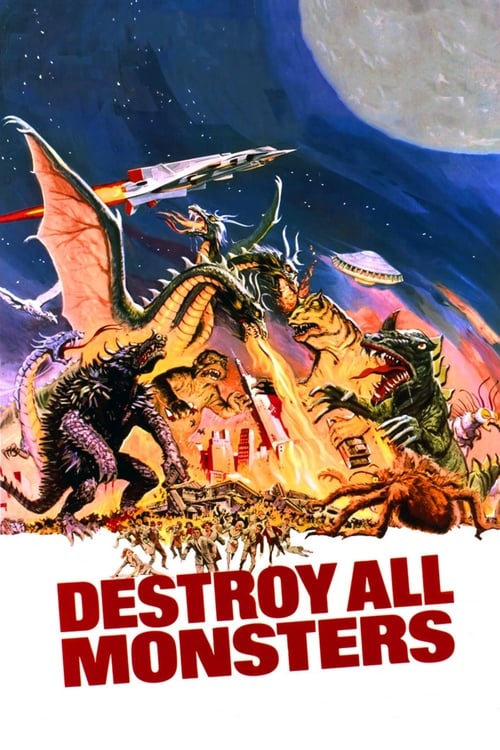 Destroy All Monsters
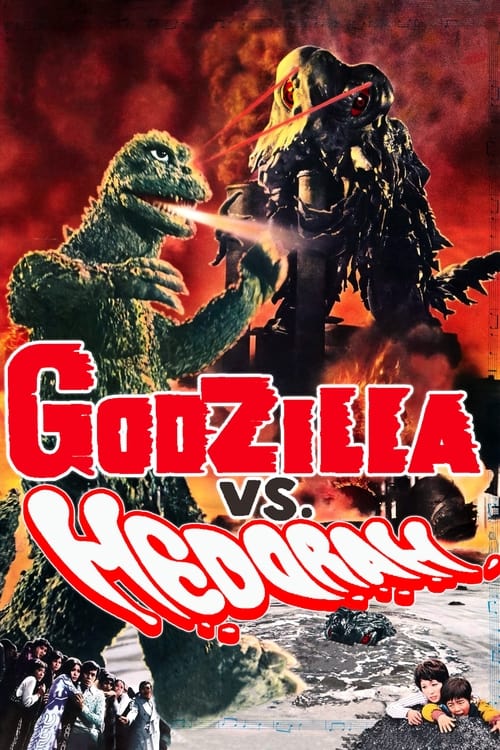 Godzilla vs. Hedorah
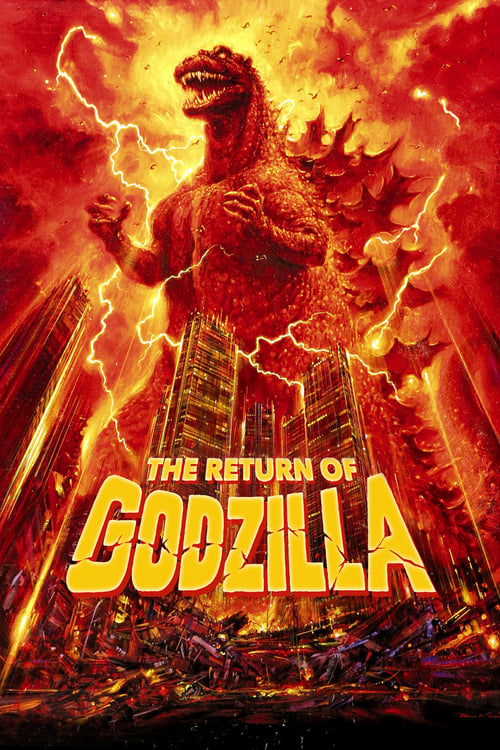 The Return of Godzilla
 Godzilla vs. Biollante
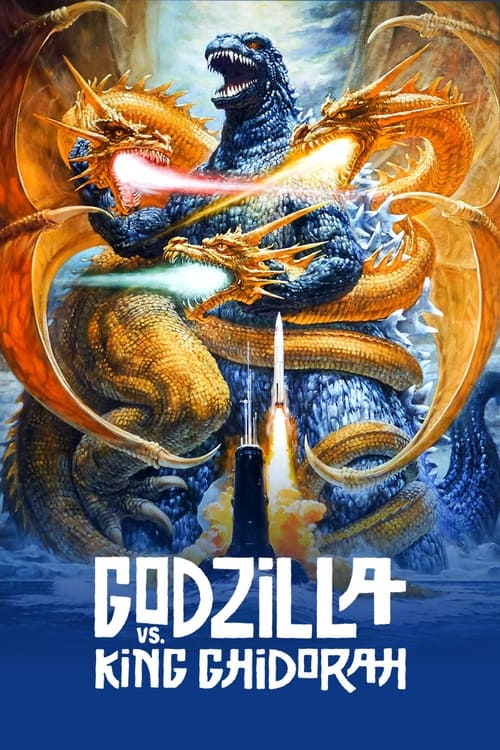 Godzilla vs. King Ghidorah
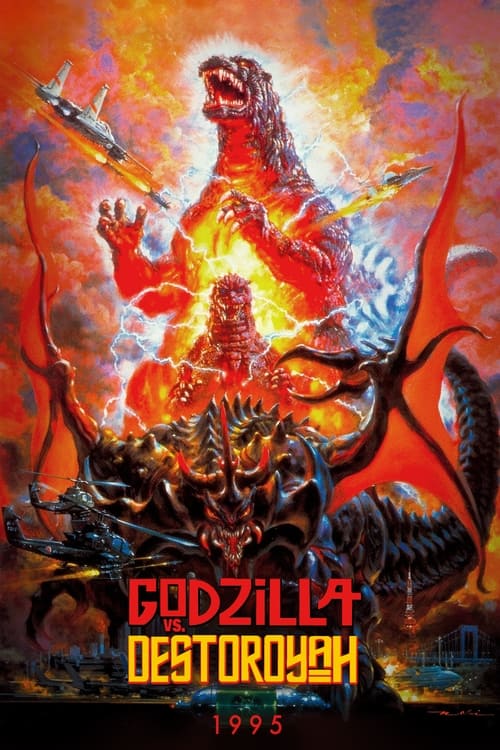 Godzilla vs. Destoroyah
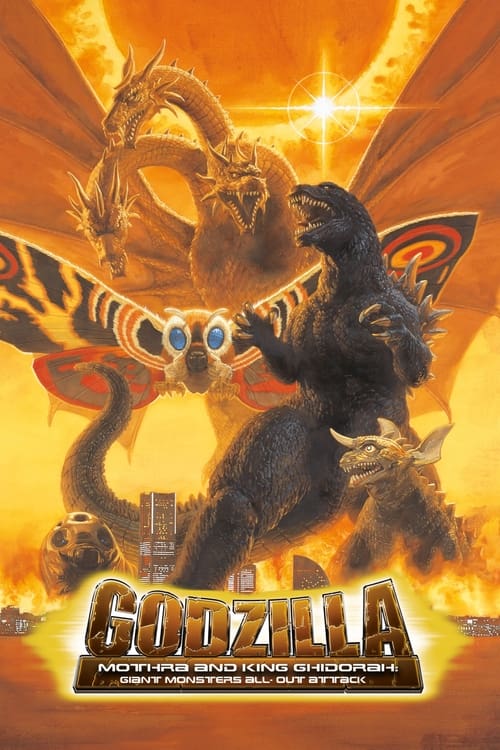 Godzilla, Mothra and King Ghidorah: Giant Monsters All-Out Attack
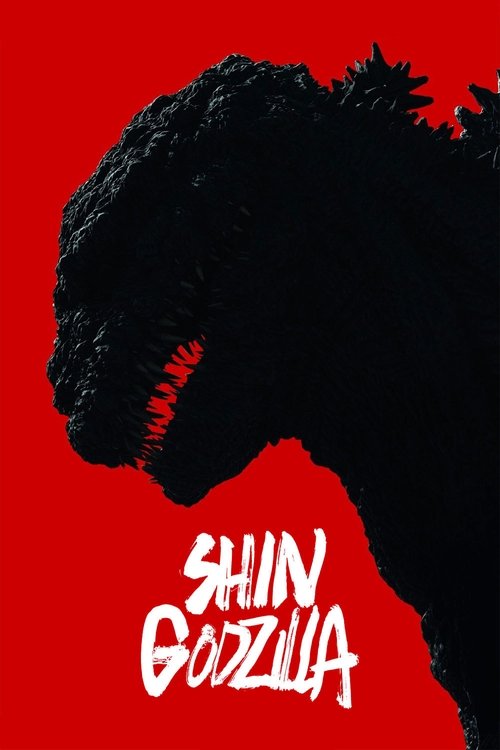 Shin Godzilla
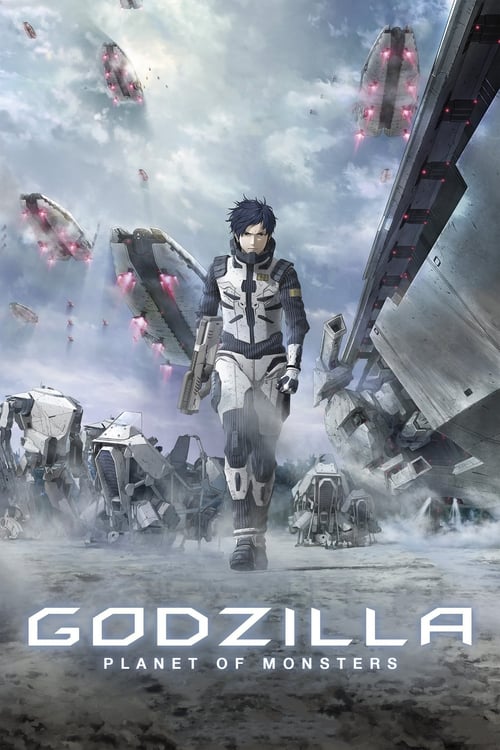 Godzilla: Planet of the Monsters
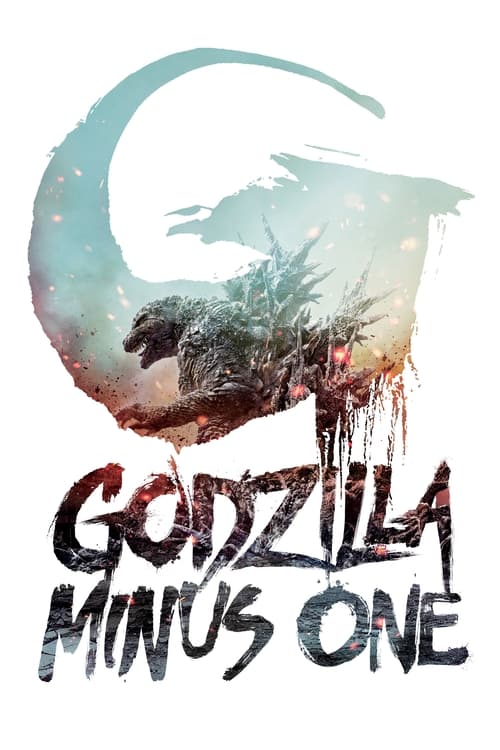 Godzilla Minus One
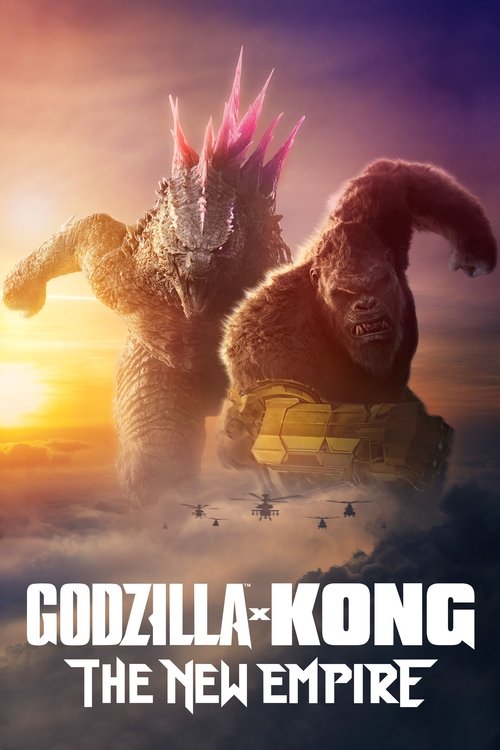
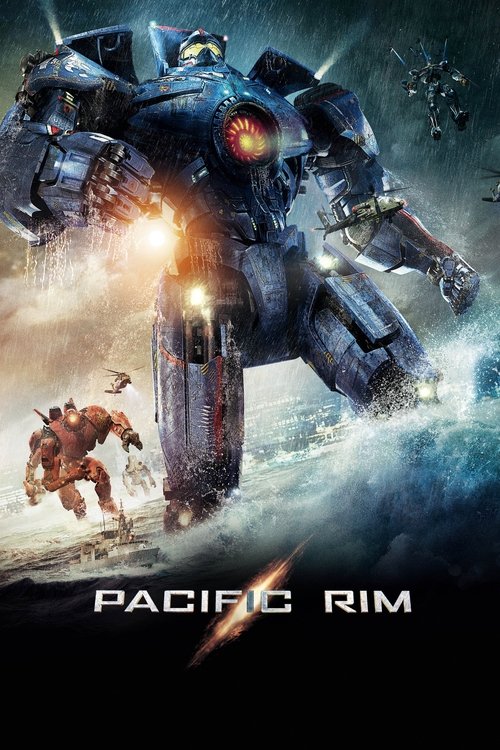
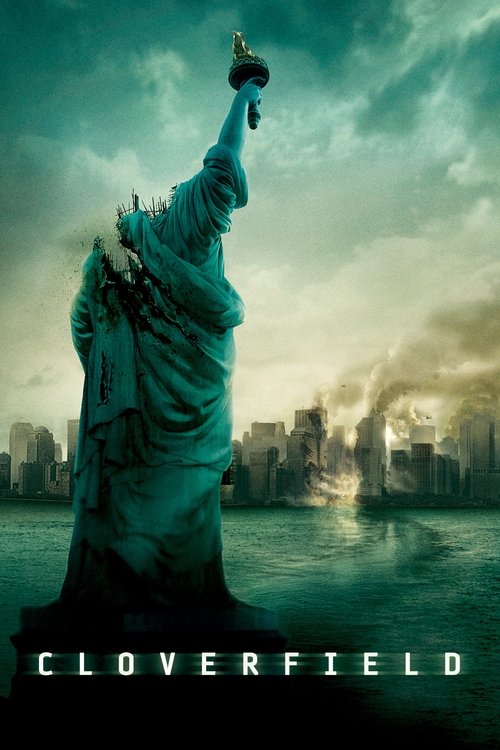
The MonsterVerse and Western Kaiju
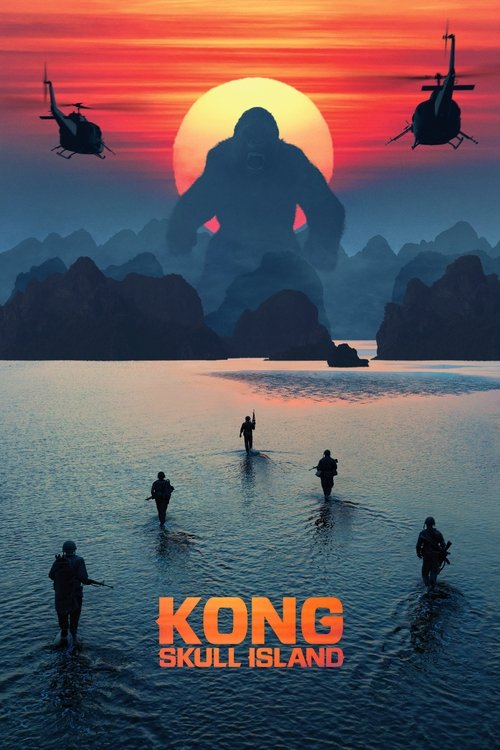
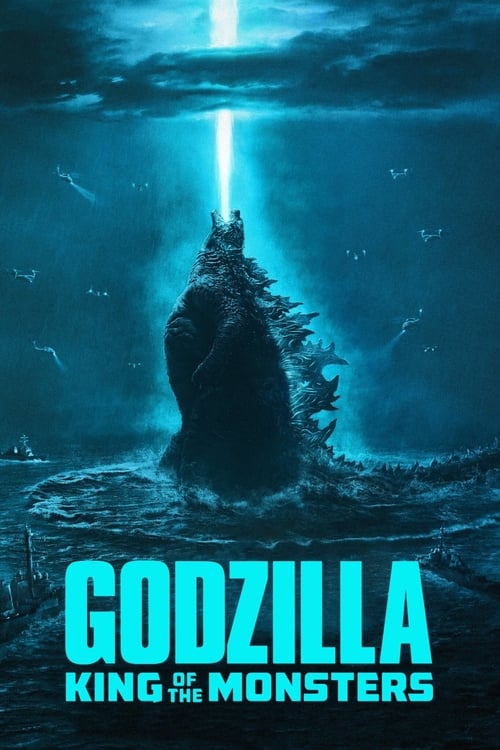
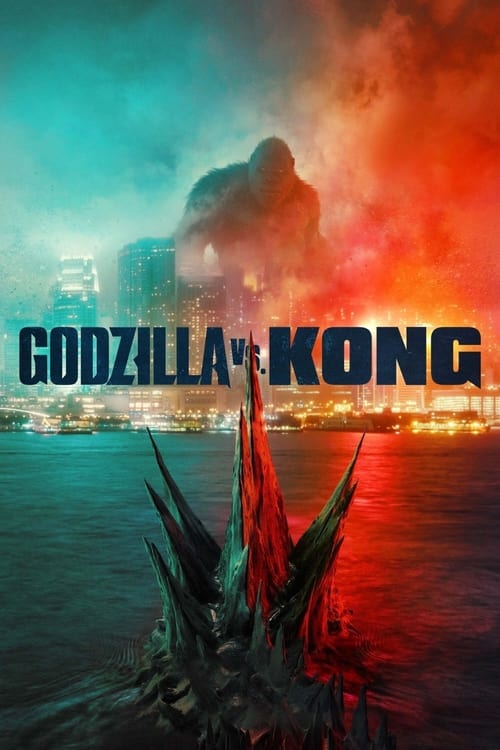
Hollywood's take on the franchise plus the connected universe



Shin Godzilla rewrote the rules
Anno Hideaki and Higuchi Shinji's 2016 reboot is the most politically serious kaiju film ever made. It treats a monster attack as a bureaucratic catastrophe, cutting obsessively between committee meetings and disaster footage to indict Japan's governmental paralysis as clearly as it does the creature itself. The creature design evolves in real time, each form more disturbing than the last, and the ending lands like a gut punch. Godzilla Minus One (2023) then applied the same commitment to craft in the opposite direction: pure emotional devastation, postwar trauma, ordinary people against an extraordinary threat. Together they represent the franchise at its most intentional.
Other Toho Giants
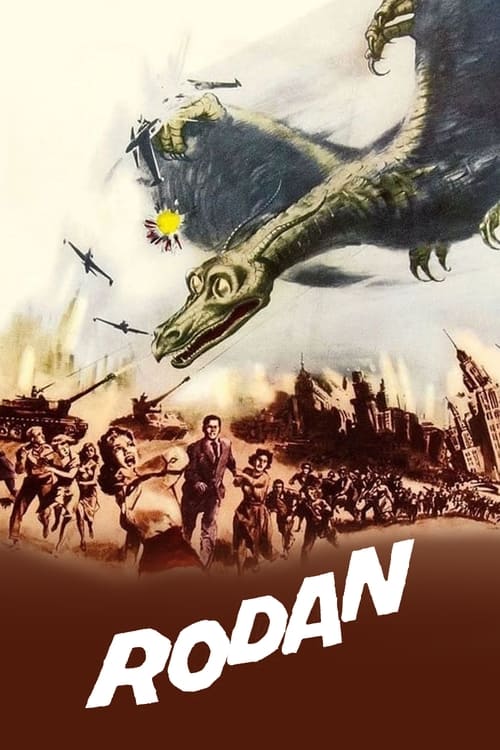
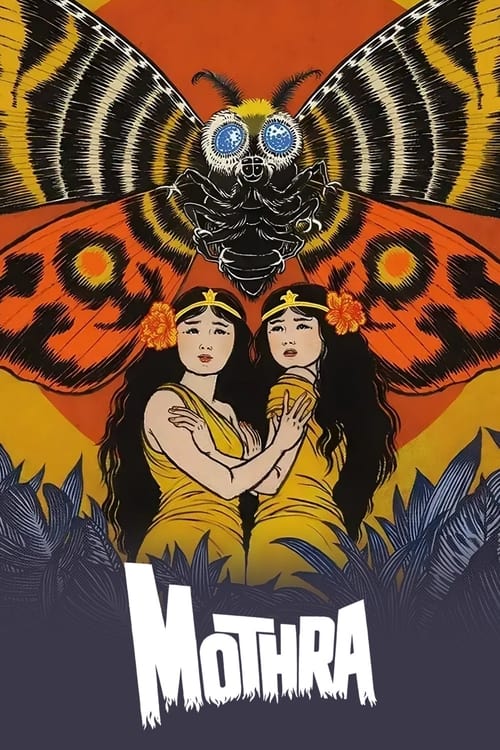
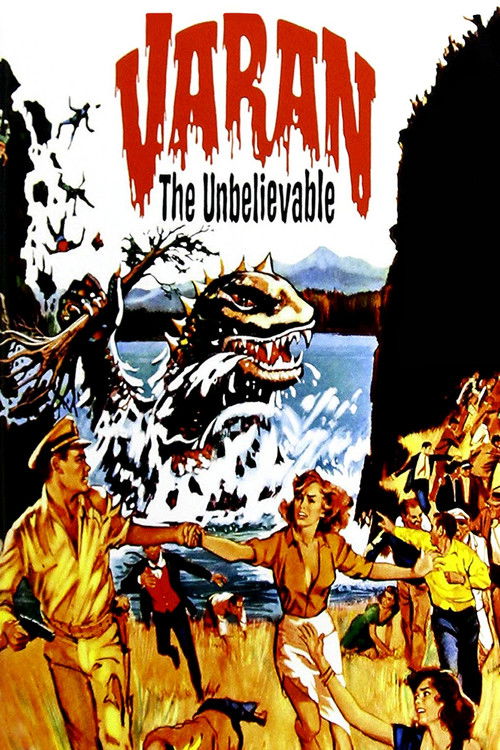
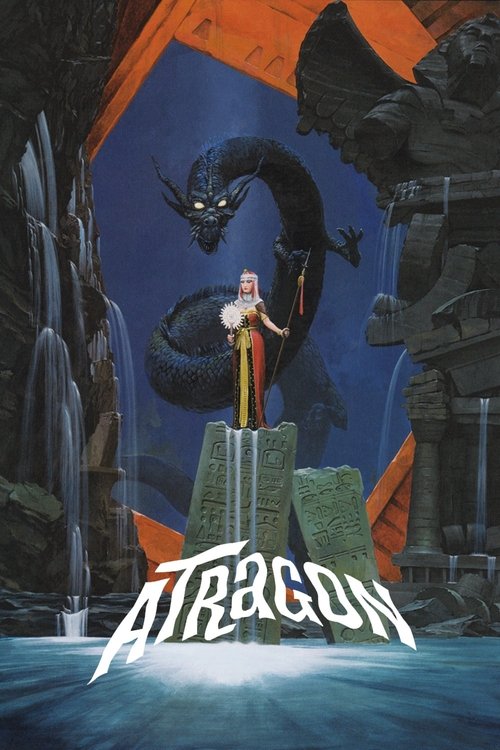
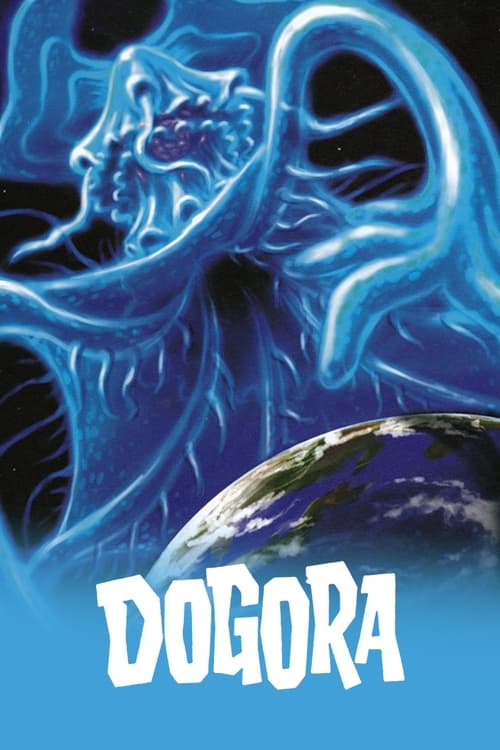
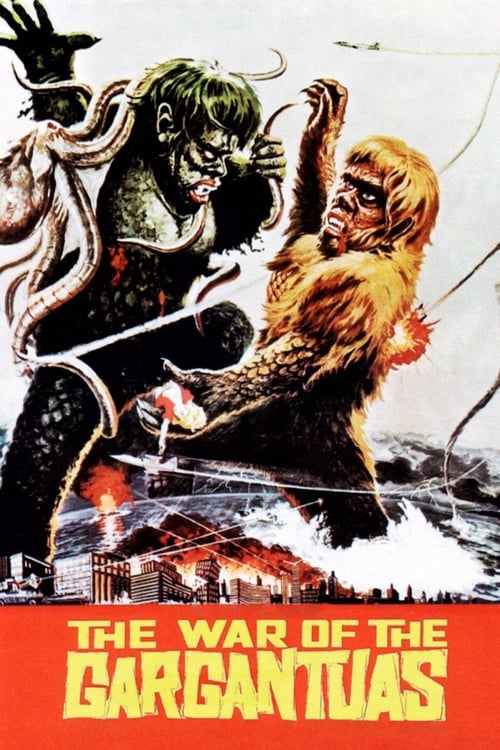
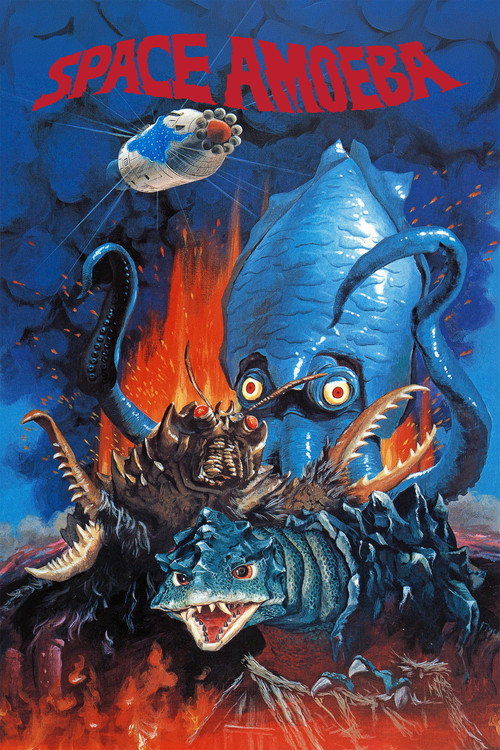
Rodan, Mothra, and the wider world of Toho's tokusatsu universe

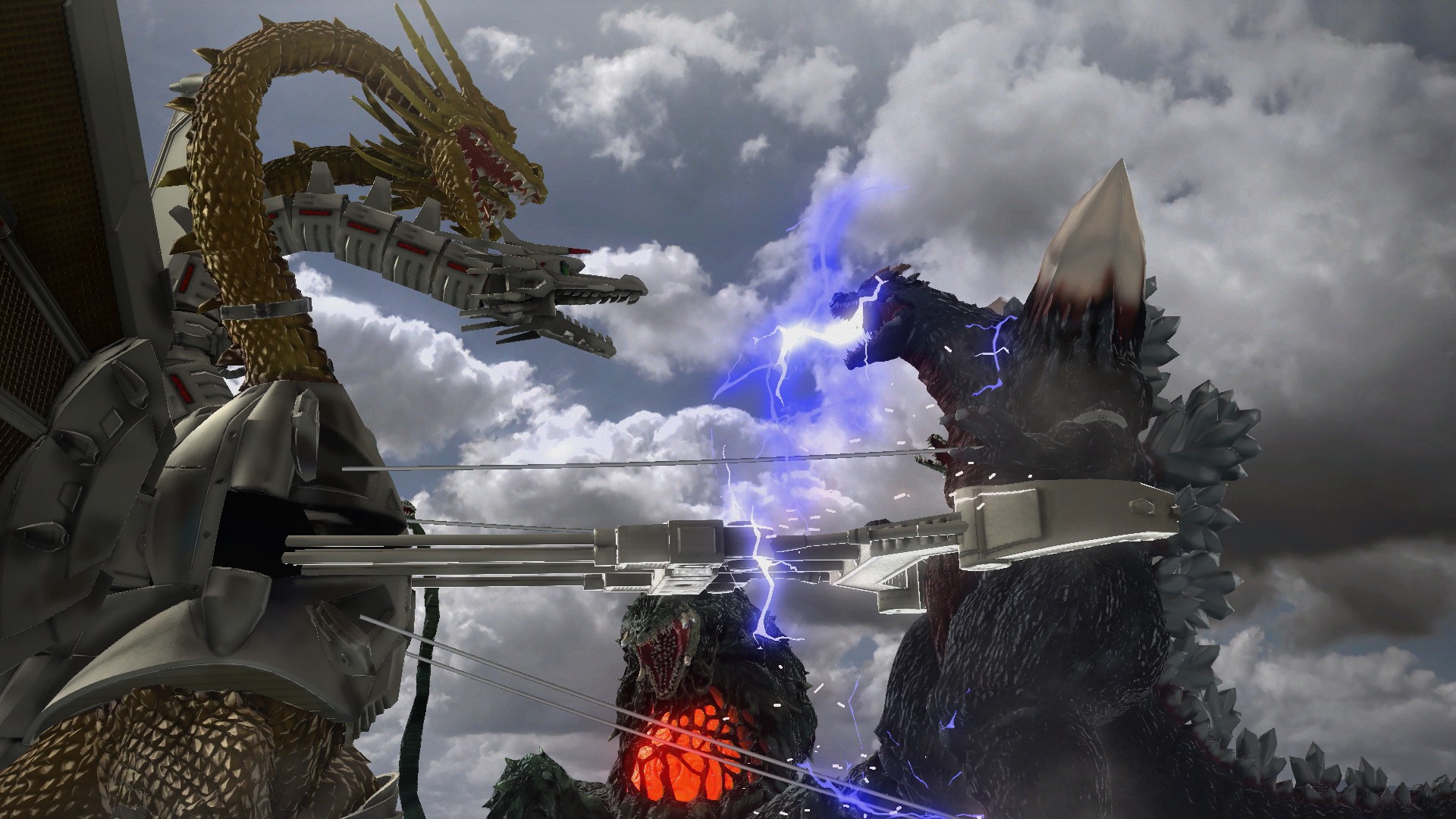
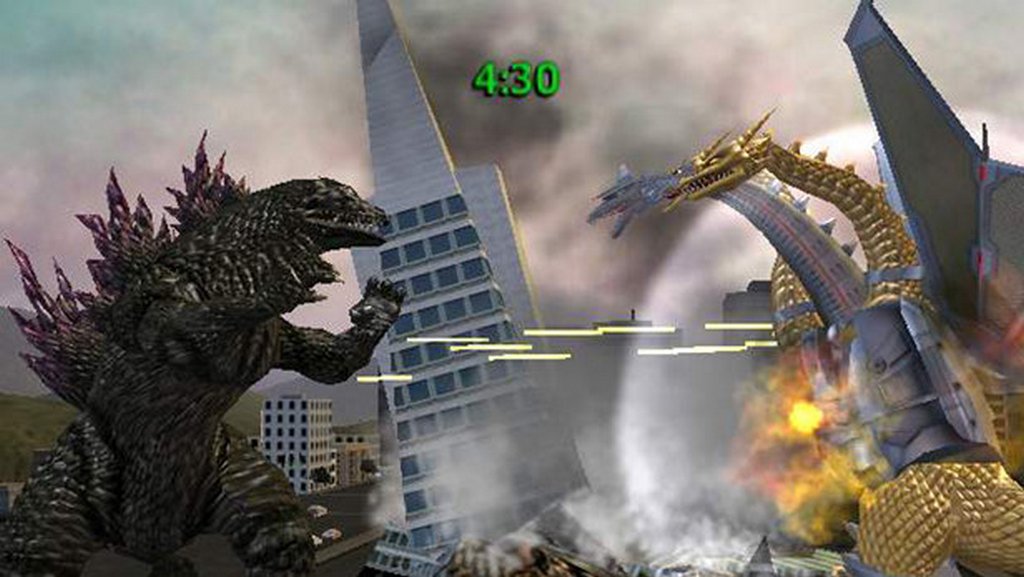
Games Built on the Same Scale
Monster battles, city destruction, and the thrill of enormous stakes

Books and Manga for Kaiju Devotees
The literature and comics that share Godzilla's DNA


The 1954 original is still the one that matters most
Ishiro Honda's original Godzilla operates on a different register from almost everything that followed. The creature barely appears. What the film lingers on is the aftermath: survivors with radiation burns, doctors overwhelmed by injuries they recognize from Hiroshima, a Geiger counter clicking over a child's head. The decision to deploy the Oxygen Destroyer haunts the film's final act in ways that sequels rarely revisited. Watch it in Japanese, uncut, without the Raymond Burr American re-edit. The weight of it is different from any other entry in the franchise.
If You Love Godzilla: Same-DNA Films
Survival, scale, and the horror of forces beyond human control
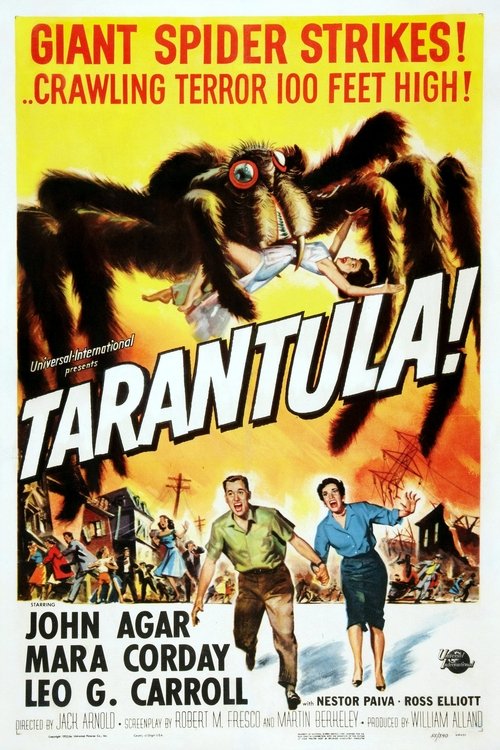
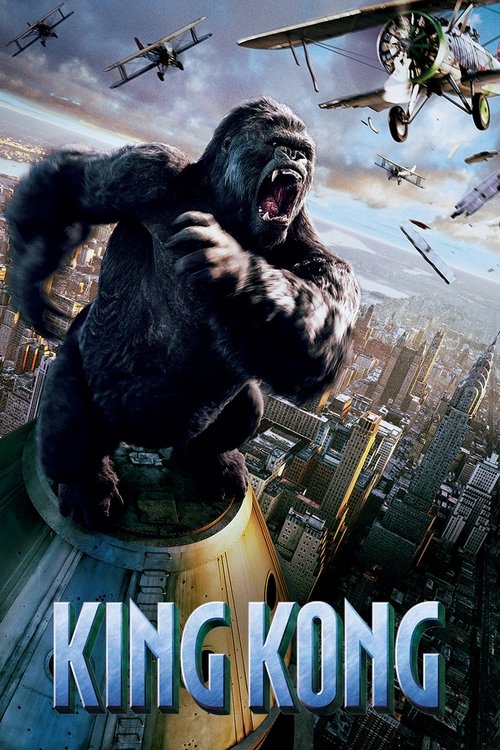
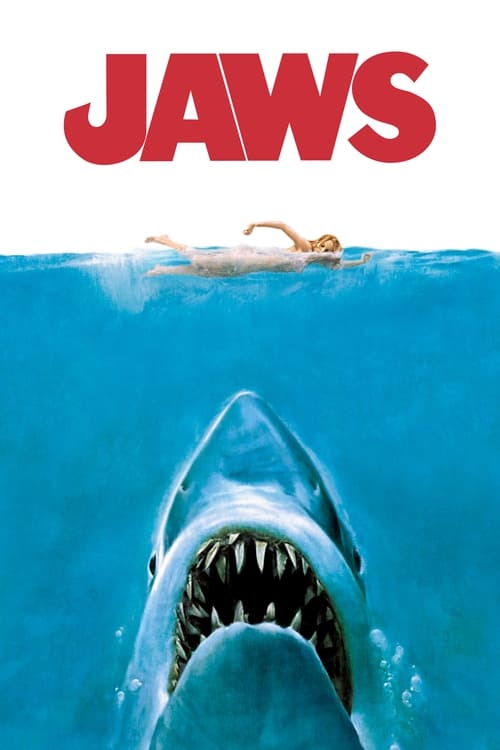
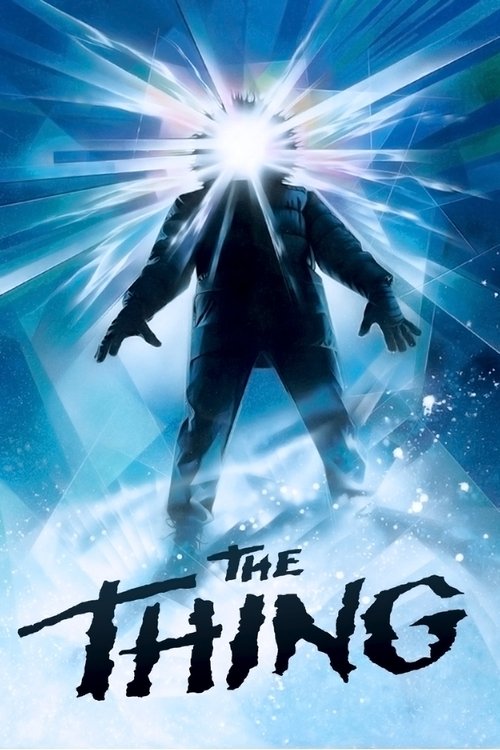
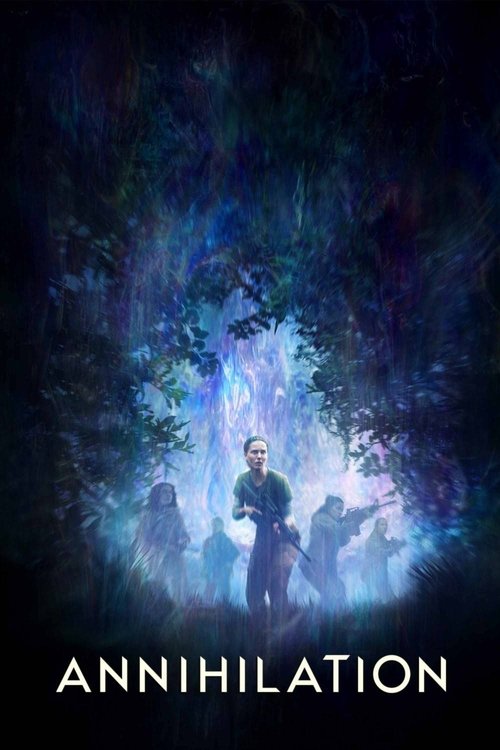
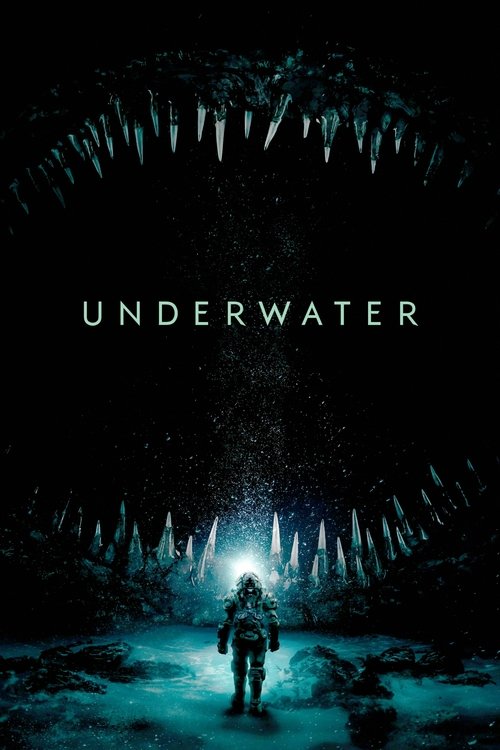
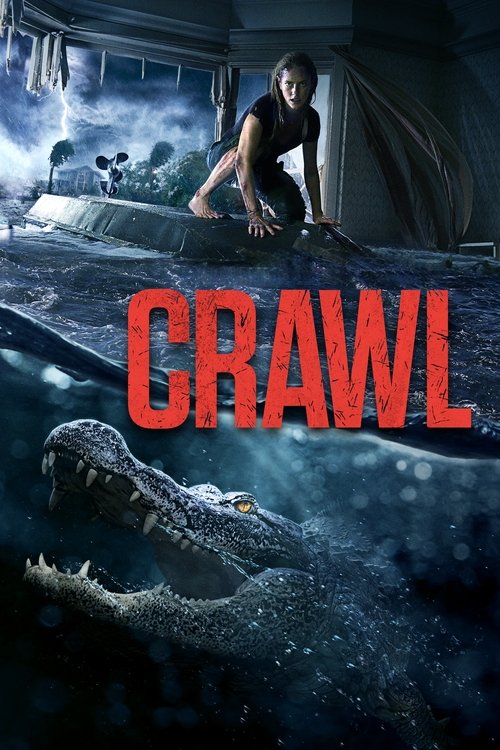
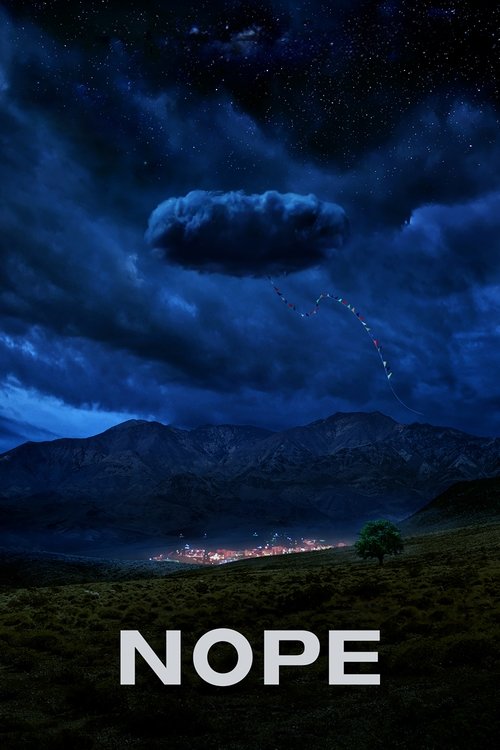
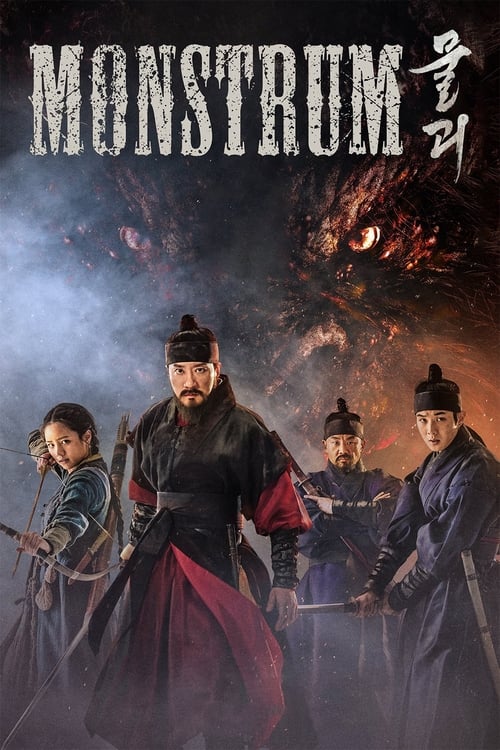
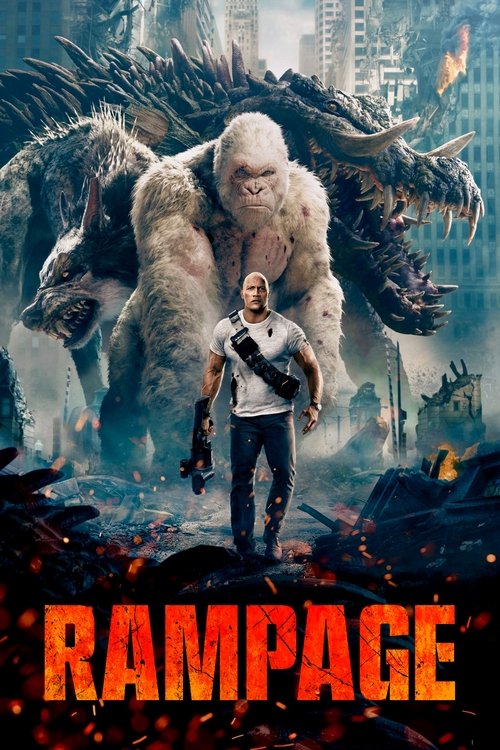
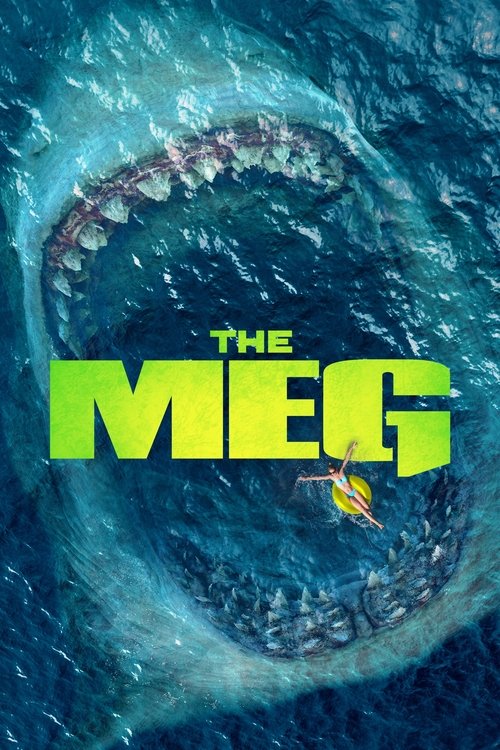
Godzilla vs. Hedorah is the franchise's strangest peak
Banno Yoshimitsu's 1971 entry is an eco-horror film, a psychedelic provocation, and a cry of genuine anguish about industrial pollution wrapped inside a monster movie. Toho hated it. Banno was reportedly banned from making another Godzilla film after this one. The creature is made of smog and chemical runoff; it absorbs filth and grows stronger; it flies; it reduces people to skeletons with acidic sludge. It is bizarre, politically furious, and unlike anything else in the franchise.
Godzilla Through the Decades
- 1954Honda Ishiro's original Godzilla premieres in Japan, processed as nuclear grief Godzilla
- 1956Raymond Burr re-edit released in the US as Godzilla: King of the Monsters! Godzilla: King of the Monsters
- 1962Godzilla meets King Kong; kaiju crossovers become the franchise formula King Kong vs. Godzilla
- 1964Mothra vs. Godzilla and Ghidorah debut; the shared monster universe takes shape Mothra vs. Godzilla
- 1968Destroy All Monsters assembles the full Toho roster; the Showa era peaks Destroy All Monsters
- 1971Godzilla vs. Hedorah transforms the franchise into ecological protest art Godzilla vs. Hedorah
- 1984The Return of Godzilla reboots the series as a serious Cold War thriller The Return of Godzilla
- 1989Godzilla vs. Biollante introduces genetic horror and the Heisei era's ambition Godzilla vs. Biollante
- 1995Godzilla vs. Destroyah kills Godzilla; the Heisei era closes on a genuine tragedy Godzilla vs. Destoroyah
- 1998The TriStar American remake divides the fanbase; later rechristened ZILLA by Toho Godzilla
- 2001GMK reimagines Godzilla as the restless dead of Japan's war victims Godzilla, Mothra and King Ghidorah: Giant Monsters All-Out Attack
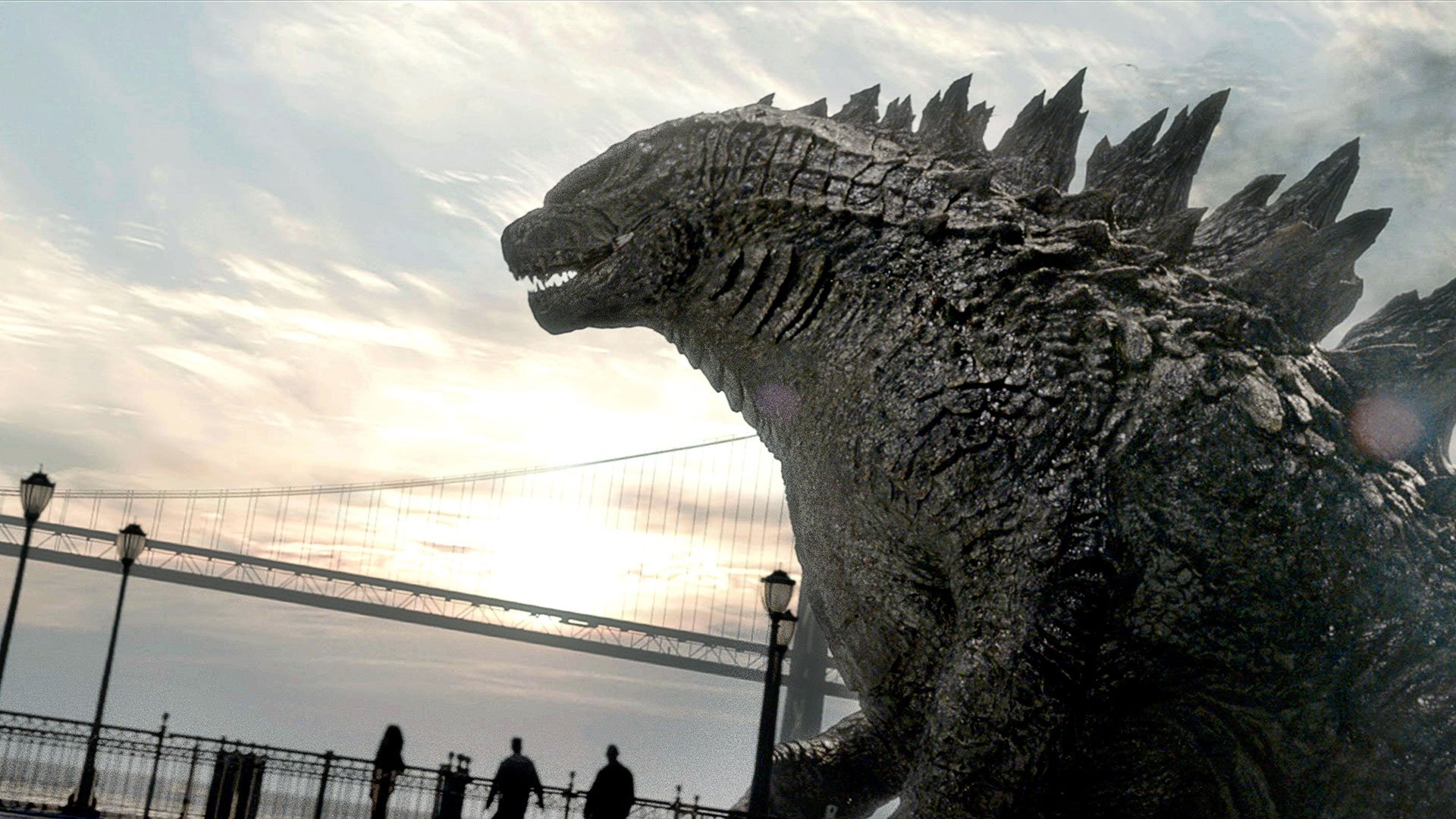
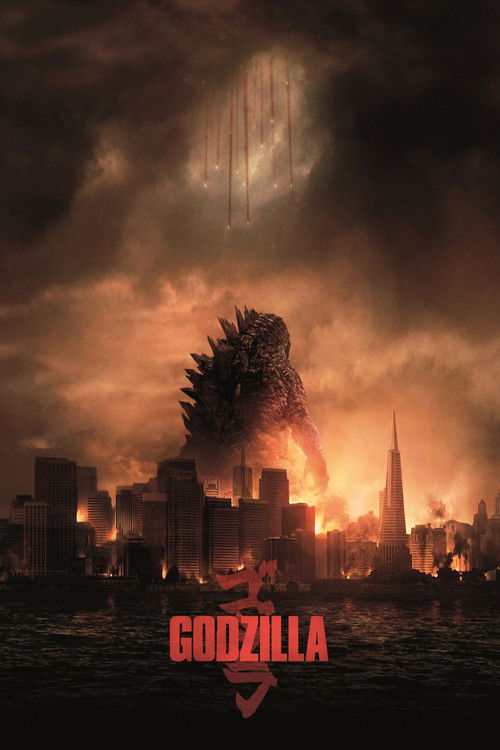
- 2014Legendary's MonsterVerse begins; the franchise goes Hollywood again with more gravity Godzilla
- 2016Shin Godzilla wins the Japan Academy Prize; kaiju film as bureaucratic horror Shin Godzilla
- 2023Godzilla Minus One wins the Academy Award for Visual Effects; a franchise milestone Godzilla Minus One
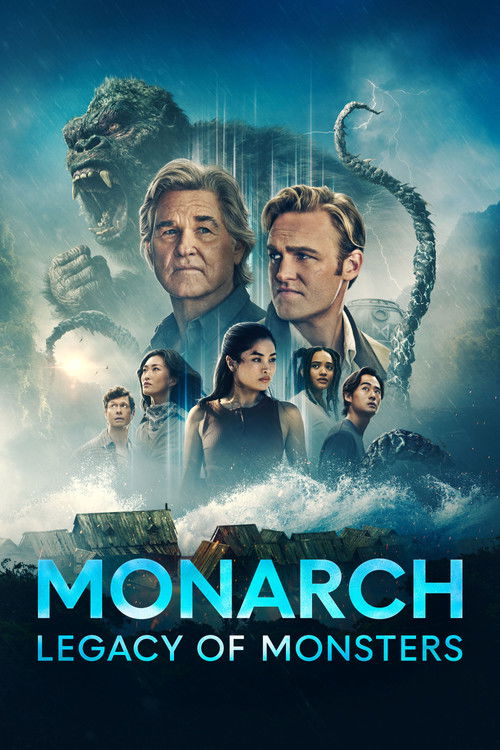
- 2024Monarch: Legacy of Monsters brings the MonsterVerse to television Monarch: Legacy of Monsters
What Godzilla has always known, and what its best films keep rediscovering, is that the monster is never the point. The people standing in its shadow are.CrossBinge
The Millennium era is underrated
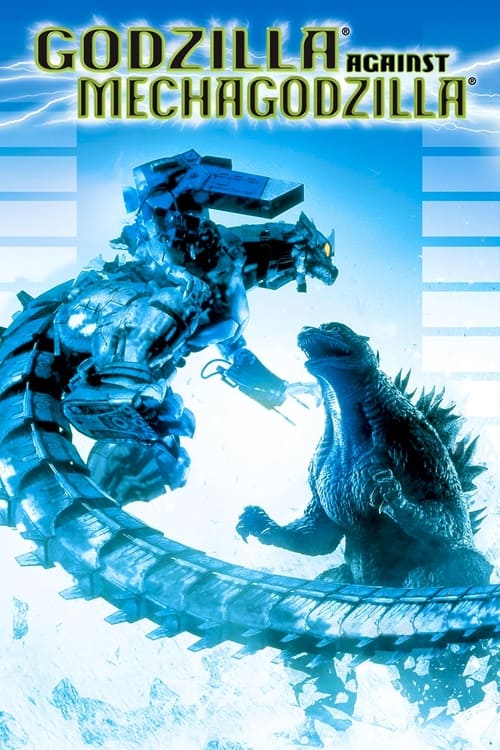
The Millennium series (1999-2004) is frequently dismissed as incoherent because it reset continuity almost every film. That restlessness turned out to be a strength. Each entry could try something different: GMK made Godzilla a vessel for unquiet war dead; Godzilla Against Mechagodzilla used the original creature's bones as the frame for a new weapon; Godzilla: Final Wars threw every monster at once into a chaotic love letter to the franchise's history. No single film is perfect, but together they represent a studio willing to experiment rather than repeat.