
The Man Who Knew How to Tighten the Screw
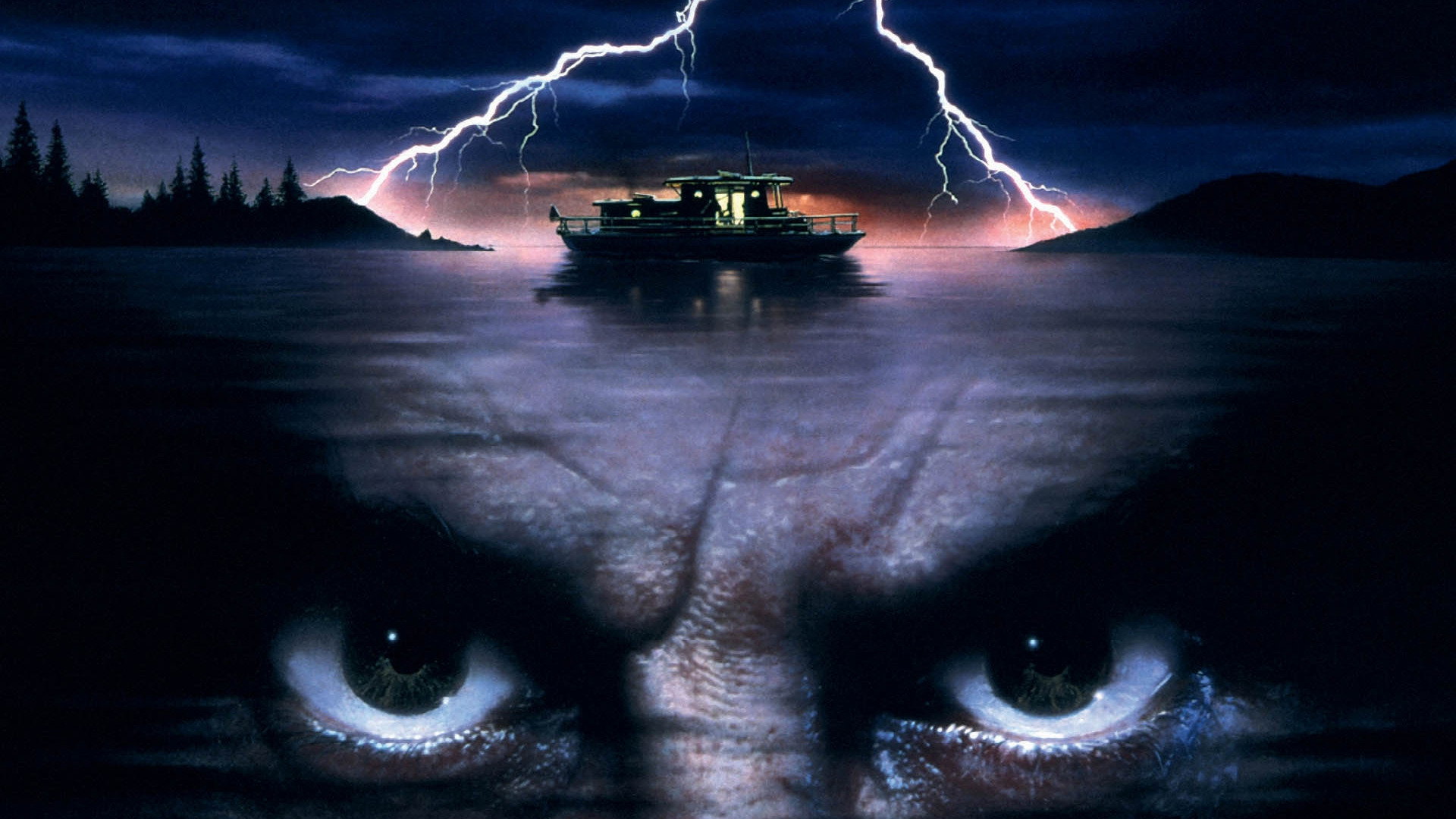
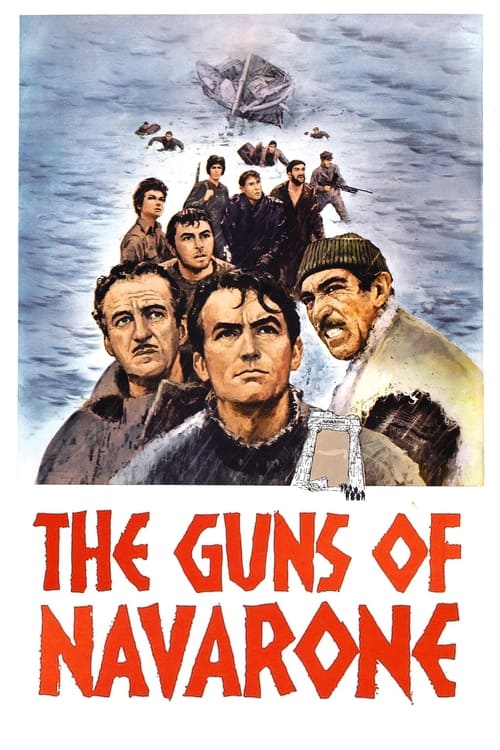
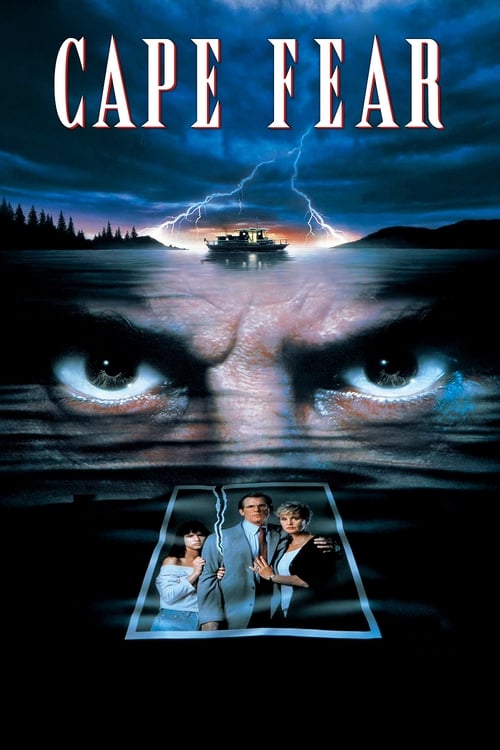
J. Lee Thompson spent forty years making films about people pushed to the absolute limit, and the best of them feel like the world itself is pressing in. Born in Bristol in 1914, he came up through British theatre and wartime cinema before he found his register: the ensemble under siege, the family terrorised in their own home, the mission that should be impossible. The Guns of Navarone (1961) is the picture most people know, and it earns its reputation, a two-and-a-half-hour war film where the tension never really releases because Thompson understood that dread is more interesting than spectacle. Cape Fear (1962) is the other peak, and it is the more important film. A middle-class nightmare that Scorsese was so haunted by he remade it thirty years later, it stars Robert Mitchum as Max Cady, one of cinema's great predators, shot by Thompson with an almost respectful horror.
The career after those two films is messier, more commercial, and in its later chapters built almost entirely around Charles Bronson. That collaboration produced work critics mostly ignored, but the Bronson films have an unpolished directness that the more celebrated films of the era often lack. Thompson was never interested in irony. He believed in the pressure the story was applying, and that belief transfers. What connects everything from the WWII action pictures to the late-period vigilante thrillers is a conviction that the genre's mechanisms: the countdown, the cornered protagonist, the implacable antagonist, are not tricks but genuine tools for saying something about force, fear, and the cost of survival.
Essential J. Lee Thompson
The films themselves, in roughly the order they matter
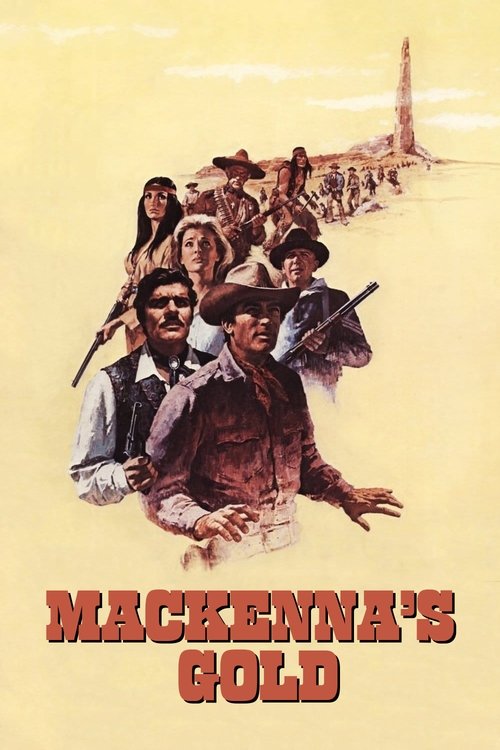
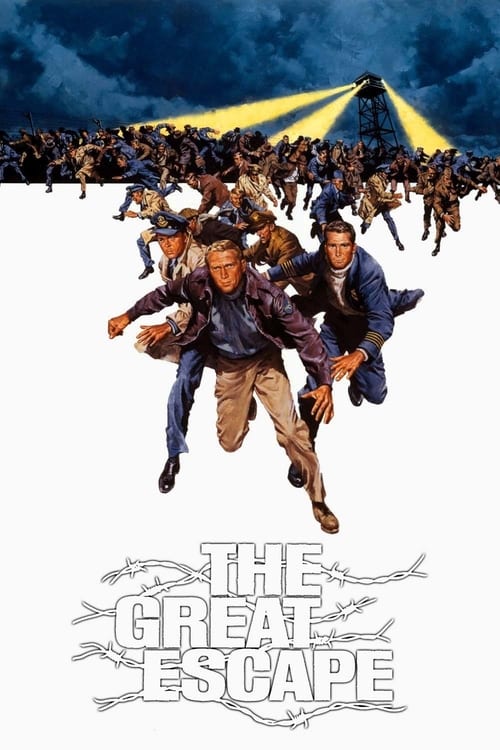
The Impossible Mission Picture
Films that share Navarone's logic: a small team, an objective that should not be survivable, and enormous stakes spelled out in full
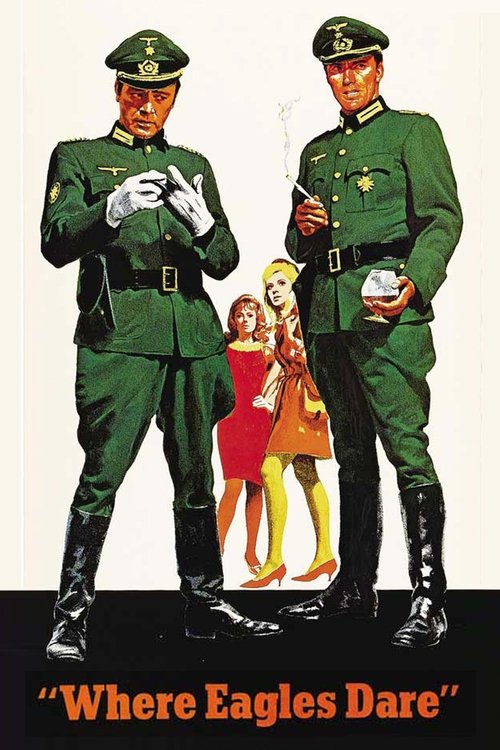



Domestic Terror: The Cady Strand
Films that take the Cady template (an unstoppable threat, a family, a house that stops feeling safe) and push it somewhere new
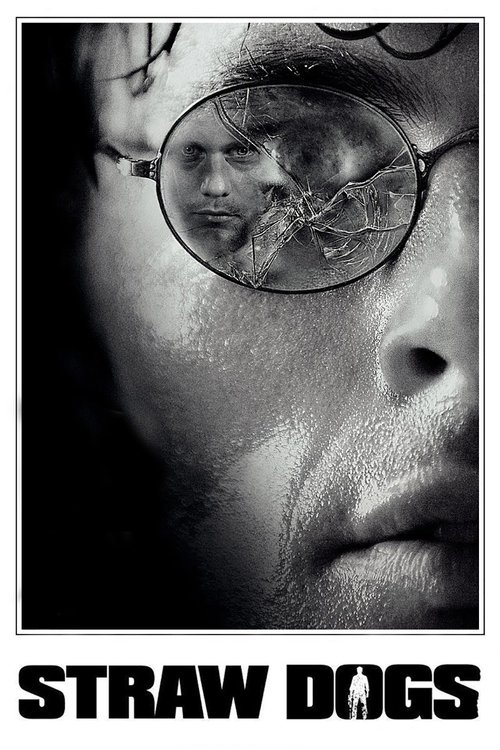
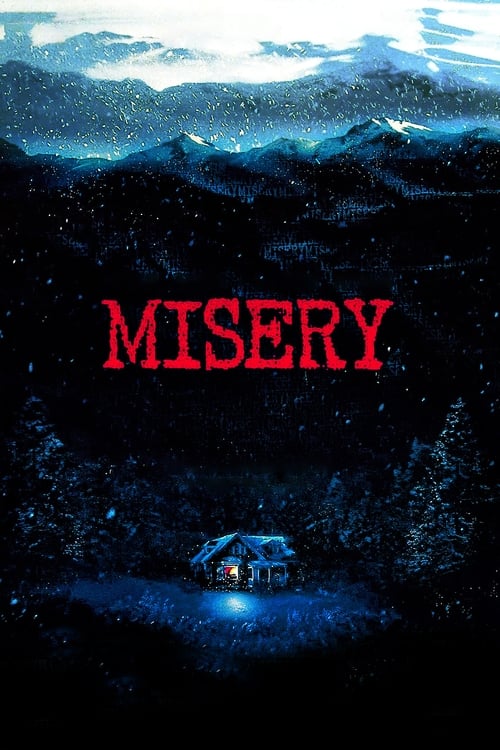
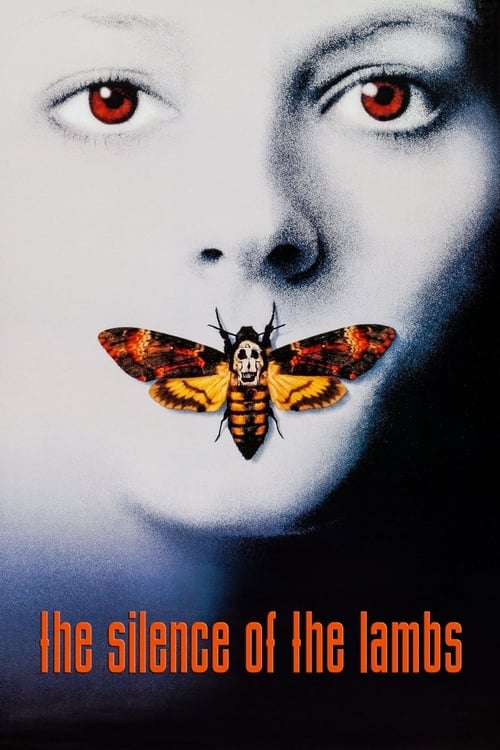
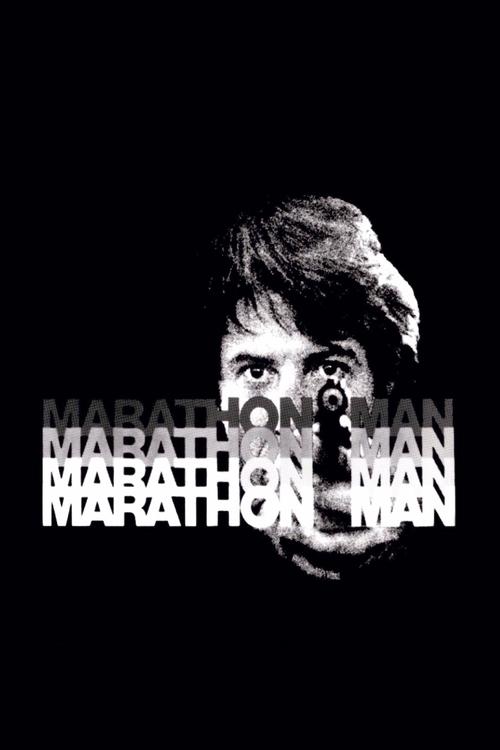
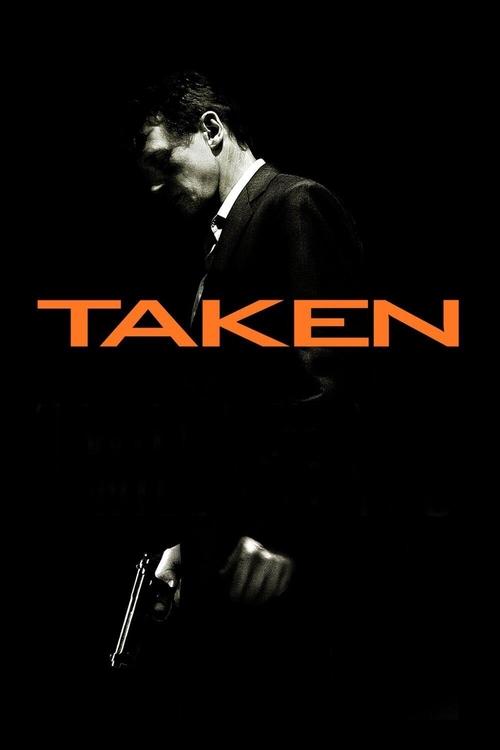

The Precision Thriller: Planning, Execution, Consequences
Stories built around procedure and exactness, the way Thompson's best films are, where the plan is almost as suspenseful as the act
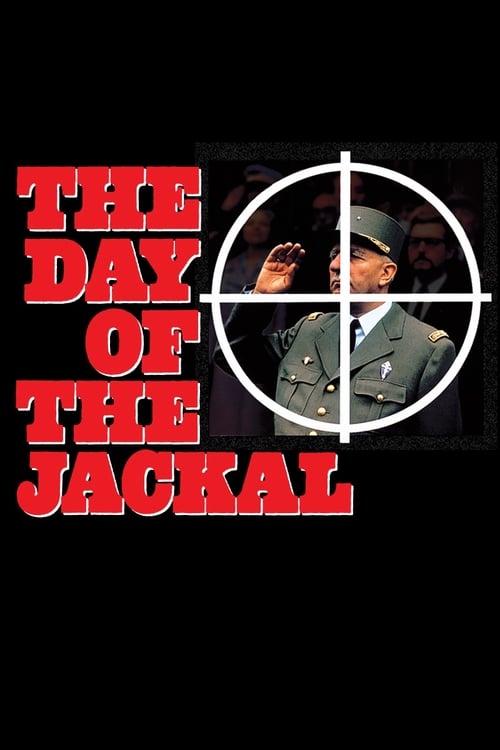
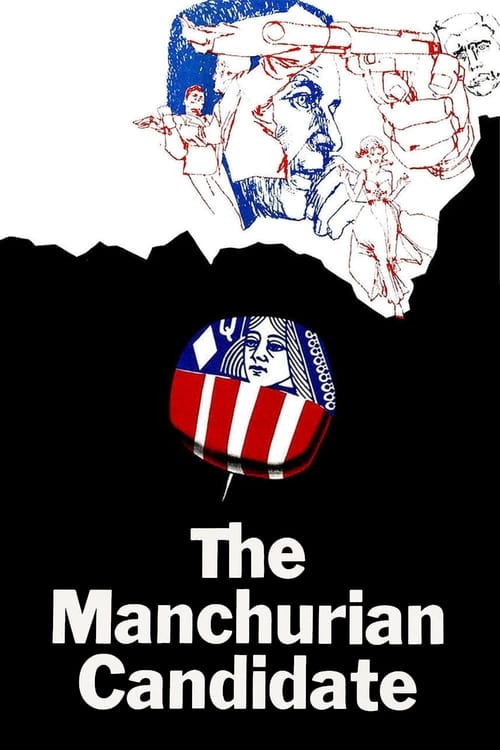
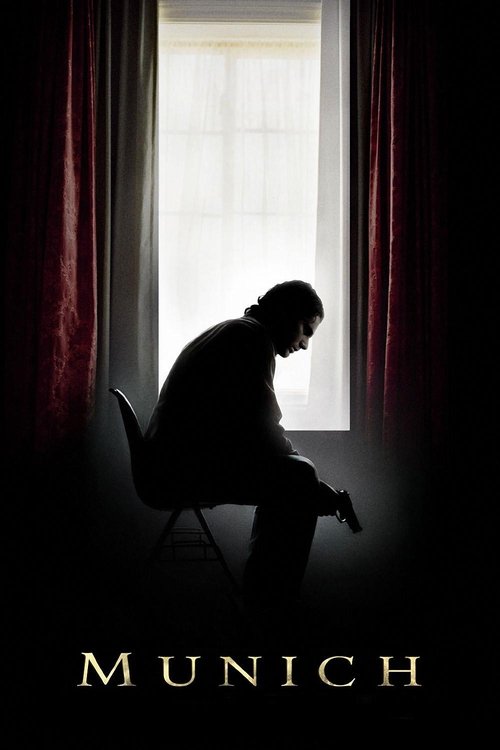


Alistair MacLean Country: Adventure Stripped to the Bone
The world that Navarone came from, hard men in impossible terrain, missions told without sentiment
Cape Fear (1962) is the entry point, not Navarone
The reputation says start with The Guns of Navarone, and it is a great film. But Cape Fear is where Thompson's real instincts are most exposed. It is a compact, genuinely frightening film about a man you cannot legally stop, and the way Thompson holds Mitchum in the frame: too present, too relaxed, constitutes a lesson in how cinema generates dread. Ninety minutes versus two and a half hours. Start here.
The Bronson films deserve a second look
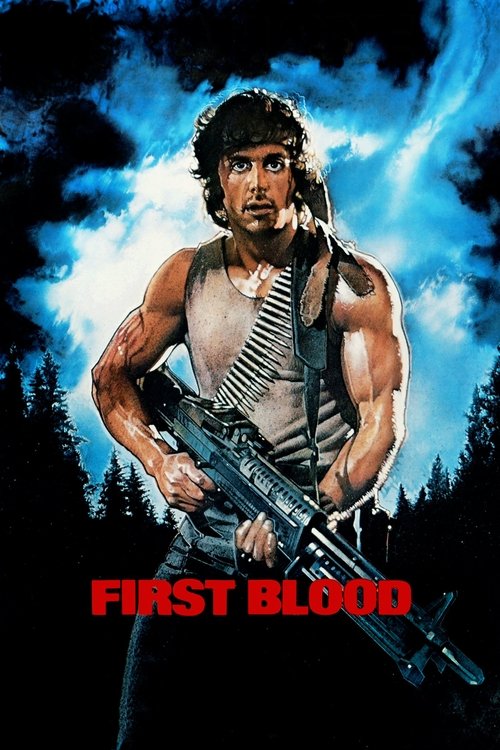
The critical consensus on the late Cannon/Bronson period is that Thompson was coasting. That is partially fair and entirely too easy. 10 to Midnight (1983) is genuinely strange, a slasher film inflated with the musculature of a police procedural. What those films lack in subtlety they make up for in commitment. Thompson believed in Bronson's persona the way a director has to believe in their lead, and that sincerity produces something more interesting than detached competence. The film that made the Cannon era commercially inevitable is First Blood (1982), not a Thompson film, but the template he inherited and sharpened: the protagonist who has been pushed too far by forces that should have known better.
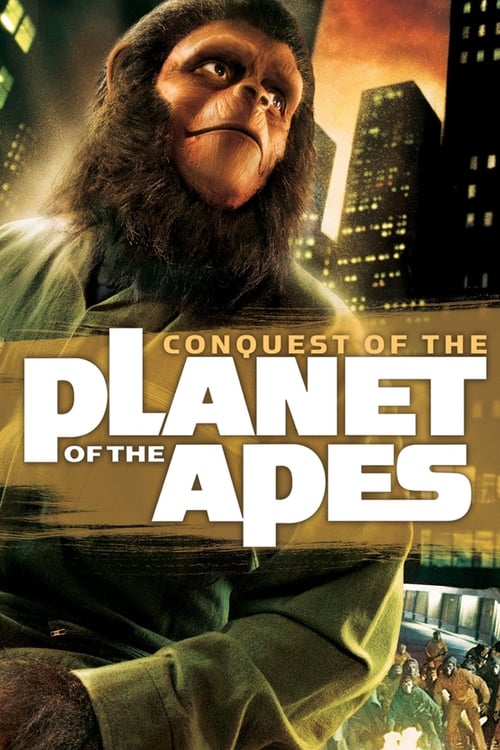
Conquest of the Planet of the Apes is the most political film Thompson ever made
Shot in 1972 when the imagery of urban uprising was less than five years old, Conquest replaces the franchise's usual allegory with something more raw. Thompson and screenwriter Paul Dehn pushed against the studio's instinct to soften the ending. Caesar's revolt is played with an anger that feels deliberate, not incidental, and the film's tight budget and compressed locations make that anger feel present rather than epic. It is the apes film that most rewards watching twice.
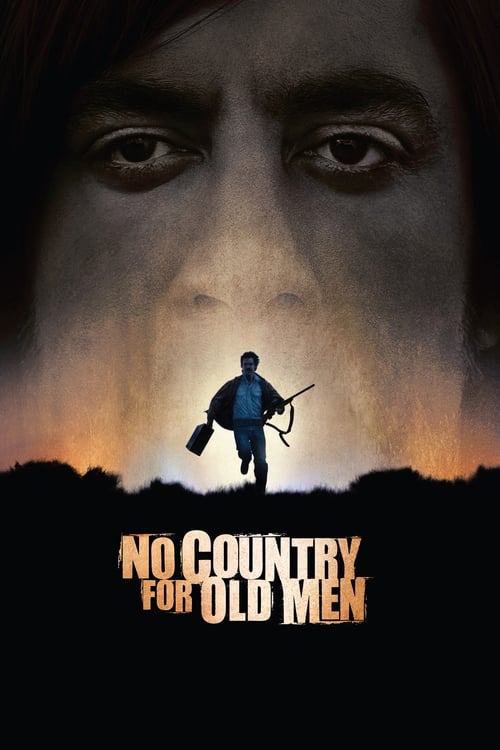
The spiritual successor is No Country for Old Men
Anton Chigurh is what you get when Max Cady has no personal motive at all, when the threat becomes a force rather than a man with a grievance. The Coens absorbed everything Thompson did with Mitchum in Cape Fear and removed the last shred of psychology from it. The result is more frightening. The two films are fifty years apart and make a precise conversation about what an unstoppable antagonist actually costs the people unlucky enough to be in his path.
Thompson never made films about doubt. The doubt was always in the audience, watching people who had no more time left to question anything.CrossBinge editorial
J. Lee Thompson: A Career in Brief
- 1950Breaks through with The Yellow Balloon, his first significant British feature
- 1957Woman in a Dressing Gown brings him critical attention in British cinema
- 1958Ice Cold in Alex establishes his taste for men under extreme pressure
- 1961The Guns of Navarone becomes a global hit The Guns of Navarone
- 1962Cape Fear, his masterwork of domestic horror Cape Fear
- 1972Conquest of the Planet of the Apes, the most charged entry in the franchise Conquest of the Planet of the Apes
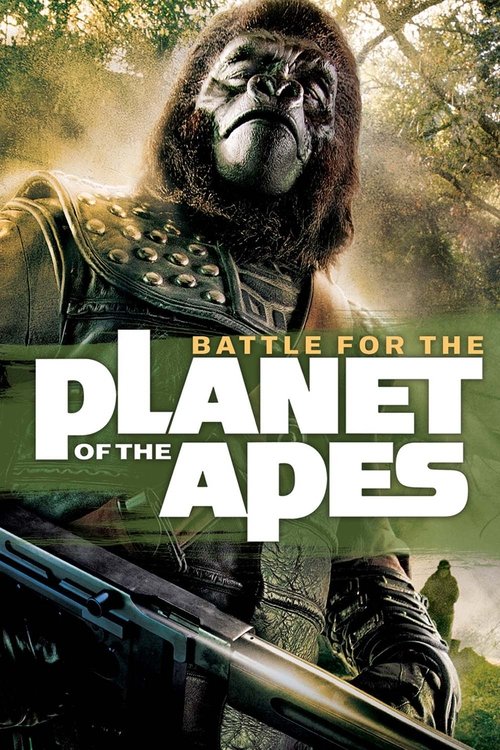
- 1973Battle for the Planet of the Apes closes the original series Battle for the Planet of the Apes
- 1980Begins a long working relationship with Charles Bronson at Cannon Films
- 1988Messenger of Death, the last of the Bronson collaborations
- 2002Dies in Sooke, British Columbia, age 88