
J-pop is not a single sound. It is a production philosophy: every hook is engineered to be inevitable, every arrangement layers Western pop and rock structures onto distinctly Japanese melodic sensibilities, and the result has been one of the most fertile music industries on earth since the early 1990s. From the idol factories of the 80s (Seiko Matsuda, Hikaru Genji) through the shibuya-kei experiments of the mid-90s (Pizzicato Five, Cornelius), the stadium-filling melodrama of Glay and L'Arc-en-Ciel, the maximalist girl-group architecture of AKB48, and the global crossover of Hikaru Utada and BABYMETAL, J-pop contains multitudes. What ties it together is craft: obsessive attention to sonic detail, performance spectacle, and fan relationships built over decades. If you love that feeling, here is everything else worth chasing.
Essential J-Pop
The albums and artists that define the genre across its eras
The Idol System on Screen
Films and series that put J-pop culture, idol life, and fan obsession at the centre




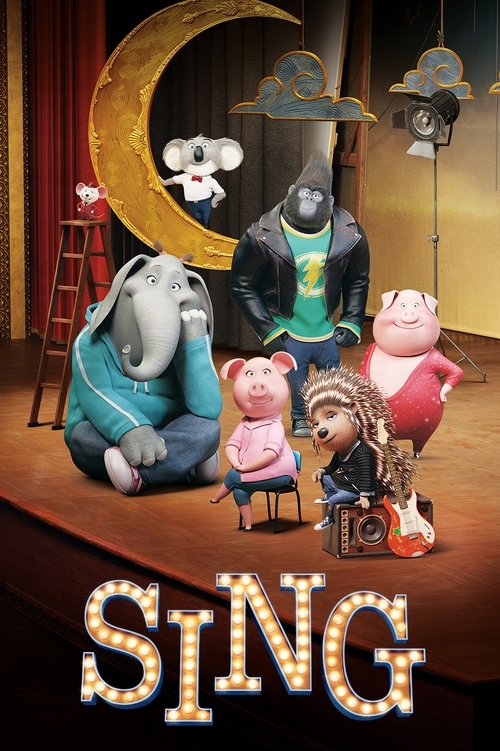
Same Energy: Pop Drama and Spectacle on TV
Series with the same emotional intensity, stylised aesthetics, and group-dynamic storytelling
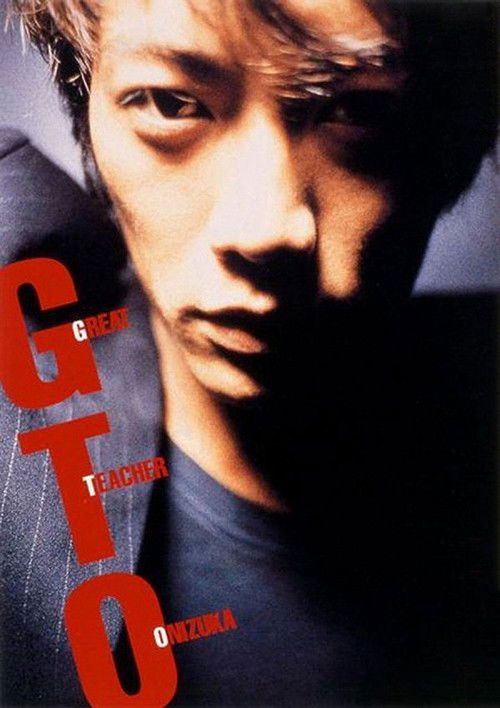


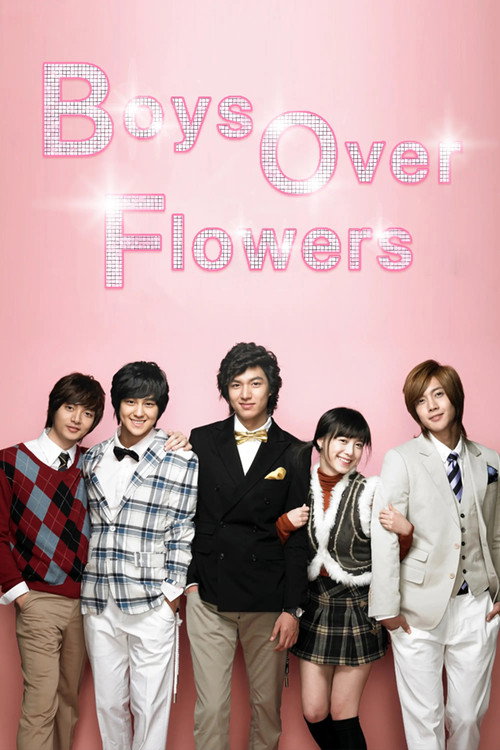


Rhythm, Music, and Movement in Games
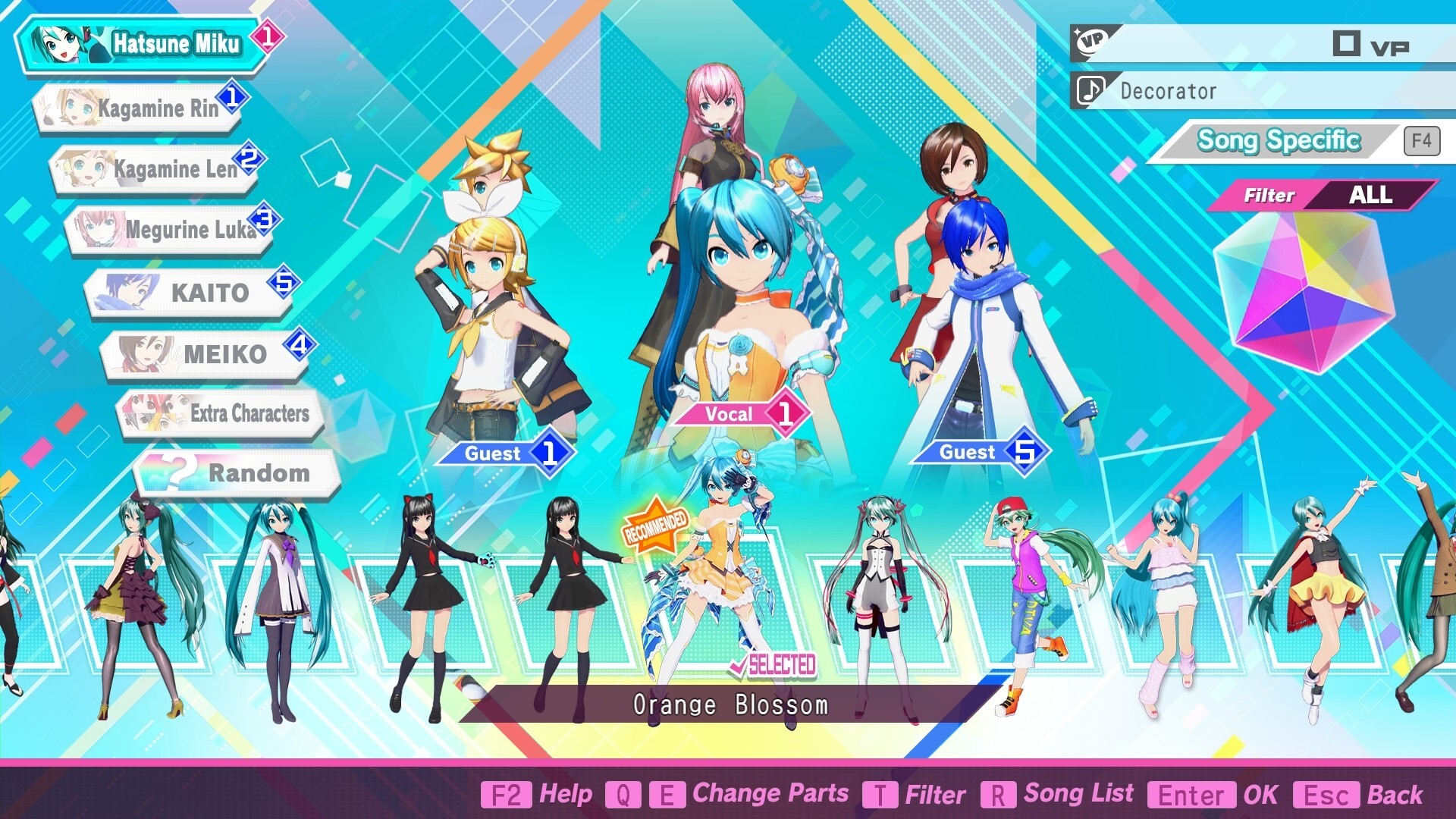
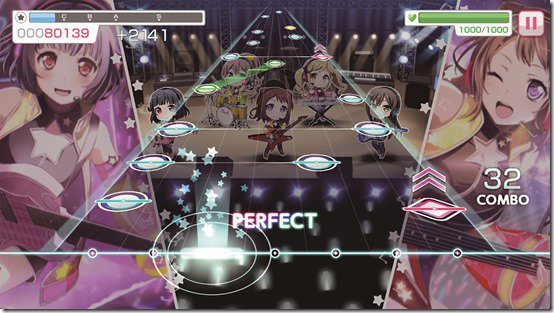
Games that channel J-pop's precision, performance culture, and infectious energy


Inside the Machine: Novels and Manga on Pop and Idol Life
Books that pull back the curtain on performance culture, fandom, and the cost of stardom


Hikaru Utada Changed Everything
When First Love sold 7.65 million copies in 1999, it became the best-selling Japanese album of all time. Utada was 16. The achievement is staggering, but the more important story is what the album actually sounds like: R&B production with genuine harmonic sophistication, lyrics that treat adolescent heartbreak as a serious subject, and a vocal performance with no idol artifice in it. Utada built a lane for J-pop that pursued artistry over spectacle, and every serious singer-songwriter who followed owes a debt.
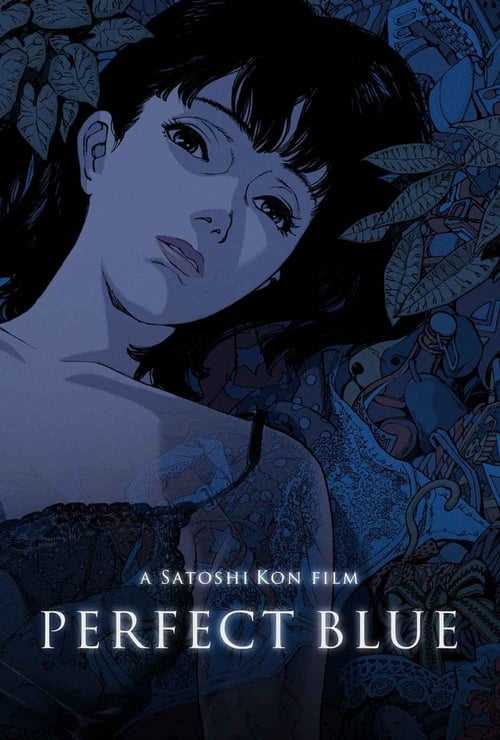
Perfect Blue Is the Darkest Fan-Fiction Possible
Satoshi Kon's 1997 film uses an idol's transition from pop singer to actress as the structure for a genuinely disturbing psychological thriller. The film predicts parasocial obsession, online stalking, and the violence that can erupt when a public persona fails to match a fan's projection. Thirty years on, it reads as a precise description of how fan culture can curdle. If J-pop's warmth and spectacle are what drew you in, Perfect Blue is the necessary other side of the mirror.
BABYMETAL Broke the Genre and That Was the Point
When BABYMETAL released Gimme Chocolate!! in 2014, the internet had one of its periodic meltdowns about what genre even means. The group combined idol-pop production, death-metal guitar work by the Kami Band, and choreography derived from AKB48 performance school. Critics who treated it as a novelty missed the seriousness of the execution. The Apocalypse live album captures a group performing with total commitment across genres that are not supposed to coexist. The experiment worked because neither the pop nor the metal was compromised.
J-Pop: A Timeline
- 1980City pop and idol pop crystallise as distinct scenes; Yellow Magic Orchestra's BGM exports Japanese electronic music to Western audiences Yellow Magic Orchestra
- 1986Seiko Matsuda becomes the template for the manufactured idol: 24 consecutive number-one singles
- 1993J-pop as a marketing term enters mainstream use; SMAP and the Johnny's idol model reaches peak cultural saturation
- 1995Shibuya-kei peaks: Pizzicato Five and Cornelius build a genre from Bossa Nova, French ye-ye, and Motown samples
- 1999Hikaru Utada releases First Love; it becomes the best-selling Japanese album ever
- 2005Perfume's debut album Game establishes Nakata's electronic pop template
- 2009AKB48's single Oogoe Diamond begins a seven-year run of million-selling singles; the 48-group model reshapes the idol industry
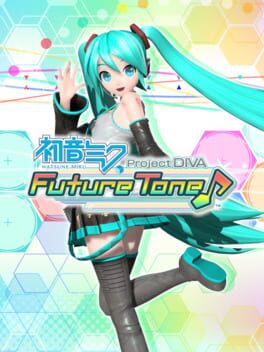
- 2010Vocaloid culture peaks: Hatsune Miku performs at Animax Musix as a hologram; the synthetic singer becomes a genuine pop star Hatsune Miku: Project Diva Future Tone
- 2014BABYMETAL's self-titled international debut brings J-pop to metal festival audiences worldwide BABYMETAL
- 2019Kenshi Yonezu's Lemon becomes the best-selling digital single in Japanese history, crossing 100 million streams
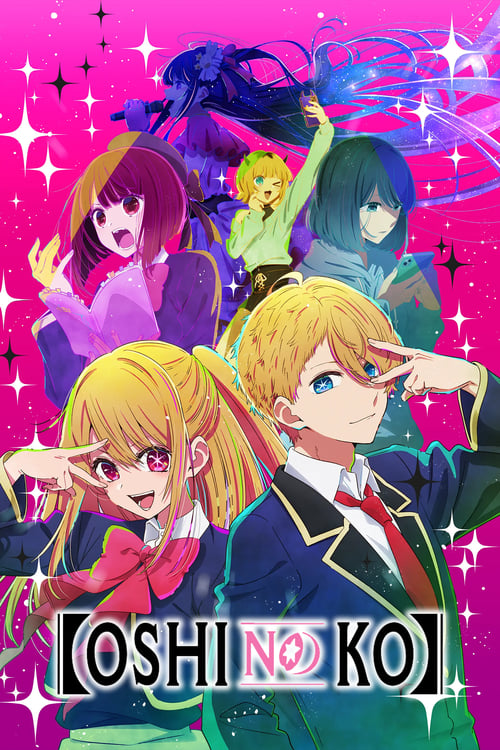
- 2023Oshi no Ko anime adaptation brings idol industry critique to global streaming audiences 【OSHI NO KO】
Japanese Pop and Idol Culture
For Fans of Oshi no Ko
Explore the For Fans of Oshi no Ko guide →J-pop doesn't borrow from Western pop. It digests it, rebuilds it from memory, and adds something that could only have come from Japan.Ryuichi Sakamoto, interview, 1997