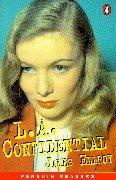

James Ellroy writes crime fiction the way a jackhammer works: relentless, percussive, refusing to stop. His Los Angeles is a city of backchannel power, bought judges, and men who believe they can hold the whole corrupt edifice together through sheer will. From the claustrophobic obsession of The Black Dahlia to the operatic sweep of the Underworld USA trilogy, Ellroy mapped the secret history of postwar America: the organized crime networks, the FBI blackmail files, the assassination conspiracies that nobody wanted solved. His prose style evolved from hardboiled to something almost entirely its own, a staccato telegraphic shorthand that mimics the speed of thought under pressure. If you love the way Ellroy sounds, you already know what he sees: beauty rotting at the edges, power wearing a badge, and the past refusing to stay buried.
Essential James Ellroy
The core canon, from early noir to the full American underground


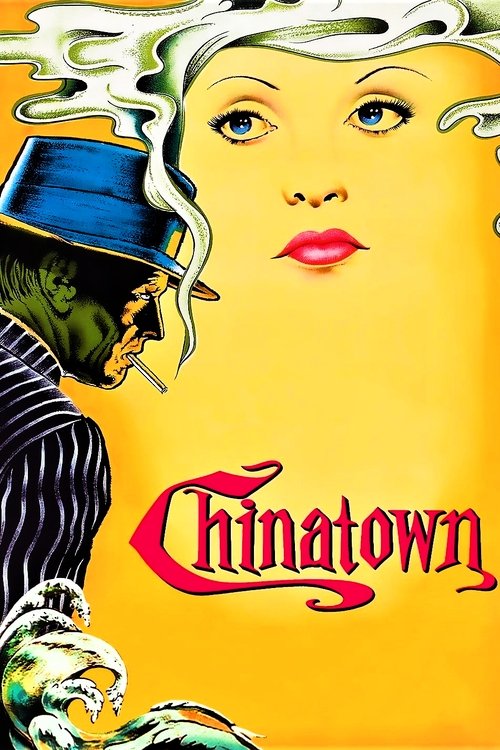
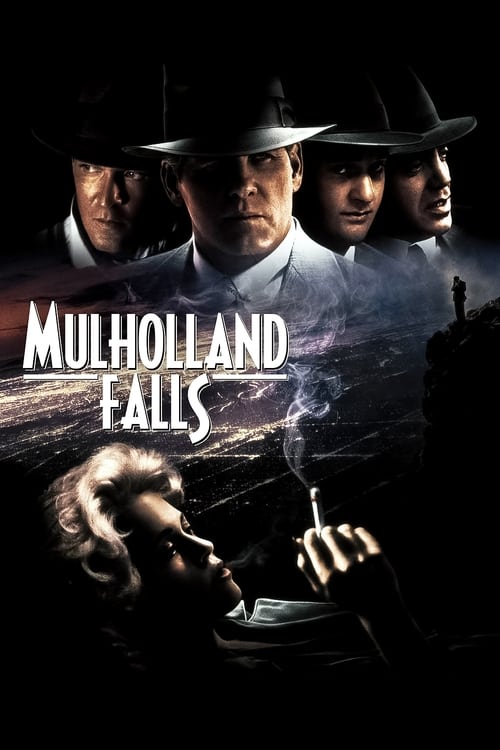
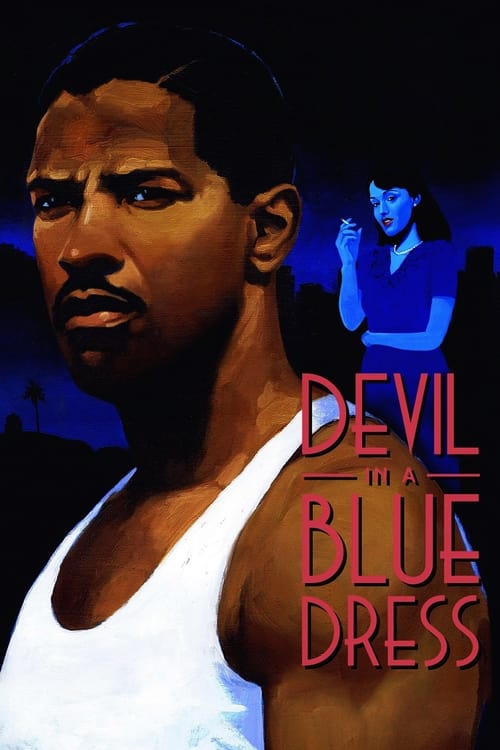
If You Love Ellroy: Neo-Noir and Period Crime Cinema
Films dripping with the same institutional rot and moral ambiguity

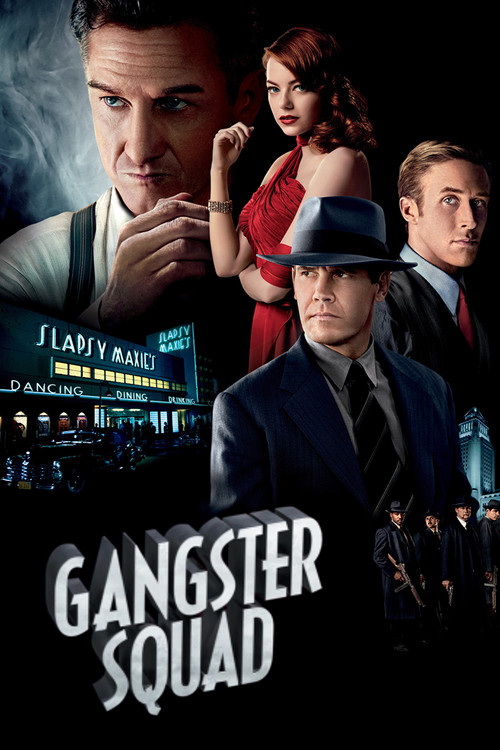
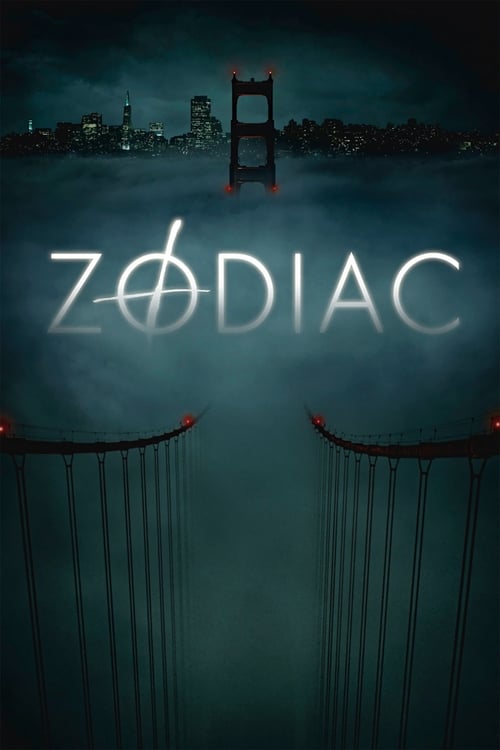

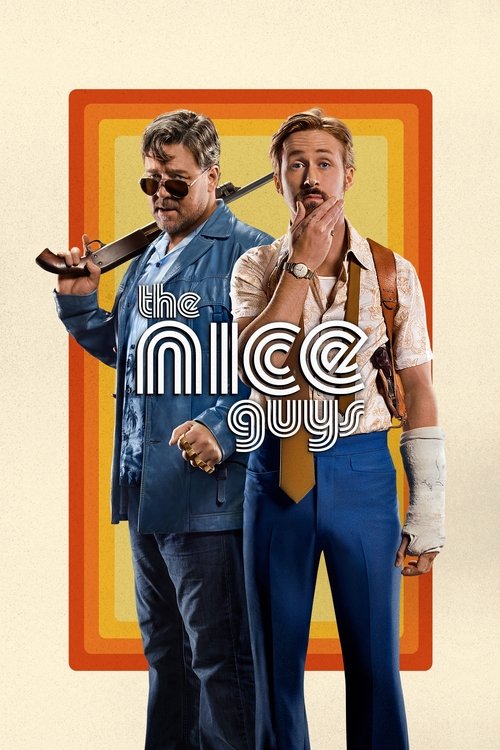
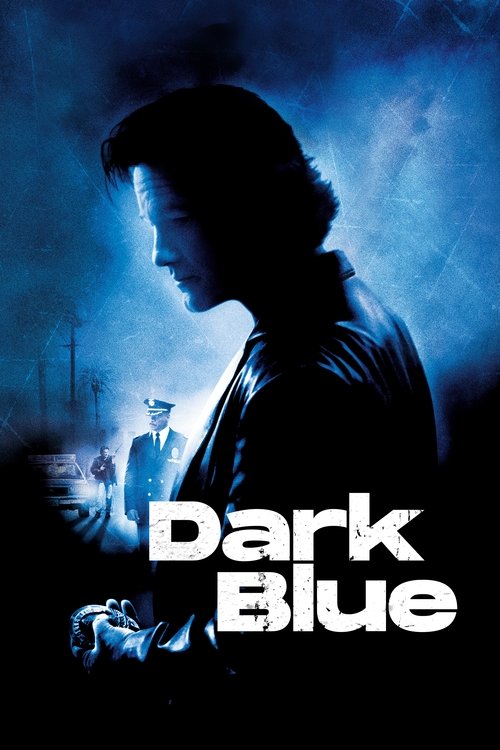
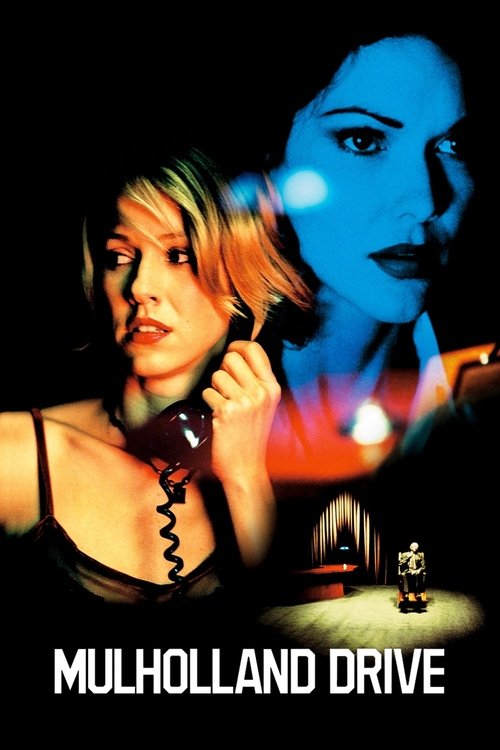
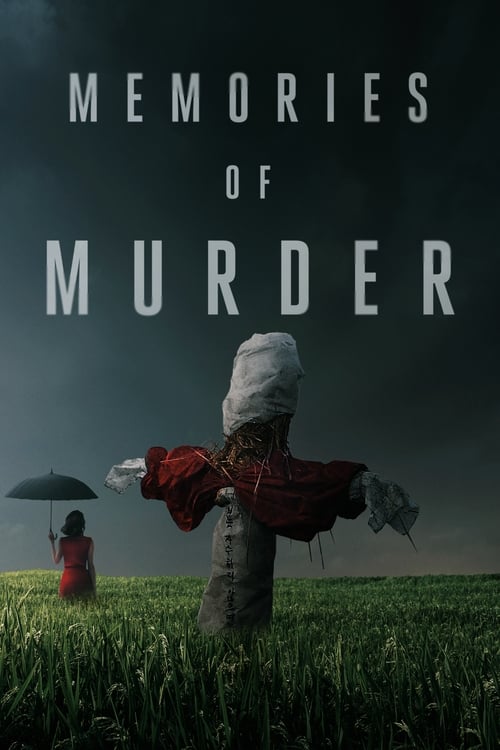

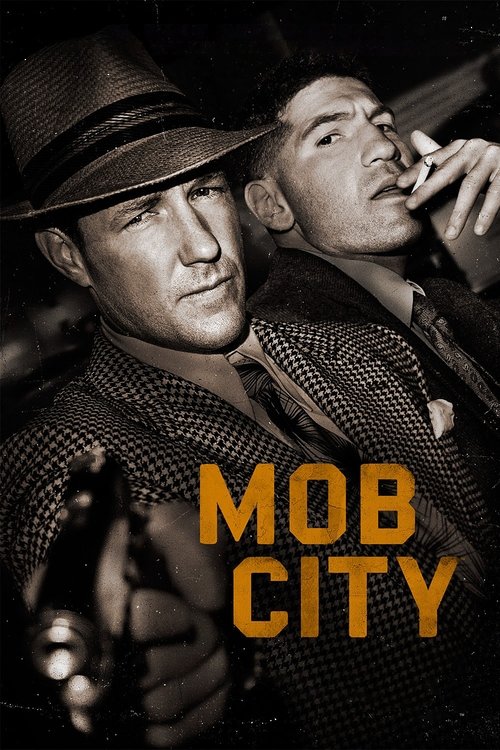
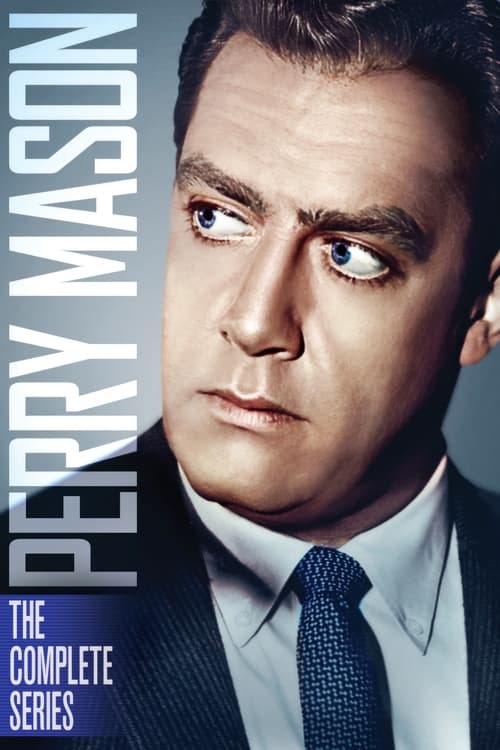
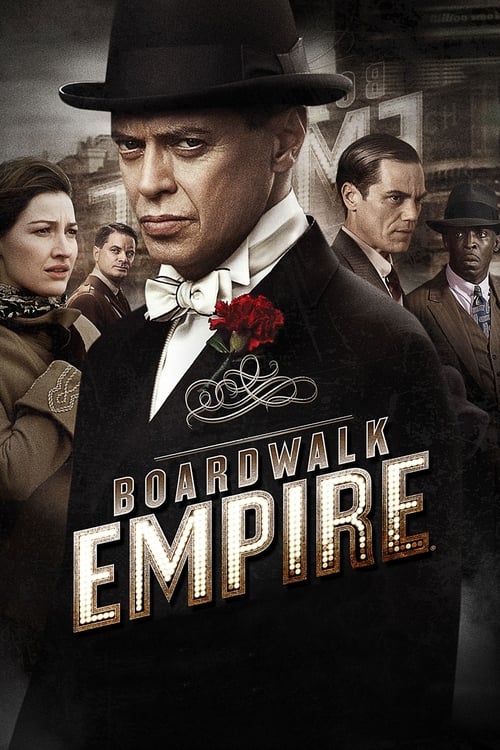
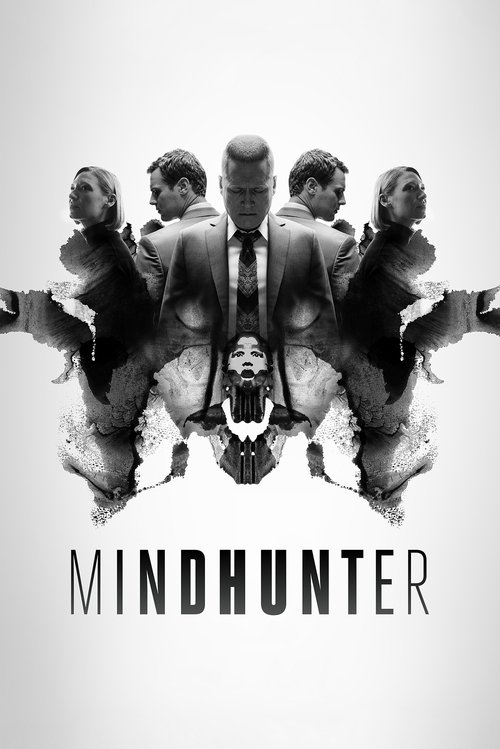
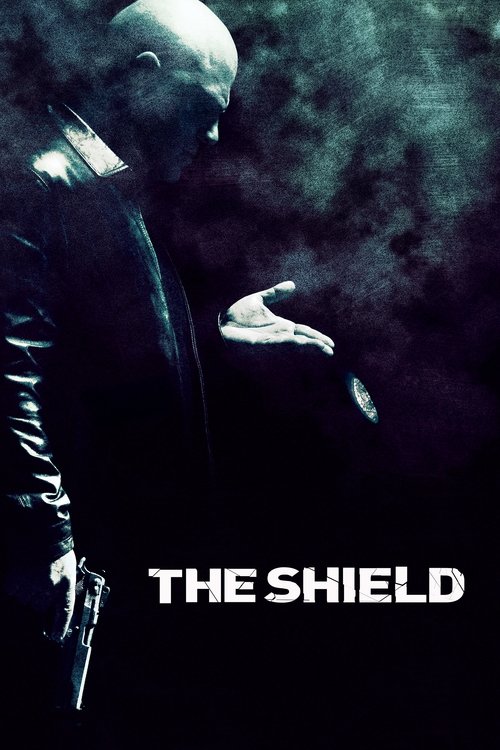
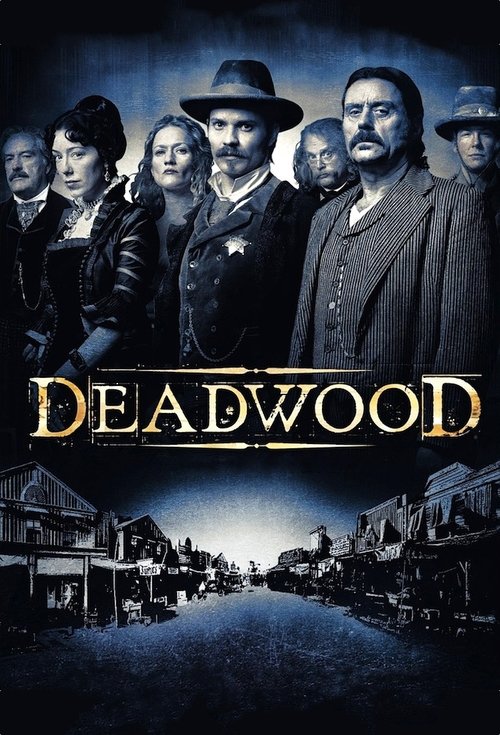
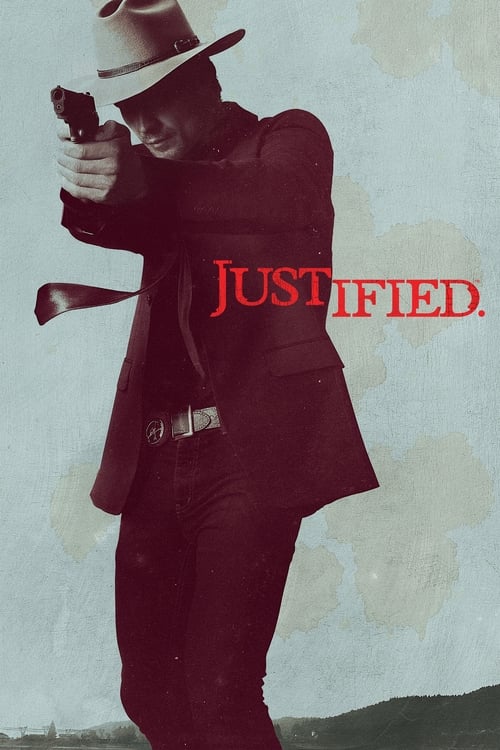
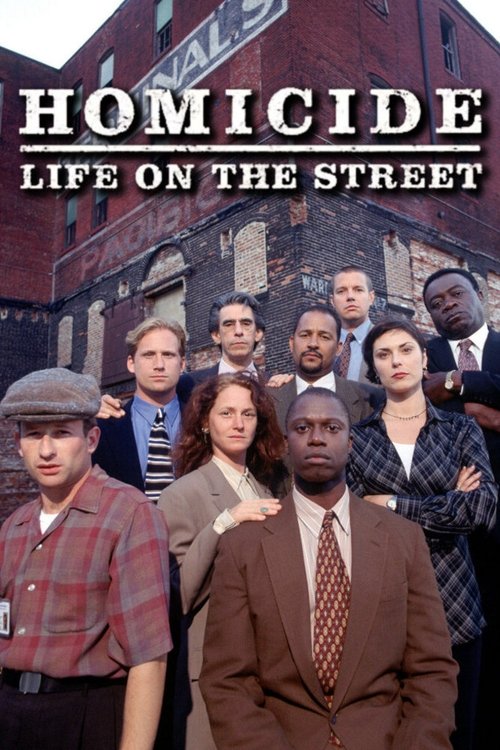
If You Love Ellroy: Crime Series with Institutional Depth
Long-form television that maps corruption the way Ellroy maps it in prose
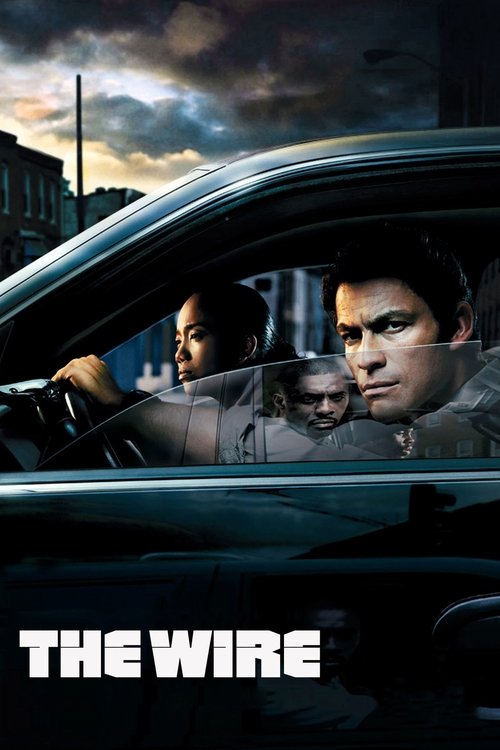
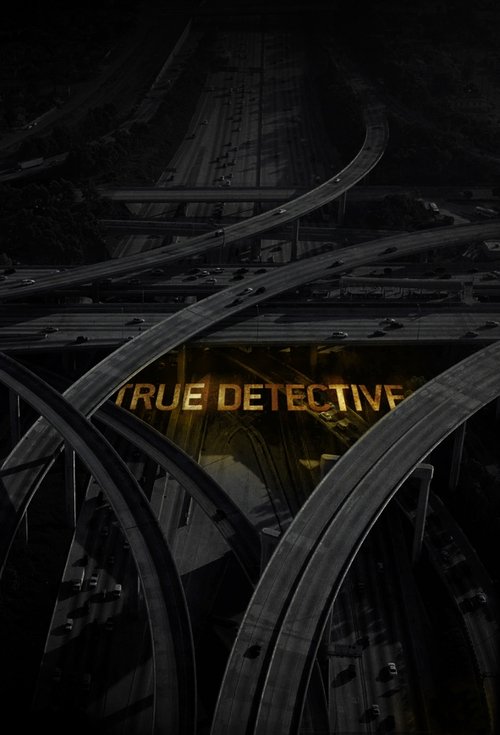
If You Love Ellroy: Hardboiled Crime Authors
Writers who share the same obsession with corrupt systems and morally wrecked protagonists


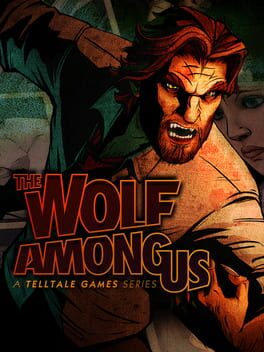
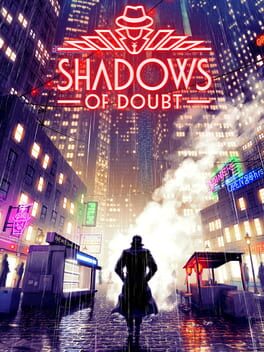
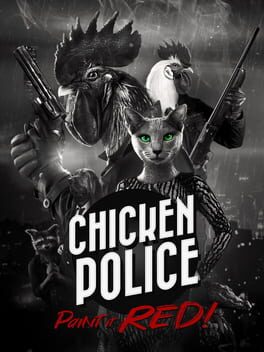
If You Love Ellroy: Noir Detective Games
Games that put you inside the moral wreckage of crime investigation
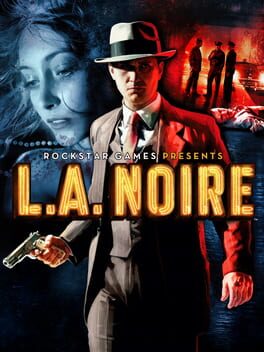


The Quartet is One Novel in Four Parts
The LA Quartet (The Black Dahlia, The Big Nowhere, L.A. Confidential, White Jazz) is best read as a single sprawling novel about the slow moral collapse of a city and the men who tried to run it. Characters appear and disappear across books, the LAPD's institutional rot compounds, and by the time White Jazz's Dave Klein is narrating in pure staccato fragments, you realize Ellroy has been building to this dissolution the whole time. Read them in order. Read them close together. The experience is unlike anything else in crime fiction.
American Tabloid is the Great American Novel Nobody Assigned You
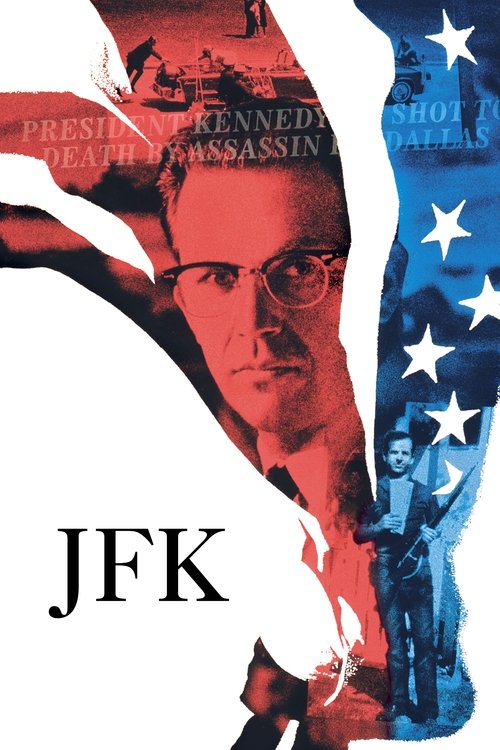
The argument for American Tabloid as one of the best American novels of the 20th century is serious and not easily dismissed. Ellroy takes the Kennedy era, the Bay of Pigs, the mob-CIA nexus, and tells it through three men who are complicit in everything and loyal to nothing. The prose is stripped to almost nothing. The moral weight is enormous. It is the book that proved Ellroy had outgrown genre entirely.
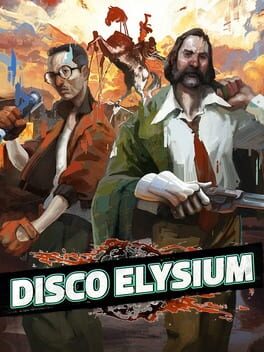
Disco Elysium is Ellroy by Way of Eastern Europe
The comparison sounds unlikely until you actually play it. Disco Elysium gives you a protagonist who is as broken and self-destructive as any of Ellroy's cops, embedded in a city whose political corruption runs all the way down to the foundations. The investigative obsession, the sense that the truth will cost you more than you want to pay, the system that grinds individuals into its machinery: all of it reads as a spiritual cousin to the LA Quartet, even if the setting is a surrealist Baltic port rather than 1950s Hollywood.
My Dark Places is the Key to Everything
Before reading Ellroy's fiction, read My Dark Places, his memoir about reopening the investigation into his mother's 1958 murder. It explains where the obsession comes from. It explains why every Ellroy novel is about a man trying to impose order on chaos that will not be ordered, why the dead women in his fiction are always more than victims, why corruption is always personal. The memoir is one of the great American crime books and it illuminates every novel around it.
Ellroy's America: Milestones
- 1981Debut Requiem
- 1984Lloyd Hopkins introduced
- 1987LA Quartet begins The Black Dahlia
- 1988Quartet deepens
- 1990Career peak L.A. Confidential
- 1992Quartet ends
- 1995Memoir Dark Places
- 1995Underworld USA begins
- 1997Adaptation landmark L.A. Confidential
- 2001Trilogy continues
- 2006Film adaptation The Black Dahlia
- 2009Trilogy closes
- 2014Second LA Quartet begins
- 2019Second Quartet continues Storm
Corrupt Cops, Noir, and Crime Canon
Film Noir & Neo-Noir
Explore the Film Noir & Neo-Noir guide →Los Angeles. It means the angels. Nobody knows why.James Ellroy, L.A. Confidential