
Jerry Goldsmith spent nearly fifty years refusing to repeat himself. Where other Hollywood composers settled into a recognizable signature, Goldsmith kept reinventing the orchestra: twelve-tone atonality for the shock of Planet of the Apes, a boys choir twisted into something sacral and terrifying for The Omen, dense polyrhythmic brass for the Klingon fleet in Star Trek: The Motion Picture, intimate jazz piano for the corrupt Los Angeles of Chinatown. The through-line a fan loves is not a particular style but an appetite for the right sound for this story, this scene, this emotional beat. His best scores feel inevitable, as if the film could not have existed without that music. That curiosity and that absolute command of craft are the qualities that pull listeners deeper: into darker horror, richer adventure, stranger science fiction, and the history of twentieth-century orchestral writing that made it all possible.
Essential Jerry Goldsmith
The scores that defined a career
The Films He Scored
Cinema worth watching alongside its music



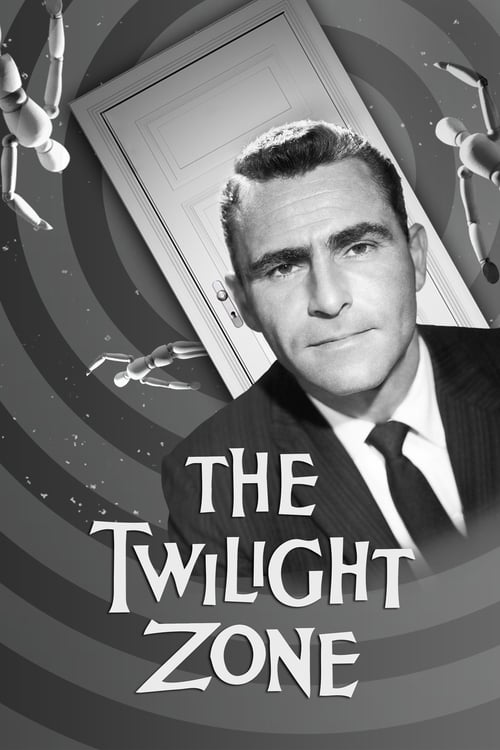
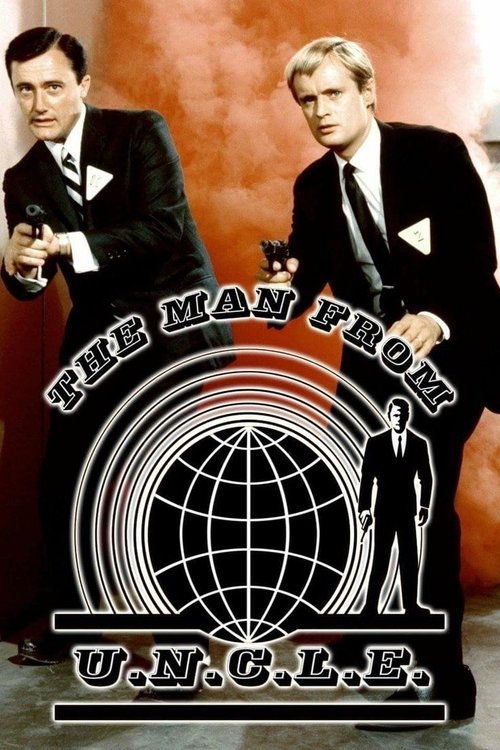
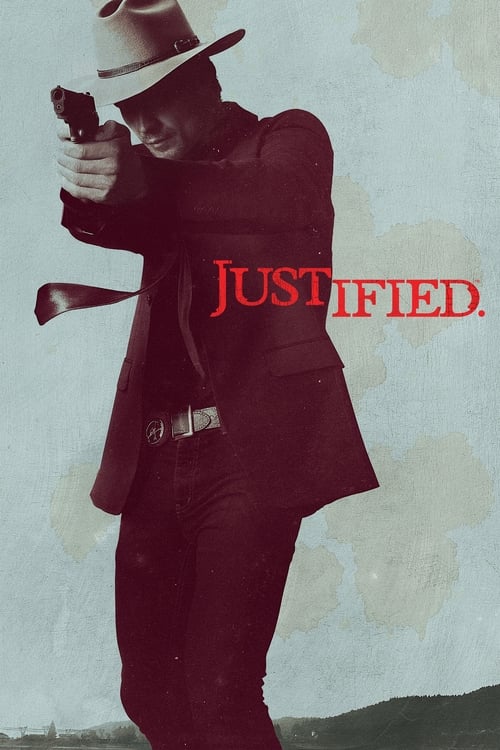
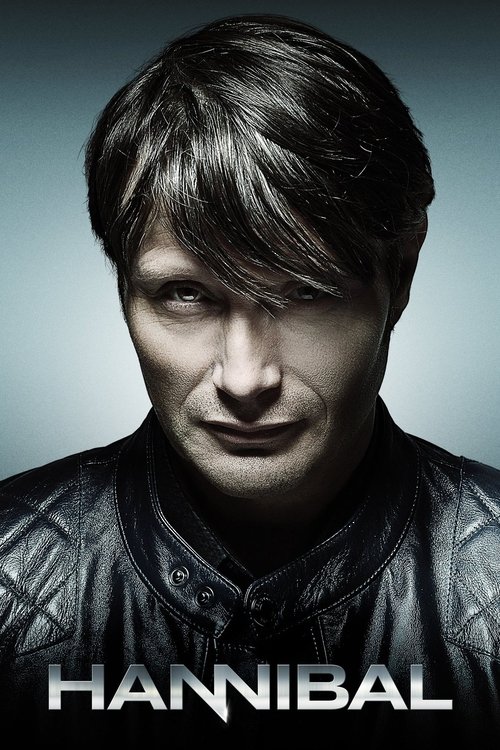
TV That Carries the Same Grandeur
Series scored by Goldsmith or shaped by composers who learned from him
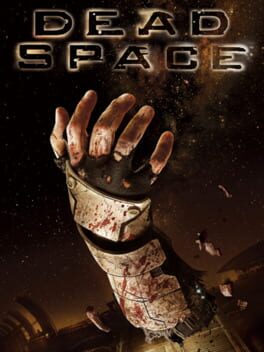
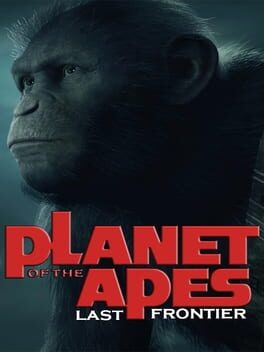
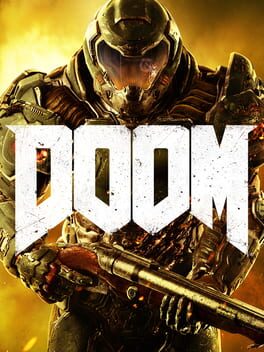
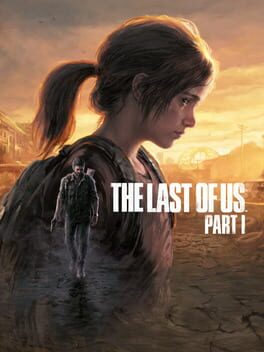
Soundtrack-Driven and Atmospheric Games
Games where score is as essential as story


The Omen Changed What Horror Could Sound Like
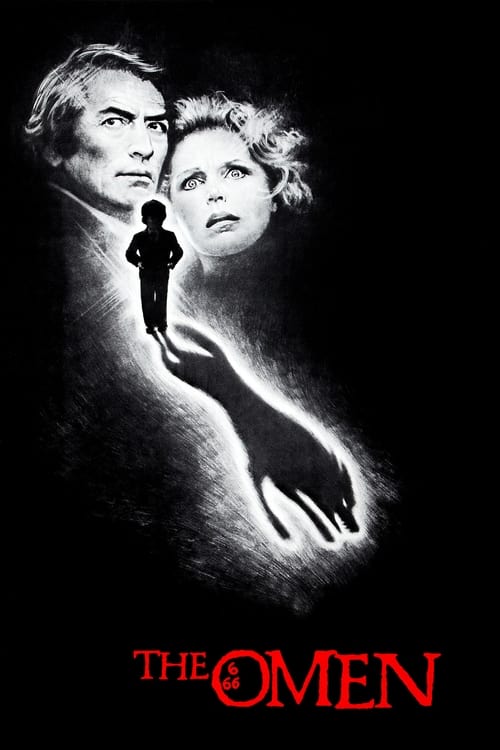
Before The Omen (1976), horror scores leaned on jarring electronic noise or simple string stingers. Goldsmith did something harder: he made the evil sound holy. The Latin choral writing for Damien's scenes is liturgically correct, structured like a mass, which is exactly what makes it disturbing. The music does not signal danger; it signals devotion to the wrong god. That approach earned Goldsmith his only Academy Award and reshaped how composers thought about supernatural horror for the next thirty years.
Chinatown: Restraint as Mastery
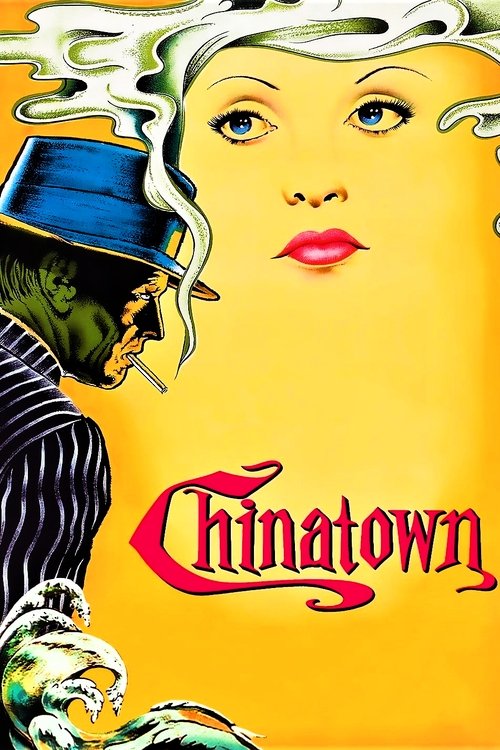
Roman Polanski originally wanted no score at all for Chinatown. What Goldsmith delivered was almost nothing: a solo trumpet, muted and lonely, circling the same spare melody. For a film about systemic corruption and irreversible loss, that thinness was the correct answer. A full orchestra would have told the audience how to feel. The trumpet just watches. It is one of the most restrained scores in Hollywood history, and one of the most emotionally devastating.
Planet of the Apes Invented a New Sound
Franklin J. Schaffner's 1968 film needed music for a world that was familiar and wrong at once. Goldsmith responded with a score that abandoned conventional tonality entirely: ram's horns, prepared piano, and complex polyrhythms that sounded like no previous film music. He was drawing on Bartok and Stravinsky, but applying those ideas to a mainstream studio picture, which almost no one had done at that scale. The score is still studied in film music programs because it proved that Hollywood could take real compositional risks and reach a mass audience at the same time.
Total Recall: The Sound of a Mind That Cannot Trust Itself
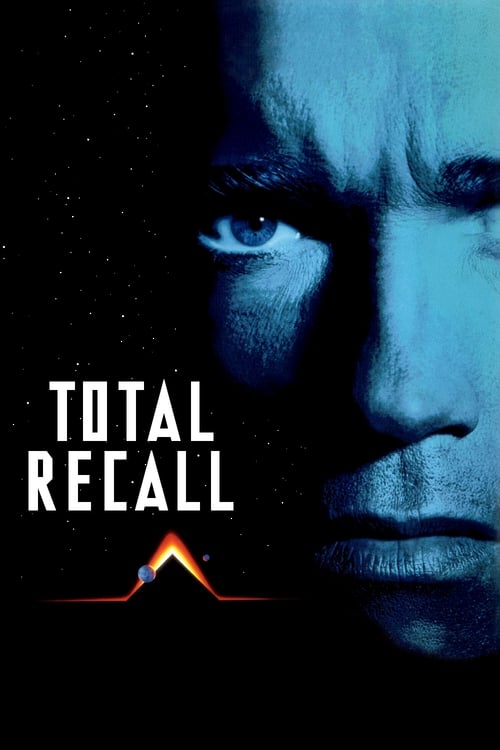
Paul Verhoeven's 1990 film is a philosophical puzzle about identity and implanted memory, and Goldsmith scored it accordingly. The main theme is warm and heroic on its surface, but the harmonic language underneath keeps sliding, never quite resolving. Listeners feel the instability before they can name it. It is a rare case of a score that embodies the film's central question rather than just accompanying the action.
Five Decades of Essential Scores
- 1962Freud: The Secret Passion marks his first major studio score, introducing complex orchestral language to mainstream Hollywood. Freud: The Secret Passion
- 1968Planet of the Apes premieres with its atonal, avant-garde orchestration, reshaping film score ambition. Planet of the Apes
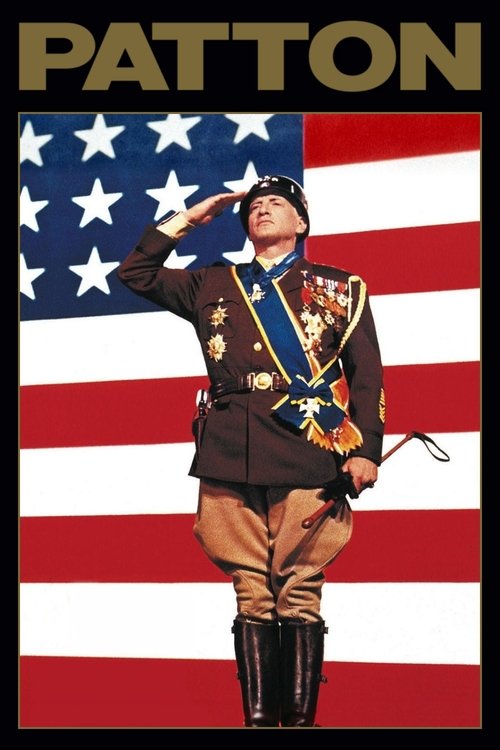
- 1970Patton wins Best Picture; Goldsmith's ceremonial brass becomes inseparable from the film's legend. Patton
- 1974Chinatown: solo trumpet score for Polanski's noir tragedy, a masterclass in understatement. Chinatown
- 1976The Omen earns Goldsmith his only Academy Award. The Ave Satani choral sequence becomes the template for supernatural horror scoring. The Omen
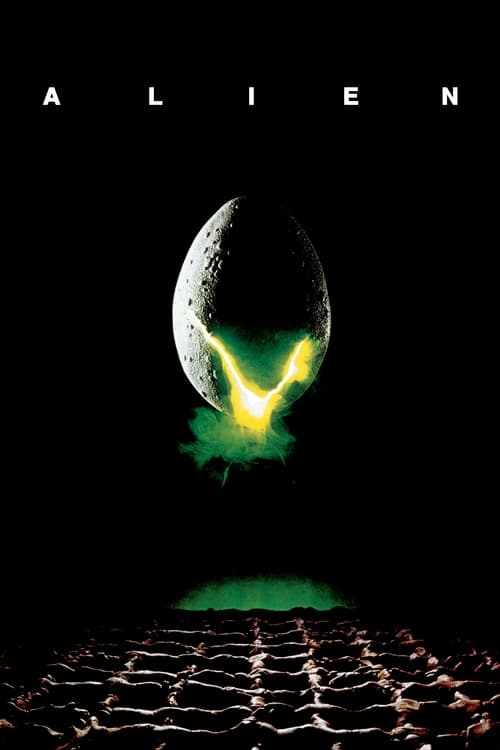
- 1979Alien and Star Trek: The Motion Picture score in the same year, proving his range from industrial terror to cosmic wonder. Alien
- 1982Poltergeist: unsettling themes for Spielberg and Hooper's suburban horror. Poltergeist
- 1990Total Recall brings his bold brass and harmonic ambiguity to Verhoeven's sci-fi thriller. Total Recall
- 1992Basic Instinct: cool, dangerous jazz-inflected strings for a neo-noir that divided critics and captivated audiences. Basic Instinct
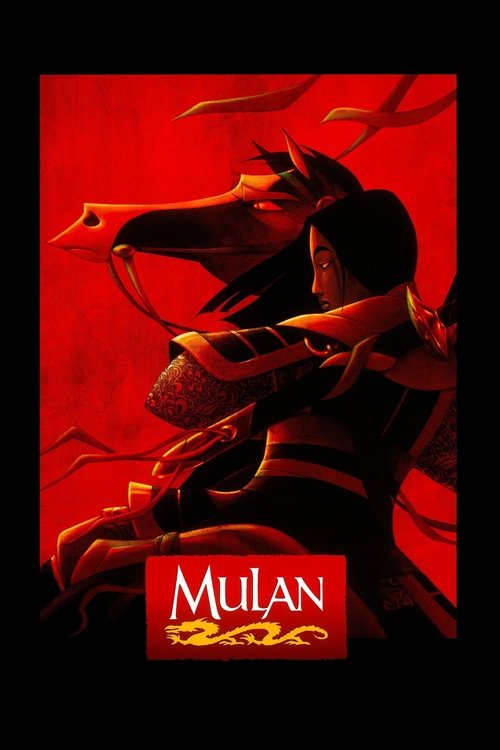
- 1998Mulan: lyrical Disney scoring that balanced Eastern musical references with his trademark orchestral weight. Mulan
- 2003Looney Tunes: Back in Action is his final major theatrical score before his death in 2004. Looney Tunes: Back in Action
Brass-driven sci-fi and dread
Space Opera
Explore the Space Opera guide →Goldsmith never found one sound and stayed there. Every new assignment was a question: what does this story actually need? That relentless curiosity is the reason his scores still feel modern decades later.CrossBinge Editors