
The man who made 200 films and never once played it safe
Jesús Franco spent sixty years pointing a camera at things polite cinema preferred not to see. Born in Madrid in 1930 and trained as a musician before he was a filmmaker, Franco brought a jazz sensibility to horror and erotica: the slow zoom that lingers past comfort, the improvised detour into a dream image, the scene that holds long enough to become something other than a scene. He directed somewhere north of two hundred films, often writing, shooting, composing the score and editing them himself, under a cascade of pseudonyms (Jess Frank, David Khune, A.M. Frank, dozens more) across Spain, France, Germany, Portugal and wherever the budget could stretch.
What Franco understood, better than almost anyone working in exploitation, was that the forbidden and the beautiful occupy the same territory. His best films are not merely lurid: they are Vampyros Lesbos screening at three in the morning when your defenses are down, Soledad Miranda appearing like a hallucination to a jazz piano, the film's internal logic operating at the frequency of a fever dream. He adapted Sade, Stoker, Leroux and Stevenson, not because he respected the source text (he usually didn't) but because the original material gave him permission to push further. He was also a committed cinephile who had worked as assistant director to Orson Welles on Chimes at Midnight and whose love for classic horror, German expressionism and American noir was genuine even when his budgets were barely enough for lunch.
The taste a Franco fan develops is specific: you learn to see through the roughness to the real visual intelligence underneath. You start noticing the compositions, the way natural locations become expressionist sets, the jazz and bossa nova scores that give films a libidinal pulse no studio picture would dare. You become a connoisseur of a cinema that operates entirely outside respectability, and you find that a surprising amount of great work has been waiting there all along.
Essential Jesús Franco
The films that define him, from gothic origins to psychedelic peak


The one to start with: Venus in Furs
Venus in Furs is the film that converts the curious into devotees. It has a plot, barely: a jazz musician finds a body on a beach, then keeps seeing the dead woman alive across Istanbul and London. What it actually is, is a film about how desire distorts memory and perception, scored to a superb Manfred Mann jazz track, shot in amber and shadow that feels less like cinematography than like a photograph taken inside someone's anxiety. Start here because it shows Franco's real talent before the budgets got truly desperate.
Euro horror and the Gothic underground
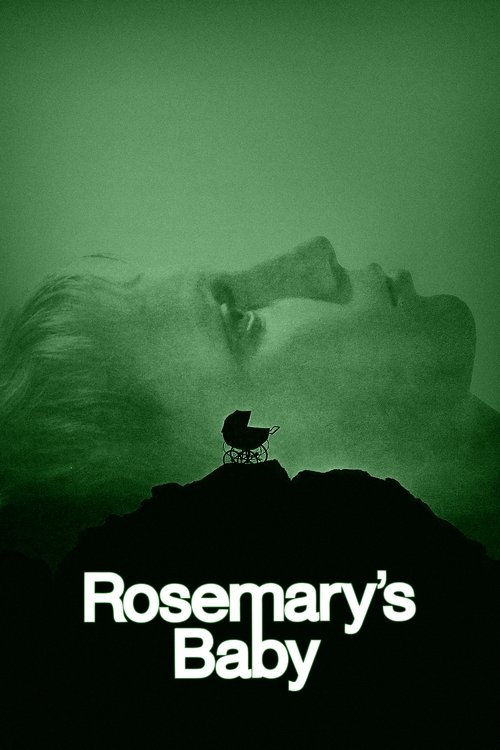
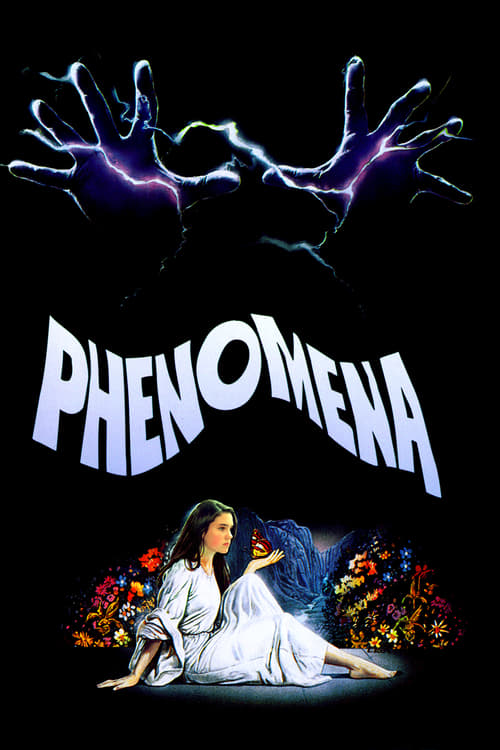
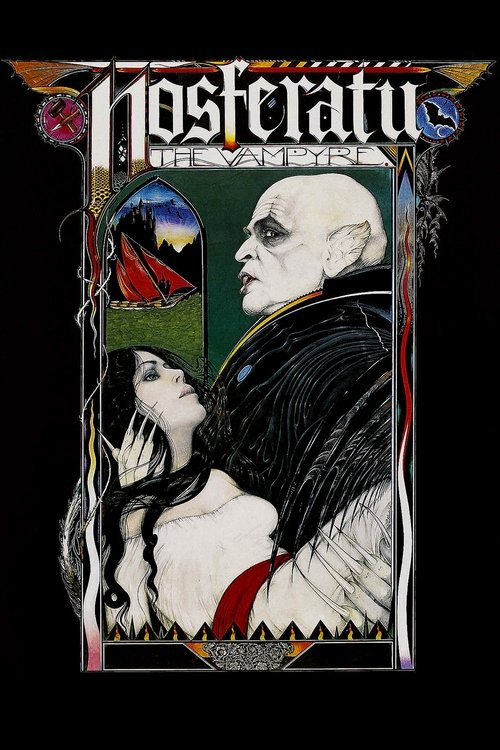
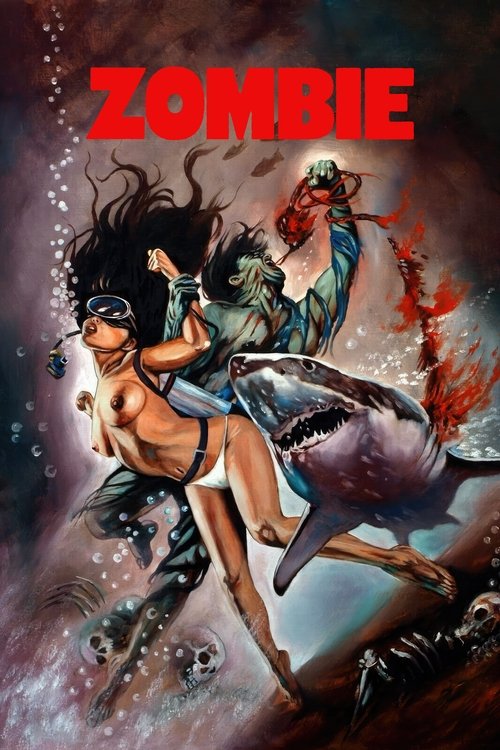
Directors who worked the same margins with the same love of atmosphere over logic


The underrated peak: Vampyros Lesbos
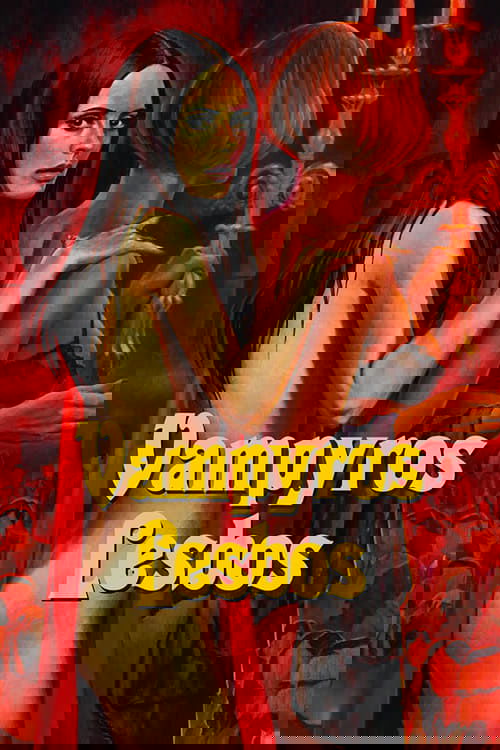
Franco shot Vampyros Lesbos in 1971 with Soledad Miranda and the result is the rare exploitation film that qualifies as art without requiring an asterisk. The Manfred Hübler and Sigi Schwab score is one of the best soundtracks of the decade in any genre; the images of Miranda performing at a nightclub, or standing in brilliant Mediterranean light, are composed with real care. This is Franco operating at his highest frequency. Miranda died in a car accident shortly after filming, which is why the film carries a melancholy that has nothing to do with the plot.
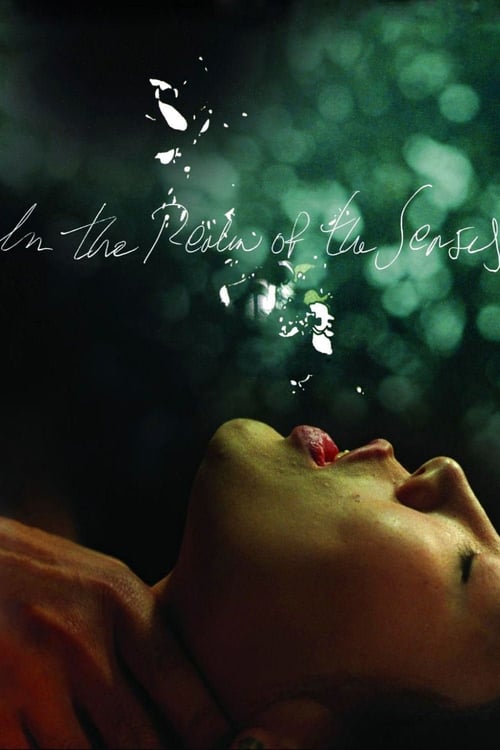
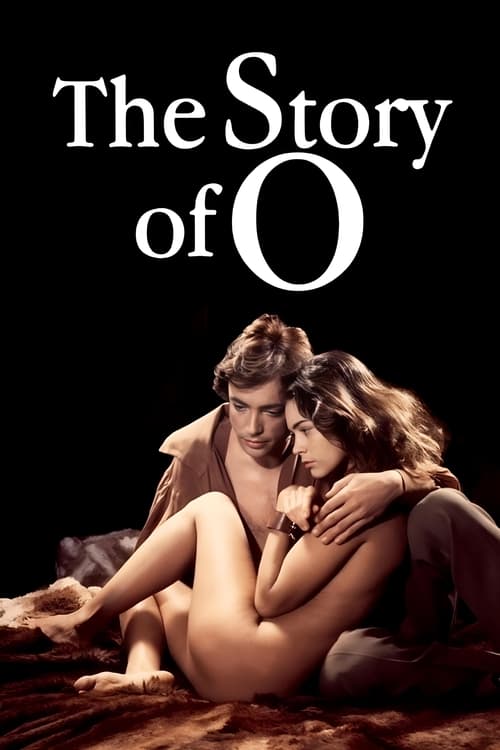
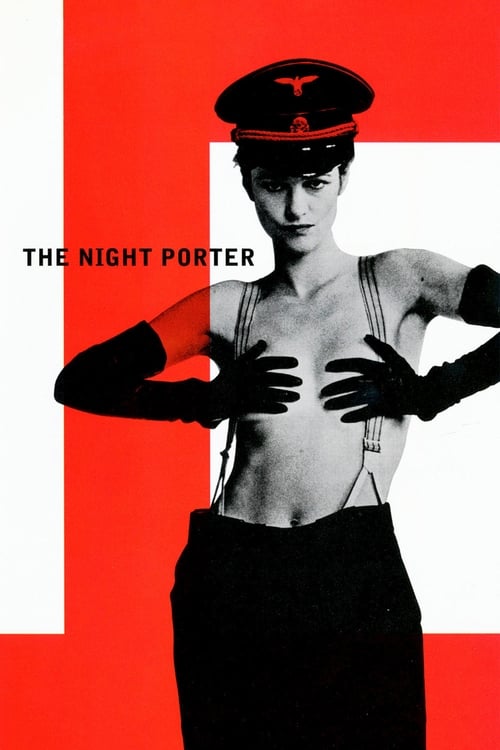
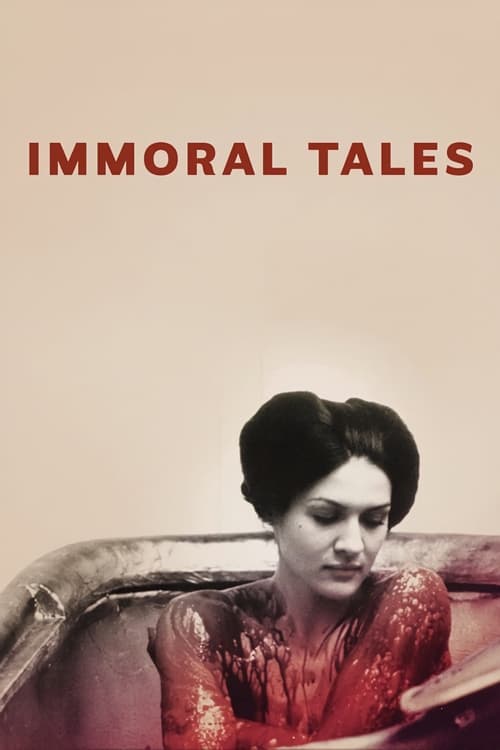
Transgressive erotica and the cinema of desire
Films that use sexuality as a lens on power, obsession and unease

A career in excess
- 1962The Awful Dr. Orlof establishes the Franco template: gothic castle, mad science, obsession
- 1966Works as assistant director to Orson Welles on Chimes at Midnight
- 1969Venus in Furs, his most formally assured film, shoots in Istanbul and London Venus in Furs
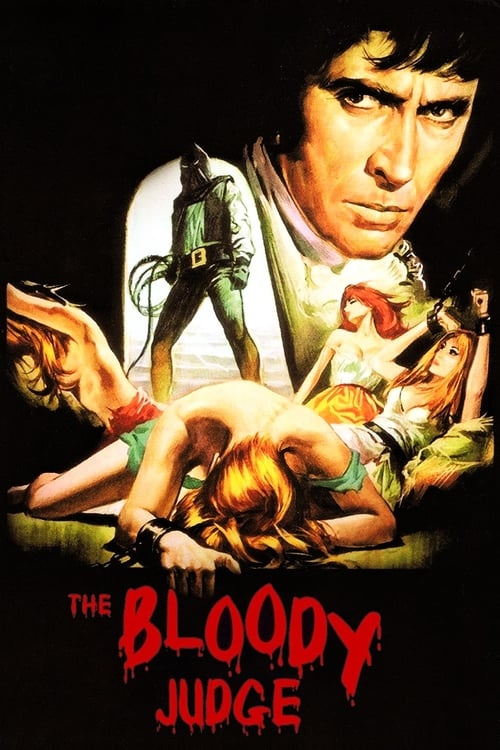
- 1970Eugenie adapts de Sade with Christopher Lee; The Bloody Judge follows the same year The Bloody Judge
- 1971Vampyros Lesbos and The Devil Came from Akasava, both starring Soledad Miranda, shot back to back Vampyros Lesbos
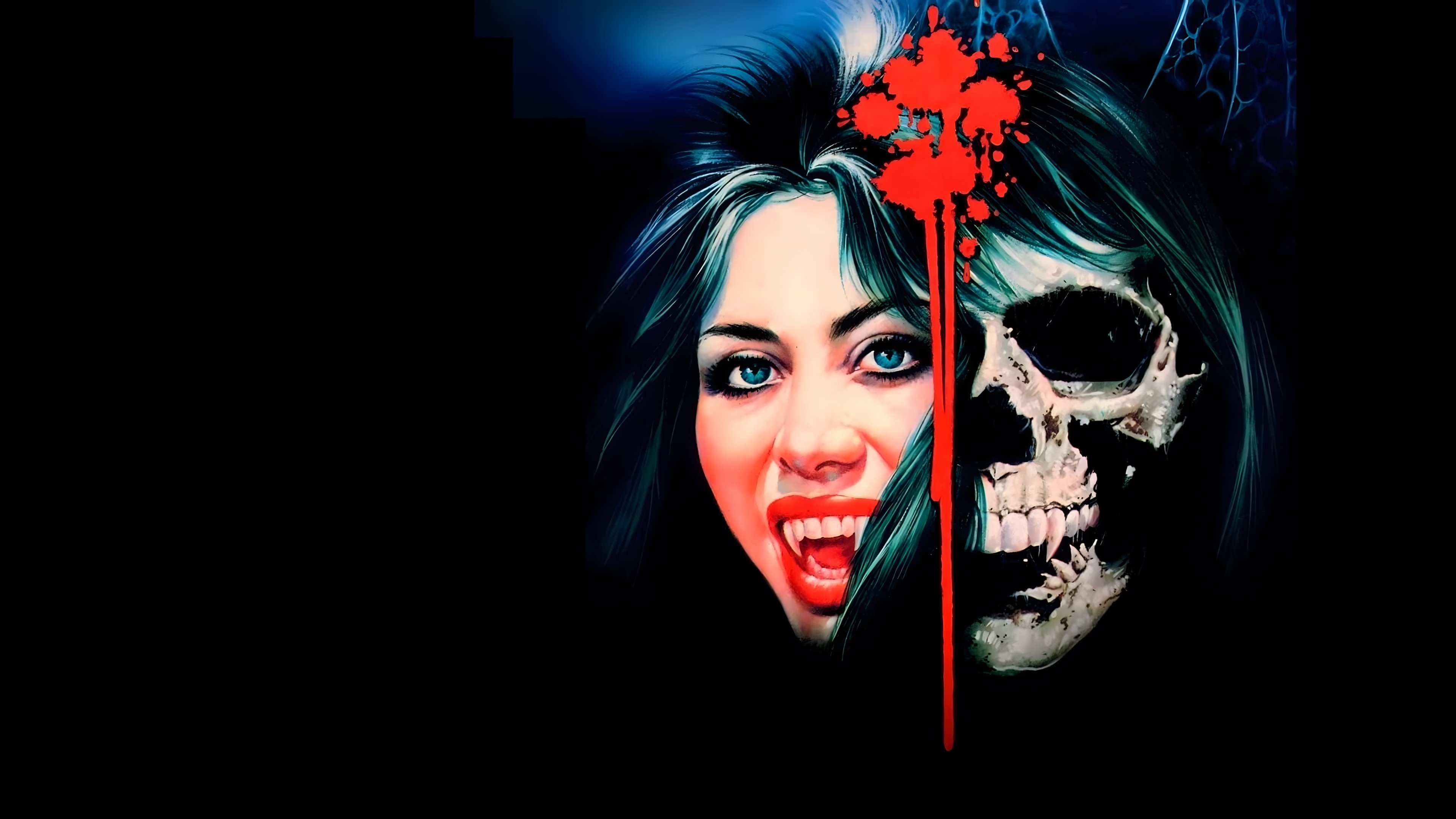
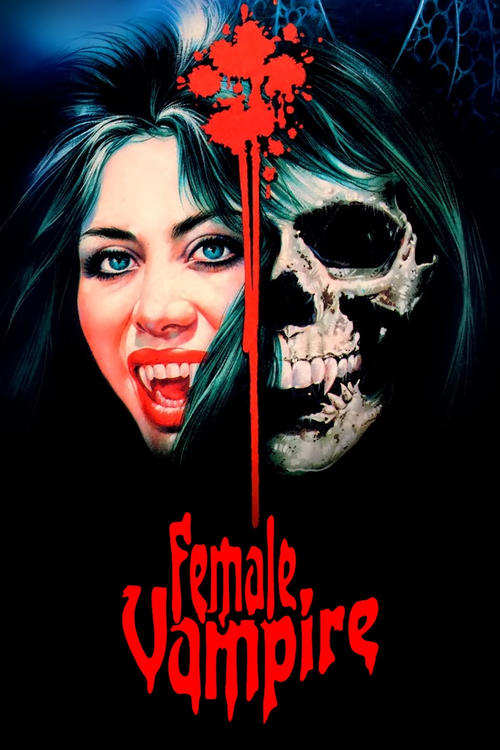
- 1973Female Vampire defines his 1970s erotic horror period Female Vampire
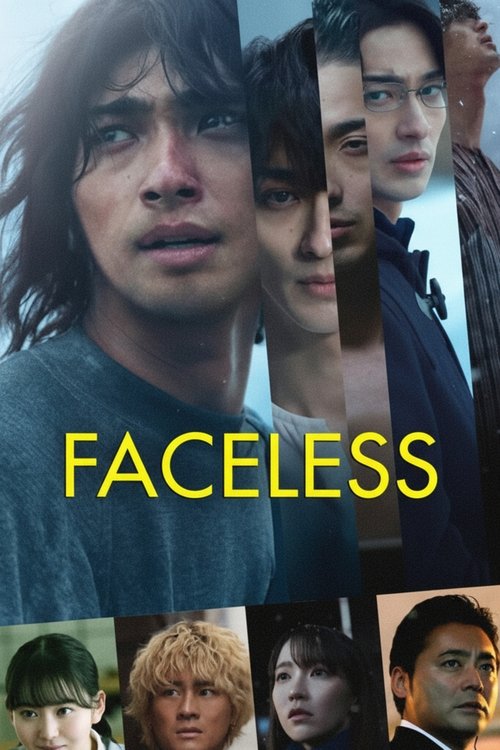
- 1987Faceless, a late-career giallo with Helmut Berger and Caroline Munro, shows he can still land a punch Faceless
- 2013Dies in Malaga at 82, his final films still arriving on the exploitation circuit
Jazz, fever dreams and psychedelic cinema
When the soundtrack and the image are both hallucinations

The literary secret: he took pulp seriously
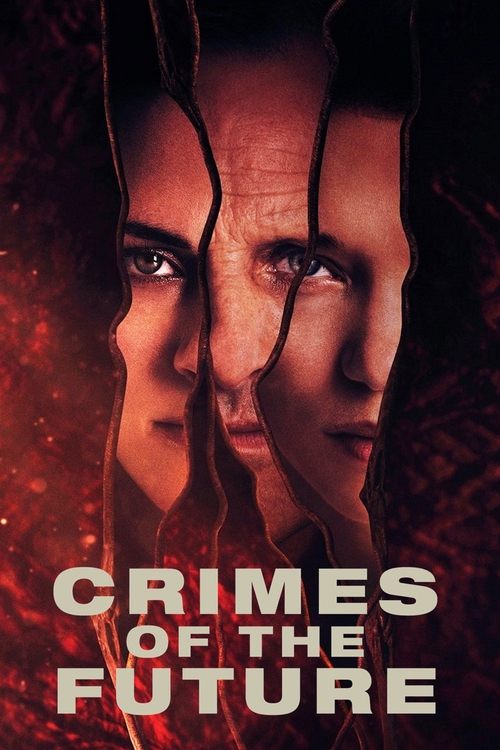
Franco adapted Sade twice, Stoker multiple times, Fu Manchu through five films, Leroux, Stevenson, and a handful of writers most filmmakers had never heard of. He was not a faithful adaptor, which is beside the point. He understood that pulp fiction and transgressive literature share a common DNA: both push past what social convention permits, both operate in a register of excess and fantasy. Readers of the source novels often find Franco maddening. Fans of the films, reading the sources afterward, often find the books illuminating. That is a useful loop.
Books for the same obsessions
Transgression, desire and gothic unease on the page


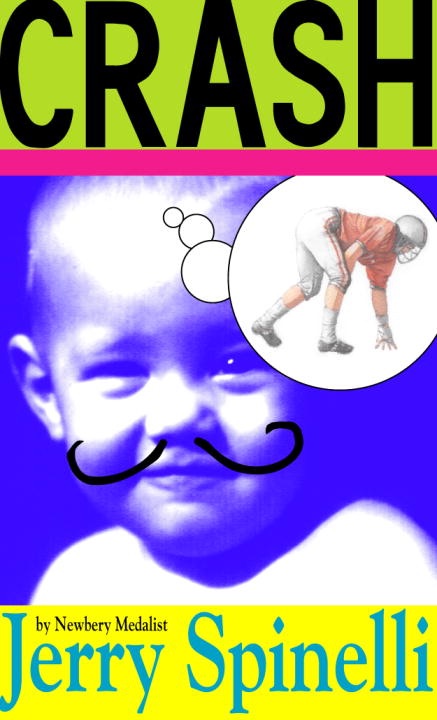
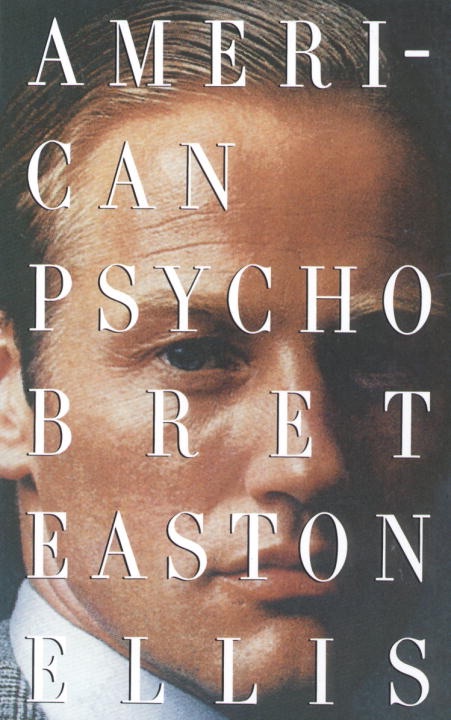

Franco never made a respectable film in his life. That was the point. Respectability is the enemy of cinema that actually disturbs you.CrossBinge editors
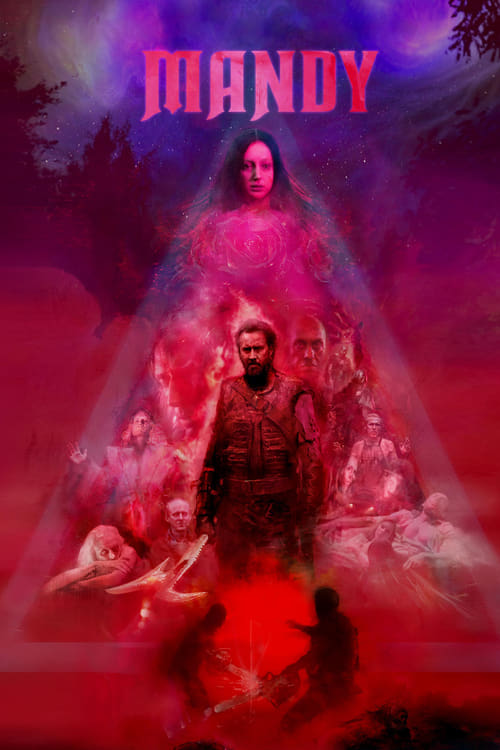
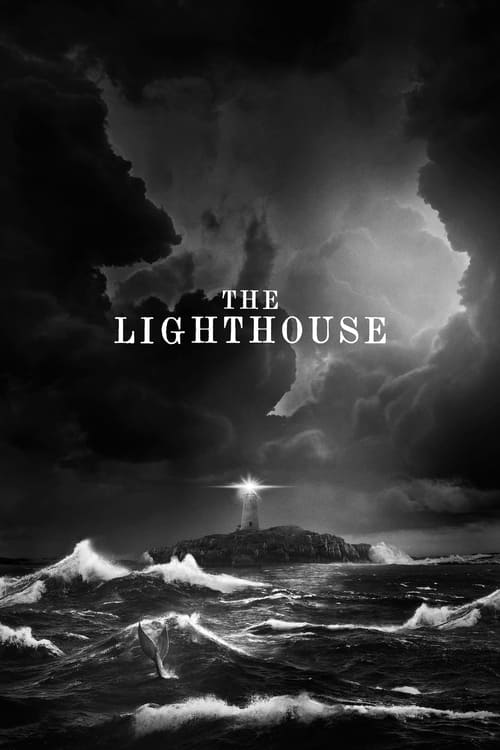
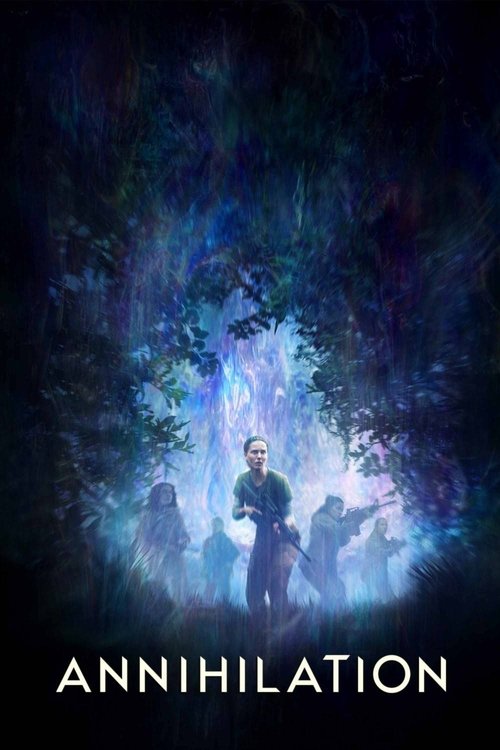
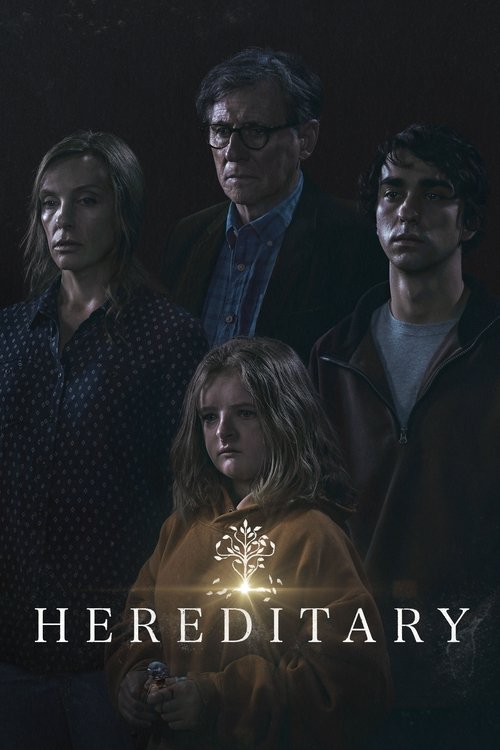
The spiritual successors
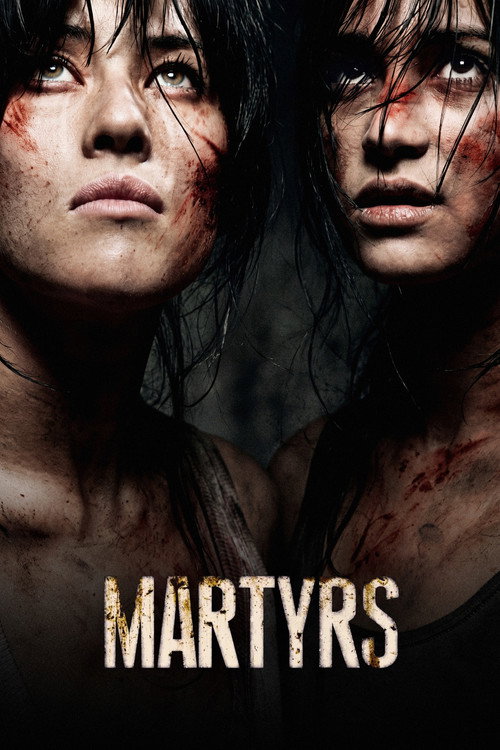
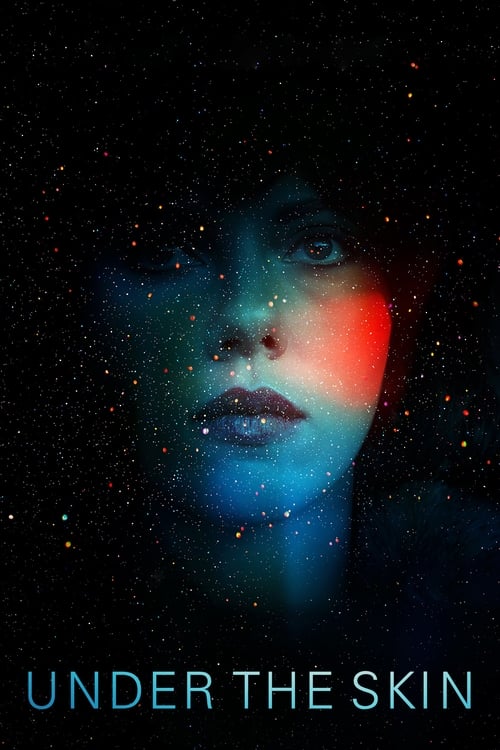
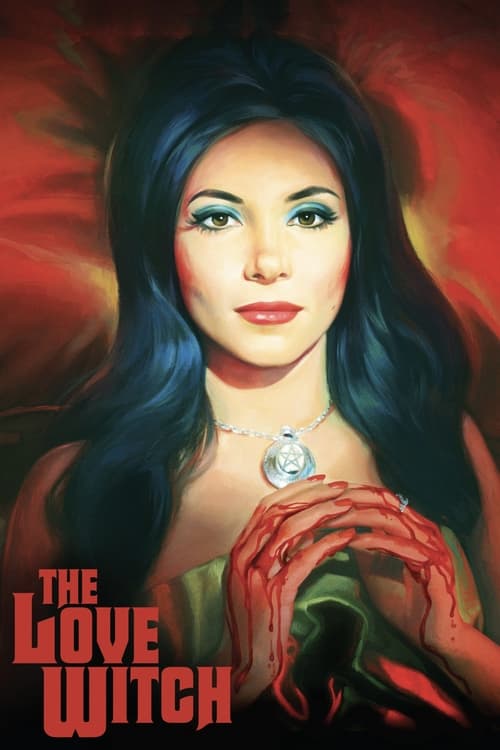
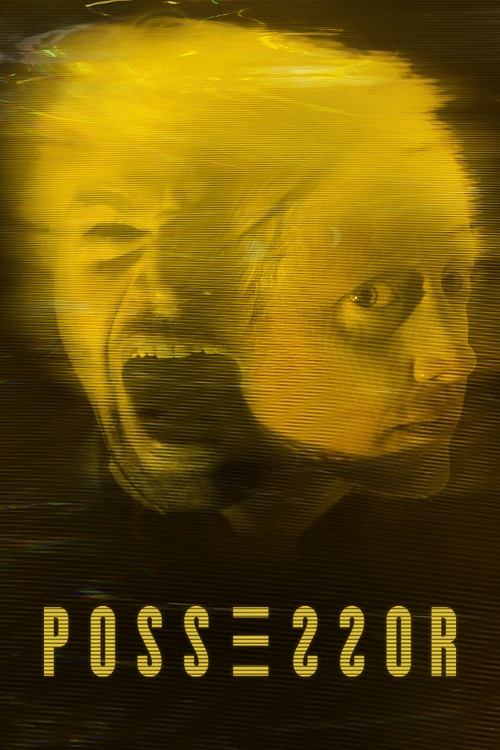
Filmmakers who inherited Franco's refusal to look away
What the slow zoom is actually doing
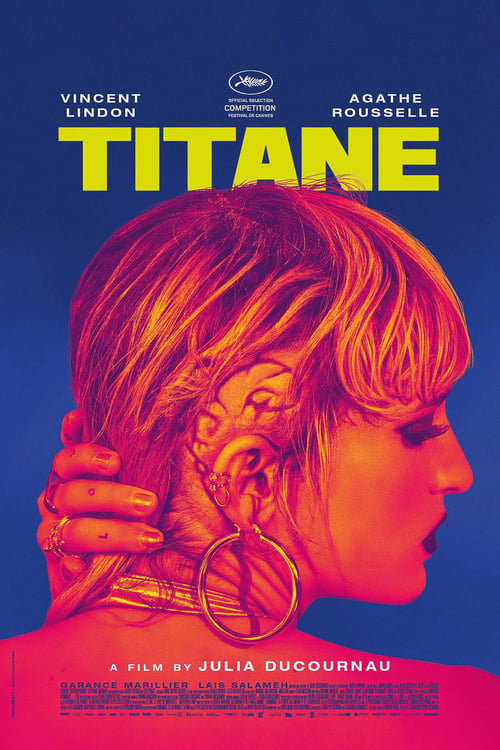
Franco's signature shot is the extended zoom onto a face or an object, held well past the point a conventional editor would cut. Directors who encounter it cold often read it as laziness or incompetence. Attentive viewers eventually notice that it functions as a shift in register: the image becomes something closer to a subjective impression than a scene. Franco used low-quality zoom lenses that introduced slight distortion and softness, which is inseparable from the effect. The camera is not describing events. It is describing a state of attention, or dissociation, or want.