
The cinema of flesh and dread
David Cronenberg is the Canadian filmmaker who made the body the site of all terror, desire, and transformation. The through-line across his entire career is always the same: the skin is not a barrier between self and world, it is the argument. Technology colonises the body. The mind rewrites the body. The body rebels against both.
Cronenberg's films feel like no one else's because they operate on a frequency between clinical and visceral. The camera does not flinch, but it also does not leer. There is a cool, almost scientific gaze trained on things that should be unwatchable, and that detachment is precisely what makes them so disturbing. His protagonists rarely scream. They adapt. They grow new apertures, new appetites, new organs. The horror is not that something terrible is happening to them. The horror is that they find it interesting.
What a Cronenberg fan craves across all media is that specific texture: transformation that is uncomfortably seductive, ideas that are genuinely dangerous, the sense that the flesh is just the first casualty of thought. This guide finds that feeling in film, TV, games, and books.
Essential David Cronenberg
The films, ranked not by prestige but by how deep they go




Body horror that holds up
Films where flesh becomes the battlefield



Technology and the self
When the machine rewrites the human






Literary body horror and transgression
Books with that clinical yet visceral Cronenberg pulse




Psychological dissolution on screen
Identity cracking under pressure, told with a cold eye

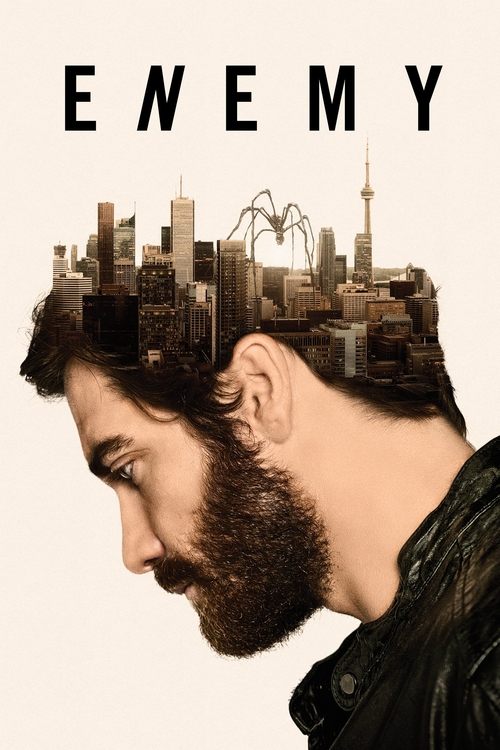
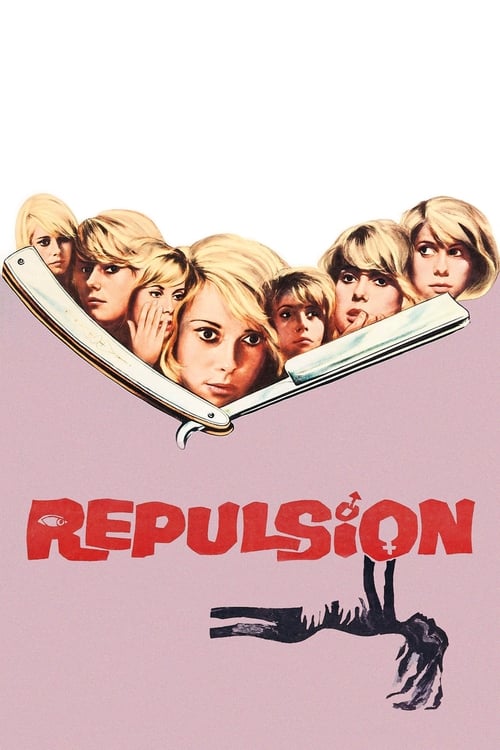
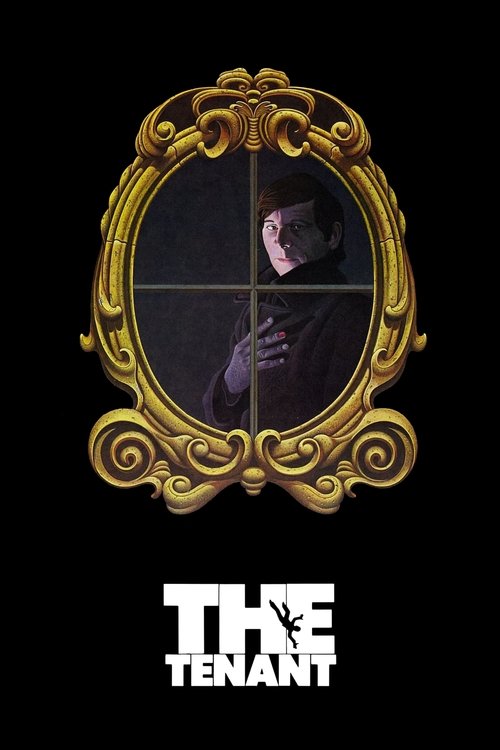
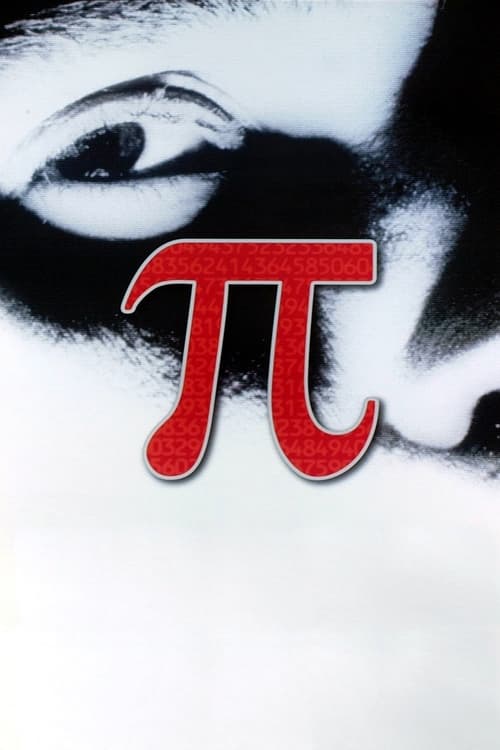

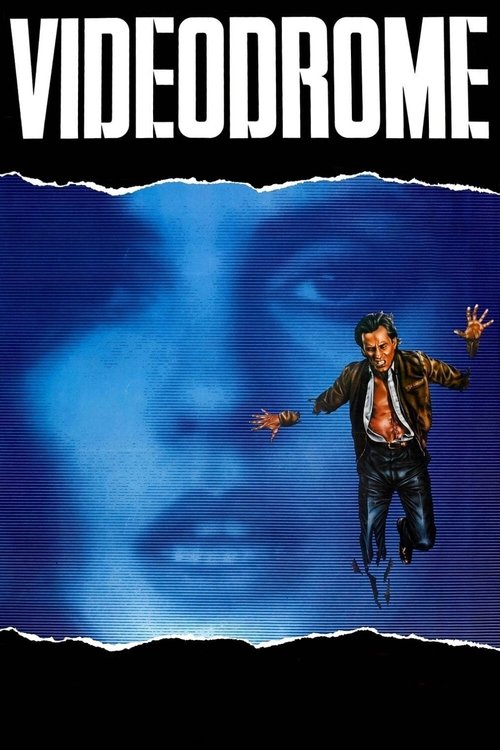
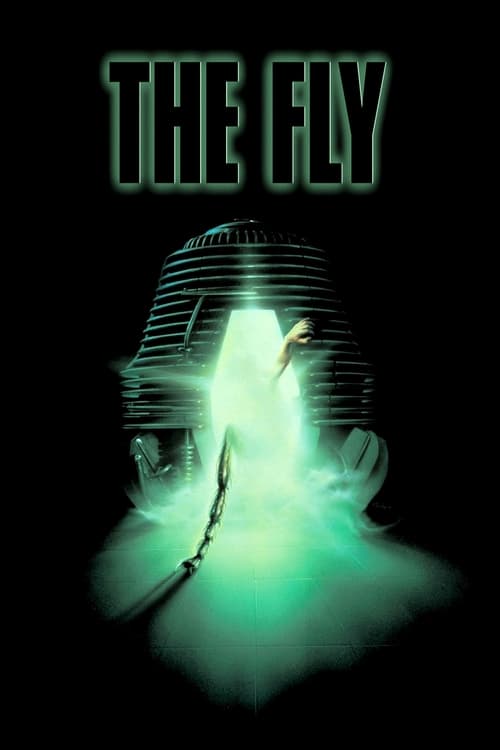
Start with Videodrome, not The Fly
The Fly is the more polished film, but Videodrome is the one that tells you exactly what Cronenberg is doing and why. It takes a trash premise (a cable TV programmer stumbles onto a snuff signal) and converts it into a full-blooded theory of media, desire, and the hallucination of selfhood. It is also genuinely difficult to parse on first viewing, which is the point. Come back to it after The Fly and it will read completely differently.
Dead Ringers is the underrated one
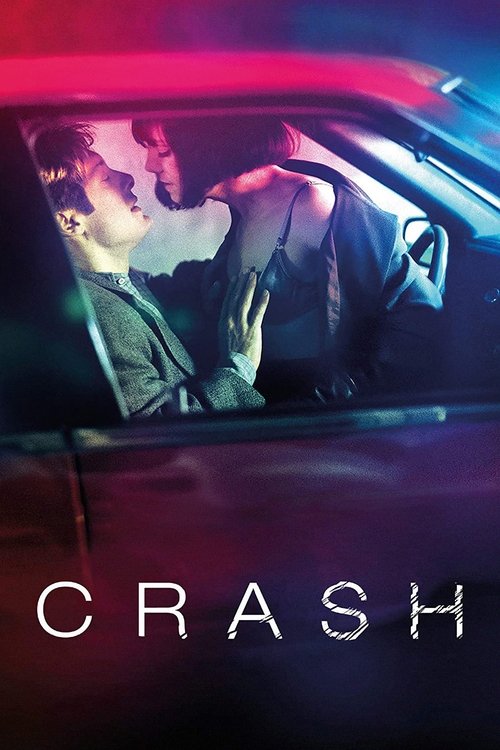
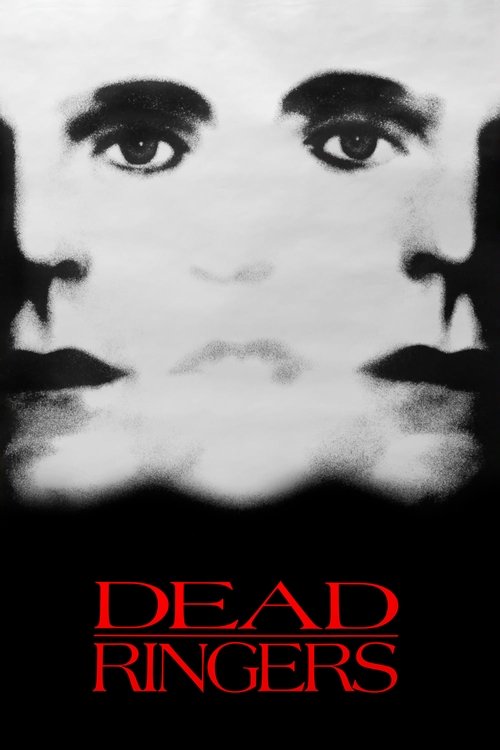
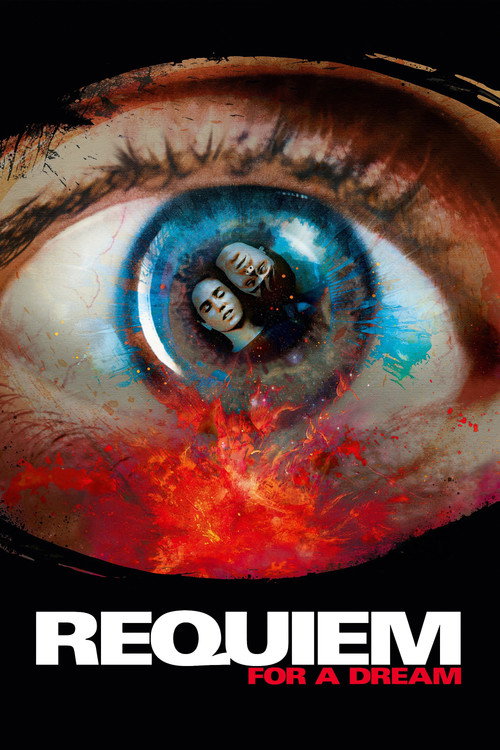
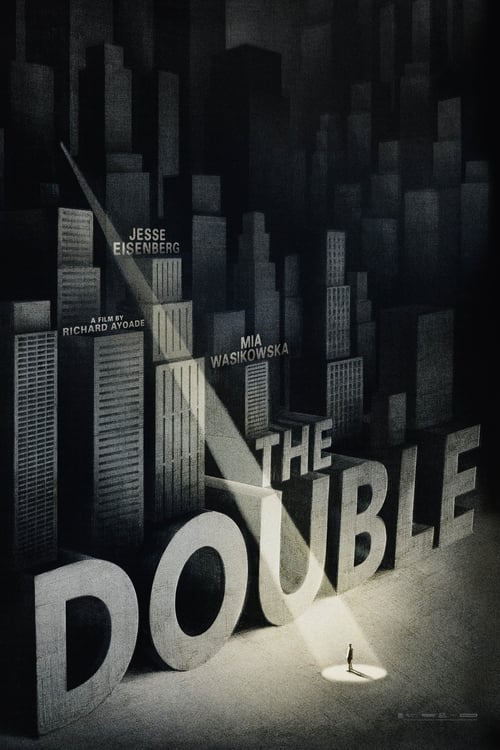
Crash and eXistenZ get the cult attention, but Dead Ringers is where Cronenberg's coolness reaches something close to devastating. Twin gynecologists collapsing into each other is a premise that could have been camp, and Cronenberg makes it genuinely tragic. Jeremy Irons gives two performances that are indistinguishable and completely different. It is the most emotionally honest film Cronenberg ever made, which is a strange thing to say about a film this cold.
Brandon Cronenberg is not just his father's heir
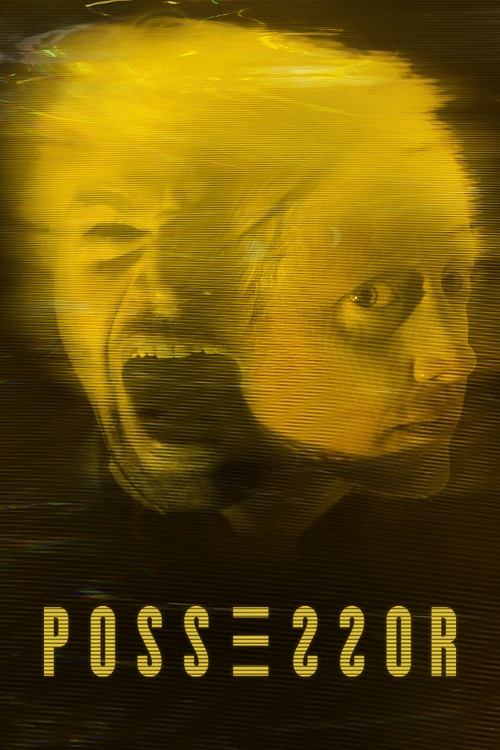
Possessor (2020) shares DNA with the Cronenberg canon so precisely that calling it derivative would be lazy. Brandon Cronenberg has a colder, more nihilistic sensibility than his father, less interested in seduction and more in pure erasure. The corporate assassination plot is almost irrelevant. The film is about what it feels like to not be inside your own body, and it is one of the most unpleasant experiences available in contemporary horror. That is a recommendation.
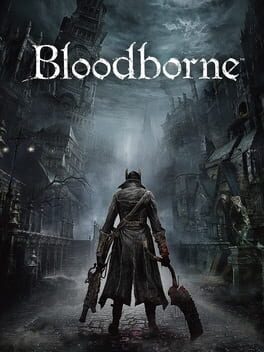
Bloodborne is the closest any game has come to Cronenberg's register
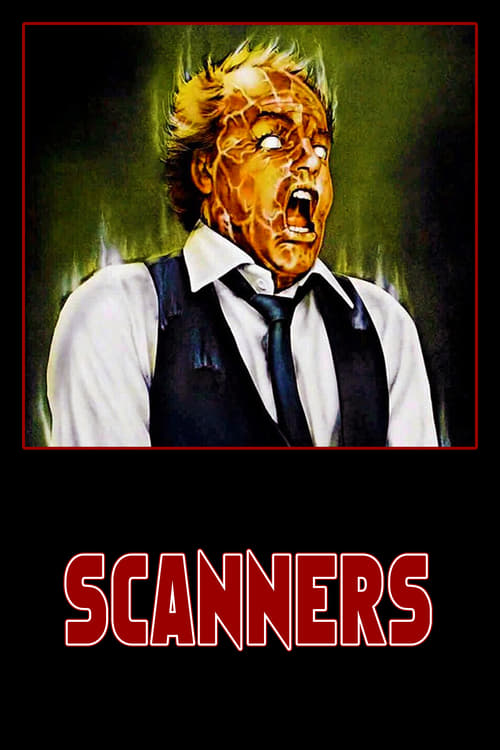
The late-game revelation in Bloodborne (the Great Ones, the cosmic birth, the transformation of the hunter) operates on exactly the logic Cronenberg has spent a career exploring: forbidden knowledge physically restructures the body that receives it. The Victorian setting is a false frame. The real subject is the same as Scanners, the same as The Fly: what happens to the flesh when the mind expands past what the flesh was designed to hold.
Cronenberg's career, in turning points
- 1975Shivers: parasites, bodies, and collective transformation Shivers
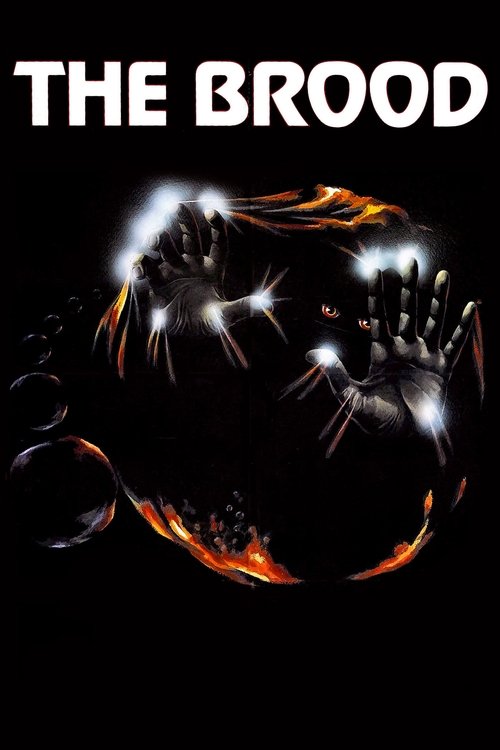
- 1979The Brood: psychological trauma made literal flesh The Brood
- 1981Scanners: the mind as weapon, the skull as battleground Scanners
- 1983Videodrome: his most radical statement on media and the body Videodrome
- 1986The Fly: body horror goes mainstream without going soft The Fly
- 1988Dead Ringers: coldness as emotional devastation Dead Ringers
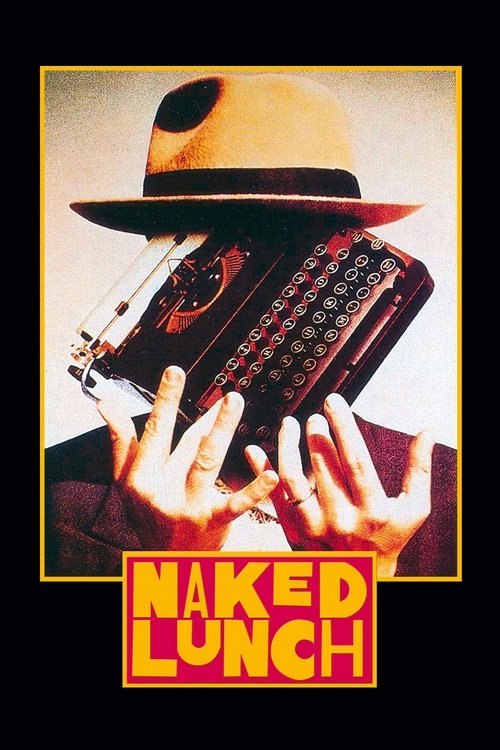
- 1991Naked Lunch: Burroughs adapted, reality fully dissolved Naked Lunch
- 1996Crash: transgression as theology Crash
- 1999eXistenZ: gaming, identity, and layered unreality eXistenZ
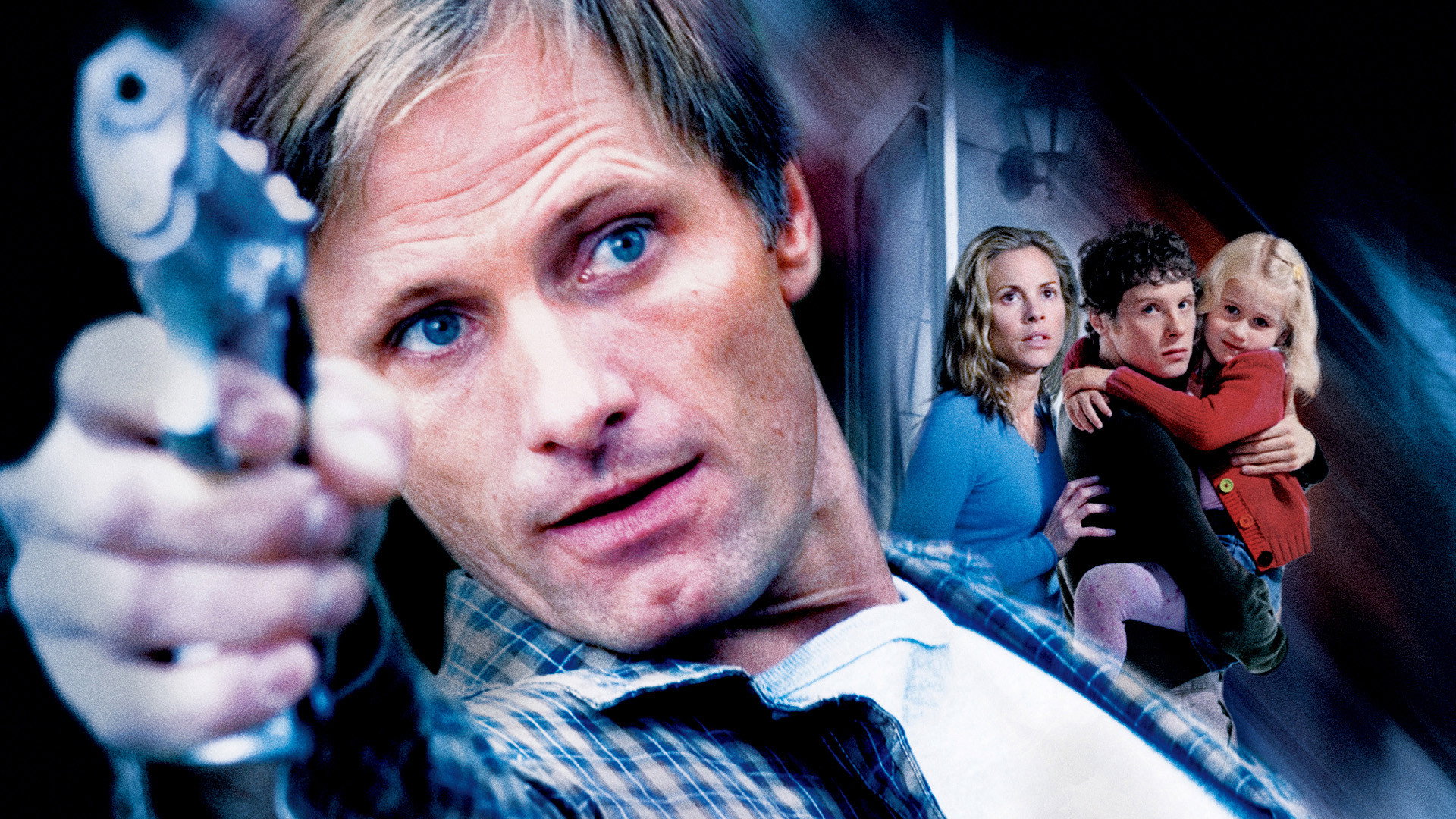
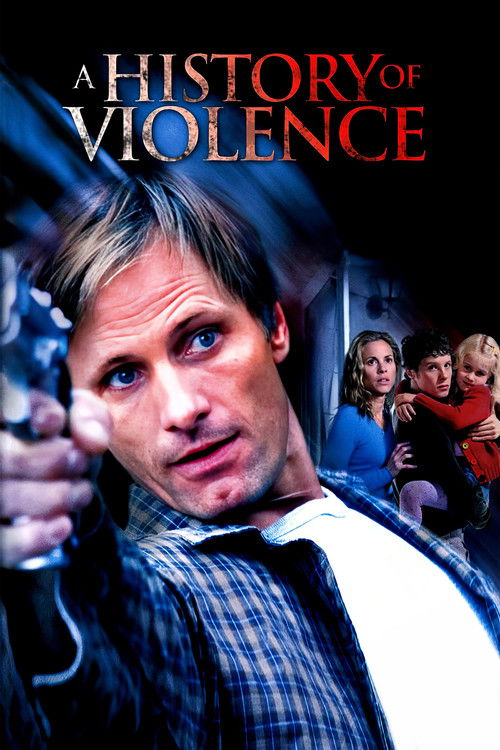
- 2005A History of Violence: genre as philosophical trap A History of Violence
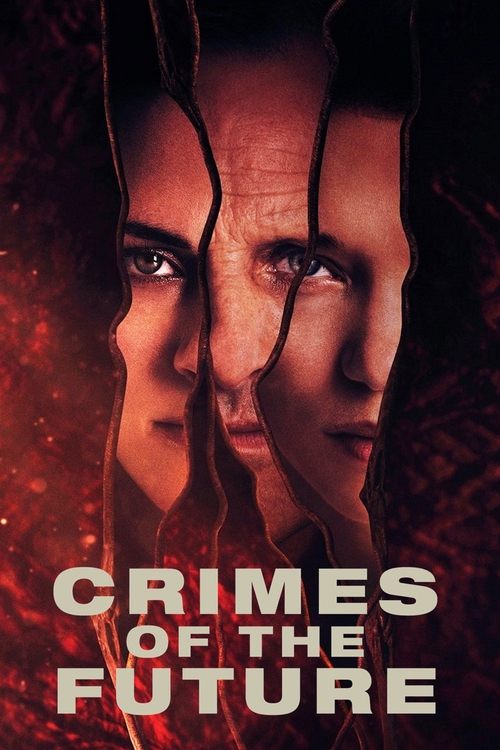
- 2022Crimes of the Future: surgery as performance, flesh as art medium Crimes of the Future
More flesh, code, and transformation
Body Horror
Explore the Body Horror guide →Long live the new flesh.Videodrome (1983)