

Joaquin Phoenix does not play characters so much as he becomes them: the compulsive rhythm of his hands, the fractured logic of his speech, the way his body seems to hold some private grief even in stillness. Across three decades, he has built one of the most genuinely strange and consistently thrilling filmographies in American cinema, moving from tortured country icons to disaffected cult followers to a man who falls in love with his operating system to a feral, capering Joker. The through-line is interior collapse made visible. Phoenix finds the part of a person that is barely holding it together and films it in real time. Fans who respond to that quality tend to gravitate toward work in every medium that shares the same preoccupation: obsession, identity under pressure, the unreliable narrator, and performances or stories that refuse to reassure you.
Essential Joaquin Phoenix
The films that define his range, from gospel singer to gladiator to a man undone by longing










The Method of Unraveling
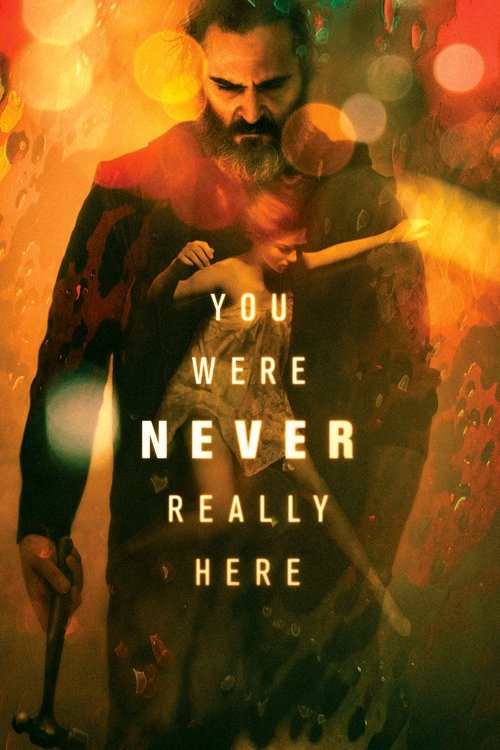
Phoenix's greatest performances share a structural quality: he plays people whose grip on a version of themselves is slipping. Arthur Fleck in Joker, Freddie Quell in The Master, and Joe in You Were Never Really Here are each men constructing an identity from damaged materials and failing to hold it together. This is not psychological realism in the conventional sense. It is something closer to expressionism rooted in physical precision. Watching him, you feel the cost of a person trying to exist.
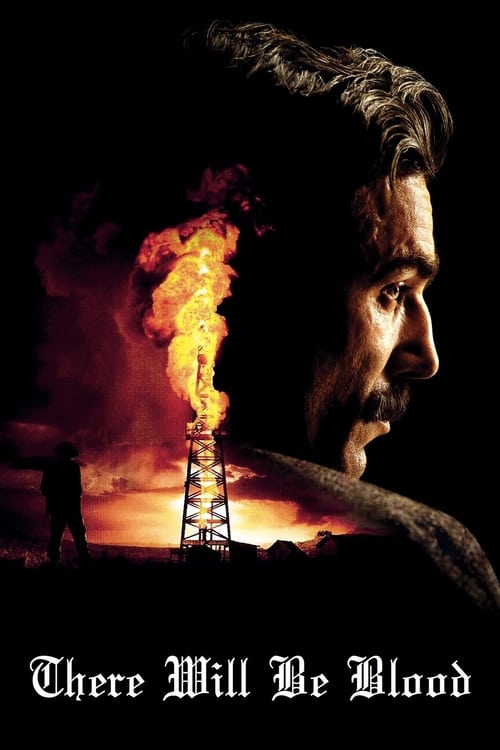
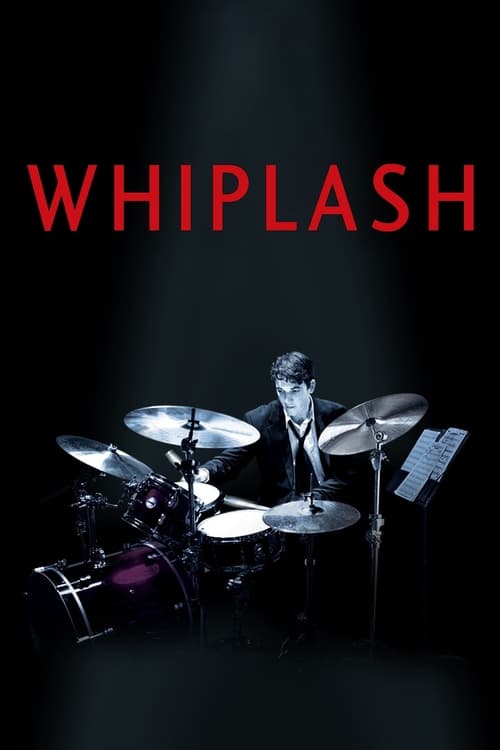
Same Vibe: Other Actors Who Disappear Into the Role
Films built around performances of equal interior intensity and commitment



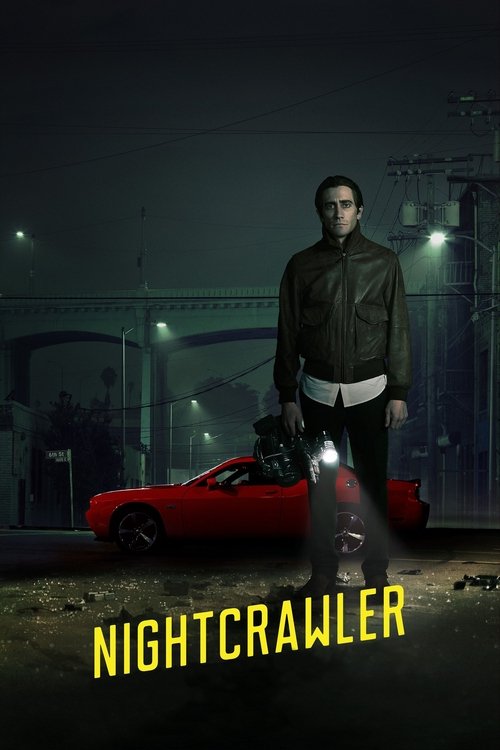



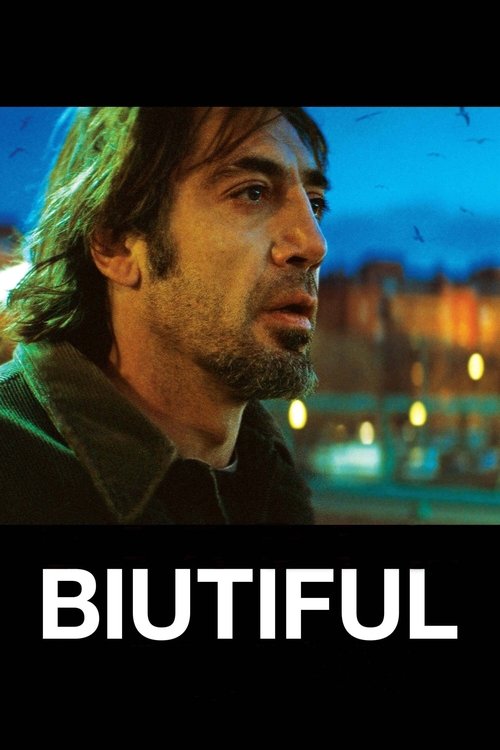
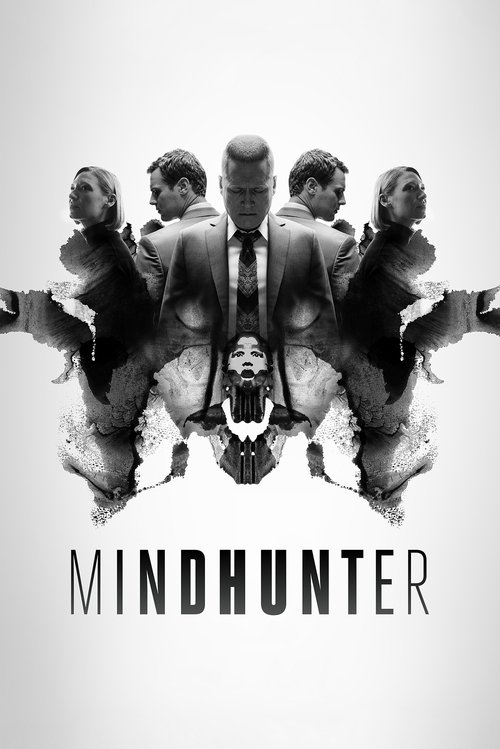
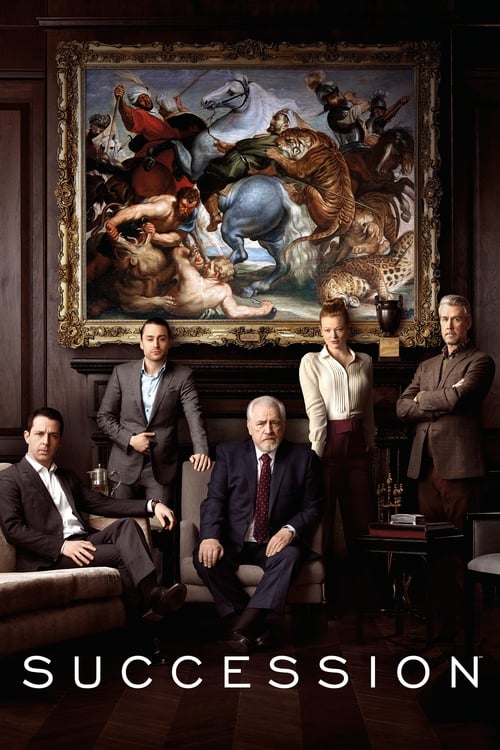
Series With the Same Unsettling Interior
TV that trusts difficult, obsessive protagonists the way Phoenix's best films do






Her and the Literature of Longing
Spike Jonze's Her gave Phoenix the strangest love story of his career: a man emotionally closer to his AI than to any person in his life. It is also, quietly, one of the best adaptations of a certain strand of literary loneliness, comparable to novels that ask what intimacy actually requires and what we are willing to settle for. Fans of that film tend to find the same ache in Philip K. Dick's work and in the fiction of writers like Paul Auster or Don DeLillo, where interiority becomes its own world.

The Books His Films Adapt or Inhabit
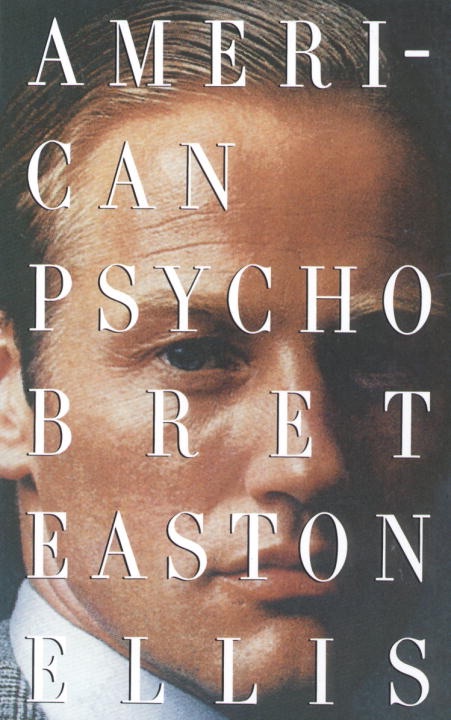
Fiction that shares the obsession, paranoia, and moral ambiguity of Phoenix's best work



Games That Share the Same Psychological Intensity
Experiences built around fractured identity, unreliable perception, and moral weight






Walk the Line and the Music Behind the Man
Phoenix spent months learning to sing and play guitar for Walk the Line, and the result is not an imitation of Johnny Cash but a study in how a voice carries damage. The film belongs to a tradition of music biopics that are really about self-destruction as creative fuel. Cash's catalog arrives in the film as emotional evidence, and hearing the original recordings afterward becomes a different experience. The same dynamic holds for the films Ray and Control, where the music is inseparable from the psychological portrait.


Music for the Phoenix Mood
Albums and artists whose emotional register matches the films: dark country, singer-songwriter confession, raw American sounds
Paul Thomas Anderson's World
Phoenix has made three films with Paul Thomas Anderson, and together they constitute the most sustained actor-director collaboration in contemporary American cinema. The Master is the peak: a post-war drifter locked into a charged, possibly destructive relationship with a charismatic cult leader. Anderson's films reward patience and revisiting, and the Phoenix performances in them work the same way. Each viewing reveals mechanics that were invisible before. Inherent Vice, for all its comic surface, contains some of Phoenix's most subtle work.
A Career in Transformation
- 1989First credited role in SpaceCamp, then early work in Parenthood Parenthood
- 1995Breakthrough in To Die For alongside Nicole Kidman To Die For
- 1995Acclaimed supporting turn in Inventing the Abbotts
- 2000Oscar nomination for Gladiator as the villain Commodus Gladiator
- 2005Walk the Line: sings and plays Cash live, second Oscar nomination Walk the Line
- 2008Two Lovers: a quiet, heartbreaking turn largely overlooked Two Lovers
- 2010I'm Still Here: the staged breakdown documentary with Casey Affleck I'm Still Here
- 2012The Master: third Oscar nomination, widely considered his masterpiece The Master
- 2013Her: fell in love with an AI and somehow made it plausible Her
- 2014Inherent Vice: loose, funny, and stranger than it first appears Inherent Vice
- 2018You Were Never Really Here: violence as trauma symptom, not spectacle You Were Never Really Here
- 2019Joker: Oscar winner, box office sensation, and genuinely divisive art Joker
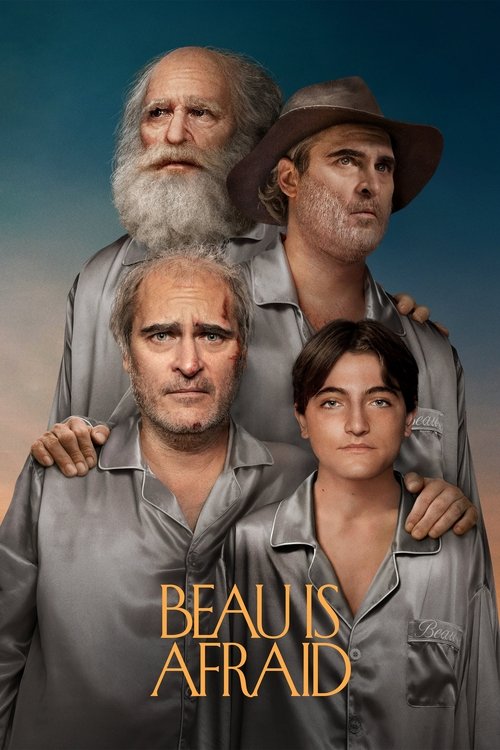
- 2023Beau Is Afraid: Ari Aster's three-hour anxiety dream, Phoenix at his most extreme Beau Is Afraid
Tormented loners, total transformation
For Fans of Paul Schrader
Explore the For Fans of Paul Schrader guide →He makes you feel like you are watching something private that was never supposed to be filmed.CrossBinge