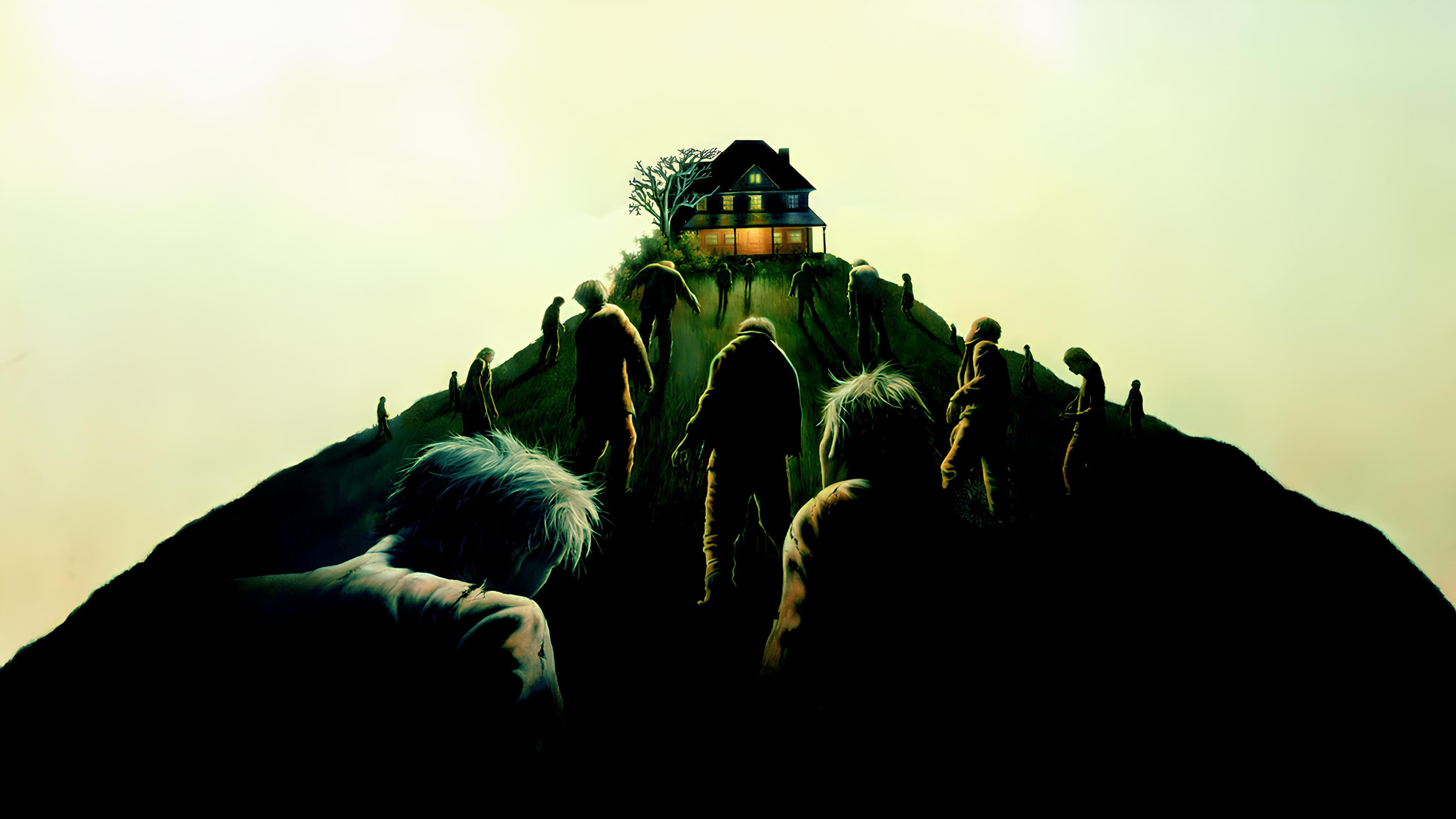

The Man Who Made Too Many Films
Aristide Massaccesi shot under so many pseudonyms that even devoted fans lose count of his credits. Joe D'Amato was simply the most durable alias. Working out of Rome from the late 1960s through the 1990s, he operated at the furthest margins of Italian genre cinema: horror, erotic thriller, sword-and-sorcery, cannibal film, hardcore pornography. He was a cinematographer first, and that mattered. His best work has a tactile, light-soaked quality, a sense that the camera actually went somewhere genuinely unpleasant to capture something genuinely unpleasant.
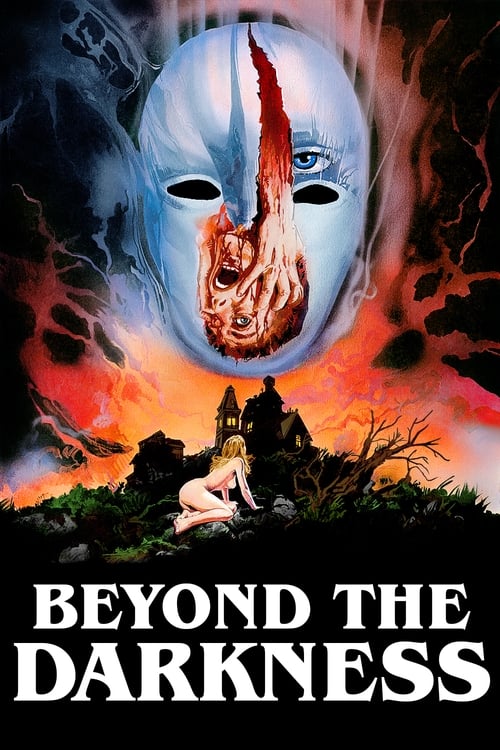
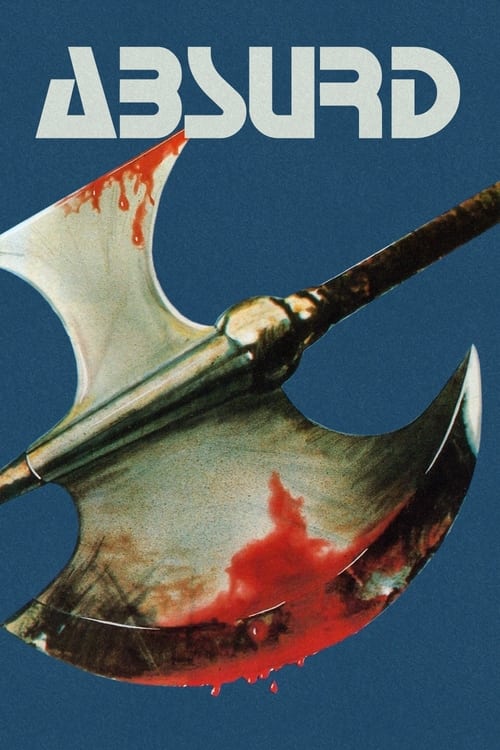
The films that earned him a cult are the ones that collapse genre barriers entirely. Anthropophagus (1980) is a slow, almost patient stalker film that turns grotesque in its final act. Beyond the Darkness (1979) is something stranger: a grief film that happens to involve taxidermy and cannibalism. Absurd (1981) rides the coattails of the American slasher boom but drags it somewhere more feverish. The through-line is less gore-as-shock and more atmosphere as weapon: heat, isolation, a sense that something has already gone badly wrong before the film even begins.
Fans of D'Amato's work have a specific appetite. They want cinema that treats bad taste as an aesthetic choice rather than an accident. They want films from that particular Italian window, roughly 1975 to 1985, when low budgets and loose regulation produced a genuinely strange body of genre work that no other national cinema could or would replicate.
Essential Joe D'Amato
The films that define the man and the myth



Italian Horror at Its Strangest
The wider ecosystem D'Amato inhabited and fed
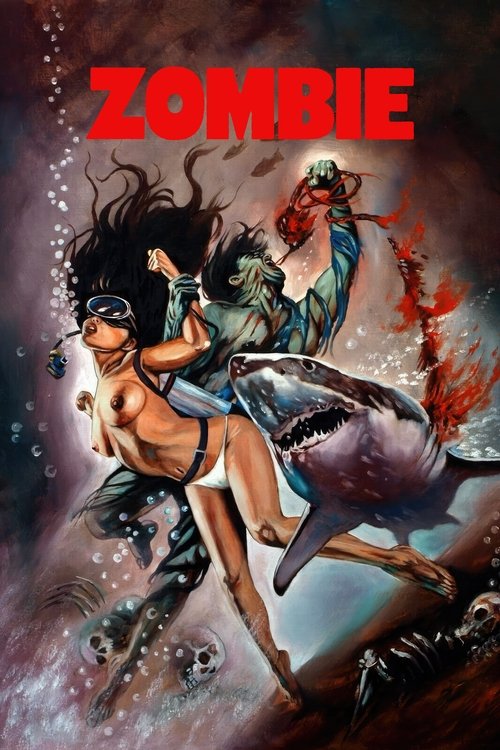
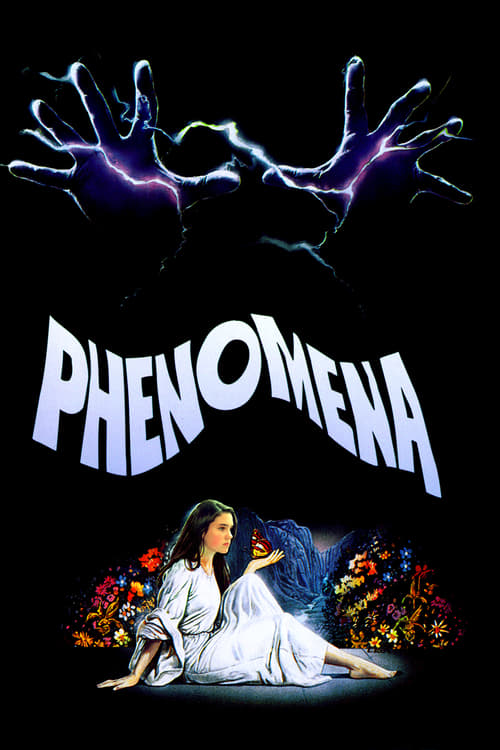
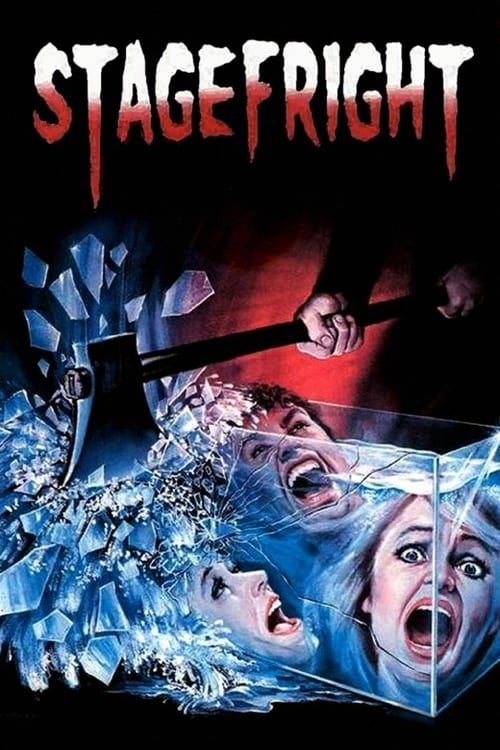


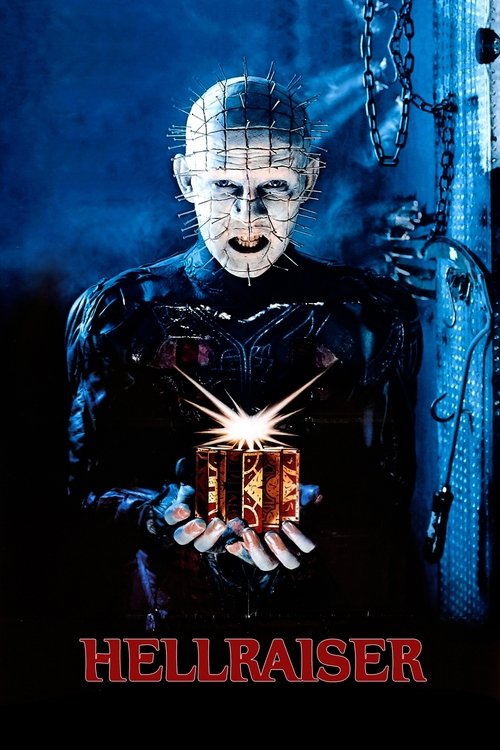
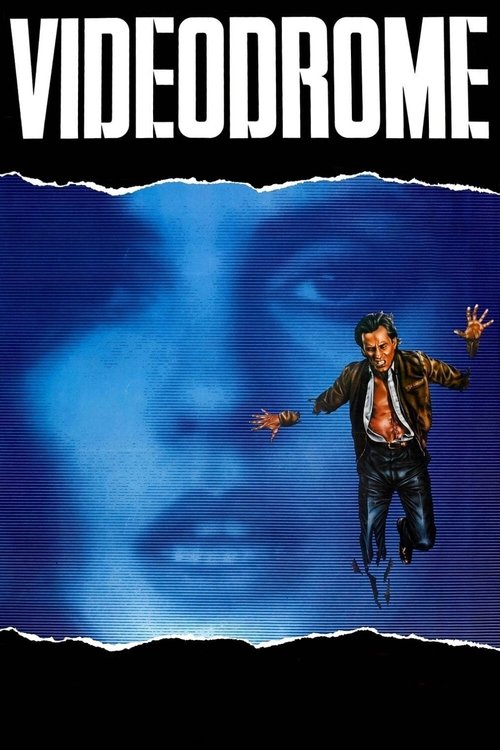
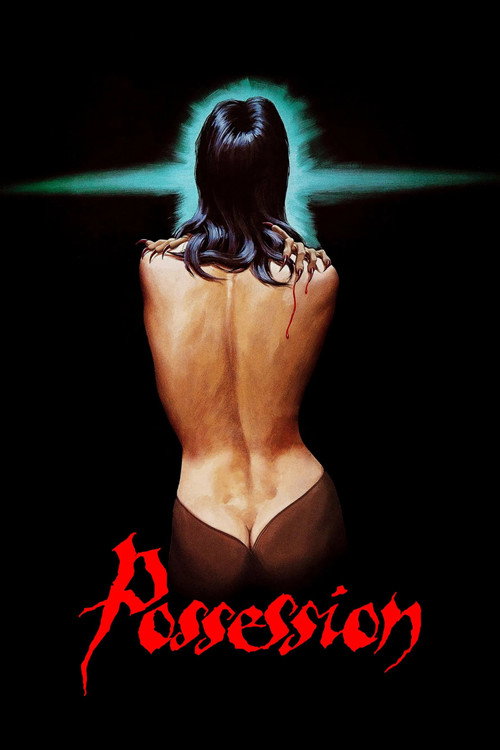
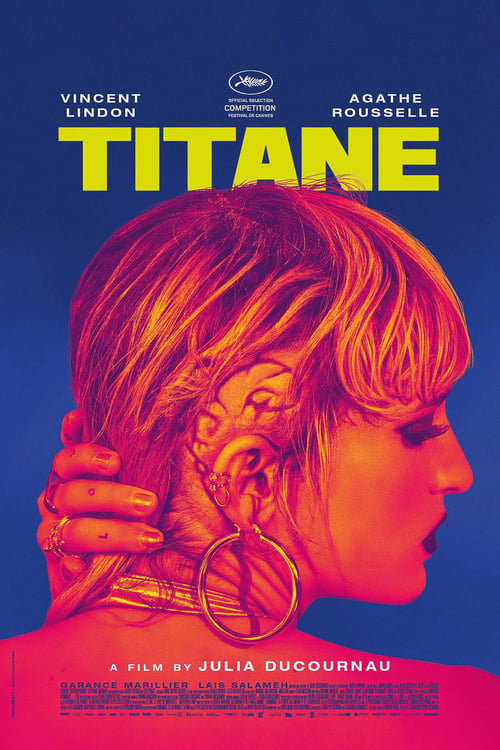
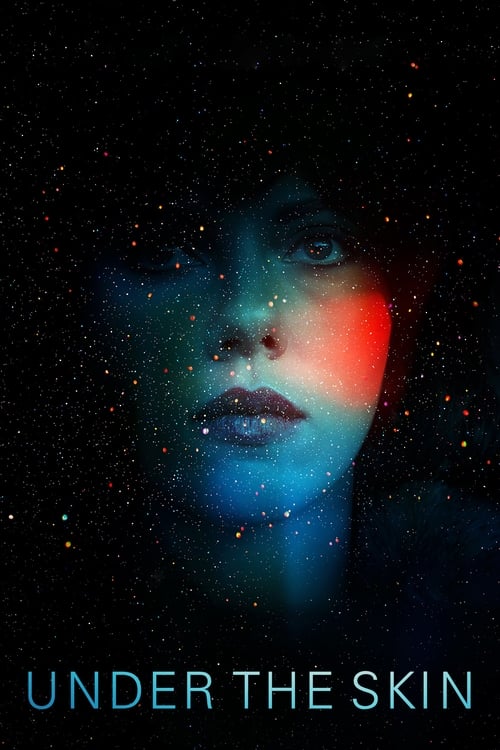
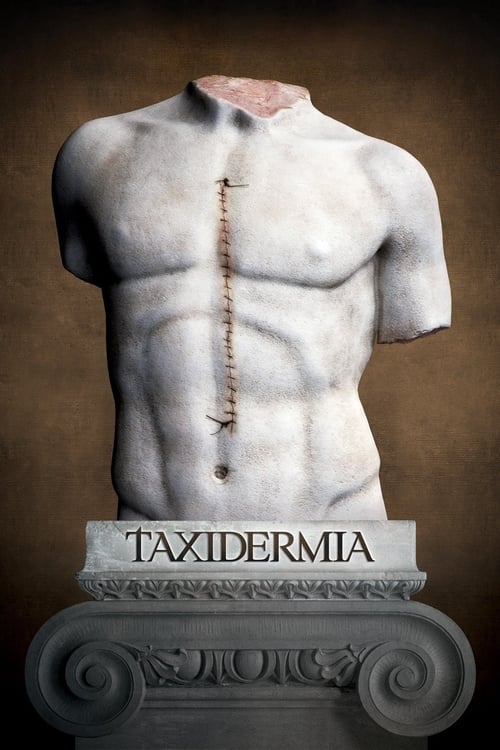
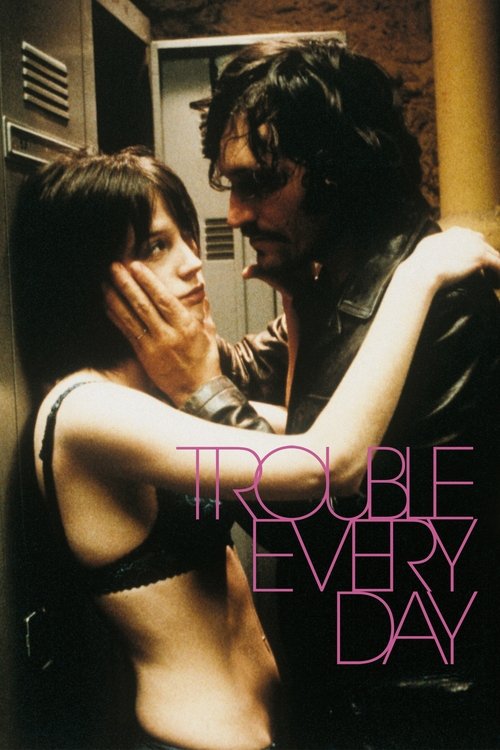
Grief, Obsession and Transgression
Films that share the psychological rot at D'Amato's best work



The Italian Exploitation Bookshelf
Pulp fiction and transgressive novels that share the same lurid energy




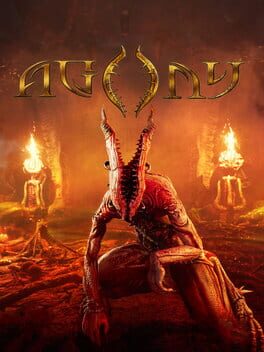
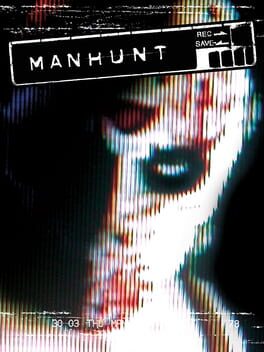
Games That Go Where Most Won't
Games sharing that commitment to atmosphere and transgression


Start with Beyond the Darkness
Beyond the Darkness (1979) is the film to give someone who wants to understand D'Amato's specific gift. It is genuinely uncomfortable in a way that has nothing to do with shock cuts. The film takes its time. The Goblin score is one of their strangest. By the end you feel you have sat through something you probably should not have, which is precisely the point. Start here, not with Anthropophagus. The notoriety of the later film has made it into a test of endurance. Beyond the Darkness is a portrait of grief that went somewhere grief was never supposed to go, and D'Amato photographs it with real craft.
Anthropophagus is more patient than you remember
Most people know Anthropophagus (1980) for one scene near the end. That reputation buries how strange and slow the film actually is. D'Amato shoots the Greek island locations like a postcard that has begun to rot. The threat builds across long stretches of near-nothing. The tourists feel genuinely lost in a place that does not want them. When the film finally delivers its horror, it lands harder because the slow burn was real. The finale earns its infamy. The 90 minutes before it does not get nearly enough credit.
The spiritual successor is Raw (2016)
Julia Ducournau's Raw does for French veterinary school what D'Amato did for Italian rural dread: it makes a specific, ordinary environment feel like a place where the rules of the body simply do not apply. The cannibalism is metaphor and it is also literal. Like D'Amato's best films, it refuses to let the horror off the hook by making it purely symbolic. It is also, underneath the transgression, a precise film about sisterhood and becoming. D'Amato was never that precise. The comparison still holds.
Death Smiles on a Murderer is the underrated one
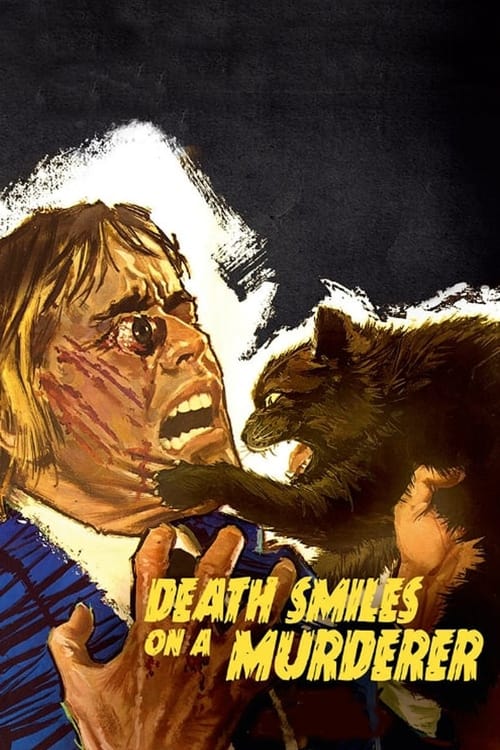
Death Smiles on a Murderer (1973) comes from earlier in D'Amato's career, when he was still working within the Gothic horror tradition. It is more polished than his later work and, for that reason, less discussed. That is a mistake. The atmosphere is genuinely oppressive, the mystery holds together by giallo standards, and it shows the craftsman behind the provocateur. If you watch it after Anthropophagus you will understand how D'Amato got from trained cinematographer to the most notorious director in Italian exploitation: he knew exactly what he was giving up.
D'Amato's Career in Phases
- 1972Debuts as director with Gothic horror
- 1973Death Smiles on a Murderer, his most Gothic film Death Smiles on a Murderer
- 1975Begins the Black Emanuelle series as cinematographer and director
- 1979Beyond the Darkness, his most personal horror film Beyond the Darkness
- 1980Anthropophagus, his most notorious work Anthropophagus II
- 1981Absurd, his answer to the American slasher boom Absurd
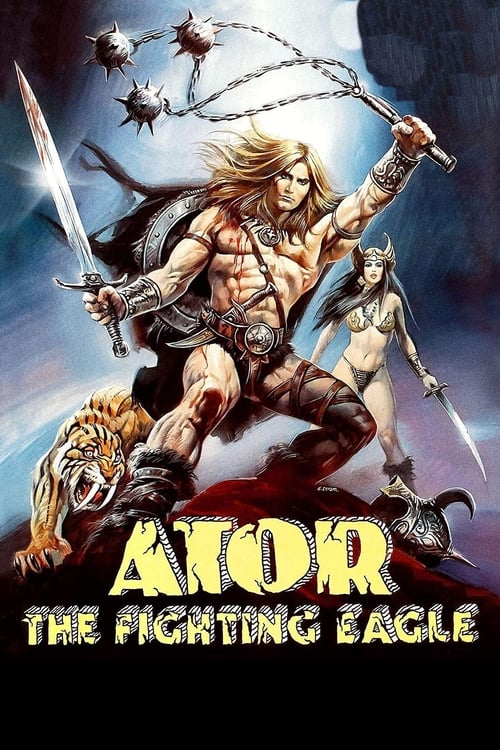
- 1982Ator the Fighting Eagle, a pivot to sword-and-sorcery Ator, the Fighting Eagle
- 1988Begins prolific work in hardcore adult features under further pseudonyms
- 1999Dies in Rome, having directed over 200 films by most counts
Italian exploitation and lurid horror
For Fans of Jesús Franco
Explore the For Fans of Jesús Franco guide →D'Amato was not trying to be Fellini. He was trying to make something you could not look away from. In his best work, he succeeded completely.CrossBinge editors