

The Man Who Loved Losers With Dignity
John Huston spent half a century making films about people who want something badly enough to destroy themselves getting it. Not anti-heroes exactly, and never villains by design: just men and women gripped by an obsession, a score, a legend, a principle, right up until the moment it costs them everything. That through-line runs from the shabby San Francisco offices of The Maltese Falcon to the snowy Dublin streets of The Dead, across gold-rush mountains and West African rivers and Mexican fishing towns, and it never gets stale because Huston was genuinely curious about failure. He found it instructive, even beautiful.
The texture of a Huston film is specific: the light has real weight, the dialogue trusts silence, and the landscape is always a character with opinions. He came out of painting, boxing, and hard living before he ever touched a camera, and every frame shows it. A Huston fan is not just a film buff. They are drawn to a particular kind of seriousness, a moral intelligence that never preaches, and a deep, affectionate suspicion of every form of glory.
Essential John Huston
The films that define a singular career, from his debut to his valediction
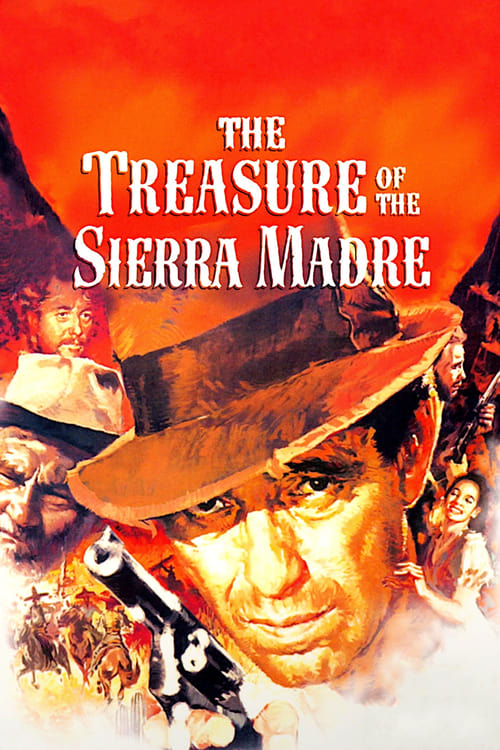


Start here: The Treasure of the Sierra Madre
If you are coming to Huston fresh, start with The Treasure of the Sierra Madre (1948). It has everything at once: the adventure setup that slowly turns into a character study, the mounting paranoia, Humphrey Bogart doing the bravest work of his career by playing completely against his own myth. By the time the ending lands, it has said something precise and permanent about greed that no amount of later theorizing has improved upon. It is also a tremendous watch: propulsive, funny in places, heartbreaking in others.
The Great American Obsession Story
Films about men and women consumed by what they cannot have


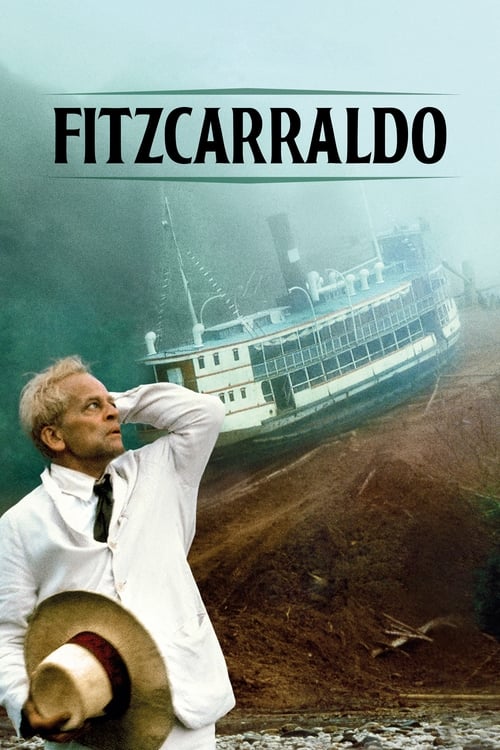
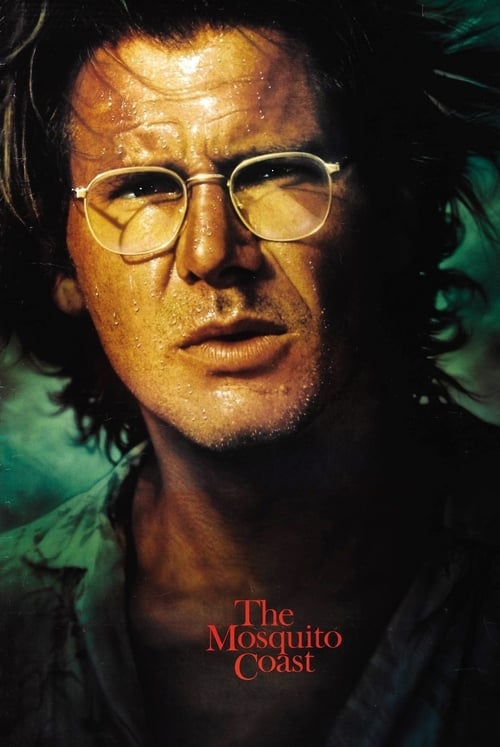
Adventure at the Edge of the World
Harsh landscapes, questionable plans, and the particular freedom of being very far from home




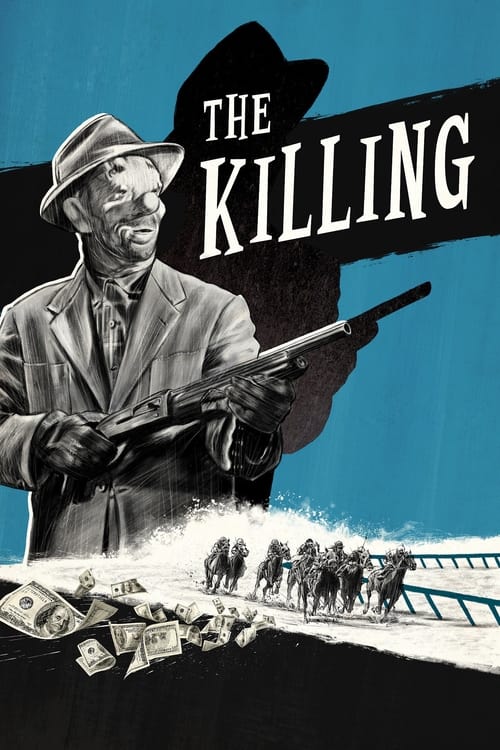
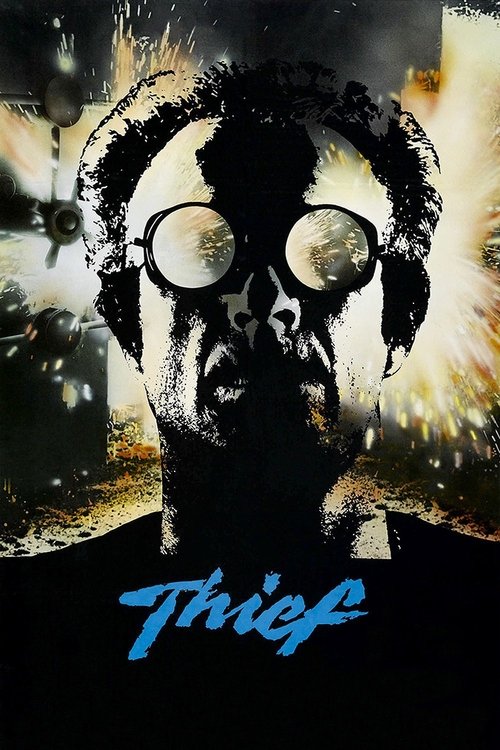
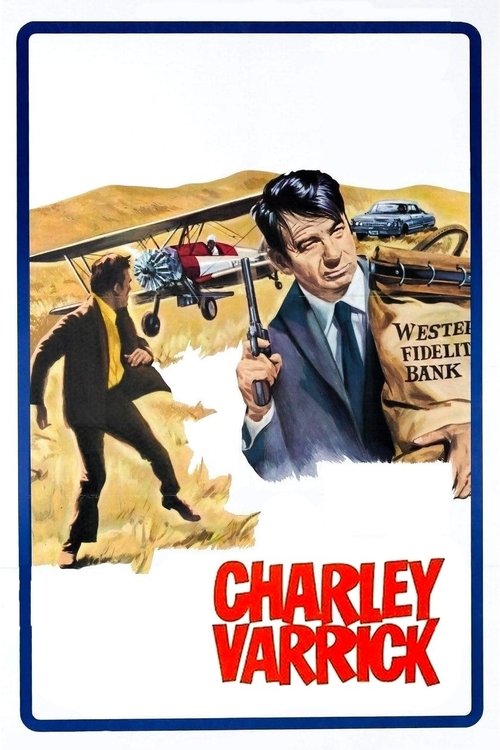
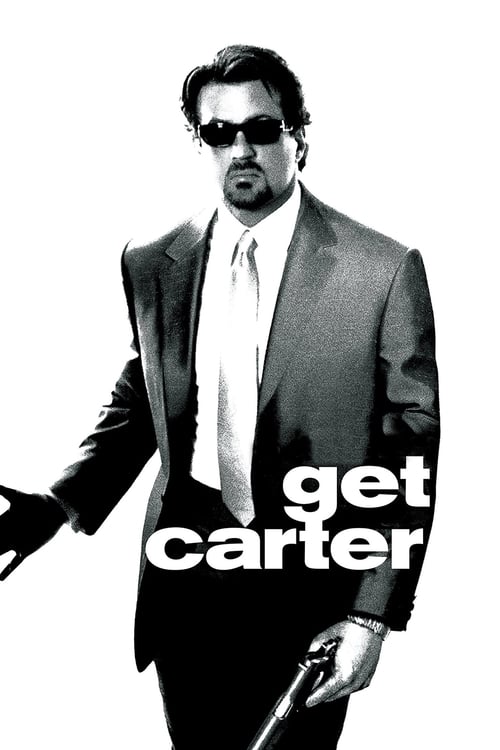
Crime, Greed, and the Heist That Goes Wrong
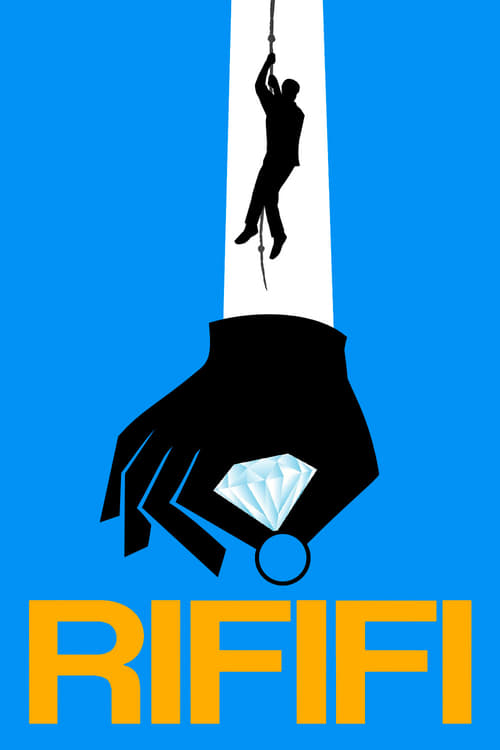
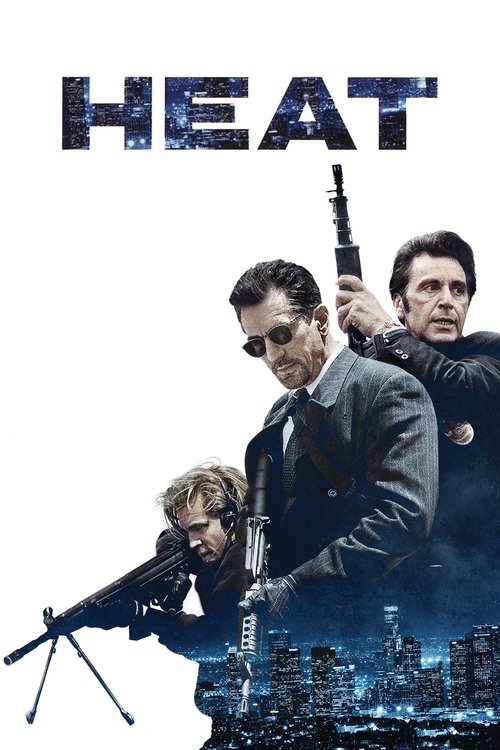
From The Asphalt Jungle outward: the genre Huston essentially invented for American film

The underrated one: Fat City (1972)
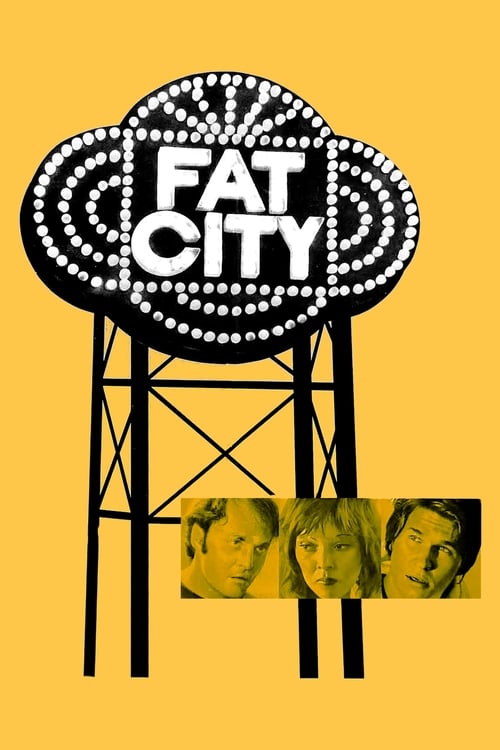
Fat City is the film Huston made when he stopped trying to be epic and just looked at the ground beneath his feet. It is about two boxers in Stockton, California, one on the way down and one who may never get off the ground, and it is maybe the most honest portrait of working-class male failure in American cinema. Stacy Keach and Jeff Bridges are extraordinary, and Huston shoots it with such patience and such refusal of sentiment that it almost hurts to watch. Critics undervalued it for decades because it is small by design. That is precisely the point.
A man does not choose his obsession. He discovers it has already chosen him. That is the oldest story in any medium, and no one told it better than Huston.CrossBinge editors
The spiritual successor: No Country for Old Men
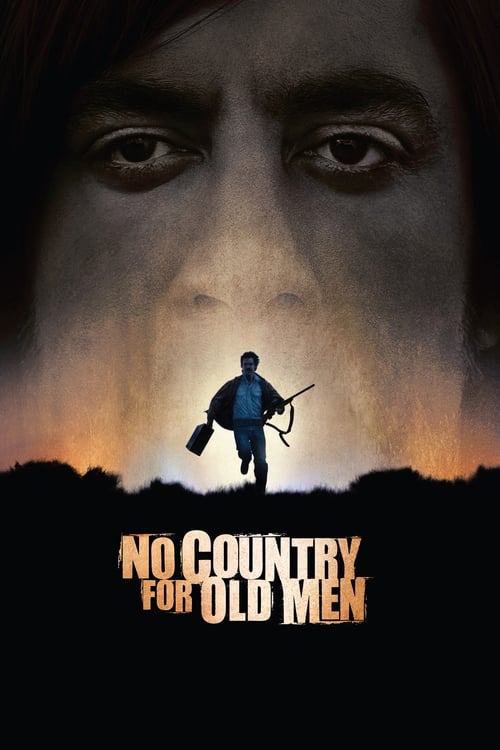
The Coen Brothers' No Country for Old Men (2007) is the film Huston would have made if he had been working in the 2000s, complete with the landscape as moral weathervane, the inevitability of violence, and the central figure who pursues something until the pursuit becomes the whole of his existence. Tommy Lee Jones' sheriff narrator would fit seamlessly into the moral universe of The Treasure of the Sierra Madre. It is the best argument for Huston's continued relevance: the questions he was asking are still the right ones.

John Huston: A Career in Milestones
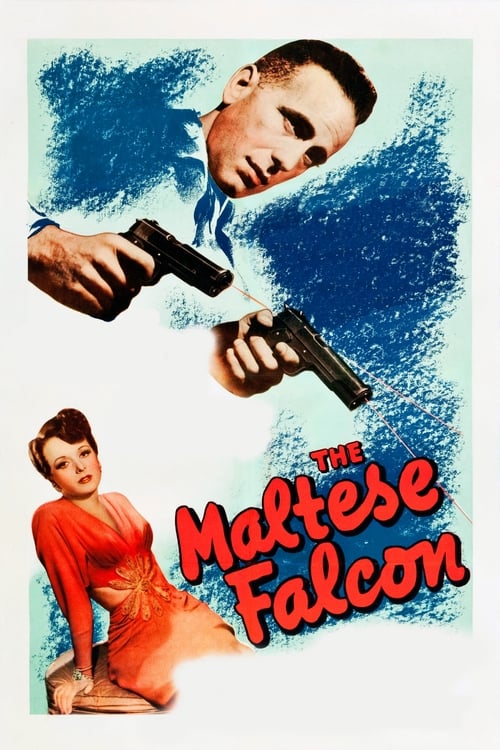
- 1941Directorial debut with The Maltese Falcon The Maltese Falcon
- 1948The Treasure of the Sierra Madre wins two Oscars The Treasure of the Sierra Madre
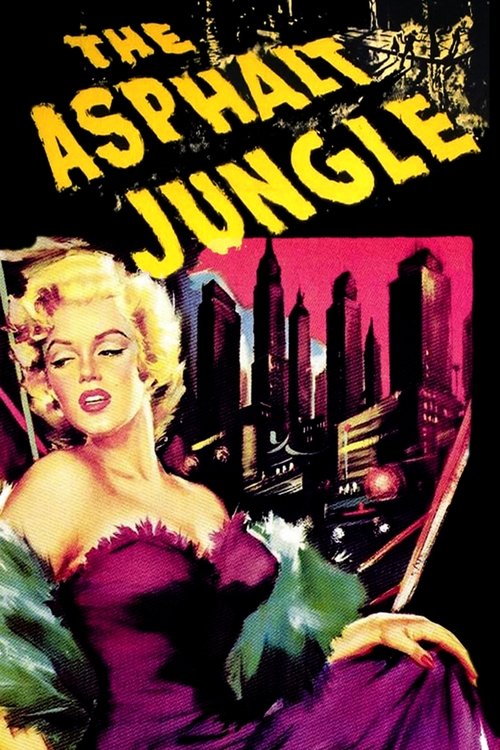
- 1950Invents the modern heist film with The Asphalt Jungle The Asphalt Jungle
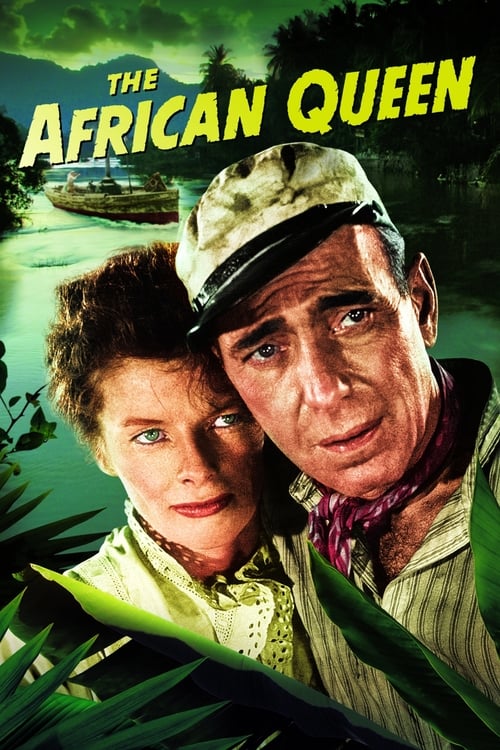
- 1951The African Queen, shot on location in Congo The African Queen
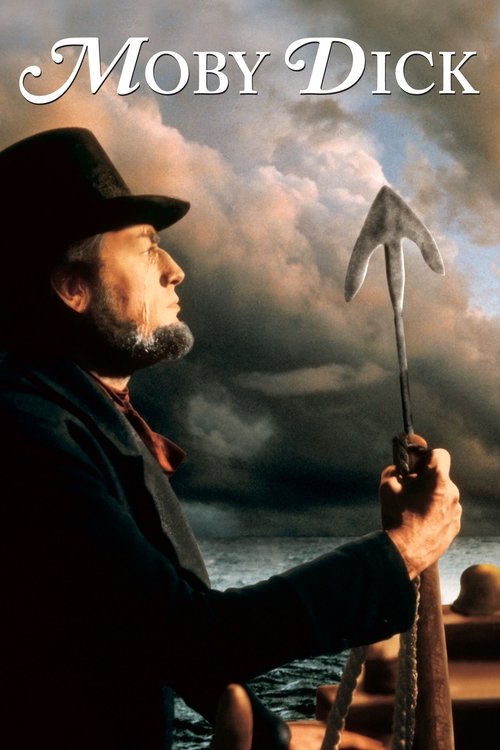
- 1956Adapts Melville's Moby Dick, photographed in muted oils Moby Dick
- 1961The Misfits: the last film of both Gable and Monroe The Misfits
- 1972Fat City: his quiet American masterpiece Fat City
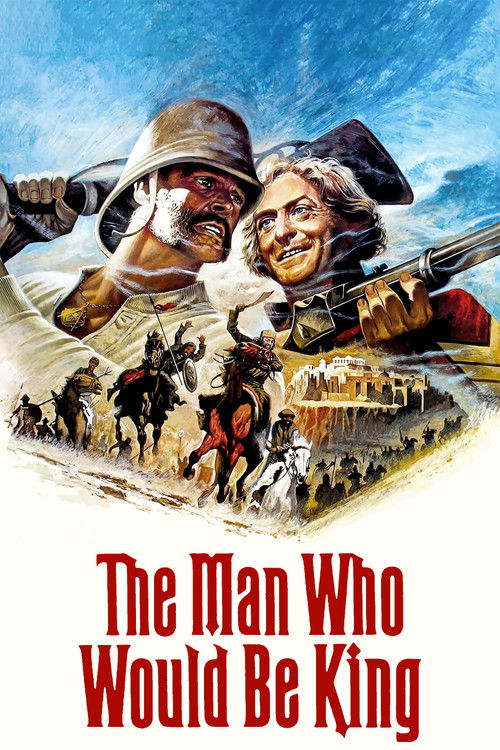
- 1975The Man Who Would Be King, decades in the planning The Man Who Would Be King
- 1985Prizzi's Honor: dark comedy of the Mafia Prizzi's Honor
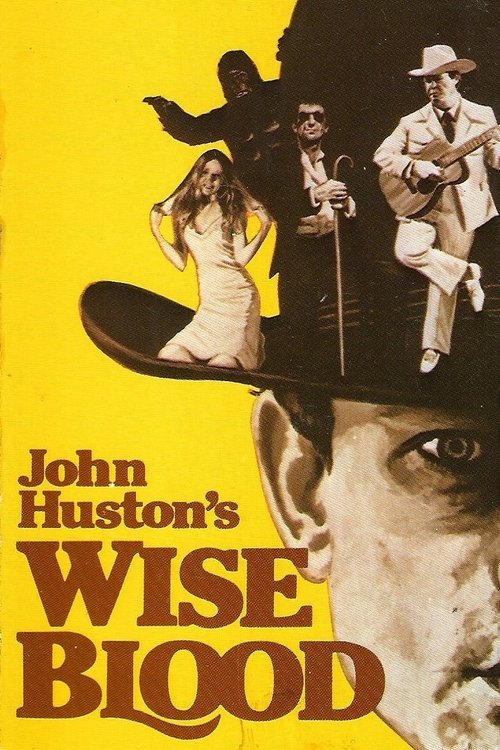
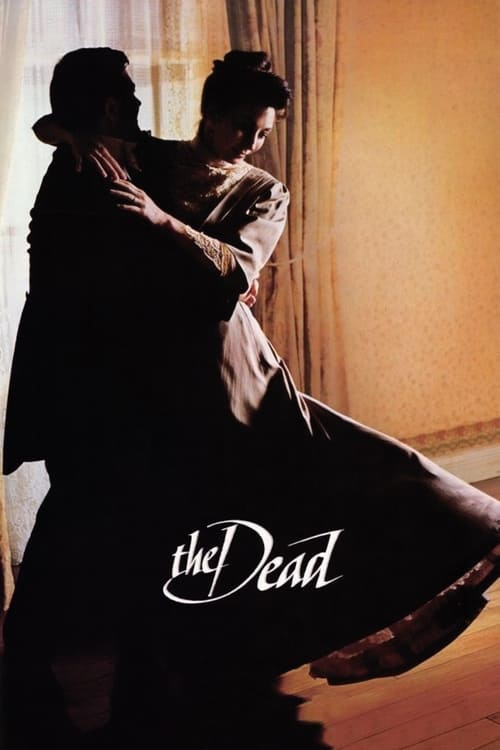
- 1987The Dead: a farewell to Joyce, to Ireland, to everything The Dead
The hidden key: Huston as actor in Chinatown
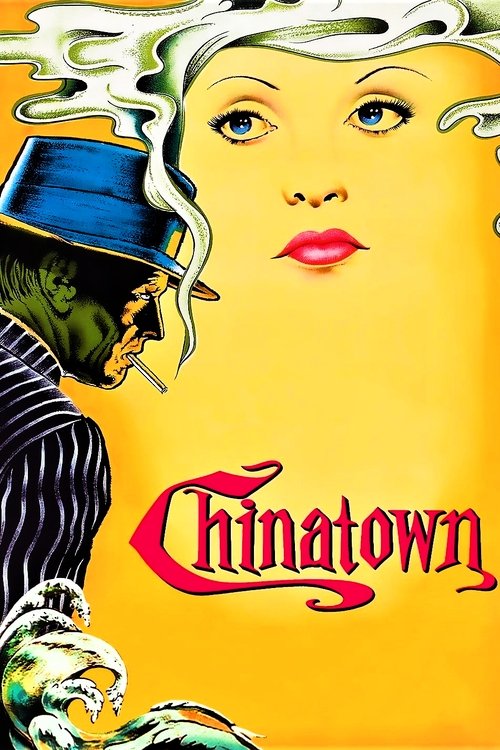
Huston did not only direct. His performance as Noah Cross in Roman Polanski's Chinatown (1974) is one of the great pieces of screen villainy, precisely because he plays the man's evil as completely banal, even genial. He is charming, old, powerful, and utterly rotten, and he delivers it all with a kind of avuncular pleasure that makes the corruption land harder. Watching it knowing Huston's directorial career adds another layer: here is a man who spent 40 years studying human corruption, and then stepped in front of the camera to embody it.