
Joni Mitchell did not fit the folk revival, the singer-songwriter bracket, or the jazz world, so she built a corridor between all three and lived there alone. From the open-tuned confessions of Blue (1971) to the jazz-orchestra sprawl of Don Juan's Reckless Daughter (1977) and the Mingus collaboration that followed, her arc is one of the most restless in recorded music. What her fans chase is a specific combination: lyrics that read as literature, chords that feel newly invented every time, and an emotional honesty that refuses the comforting resolution. The works below cross every medium and share that same refusal to settle.
Essential Joni Mitchell
The albums a fan returns to, in the order they arrived
Portraits of the Artist
Documentaries and concert films that show what Mitchell built and how


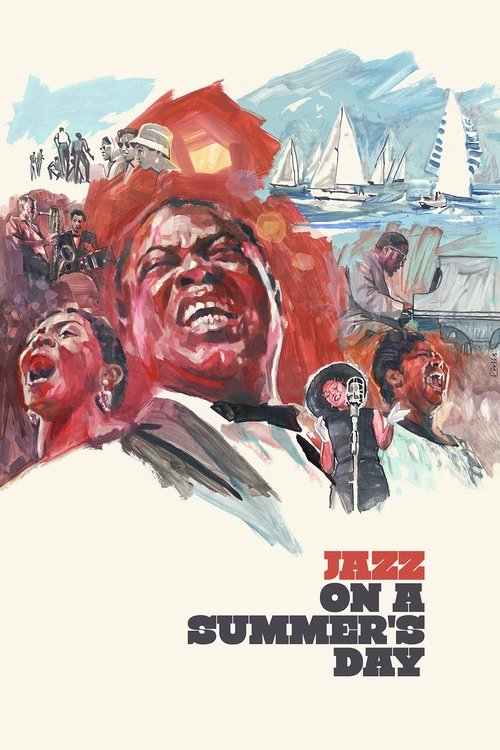
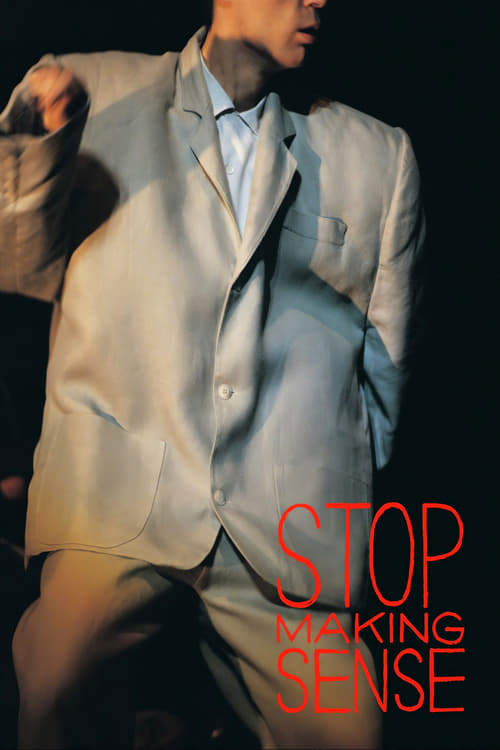
The Same Energy, Different Frequencies
Artists whose records carry that open-tuned, searching quality
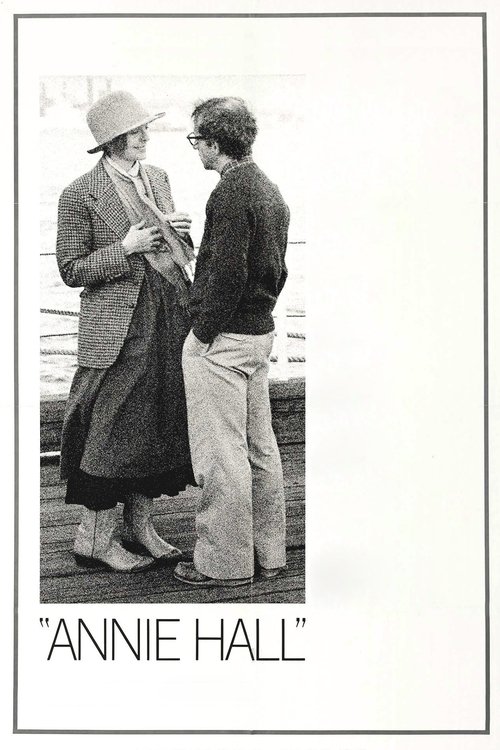
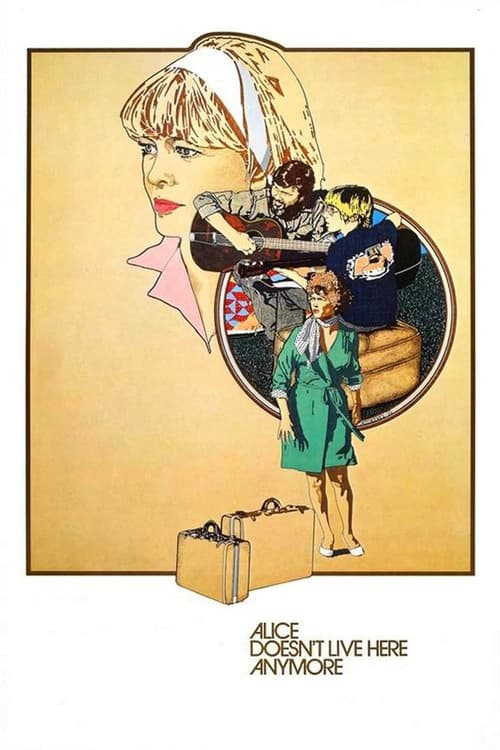
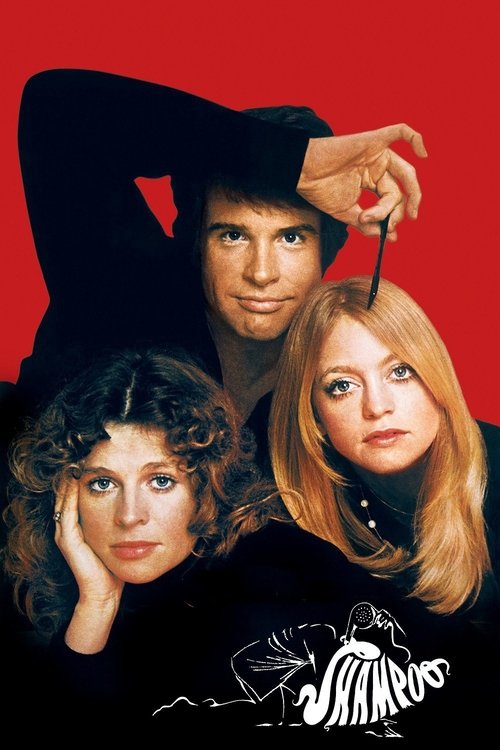
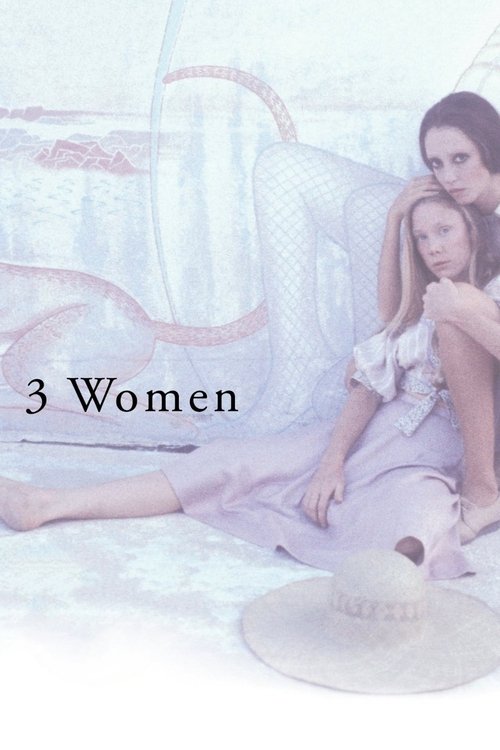
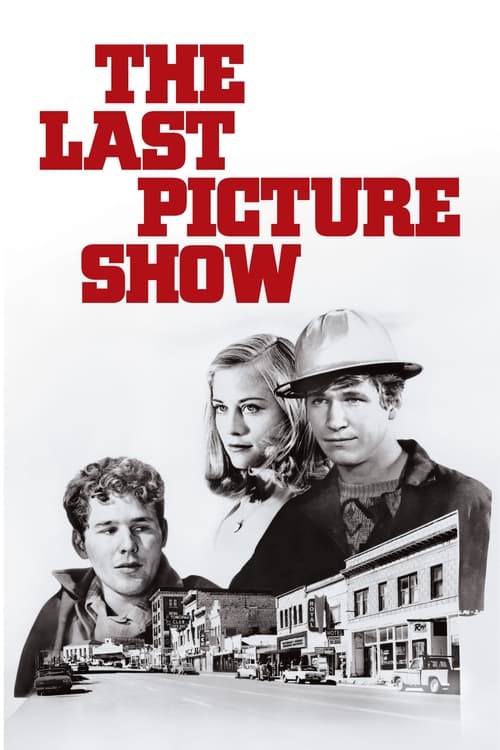
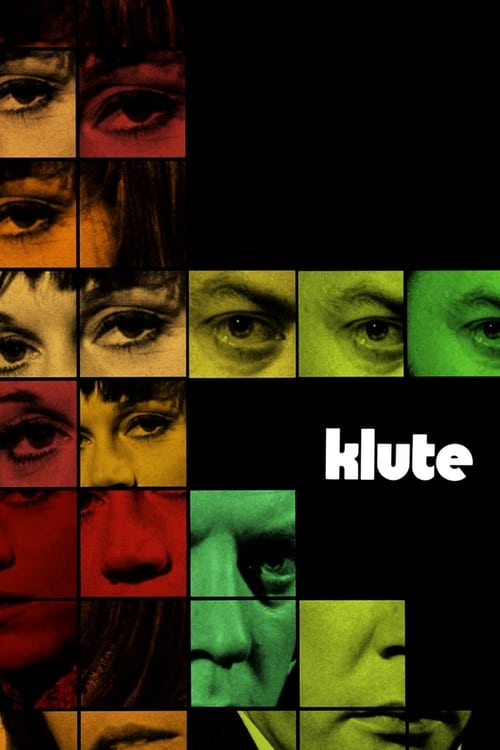
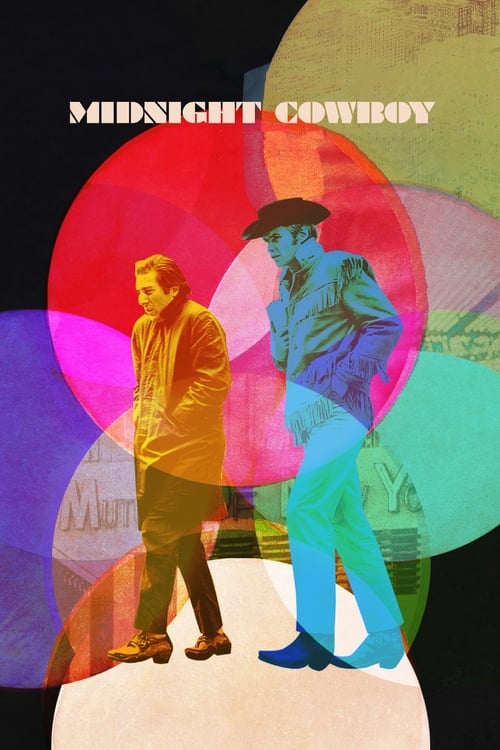
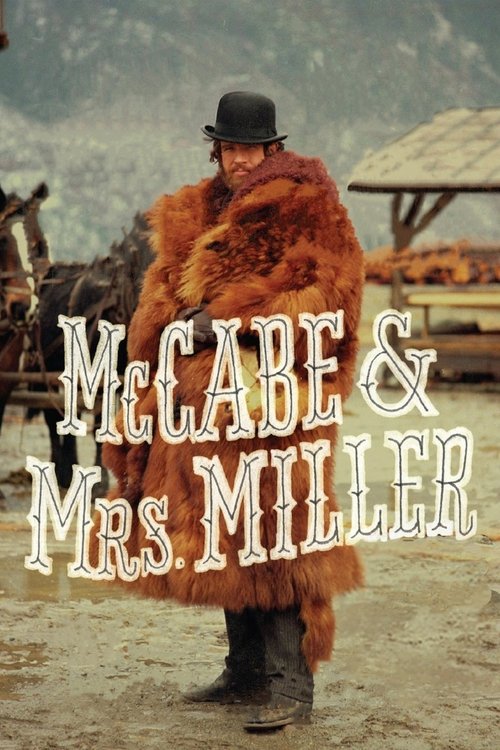
Films That Live in the Same Emotional Register
Introspective cinema from the 1970s and beyond that matches Mitchell's candor and restlessness


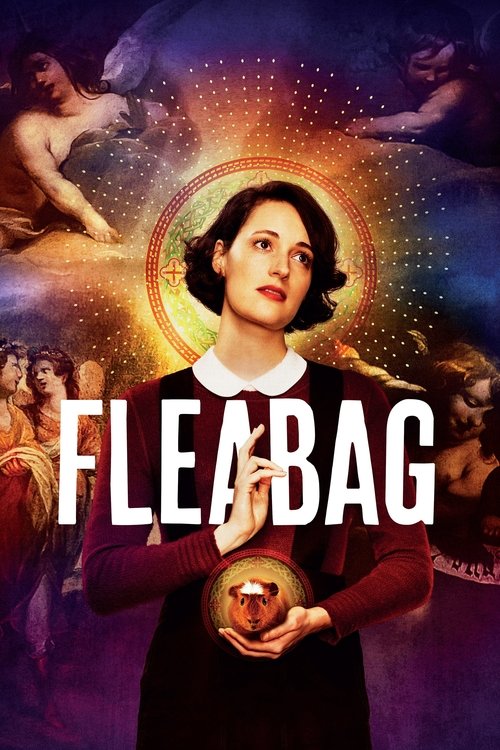
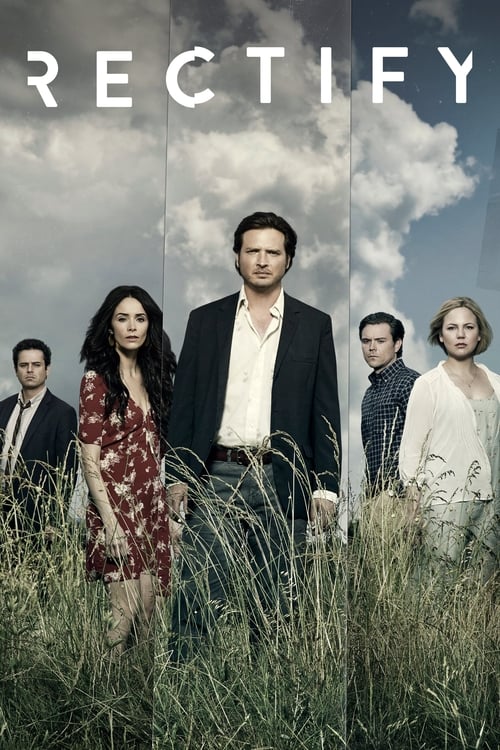
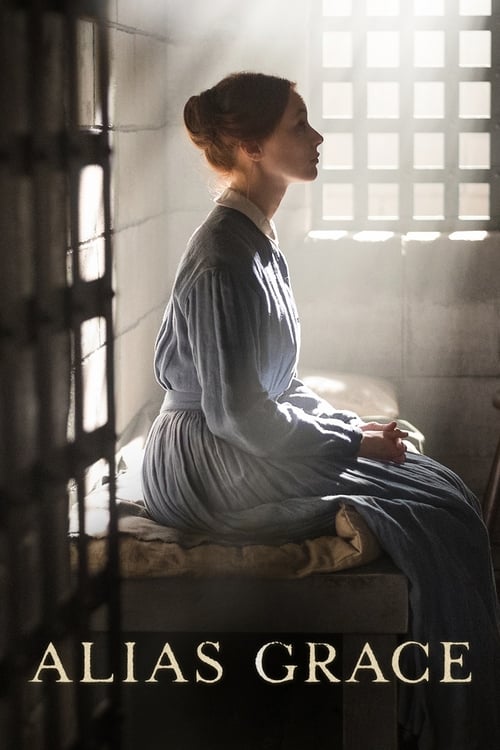
Series with the Same Restless Interior Life
Television that prioritizes interiority, ambivalence, and characters who refuse easy answers




Novels That Write the Way Mitchell Sings
Books where the prose has cadence, the feeling is specific, and nothing is over-explained




Music and Rhythm Games
Games where sound and feeling are the whole point



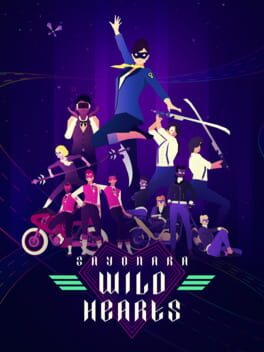

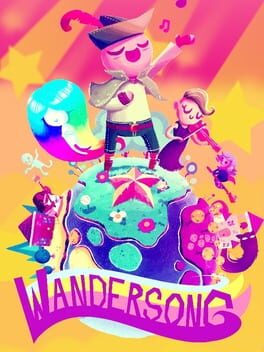

Blue is the record that defined confessional honesty in popular song
Before Blue, personal songs kept a protective layer of metaphor or narrative distance. Mitchell removed it. Tracks like 'A Case of You' and 'River' gave away emotional information that pop convention said you should keep private. That unguarded specificity is what made the record feel like it was about each listener's own life rather than the artist's. It changed what singers understood to be permissible.
Hejira is the least-discussed of her masterpieces and the most adventurous
Hejira (1976) is the record where Jaco Pastorius's fretless bass took the role normally played by rhythm guitar, leaving Mitchell free to write harmonic structures that had no precedent in rock or folk. The album is a road record about freedom and the cost of it, and its form enacts exactly that: loose, open, reluctant to resolve. Fans who know only Blue should treat Hejira as the deeper cut that rewards the most patient listening.
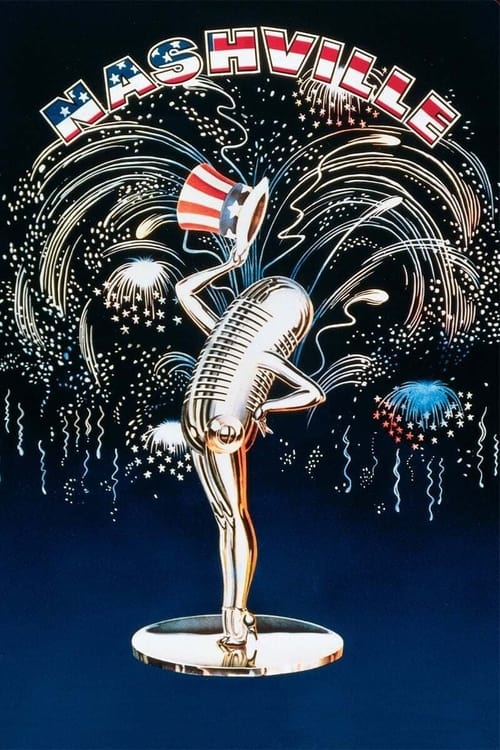
Nashville (1975) is the film that captures her California milieu better than any Mitchell biography could
Robert Altman's Nashville uses country music as the language of a fractured American moment, exactly the way Mitchell used folk and jazz to anatomize the canyon scene. The film's overlapping voices, its refusal to center a single protagonist, and its treatment of stardom as a form of loneliness all resonate with themes Mitchell returned to across a decade of records. It is the best way into that world for anyone coming from her music rather than cinema.
Joni Mitchell: A Creative Arc
- 1968Debut: Song to a Seagull
- 1969Clouds: first Grammy Loud
- 1970Ladies of the Canyon, including Big Yellow Taxi and Woodstock Ladies of the Canyon
- 1971Blue: the confessional landmark Blue
- 1974Court and Spark: her commercial peak Court and Spark
- 1975The Hissing of Summer Lawns: jazz and social critique The Hissing of Summer Lawns
- 1976Hejira: Pastorius, open road, open form Hejira
- 1979Mingus: collaboration with Charles Mingus Mingus
- 1994Turbulent Indigo: Grammy for Best Pop Album
- 2000Both Sides Now: orchestral reinterpretations Both Sides
- 2024Performs at Newport Folk Festival after years of recovery
Folk poetry and the singer-songwriters
For Fans of Folk Music
Explore the For Fans of Folk Music guide →She could write a lyric that sounded like a diary entry and a chord progression that sounded like a new harmonic language, and somehow both arrived in the same song.CrossBinge Editors