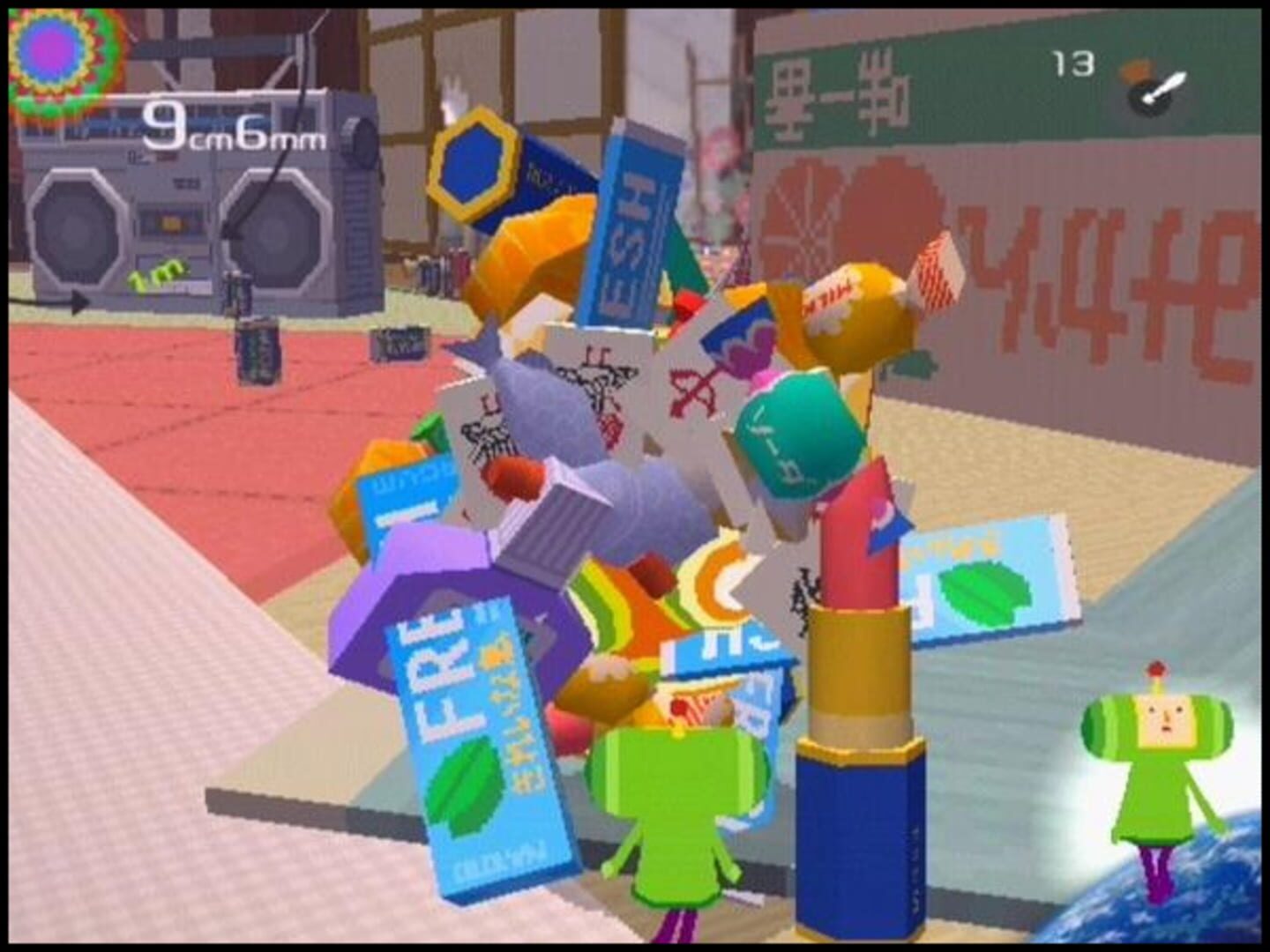

Katamari Damacy arrived in 2004 as something the game industry had no category for. The King of All Cosmos destroys the stars in a drunken accident, and you, the tiny Prince, must roll a sticky ball across the Earth collecting everything from thumbtacks to skyscrapers until the clump is large enough to replace them. That premise is absurd on paper. In play it becomes one of the most satisfying tactile loops in gaming history, a direct line from barely-bigger-than-a-coin to galaxy-dwarfing in the span of twenty minutes. What elevates it beyond novelty is the soundtrack: an original score of J-pop, bossa nova, jazz, and choral music that sounds like nothing else in games. Designer Keita Takahashi built the whole thing on a budget so small it should have been impossible, and created a cultural object that still reads as radical two decades later. If you love Katamari Damacy, you love the feeling of chaos resolving into order, of scale made visceral, of sincerity worn without irony.
Essential Katamari
The core games and the peaks of the series
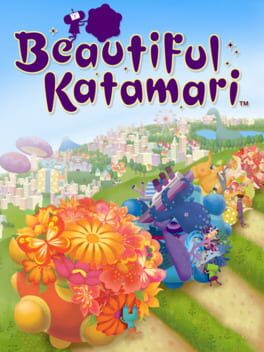
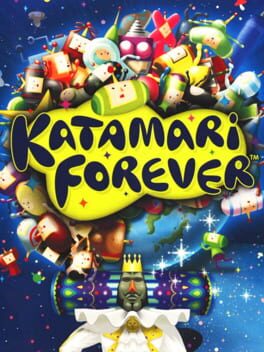
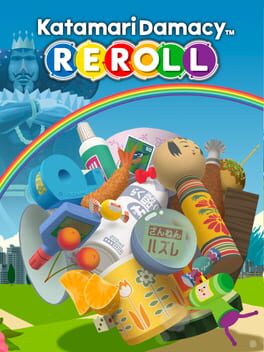
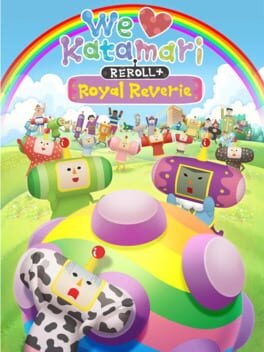
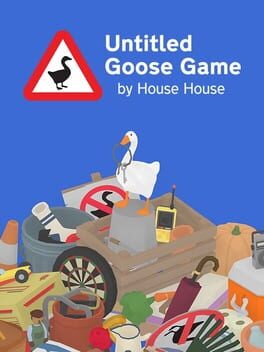
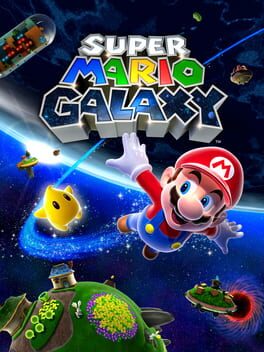
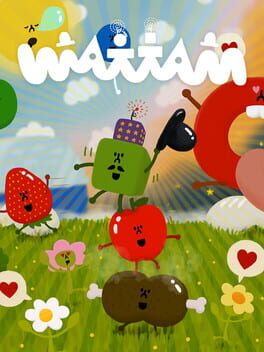
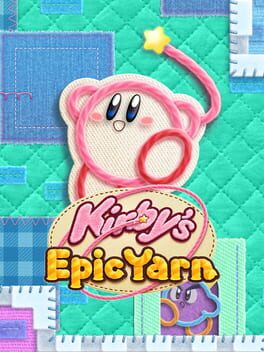
Same Energy: Games About Scale, Chaos, and Joy
Games that share Katamari's sense of escalating absurdity or pure tactile satisfaction


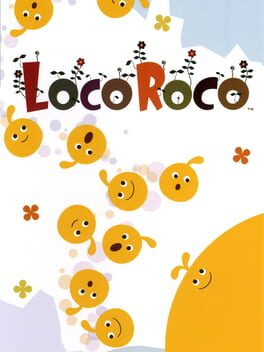
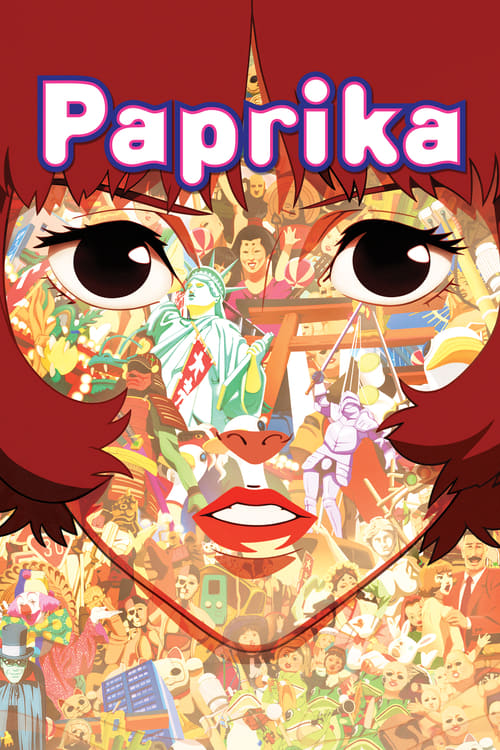
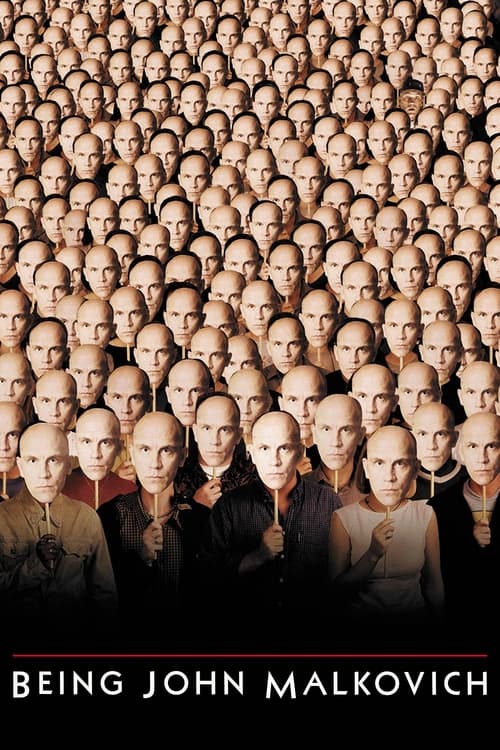
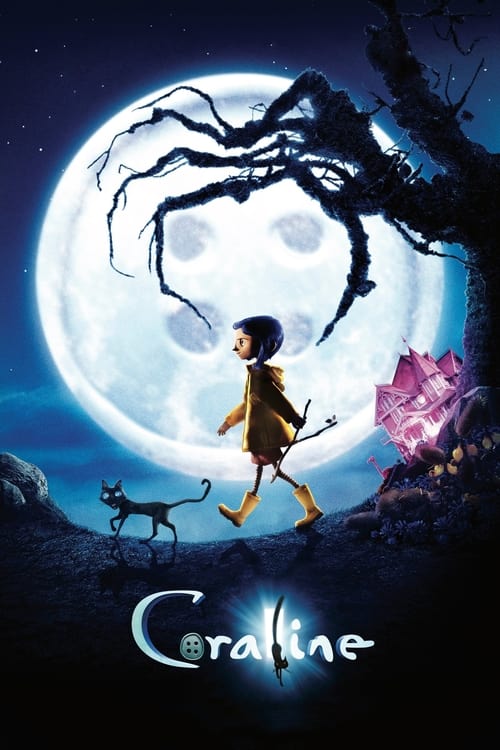
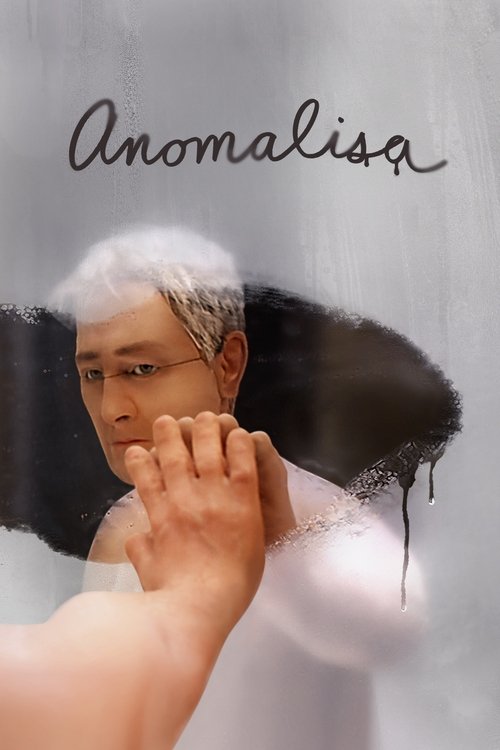
Films With the Same Surreal Heart
Movies that treat absurdity with total sincerity and find wonder in everyday objects

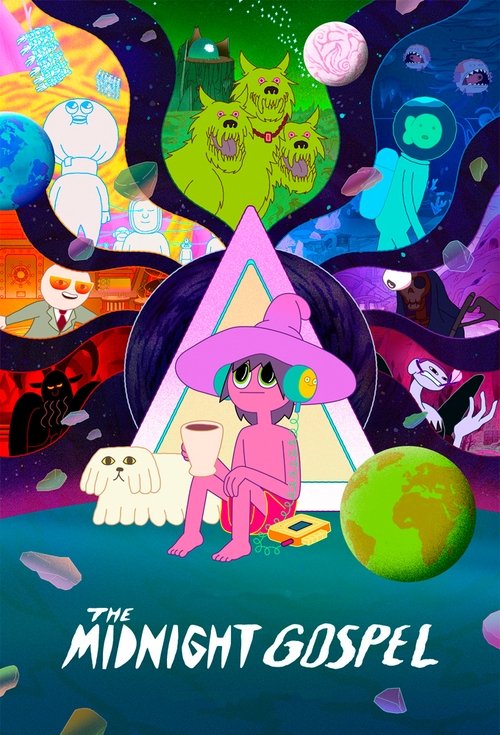
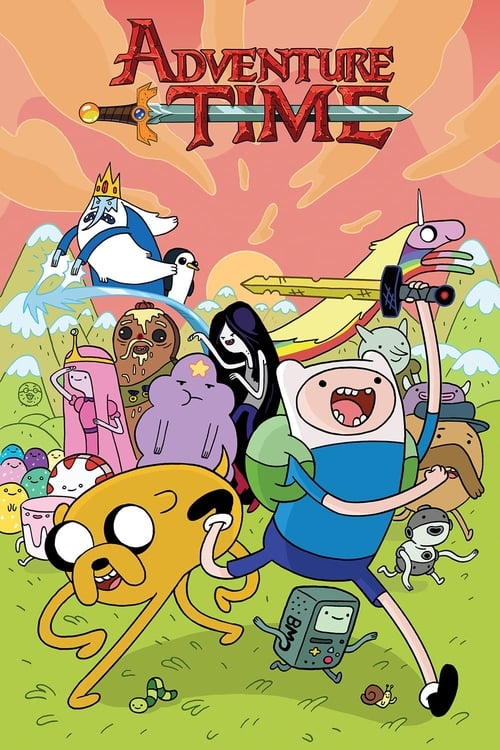
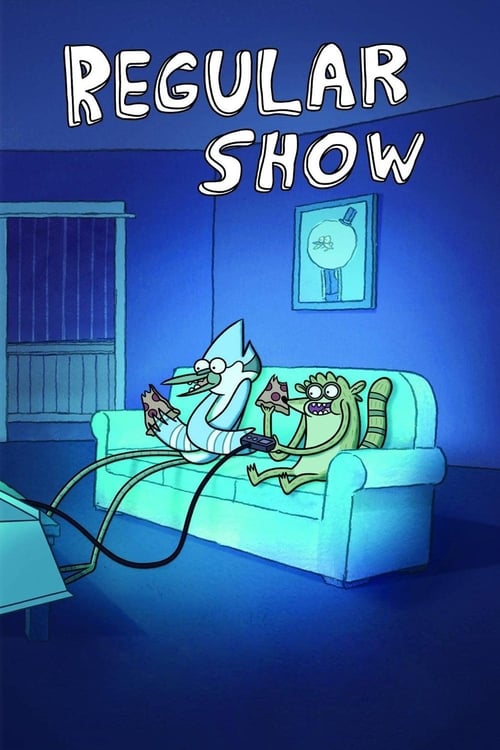
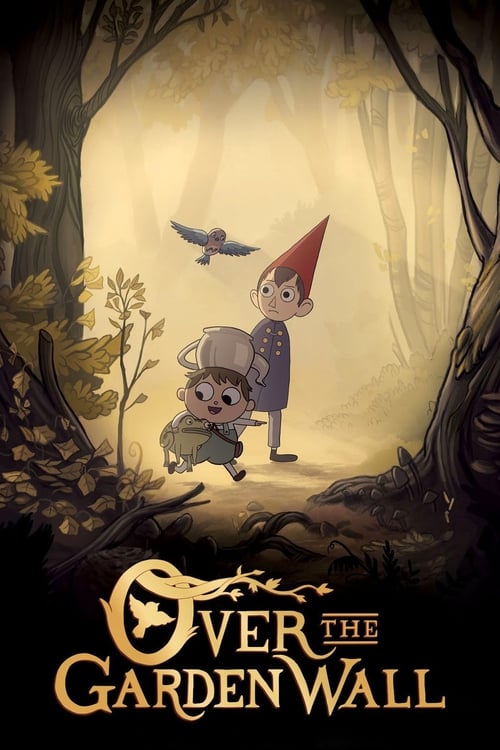
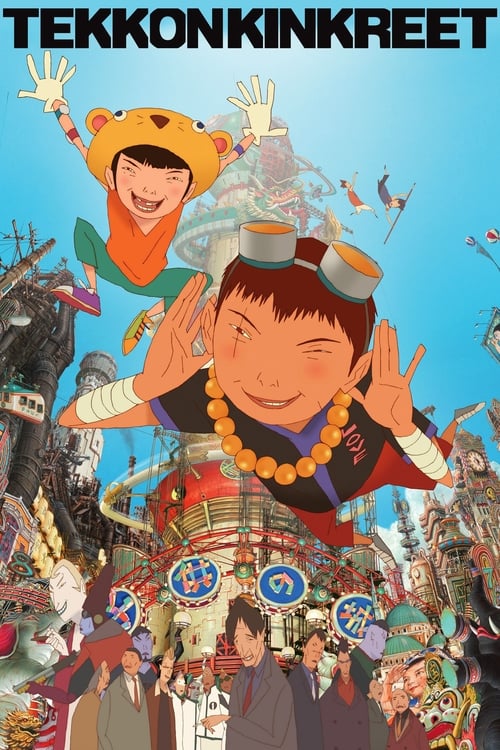
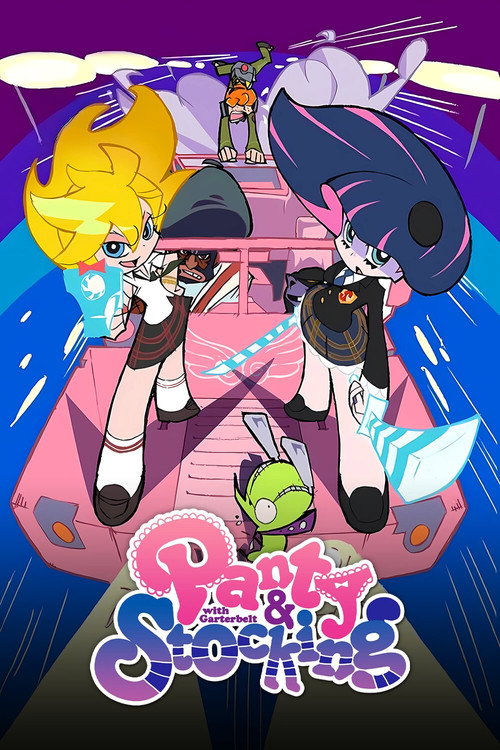
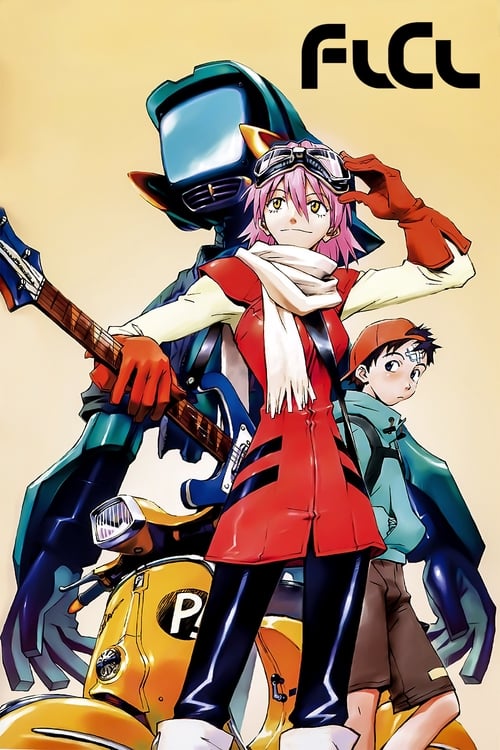
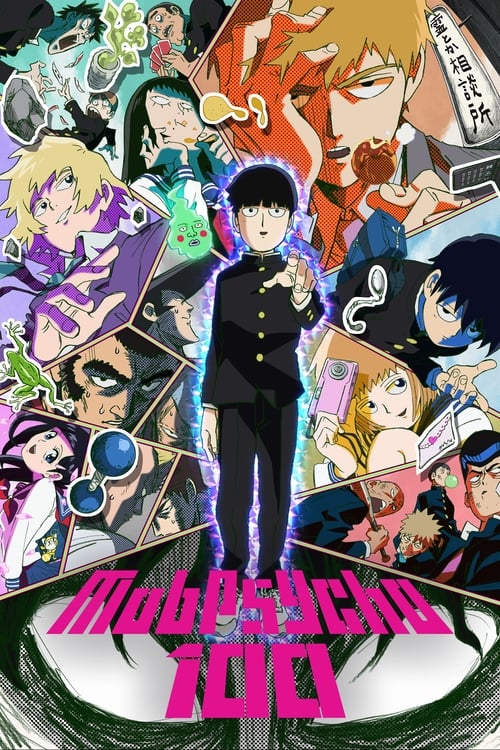
TV for the Wonderfully Weird
Series that embrace gentle absurdity and treat playfulness as a virtue

Books About Scale, Accumulation, and the Wonder of Ordinary Things
Novels and books that find cosmic meaning in the small and the everyday


The Soundtrack Is Half the Game
Katamari Damacy's original score, composed by Yuu Miyake and a rotating cast of contributors, is one of the great original game soundtracks. It refuses to settle into a genre: bossa nova segues into children's choir, jazz piano gives way to hard rock, all of it unified by a mood of unironic delight. The music does not underscore the action, it propels it. Rolling to 'Katamari on the Rocks' or 'Lonely Rolling Star' feels genuinely different from rolling in silence. The franchise understood early that sound design and music are not decoration, they are mechanics.
Keita Takahashi Made the Cheapest Masterpiece in Blockbuster History
Katamari Damacy was made on a shoestring at Namco by a team that expected the game to be niche and cheap, a student-project experiment greenlit because it cost almost nothing to complete. It sold slowly in Japan, then exploded in North America when players realized it was unlike anything on the shelf. Takahashi went on to design Noby Noby Boy (equally strange, impossible to market, beloved) and later left games to design playgrounds. The lesson his career teaches is that constraint and sincerity produce more interesting objects than budget and focus groups.
Donut County Is the Closest Anyone Has Come to Capturing the Feeling
Ben Esposito spent years making Donut County, a game about a hole in the ground that grows as it swallows things. It is, openly and by design, a Katamari riff: the joy is in the scale, in the physics of objects tumbling in, in the escalating absurdity of what fits once the hole is large enough. Where Katamari rolls outward, Donut County pulls inward. Both find the same feeling: chaos as a playable texture, accumulation as comedy and catharsis. If you have played one and not the other, correct that.
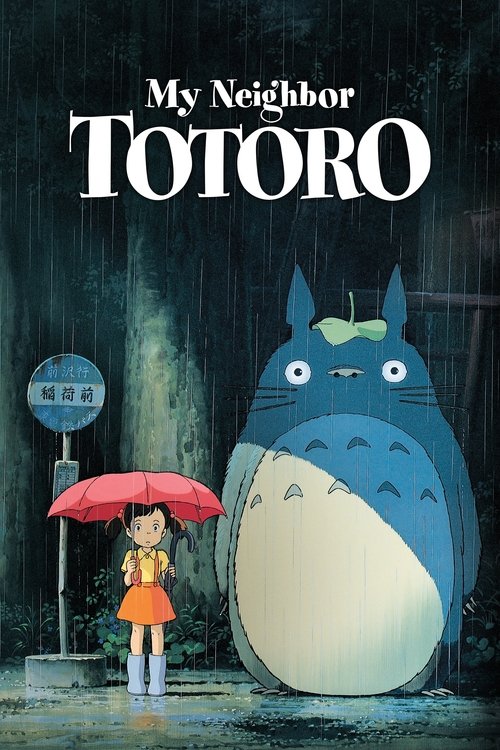
Studio Ghibli Films Understand the Same Thing Katamari Does
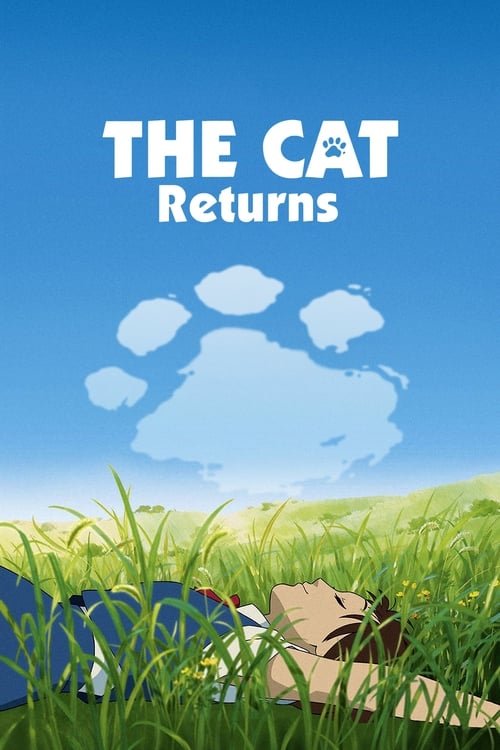
My Neighbor Totoro and Katamari Damacy are not the same kind of object, but they operate on the same emotional register. Both treat scale as something to wonder at rather than fear. Both present a world where enormous, physics-defying things coexist with the mundane, and both refuse to explain why. The Ghibli filmography, especially the early Miyazaki films and the underrated The Cat Returns, is the closest film gets to the particular warmth Katamari carries. The common ingredient is sincerity: nobody in these works is winking at the audience.
The Katamari Universe, in Order
- 2004The original rolls onto PS2 in Japan (March), then North America (September) Katamari Damacy
- 2005The fan-celebrated sequel, widely considered the series peak, arrives on PS2 We Love Katamari
- 2006The first handheld entry brings katamari to the PSP Me & My Katamari
- 2007The series goes multiplatform on Xbox 360 and PS3 Beautiful Katamari
- 2008Takahashi's follow-up experiment, a game about growing and sharing, lands on PS3 Noby Noby Boy
- 2009Katamari Forever celebrates the series' fifth anniversary on PS3 Katamari Forever
- 2018Full HD remaster of the original brings the franchise to a new generation Katamari Damacy Reroll
- 2019Ben Esposito's hole-in-the-ground spiritual cousin reaches wide release Donut County
- 2023We Love Katamari gets its own remaster with new royal reverie stages We Love Katamari Reroll + Royal Reverie
Playful, surreal worlds to roll into
For Fans of Kirby
Explore the For Fans of Kirby guide →The Prince doesn't ask why the stars are gone or whether the task is possible. He rolls. The joy is in the rolling.CrossBinge