

The Man Who Made Shakespeare Breathless Again
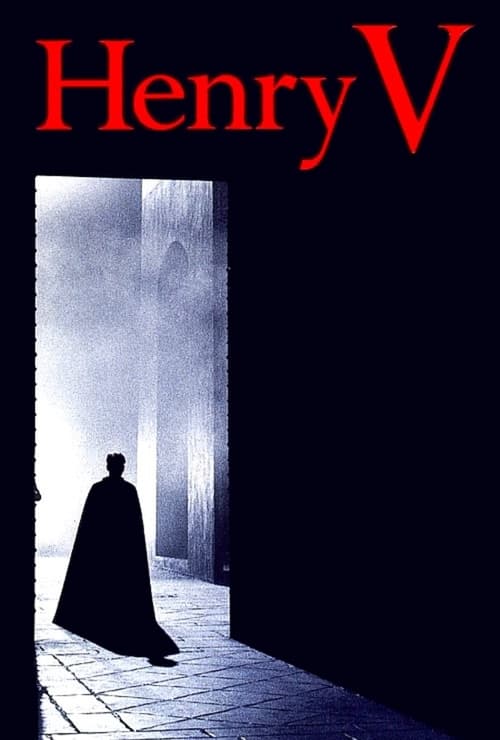
Kenneth Branagh arrived in cinema like a correction. He was the young Belfast-born actor who believed Shakespeare belonged to everyone, not just academics in darkened lecture halls, and his 1989 debut Henry V proved the point with mud, blood, and a four-minute tracking shot through a battlefield of the dead. What followed was one of the more singular careers in contemporary film: Branagh the Shakespearean, Branagh the crowd-pleasing entertainer, Branagh the Oscar-winning director of Belfast, a small black-and-white film about a boy losing his city to sectarian violence that also happens to be one of the most precise pieces of personal filmmaking in years.
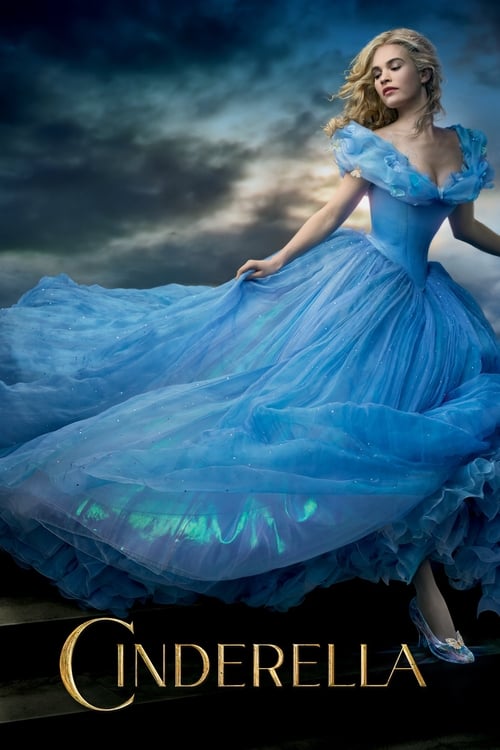
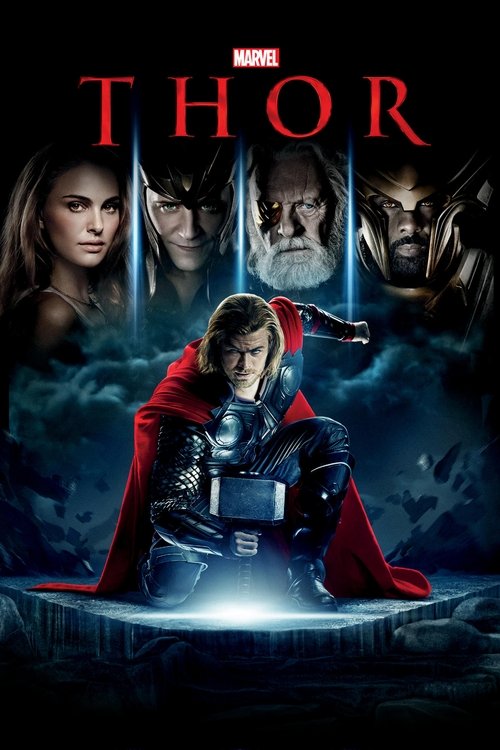
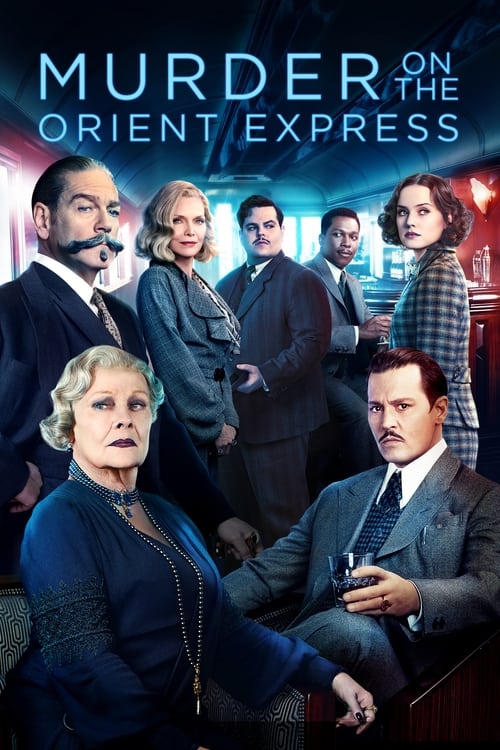
The through-line in all of it is a genuine love for language and for the physical world of storytelling. His Shakespeare films are not museum pieces. His Hamlet runs four hours and uses every word. His Cinderella for Disney is so lush you can almost smell the flowers. His Belfast is forty years of grief distilled into ninety minutes. Even his blockbusters, Thor and the Agatha Christie adaptations, are staged with a sense of occasion, a pleasure in the ceremony of cinema itself.
Fans of Branagh tend to be fans of a certain kind of ambition: work that reaches for something large without embarrassment, that treats audiences as adults who can handle poetry and grief and spectacle in the same sitting.
Essential Kenneth Branagh
His key films as director, actor, or both
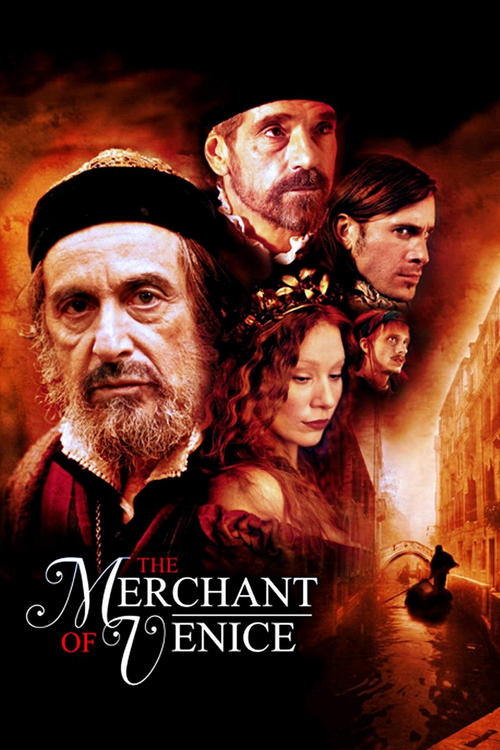
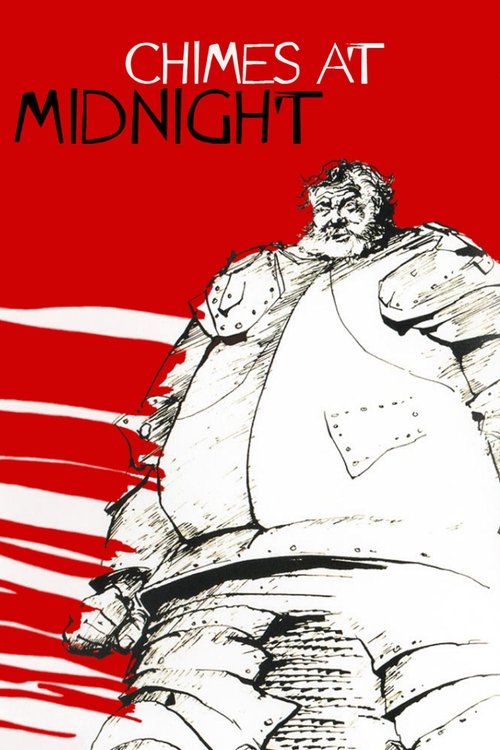
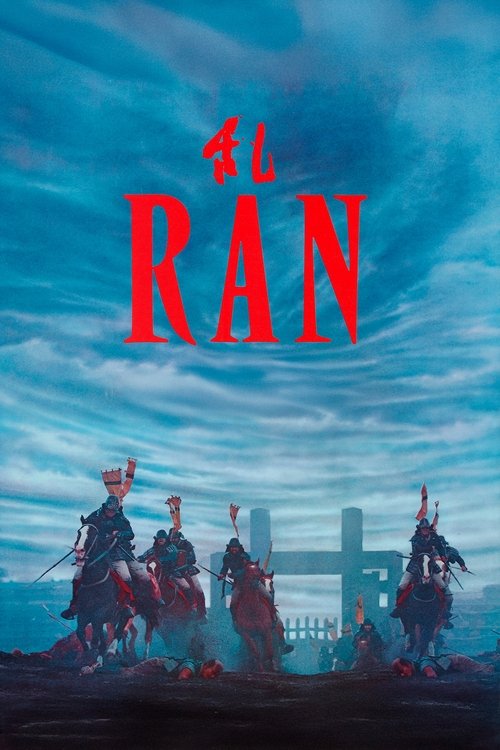
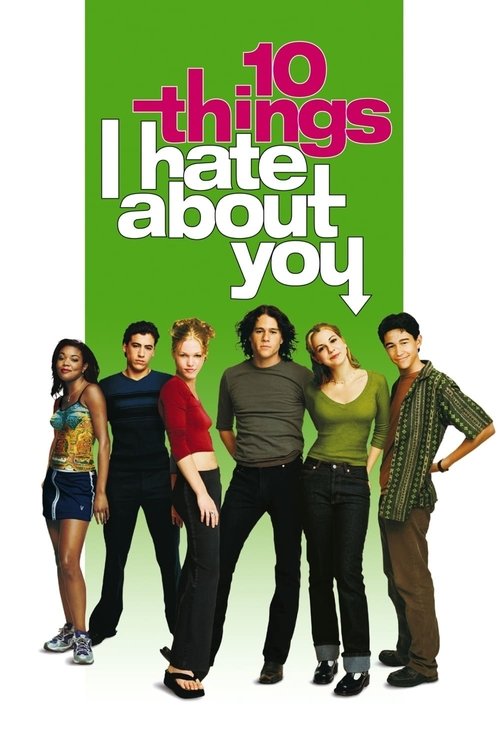
Shakespeare on Screen Worth Your Time
The finest filmed Shakespeare for readers, theatergoers, and everyone who avoided the plays in school
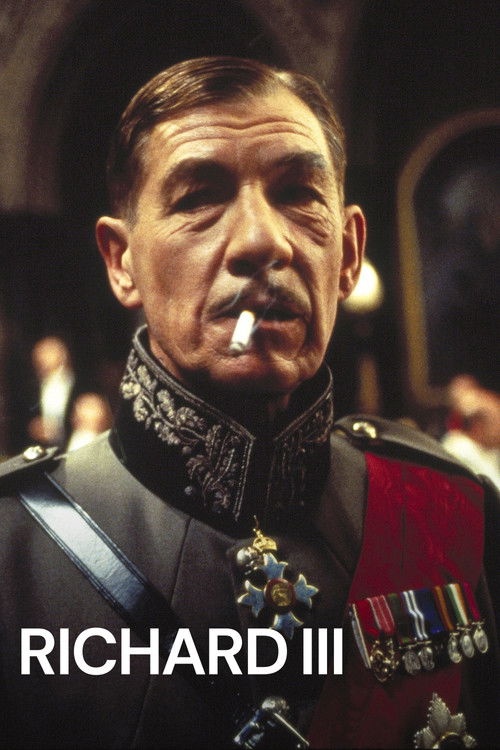
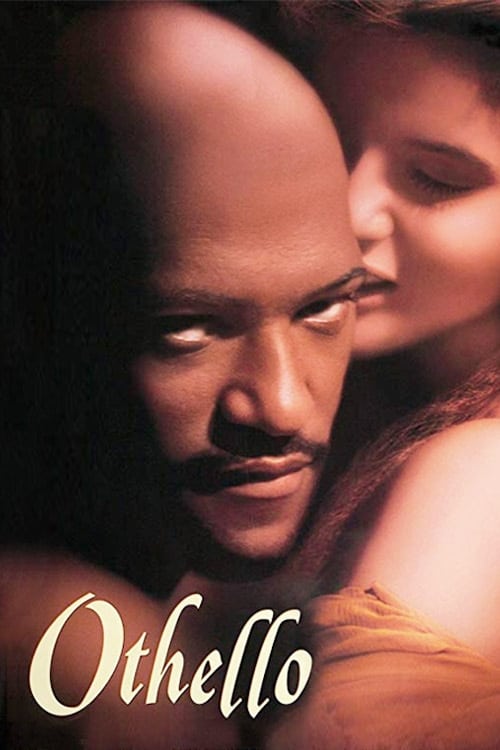
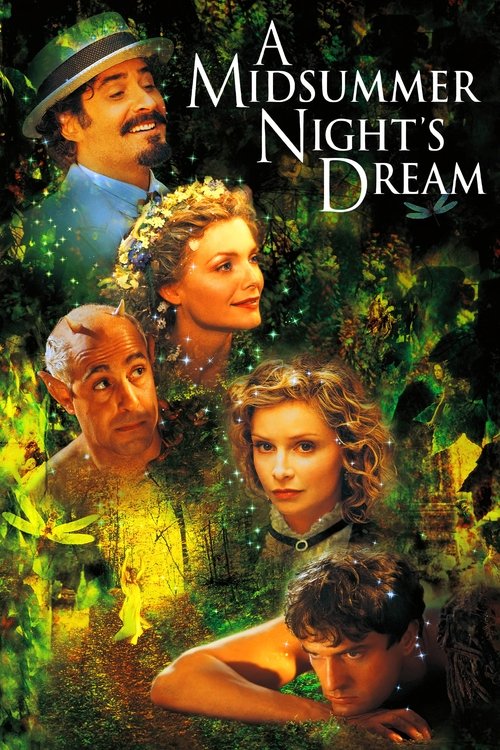
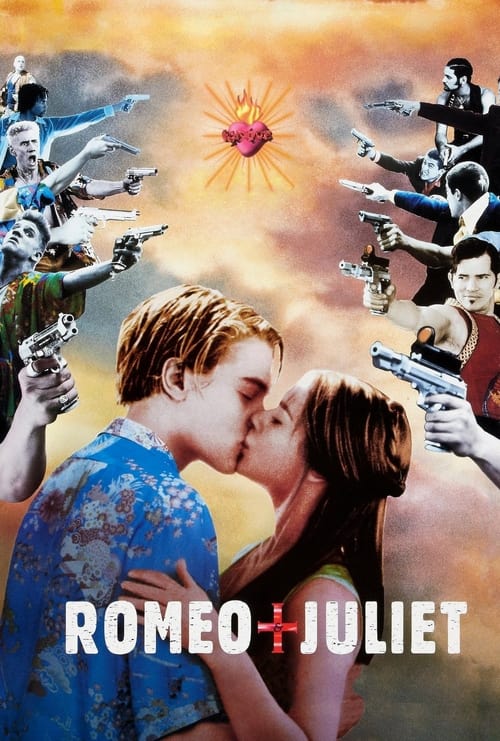
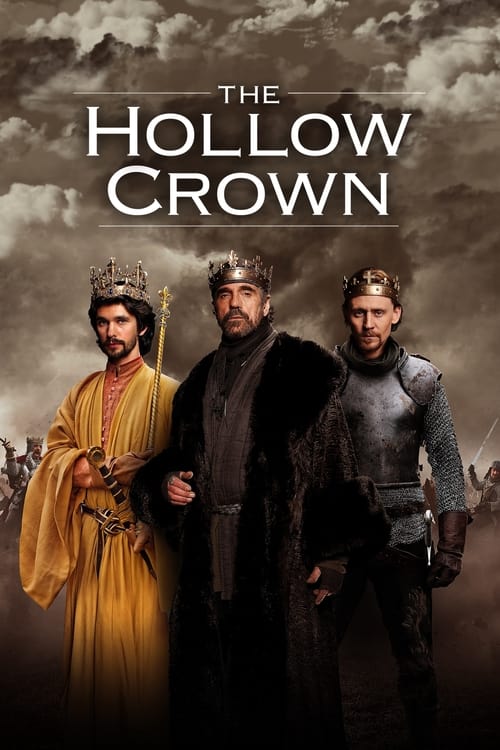
The perfect entry point is not Henry V
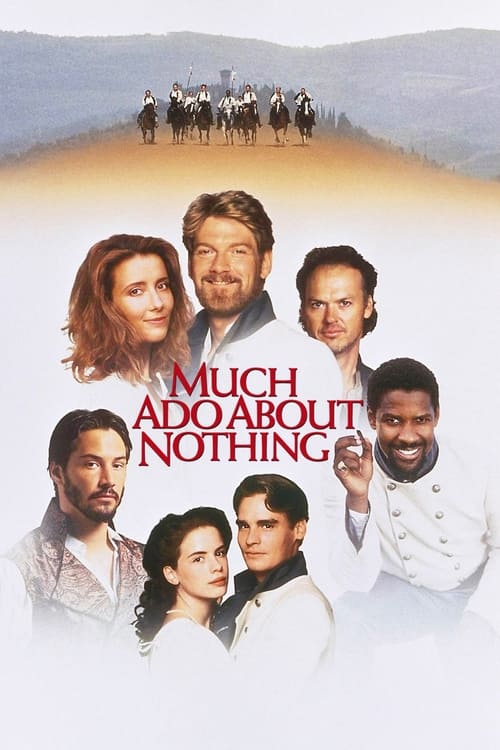
Everyone starts with Henry V because it announced him. But Much Ado About Nothing, shot in Tuscany in 1993, is more alive and more fun, and it shows you what Branagh actually loves: language as play, bodies in sunlight, grief and joy sitting next to each other at the same party. Keanu Reeves is genuinely miscast as the villain and it barely matters. This is the one that makes people fall in love.
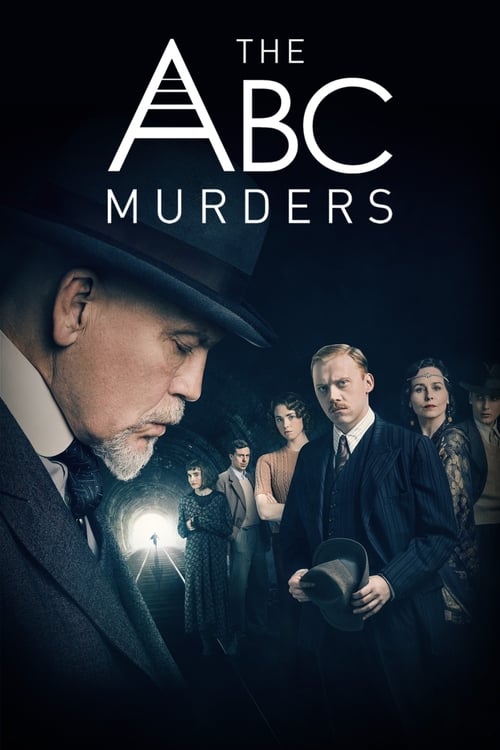
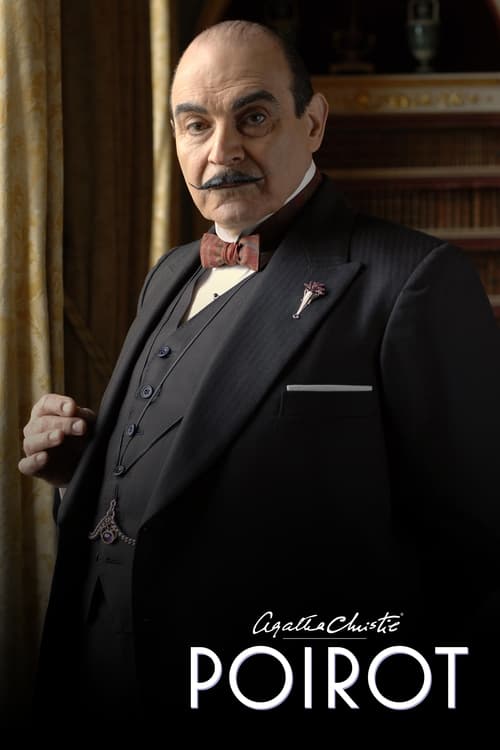
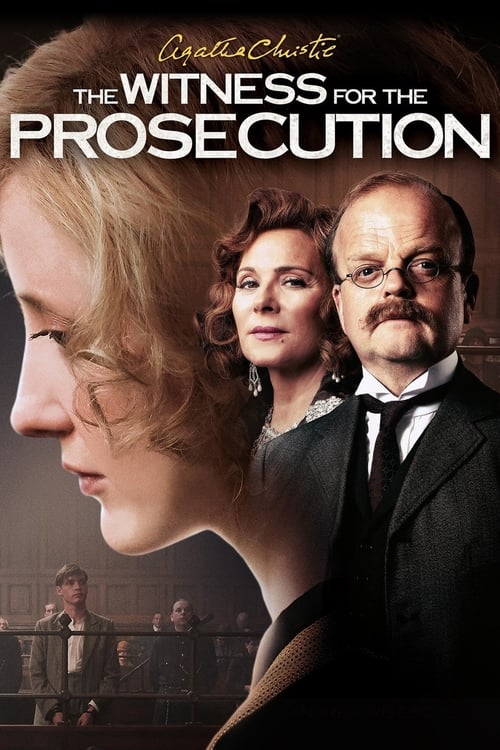
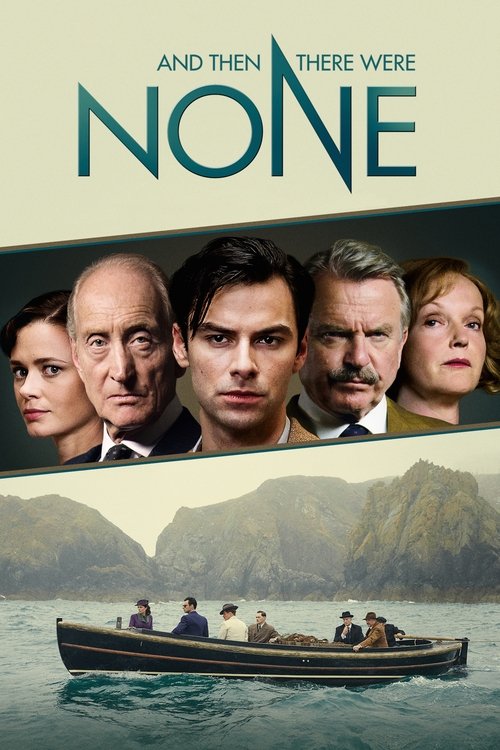
Brilliant Period Mysteries
For fans of Branagh's Poirot and his love for genre done with care

Childhood, Memory, and the Weight of Place
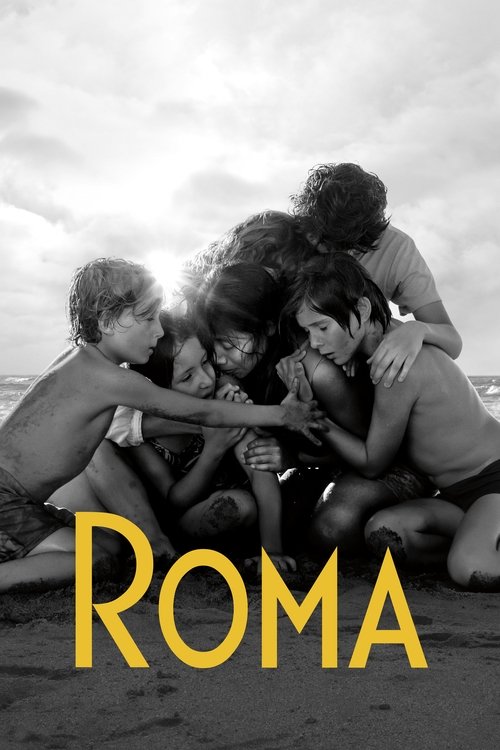
Films and books in the spirit of Belfast, about the landscapes that make us
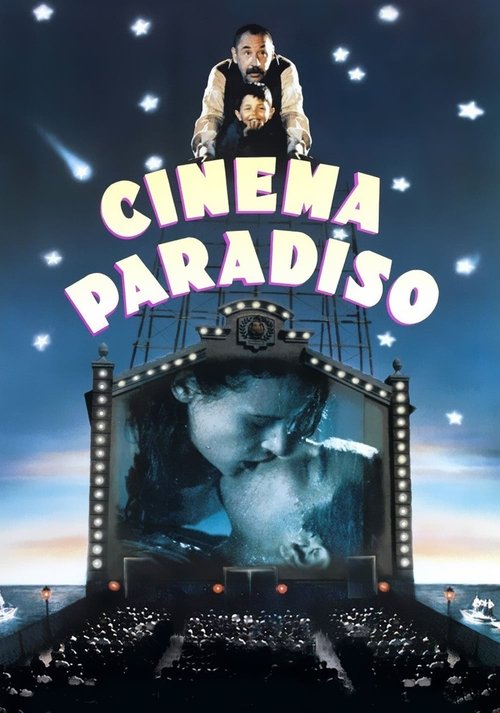
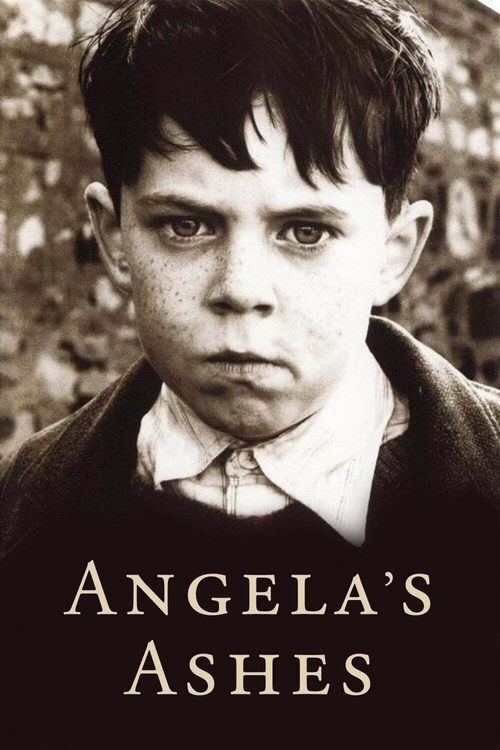
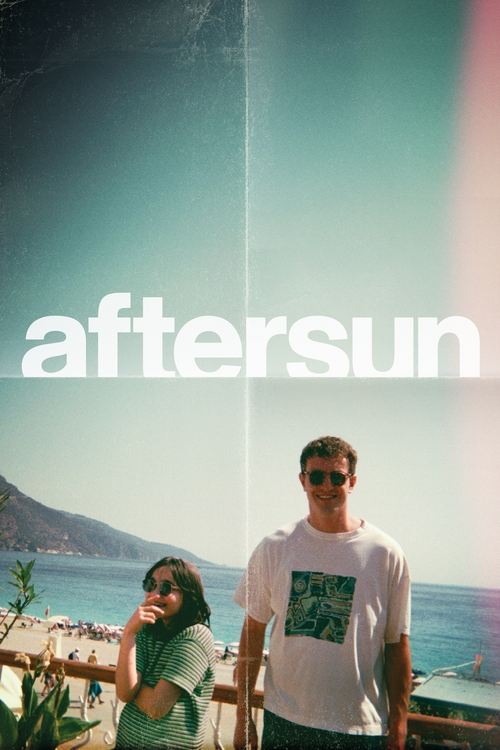
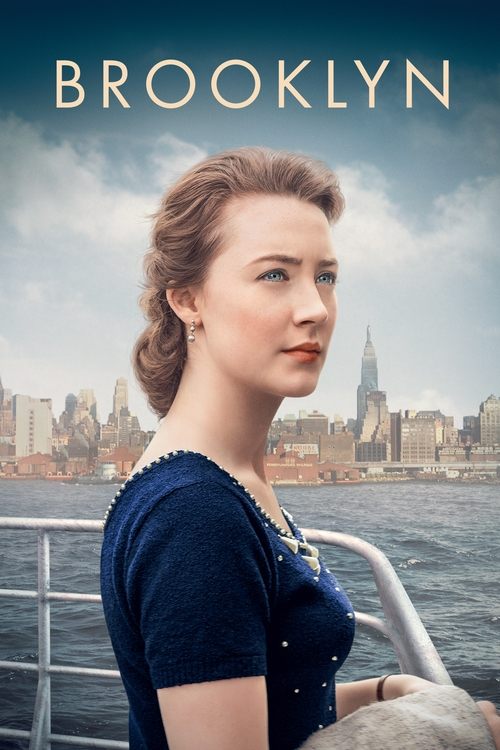

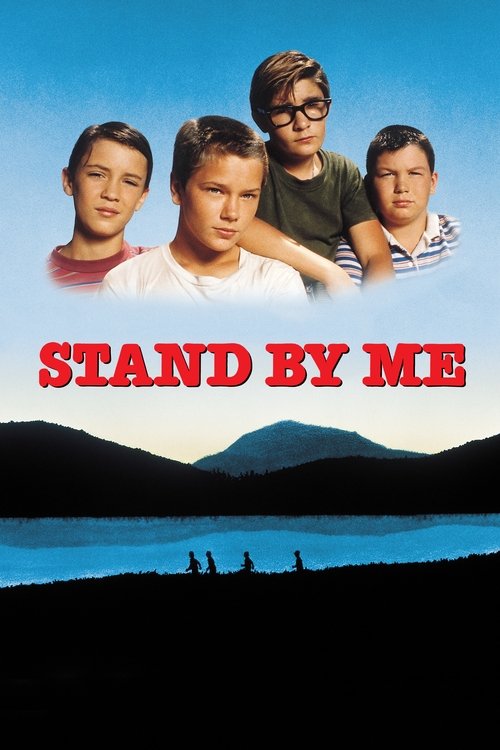
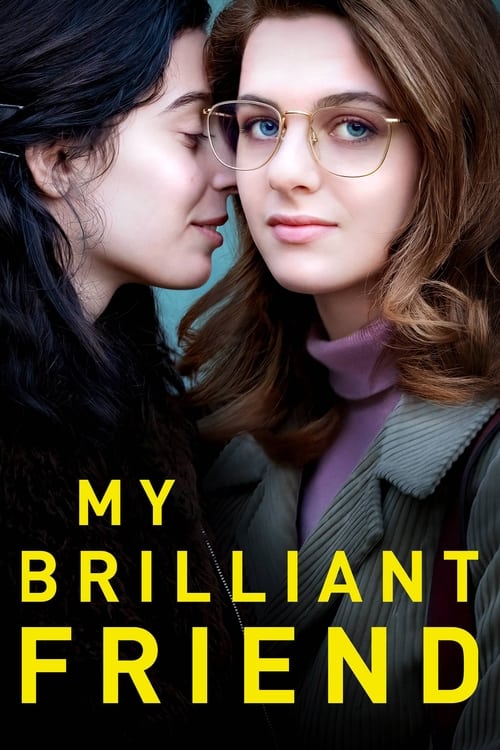
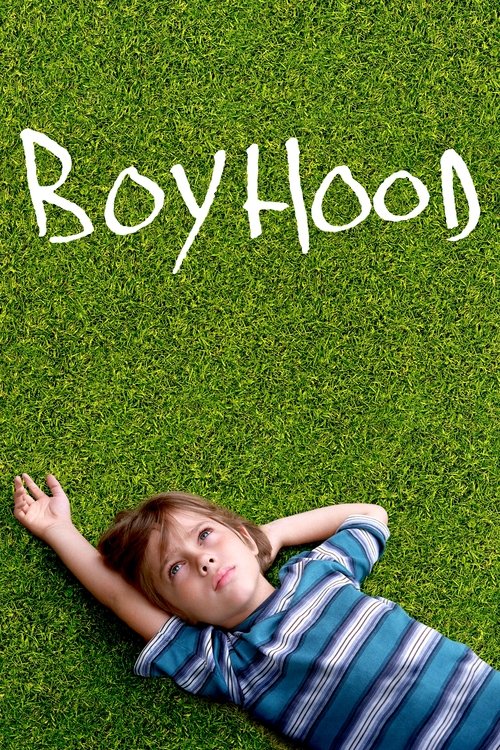
Belfast is his best film and it is not even close
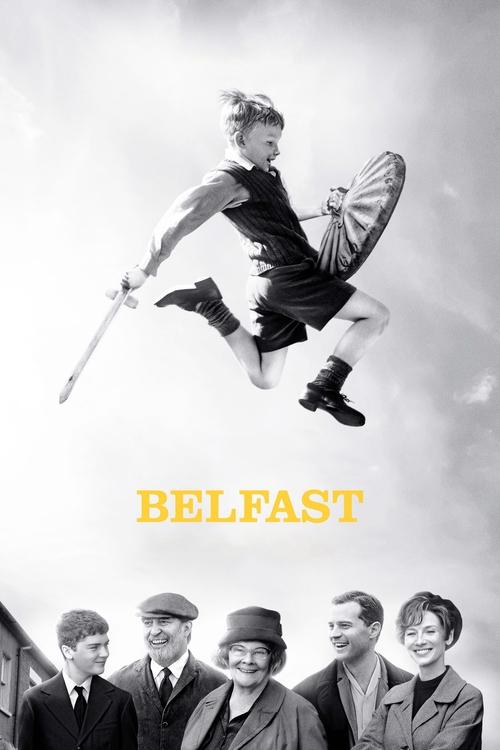
The Agatha Christie films are entertaining. Hamlet is a monument. But Belfast is the one where you sense Branagh has run out of things to hide behind: no genre scaffolding, no borrowed text, just a childhood in a city coming apart and a family trying to hold itself together. The black-and-white photography is quietly perfect. The Van Morrison songs are not subtle and they work anyway. It is the film of his career.
Grand Spectacle with Real Feeling
Big-canvas films that earn their scope, for fans of Branagh's unironic love of scale
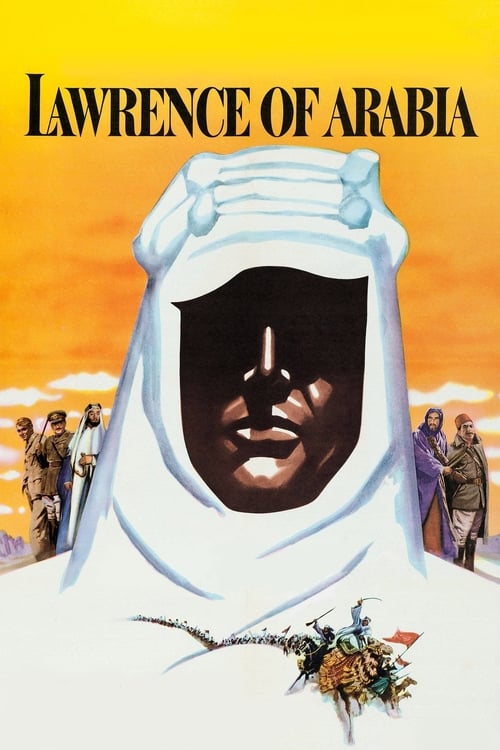

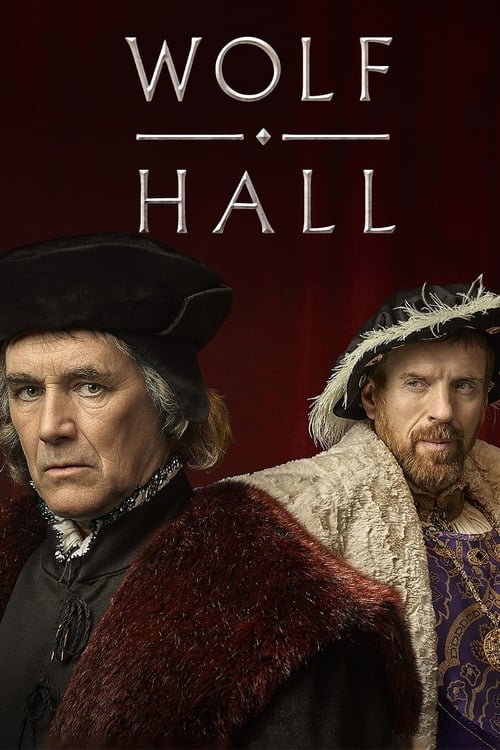
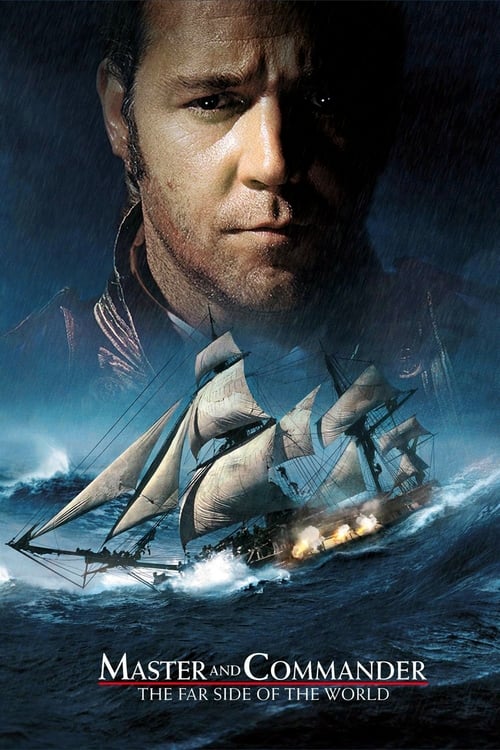
His four-hour Hamlet deserves its length
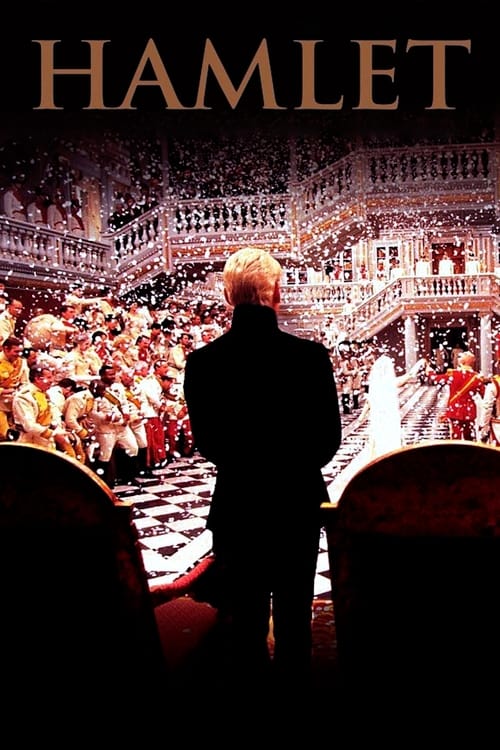
The standard complaint is that it is too long. The standard complaint is wrong. Using the full First Folio text means nothing is cut, which means every character breathes, every subplot lands with weight, and the final act carries a genuine sense of accumulation. Branagh films it at Blenheim Palace and treats every word like it counts. It is four hours and it earns them.
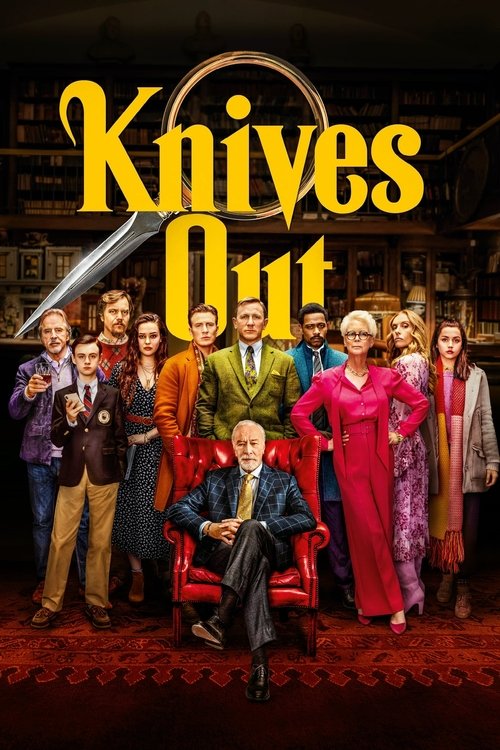
The best spiritual successor is Knives Out
Rian Johnson's Knives Out shares Branagh's Poirot instinct: the beloved genre done seriously, with a great ensemble, real wit, and an actual mystery underneath the surface gloss. Both filmmakers understand that the detective story is at its best when it cares about something beyond the puzzle, and both know that if you hire enough good actors you can get away with almost anything.
A Career in Key Moments
- 1989Henry V announced him Henry V
- 1993Much Ado shot in Tuscany Much Ado About Nothing
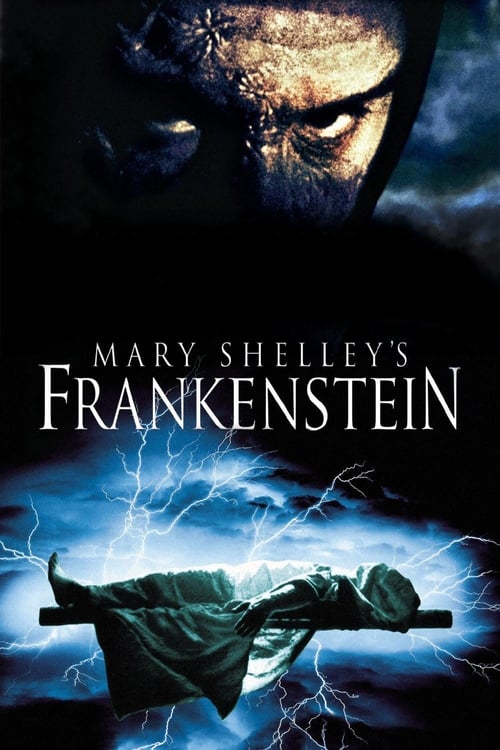
- 1994Frankenstein, directing and starring Mary Shelley's Frankenstein
- 1996Full-text four-hour Hamlet Hamlet
- 2011Thor brought him to blockbusters Thor
- 2015Cinderella, lush and sincere Cinderella
- 2017Poirot begins with Orient Express Murder on the Orient Express
- 2021Belfast, his most personal film Belfast
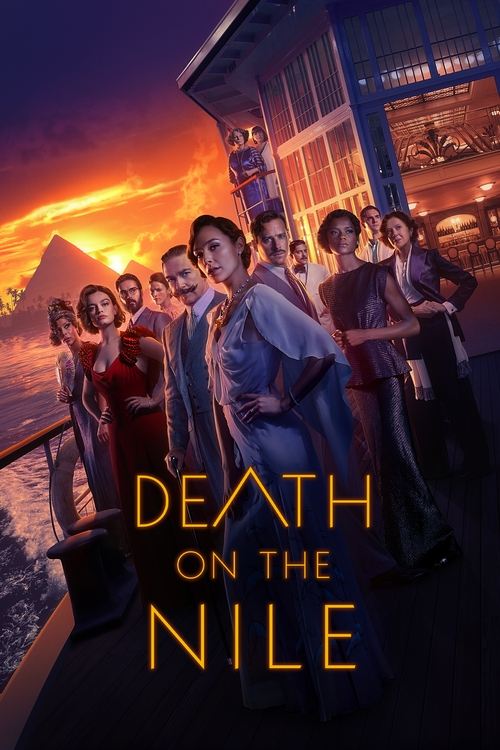
- 2022Death on the Nile continues Poirot Death on the Nile
Shakespeare, Poirot, grand human drama
For Fans of Agatha Christie
Explore the For Fans of Agatha Christie guide →He is the rare filmmaker who treats spectacle as an act of generosity toward the audience, not a substitute for meaning.CrossBinge